
Things to do in Granada Spain often start with the Alhambra, but the city is much richer than one palace ticket. Granada works best when you mix headline sights with slow neighborhood walks, tapas bars, viewpoints, and a little time in the mountains or nearby villages.
The city is compact, hilly, and layered: Moorish palaces, Catholic monuments, student energy, flamenco caves, tea houses, free-tapas culture, and snow-capped views can all fit into one short trip. That variety is why Granada rewards travelers who plan their timing but leave room to wander.
This guide focuses on the most useful things to do in Granada Spain for first-time visitors, with practical notes on tickets, timing, food, transport, and common mistakes so your days feel full rather than rushed.

Quick Granada Planning Snapshot
Granada is easy to enjoy in two or three days, but the best version of the trip depends on how early you secure the Alhambra, how comfortable you are with hills, and how much time you want for food and viewpoints. Treat the Alhambra as the fixed point, then build the rest of the city around it.
Trip style | Best plan | Useful note |
|---|---|---|
One full day | Alhambra, Albaicin, cathedral area, sunset viewpoint | Book the palace visit first and keep meals simple. |
Two days | Add Sacromonte, tapas hopping, hammam, and tea streets | This is the sweet spot for most first visits. |
Three days | Add Sierra Nevada, Monachil, or a slower food day | Better for couples, families, and photographers. |
Best base: Centro or Realejo keeps you close to restaurants and uphill routes without staying in the steepest streets.
Best rhythm: book mornings for major sights, late afternoons for viewpoints, and evenings for tapas.
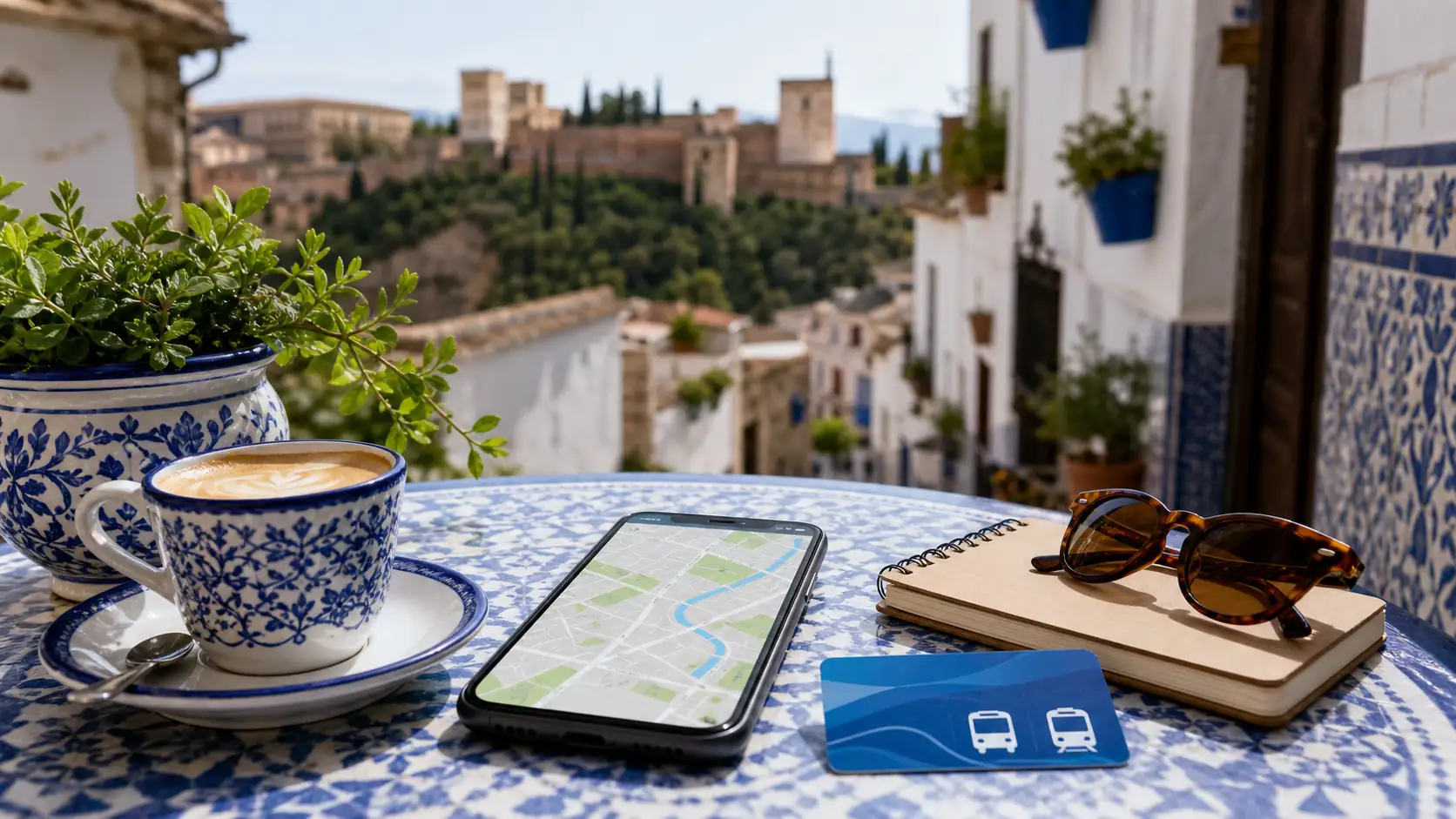
Connectivity tip: live maps help on Granada's stepped lanes, so many travelers set up an iRoamly travel eSIM before arrival for walking routes, restaurant searches, and ticket confirmations.
15 Best Things to Do in Granada
The strongest Granada itinerary balances icons with atmosphere. Do the biggest sights early, save the viewpoints for soft light, and give yourself permission to linger in streets that were never designed for rushing.
1. Visit the Alhambra and Nasrid Palaces
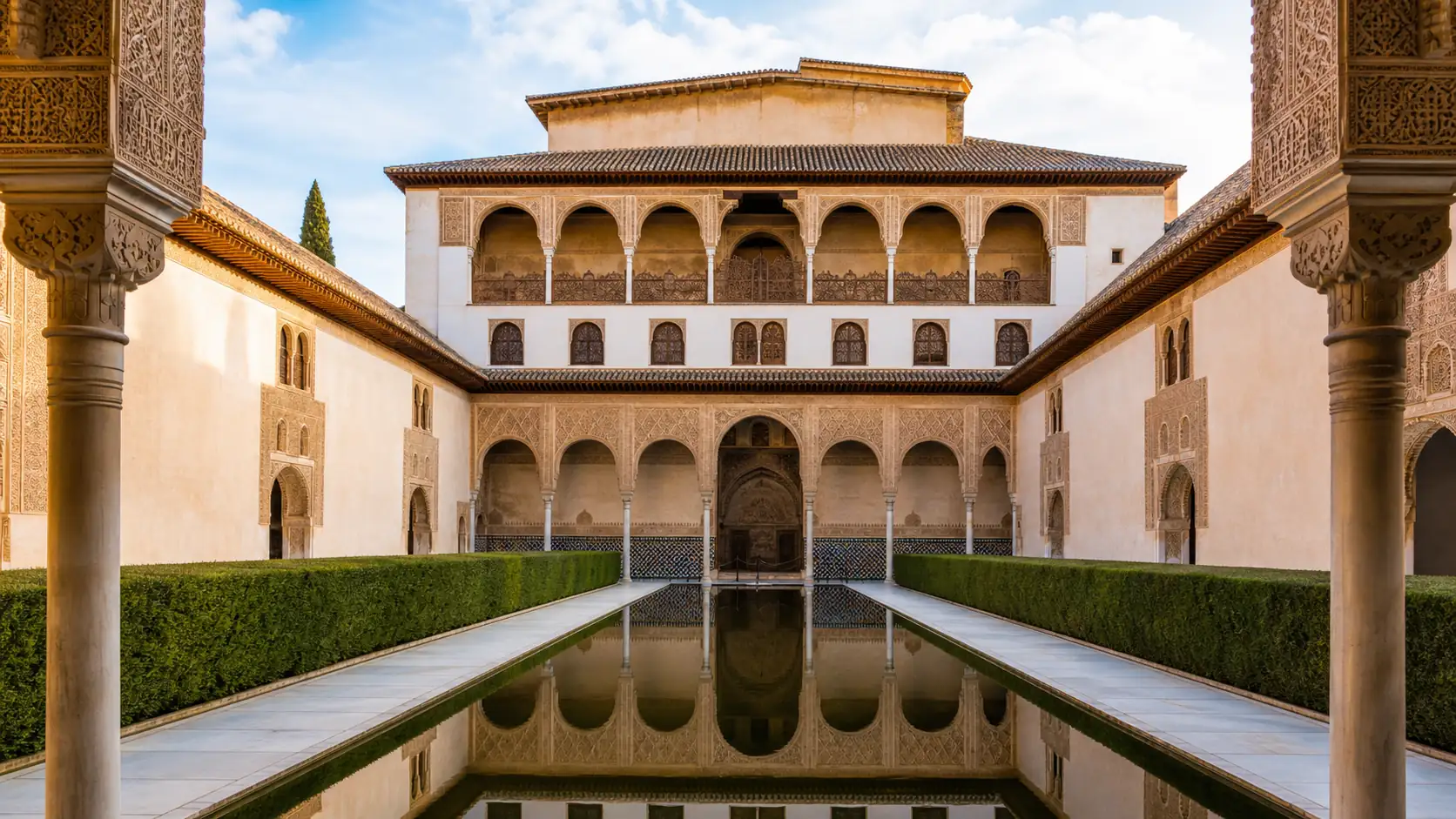
The Alhambra is the reason many travelers come to Granada, and it deserves the attention. The Nasrid Palaces are the emotional center of the complex, with carved walls, quiet courtyards, water channels, and views that make the palace feel suspended above the city.
Booking tip: reserve ahead through the Alhambra ticket system, because timed palace entry can sell out. Arrive early, bring the same ID used for the booking, and allow at least three hours for the full complex.
2. Wander the Generalife Gardens
The Generalife gives the Alhambra breathing space. Its clipped hedges, shaded paths, fountains, and terraces show how important water and garden design were to palace life. It is especially lovely after the denser rooms of the Nasrid Palaces.
Best time: late morning or late afternoon, when the light is softer and the garden paths feel less exposed.
3. Walk Through the Albaicin
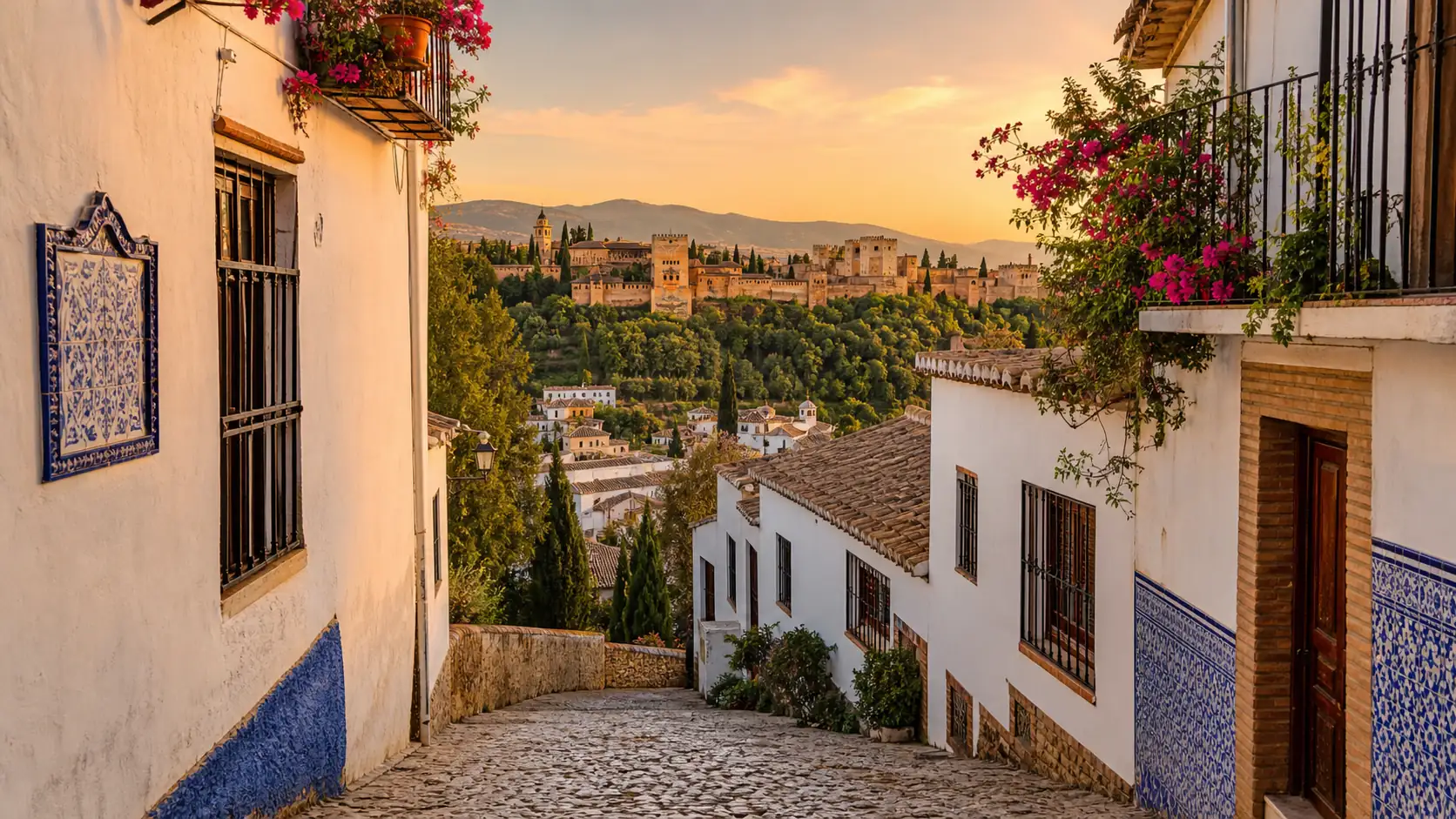
The Albaicin is Granada's old Moorish quarter, with whitewashed houses, stepped lanes, carmens, ceramic details, and sudden glimpses of the Alhambra. It is not a neighborhood to speed through. Its charm comes from turning corners, finding small squares, and noticing how the hill changes the city.
Walking advice: wear shoes with grip. Some lanes are slick, uneven, and steep, especially after rain.
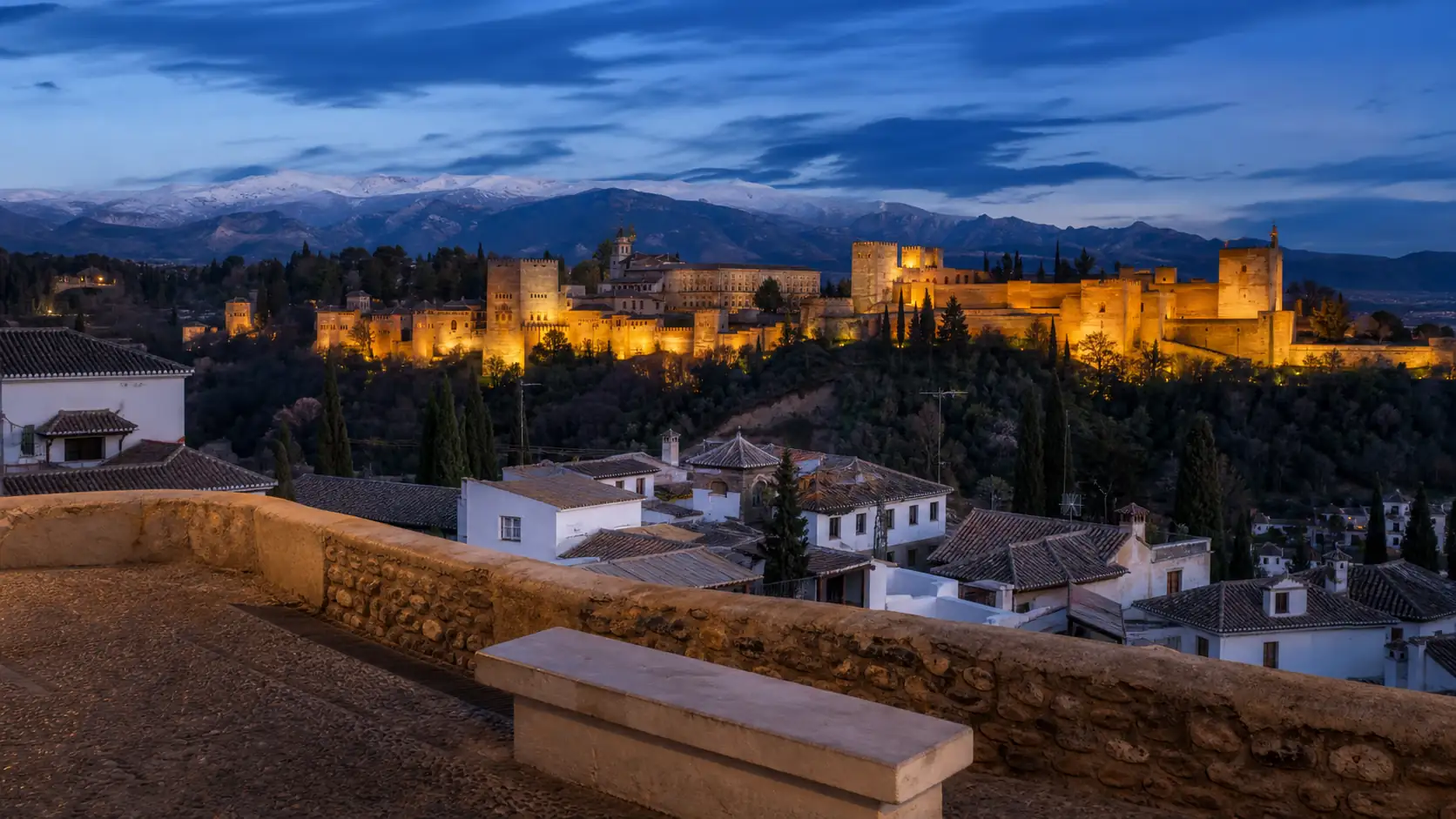
4. Watch Sunset from Mirador de San Nicolas
This viewpoint is famous for a reason: the Alhambra sits across the valley with the Sierra Nevada behind it. It can be crowded, but the view still has impact, especially when the palace walls warm up in the last light.
Quieter alternative: arrive before sunset, then explore nearby viewpoints if the main square feels too packed.
5. Explore Sacromonte Cave Houses
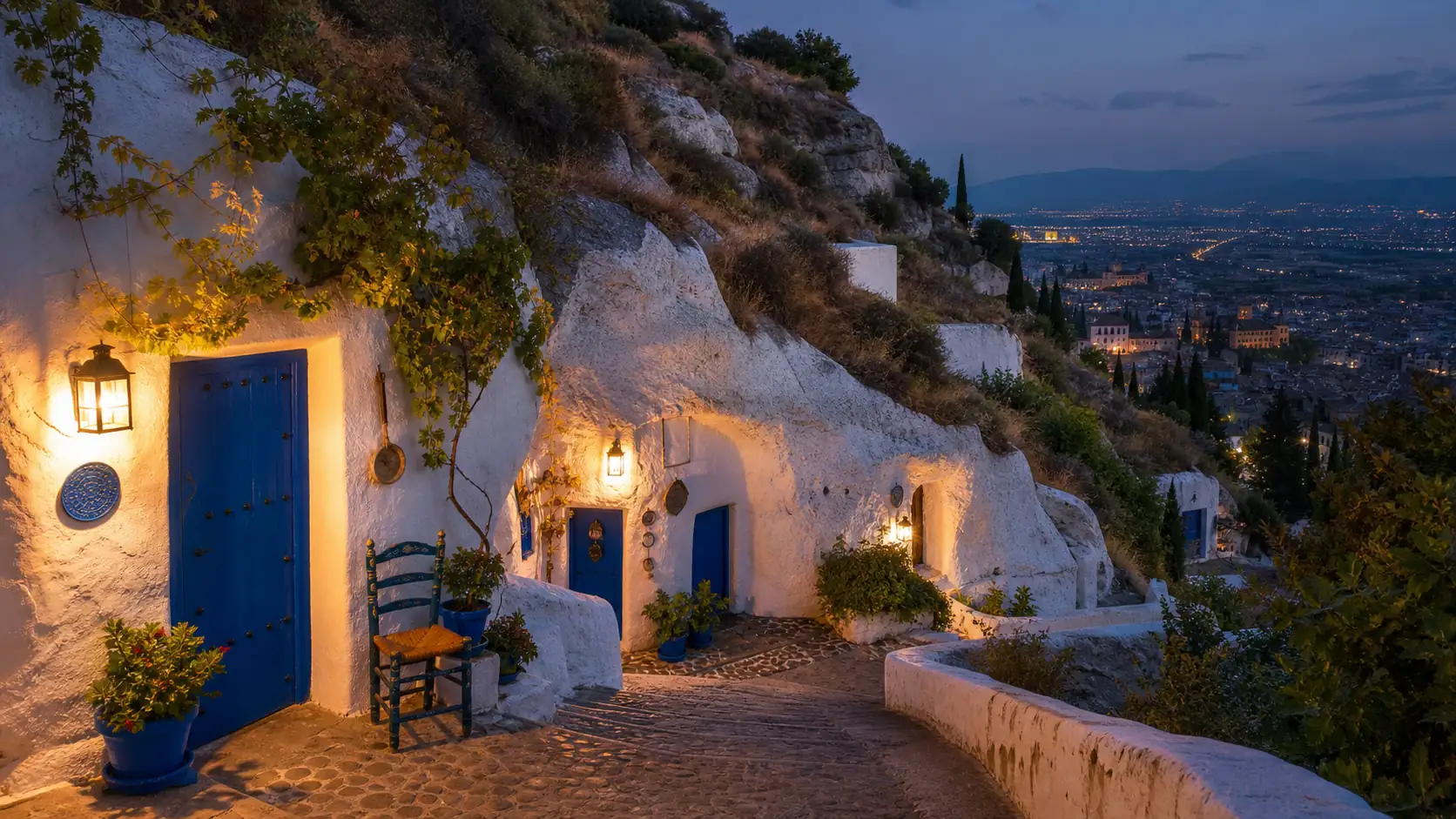
Sacromonte has a different texture from the Albaicin. Its cave houses, hillside lanes, and flamenco associations make it one of Granada's most distinctive areas. Go in daylight first to understand the setting, then return for an evening performance if that interests you.
Good for: culture-focused travelers, photographers, and visitors who want a less polished side of Granada.
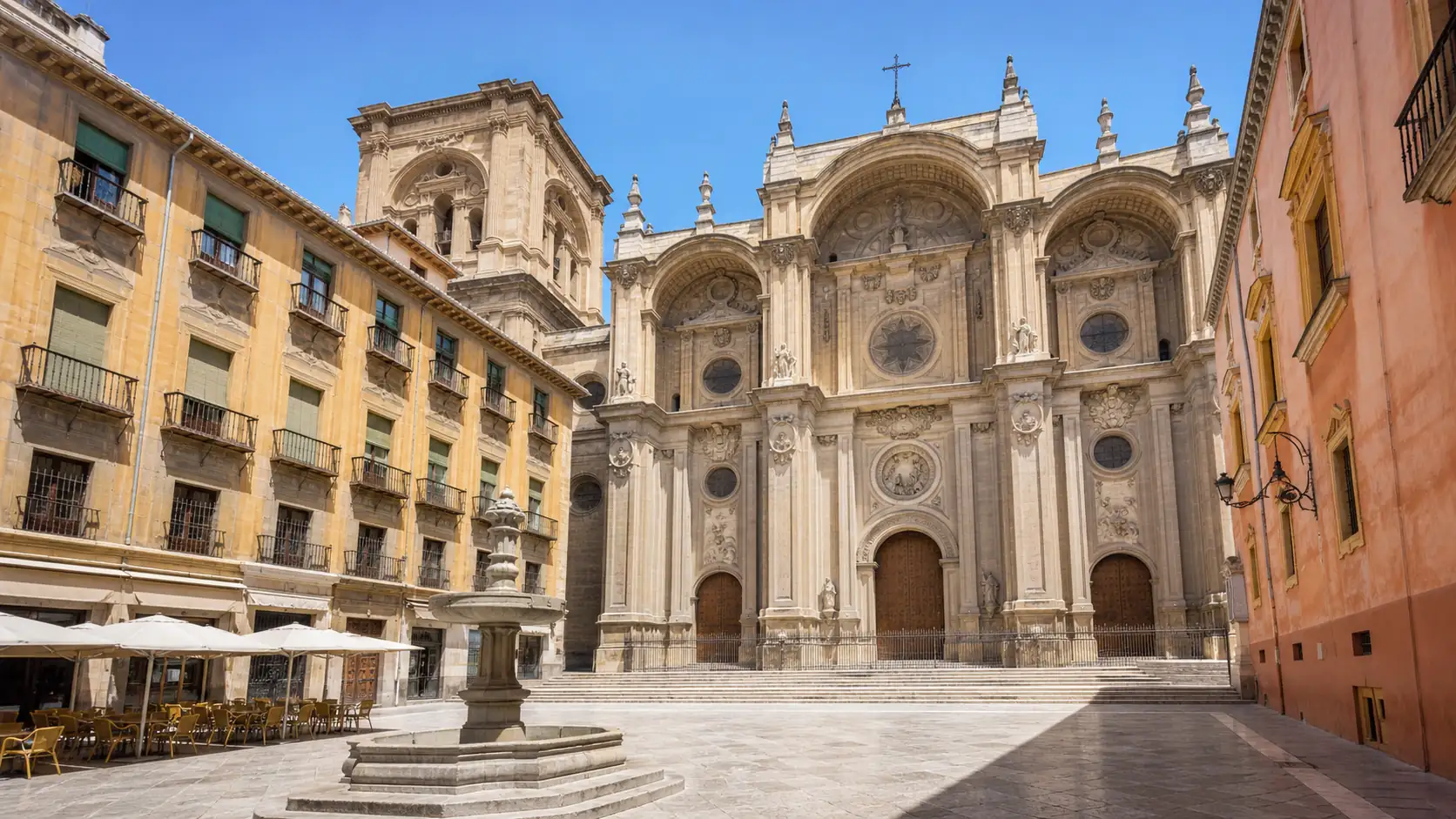
6. Step Inside Granada Cathedral
Granada Cathedral changes the mood completely: from narrow lanes and Moorish detail to grand Renaissance space. Its pale stone interior, high columns, and central location make it an easy cultural stop between meals or shopping streets.
Pair it with: the Royal Chapel area and a slow walk through the historic center.
7. Visit the Royal Chapel
The Royal Chapel is closely tied to Spain's Catholic Monarchs, and it helps explain why Granada holds such symbolic weight in Spanish history. It is a compact visit, but useful if you want more context after seeing the Alhambra.
Travel tip: combine it with the cathedral rather than making a separate trip across town.
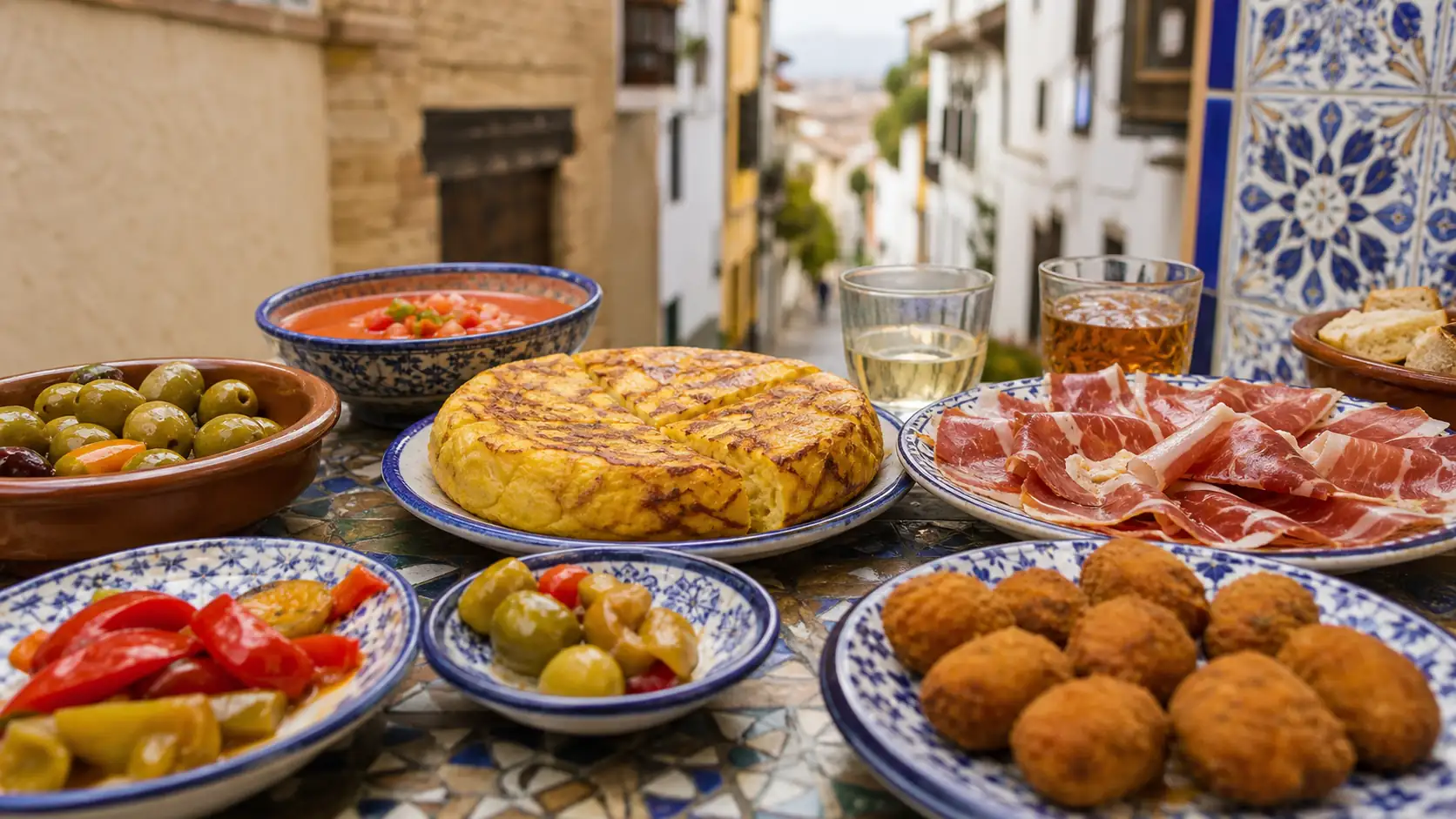
8. Eat Your Way Through Granada Tapas
Granada is one of Spain's best cities for tapas because many bars still bring a small plate with a drink. The portions and quality vary, but the ritual makes dinner feel social and spontaneous.
Where to try it: Realejo, Calle Navas, and streets around Plaza Nueva are easy starting points. Order one drink at a time, see what arrives, then decide whether to move on.
9. Try a Traditional Hammam
A hammam is a good break between heavy sightseeing days. The best ones combine warm pools, steam, tea, and optional massage in spaces inspired by Granada's Andalusi heritage.
Best for: couples, winter trips, and travelers who need a quiet reset after walking hills.
10. Browse the Tea Shops Around Caldereria Nueva
Caldereria Nueva and nearby lanes are touristy but atmospheric, full of tea rooms, lamps, ceramics, leather goods, and North African-influenced details. Go with a browsing mindset rather than expecting hidden local secrets.
Shopping note: compare prices before buying souvenirs, and check craftsmanship carefully on leather or metal items.
11. Walk the Realejo
Realejo, the old Jewish quarter, is a practical and pleasant area for restaurants, street art, plazas, and routes toward the Alhambra. It feels lived-in without being too far from the main sights.
Good route: start near Campo del Principe, wander uphill, then loop toward the Alhambra woods.
12. Follow the Darro River Walk
The Carrera del Darro is one of Granada's prettiest walks, running beside old stone bridges, historic buildings, and views up toward the Alhambra. It is short, but it connects several important areas beautifully.
Photo tip: go early for fewer people and softer light on the stonework.
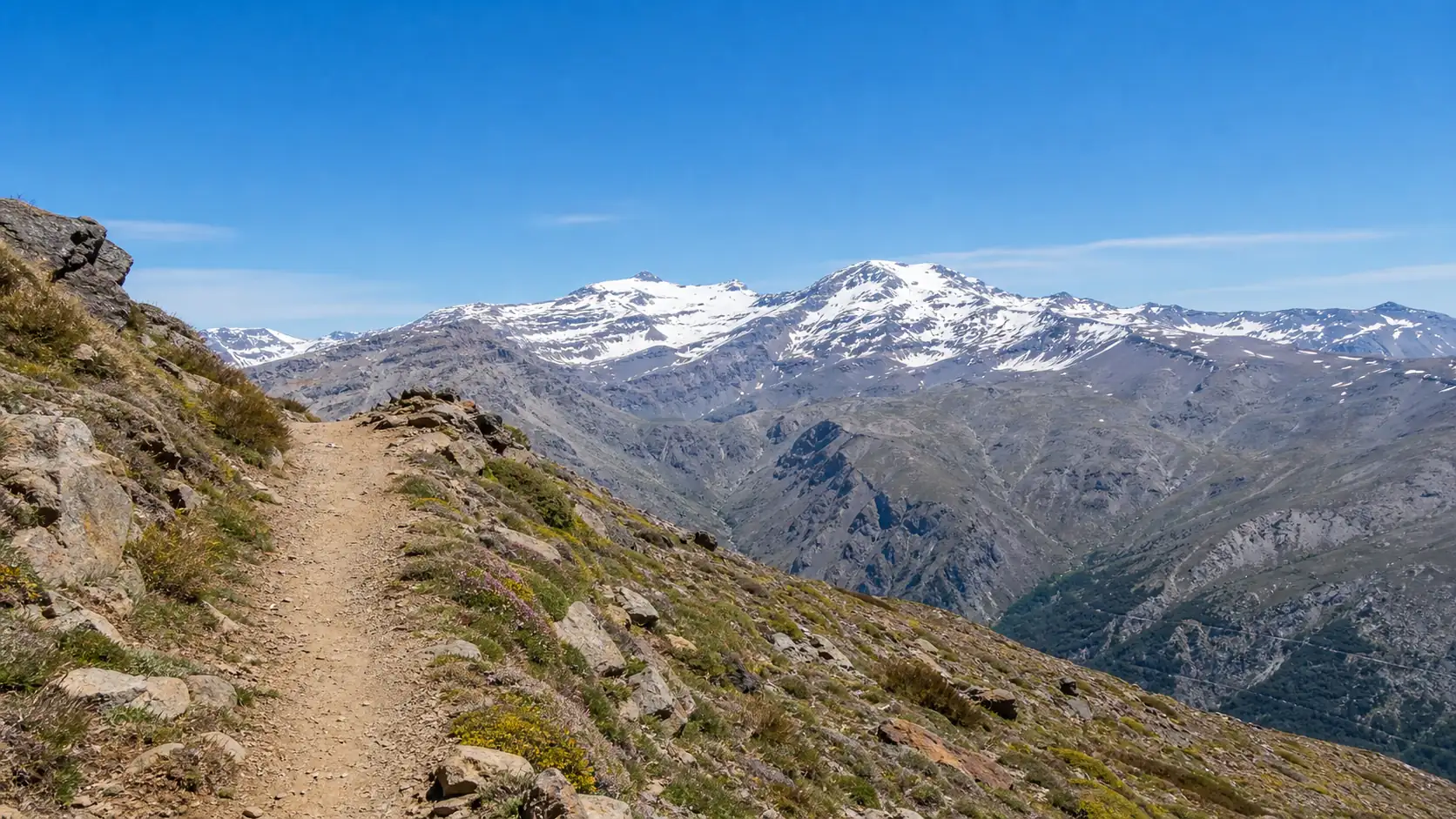
13. Take a Sierra Nevada Day Trip
The Sierra Nevada gives Granada an outdoor dimension many visitors underestimate. Depending on the season, you can ski, hike, picnic, or simply enjoy the contrast between mountain air and city heat.
Planning note: weather and access vary by season, so check conditions before committing to a mountain day.
14. Visit Monachil or Los Cahorros
Monachil and the Los Cahorros trail are popular for travelers who want a reachable nature escape. Suspension bridges, river scenery, and rock walls make it feel more adventurous than a standard city break.
Who should go: active travelers with decent shoes and enough time to avoid rushing back for evening reservations.
15. Return to the Viewpoints at Night
Granada's viewpoints feel different after dark, when the palace lights and white rooftops create a quieter scene. If you enjoyed the sunset crowd, consider returning later for a calmer final look.
Safety note: stay on well-lit routes, use reliable maps, and take a taxi back if the uphill lanes feel too quiet.
Best Areas to Stay and Explore
Choosing the right base changes how Granada feels. The city is walkable, but hills and cobblestones make distance more tiring than it looks on a map.
Centro
Centro is the easiest base for first-time visitors who want restaurants, shopping, buses, and cathedral-area sights close by. It is practical, lively, and less steep than the Albaicin.
Realejo
Realejo is a strong choice if you want atmosphere without being isolated. It has food, plazas, street art, and good access to the Alhambra woods.
Albaicin
Staying in the Albaicin can be romantic, but check luggage access carefully. Some accommodations require uphill walking or taxi drop-offs outside pedestrian lanes.
Best for easy logistics: Centro.
Best for character: Realejo or lower Albaicin.
Best to avoid with heavy luggage: very high Albaicin lanes unless the hotel confirms access.
Getting Around Granada
Granada rewards walking, but it also punishes unrealistic walking plans. Buses and taxis can save energy, especially between the center, Albaicin, Sacromonte, and Alhambra access points.
Walking
Walking is the best way to understand the city, but plan for steps, uneven stone, and slow uphill progress. A route that looks short can feel much longer with luggage or summer heat.
Buses and taxis
Small city buses serve hillside areas, while taxis are useful after late dinners or flamenco shows. Keep your accommodation address saved offline in case a driver needs the exact drop-off point.
Shoe advice: choose grip over style for Albaicin and Sacromonte.
Family note: strollers can be difficult on steep cobbled lanes.
FAQ
1. How many days do you need in Granada?
Two full days are enough for the Alhambra, Albaicin, cathedral area, viewpoints, and tapas without rushing. Three days are better if you want Sacromonte, a hammam, or a nature day.
2. Is Granada worth visiting without an Alhambra ticket?
Yes, but the trip changes. You can still enjoy the Albaicin, Sacromonte, viewpoints, tapas, cathedral area, and Realejo, but the Alhambra is the city's strongest single sight.
3. Is Granada expensive?
Granada is often better value than Madrid or Barcelona, especially for food. Accommodation and Alhambra timing are the main costs to watch during busy periods.
4. Can you walk everywhere in Granada?
You can walk much of the city, but hills make some routes tiring. Use buses or taxis when moving between the center, Sacromonte, Albaicin, and late-night returns.
5. What is the best month to visit Granada?
Spring and autumn usually offer the most comfortable walking weather. Summer can be hot, while winter is quieter and pairs well with mountain views.
6. Should you rent a car in Granada?
Not for the city itself. A car is more useful for wider Andalusia, but parking and narrow streets make it inconvenient inside Granada.
Final Thoughts
The best things to do in Granada Spain combine planned highlights with unplanned wandering. Book the Alhambra, choose a sensible base, and then let the city slow you down in the best way.
If you have limited time, prioritize the Alhambra, Albaicin, tapas, and one sunset viewpoint. If you have longer, add Sacromonte, Realejo, a hammam, and a mountain or village escape.
Granada is not a city to treat like a checklist. Its beauty comes from layers, light, food, hills, and history, so give yourself enough space to notice them.