
If you are searching for things to do in Valencia Spain, the best plan is to mix the city instead of treating it like a one-stop beach break. Valencia works because Gothic towers, futuristic architecture, market food, bike paths, and wide Mediterranean sand all sit close enough for a relaxed long weekend.
The city is smaller and easier than Madrid or Barcelona, but it still rewards planning. A strong itinerary usually starts in the old town, moves through Turia Garden to the City of Arts and Sciences, then leaves time for paella, the beach, and at least one nature or neighborhood detour.
This guide focuses on practical, traveler-tested ways to enjoy Valencia without rushing. You will find classic sights, local food advice, transport tips, timing notes, and small mistakes to avoid so each stop feels connected rather than random.

Start With a Simple Valencia Plan
Valencia is easiest when you group sights by area. The historic center is best on foot, Turia Garden works beautifully by bike, and the beach or Albufera needs a little more transit time. Trying to cross the city repeatedly in one day wastes the relaxed rhythm that makes Valencia so enjoyable.
For a first visit, use this rough structure before choosing specific attractions. It keeps your days balanced and leaves room for food stops, siesta-hour closures, and late Spanish dinners.
Time Available | Best Focus | What to Avoid |
|---|---|---|
1 day | Old town, Central Market, Turia Garden, City of Arts exterior | Trying to add Albufera unless you skip museums |
2 days | Add the beach, paella lunch, and one museum or tower climb | Booking every hour too tightly |
3 days | Add Albufera, Ruzafa, street art, or a slower food day | Staying only in the old town |
The main thing is to choose a base that matches your style. First-time visitors usually like Ciutat Vella for sightseeing, Ruzafa for restaurants and nightlife, and the beach area for a slower summer trip.
15 Best Things to Do in Valencia
The strongest Valencia itinerary combines famous landmarks with smaller local experiences. Use the list below as a menu rather than a race; several of these are close together and work best when paired naturally.
1. Walk the Old Town
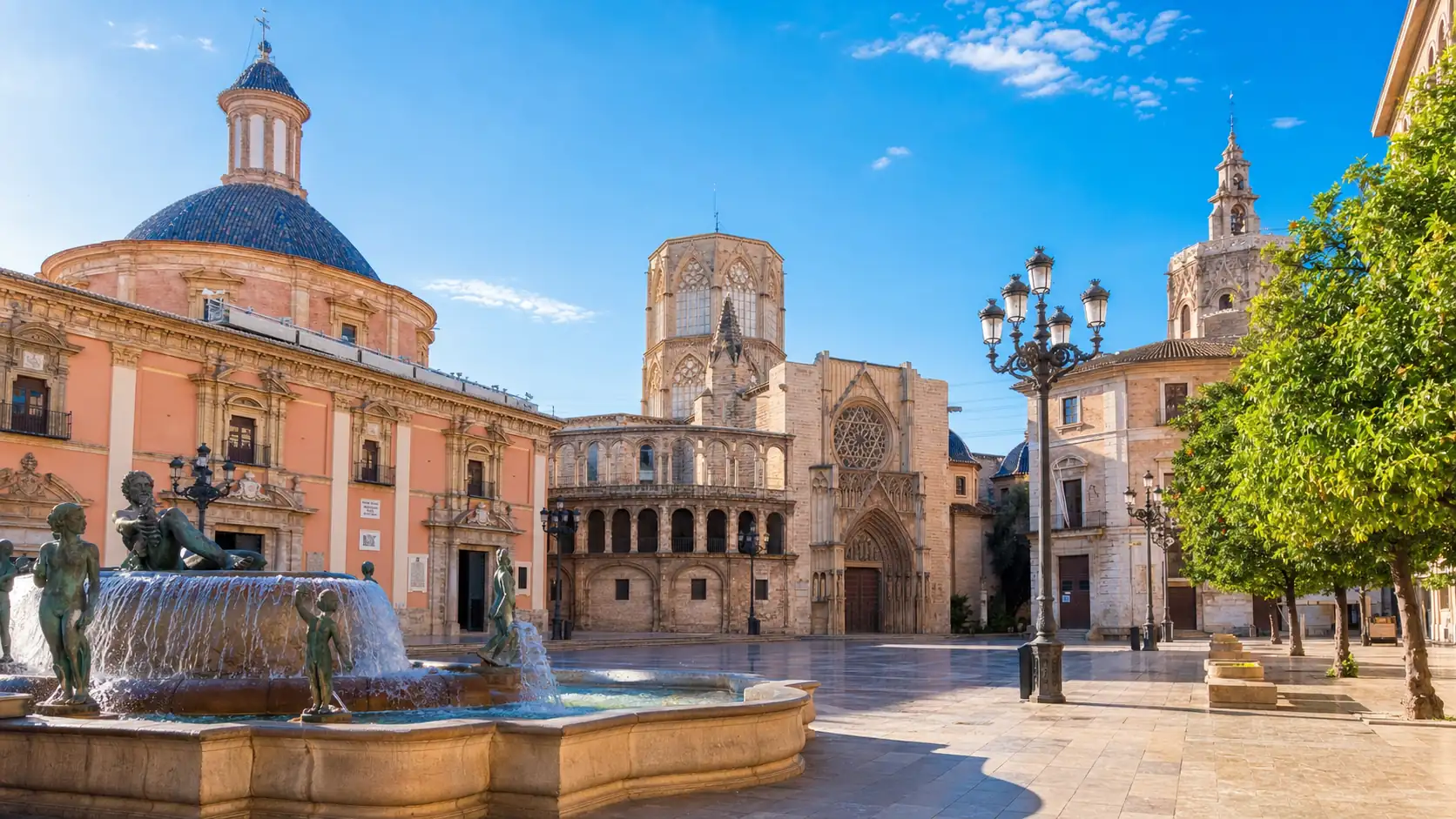
Ciutat Vella is where Valencia feels most layered. Start around Plaza de la Virgen, then wander toward the Cathedral, La Lonja, and narrow lanes where orange trees and tiled balconies soften the stone architecture.
Travel tip: Go early if you want photos without heavy crowds, then return in the evening when the plazas feel livelier.
2. Visit Valencia Cathedral and El Miguelete
The Cathedral blends Romanesque, Gothic, and Baroque details, while El Miguelete tower gives one of the best views over the old rooftops. The climb is narrow, so it suits travelers comfortable with stairs.
Good for: First-time visitors who want history, city views, and a clear sense of Valencia's old core.
3. See La Lonja de la Seda
La Lonja, the old silk exchange, is one of Valencia's most important historic buildings. Its twisted columns and grand trading hall make the city's medieval commercial wealth easy to picture.
Why it matters: It is compact, central, and one of the best indoor stops when the weather turns hot or rainy.
4. Eat Your Way Through Central Market
Mercado Central is both a working food market and a feast for travelers who like local texture. Go for fruit, jamon, cheese, horchata, spices, and a look at the ingredients behind Valencian cooking.
Best time: Morning, before stalls wind down and before lunch plans start pulling you elsewhere.
5. Cross Turia Garden
Turia Garden runs through the old riverbed and turns city movement into part of the trip. You can walk, cycle, picnic, or use it as a green route between the old town and the City of Arts and Sciences.
Traveler scenario: Families like the space and playgrounds; couples and solo travelers like it for an easy decompression walk.

6. Photograph the City of Arts and Sciences
The City of Arts and Sciences is Valencia's boldest modern landmark. Even if you do not enter every venue, the white architecture, pools, bridges, and curved forms make it a memorable walk.
For exhibitions, aquarium visits, or science-museum timing, check the City of Arts and Sciences visitor information before you build your day around it.
7. Spend Time at Malvarrosa Beach
Malvarrosa is the easy beach choice: broad sand, a long promenade, and restaurants close enough for a simple sea-facing lunch. It is not hidden, but it is convenient and atmospheric.
What to avoid: Do not expect a secluded cove; come for space, sea air, and a classic city-beach afternoon.
8. Try Horchata in Alboraya
Valencian horchata is made from tiger nuts and tastes earthy, cool, and lightly sweet. Alboraya is strongly associated with it, but you can also find good horchaterias in the city center.
Ordering tip: Pair it with fartons, the soft pastry made for dipping.
9. Explore Ruzafa
Ruzafa suits travelers who want cafes, independent shops, bars, and a less monument-focused afternoon. It is also a useful dinner area when you want more choice than the tourist-heavy old town lanes.
Best fit: Repeat visitors, food-focused travelers, and anyone staying several nights.
10. Climb Torres de Serranos
The Serranos Towers give a compact dose of medieval Valencia and strong views back toward the old town and Turia Garden. They are especially rewarding around golden hour.
Time needed: Around 30 to 45 minutes for the climb, photos, and a slow look around.
11. Look for Street Art in El Carmen
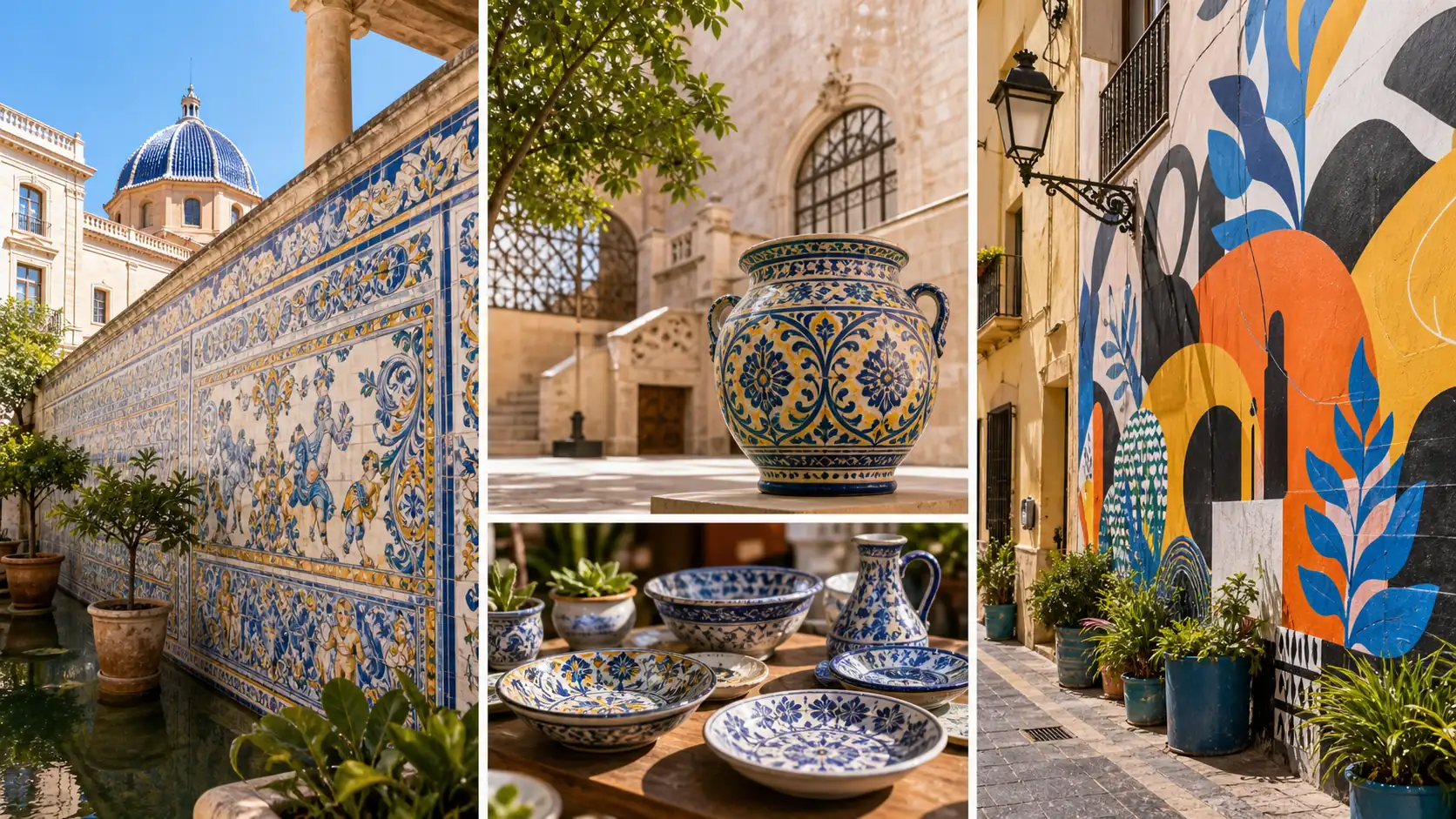
El Carmen mixes historic lanes with murals, small bars, and a slightly rougher creative edge. It is best explored without a rigid route, especially in the late afternoon.
Travel tip: Keep valuables close in busy nightlife streets, as you would in any popular urban district.
12. Visit a Ceramics or Fine Arts Museum
Valencia has excellent indoor cultural stops for travelers who like detail over big-ticket spectacle. Ceramics, fine arts, and local history museums help connect the city's decorative style to its streets.
Rainy-day choice: Save one museum for a hot afternoon or wet-weather gap.
13. Take a Bike Ride
Valencia is one of Spain's easier big cities for casual cycling, especially through Turia Garden and toward the beach. It can turn a simple transfer into one of the most enjoyable parts of the day.
Safety note: Use marked lanes where possible and avoid cycling through crowded old-town lanes at peak walking times.
14. Watch Sunset at Albufera
Albufera is the classic nature escape south of the city, with rice fields, lagoon views, and boat-trip options. It pairs naturally with a paella lunch because the surrounding area is tied to rice cultivation.
Best time to visit: Late afternoon into sunset, especially if the weather is calm.
15. Slow Down for a Plaza Evening
One of Valencia's best experiences is not a ticketed attraction at all. Choose a plaza, order a drink or dinner, and let the city shift from sightseeing mode into evening life.
Who it suits: Travelers who want Valencia to feel lived-in, not just checked off.
Food, Markets, and Paella Timing
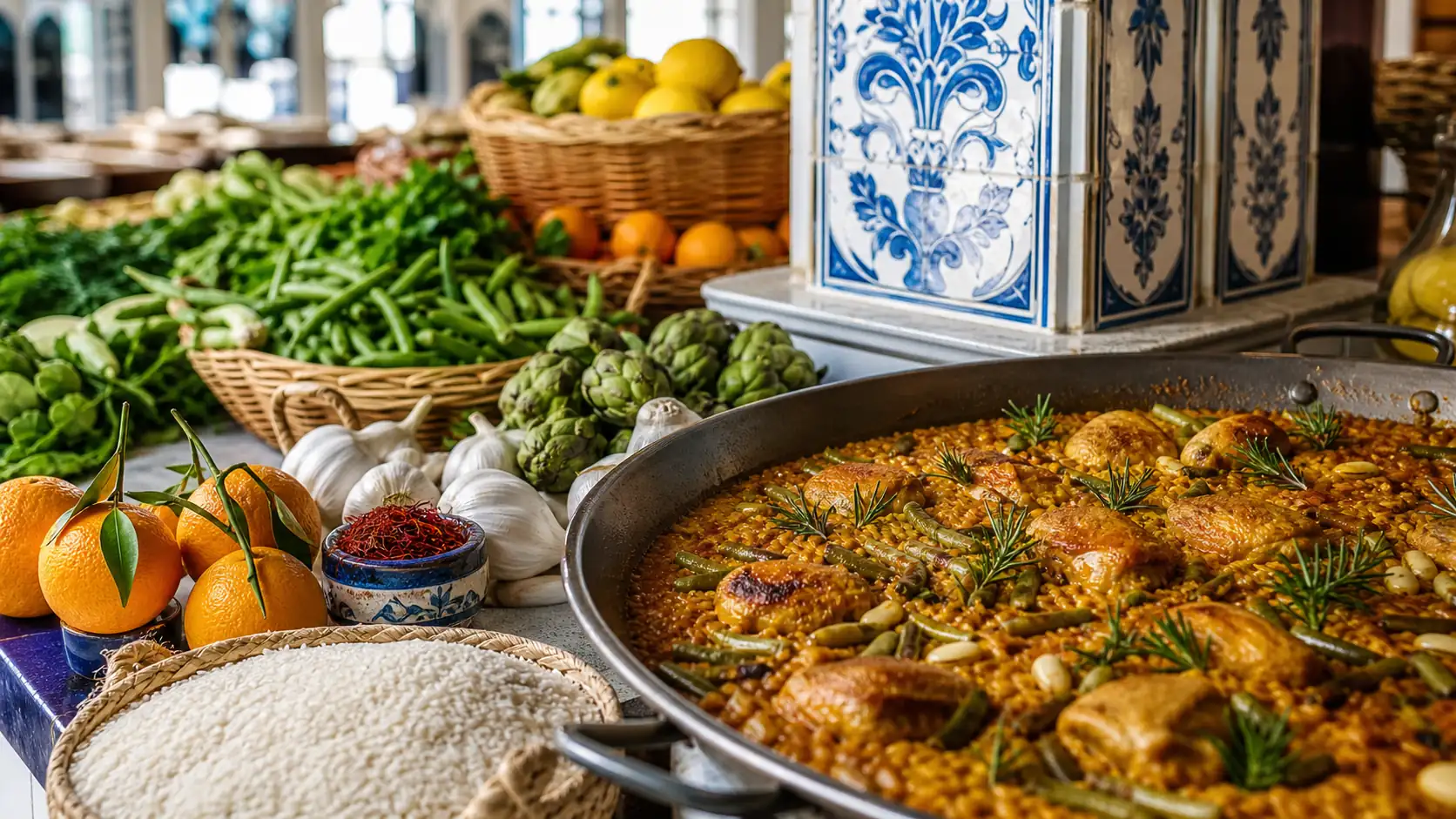
Food is one of the best reasons to build extra time into Valencia. The city is deeply linked to paella, but the mistake many visitors make is treating paella as a late dinner dish. In Valencia, it is much more natural as a long lunch.
Book Paella for Lunch
For a better experience, reserve a restaurant known for rice dishes and go midday. Beachside restaurants can be enjoyable, but do not choose only by sea view; the quality varies.
Best for tradition: Rice restaurants around Albufera or established city spots.
Best for convenience: A booked lunch near Malvarrosa after a beach walk.
Common mistake: Ordering a tourist-menu paella at odd hours in a very crowded plaza.
Use Markets for Snacks
Central Market is ideal for grazing, but it is not the only food stop worth making. Neighborhood bakeries, horchaterias, and tapas bars can carry a day when you do not want another formal meal.
Leave room for oranges, seafood, rice dishes, horchata, and small bakery stops. Valencia rewards travelers who eat with the local clock rather than forcing an early dinner schedule.
Beaches, Nature, and Easy Day Trips
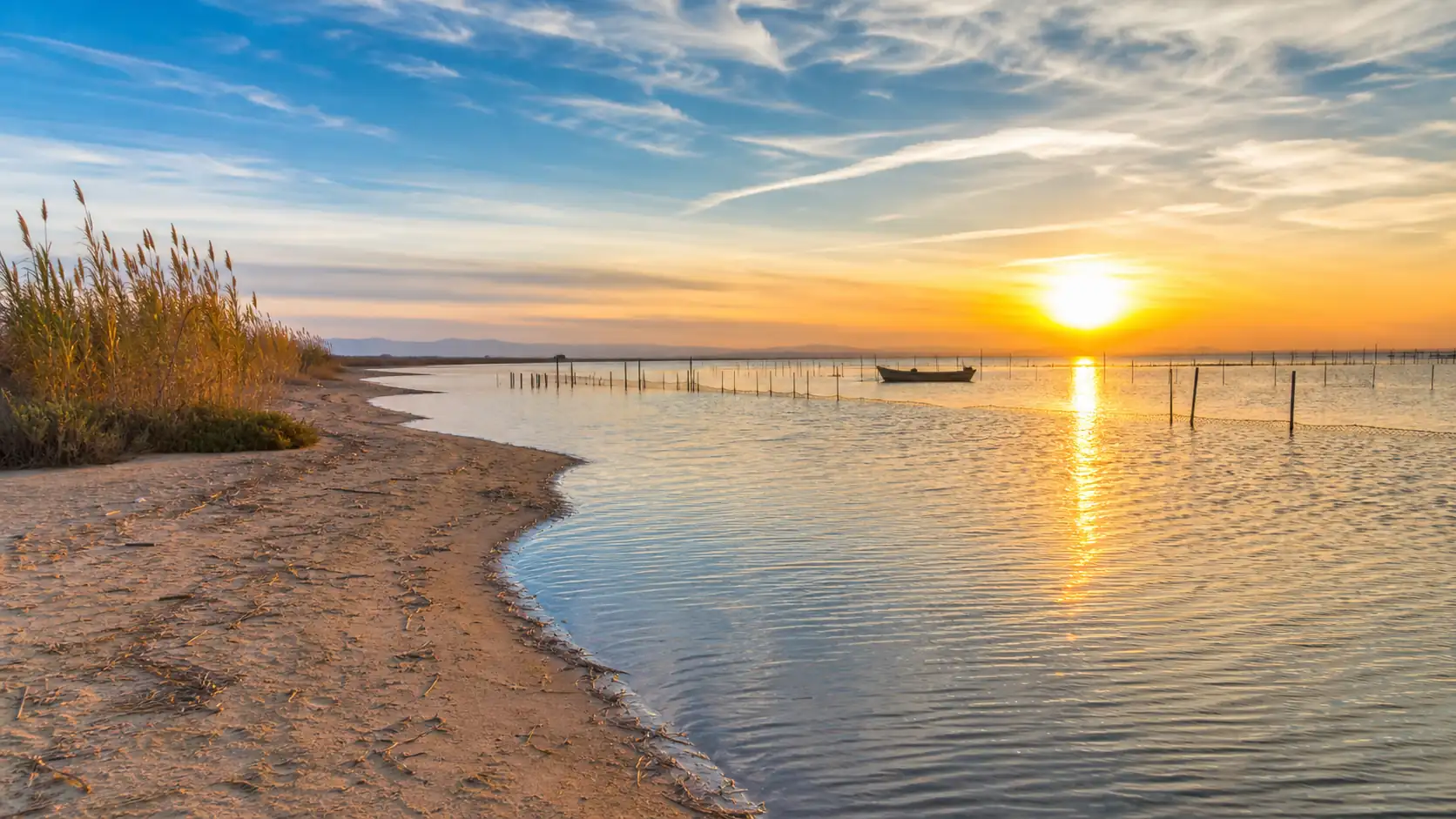
Valencia's coast and nearby wetlands make the city feel more spacious than many European city breaks. The trick is choosing the right outdoor plan for your season and energy level.
Choose the Right Beach
Malvarrosa is the easiest beach for most travelers, while Patacona has a slightly more local feel and El Saler feels more natural. Summer is for swimming and long beach afternoons; spring and autumn are often better for walking, cycling, and lunches by the sea.
Add Albufera If You Have Time
Albufera is best when you can slow down. A rushed visit just to say you went is less satisfying than pairing it with rice, a boat ride, or sunset.
Go after the main city sights are covered.
Check weather before committing to a sunset plan.
Bring a light layer outside high summer; wetlands can feel cooler in the evening.
If you prefer towns over nature, consider Xativa, Sagunto, or Peñiscola as longer day-trip ideas, but do not overload a short Valencia stay with too much train time.
Practical Tips for First-Time Visitors
Valencia is friendly to independent travelers, but small planning choices make a big difference. Most mistakes come from underestimating lunch timing, museum hours, sun exposure, or cross-city transfers.
Getting Around
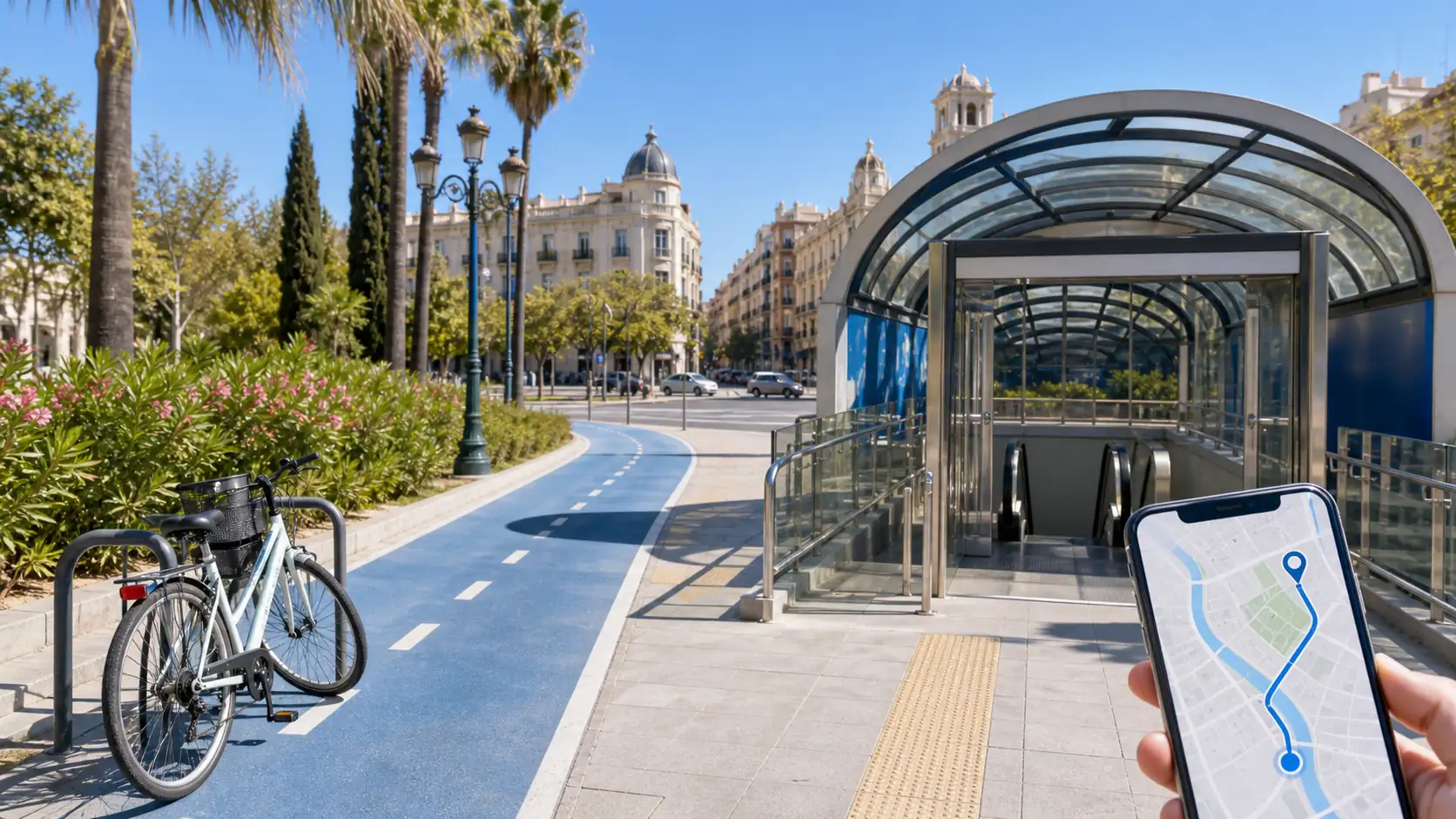
Walk inside the old town, bike or stroll through Turia Garden, and use metro, tram, taxi, or bus when crossing longer distances. The airport connection is straightforward, but beach and Albufera trips require more time than they look on a map.
Connectivity and Apps
Reliable mobile data helps with live maps, restaurant bookings, transit checks, and translation in markets or taxi situations. If you want data ready on arrival, a iRoamly travel eSIM can be set up before the trip so you are not hunting for Wi-Fi at the airport.
Season and Packing
Summer is hot and bright, so shade breaks matter. Spring and autumn are ideal for mixed sightseeing, while winter is mild but not guaranteed beach weather. Pack comfortable shoes, sun protection, and one smarter outfit if you plan proper dinners.
Best pace: Two to three major activities per day, not six.
Booking habit: Reserve paella and popular dinner spots, especially weekends.
Money note: Cards are common, but keep a little cash for small purchases.
FAQ
1. How many days do you need in Valencia?
Two full days cover the old town, Turia Garden, City of Arts and Sciences, a beach walk, and a proper paella lunch. Three days feel better if you want Albufera, Ruzafa, museums, or a slower food-focused trip.
2. Is Valencia walkable?
Yes, especially the old town and central neighborhoods. For longer distances, use bikes, metro, tram, buses, or taxis instead of forcing every transfer on foot.
3. Is Valencia cheaper than Barcelona?
Often, yes, especially for accommodation and dining, though peak dates and beach-area hotels can still be expensive. Book early for festivals, summer, and major holiday periods.
4. What is Valencia best known for?
Valencia is known for paella, the City of Arts and Sciences, Turia Garden, beaches, oranges, horchata, and its mix of medieval and modern architecture.
5. Can you visit Valencia without a car?
Yes. A car is unnecessary for the city itself and can be inconvenient for parking. Rent one only if you plan rural day trips that are awkward by train or bus.
Final Thoughts
The best things to do in Valencia Spain are not just the famous landmarks. The city feels richest when you connect its old town, market food, gardens, modern architecture, beach life, and rice traditions into a route that makes geographic sense.
Give yourself enough time to slow down. Valencia is at its best when you can linger over lunch, cross Turia Garden without rushing, and leave a little room for the plaza or neighborhood that catches your attention.
With a smart base, realistic pacing, and dependable mobile data for maps and bookings, Valencia becomes an easy city to enjoy deeply rather than a checklist to finish.