
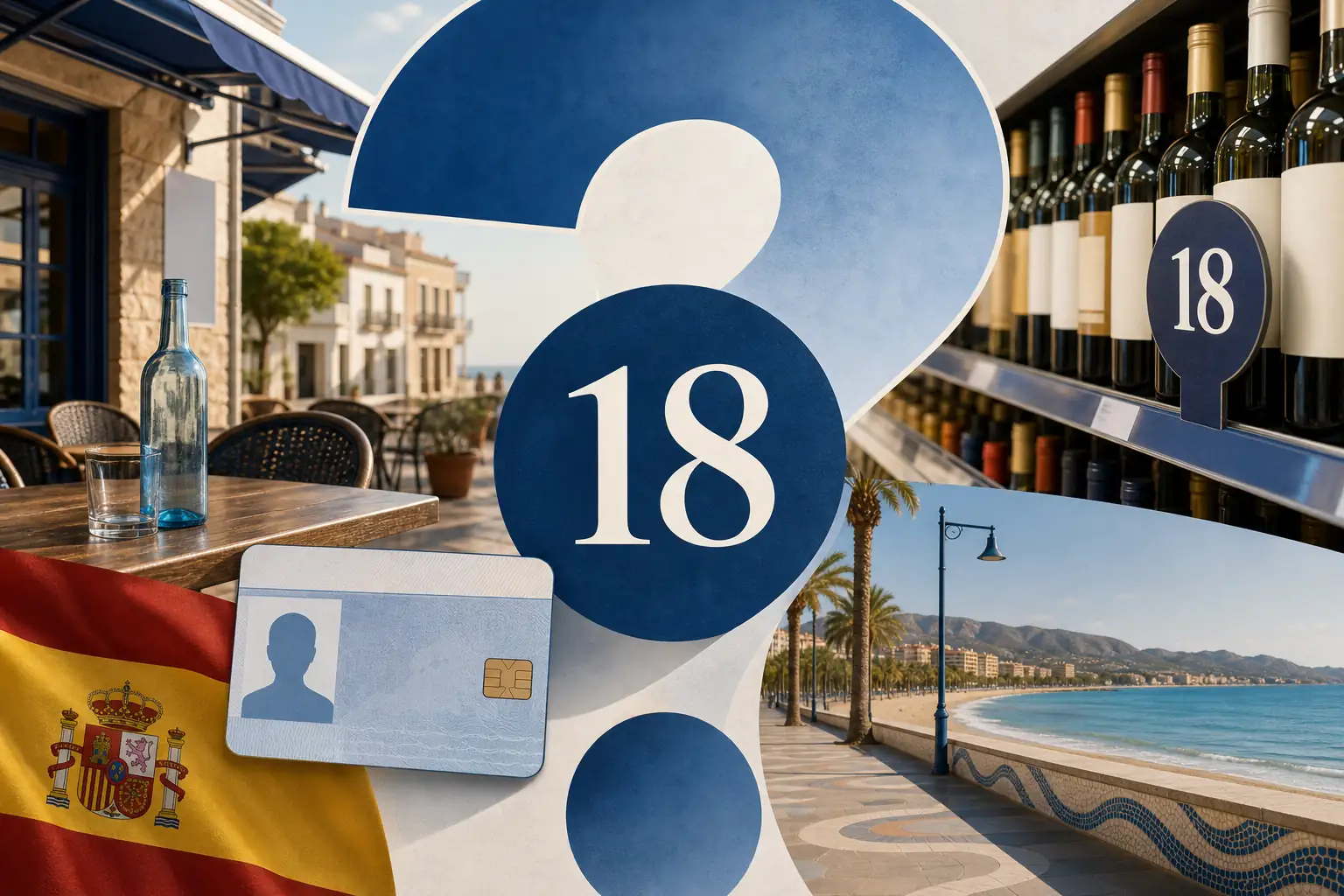
What is the drinking age in Spain? The legal minimum age to buy or be supplied alcohol is 18, and under-18 consumption is prohibited under regional laws across the country.
That simple answer does not explain where alcohol may be consumed, when shops can sell it, why venues check identification, or why resort and municipal restrictions may be stricter than the national expectation.
This guide covers the age rule, acceptable ID, restaurants and shops, public drinking, nightlife, local variations, Spanish dining culture, and safer planning for young adults and families.
Spain's Legal Drinking Age
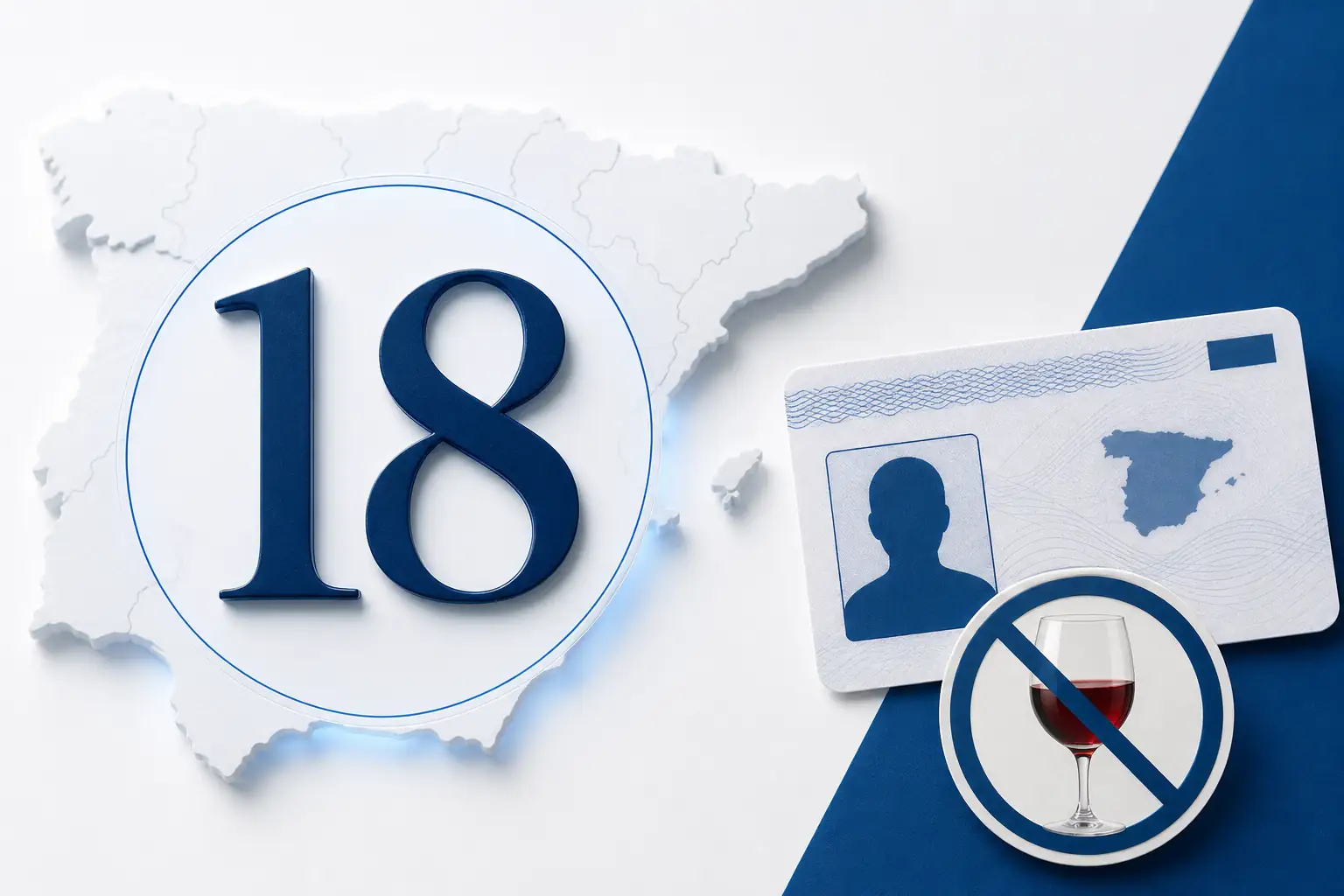
The practical rule is straightforward: you must be 18 to buy alcohol in Spain. The restriction applies to beer, wine, spirits, and other alcoholic drinks; a lower alcohol percentage does not create a younger age threshold.
Alcohol controls are implemented through regional legislation, which consistently protects people under 18.
Buying alcohol: minimum age 18.
Being supplied alcohol: under-18 supply is prohibited.
Parental consent: does not override the restriction.
Visitors: tourists follow the same local laws as residents.
Buying Alcohol and Showing ID
Staff can refuse a sale or service when age is uncertain or identification is not acceptable. Looking close to 18 is enough reason to be asked, even if you were not checked elsewhere.
1. Restaurants and Bars
The same minimum age applies whether a drink accompanies a meal or is ordered at a bar. A family dinner, a hotel stay, or an adult buying on someone else's behalf does not create an exception for a minor.
Useful habit: Young adults should carry original, government-issued photo identification. A phone photo or student card may not be accepted.
2. Supermarkets and Bottle Shops
Retailers may ask for proof of age at checkout, including for beer or wine. Local rules can also limit late-night off-premise sales, so a store that sells alcohol during the day may be unable to sell it later.
3. Clubs, Events, and Hotels
Entry age and alcohol-service age are related but not identical. A venue can impose a higher entry rule, and some regional laws restrict minors from alcohol-focused nightlife venues while allowing specially controlled events.
Bring a passport or nationally recognized identity document.
Do not borrow or alter identification.
Accept a refusal calmly and choose a non-alcoholic option.
Public Drinking and Local Restrictions
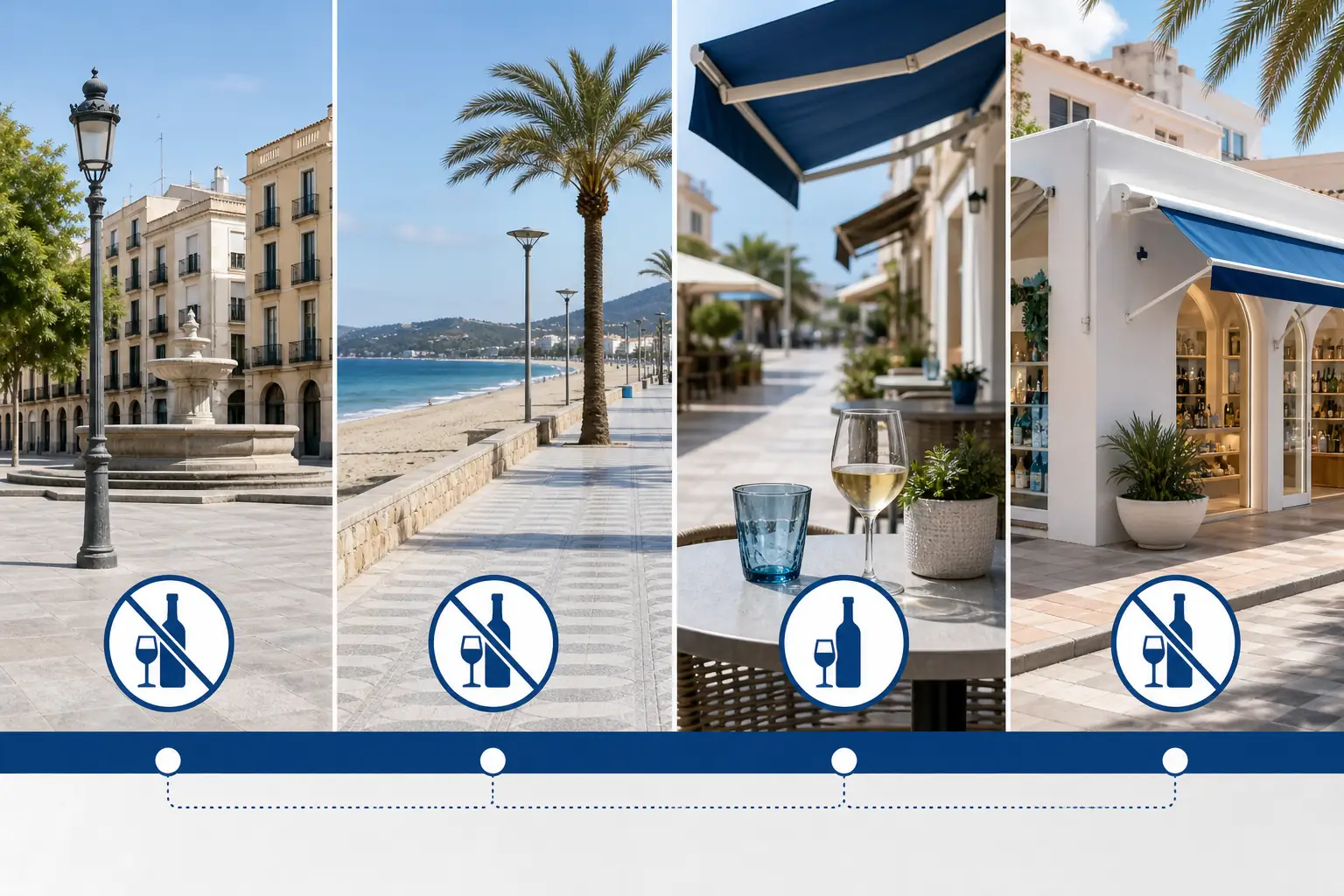
Being old enough to buy alcohol does not mean it can be consumed anywhere. Municipal bylaws commonly restrict drinking in streets, squares, parks, or beaches outside licensed terraces and authorized events.
Situation | What to expect | Safer choice |
|---|---|---|
Licensed bar or restaurant | Service to adults, subject to venue rules | Keep ID available and follow staff instructions |
Street, square, park, or beach | Local restrictions or fines may apply | Use licensed terraces or authorized events |
Late-night retail purchase | Hours may be restricted locally or regionally | Check posted hours and do not pressure staff |
Selected Balearic resort zones | Extra controls on promotions, sales, and party activities | Review hotel and local rules before going out |
Rules in parts of Mallorca and Ibiza have included limits on happy hours, open bars, alcohol dispensers, organized pub crawls, party boats, and late retail sales. Boundaries and measures can change, so rely on current signs, accommodation guidance, and local authority information.
Spanish Drinking Culture
Alcohol is visible in many social settings, but Spanish dining culture is not a requirement to drink. Coffee, sparkling water, alcohol-free beer, and soft drinks fit naturally into meals and gatherings.
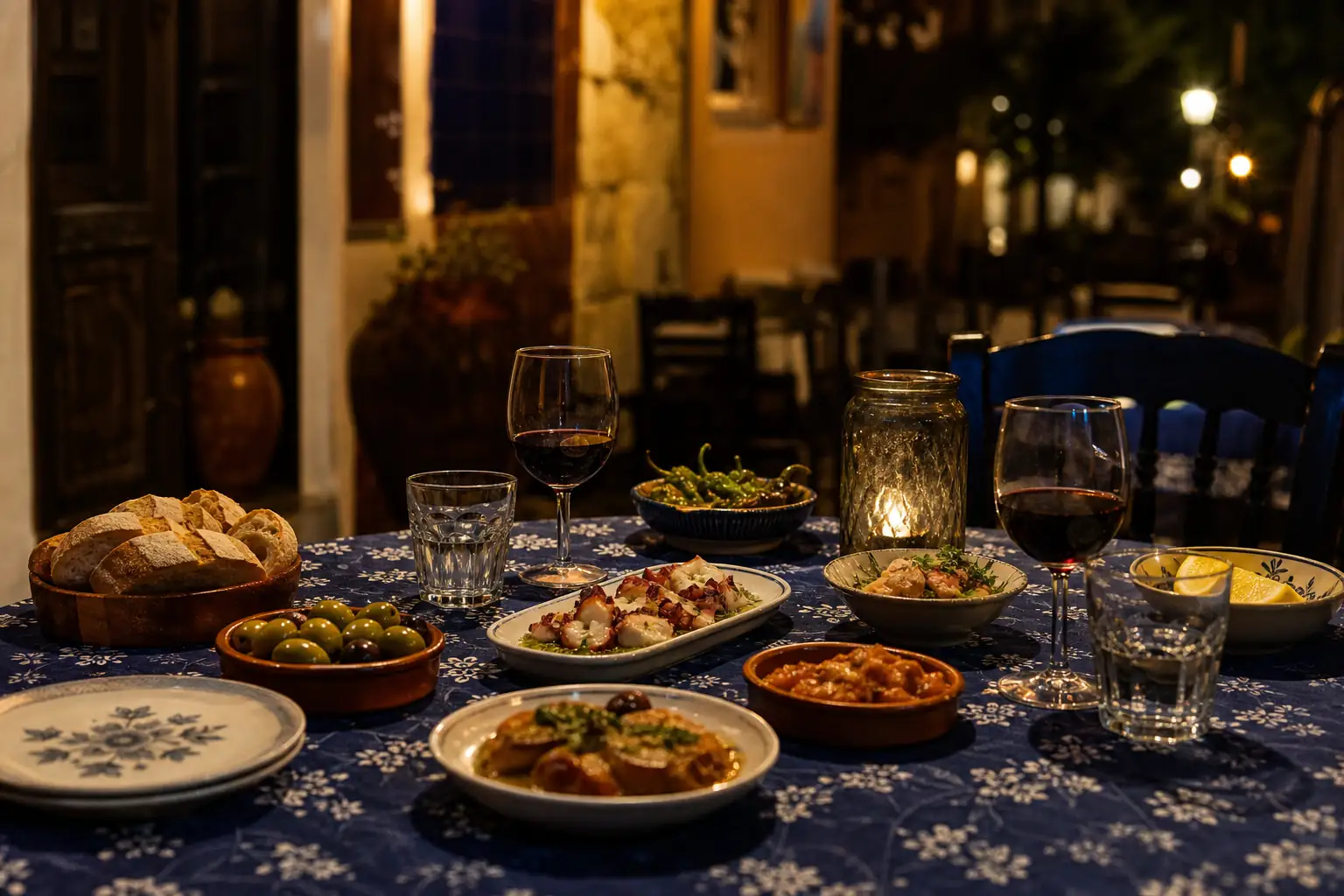
1. Drinks Usually Accompany Food
Wine or beer is often consumed slowly with tapas or a meal rather than treated as the sole focus. Portion sizes, pour strength, and timing still vary by venue, so do not assume a familiar drink has a familiar alcohol content.
2. Social Hours Can Run Late
Dinner and nightlife may start later than visitors expect. Fatigue, heat, and a long day of sightseeing can make alcohol feel stronger, especially when meals and hydration have been irregular.
3. Not Drinking Is Normal
You do not need an explanation to choose a non-alcoholic drink. Ordering water with alcohol is practical, while alcohol-free alternatives are widely understood in restaurants and bars.
Eat before or while drinking.
Alternate alcoholic drinks with water.
Set a limit based on your body and plans, not the table's pace.
Never pressure a minor or non-drinker.
Responsible Night-Out Planning
A safe evening starts before the first order. Decide how you will return, keep your accommodation address, and know who will remain sober enough to make decisions.
1. Protect Your Drink and Your Group
Buy your own drinks, watch them being prepared, keep them in sight, and do not accept an open container from a stranger. If a friend becomes unexpectedly confused, drowsy, or unwell, stay with them and seek urgent help.
2. Plan Transport Beforehand
Do not drive, cycle, swim, or use an electric scooter after drinking. Save licensed taxi or late-transit options and avoid walking an unfamiliar isolated route alone.
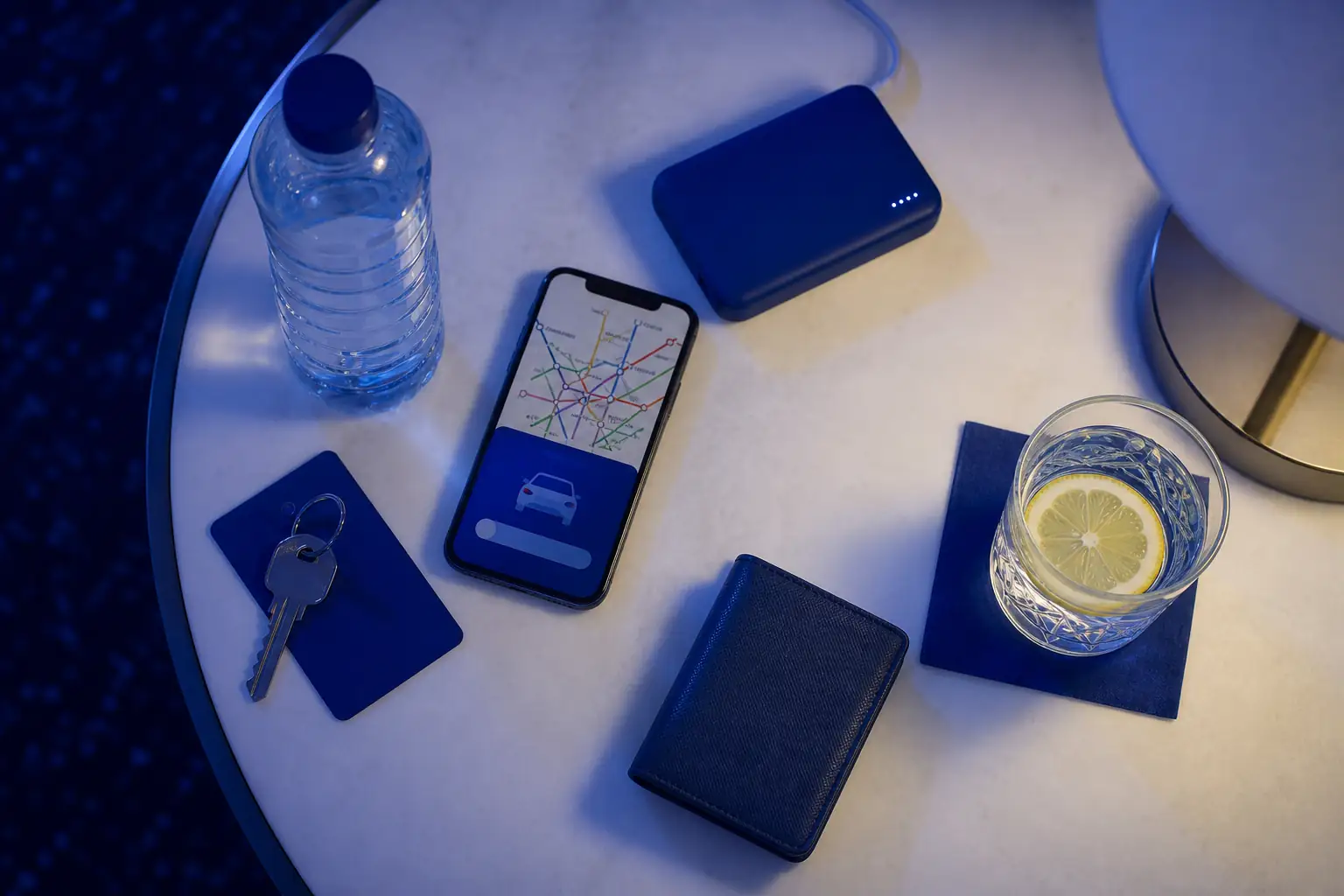
3. Keep Data and Power Available
Reliable service helps with live transport, licensed ride booking, maps, and group communication. Activating an iRoamly travel eSIM before the trip can reduce dependence on venue Wi-Fi, and a small power bank helps keep that connection available.
Carry original ID and only the payment cards you need.
Save 112 and the accommodation address.
Agree on a meeting point if the group separates.
Leave a venue if crowding, exits, or security feel unsafe.
Spain Drinking Age FAQ
1. Can a 16-year-old drink beer or wine with parents?
No parental permission exception should be assumed. Regional laws prohibit supplying alcohol to under-18s, and some explicitly state that parental consent does not remove liability.
2. Is the age 18 everywhere in Spain?
Yes, 18 is the practical nationwide minimum. Regional laws regulate the details, but travelers should not expect a lower age in any autonomous community.
3. Can I use a photo of my passport as ID?
A venue or retailer may reject a copy or phone image. Carry an accepted original government-issued photo ID when an age check is likely, while keeping it secured from theft.
4. Can an 18-year-old enter every nightclub?
No. Venues may set admission policies, events may have their own rules, and regional requirements can affect entry. Being legally old enough to drink does not guarantee admission.
5. Is drinking on the beach legal?
Do not assume so. Beach and public-space rules are often municipal, and restrictions can be stricter in busy resort areas. Use licensed premises and follow posted signs.
6. What is Spain's emergency number?
Call 112 for police, ambulance, or fire emergencies. If someone may have alcohol poisoning or drink spiking, stay with them and request medical help promptly.
Conclusion
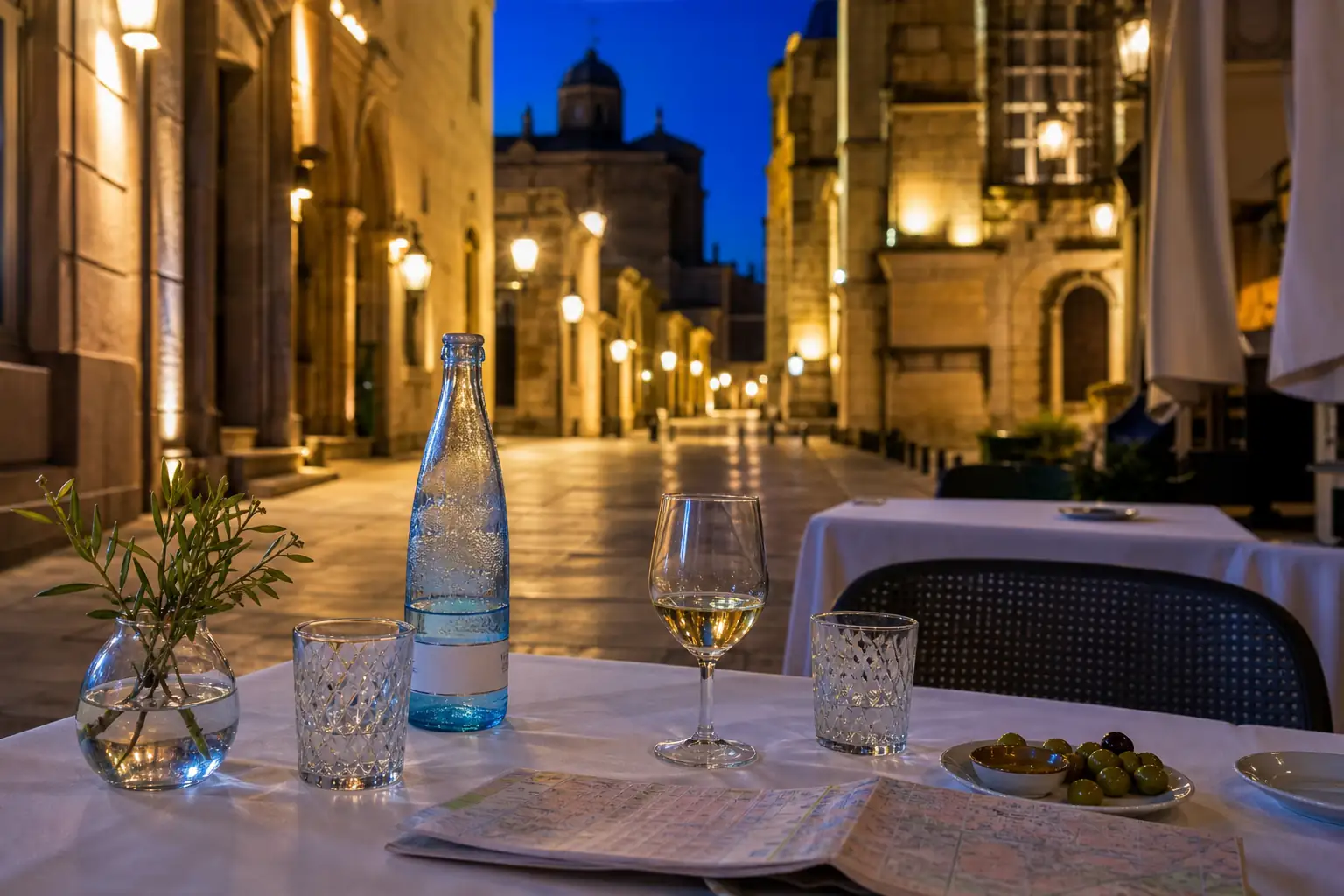
The drinking age in Spain is 18, covering the purchase and supply of beer, wine, spirits, and other alcoholic drinks. Visitors follow the same rules as residents, and parental permission does not create a reliable exception for minors.
Adults should also distinguish legal age from legal place and time. Public-space rules, retail hours, nightlife entry, and special resort restrictions can vary, so posted and current local guidance takes priority.
Carry valid ID, pace drinks with food and water, protect your glass, and arrange a sober return. Those simple choices let Spanish dining and nightlife remain social, enjoyable, and responsible.