
Choosing the best places to visit in Spain is less about finding one perfect city and more about matching the country to the trip you actually want. Spain can feel grand and urban in Madrid, creative and coastal in Barcelona, slow and Moorish in Granada, festive in Seville, and breezy on the islands.
For a first visit, the smartest route usually blends two major cities with one slower region. That gives you museums, food, architecture, beaches, and smaller neighborhoods without spending your whole holiday inside train stations.
This guide focuses on places that are rewarding, practical to combine, and different enough from one another to justify the journey. Use it to build a Spain trip that feels varied rather than rushed.

How to Choose Where to Go in Spain
Spain rewards travelers who plan by region rather than by checklist. Distances look manageable on a map, but the experience changes quickly between Catalonia, central Spain, Andalusia, the Basque Country, Galicia, and the islands.
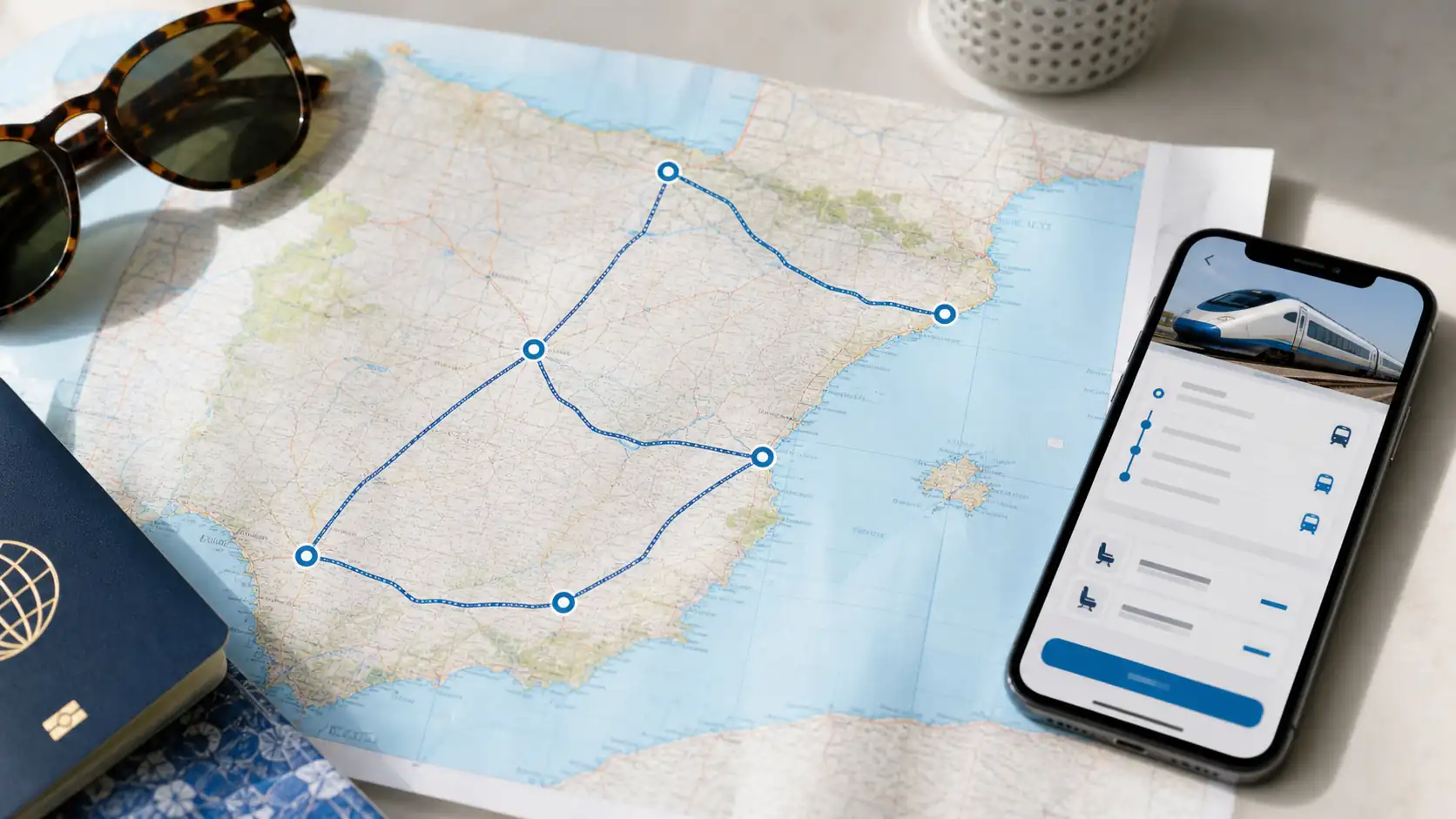
A useful way to begin is to decide whether your trip should be culture-heavy, beach-focused, food-led, or balanced. The table below keeps the big choices simple before you start booking hotels.
Travel Style | Best Base | Why It Works |
|---|---|---|
First-time highlights | Madrid, Barcelona, Seville | Strong transport links, famous landmarks, major museums, and varied food scenes. |
Architecture and history | Barcelona, Granada, Cordoba, Toledo | Gaudi, Moorish palaces, medieval lanes, cathedrals, and walkable old towns. |
Food and coastal breaks | San Sebastian, Valencia, Mallorca | Pintxos, rice dishes, seafood, beaches, and relaxed neighborhood exploring. |
Planning tip: For 7 to 10 days, choose three bases at most. For two weeks, add a slower coastal or island stop so the trip does not become a chain of hotel changes.
Best Cities for a First Spain Trip
The classic cities are classic for a reason: they give you Spain's most recognizable art, architecture, nightlife, and food in places that are easy to navigate. These stops suit travelers who want a confident first route with plenty of backup options if weather, energy, or timing changes.
1. Barcelona
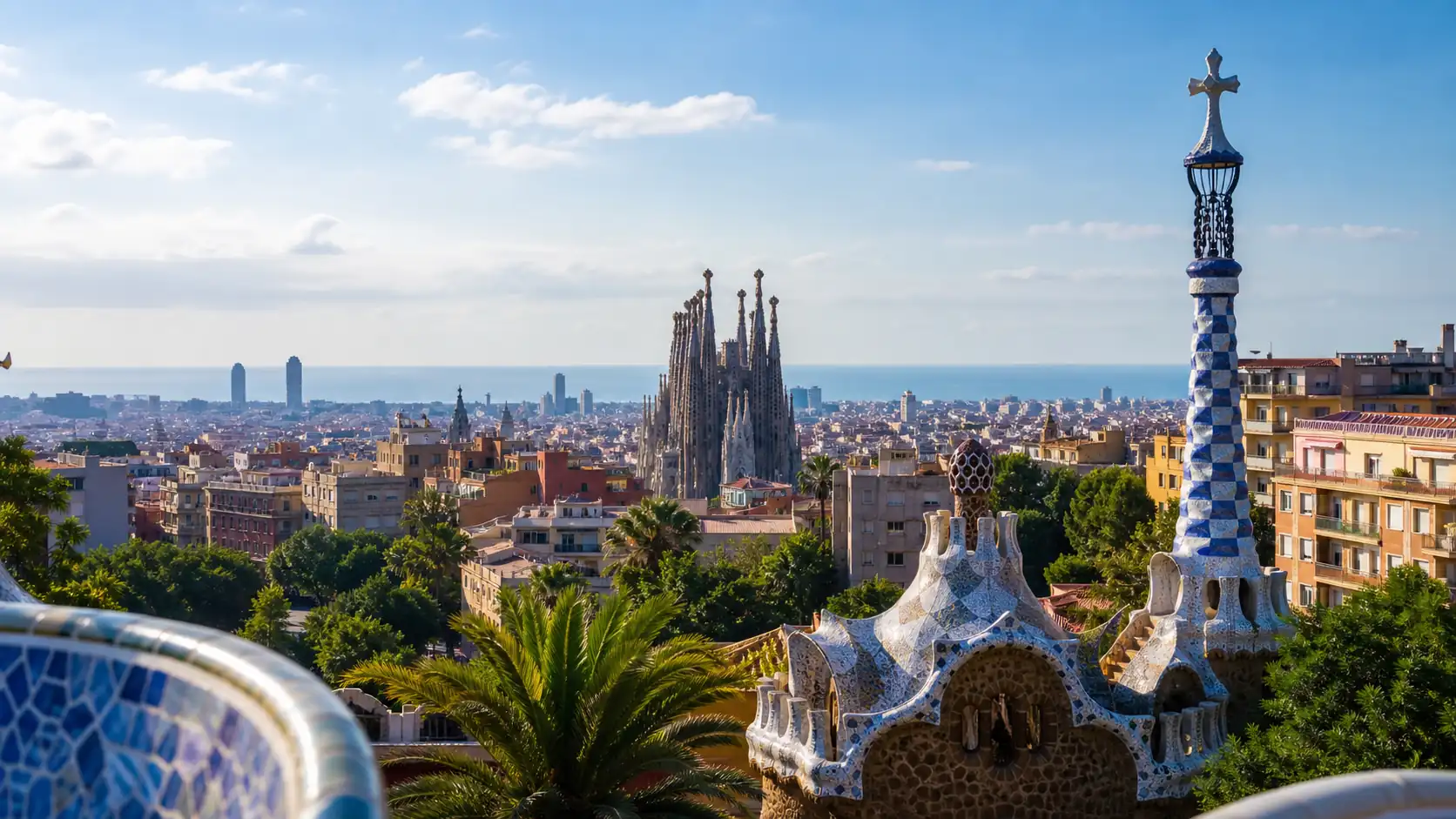
Barcelona is often the easiest Spain entry point for travelers who want architecture, beach time, food markets, and lively neighborhoods in one city. The city is famous for Gaudi landmarks, but its real strength is how quickly you can move from a Gothic lane to a viewpoint, then down to the sea.
Best for: first-time visitors, design lovers, food-market browsing, and travelers who want city energy with a coastal edge.
Travel tip: Book major attractions ahead and group sights by neighborhood. Sagrada Familia, Eixample houses, Park Guell, the Gothic Quarter, and Barceloneta are better enjoyed in clusters than as a zigzag across town.
2. Madrid
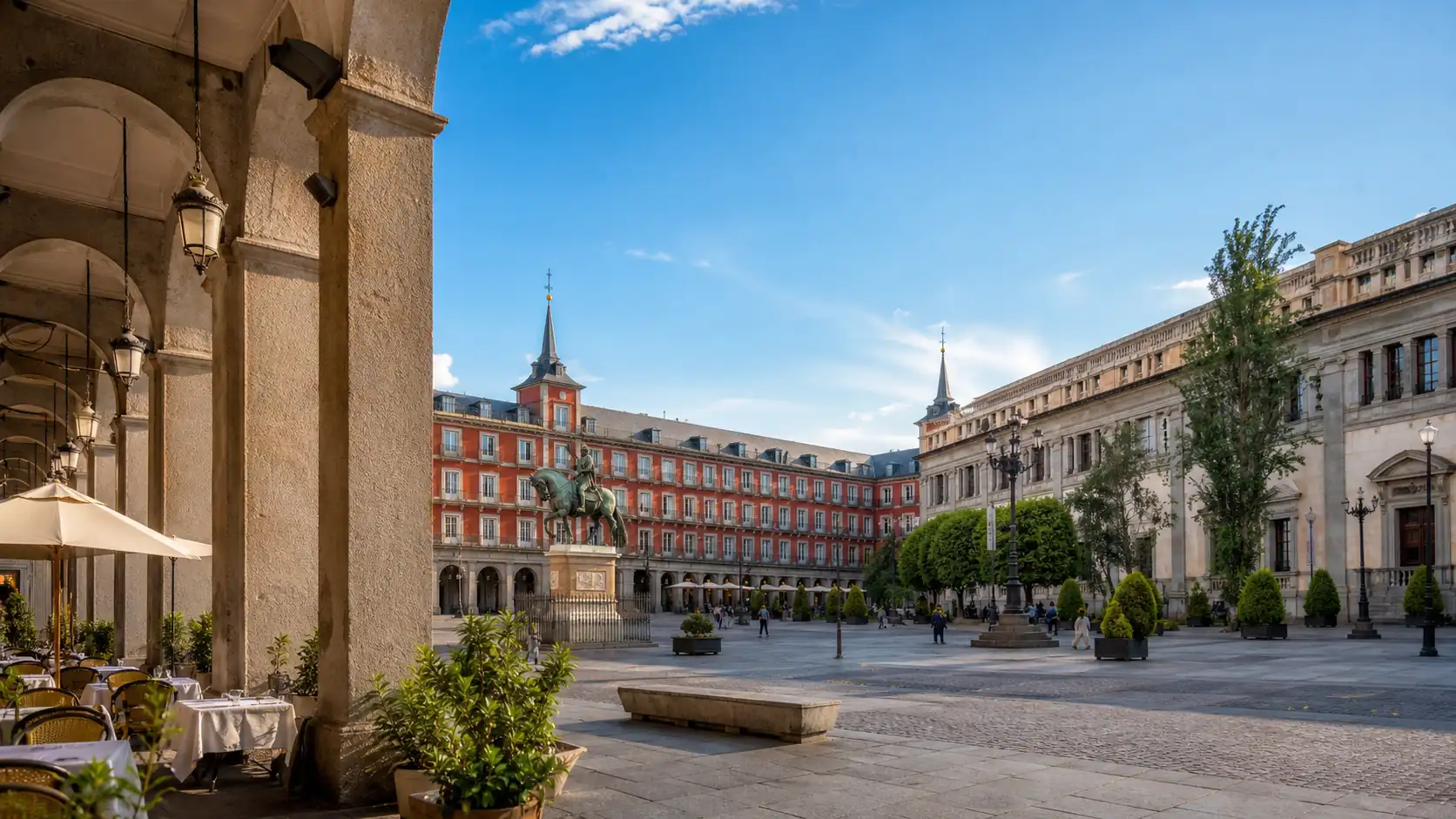
Madrid is less postcard-obvious than Barcelona at first glance, but it is one of Spain's most satisfying city bases. It has world-class museums, huge parks, late dinners, grand squares, and excellent rail connections to Toledo, Segovia, Cordoba, Seville, and Valencia.
Best time to explore: mornings for museums and Retiro Park, late afternoon for neighborhoods like La Latina or Malasana, and evening for tapas crawls around old Madrid.
3. Seville
Seville feels intensely Spanish to many travelers: orange trees, tiled courtyards, flamenco venues, river walks, historic palaces, and long warm evenings. It is a strong choice if you want emotion, color, and slower neighborhood wandering rather than a packed big-city schedule.
Common mistake: Visiting in peak summer without adjusting your rhythm. In hot months, plan early sightseeing, a long indoor break, and evening exploring.
4. Granada
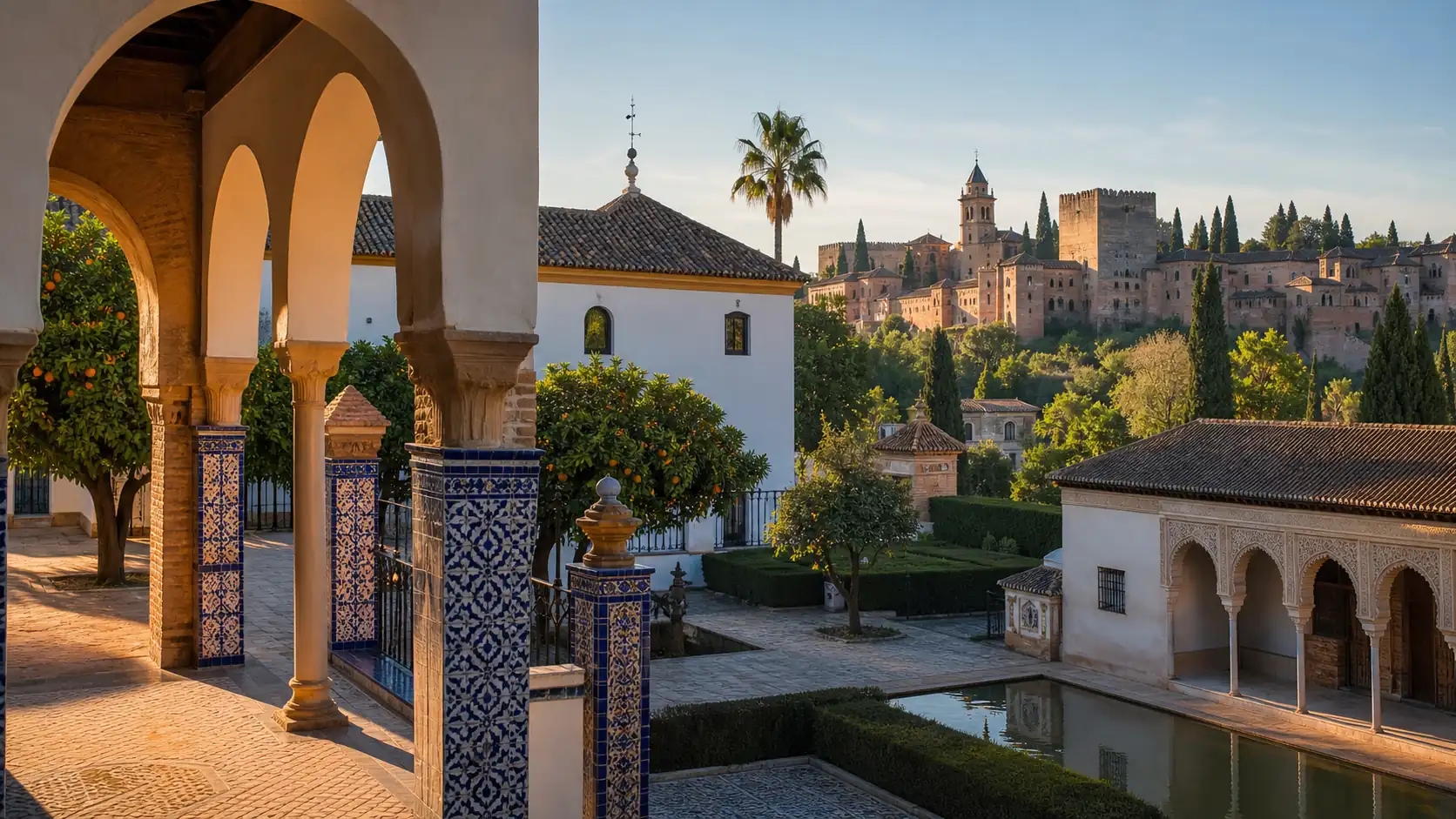
Granada is smaller than Madrid or Barcelona, but it can become the most memorable stop in Spain because the Alhambra, Albaicin views, and mountain backdrop create a setting unlike anywhere else in the country. It suits travelers who like history, viewpoints, and compact walking days.
Booking note: The Alhambra is one place where planning matters. Reserve entry through Alhambra visitor information before arranging the rest of your Granada day, because time slots can shape your schedule.
5. Valencia
Valencia is a smart alternative or addition when you want beaches, food, futuristic architecture, and a gentler pace. It is the home of paella's most famous regional identity, but it also works well for cycling, family travel, and travelers who want fewer crowds than Barcelona.
How long to stay: Two nights can cover the old town, City of Arts and Sciences, market browsing, and a beach meal. Three nights lets the city breathe.
Southern Spain for Palaces, Flamenco, and Old Towns
Andalusia is where many travelers find the Spain they imagined before arriving: tiled courtyards, white villages, late dinners, guitar music, Moorish architecture, and intense summer light. It is also a region where pacing matters, because several cities deserve slow evenings rather than quick photo stops.
6. Cordoba
Cordoba is compact enough for a day trip but rewarding enough for an overnight stay. The old Jewish Quarter, flowered patios, and Mezquita-Catedral create a dense historic core that feels different from both Seville and Granada.
Visit strategy: Arrive early if you are day-tripping, especially in warm months. The historic center is best before midday crowds and heat build.
7. Malaga
Malaga is not just a beach gateway. Its old town, museums, hilltop views, seafood, and easy airport links make it a practical southern base, especially for travelers who want culture without giving up the sea.
Good for families: Beaches, pedestrian streets, and easy dining make logistics simpler.
Good for repeat visitors: Use Malaga for slower Costa del Sol days or side trips to smaller towns.
8. Ronda and the White Villages
Ronda's dramatic gorge and the white villages nearby add a rural counterpoint to Andalusia's major cities. They work best with a car or guided day trip, since public transport can be limiting if you want to connect several villages in one day.
Travel tip: Do not overload a white-village route. Pick two or three stops and leave time for viewpoints, lunch, and narrow-road driving.
Coasts and Islands Worth Building Around
Spain's beaches are not one experience. The Mediterranean feels different from the Atlantic north, and the Balearic Islands are not interchangeable with the Canary Islands. Choose by season, flight access, and how much sightseeing you want between swims.
9. Mallorca
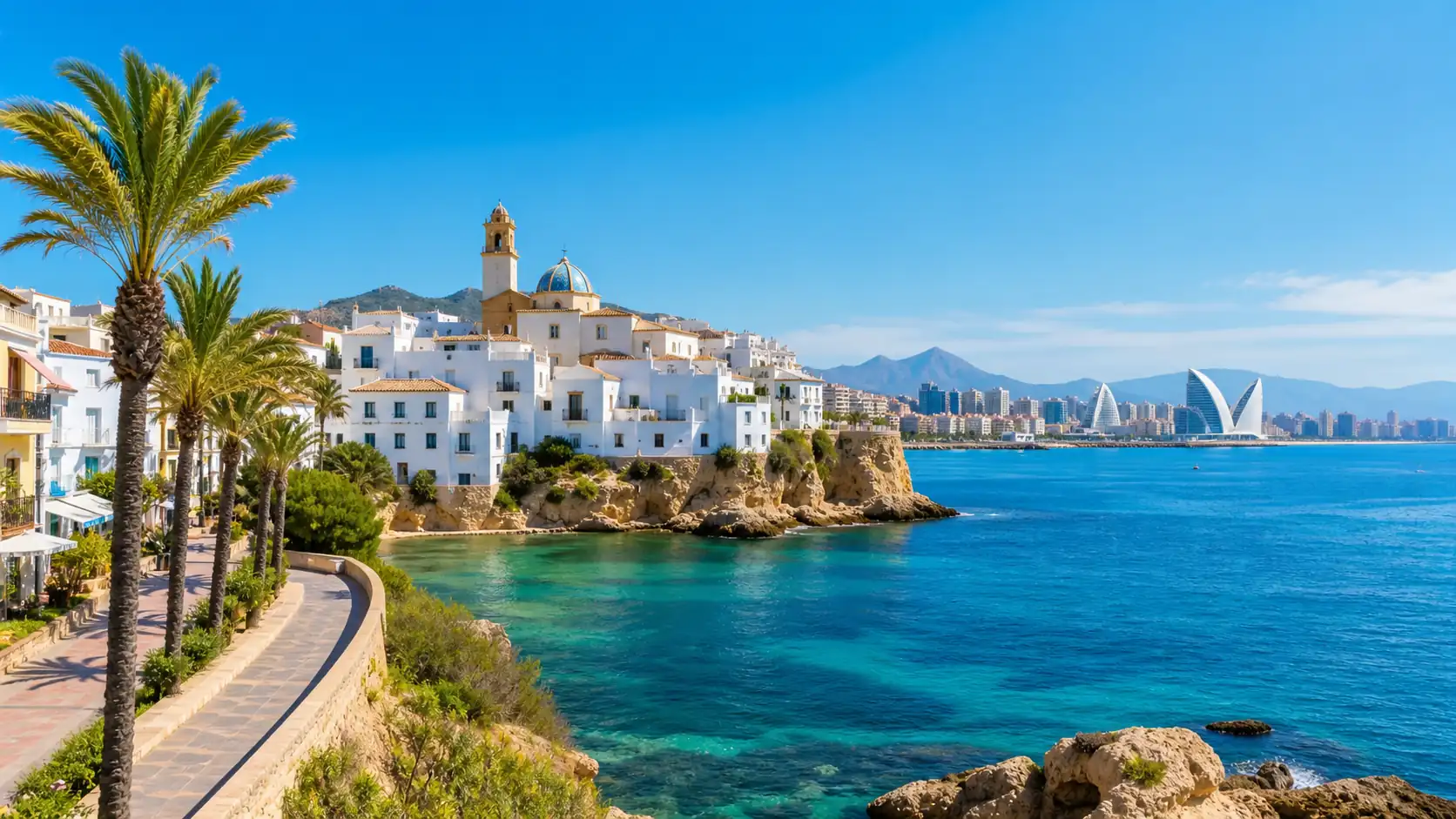
Mallorca is one of Spain's best choices when you want coves, mountain roads, villages, and refined seaside towns in one island trip. Palma gives you a city base, while the Tramuntana mountains and northern beaches reward travelers who rent a car.
Who it suits: couples, families, hikers, beach lovers, and travelers who want a polished island without relying only on nightlife.
10. Costa Brava
The Costa Brava pairs well with Barcelona because it offers rocky coves, medieval towns, coastal walks, and seafood without requiring a separate flight. It is best for travelers who want a scenic extension rather than a standalone beach resort week.
Best approach: Base yourself in one coastal town for two or three nights instead of trying to hop across the whole coast in a day.
11. Canary Islands
The Canary Islands are ideal when your Spain trip needs warmer weather outside the mainland beach season. Tenerife and Gran Canaria suit varied travelers, while Lanzarote is strong for volcanic landscapes and design-focused scenery.
Choose Tenerife: for varied scenery, hiking, beaches, and resort options.
Choose Lanzarote: for volcanic landscapes, low-rise design, and a quieter visual identity.
Choose Gran Canaria: for beaches, towns, mountain roads, and a broad accommodation range.
Northern Spain for Food, Green Scenery, and Fewer Crowds
Northern Spain is cooler, greener, and often less obvious to first-time visitors. It is a superb choice if you care about food, coastal walks, modern architecture, and cities that feel lively without always feeling overrun.
12. San Sebastian
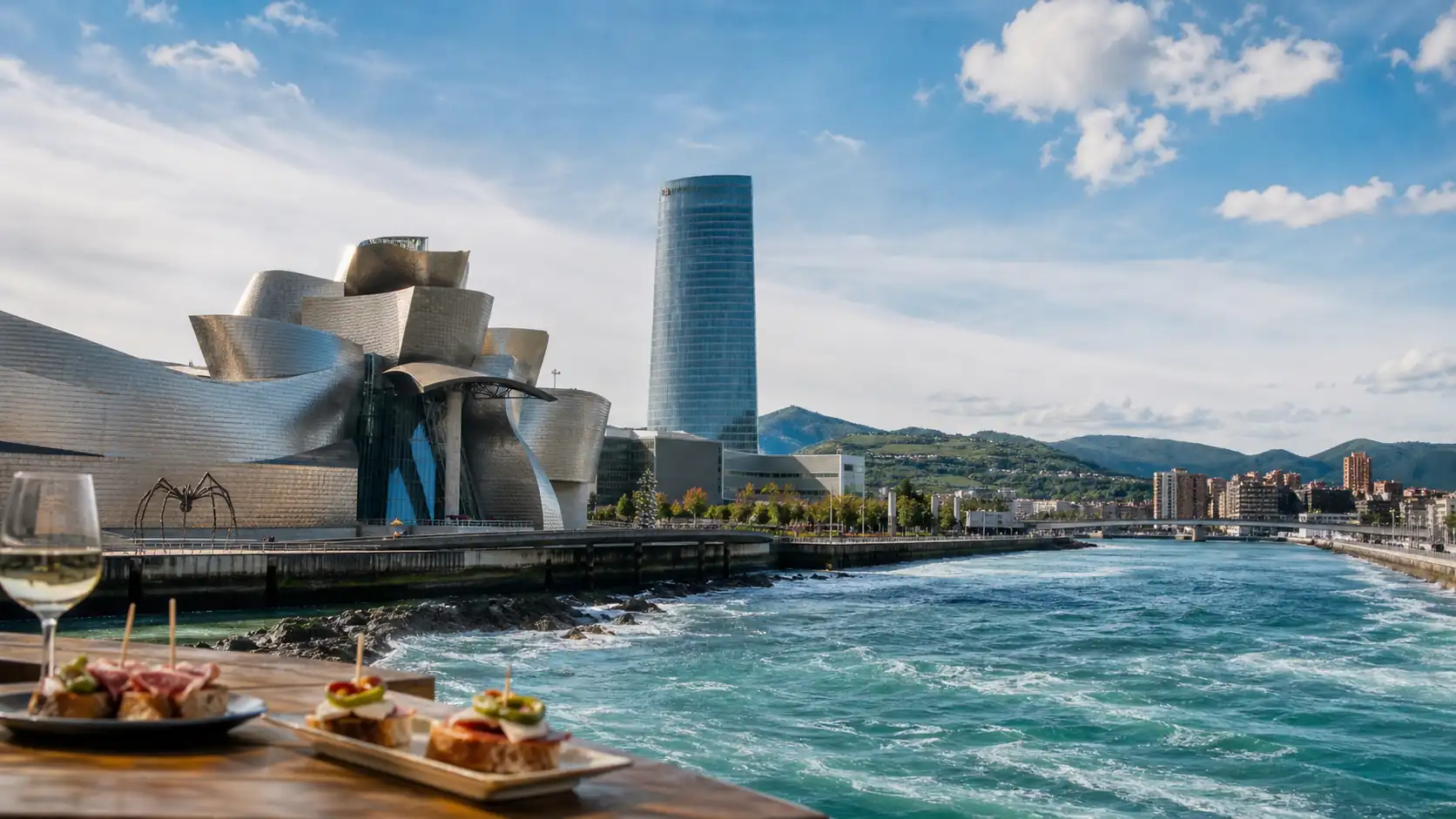
San Sebastian is a food-lover's city with a beautiful bay, walkable old town, and a pintxos culture that turns dinner into a relaxed route rather than a single reservation. It is more expensive than many Spanish cities, but the quality of eating is a major part of the reason to come.
Where to focus: Old Town pintxos bars, La Concha beach, Monte Igueldo views, and a slower lunch by the water.
13. Bilbao
Bilbao works well for travelers who like modern design, riverfront walks, and a city that has changed dramatically without losing its Basque identity. It is also a practical base for combining food, museums, and coastal day trips.
Good pairing: Spend two nights in Bilbao and two in San Sebastian if northern Spain is the focus. If you are short on time, choose based on whether museums or food are the priority.
14. Santiago de Compostela
Santiago de Compostela is deeply atmospheric, especially when pilgrims arrive at the cathedral square after walking the Camino. Even if you are not hiking, the old town, Galician food, rainy-stone mood, and sense of arrival make it stand apart from Spain's sunnier city images.
Try: Galician seafood, octopus, local cheeses, and a slow walk through the old town.
Pack: light rain gear, even outside winter, because the northwest can shift quickly.
Food and Neighborhoods That Shape the Trip
Food can decide which Spain route feels right. Tapas in Andalusia, pintxos in the Basque Country, seafood in Galicia, rice dishes in Valencia, and market grazing in Barcelona are not just meal options; they are different ways to experience daily life.
1. Match Meals to the Region
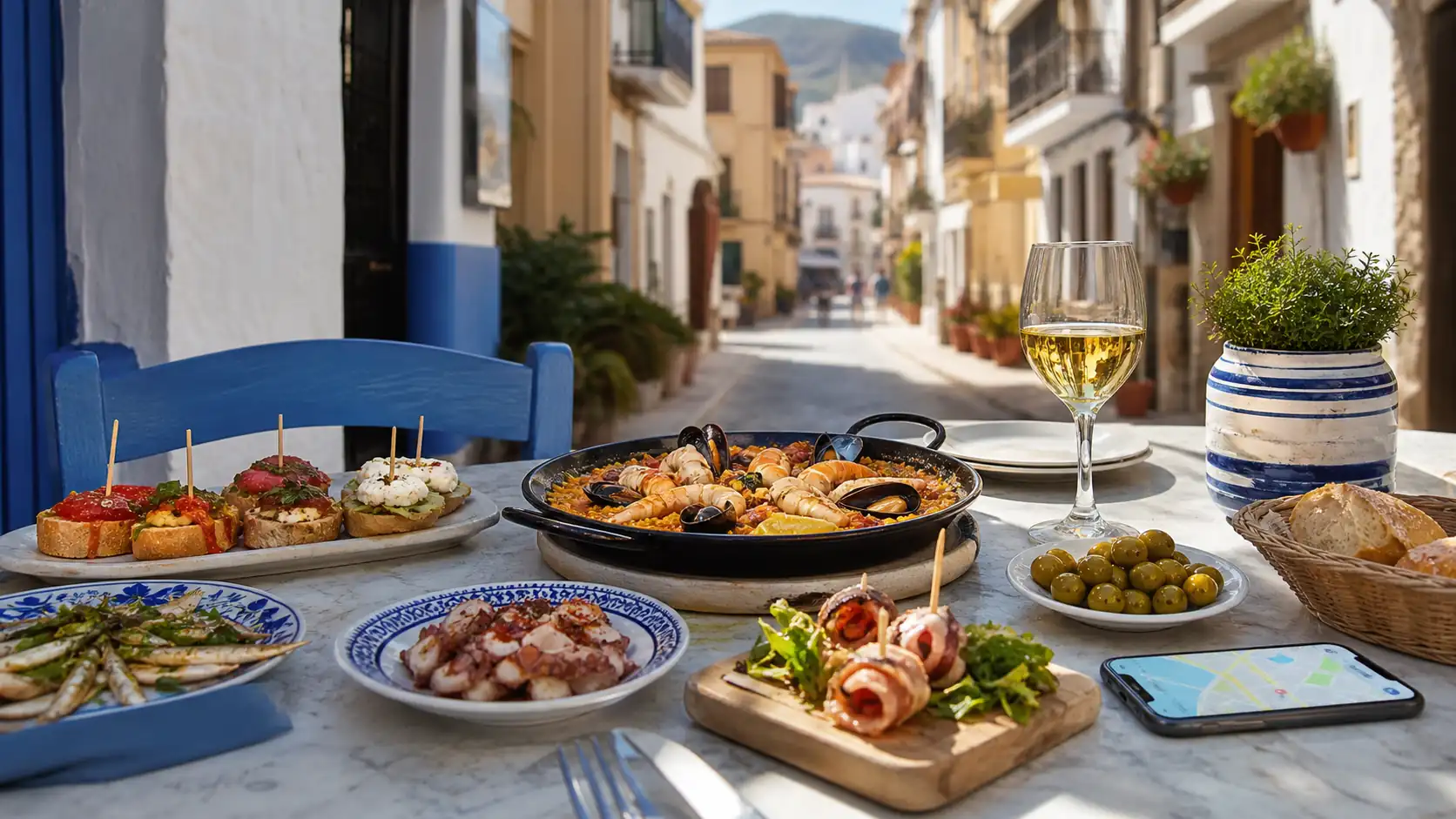
Do not expect the same food everywhere. Paella is strongest around Valencia, pintxos culture belongs to the Basque Country, and Andalusia is excellent for tapas routes that stretch late into the evening.
Ordering tip: If a restaurant near a major attraction shows a huge photo menu with every Spanish dish imaginable, keep walking a little farther into side streets.
2. Use Markets Without Turning Them Into Your Whole Meal Plan
Markets are excellent for snacks, produce, casual bites, and understanding regional ingredients. They are less ideal as your only food plan if you want relaxed sit-down meals or local dinner rhythm.
Best for: breakfast, picnic supplies, seafood counters, cured meats, fruit, and casual tastings.
Avoid: arriving at peak lunch hour in the most famous markets if you dislike crowds.
Practical Tips for Planning a Spain Route
A good Spain route balances speed with friction. Trains are excellent between many major cities, but not every coastal town, island, or rural area fits neatly into a rail plan.

1. Use Trains for Major City Links
High-speed and long-distance trains can make Madrid, Barcelona, Valencia, Cordoba, Seville, and Malaga easier to combine than driving. Check current routes and station details before locking in hotels, because departure stations and travel times can shape your base choices.
Route tip: Madrid is the simplest hub for many inland and Andalusia connections. Barcelona is stronger when your route leans Catalonia, Costa Brava, or Mediterranean coast.
2. Keep Mobile Data Ready Before You Land
Spain travel involves live train updates, ticket QR codes, translation, maps, restaurant searches, and accommodation messages. Setting up a travel eSIM before arrival is easier than hunting for a SIM shop after a long flight, and an iRoamly travel eSIM can be a practical connectivity option for those first hours.
Usage tip: Download offline maps for your first city anyway. It gives you a backup if your phone battery drops or a station has weak signal.
3. Avoid Overloading Day Trips
Spain has tempting side trips, but too many can make your base city feel like a hotel address rather than a place you visited. Pick the side trip that adds the most contrast: Toledo from Madrid, Montserrat from Barcelona, Cordoba from Seville, or a coastal town from San Sebastian.
Fast-paced travelers: one day trip for every two full city days is manageable.
Slow travelers: choose one day trip per base and protect unplanned neighborhood time.
Sample Routes by Trip Length
These routes are not the only way to visit Spain, but they show how to avoid the most common mistake: adding one more famous city until every day becomes transit.

1. Seven Days: Madrid, Seville, Granada
This route is excellent for museums, palaces, tapas, and Andalusian atmosphere. It skips Barcelona, which can feel strange on paper, but the route is geographically coherent and avoids crossing the entire country.
Pacing: Madrid for two nights, Seville for three, Granada for two. Add Cordoba only if you are comfortable with a busier travel day.
2. Ten Days: Barcelona, Madrid, Seville
This is the balanced first-timer route: Barcelona for architecture and the sea, Madrid for museums and day trips, and Seville for southern character. It is popular because each city feels different from the last.
Best order: Start in Barcelona or Madrid depending on flights, then use trains to connect the rest. Avoid adding Valencia unless you can extend to 12 days.
3. Two Weeks: Barcelona, Madrid, Andalusia, Coast
With two weeks, Spain opens up. You can add Valencia, Malaga, Mallorca, or the Basque Country depending on season and interests.
Extra Stop | Add It If You Want | Skip It If |
|---|---|---|
Valencia | Beaches, rice dishes, cycling, and a softer city pace. | You already have Barcelona and limited time. |
Mallorca | Coves, villages, driving routes, and island scenery. | You do not want an extra flight or ferry. |
Basque Country | Food, green coast, and a cooler northern feel. | Your route is already focused on Andalusia. |
Decision rule: Add a region only when it changes the experience. If it repeats the same city-and-museum rhythm, stay longer where you already are.
FAQ
1. How many places should I visit in Spain in one week?
Two or three bases are enough for one week. Madrid plus Seville and Granada is a strong culture route, while Barcelona plus Valencia or Costa Brava works better for a Mediterranean focus.
2. Is Barcelona or Madrid better for a first trip?
Choose Barcelona if architecture, markets, beaches, and neighborhood wandering are your priority. Choose Madrid if museums, central train connections, nightlife, and day trips matter more.
3. What is the most beautiful region in Spain?
It depends on your definition of beauty. Andalusia is dramatic and historic, the Basque Country is green and coastal, Mallorca is polished and scenic, and Galicia has a quieter stone-and-sea atmosphere.
4. Do I need a car in Spain?
You do not need a car for major cities. A car helps for white villages, rural coasts, mountain areas, and island exploring, but it is usually a burden inside big cities.
5. What should I avoid when planning Spain?
Avoid changing bases too often, underestimating summer heat in southern Spain, booking major sights late, and assuming every region has the same food, climate, or daily rhythm.
6. Which Spain route is best for food lovers?
San Sebastian and Bilbao are excellent for pintxos, Valencia for rice dishes, Galicia for seafood, and Andalusia for tapas culture. A food-focused trip should prioritize regions over famous landmarks.
Final Thoughts
The best places to visit in Spain depend on how much contrast you want. Madrid, Barcelona, Seville, Granada, Valencia, Mallorca, San Sebastian, Bilbao, and Santiago de Compostela can all be the right answer for different travelers.
For a first trip, keep the route focused: choose two major cities, add one region that changes the mood, and protect enough time for food, walking, and unplanned evenings. Spain is more rewarding when you leave space for its daily rhythm.
If you plan around geography, season, and travel style instead of only famous names, your Spain itinerary will feel richer, calmer, and much easier to enjoy once you are there.