
The best time to visit Spain and Portugal is usually spring or autumn if you want comfortable weather, fewer peak-season crowds, and easier city sightseeing. April to June and September to October are the sweet spots for many first-time Iberia trips.
That said, there is no single perfect month for every traveler. Summer works well for beaches and nightlife, winter can be excellent for city breaks and lower prices, and regional weather differs sharply between northern coasts, southern cities, islands, and inland areas.
This guide compares seasons, trip styles, crowds, costs, routes, and packing needs so you can choose the right timing for a combined Spain and Portugal itinerary instead of copying someone else’s calendar.

Quick Answer by Season
For most travelers, the best time to visit Spain and Portugal is late spring or early autumn. These periods usually offer pleasant sightseeing temperatures, active cities, open coastal services, and fewer extremes than mid-summer or deep winter.
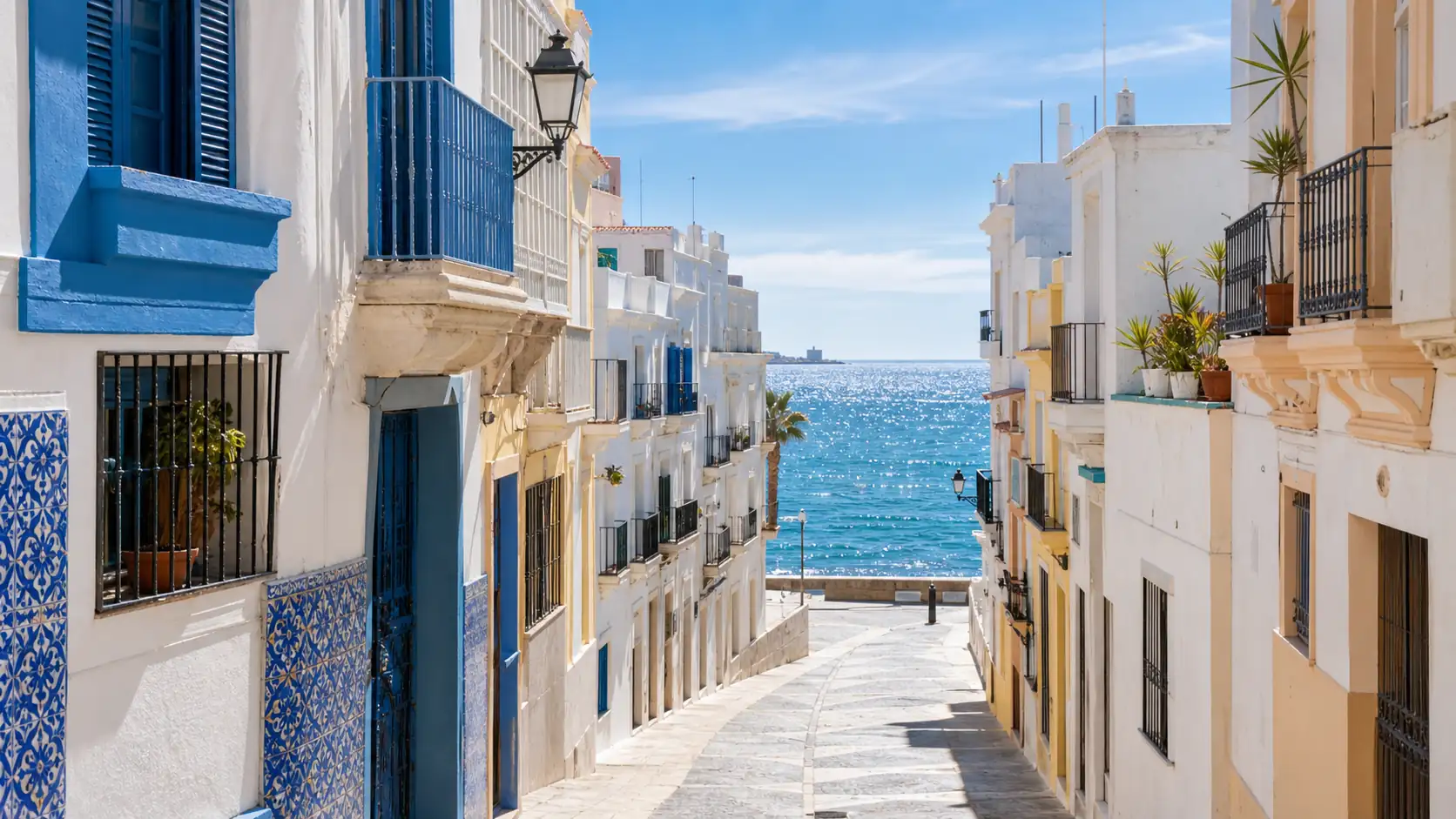
Spain’s official travel weather information is useful for understanding regional variety before you choose dates; check Spain weather by area when your route includes several regions.
Season | Best For | Main Tradeoff |
|---|---|---|
Spring | Cities, gardens, food trips, road trips, mild sightseeing. | Weather can change quickly, especially in the north and mountains. |
Summer | Beaches, islands, festivals, nightlife, long daylight. | Heat, higher prices, crowded coastal areas. |
Autumn | City breaks, wine regions, warm seas, better value. | Shorter days and more rain risk later in the season. |
Winter | Museums, food, southern cities, lower crowds. | Beach weather is limited and some resort services slow down. |
If this is your first combined trip, choose a month based on your top priority. Cities and culture favor spring or autumn, while beach-first travelers may accept summer crowds for warmer water and livelier resorts.
Spring vs Autumn
Spring and autumn are the two most balanced choices, but they do not feel identical. Spring has fresh landscapes, flowers, and festival energy; autumn has warmer seas, grape harvest moods, and a calmer post-summer rhythm.
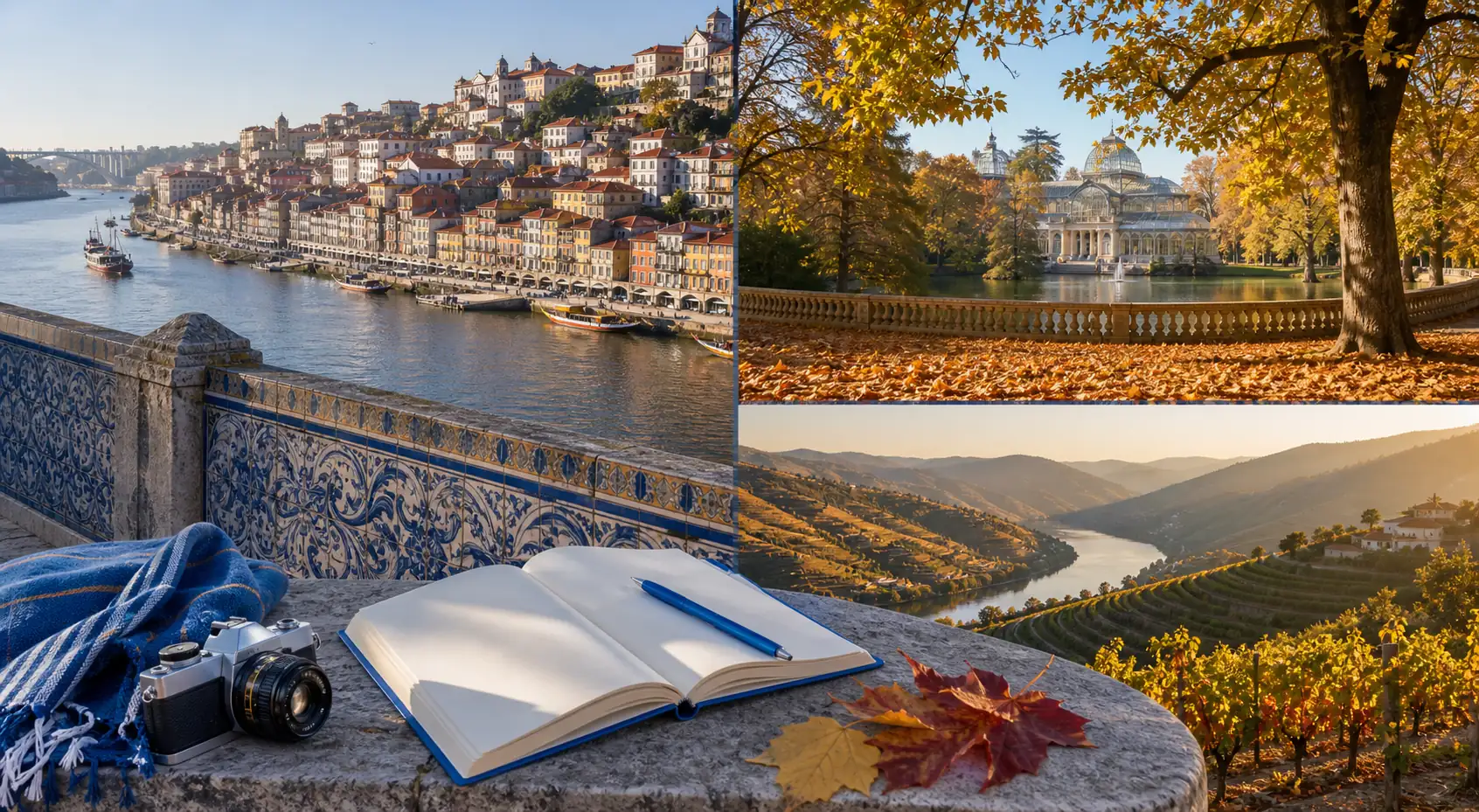
1. Choose spring for fresh city days
Spring is excellent for Madrid, Barcelona, Seville, Granada, Lisbon, Porto, and inland towns before the strongest summer heat arrives. It suits travelers who want long walks, outdoor dining, gardens, and city sightseeing without constantly seeking shade.
Best fit: First-time visitors, culture-focused routes, walkers, photographers, and travelers who want active days rather than long beach afternoons.
2. Choose autumn for warm seas and softer prices
Autumn often keeps enough warmth for coastal time, especially in September and early October, while city sightseeing becomes more comfortable. It is also a strong period for food and wine-focused routes through northern Portugal, La Rioja, the Douro, Andalusia, and Catalonia.
Best fit: Couples, food travelers, slower itineraries, and visitors who want beach possibilities without the full peak-summer crush.
3. Watch regional differences
Southern Spain can already feel hot in late spring, while northern Spain and northern Portugal can be cooler and wetter. Mountain areas add another layer, so pack for the actual route, not just the country names.
Spring mistake: Assuming every day will be warm enough for summer clothes.
Autumn mistake: Expecting late October to feel like early September everywhere.
Summer and Winter
Summer and winter can both be good choices, but they require more honest planning. Summer is not automatically bad, and winter is not automatically dull; the right choice depends on heat tolerance, beach priorities, budget, and route design.
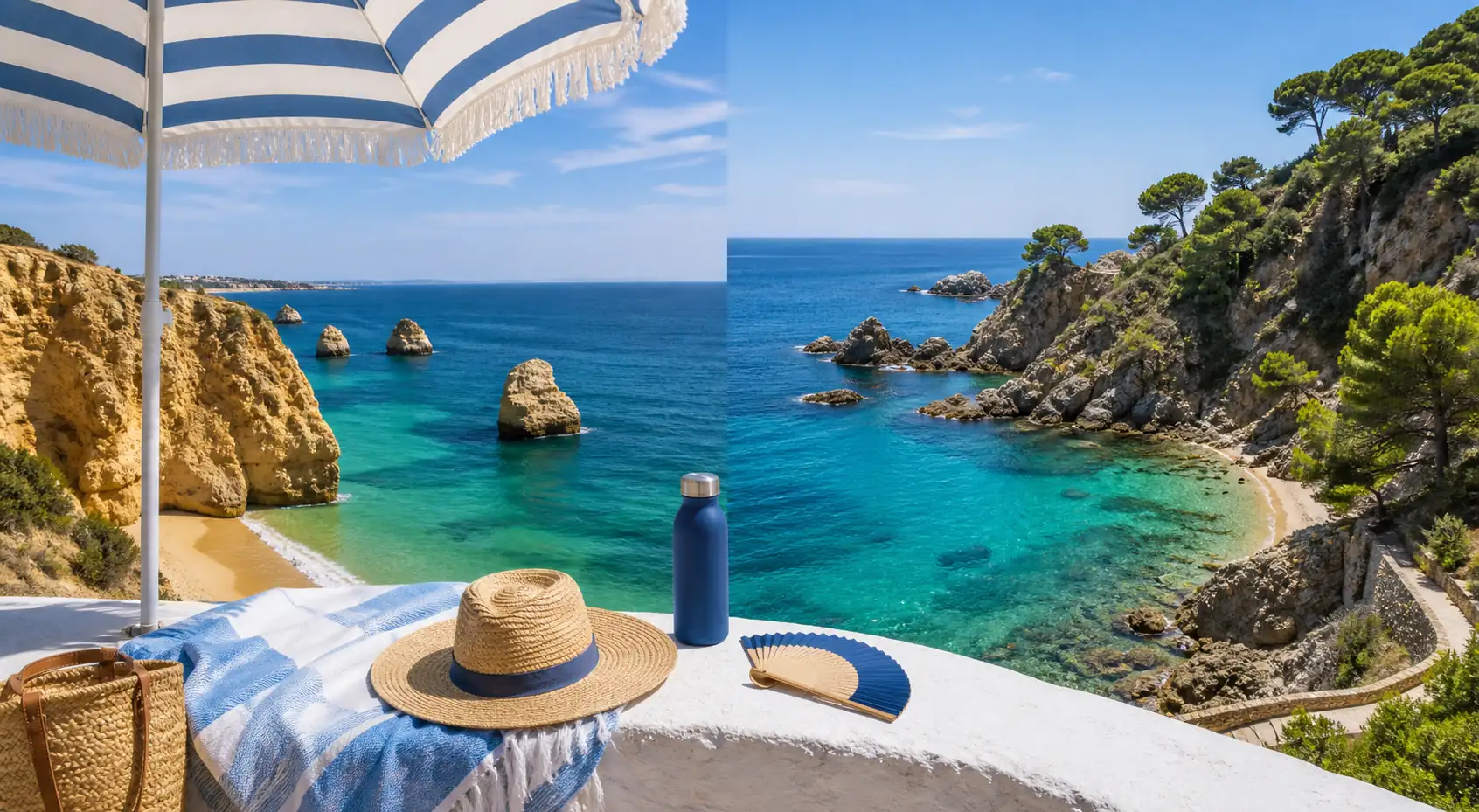
1. Summer is best for beaches and islands
Summer is the strongest period for the Algarve, Costa Brava, Costa del Sol, Balearic Islands, beach clubs, nightlife, and family seaside holidays. The tradeoff is heat in inland cities and higher demand for coastal accommodation.
Practical tip: If your route includes Seville, Cordoba, Madrid, or inland day trips in July or August, plan sightseeing early and keep afternoons lighter.
2. Winter is best for city breaks
Winter works well for Lisbon, Porto, Madrid, Barcelona, Seville, Malaga, Granada, museums, food, and lower-crowd sightseeing. It is less ideal if your dream trip depends on swimming, beach clubs, and long warm evenings.

Portugal’s tourism board provides useful country context for climate and trip planning through Visit Portugal, especially when you are comparing mainland Portugal, Madeira, the Azores, and coastal areas.
3. Shoulder months can beat both extremes
June and September often provide much of the summer feeling with fewer drawbacks. They are not always cheap, but they usually give a better balance of warmth, open services, and manageable sightseeing.
Goal | Better Months | Why |
|---|---|---|
Beach holiday | June to September | Warmest coastal atmosphere and most services open. |
City sightseeing | April to June, September to November | More comfortable walking conditions. |
Lower crowds | November to March, excluding holidays | Better museum and restaurant access, though weather is cooler. |
Best Time by Travel Style
Your ideal month depends on the trip you are actually taking. A Madrid-Lisbon museum route, a Costa del Sol beach week, and a Porto-to-Douro food trip should not all use the same timing logic.

1. First-time culture route
Choose April, May, September, or October for Madrid, Barcelona, Seville, Granada, Lisbon, and Porto. You will spend many hours walking, queuing, eating outdoors, and moving between stations, so comfort matters more than beach heat.
2. Beach and island route
Choose June, July, August, or September, with June and September often feeling more balanced. Book earlier for islands, Algarve resorts, Costa Brava, and Costa del Sol if you need specific locations or family rooms.
3. Food and wine route
Late spring and autumn are strong for markets, terrace dining, wine regions, and slower road trips. Autumn has a particularly good mood for northern Portugal, the Douro, La Rioja, and inland food-focused routes.
4. Budget-conscious route
Look at winter, late autumn, and early spring, avoiding major holidays and big events. You may trade beach time for lower accommodation rates and easier reservations.
Decision shortcut: If your trip is mostly cities, choose spring or autumn. If it is mostly beaches, choose summer or early autumn. If it is mostly museums and food, winter can be surprisingly rewarding.
Route Planning and Crowds
A combined Spain and Portugal trip can look simple on a map, but travel time can surprise visitors. Not every major city pair has a fast direct rail connection, so season and route design should work together.
1. Keep the first trip focused
A strong 10- to 14-day first trip might focus on Madrid, Andalusia, Lisbon, and Porto, or Barcelona, Madrid, Lisbon, and one coastal region. Trying to include every famous city usually creates more transit than joy.
2. Book earlier for peak periods
Summer beaches, Easter-week travel, major festivals, long weekends, and popular city hotels can sell out or rise in price. If your dates are fixed, book accommodation and key transport earlier than you would in a quiet winter week.
3. Match pace to heat and daylight
In hot months, plan early starts and slower afternoons. In winter, shorter daylight makes tight day trips less satisfying, so keep routes simpler and avoid relying on late scenic arrivals.
Trip Length | Best Approach | What to Avoid |
|---|---|---|
7 days | Pick one country plus one nearby cross-border city. | Trying to cover Madrid, Barcelona, Seville, Lisbon, and Porto. |
10 days | Choose two or three bases and add one day trip. | Changing hotels every night. |
14 days | Combine cities, coast, and one slower region. | Forgetting rest days in summer heat. |
Packing and Connectivity
Packing for Spain and Portugal is less about one countrywide climate and more about route variety. A spring trip from Porto to Seville, for example, can include cool evenings, rain, warm afternoons, and strong sun within the same itinerary.

1. Pack layers for shoulder seasons
Bring light layers, a compact rain shell, comfortable shoes, sunglasses, and sun protection. Spring and autumn are pleasant because they are flexible, but that also means the weather can shift during the day.
2. Prepare for summer heat
In summer, breathable clothing, refillable water bottles, hats, and a slower sightseeing rhythm matter. Beach travelers should still pack something light for evenings and strong air-conditioning indoors.
Spring/autumn: Layers, rain shell, walking shoes, sunglasses.
Summer: Sun hat, swimwear, breathable clothes, sunscreen, water bottle.
Winter: Light coat, warmer evening layers, compact umbrella.
3. Set up mobile data before arrival
Live maps, train tickets, translation, restaurant bookings, weather checks, and hotel messages all become easier with reliable data. A travel eSIM from iRoamly can be helpful when you want connectivity ready across your Spain and Portugal route before you land.
FAQ
1. What is the overall best month to visit Spain and Portugal?
May and September are often the best overall months because they balance warmth, sightseeing comfort, coastal options, and crowd levels.

2. Is July too hot for Spain and Portugal?
July can be very hot in inland and southern areas, but it works well for beaches, islands, and travelers who plan slower days with early sightseeing.
3. Is winter a bad time to visit?
No. Winter can be excellent for museums, food, city breaks, and lower crowds, especially in Lisbon, Seville, Malaga, Madrid, Barcelona, and Porto. It is not ideal for a classic beach holiday.
4. When is the cheapest time to visit Spain and Portugal?
Prices are often better in winter, late autumn, and early spring outside major holidays and big events. Flights and hotels still vary by route and booking timing.
5. Can you swim in Spain and Portugal in October?
Sometimes, especially early in the month and in warmer southern or island areas, but conditions vary by coast and year. Treat October as possible beach weather, not guaranteed beach weather.
6. Should I visit Spain or Portugal first?
Choose based on flights and route logic. Madrid, Barcelona, Lisbon, and Porto all work as starting points, but avoid a route that doubles back unnecessarily.
Final Thoughts
The best time to visit Spain and Portugal is not one fixed date; it is the season that matches your priorities. Spring and autumn are the safest all-around choices for cities, food, and comfortable movement.
Choose summer if beaches, islands, festivals, and long evenings matter most, and choose winter if you prefer museums, restaurants, lower crowds, and a calmer city-focused trip.
Once you know your season, build the route around weather and pace. Spain and Portugal reward travelers who leave space for long walks, late meals, coastal pauses, and the occasional slower day between big sights.