
Does it snow in Spain? Yes, but not in the way many travelers imagine. Spain has snowy mountains, ski resorts, and cold inland regions, while many coastal cities stay mild and rarely see real accumulation.
The answer depends heavily on elevation, region, and season. The Pyrenees, Sierra Nevada, parts of the Cantabrian Mountains, and high inland areas can receive snow, while places like Malaga, Valencia, and much of the Mediterranean coast usually feel more rainy or cool than snowy.
This guide explains where snow is realistic, when to expect it, how ski trips compare, and what to plan if you want winter scenery without making risky assumptions about weather.
Short Answer: Spain Gets Snow, But Unevenly
Spain has real winter snow, especially in mountain ranges and high plateaus. The confusion comes from the country’s sunny image: beaches and warm southern cities are real, but so are snowy ski slopes and icy mountain roads.
1. Elevation Matters Most
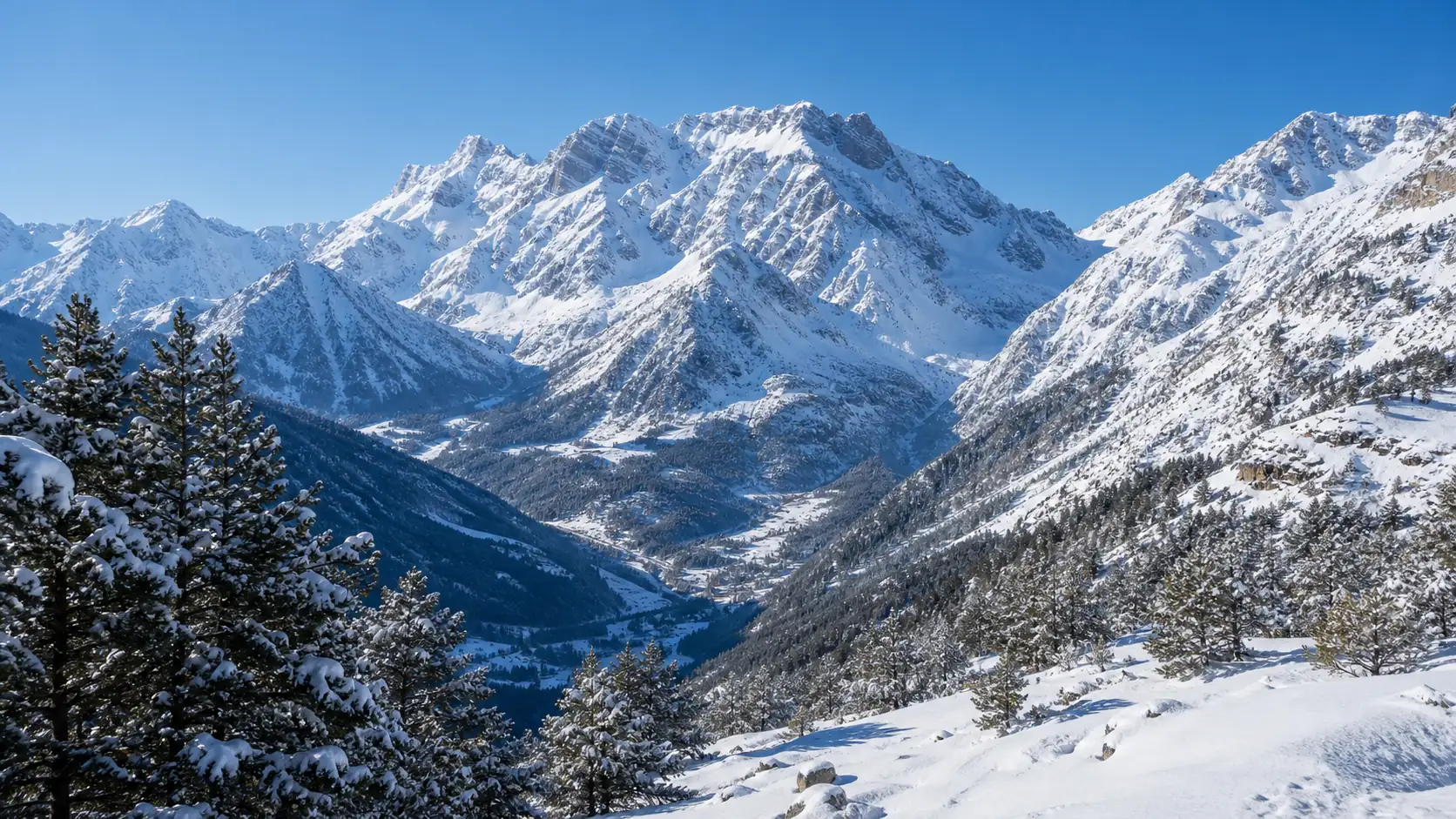
High elevations are far more reliable than city centers. A region may have a mild valley and snowy peaks within a short drive, so asking whether a city gets snow is different from asking whether the province does.
2. Coastal Spain Is Usually Mild
Mediterranean and southern coastal areas can feel cool, wet, or windy in winter, but regular snow is uncommon. If your Spain trip is mainly Barcelona, Valencia, Malaga, or Seville, pack for layers and rain rather than expecting snow scenes.
Area type | Snow likelihood | Traveler expectation |
|---|---|---|
High mountains | Highest | Winter sports and snowy scenery |
Inland high cities | Occasional | Cold days, possible snow |
Coastal cities | Low | Mild, wet, or windy weather |
Where Snow Falls Most Often
The most reliable snow areas are mountain regions. If seeing snow is important, plan around ranges and resorts rather than hoping for a rare city snowfall.
1. The Pyrenees
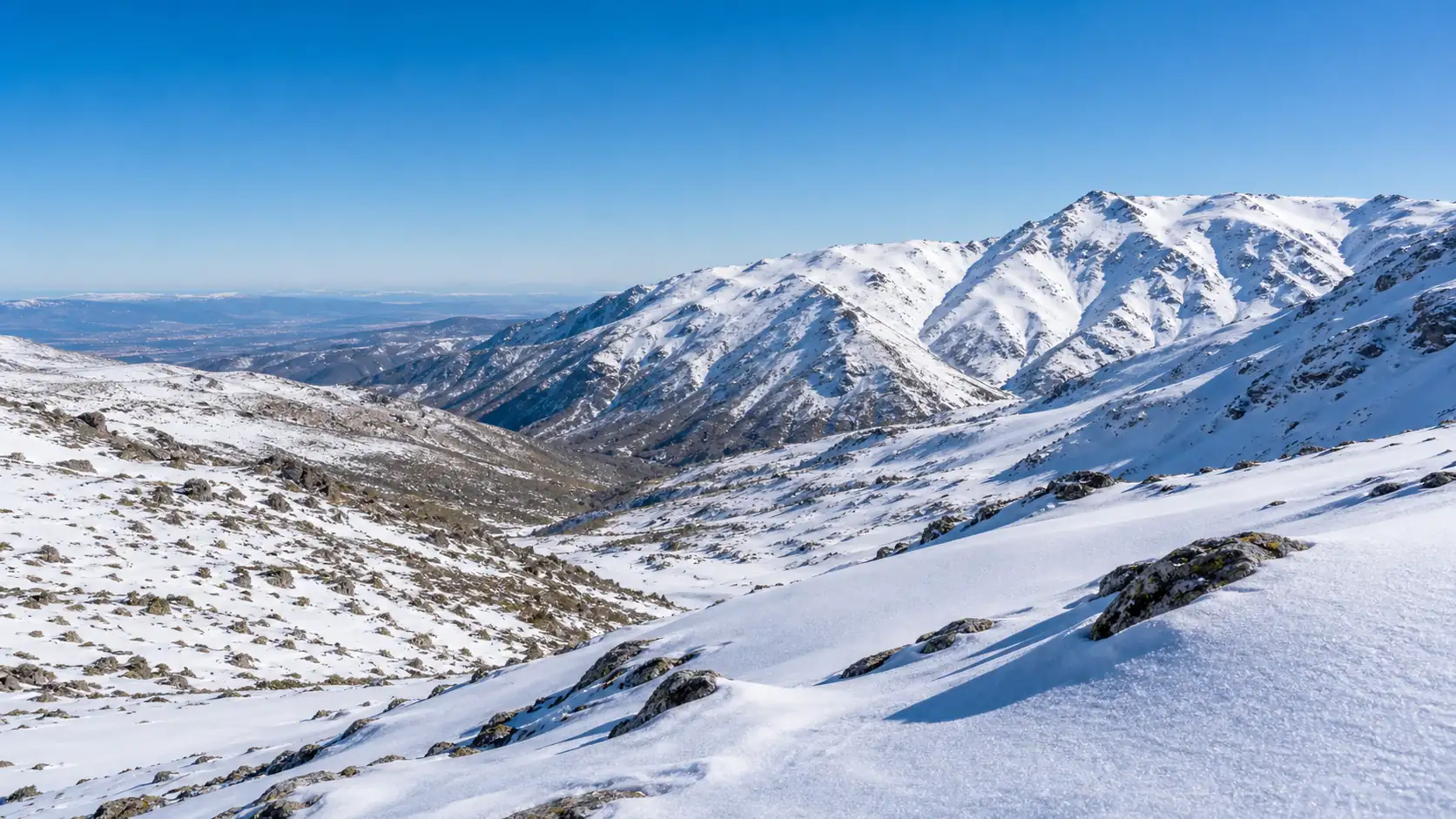
The Pyrenees along Spain’s northern border are among the country’s most dependable winter areas. They suit skiers, snowboarders, mountain-town stays, and travelers who want a classic alpine-style snow trip.
Best for: Reliable winter scenery, resorts, mountain villages, and multi-day ski holidays.
2. Sierra Nevada
Sierra Nevada surprises many visitors because it brings serious snow to Andalusia. It is especially appealing if you want to combine Granada, mountain views, and winter sports within one broader southern Spain trip.
3. Cantabrian and Central Mountains
Northern and central ranges can also see winter snow, though conditions vary. These areas are better for flexible travelers who can check forecasts and adapt rather than those needing guaranteed resort-style snow.
Most dependable: High Pyrenees and established ski resorts.
Most surprising: Sierra Nevada because it sits in southern Spain.
Does It Snow in Spanish Cities?
Some Spanish cities can see snow, but frequency varies widely. Elevation and inland position matter more than whether a city is in the north or south.
1. Madrid
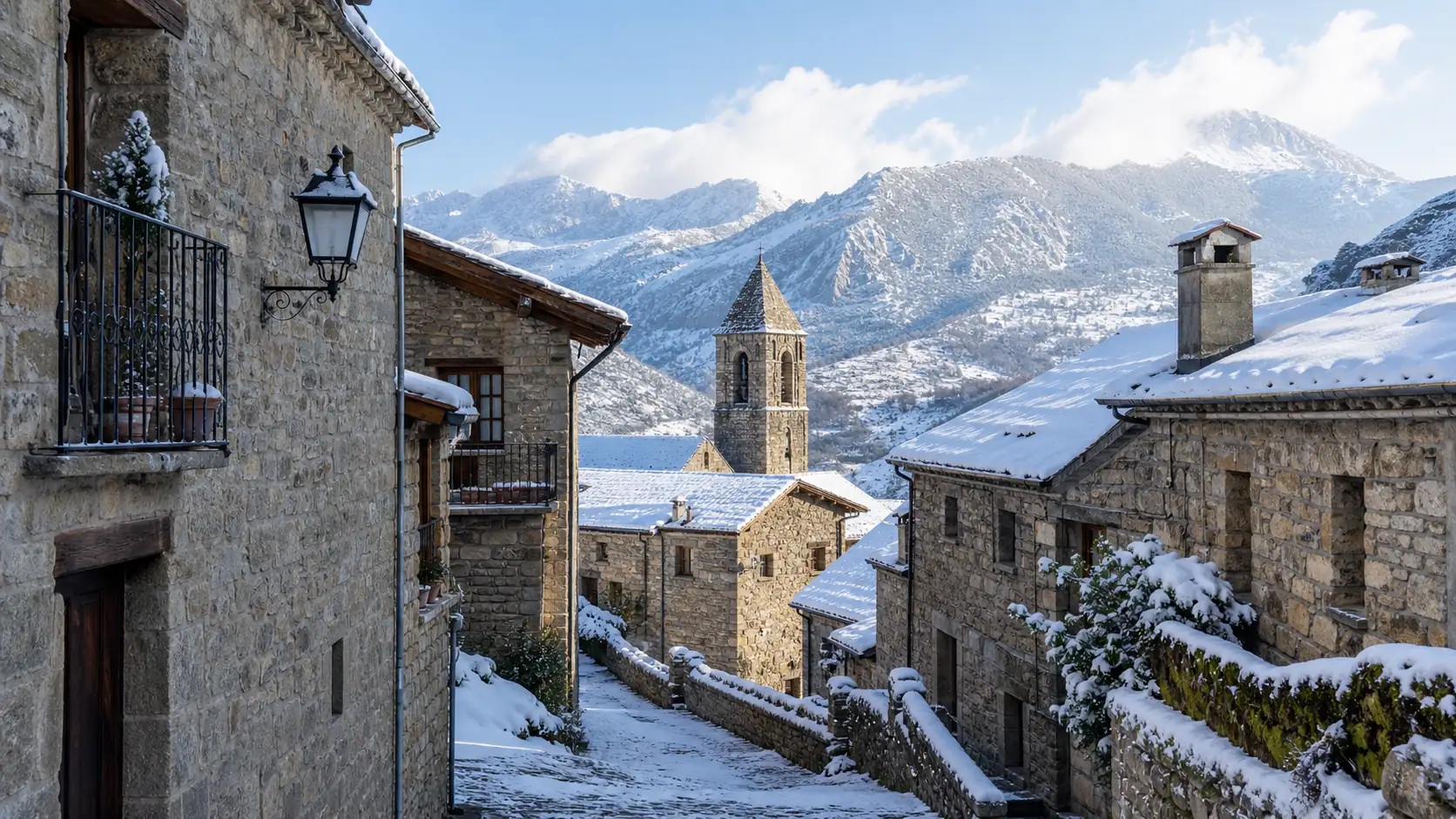
Madrid can get cold in winter and may see occasional snow, but it is not a destination to choose for reliable snowfall. Nearby mountains are a better bet if snow matters.
2. Granada
Granada itself can be cold, and the Sierra Nevada mountains nearby are the real snow draw. This makes Granada one of the best city bases for travelers who want culture and possible mountain snow in one trip.
3. Barcelona, Valencia, Malaga, and Seville
These coastal or southern lowland cities rarely offer the classic snowy city experience. Winter there is more about cooler sightseeing, shorter days, and occasional rain than snow accumulation.
City | Snow expectation | Better winter plan |
|---|---|---|
Madrid | Possible but not reliable | City break plus nearby mountains |
Granada | Cold city, snowy mountains nearby | Alhambra plus Sierra Nevada |
Malaga | Very unlikely | Mild coast and mountain day trips |
When Is Snow Most Likely?
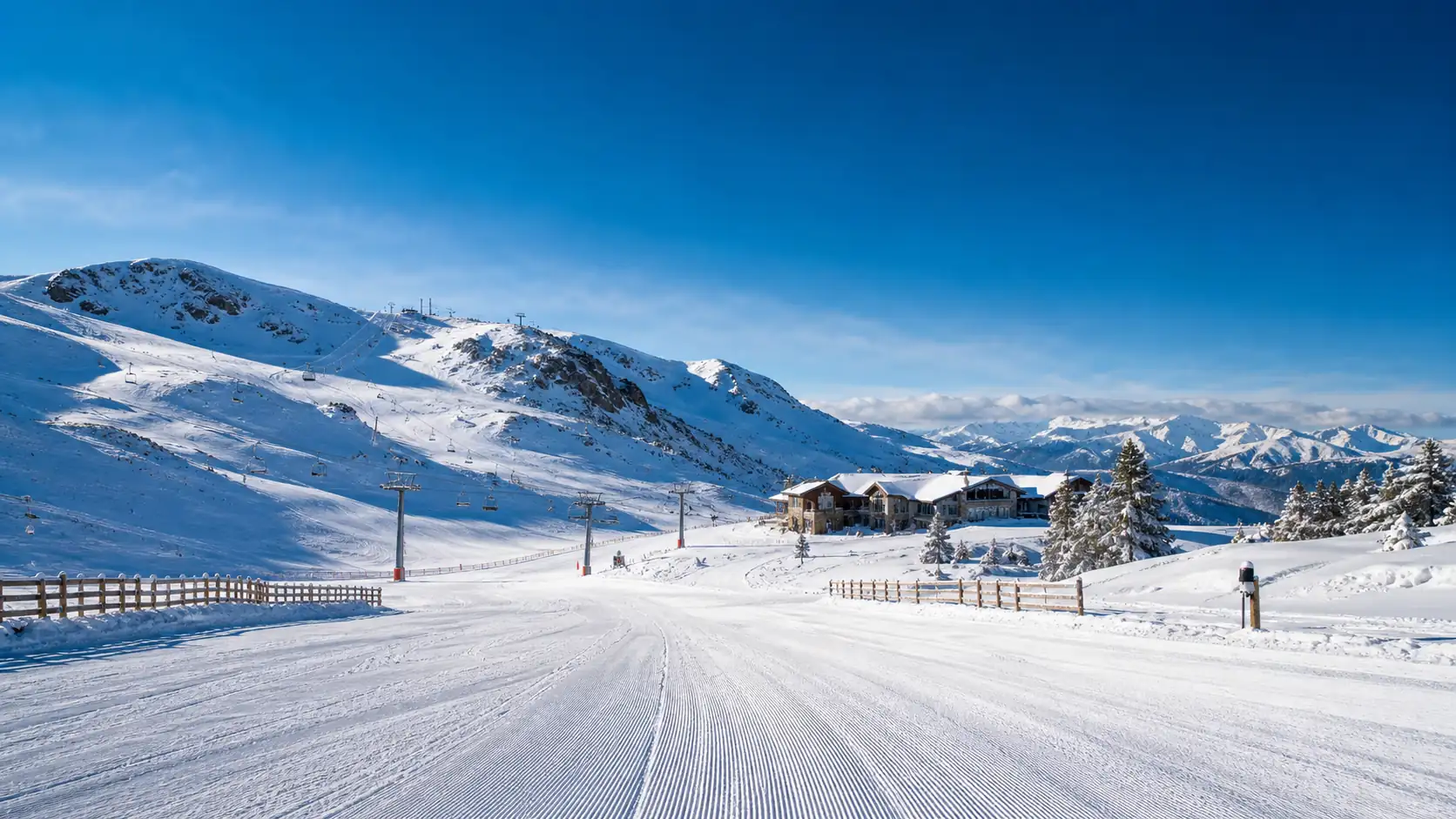
Winter snow is most likely from December through March, with the strongest mountain conditions often in the core winter months. Exact timing changes by altitude, storm patterns, and resort operations.
1. December to February
This is the period most travelers associate with snow trips. Resorts may be active, mountain roads require more attention, and high-altitude destinations feel properly wintry.
2. March and Spring Conditions
March can still be snowy in higher mountains, but lower areas may feel springlike. It can be a good compromise if you want longer daylight and potential snow, but flexibility matters.
Snow-focused trips: Build around mountains, not lowland cities.
Flexible trips: Keep one or two weather-dependent days open.
Ski Trips Versus Snowy Sightseeing
Not every traveler who asks about snow wants to ski. Spain works for both ski holidays and gentler winter scenery, but the planning style is different.
1. Ski and Snowboard Trips
Choose established resorts, compare lift access and accommodation, and book ahead during holidays. Equipment rental can simplify packing, but you still need proper layers and travel insurance that covers winter sports if you participate.
2. Snowy Views Without Skiing
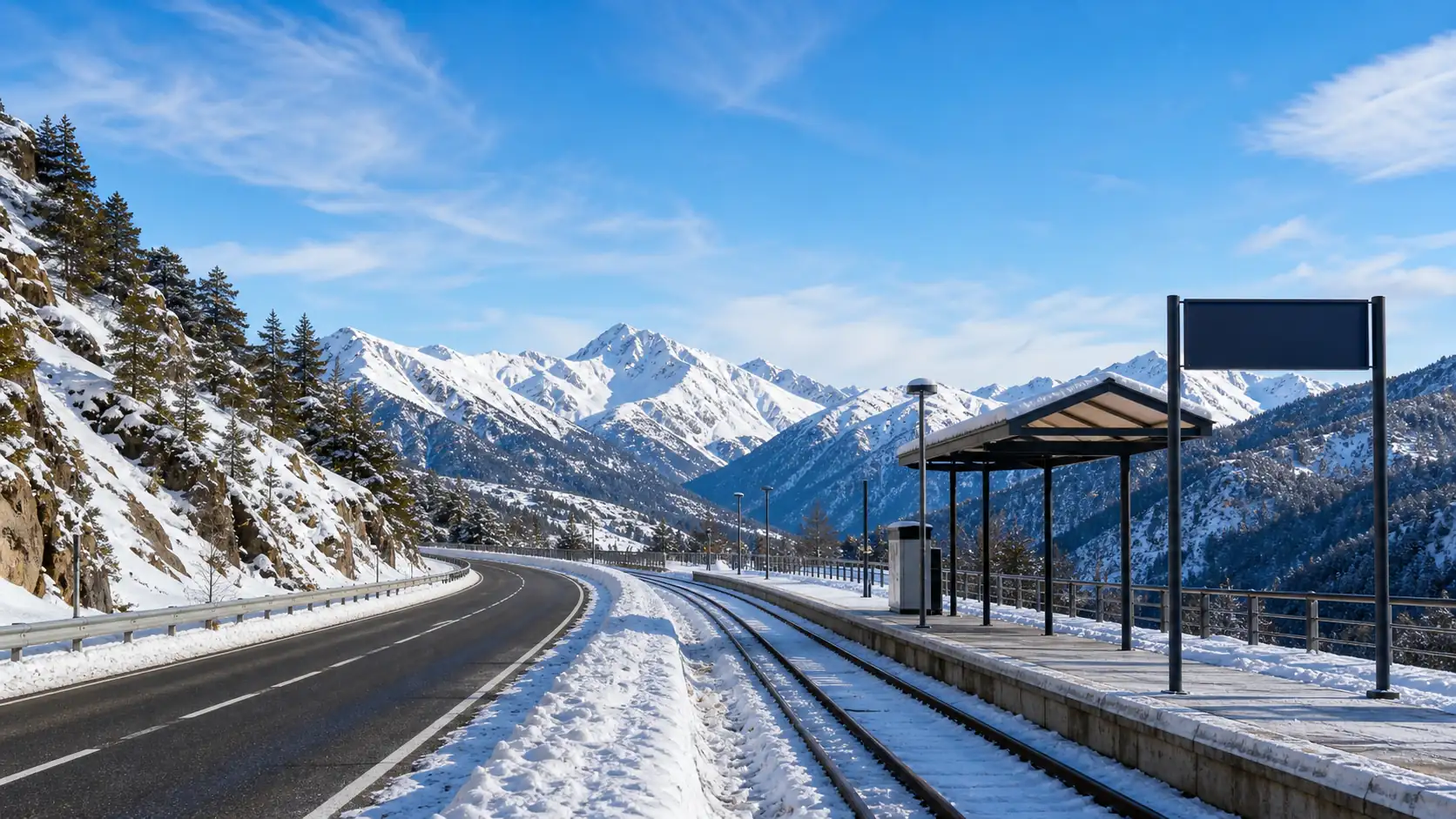
If you only want scenery, choose mountain towns, viewpoints, or day trips from a city like Granada or Madrid. You will need less gear, but road and weather checks still matter.
Trip style | Best base | Main risk |
|---|---|---|
Ski holiday | Resort accommodation | Snow conditions and holiday crowds |
City plus snow | Granada or Madrid | Weather-dependent day trips |
Scenic winter drive | Mountain region | Road closures or chains |
Winter Travel Tips for Snowy Spain
Snowy Spain is enjoyable when you prepare for real winter conditions. The biggest mistakes are packing only for mild Spain, underestimating mountain roads, and assuming mobile signal or Wi-Fi will always solve logistics.

1. Pack Layers, Not Just a Heavy Coat
Use a base layer, warm mid-layer, waterproof outer layer, gloves, and shoes with grip. Sunglasses matter too, because bright snow and high-altitude sun can be uncomfortable.
2. Check Weather and Roads Before Moving
Mountain weather changes quickly. Before driving or taking a long transfer, check forecasts, resort notices, and road conditions. Spain’s meteorological agency provides mountain weather forecasts that are useful for planning.
3. Stay Connected in the Mountains
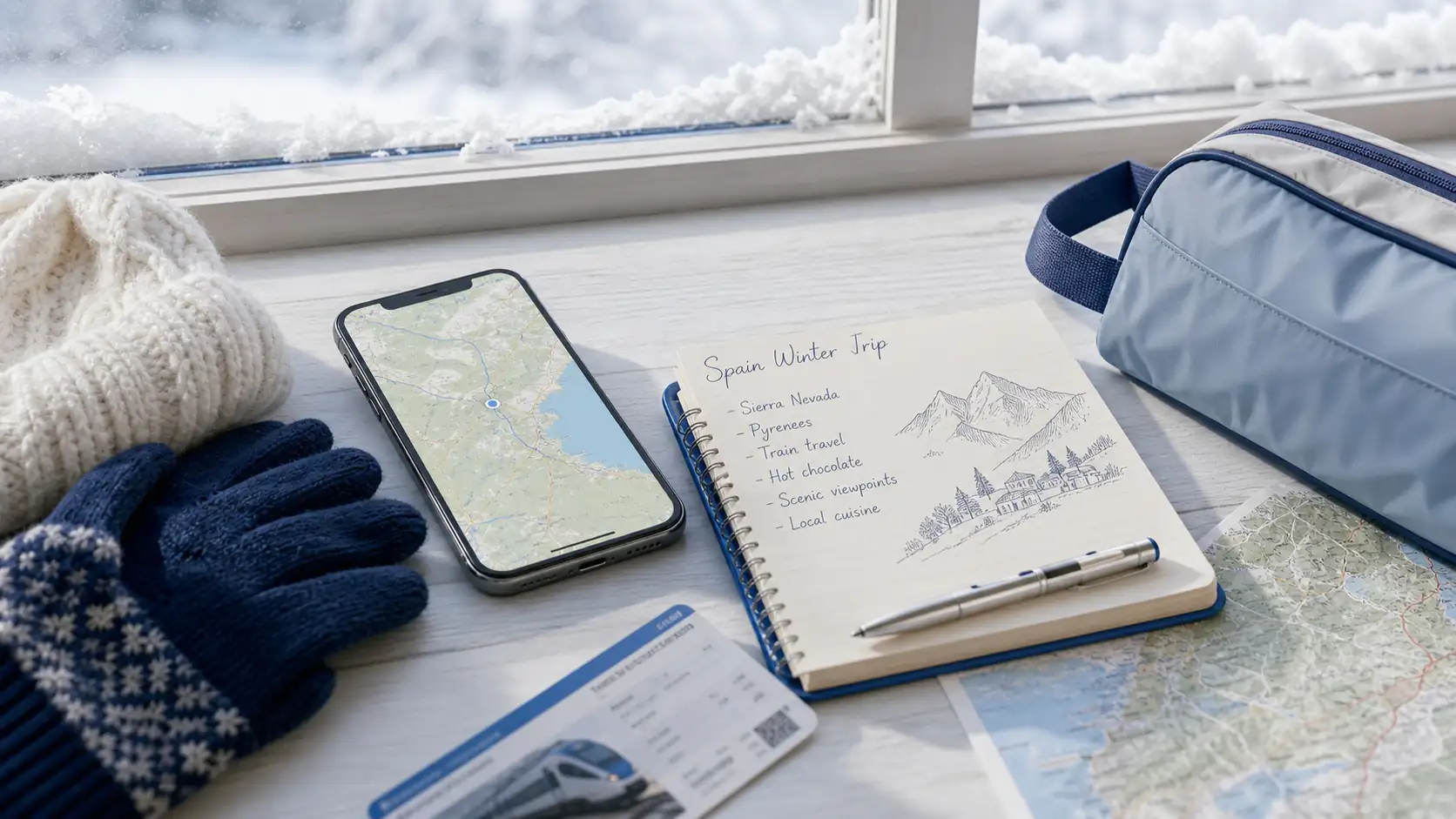
Download offline maps, save accommodation details, and keep ticket confirmations accessible. An iRoamly travel eSIM can help with live route checks, weather updates, translation, and emergency communication when Wi-Fi is unreliable.
Winter rule: If snow is the goal, book the mountain plan, then add the city. Do not do it the other way around and hope the city turns white.
FAQ
1. Does it snow in southern Spain?
Yes, in high mountains such as Sierra Nevada. Lowland southern cities like Malaga and Seville rarely see meaningful snow.
2. Does it snow in Madrid?
Madrid can see occasional snow, but it is not reliable. Nearby mountain areas are better if you want winter scenery.
3. Where is the best place to see snow in Spain?
The Pyrenees and Sierra Nevada are among the strongest choices because they have established winter destinations and higher elevations.
4. Can you ski in Spain?
Yes. Spain has ski resorts in regions including the Pyrenees and Sierra Nevada, with conditions depending on season and snowfall.
5. Is Spain cold in winter?
It depends on the region. Inland and mountain areas can be cold, while many coastal cities are milder but still need layers.
Final Thoughts
So, does it snow in Spain? Yes, especially in high mountains, northern ranges, Sierra Nevada, and some inland areas, but not evenly across the country.
If you want reliable snow, plan for the Pyrenees, Sierra Nevada, or another mountain region during winter rather than expecting snow in coastal cities. If you want a city break with a snow option, Granada or Madrid can work better than beach destinations.
Spain’s winter variety is part of the appeal. Pack for your exact route, check current conditions, and build enough flexibility into your trip to enjoy the country whether the forecast brings snow, sun, or both.