Is Spain safe to travel? For most visitors, yes: Spain is a well-established destination with dependable transport, extensive tourism infrastructure, and emergency services throughout the country. The everyday issue most travelers are likely to encounter is opportunistic theft rather than violent crime.
That reassuring answer still needs context. Crowded city transport, busy attractions, summer heat, wildfires, flash flooding, road travel, demonstrations, and nightlife all create risks that vary by place and season.
This guide separates those risks, explains where extra attention helps, and gives practical routines for solo travelers, families, drivers, and first-time visitors.
Is Spain Safe Right Now?
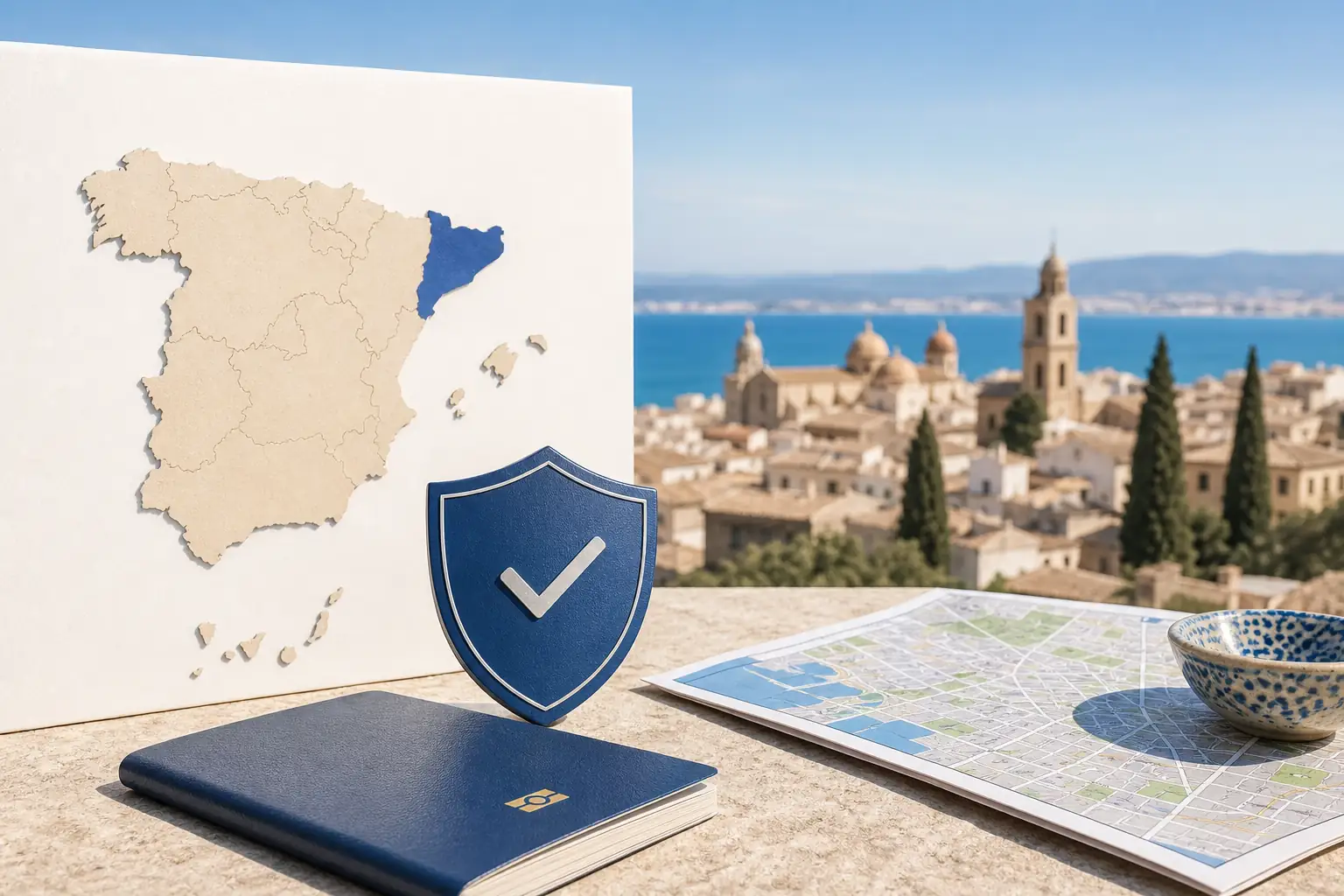
Spain is generally suitable for normal leisure travel, but “safe” does not mean risk-free. Current U.S. guidance places Spain at Level 2, advising visitors to exercise increased caution because of terrorism and unrest. That is not a recommendation to avoid the country; it is a reminder to stay aware, avoid disorder around demonstrations, and follow local instructions.
Quick verdict: Most trips proceed without a serious incident. Protecting valuables, checking weather warnings, and having a simple emergency plan address the most realistic concerns.
Before departure, check the latest Spain travel advisory from your own government as well. Advice can change after major events, and nationality-specific consular details matter.
Most common concern: pickpocketing and bag theft in crowded visitor areas.
Situational concerns: demonstrations, nightlife incidents, transport disruption, and scams.
Seasonal concerns: extreme heat, wildfire smoke, rough seas, and intense rain.
Main Safety Risks for Visitors
The most useful preparation focuses on ordinary, preventable problems. Risk rises when you are distracted, newly arrived, carrying luggage, or moving through a dense crowd.
1. Pickpocketing and Bag Theft
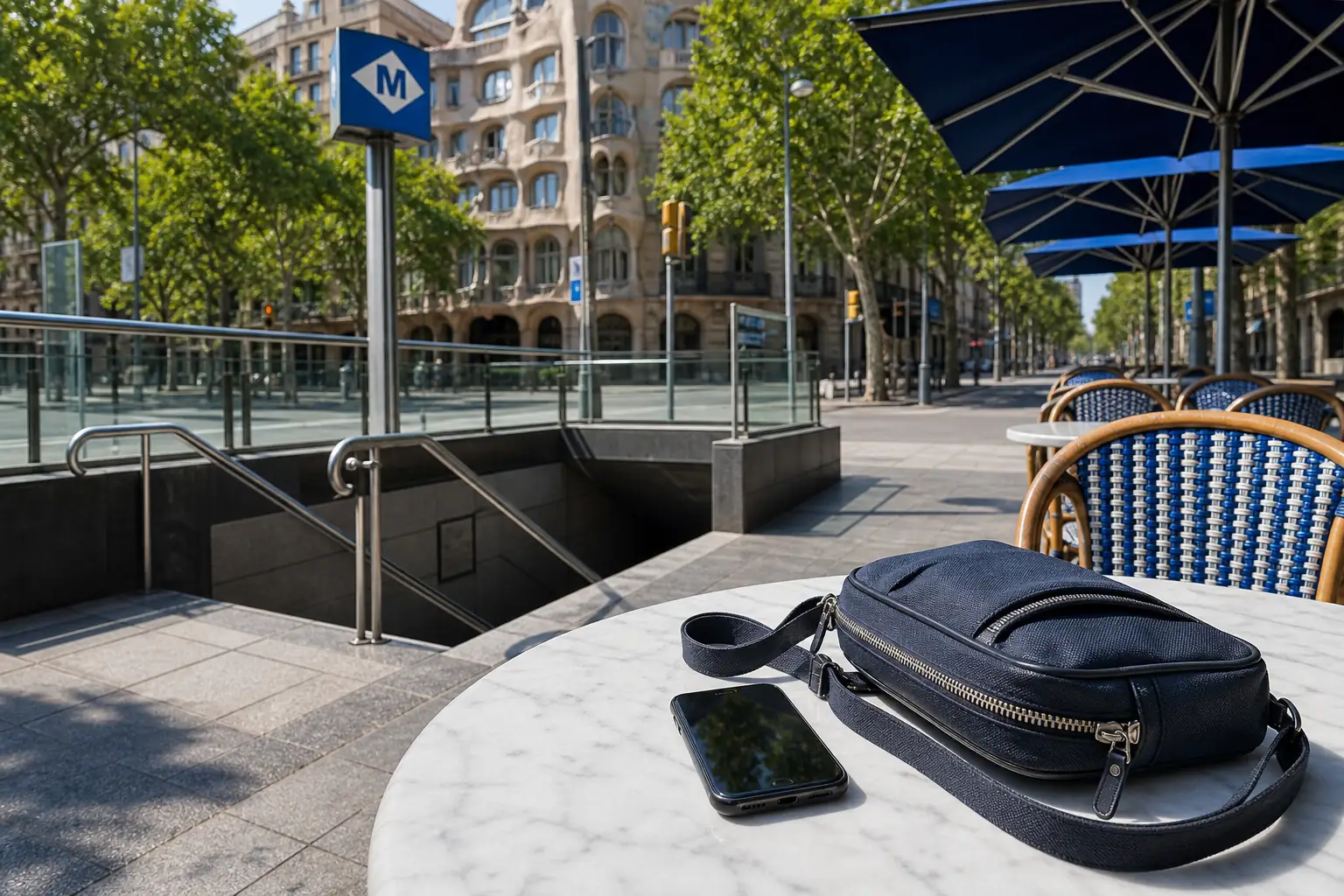
Busy metro carriages, airport links, station platforms, outdoor terraces, beaches, and landmark approaches deserve extra attention. Teams may use spills, petitions, questions, or jostling to distract you while another person reaches for a phone or wallet.
Practical habit: Use a zipped crossbody bag worn to the front in crowds. Keep your passport and backup card separate from your everyday wallet, and do not hang a bag over a café chair.
2. Scams and Impersonation
Be wary of unsolicited help at ticket machines, fake petitions, inflated unlicensed taxi offers, and anyone claiming to be a plain-clothes officer who wants to inspect your wallet. Genuine officers may ask for identification, but handing over your purse or cash is not a normal identity check.
Decision rule: Move into a staffed shop, hotel, station, or police point before continuing an uncomfortable interaction.
3. Nightlife and Drink Safety
Serious assaults are not the typical experience, but they do occur. Buy your own drink, keep it in view, agree on a return plan, and use licensed venues and transport. If someone feels suddenly far more impaired than expected, seek help immediately rather than leaving them alone.
Save the accommodation address in your phone and on paper.
Avoid isolated shortcuts late at night, especially when unfamiliar with the area.
Keep one payment method and enough emergency cash away from your main wallet.
Risk by Place and Season
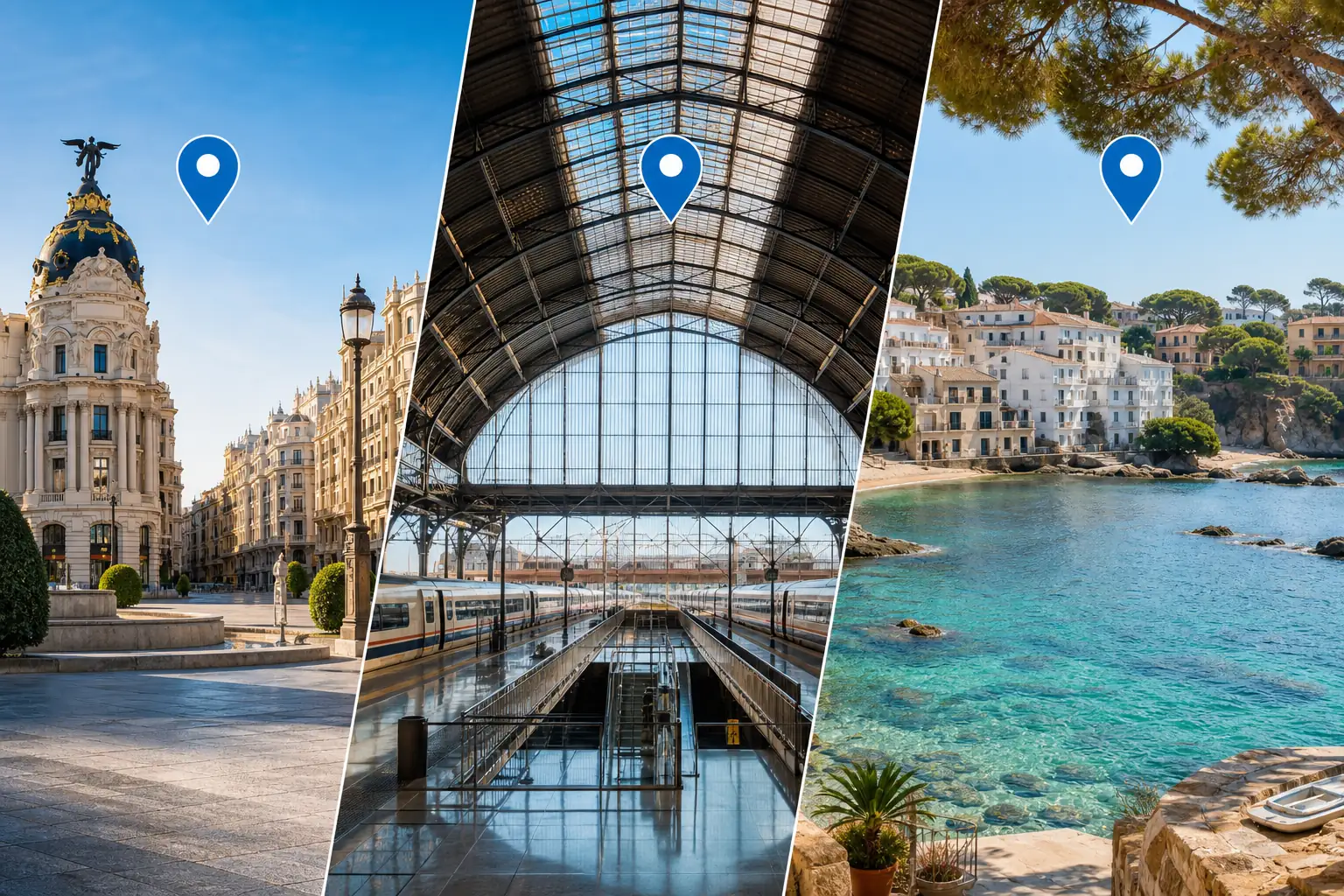
Spain is too varied for one risk profile. A crowded Barcelona transport interchange, an inland hiking route, and a quiet northern town demand different precautions.
Setting | Main concern | Best response |
|---|---|---|
Madrid and Barcelona | Crowded transit, distraction theft, demonstrations | Secure bags, avoid protest routes, watch belongings at cafés |
Coastal resorts and islands | Nightlife, balcony falls, drink safety, strong sun | Use licensed venues, pace alcohol, follow hotel rules, hydrate |
Rural and mountain areas | Heat, wildfire, limited signal, route difficulty | Check alerts, carry water, share the route, turn back early |
Mediterranean areas in autumn | Intense rain and flash flooding | Do not enter floodwater; change plans when warnings are issued |
Summer brings the broadest heat exposure, especially inland and in the south. Wildfire timing varies with dryness and wind, while episodes of very heavy rain can develop rapidly. Treat official weather alerts as planning information, not an inconvenience to work around.
Solo travelers benefit from regular check-ins and avoiding visible phone use at the edge of a road or platform. Families should write a meeting point and phone number on a card for children, photograph what everyone is wearing before a busy outing, and agree on what to do if separated.
Transport, Health, and Emergencies
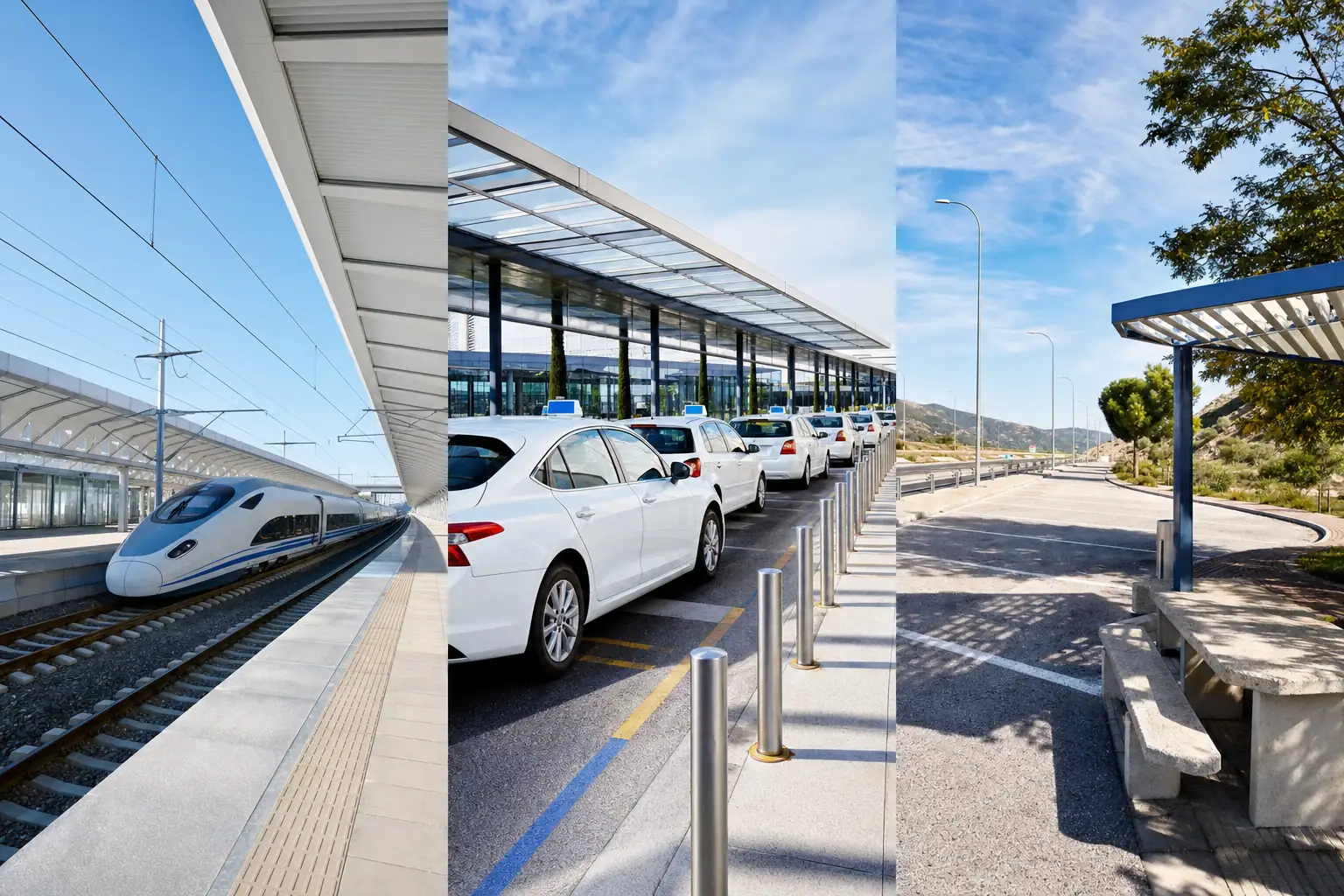
Public transport is convenient, but stations are also prime places for distraction. Drivers face unfamiliar road signs, low-emission zones, toll arrangements, and different parking rules, while outdoor travelers need to account for heat and terrain.
1. Trains, Metros, and Taxis
Keep luggage physically connected to you while waiting and place valuables where you can see them. Use official taxi ranks, licensed taxis, or reputable booking services; confirm the vehicle and destination before departure.
2. Driving and Rental Cars
Do not stop for strangers who claim your rental car has a problem unless you can reach a bright, public service area. Keep bags out of sight, photograph existing damage, and check city access and parking rules before entering a center.
3. Medical Help and Emergency Numbers
Call 112 for police, fire, or ambulance help. Save your insurer's number, carry necessary medication in original packaging, and know the nearest appropriate medical facility when visiting a remote area.
Carry travel insurance appropriate for your planned activities.
Use sun protection and water before thirst or dizziness develops.
Never drive, swim, or hike while impaired.
Practical Safety Tips
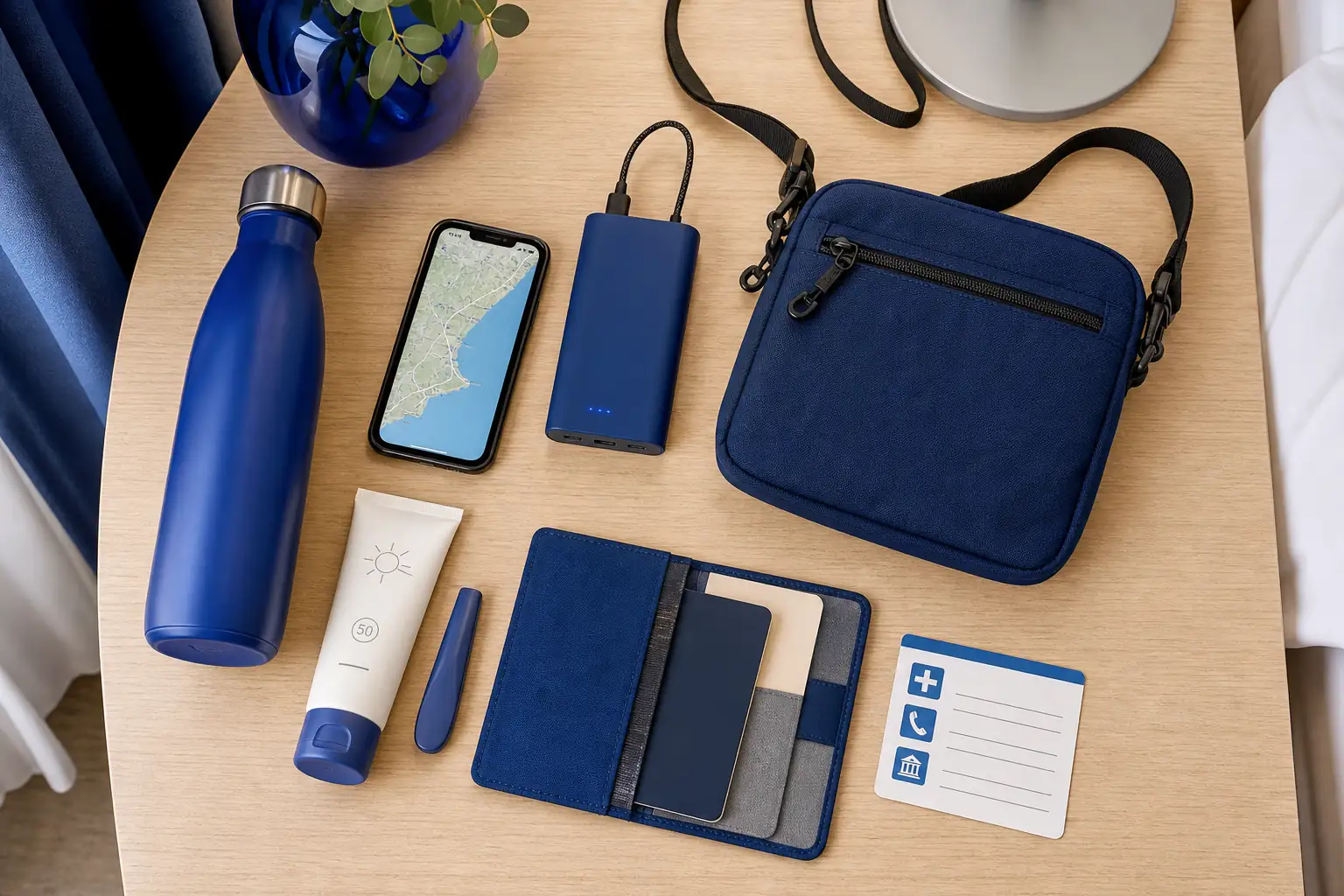
A short routine is more reliable than trying to stay on high alert all day. Build these habits into each transition between airport, hotel, transport, sightseeing, and nightlife.
1. Secure Essentials
Store digital copies of your passport, insurance, and bookings in protected cloud storage. Carry only what you need that day and use the hotel safe for spare cards and documents when appropriate.
2. Check Conditions Before Moving
Review weather, transport disruption, and local demonstrations before a long day trip. If an official warning conflicts with your itinerary, change the itinerary.
3. Keep Reliable Mobile Data
Live maps, translation, weather alerts, transport updates, and emergency contact all depend on connectivity. Setting up an iRoamly travel eSIM before arrival can provide a practical data option without relying on unsecured public Wi-Fi.
Download offline maps for the arrival city.
Save 112, your insurer, accommodation, and consulate contacts.
Share a day-trip route with a trusted person.
Carry a charged power bank and a written backup address.
Spain Travel Safety FAQ

1. Is Spain safe for solo female travelers?
Many solo women travel comfortably in Spain. Use the same precautions you would in another busy European destination: plan the return journey, watch drinks, avoid isolated routes late at night, and share plans when heading somewhere remote.
2. Is tap water safe to drink in Spain?
Municipal tap water is generally treated and drinkable, though taste varies by region. Follow any temporary local notice and carry extra water during hot weather.
3. Should I carry my passport while sightseeing?
You may need official identification, but carrying an irreplaceable passport in an exposed pocket is unwise. Check the rules relevant to your nationality and situation, and keep documents secured.
4. Are Spain's beaches safe?
Use staffed beaches when possible, obey flag warnings, protect valuables, and avoid swimming after alcohol. Currents, waves, heat, and unattended belongings are more realistic concerns than marine wildlife.
5. What should I do if my phone or wallet is stolen?
Move to a safe staffed place, block cards and the device, report the theft to police, contact your insurer, and use your stored document copies. A police report does not replace a lost passport for departure.
Conclusion

Spain is safe enough for most travelers who use ordinary city awareness and adjust plans when local conditions demand it. Petty theft is the most practical concern, while weather, demonstrations, driving, and nightlife need situation-specific judgment.
A secure bag, reliable mobile data, appropriate insurance, weather checks, and a simple backup plan reduce risk without making the trip feel tense. The goal is not constant vigilance; it is a few good habits at predictable pressure points.
With those habits in place, visitors can focus on Spain's cities, coast, food, culture, and landscapes while remaining prepared for the problems most likely to arise.