
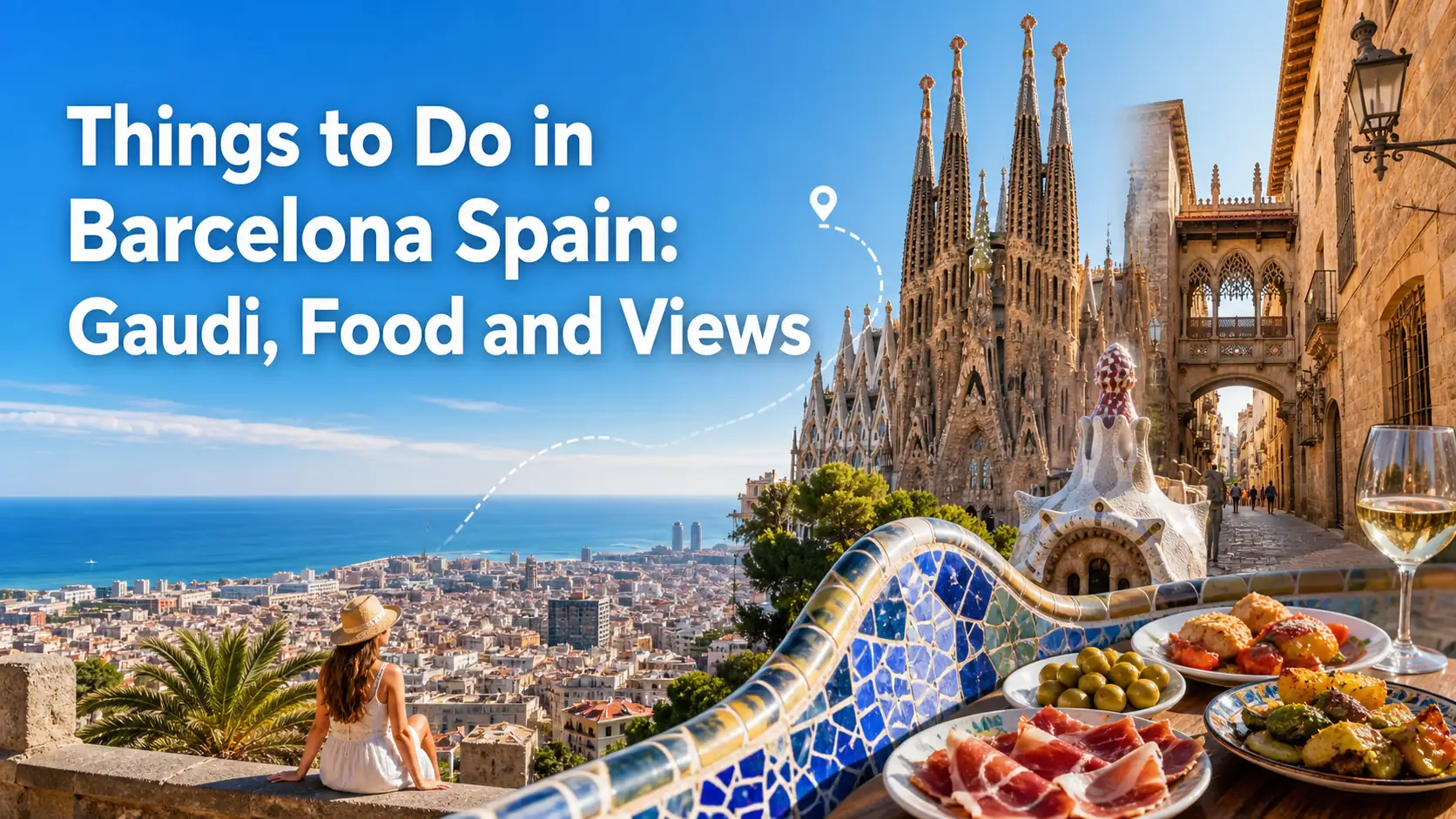
Searching for things to do in Barcelona Spain can quickly turn into a giant list of landmarks, beaches, markets, and day trips. The better way to plan is to group the city by experience: Gaudi architecture, old-city wandering, food, viewpoints, seaside time, and Catalonia escapes.
Barcelona is popular for good reason, but it also punishes rushed planning. The main sights are spread across different neighborhoods, some attractions need timed tickets, and the best moments often happen between the famous stops.
This guide gives you a practical route through the city, with enough detail to help you choose what fits your time, budget, and travel style instead of trying to do everything.
Start With a Smart Barcelona Plan
Barcelona is easier when you build days around nearby sights. A common mistake is booking Sagrada Familia in the morning, Park Guell at midday, the Gothic Quarter in the afternoon, and Montjuic at sunset, which creates a day of transfers instead of a day in Barcelona.
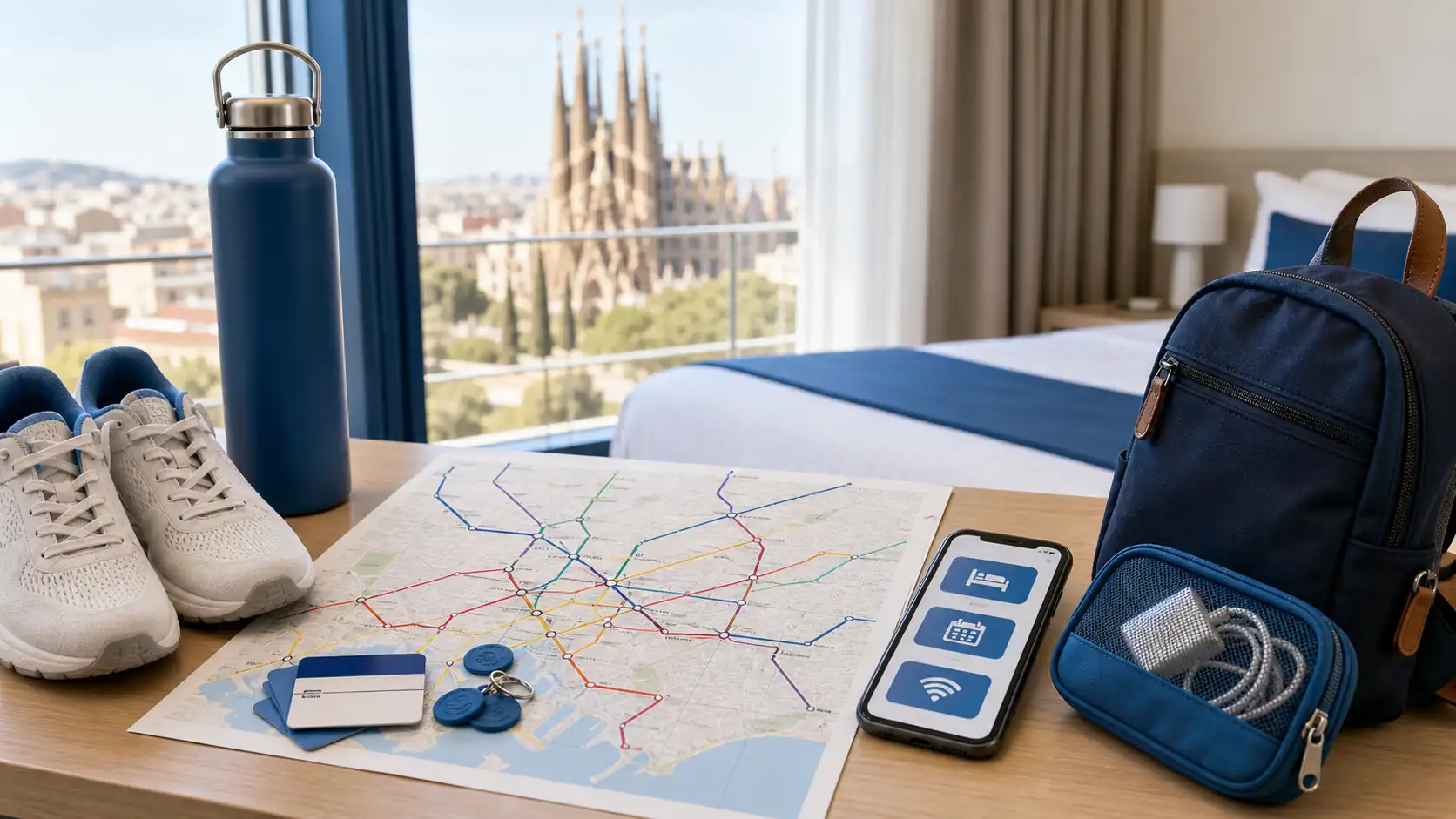
Use this quick structure before choosing specific tickets. It keeps the trip logical and leaves room for meals, breaks, and walking.
Day Style | Best Area | Good Pairings |
|---|---|---|
Gaudi day | Eixample and Gracia | Sagrada Familia, Casa Batllo, Casa Mila, Park Guell. |
Old city day | Gothic Quarter, El Born, La Rambla | Cathedral lanes, markets, Picasso Museum area, tapas stops. |
View and beach day | Montjuic and waterfront | Museums, gardens, sunset views, Barceloneta, Port Vell. |
Planning tip: Book timed sights first, then arrange neighborhoods around them. Save flexible activities like markets, beaches, and viewpoint walks for weather-dependent gaps.
See Gaudi Architecture Without Rushing
Gaudi is the reason many travelers come to Barcelona, but the city is more enjoyable when you choose fewer sites and experience them properly. The buildings are detailed, symbolic, and often crowded, so timing and spacing matter.
1. Sagrada Familia
Sagrada Familia is Barcelona's essential landmark and one of the few sights that still feels surprising even when you have seen photos. The interior light, branching columns, and layered facades are worth planning around rather than squeezing between other stops.
Booking tip: Reserve through Sagrada Familia tickets ahead of time, especially for tower access or peak travel dates.
2. Casa Batllo
Casa Batllo is theatrical, colorful, and easy to combine with Passeig de Gracia shopping or a wider Eixample walk. It is a good choice if you want one interior that feels imaginative and polished without spending the entire day indoors.
Best for: design lovers, first-time visitors, and travelers who want a highly visual stop with strong photo opportunities.
3. Casa Mila
Casa Mila, also called La Pedrera, is subtler from the street but excellent for understanding Gaudi's forms and rooftop design. It pairs well with Casa Batllo, though doing both interiors back-to-back can be tiring.
Choose Casa Batllo: if you want color and drama.
Choose Casa Mila: if you prefer structure, rooftops, and a calmer design experience.
4. Park Guell
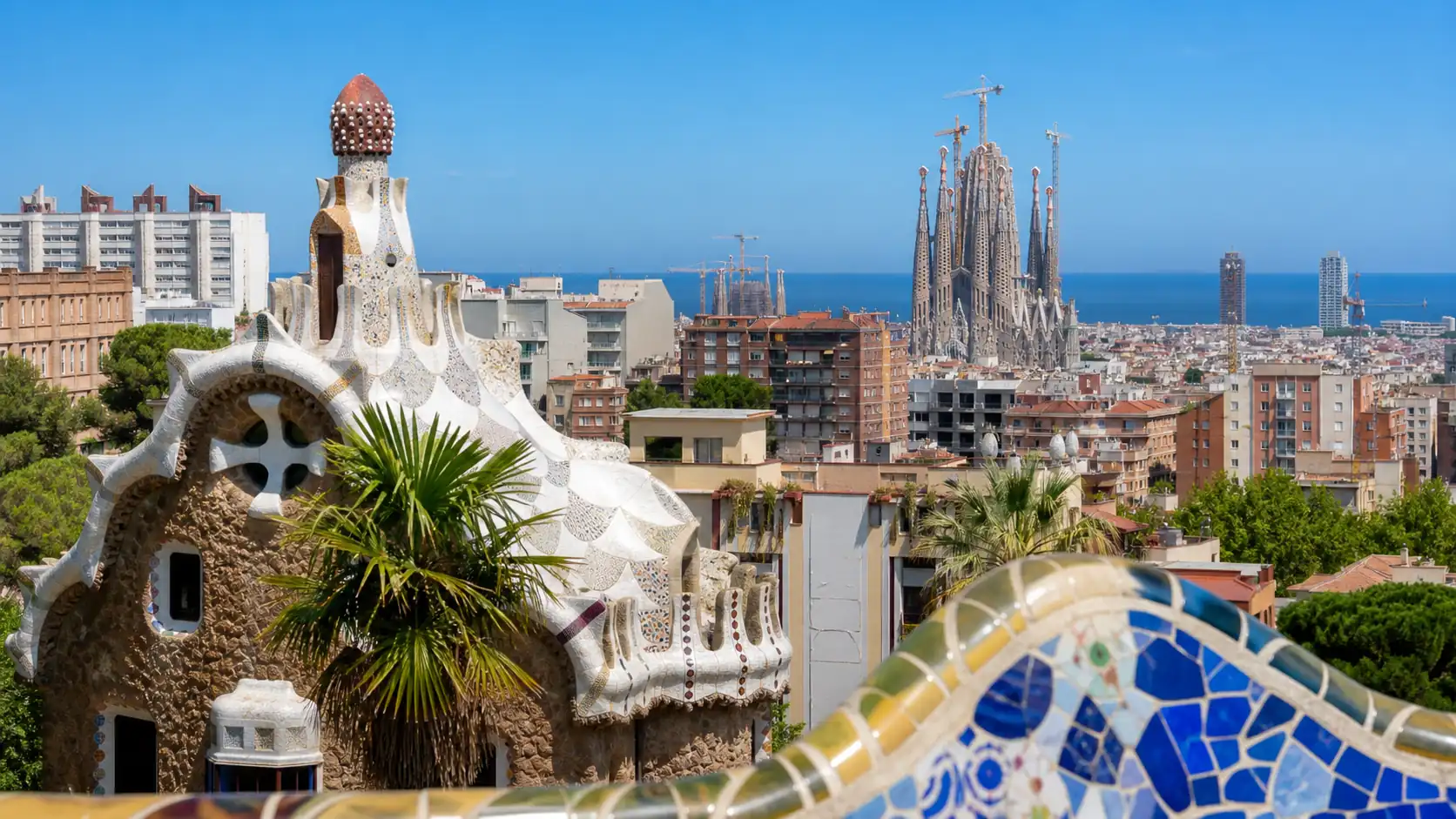
Park Guell combines mosaics, city views, and whimsical architecture, but it requires more time than many travelers expect because of the uphill approach and timed-entry zone. Visit early or later in the day for softer light and less heat.
Travel tip: Do not place Park Guell between two tight city-center bookings. Treat it as a half-day anchor with Gracia cafes or viewpoints nearby.
Walk the Gothic Quarter, El Born, and La Rambla
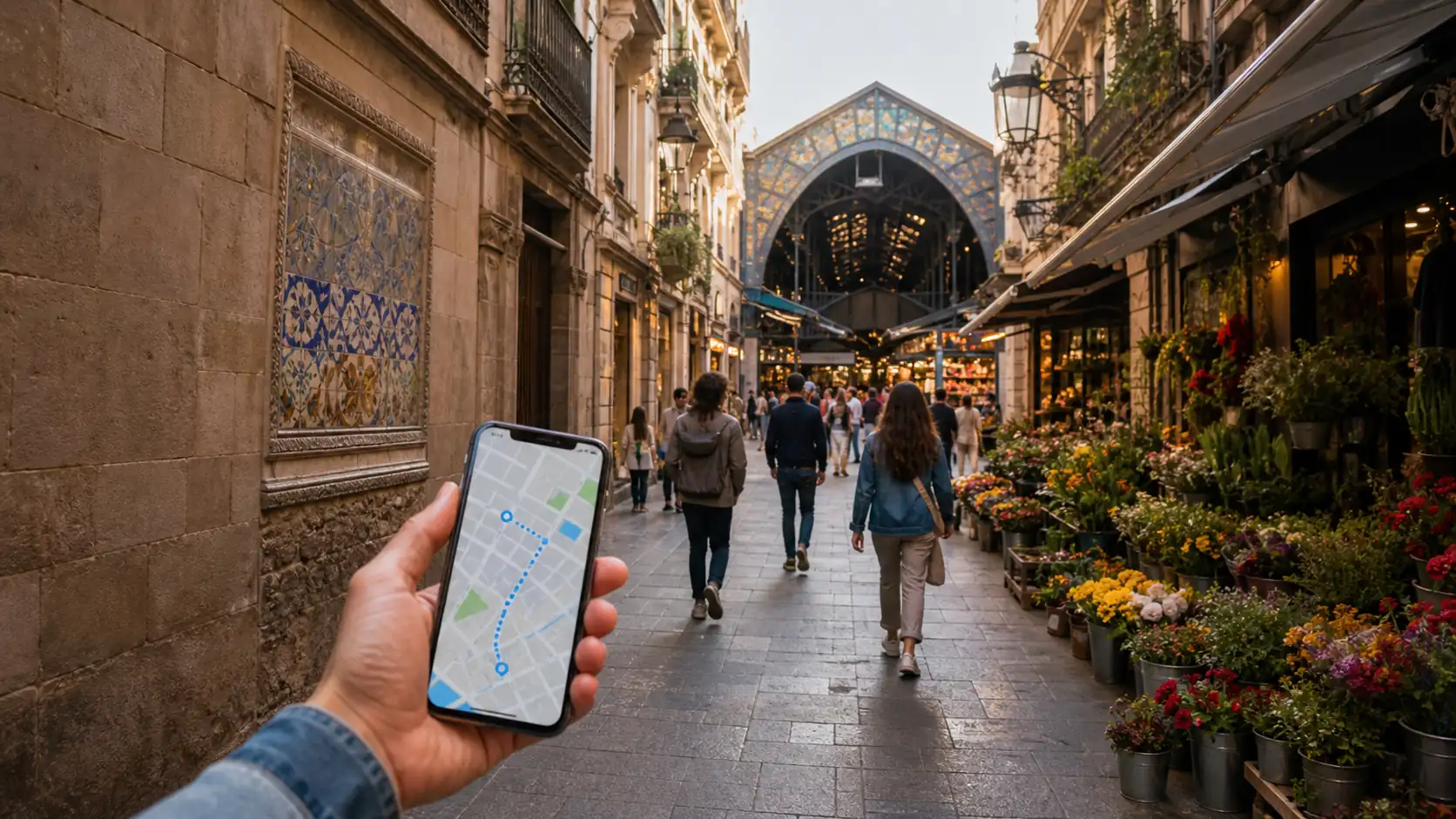
Barcelona's old city is where the trip slows down. This area is not about one single attraction; it is about layered streets, small squares, church facades, market stops, and the pleasure of choosing a lane without checking a map every minute.
5. Gothic Quarter
The Gothic Quarter is best explored on foot, with time for the cathedral area, hidden courtyards, Roman remnants, and quiet side streets. It can feel crowded near main lanes, but stepping two turns away often changes the mood.
Best time: Morning for quieter streets, or early evening when shops, bars, and squares feel lively but not yet late-night busy.
6. El Born
El Born feels stylish and compact, with boutiques, bars, old stone streets, and cultural stops. It is a good area for travelers who want an old-city feel with better dining and shopping options than the busiest parts of La Rambla.
Good pairing: Picasso Museum area, Santa Maria del Mar, and a relaxed tapas stop.
Good for: couples, solo travelers, and anyone who prefers wandering over strict sightseeing.
7. La Rambla and Markets
La Rambla is famous, central, and worth seeing once, but it is rarely the best place to linger for a full meal. Use it as a connector, not the entire old-city experience.
Common mistake: Eating at the most obvious tourist restaurants along the main strip. A better plan is to browse, then move into side streets or nearby neighborhoods for a proper meal.
Eat Through Barcelona's Markets, Tapas Bars, and Seafood Spots
Food is one of the most enjoyable things to do in Barcelona Spain because it can be casual, social, and neighborhood-specific. Plan for markets and tapas, but leave room for Catalan dishes and seafood near the water.
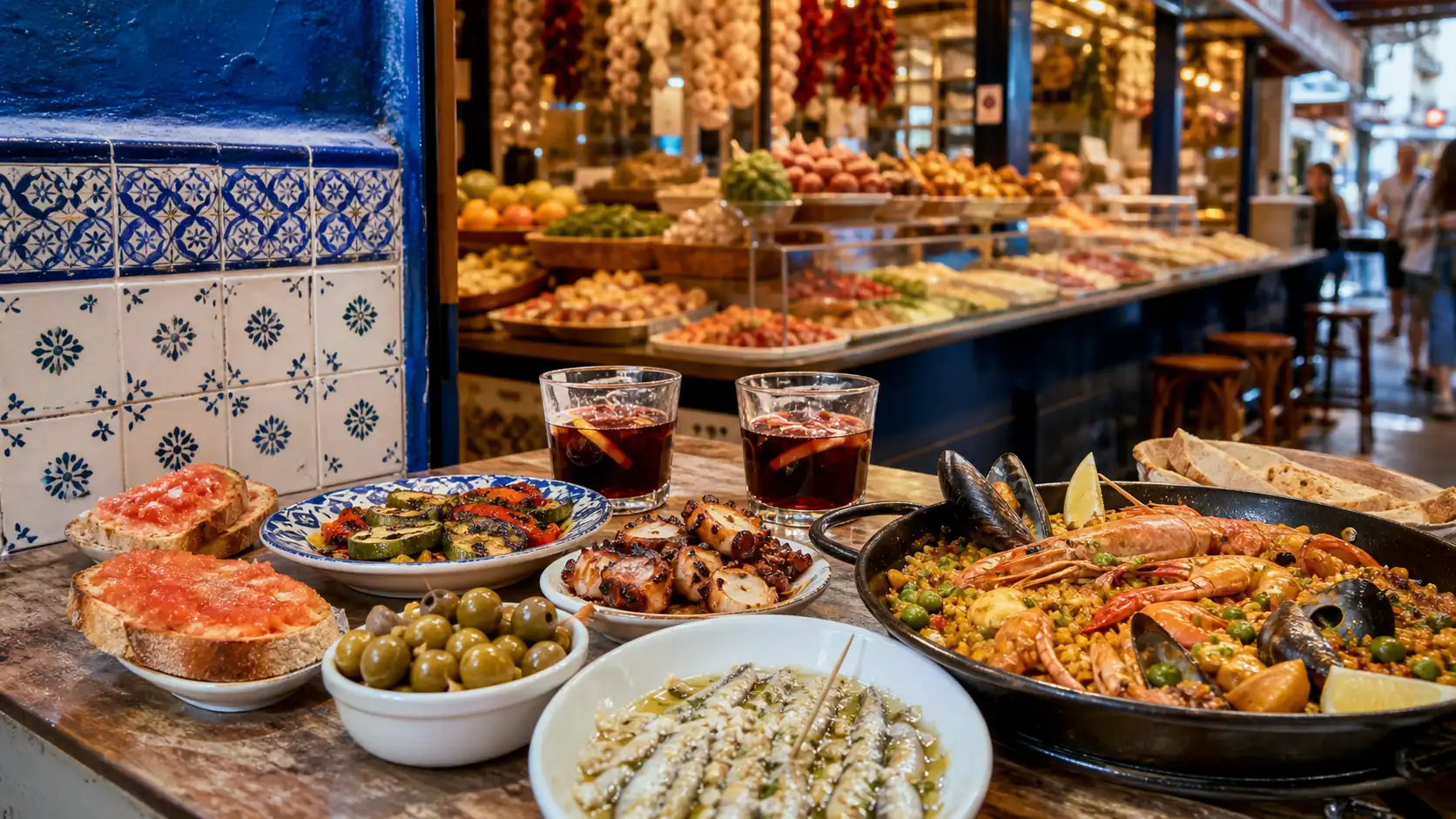
8. Try Pan con Tomate and Simple Tapas
Pan con tomate is simple, but it tells you a lot about Catalan eating: bread, tomato, olive oil, salt, and good timing. Pair it with anchovies, cured meats, grilled vegetables, or a small seafood plate.
Where to try it: neighborhood tapas bars in El Born, Gracia, Poble-sec, or Eixample side streets rather than the busiest tourist strips.
9. Visit a Market at the Right Time
Markets are excellent for snacks, breakfast, fruit, seafood counters, and quick tastings. They are less relaxing when everyone arrives at the same midday window.
Best use: snack, browse, and learn what is seasonal.
Avoid: treating the most crowded market aisle as your only lunch plan.
10. Save One Meal for the Waterfront
Barcelona's waterfront can be touristy, but a good seafood meal still fits the city beautifully. Look for places where the menu is focused rather than endless, and reserve if you want a relaxed dinner near the sea.
Budget tip: Lunch menus can be better value than dinner in some restaurants. If you want seafood without a splurge, make lunch your main meal.
Find the Best Views, Parks, and Beach Breaks
Barcelona's views help you understand the city: mountains behind, sea in front, dense neighborhoods in between. Adding a viewpoint or beach break also makes a packed sightseeing trip feel less mechanical.
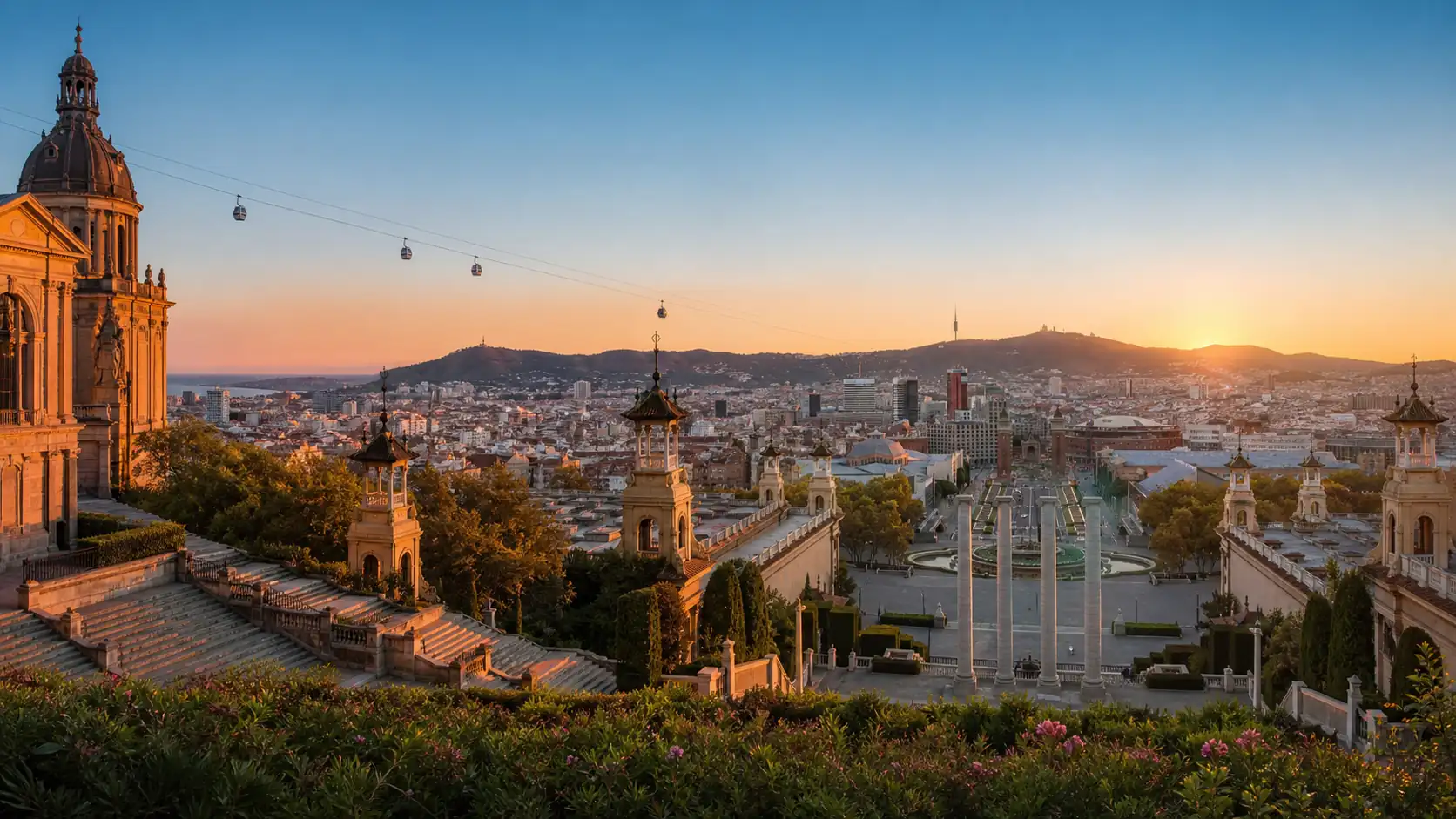
11. Montjuic
Montjuic is ideal when you want gardens, museums, city views, and a calmer rhythm. It can fill a half day if you include viewpoints and museum time, or a shorter sunset stop if your schedule is tight.
Best pairing: Start with a museum or garden, then stay for skyline views before heading toward Poble-sec for dinner.
12. Barceloneta and the Waterfront
Barceloneta is not the quietest beach in Spain, but it is a useful city break. Go for a walk, swim in season, cycle along the promenade, or pair the waterfront with Port Vell and seafood.
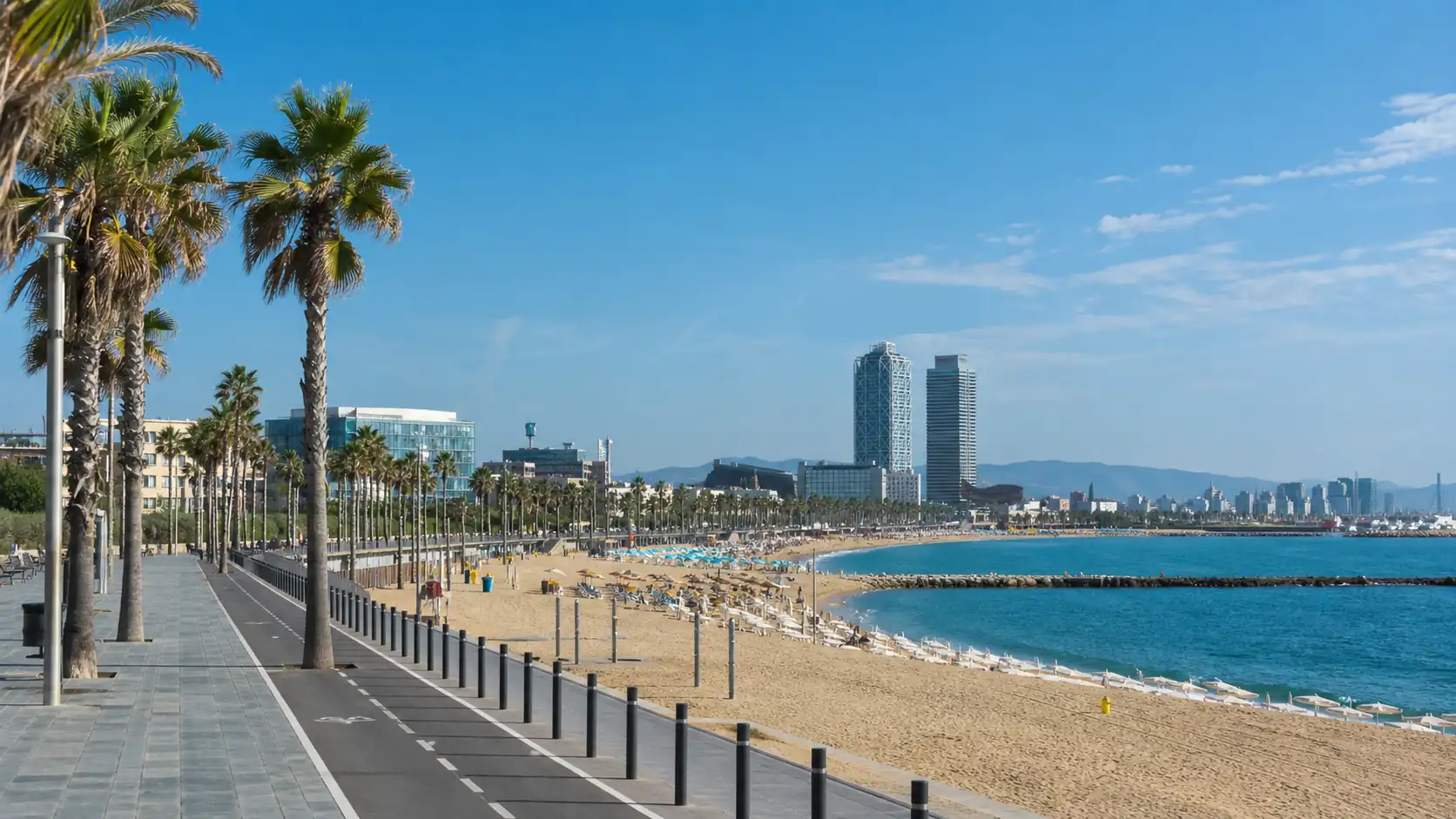
Beach tip: Keep valuables minimal and avoid leaving bags unattended. For a calmer beach mood, go early or consider beaches farther from the center.
13. Bunkers and Hilltop Views
Hilltop viewpoints can be beautiful, but they also take more effort than they appear to on a map. Choose them when the weather is clear and you have enough energy for the return journey.
Go for: sunset, photography, and seeing how the grid of Eixample meets the sea.
Skip if: your day is already heavy with walking or you have mobility concerns.
Take a Day Trip From Barcelona
A day trip adds contrast when you have at least four full days in Barcelona. If you only have two or three days, stay in the city; the extra travel time can steal the relaxed Barcelona moments you came for.
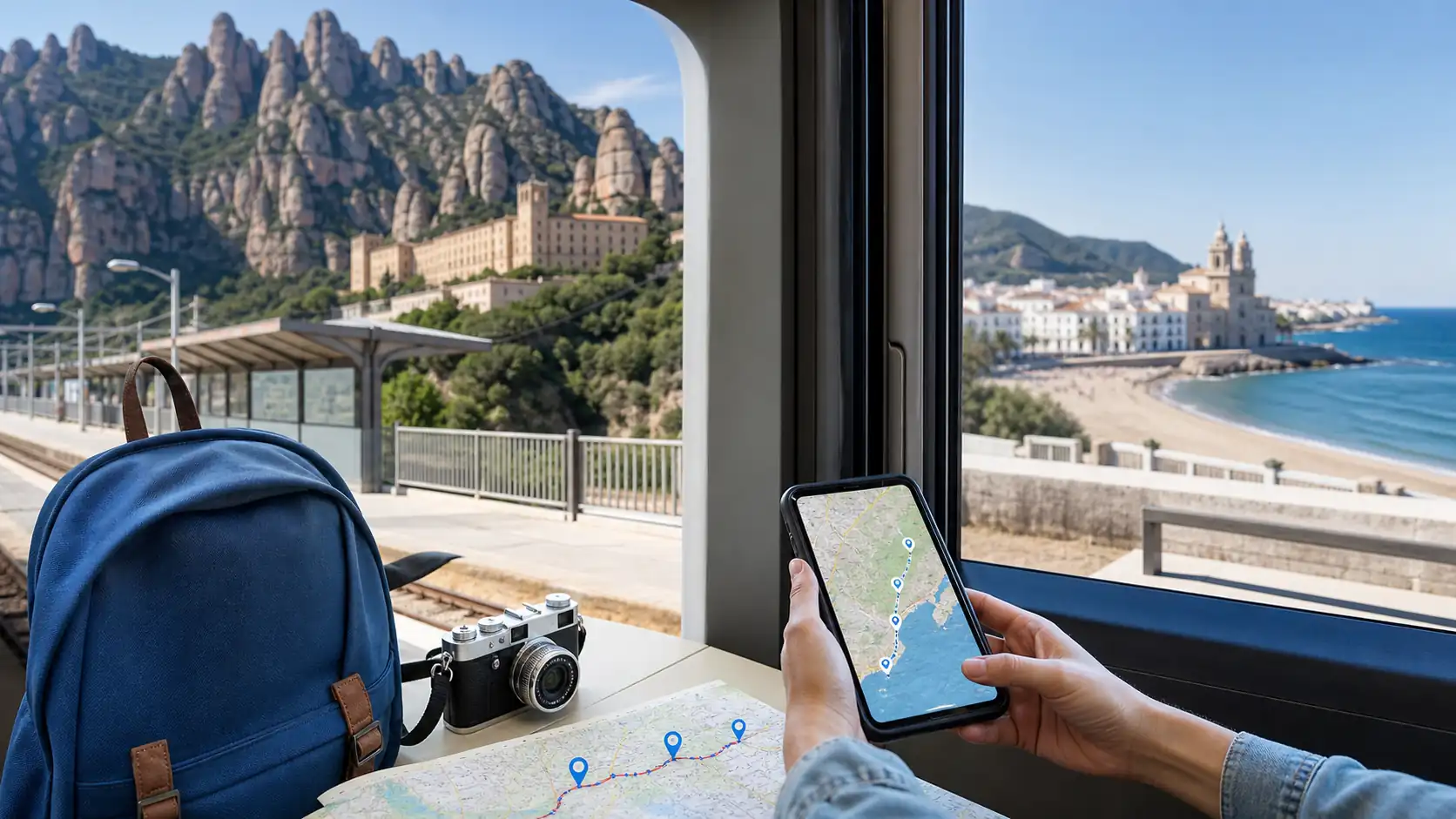
14. Montserrat
Montserrat is the classic mountain day trip, with unusual rock formations, monastery visits, and hiking options. It is best for travelers who want nature and views rather than another city day.
Plan well: Start early and check transport times before you go. The trip is simple, but missed connections can compress your time on the mountain.
15. Girona
Girona is excellent for medieval streets, city walls, colorful river views, and a slower Catalan city feel. It works well if you like old towns but want something less intense than Barcelona's central crowds.
Best for: photographers, history lovers, couples, and travelers who enjoy compact cities with strong atmosphere.
16. Sitges
Sitges is the easiest coastal escape when you want beaches, white streets, and a more relaxed lunch by the sea. It is a good choice if Barcelona feels busy and you want a lower-effort day out.
Choose Sitges: for beach time and an easy train outing.
Choose Girona: for history and architecture.
Choose Montserrat: for mountain views and a dramatic landscape.
Practical Tips Before You Go
Barcelona is not difficult, but a few practical choices can make the trip feel much smoother. Think about timing, transport, mobile data, and neighborhood pacing before you arrive.
1. Book Key Sights, Leave Meals Flexible
Timed landmarks should shape your day, while meals and walks can stay flexible. This works especially well in Barcelona because different neighborhoods have enough cafes, tapas bars, and casual restaurants to adapt.
Booking priority: Sagrada Familia first, then Park Guell or Gaudi houses if those are must-sees. Leave market browsing and beach time flexible.
2. Use Metro and Walking Together
The metro is useful for longer jumps, but Barcelona is at its best when you walk within neighborhoods. Use transit between clusters, then slow down inside Eixample, Gracia, El Born, and the Gothic Quarter.
Transport tip: Check current ticket types and route details before choosing a pass, especially if you plan to mix metro, buses, airport transfers, and regional trains.
3. Set Up Connectivity Before Arrival
Mobile data helps with timed tickets, metro routes, restaurant bookings, translation, ride apps, and real-time messages from hotels or apartment hosts. If you want data ready as soon as you land, a travel eSIM from iRoamly can be a practical option for your Barcelona trip.
Backup habit: Save your hotel address, first-day ticket QR codes, and one offline map before your flight, even if your eSIM is already arranged.
FAQ
1. How many days do I need in Barcelona?
Three full days is a strong minimum for first-time visitors. Four or five days lets you add a day trip, more beach time, or a slower food-focused schedule.
2. Is Park Guell worth visiting?
Yes, if you like Gaudi, mosaics, and city views. It is less essential if you have limited time and already plan to visit Sagrada Familia plus one Gaudi house.
3. What should I do in Barcelona at night?
Choose a neighborhood dinner, a tapas route, a waterfront walk, or a viewpoint sunset. Avoid planning a far-flung late night after an early timed-entry sightseeing day.
4. Is Barcelona good for families?
Yes, especially with beach breaks, parks, markets, cable car views, and shorter sightseeing blocks. Families should avoid overloading too many interiors in one day.
5. Which area is best to stay in Barcelona?
Eixample is practical for transport and Gaudi sights, the Gothic Quarter is atmospheric but busier, Gracia feels more local, and El Born is strong for dining and old-city walks.
6. Can I visit Barcelona without speaking Spanish?
Yes. English is common in tourist areas, though learning a few Spanish or Catalan greetings is polite. Translation apps help with menus, transport notices, and smaller restaurants.
Final Thoughts
The best things to do in Barcelona Spain are not only the famous landmarks. Sagrada Familia, Park Guell, Casa Batllo, the Gothic Quarter, tapas bars, beaches, viewpoints, and day trips all matter, but the trip works best when they are arranged by neighborhood and pace.
For a short stay, choose one Gaudi-heavy day, one old-city and food day, and one view or beach day. With extra time, add Montserrat, Girona, or Sitges instead of cramming more central sights into an already full schedule.
Barcelona is most rewarding when you leave time between bookings. Walk slowly, eat well, keep your transport simple, and let the city's architecture, sea air, and neighborhood rhythm do some of the planning for you.