
Looking for the best things to do in Cordoba Spain is really a search for balance: major monuments, quiet patios, old streets, river views, and meals that feel specific to Andalusia.
Cordoba is compact enough for a short visit, but it rewards travelers who slow down. The same day can include the striped arches of the Mezquita-Catedral, a shaded courtyard full of flowers, a Roman bridge at sunset, and a late dinner built around salmorejo.
This guide focuses on practical choices, not only famous names. Use it to decide what to prioritize, how to group nearby stops, when to avoid the hardest heat, and how to keep the trip smooth while moving around the historic center.
Quick Planning Snapshot
Cordoba works best when you plan by walking zones. The historic center is dense, and the biggest mistake is crossing town repeatedly instead of grouping sights by neighborhood.
Trip style | Best focus | Useful timing |
|---|---|---|
One day | Mezquita-Catedral, Jewish Quarter, Roman Bridge, one patio area | Start early, pause after lunch, return outside near sunset |
Two days | Add Alcazar gardens, museums, food stops, flamenco or evening views | Use mornings for monuments and late afternoon for wandering |
Slow travel | Patios, local taverns, river walks, lesser-known plazas | Leave unscheduled time between ticketed sights |
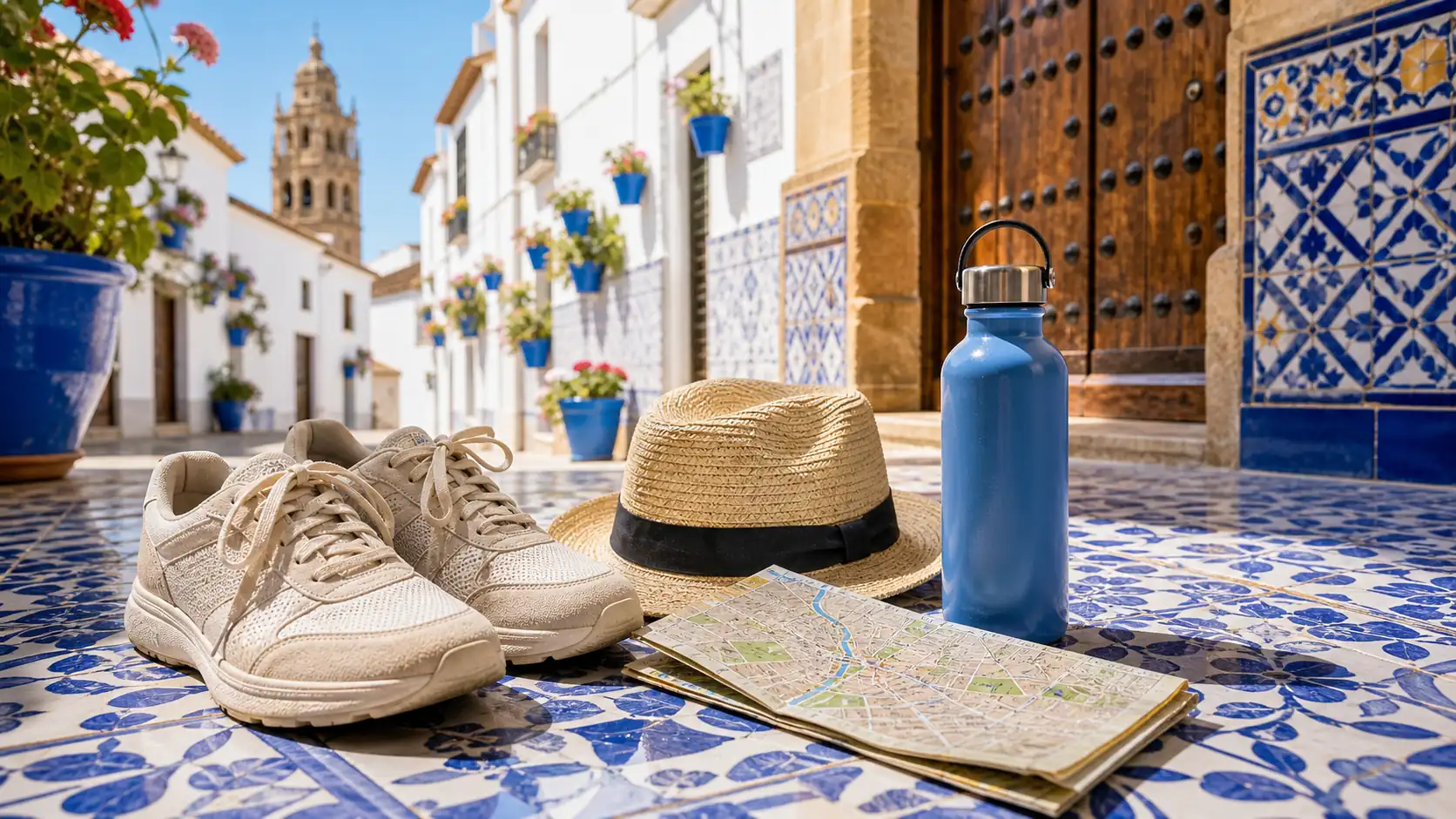
Expect a lot of stone streets and sun exposure. Comfortable shoes, water, shade breaks, and offline map access matter more here than a packed checklist.
Historic Sights Worth Prioritizing
If you only have limited time, start with the places that explain why Cordoba feels different from other Andalusian cities. Roman, Islamic, Jewish, and Christian layers sit close together, often within a few minutes on foot.
1. Mezquita-Catedral
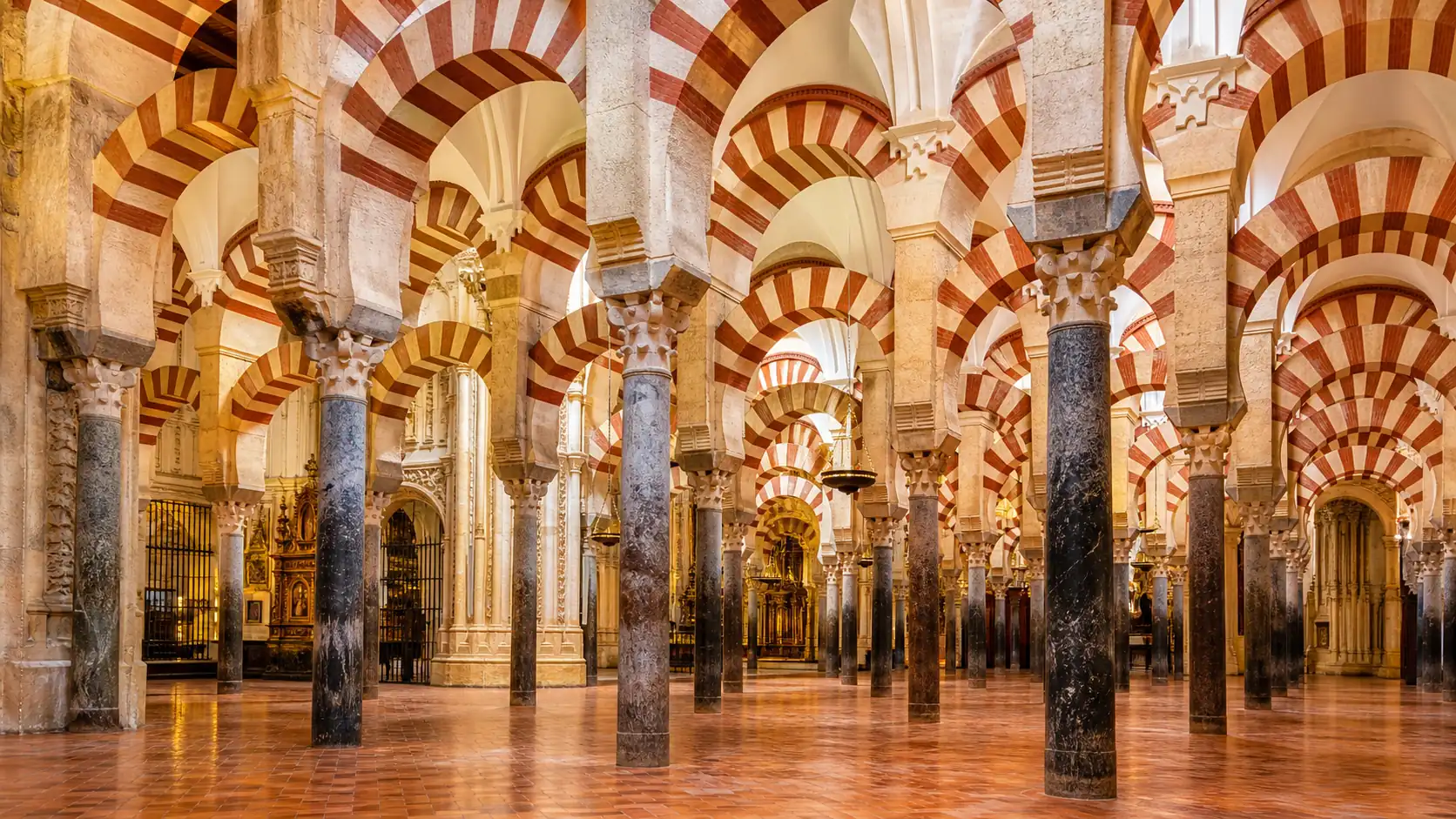
The Mezquita-Catedral is Cordoba's essential stop because the building itself tells the city's story. The forest of red-and-white arches, the mihrab, and the later cathedral nave create a layered space that is more powerful when you take your time instead of rushing toward a single photo.
Travel tip: Check the current visitor schedule and ticket options on the Mezquita-Catedral official website before building the rest of your day, as worship times and visitor access can affect entry.
2. Alcazar de los Reyes Cristianos
The Alcazar is best for travelers who want gardens, towers, pools, and a strong sense of medieval Cordoba. The interiors are relatively simple, so the visit shines most when you leave enough time for the gardens and viewpoints.
Who it suits: History lovers, photographers, and anyone who needs a shaded, slower stop after the Mezquita-Catedral.
3. Jewish Quarter
The Jewish Quarter is not one single attraction but a web of narrow lanes, small plazas, souvenir shops, tile details, and historic reminders. It is easy to visit between the Mezquita-Catedral and the Alcazar, but the best moments come when you step away from the busiest lanes.
Good route: Walk from the Mezquita-Catedral toward Calleja de las Flores, then loop back through quieter lanes instead of returning by the same street.
Mistake to avoid: Treating the area as only a photo stop. It is more enjoyable as a slow wander.
4. Calleja de las Flores
This tiny flower-filled lane is one of Cordoba's classic postcard views. It can be crowded, so visit early or later in the day and keep expectations realistic: it is beautiful, quick, and best combined with a broader Jewish Quarter walk.
Photo note: The view back toward the bell tower is the famous angle, but nearby side streets often feel more relaxed.
5. Palacio de Viana
Palacio de Viana is ideal if you want patios without depending only on seasonal festival access. Its courtyards show how water, shade, plants, and tiles shape Cordoba's domestic architecture.
Best for: Travelers who like design, gardens, and quieter cultural stops after the headline monuments.
Patios, Streets, and River Views
Cordoba's outdoor beauty is quieter than its monuments. Patios, white walls, blue pots, and river light make the city feel lived-in, especially outside the busiest sightseeing hours.
6. Explore the Patio Culture
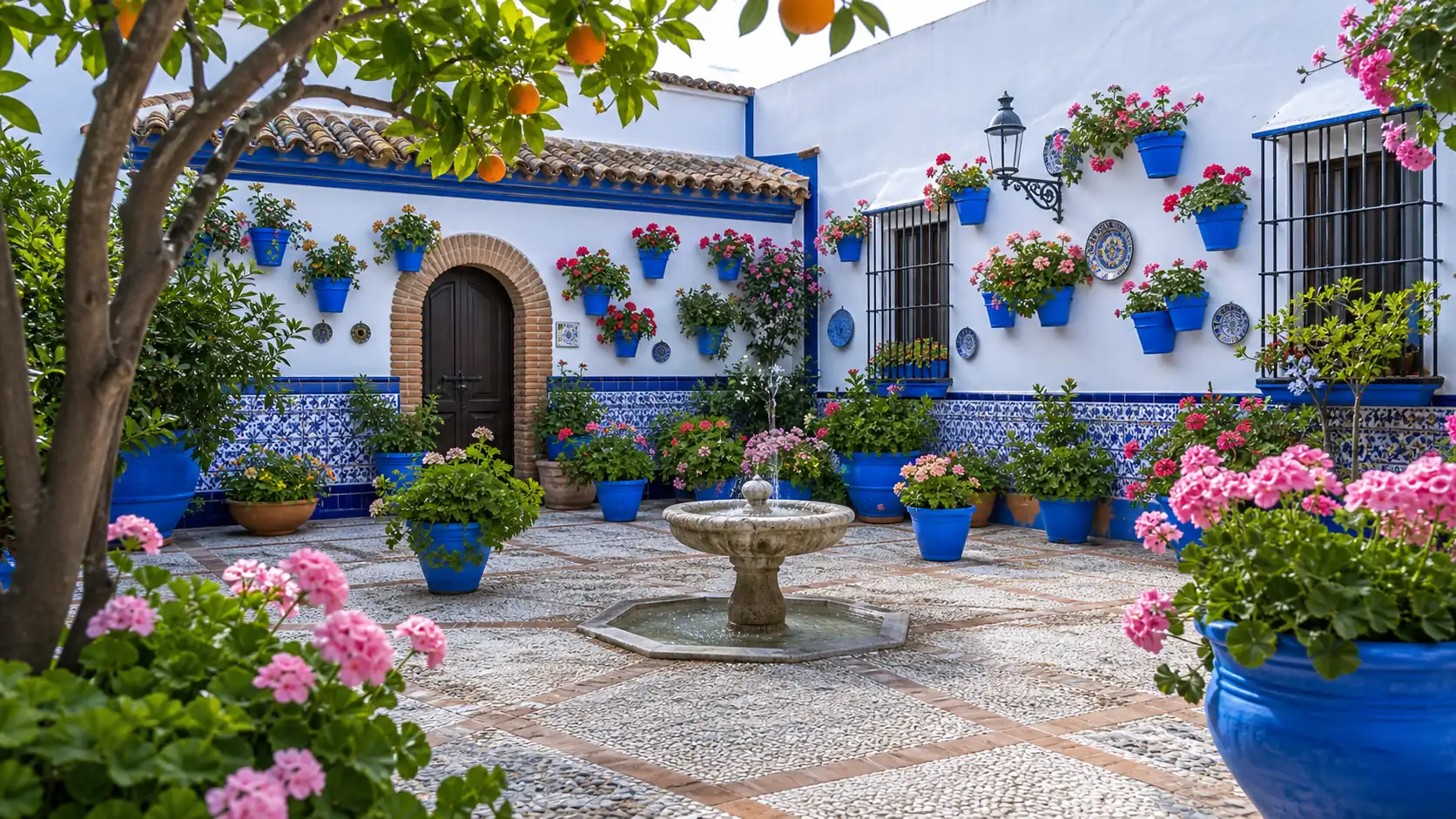
Patios are part of Cordoba's identity because they solve a practical problem beautifully: keeping homes cooler in a hot climate. Look for courtyards in San Basilio and around traditional patio routes, and respect signs, opening rules, and private spaces.
Best time to visit: Spring is especially colorful, but patio-style courtyards can be enjoyable whenever access is available.
7. Walk the Roman Bridge
The Roman Bridge is simple, scenic, and easy to fit into almost any plan. It gives you a clear view back toward the old city and works especially well around sunset, when the stone and river take on warmer tones.
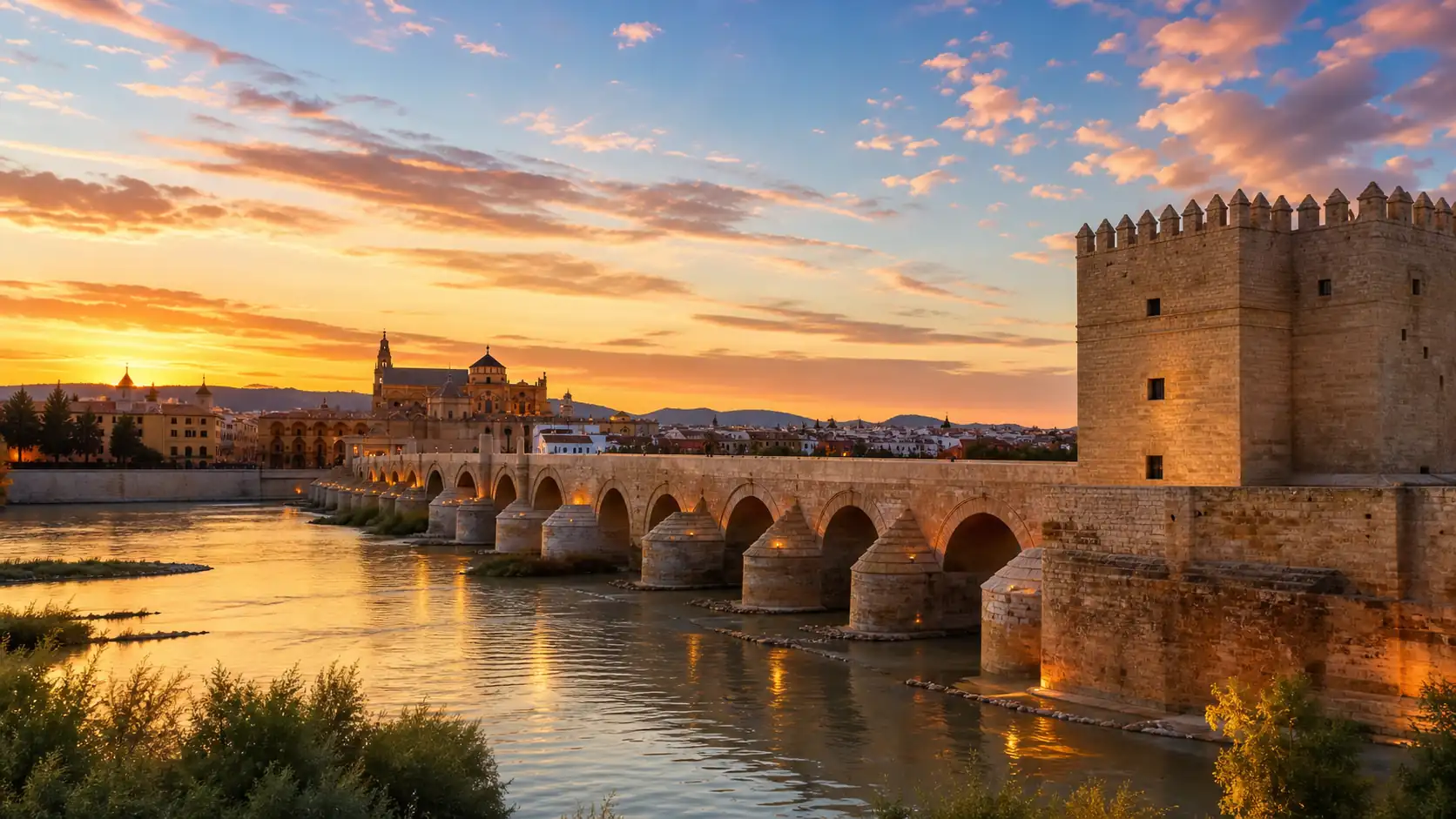
Route idea: Cross toward Calahorra Tower, pause for photos, then return to the old town for dinner.
8. Visit the Calahorra Tower Area
The tower side of the bridge gives a useful reverse angle on Cordoba. Even if you do not enter the museum, the area helps you understand the river crossing and the old city's defensive shape.
Practical note: This is a good late-day stop because the walk is exposed and can feel hot at midday.
9. Slow Down in Plaza del Potro
Plaza del Potro is a small square with literary and historic associations, but its real value for many travelers is atmosphere. It is a useful reset point between busier sightseeing stops.
Nearby pairing: Combine it with a riverside walk or a casual lunch route through the lower historic center.
10. Look for Tile Details and Courtyard Doorways
Some of Cordoba's best small discoveries are not ticketed. Blue-and-white ceramics, ironwork, carved doors, and glimpses into courtyards make ordinary streets feel rewarding when you walk without rushing.
Simple rule: If a lane looks quieter but still central, give it five minutes. Cordoba often rewards small detours.
Food, Evenings, and Local Flavor
Food is one of the easiest ways to make Cordoba feel specific rather than interchangeable with other Spanish cities. The local table leans into cool soups, fried specialties, olive oil, and relaxed tavern meals.

11. Try Salmorejo
Salmorejo is thicker and richer than gazpacho, usually made with tomato, bread, olive oil, garlic, and toppings such as egg or ham. It is especially satisfying in warm weather because it feels both cooling and filling.
Where to try it: Traditional taverns near the historic center are a safe bet, but avoid menus that feel designed only for quick tourist turnover.
12. Order Flamenquin
Flamenquin is a Cordoba classic: rolled pork, often with ham, breaded and fried. Portions can be large, so it works well as a shared dish with salad or vegetables.
Budget tip: Lunch menus can be better value than dinner if you want to sample local dishes without overordering.
13. Leave Space for Tavern Hopping
Cordoba is not only about formal meals. A relaxed evening can be built around a few small plates, a glass of wine, and short walks between plazas.
Good approach: Choose one place for a proper meal or two lighter stops rather than trying to eat everywhere.
Common mistake: Eating too early in an empty restaurant and missing the city's evening rhythm.
14. Add Flamenco Carefully
Flamenco can be memorable in Cordoba, but choose a setting that feels intimate rather than a generic dinner show if music matters to you. Smaller venues often suit travelers who want atmosphere without turning the night into a long performance package.
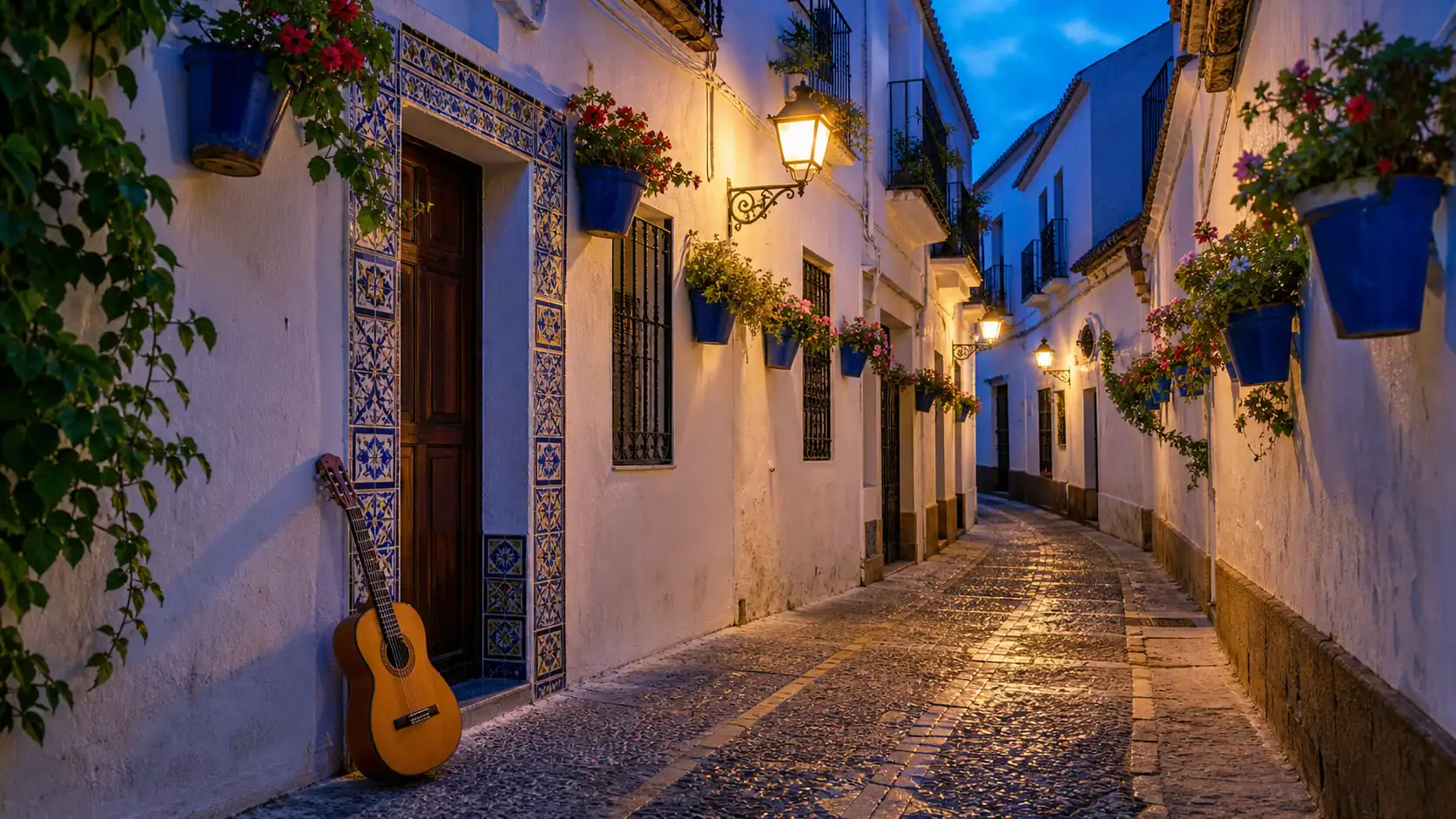
Planning note: Book ahead in busy periods, but avoid stacking flamenco immediately after a heavy sightseeing day if you know you will be tired.
15. Enjoy the City After Dark
Evening softens Cordoba. The same lanes that feel hot and crowded in the afternoon become easier to enjoy, and lit monuments give the old city a different mood.
Best pairing: Roman Bridge at sunset, dinner in the historic center, then a short walk through the Jewish Quarter.
How to Plan Your Time
The best Cordoba itinerary depends less on how many stops you include and more on when you place them. Midday heat and monument schedules can shape the day more than distance.
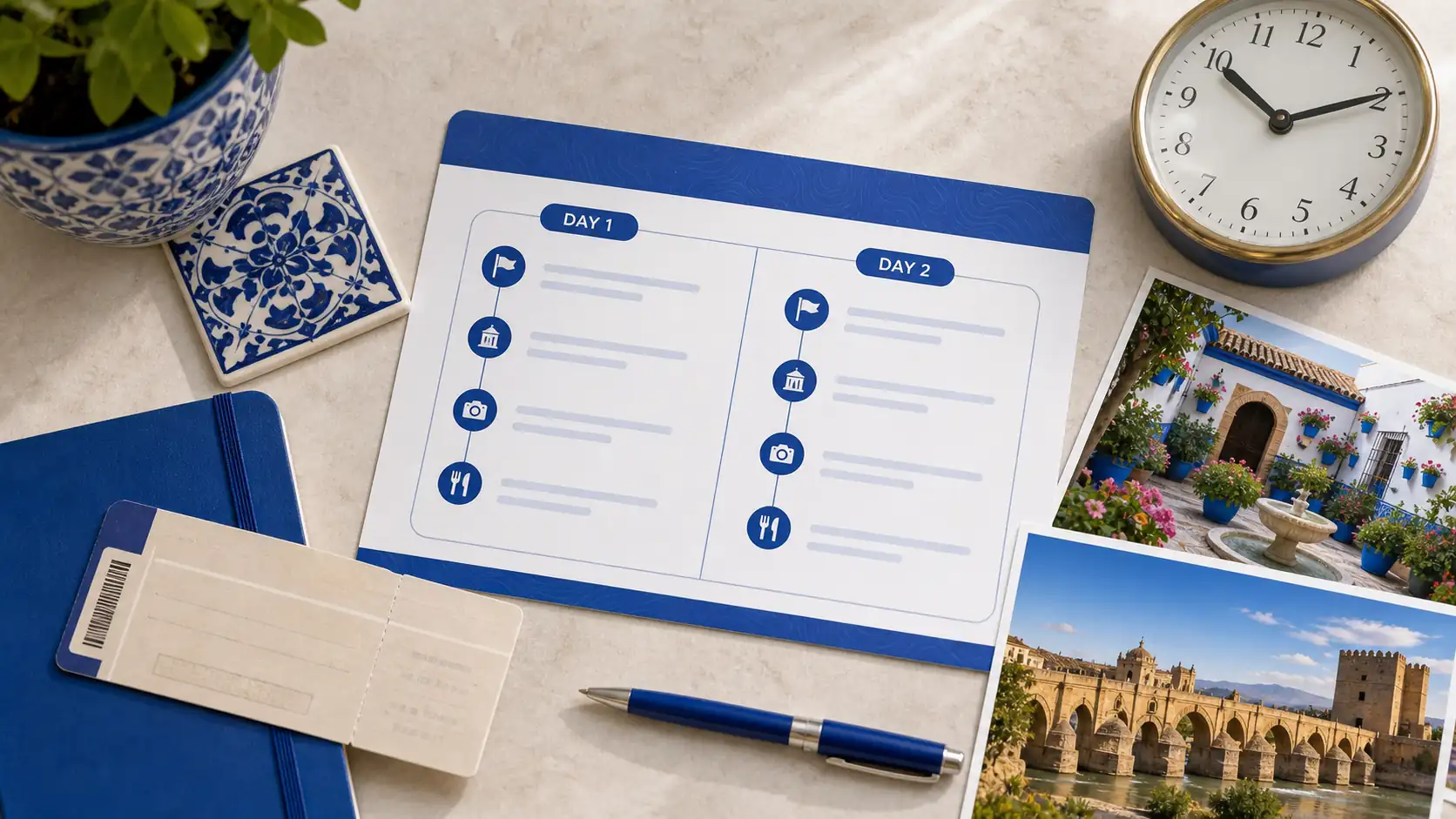
1. One-Day Route
Start with the Mezquita-Catedral, walk the Jewish Quarter, visit the Alcazar or one patio-focused stop, take a long lunch break, then finish with the Roman Bridge and dinner. This route covers the essentials without forcing you to cross town repeatedly.
Best for: First-time visitors arriving from Seville, Malaga, or Madrid by train.
2. Two-Day Route
Use day one for the Mezquita-Catedral, Jewish Quarter, Alcazar, and bridge. Use day two for Palacio de Viana, patio neighborhoods, museums, slower food stops, and an evening activity.
Day one: Big monuments and classic views.
Day two: Patios, food, smaller streets, and culture.
3. Summer Pacing
In hot months, avoid treating Cordoba like an all-day outdoor sprint. Plan a strong morning, a shaded lunch or hotel break, and a second walk after the heat drops.
What to carry: Water, sun protection, comfortable shoes, and a flexible plan that lets you skip an outdoor stop if the heat feels too intense.
Getting Around and Staying Connected
Cordoba is very walkable in the historic core, but navigation still matters because many streets are narrow, winding, and similar at first glance.
1. Walk First, Taxi Selectively
Walking is usually the best way to experience the old town. Use taxis for station transfers, late arrivals, or accommodation outside the central zone rather than for short hops inside the historic center.
Luggage tip: Check how close your accommodation is to vehicle access if you are arriving with heavy bags.
2. Use Mobile Data for Maps and Tickets
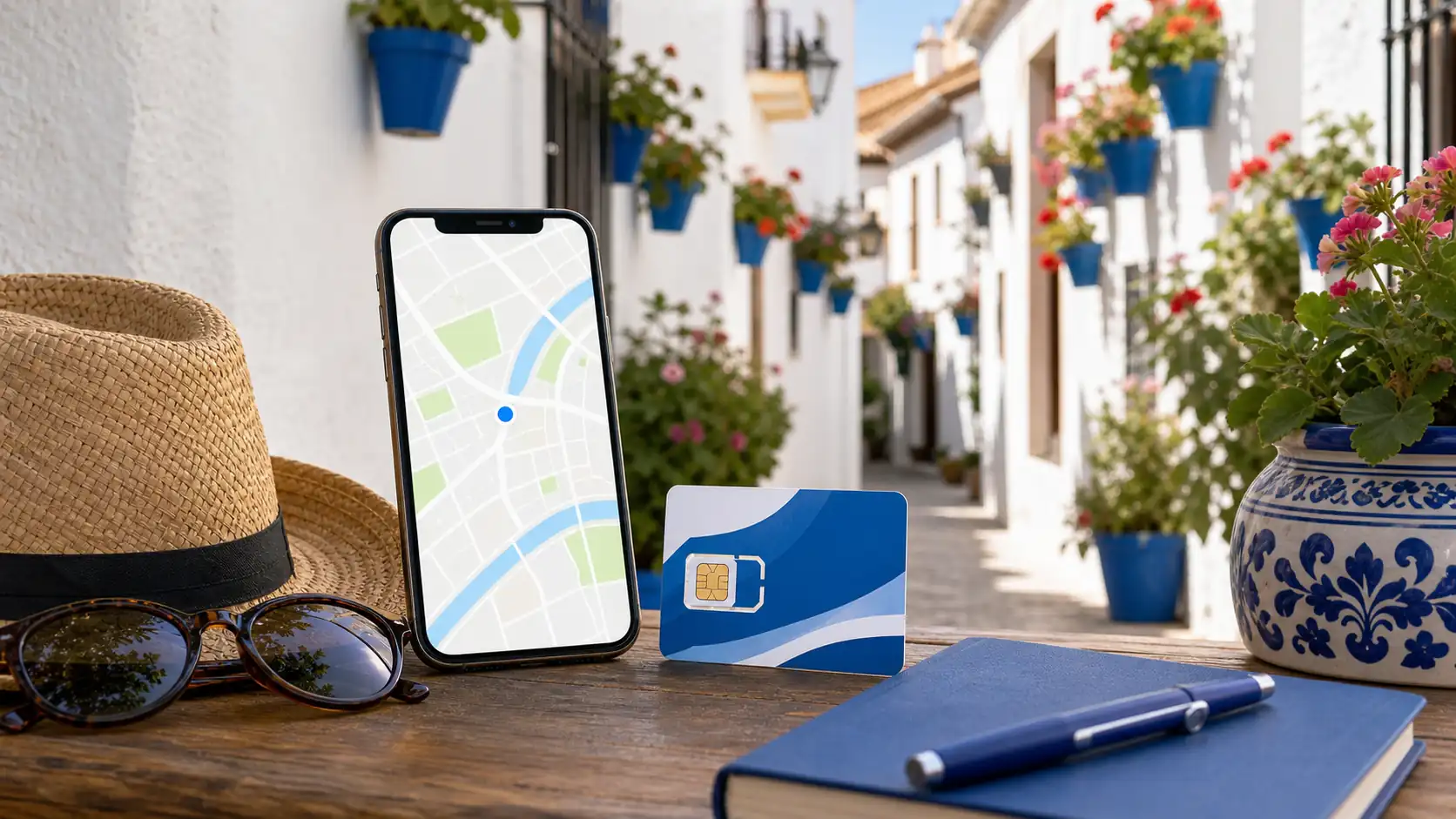
Live maps, reservation emails, translation tools, and restaurant searches are genuinely useful in Cordoba's old streets. If you want mobile data before arrival, a iRoamly travel eSIM can help you stay connected without hunting for Wi-Fi between sights.
Practical use: Save your hotel location, ticket confirmations, and a few restaurant options before starting the day.
3. Be Careful With Driving
A rental car is useful for broader Andalusia, but it can be more trouble than help inside Cordoba's historic center. Limited access streets, parking, and one-way routes make central driving stressful.
Better plan: Park outside the tightest old-town lanes or use the train if Cordoba is part of a city-to-city itinerary.
Mistakes to Avoid
Cordoba is easy to enjoy, but a few planning errors can make it feel hotter, more crowded, or more rushed than it needs to be.
1. Visiting Only the Mezquita-Catedral
The Mezquita-Catedral is essential, but Cordoba is richer when you add patios, food, riverside views, and neighborhood walks. Even one extra hour can change your impression of the city.
2. Ignoring Heat and Shade
Outdoor sightseeing can feel demanding in warm months. Build breaks into the day, choose shaded routes when possible, and move major outdoor walks away from peak heat.
3. Overloading the Schedule
Cordoba rewards attention to details: tiles, courtyards, doorways, quiet plazas. If every hour is assigned to a ticketed stop, you may miss the very texture that makes the city memorable.
FAQ
1. Is Cordoba worth visiting for one day?
Yes. One day is enough for the Mezquita-Catedral, Jewish Quarter, Roman Bridge, and a good meal. Two days are better if you want patios, gardens, museums, and a slower evening.
2. What is the best area to stay in Cordoba?
The historic center is the most convenient for first-time visitors because the main sights are walkable. Choose slightly quieter streets near the old town if you want atmosphere without constant foot traffic.
3. Do I need advance tickets?
For major monuments and busy periods, advance planning is wise. Always check current ticket rules and schedules before relying on same-day entry.
4. Is Cordoba easy without a car?
Yes. The historic core is best explored on foot, and the train makes Cordoba easy to combine with other Andalusian cities.
5. What food is Cordoba known for?
Salmorejo and flamenquin are two classic choices. Olive oil, local wines, stewed dishes, and tavern-style small plates also shape the local food experience.
Final Thoughts
The best things to do in Cordoba Spain combine famous monuments with slower pleasures: patios, shaded lanes, river light, local food, and evening walks.
If your time is short, prioritize the Mezquita-Catedral, Jewish Quarter, Roman Bridge, and one patio or garden experience. If you have longer, let the city breathe by adding small plazas, taverns, and quiet streets.
Cordoba is most rewarding when you plan enough to avoid stress but leave room for discovery. That balance is what turns a checklist into a memorable Andalusian stop.