
Things to do in Madrid Spain range from world-class museums and royal architecture to tapas crawls, leafy parks, rooftop views, football culture, and easy day trips by train.
Madrid is not a city that reveals itself through one landmark. Its best moments often come from combining the Prado in the morning, a long lunch, a park walk, a neighborhood bar, and a late evening on a plaza.
This guide focuses on Madrid's most useful activities for first-time visitors, with practical timing tips, neighborhood ideas, common mistakes, and planning advice so your days feel full without becoming exhausting.

Quick Answer: What to Do First in Madrid
You can start by visiting the Prado Museum, Retiro Park, the Royal Palace district, Plaza Mayor, Puerta del Sol, Gran Vía, the tapas streets, and at least one viewpoint to enjoy Madrid's night skyline.
The table below recommends the best attractions to include based on the length of your stay:
Time in Madrid | Best focus | What to skip if rushed |
|---|---|---|
1 day | Prado or palace, Retiro, old center, tapas evening | Multiple museums in one day. |
2-3 days | Art triangle, Royal Palace, neighborhoods, rooftop views | Overbooking timed tickets back to back. |
4+ days | Add day trips, markets, football, deeper museums | Changing hotels unnecessarily. |
How to structure your days
Morning: Use cooler hours and better focus for museums, palaces, or major walks.
Afternoon: Slow down for lunch, parks, markets, or neighborhoods.
Evening: Save tapas, rooftops, flamenco, football, or plaza time for when the city feels most alive.
Best Things to Do in Madrid
Madrid's classic sights work best when grouped by area. Trying to cross the city after every stop wastes time, while planning by neighborhood lets you add cafes, shops, and small streets naturally.
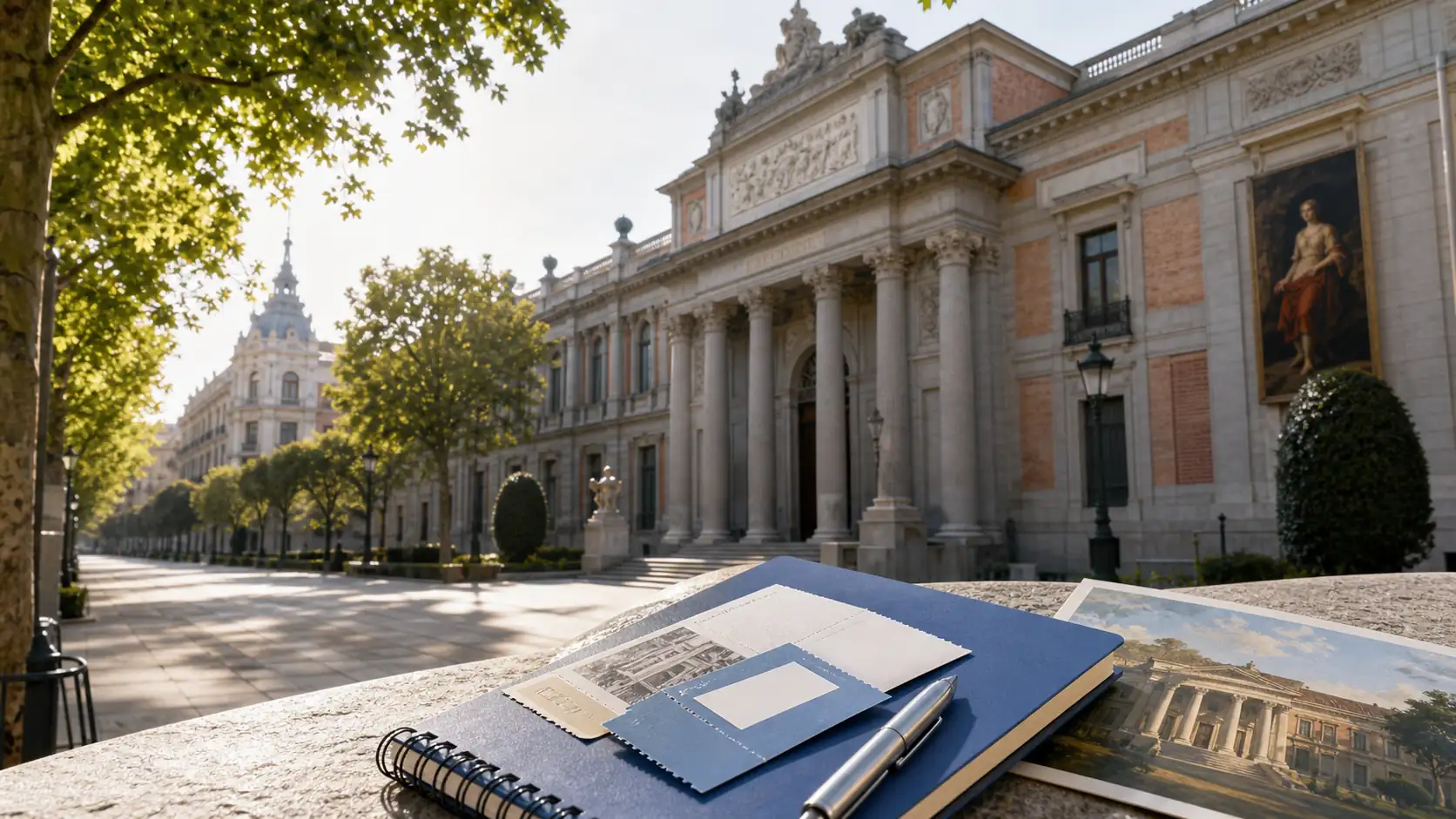
1. Visit the Prado Museum
The Prado is one of Europe's essential art museums, especially strong for Velazquez, Goya, El Greco, Titian, Rubens, and Bosch. It is rewarding even if you are not usually a museum traveler, but it can be tiring if you try to see everything.
Travel tip: Choose a short route of must-see rooms, then leave before museum fatigue turns the masterpieces into a blur. Check the Prado's official visitor information for current ticketing and entry details before you go.
2. Explore the Royal Palace Area
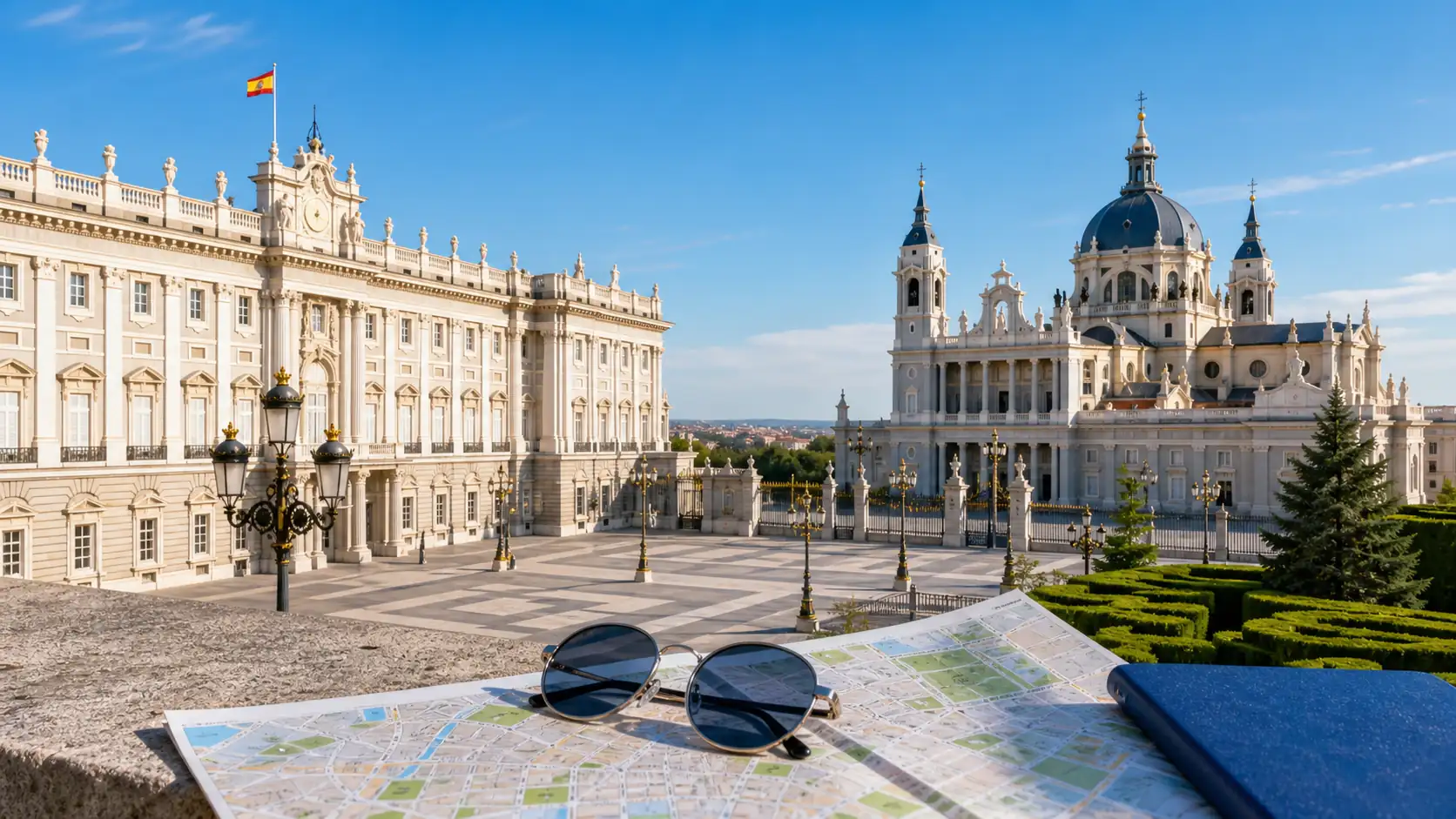
The Royal Palace is one of Madrid's grandest landmarks, and the surrounding area also includes Almudena Cathedral, Sabatini Gardens, Plaza de Oriente, and views toward Casa de Campo. Even if you do not tour the interior, the exterior makes a strong city walk.
Best time to visit: Morning usually feels calmer. If you want interior rooms, do not leave ticket planning to the last minute during holidays or peak travel periods.
3. Walk Plaza Mayor and Puerta del Sol
These central squares are busy, touristy, and still worth seeing because they anchor old Madrid. Treat them as orientation points rather than places to eat your main meal, then move into surrounding streets for better value.
Good pairing: Plaza Mayor, Mercado de San Miguel, Calle Mayor, and the Royal Palace route.
Photo tip: Early morning is better for architecture shots with fewer crowds.
Mistake to avoid: Spending your whole evening in the most obvious square-side restaurants.
Food, Markets, and Neighborhood Wandering
Madrid is a city for eating in motion. You can plan one reserved meal, then leave another evening open for tapas, vermouth, markets, and neighborhood bars.
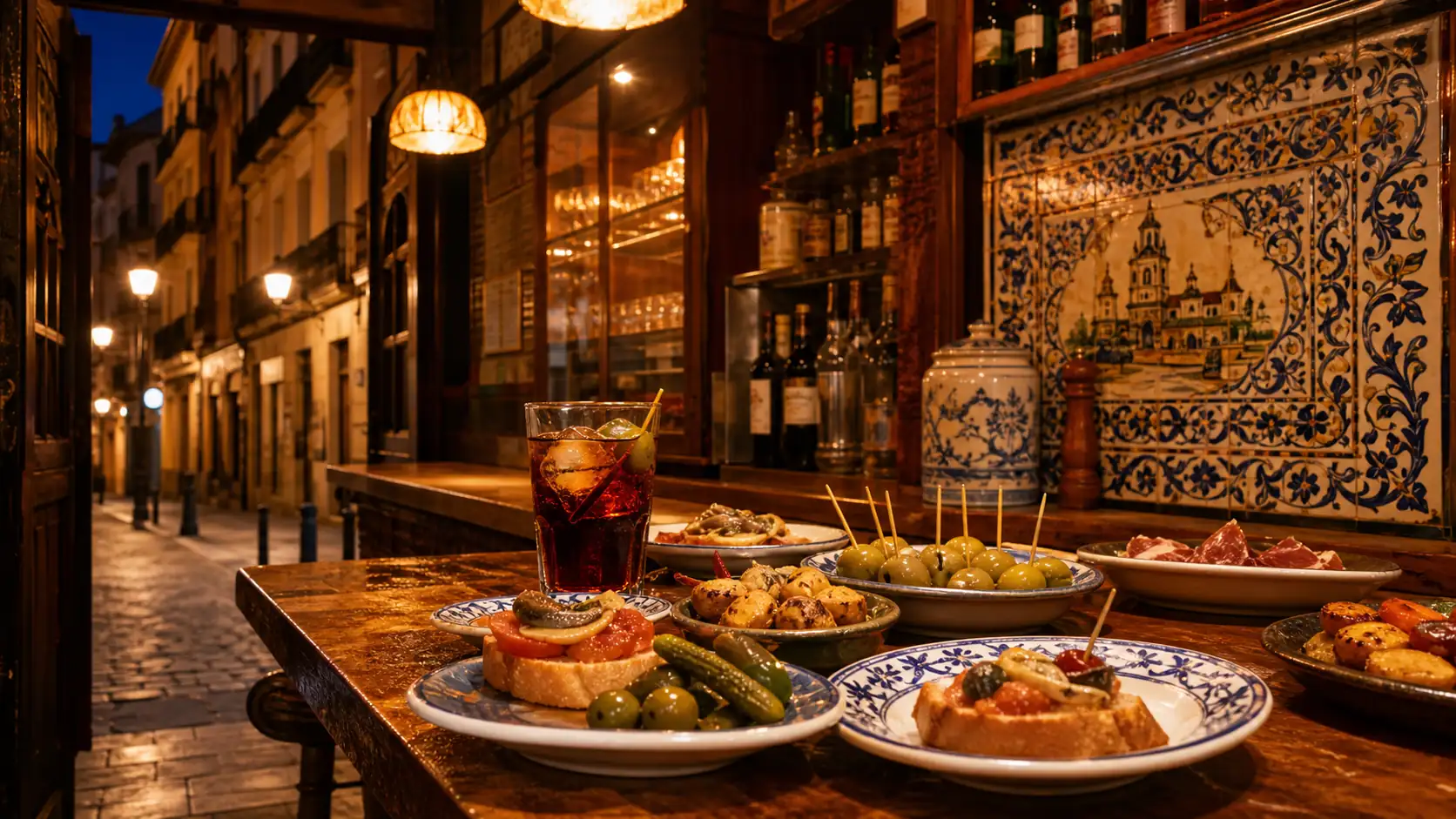
4. Do a tapas crawl in La Latina
La Latina is especially enjoyable in the evening, when narrow streets fill with people moving between bars. Order one or two small plates, then continue elsewhere instead of treating the first bar as the whole night.
Where to start: Streets around Cava Baja are popular, but nearby side streets can feel less pressured. Keep your plan loose and follow places that look lively without being chaotic.
5. Visit a market without making it your only meal
Madrid's markets range from polished gourmet halls to neighborhood food markets. They are useful for snacks, wine, seafood, cheese, and people-watching, but prices and atmosphere vary.
Best for first-timers: Use a central market for a snack stop, then eat a fuller meal in a neighborhood restaurant.
Budget tip: Lunch menus away from the main squares can offer better value than repeated market grazing.
Solo traveler note: Counter seating makes tapas nights easier and less formal.
Parks, Views, and Slower Madrid
Madrid can feel intense if you only move between museums, streets, and restaurants. Its parks and viewpoints give the city breathing room, especially in spring, autumn, or early morning in summer.
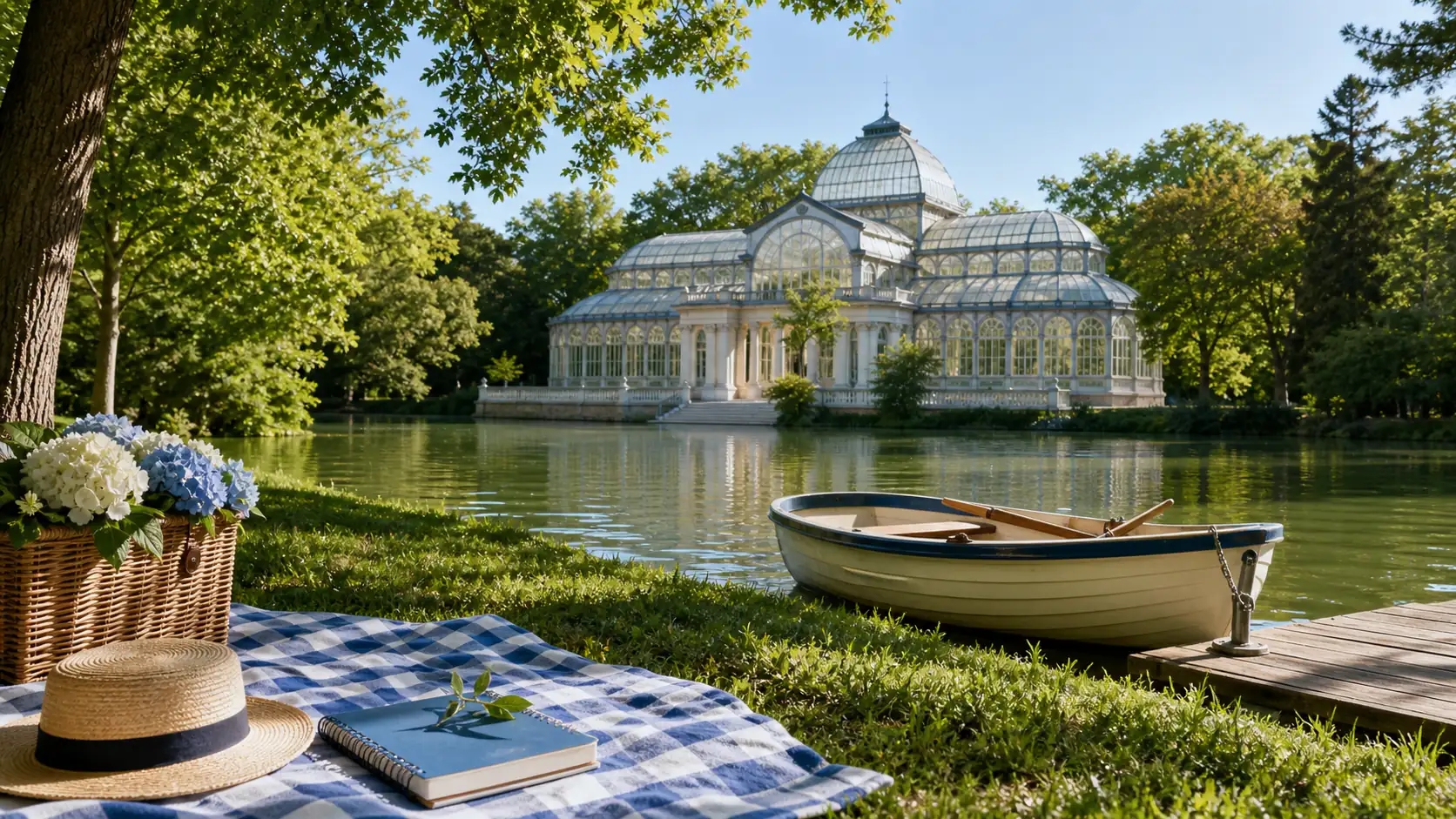
6. Slow down in Retiro Park
Retiro Park is one of Madrid's easiest pleasures: tree-lined paths, a lake, the Crystal Palace area, gardens, musicians, and plenty of space to reset between museums. It pairs naturally with the Prado, Reina Sofia, or Thyssen area.
Best time to visit: Morning is calmer, while late afternoon feels more local. In hot months, use it as a shaded break rather than a midday endurance test.
7. See Gran Via and a rooftop view
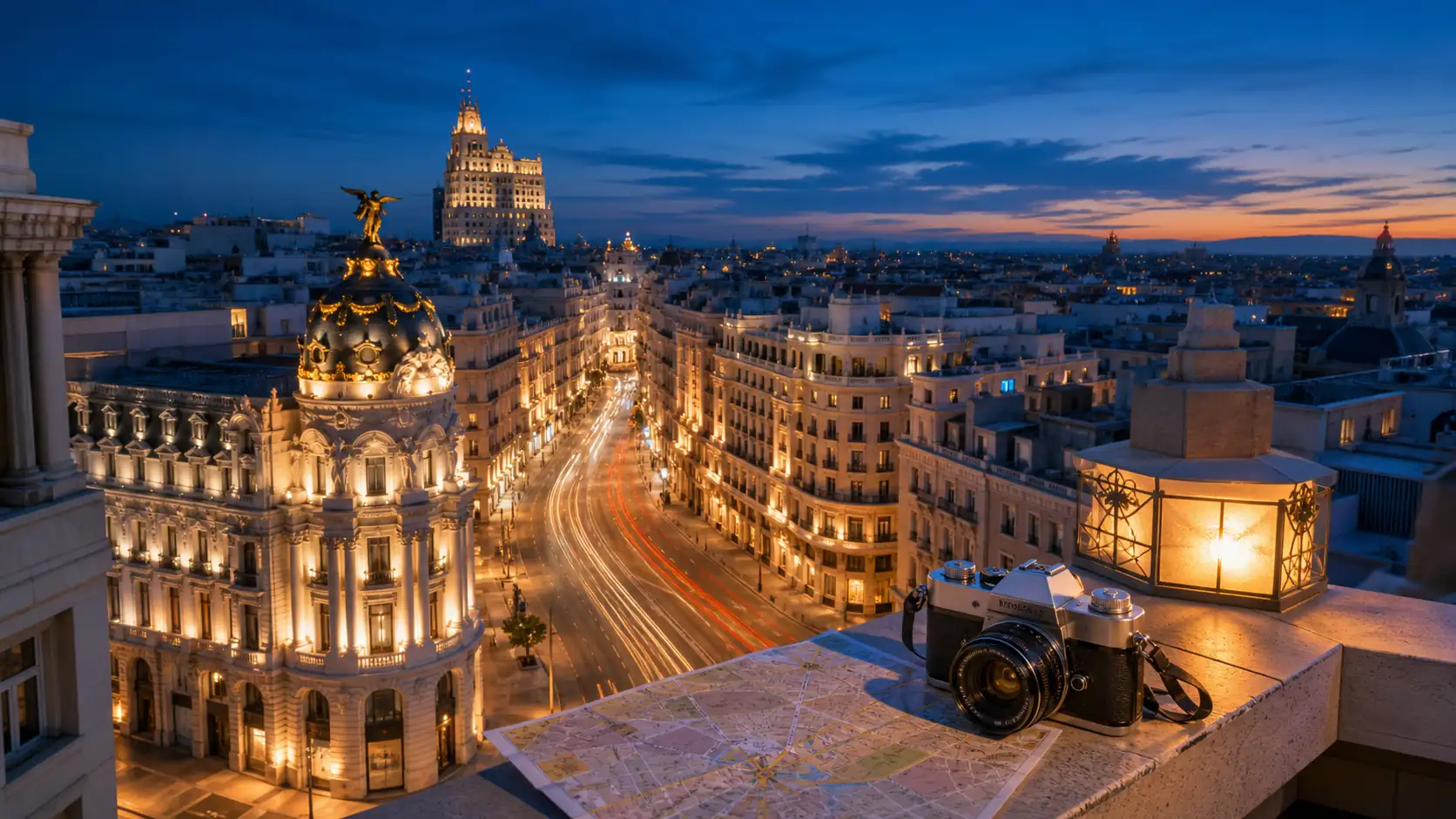
Gran Via is Madrid's theatrical boulevard, with shopping, cinemas, hotels, and dramatic architecture. It is busiest at night, when lights, traffic, and rooftop terraces create a different mood from the museum district.
Photo idea: Blue hour gives Gran Via more atmosphere than harsh midday light.
Budget note: Rooftop drinks can be expensive, so decide whether you are paying for the view or the full evening.
Alternative: Temple of Debod is a popular sunset area, but arrive early if the weather is good.
Easy Day Trips from Madrid
One reason Madrid works so well as a base is that several historic cities sit within day-trip range. Toledo and Segovia are the classics, while Avila, Alcala de Henares, Aranjuez, and El Escorial can also fit depending on your interests.
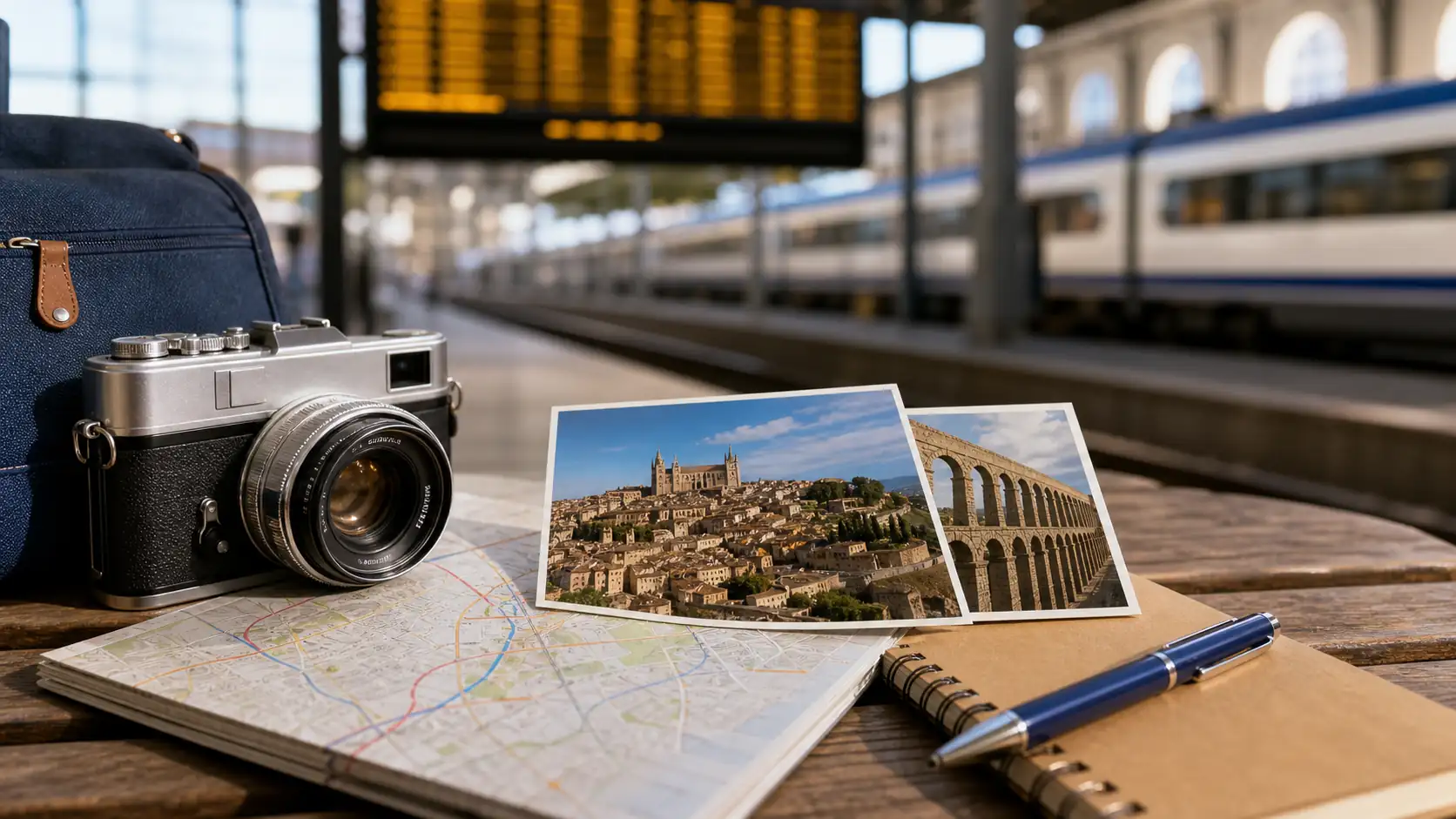
8. Toledo for layered history
Toledo is compact, steep, and atmospheric, with Christian, Jewish, and Islamic heritage woven into its old streets. It suits travelers who enjoy viewpoints, cathedrals, small museums, and wandering without needing a packed checklist.
Planning tip: Wear comfortable shoes and avoid overloading the day. Toledo rewards slow walking more than rushing between every monument.
9. Segovia for the aqueduct and castle
Segovia is known for its Roman aqueduct, old town, cathedral, and Alcazar. It feels visually dramatic and works well for travelers who want a clear day-trip route with strong landmarks.
Day trip | Best for | Useful note |
|---|---|---|
Toledo | History, viewpoints, old streets | Expect hills and uneven pavement. |
Segovia | Landmarks, photos, compact sightseeing | Book transport early on weekends. |
El Escorial | Royal history and architecture | Better for travelers who like slower cultural visits. |
Planning Tips for Madrid
Madrid is easier when you plan key tickets and neighborhoods, then leave room for the city's late rhythm. Over-scheduling is the most common way to make Madrid feel more tiring than it needs to be.
Use the metro and walk by area
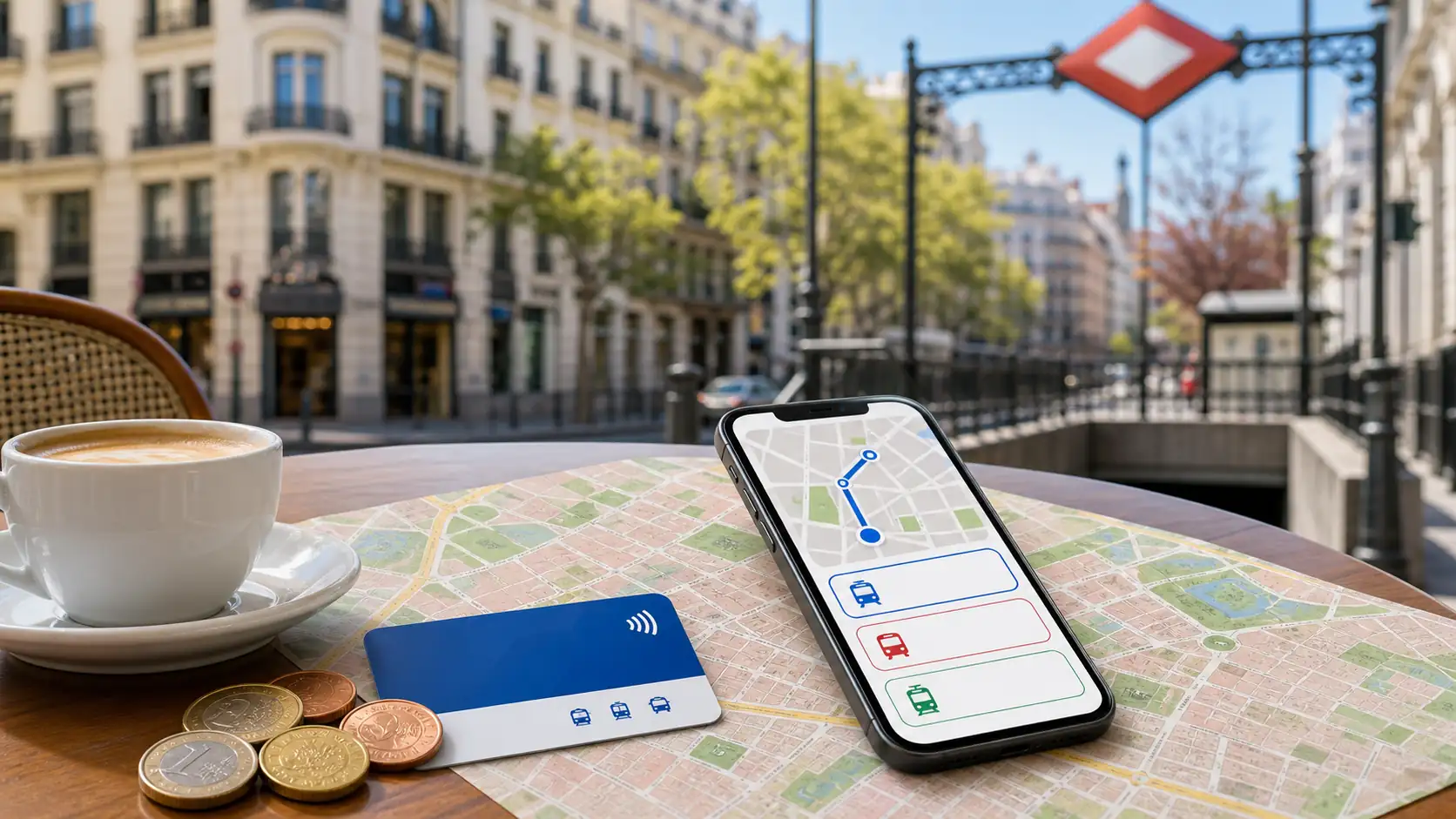
Madrid's metro is useful for crossing the city, but the center is also very walkable when you group sights properly. Plan days around zones: Art Walk and Retiro, old Madrid and palace, Chueca and Malasana, or Salamanca and museums.
Book the few things that truly need booking
You do not need reservations for every hour, but major museums, palace visits, popular restaurants, football matches, and high-demand day trips deserve advance attention. Leave casual tapas and park time flexible.
Keep your phone useful
Live maps, metro routes, restaurant searches, ticket QR codes, translation, and ride-hailing all depend on reliable data. If you want connectivity ready when you land, an iRoamly travel eSIM can help with navigation, bookings, and day-trip changes without relying on public Wi-Fi.
FAQ
1. How many days do I need in Madrid?
Two to three full days are enough for the main sights, food neighborhoods, and a slower park or rooftop moment. Add a fourth day if you want a day trip.
2. Is Madrid walkable for tourists?
Central Madrid is very walkable, but the metro helps when moving between neighborhoods, train stations, museums, and hotels in different areas.
3. Is the Prado worth visiting?
Yes, especially if you enjoy European art or want one major museum experience in Madrid. Keep the visit focused rather than trying to see every room.
4. What is the best neighborhood for tapas?
La Latina is a classic first choice, but Huertas, Chueca, Malasana, Chamberi, and parts of Lavapies also offer excellent food and bar-hopping possibilities.
5. Should I visit Toledo or Segovia from Madrid?
Choose Toledo for layered history and atmospheric streets. Choose Segovia for the aqueduct, Alcazar, and a more landmark-focused day.
6. Is Madrid good for families?
Yes. Families can balance Retiro Park, palace areas, stadium tours, food markets, short museum routes, and easy metro rides without making every day too formal.
Final Thoughts
The best things to do in Madrid Spain are not only the famous sights. The city works when you balance museums, royal landmarks, parks, tapas, rooftops, and neighborhoods into days that leave room for Madrid's late, social pace.
For a first visit, prioritize one major museum, the Royal Palace area, Retiro Park, central squares, a tapas evening, and a viewpoint. If you have extra time, add Toledo or Segovia rather than squeezing in more museums than you can enjoy.
Madrid rewards travelers who move with the city instead of fighting its rhythm. Start focused in the morning, slow down in the afternoon, and save enough energy for the evening, when the capital often feels most like itself.