
Things to do in Seville Spain usually start with the city’s famous monuments, but the best trip is not just a checklist of palaces and plazas. Seville rewards travelers who mix major sights with slow neighborhoods, late meals, river walks, and a little shade during the hottest hours.
This guide is written for a first-time visitor who wants the classics without losing the city’s rhythm. It covers what to prioritize, how to pace your days, where to add local flavor, and which mistakes can make Seville feel harder than it needs to be.
Use it as a flexible plan rather than a rigid itinerary. Two or three full days is a comfortable start, while an extra day lets you add a day trip or a slower food-focused afternoon.
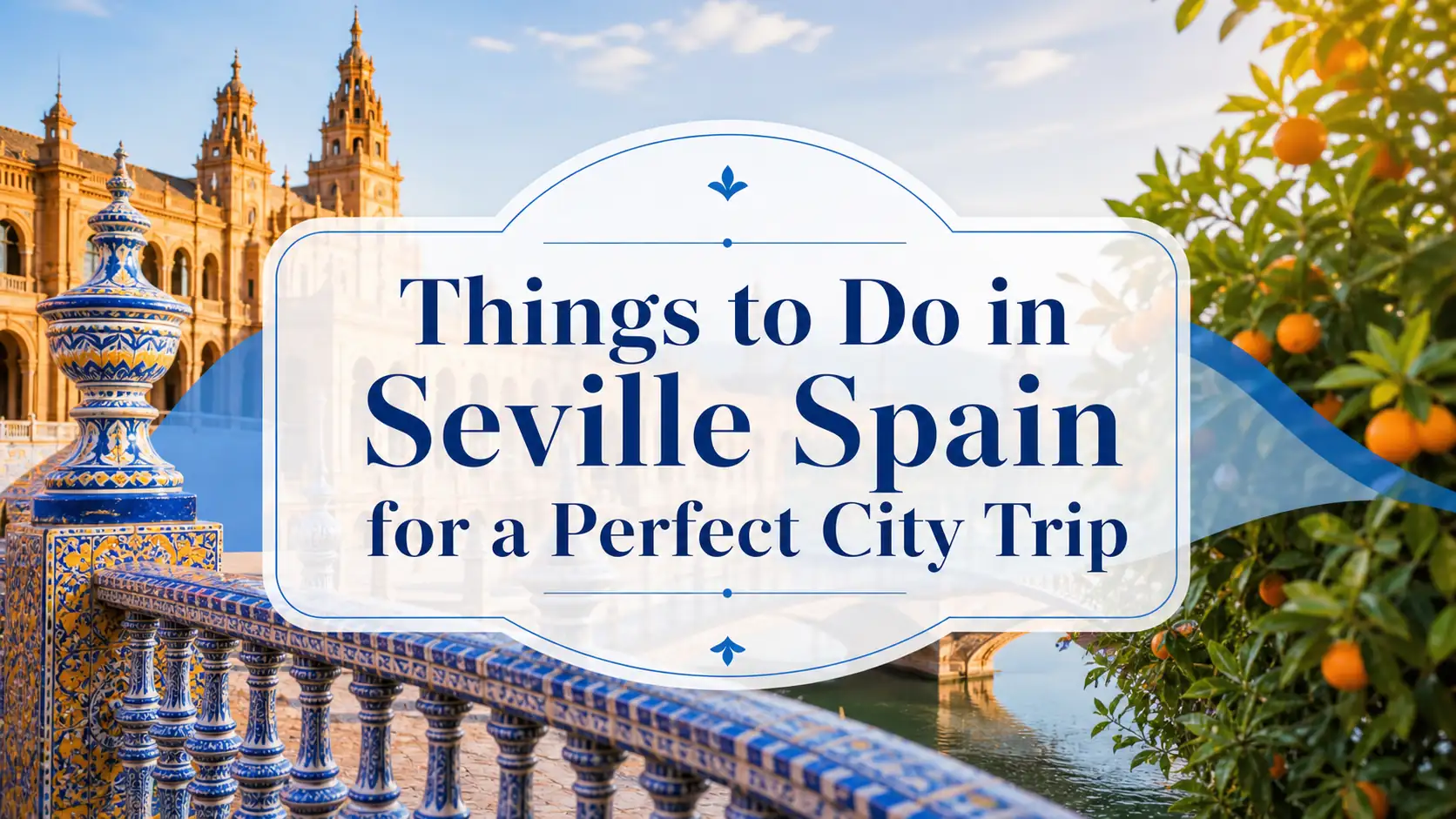
Start With Seville's Historic Core
The historic center is where Seville feels most concentrated: royal rooms, Gothic stone, orange trees, tiled courtyards, and plazas that connect easily on foot. Start early, because the same small streets that feel romantic in the morning can feel crowded and hot by midday.
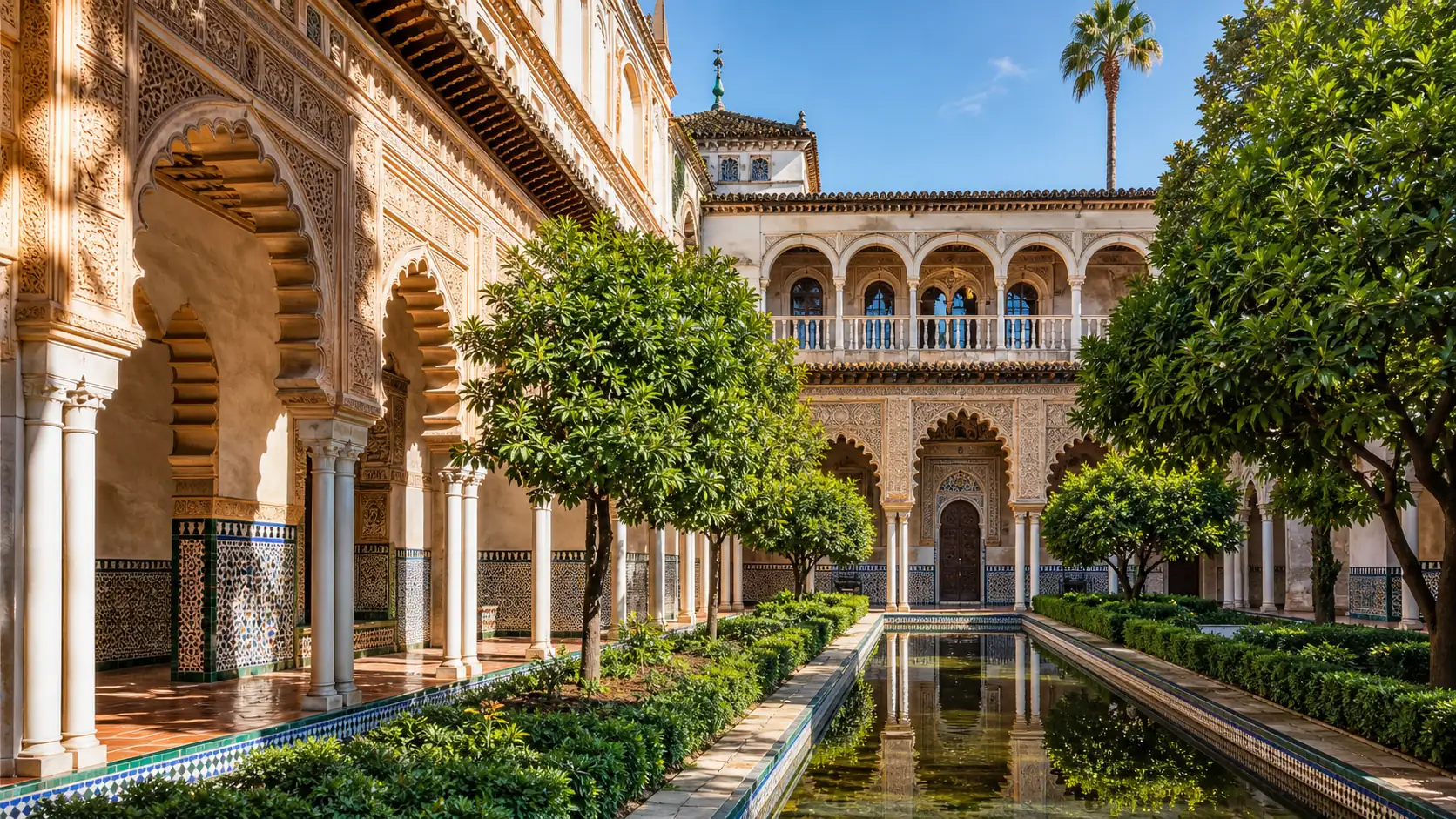
1. Real Alcazar
The Real Alcazar is the sight to book first if your dates are fixed. Its mix of Mudéjar architecture, royal rooms, quiet patios, and shaded gardens makes it one of Seville’s most rewarding visits, especially if you give yourself time to wander after the main palace rooms.
Travel tip: Reserve a timed entry through the Real Alcazar ticket site before you build the rest of your day. Morning entries work best in warm months, while late-afternoon slots can feel softer for photography.
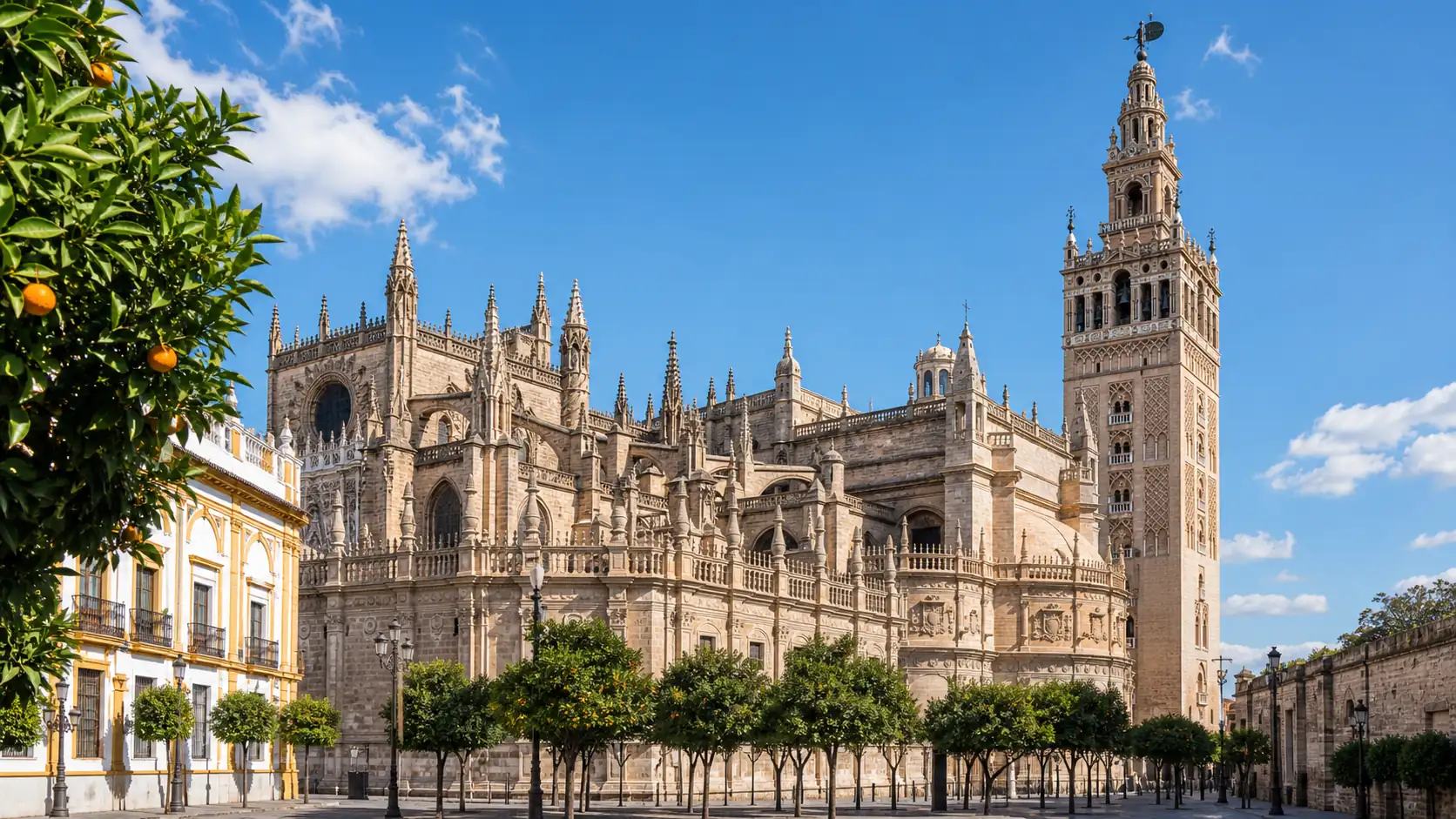
2. Seville Cathedral and La Giralda
The Cathedral is vast, but La Giralda makes the visit memorable because the climb uses ramps rather than a tight spiral staircase. Go for the scale, the rooftop views, and the sense of how Islamic, Gothic, and Renaissance layers overlap in the city.
Best pairing: Visit the Cathedral after the Alcazar if you want a monument-heavy morning, then recover with lunch nearby.
Common mistake: Do not leave both sights for the same late afternoon; timed entries, heat, and closing hours can make the plan brittle.
Follow the City's Best Squares and Views
After the major monuments, Seville opens up through plazas, riverside views, and modern viewpoints. These stops are easier to fit around lunch or sunset, and they help the city feel less like a museum route.
3. Plaza de Espana
Plaza de Espana is grand, tiled, photogenic, and best enjoyed with time to notice the ceramic benches and bridges rather than just taking one quick photo. It is also close to Maria Luisa Park, so it works well as a gentler morning or early evening plan.
Best time to visit: Early morning for quieter photos or late afternoon for warmer light. Midday can be harsh in summer, with limited shade in the open plaza.
4. Metropol Parasol
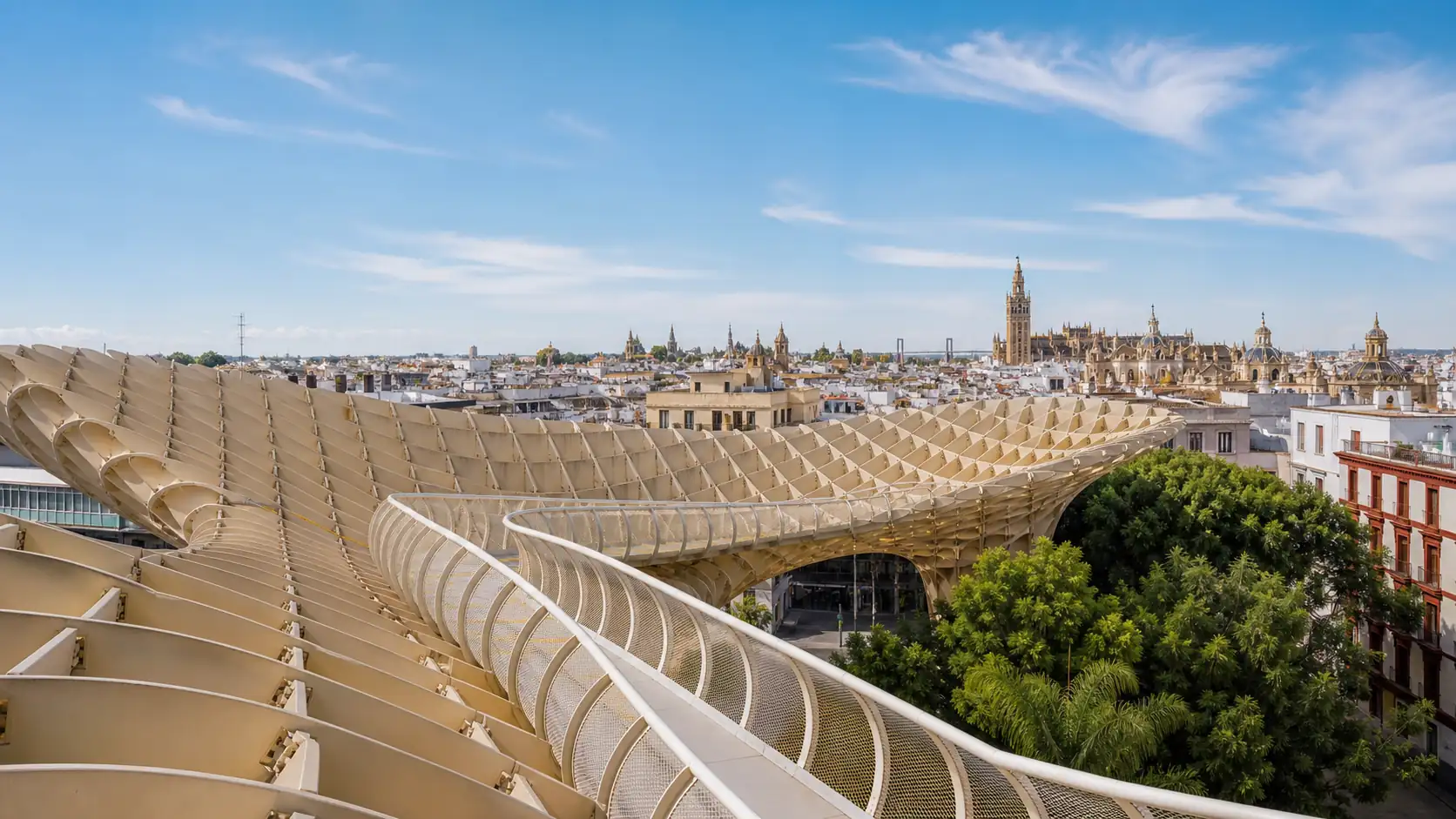
Metropol Parasol gives you a different side of Seville: modern wood curves above a dense old city. It is especially useful near sunset, when the rooftops, churches, and narrow streets read clearly from above.
Viewpoint | Best for | Planning note |
|---|---|---|
Plaza de Espana | Classic photos and architecture | Pair with Maria Luisa Park |
Metropol Parasol | Rooftops and sunset | Check current entry times before going |
If you have limited time, choose Plaza de Espana for the classic Seville memory and Metropol Parasol for a more contemporary city angle.
Cross the River to Triana
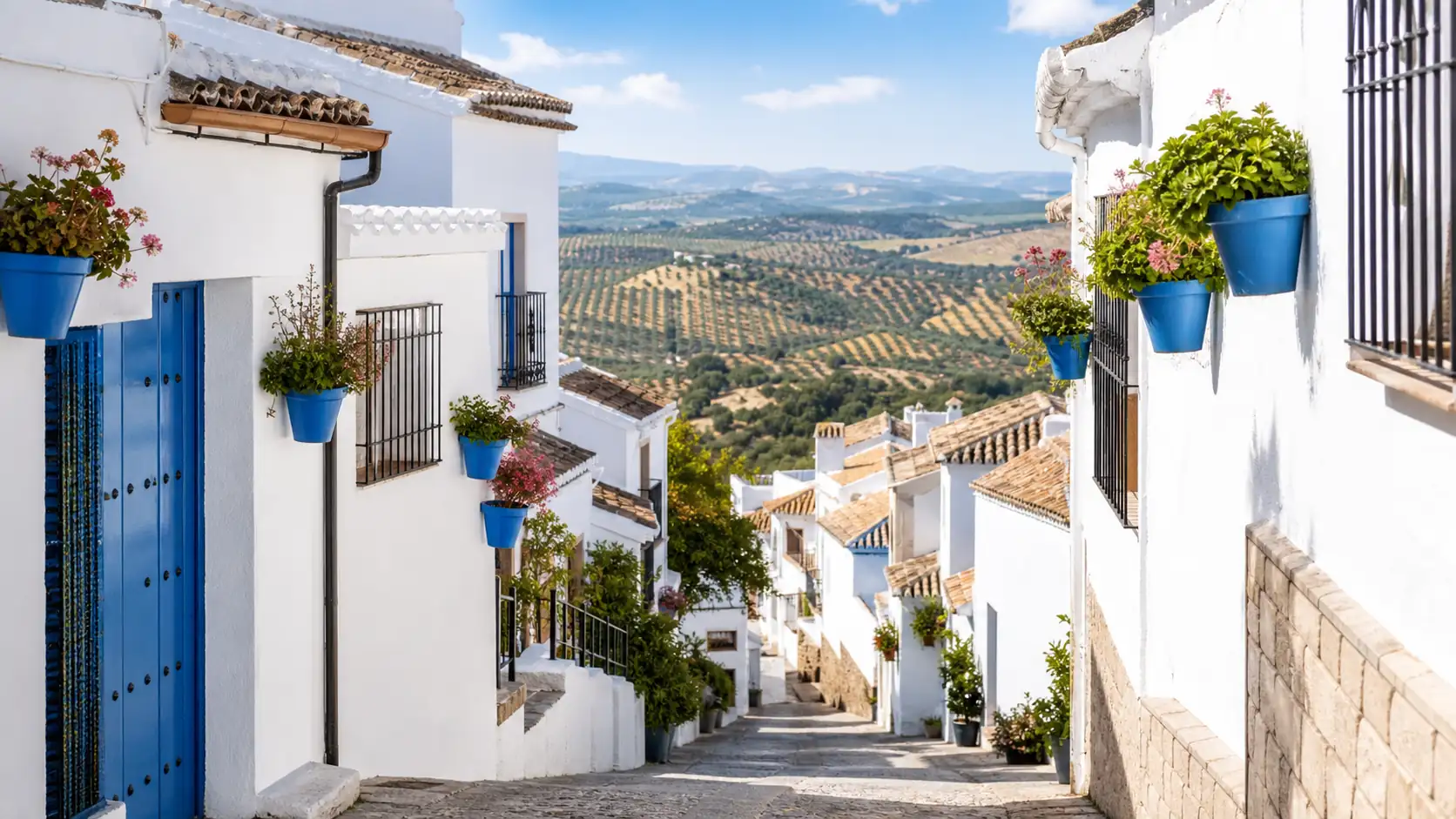
Triana is close to the historic center but has a different personality. It is associated with ceramics, flamenco roots, riverside walks, and a more lived-in evening atmosphere, so it is ideal when you want to slow down after sightseeing.
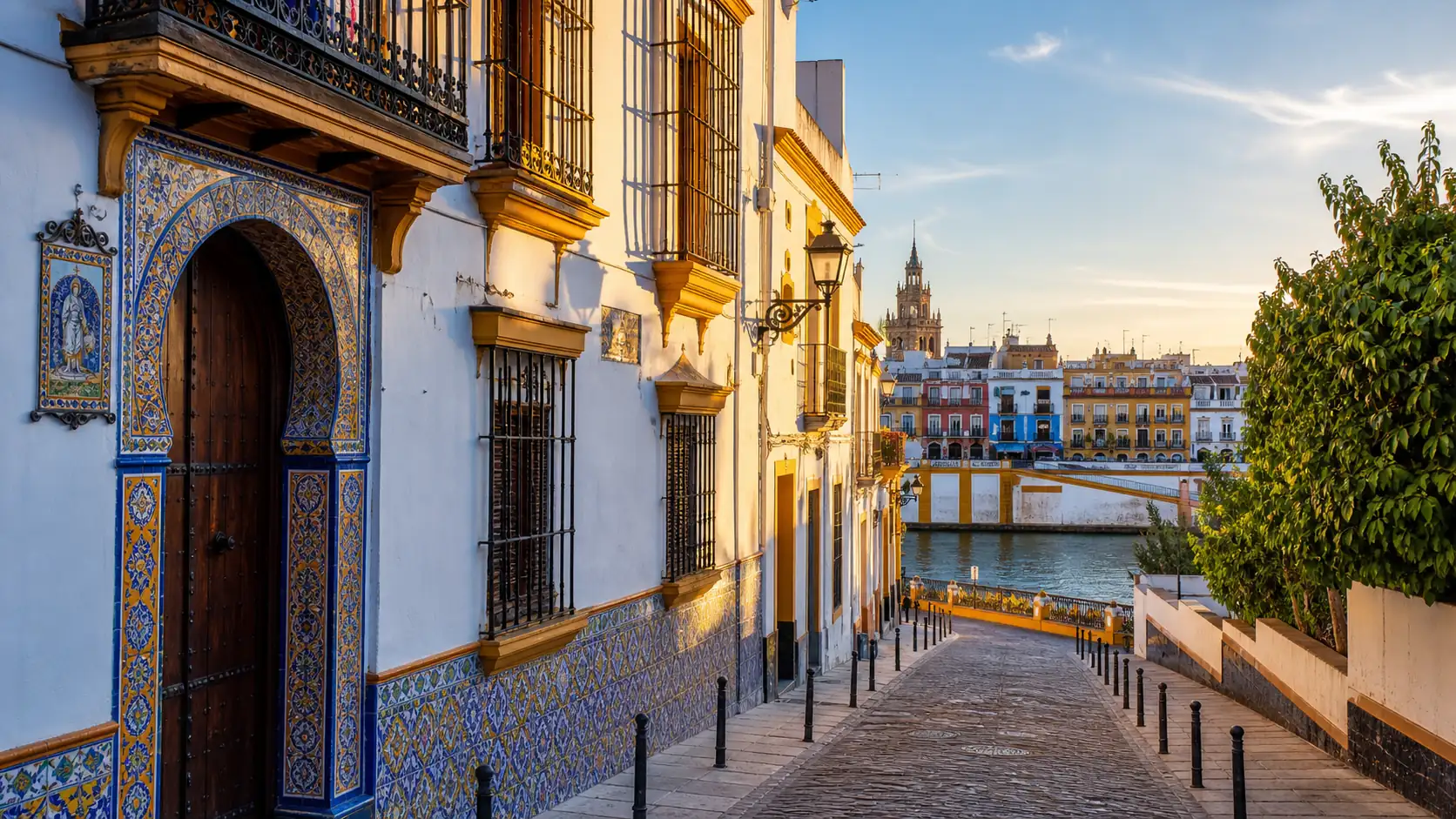
5. Ceramic Shops and Side Streets
Look for tiles, small workshops, and storefronts rather than only one famous stop. Triana’s charm is in texture: painted balconies, ceramic details, and quieter streets that feel more relaxed than the Cathedral area.
Who it suits: Travelers who enjoy neighborhoods, local crafts, and photography will get more from Triana than visitors rushing between major sights.
6. Evening Tapas and Flamenco
Triana works well for an unhurried evening meal. If you plan to see flamenco, book a small venue and treat it as a performance rather than background entertainment; then keep dinner simple before or after the show.
Good pacing: River walk, ceramics, early tapas, then a show.
Avoid: Choosing the loudest venue purely from street advertising.
Eat Like the City Has Its Own Clock
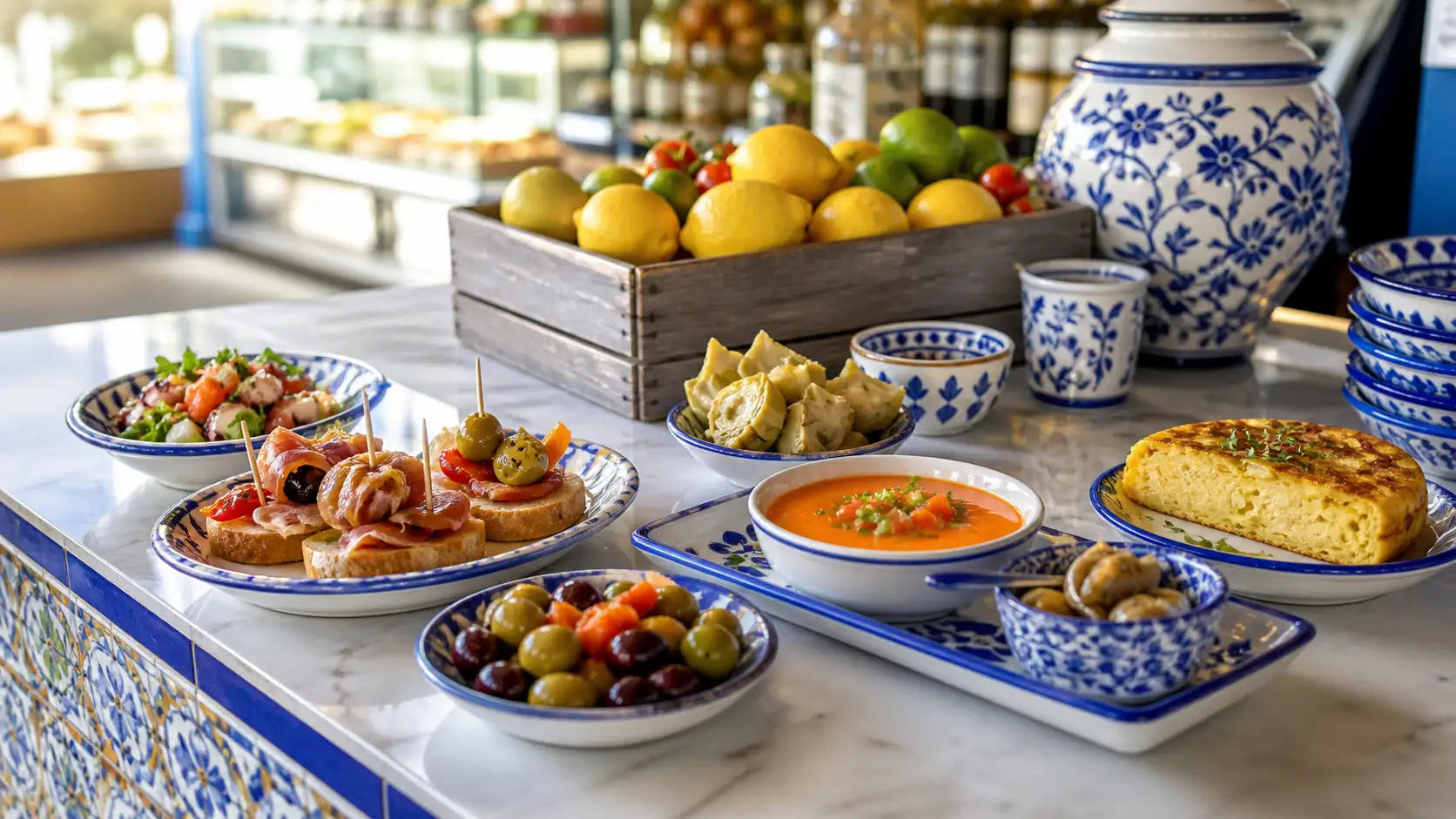
Food is one of the easiest ways to enjoy Seville, but timing matters. Lunch is often the main meal, dinner starts later than many visitors expect, and tapas works best when you keep portions small and move between places.
7. Tapas Around the Center
Start with simple plates: salmorejo, spinach with chickpeas, tortilla, olives, grilled seafood, and seasonal vegetables. The point is not to order everything at one bar; it is to taste, compare, and keep the evening flexible.
Ordering tip: Ask for a tapa or media racion when available. Full portions are better for groups, but smaller plates let solo travelers and couples try more without wasting food.
8. Markets and Breakfast Stops
Markets are good for a lighter food break, especially when you want fruit, coffee, snacks, or casual seafood. For breakfast, keep expectations local: toast with tomato and olive oil is more typical than a heavy brunch.
Meal moment | What works well | Why |
|---|---|---|
Breakfast | Toast, coffee, orange juice | Quick and local |
Lunch | Set meal or shaded terrace | Better for a proper pause |
Dinner | Tapas crawl | Flexible and social |
Add a Modern View or Easy Day Trip
Once the old city is covered, decide whether you want a lighter in-city day or a change of scenery. Seville is well connected, but not every day trip fits every traveler, especially in hot weather.
Stay in the City for a Softer Day
If you only have two days, staying in Seville is usually wiser than rushing away. Add Casa de Pilatos, a riverside walk, shopping streets, or a long lunch instead of squeezing in another city.
Choose Cordoba or Italica for a Day Trip
Cordoba is best if you want another major historic city and can manage train times. Italica is easier for Roman ruins and a shorter excursion, but shade and water are important because the site can feel exposed.
Best for first-timers: Cordoba if you have three or more full days.
Best low-effort add-on: Italica or a slower Seville neighborhood day.
Plan the Practical Details
Seville is easy to enjoy when you respect heat, walking distances, and meal timing. The city is compact, but stone streets, sun exposure, and timed entries can make an overpacked day feel much longer than it looks on a map.
1. Best Time and Daily Pacing
Spring and autumn are the easiest seasons for sightseeing. In summer, plan monuments early, take a long indoor or shaded break, and save riverside walks or viewpoints for evening.
2. Getting Around and Staying Connected
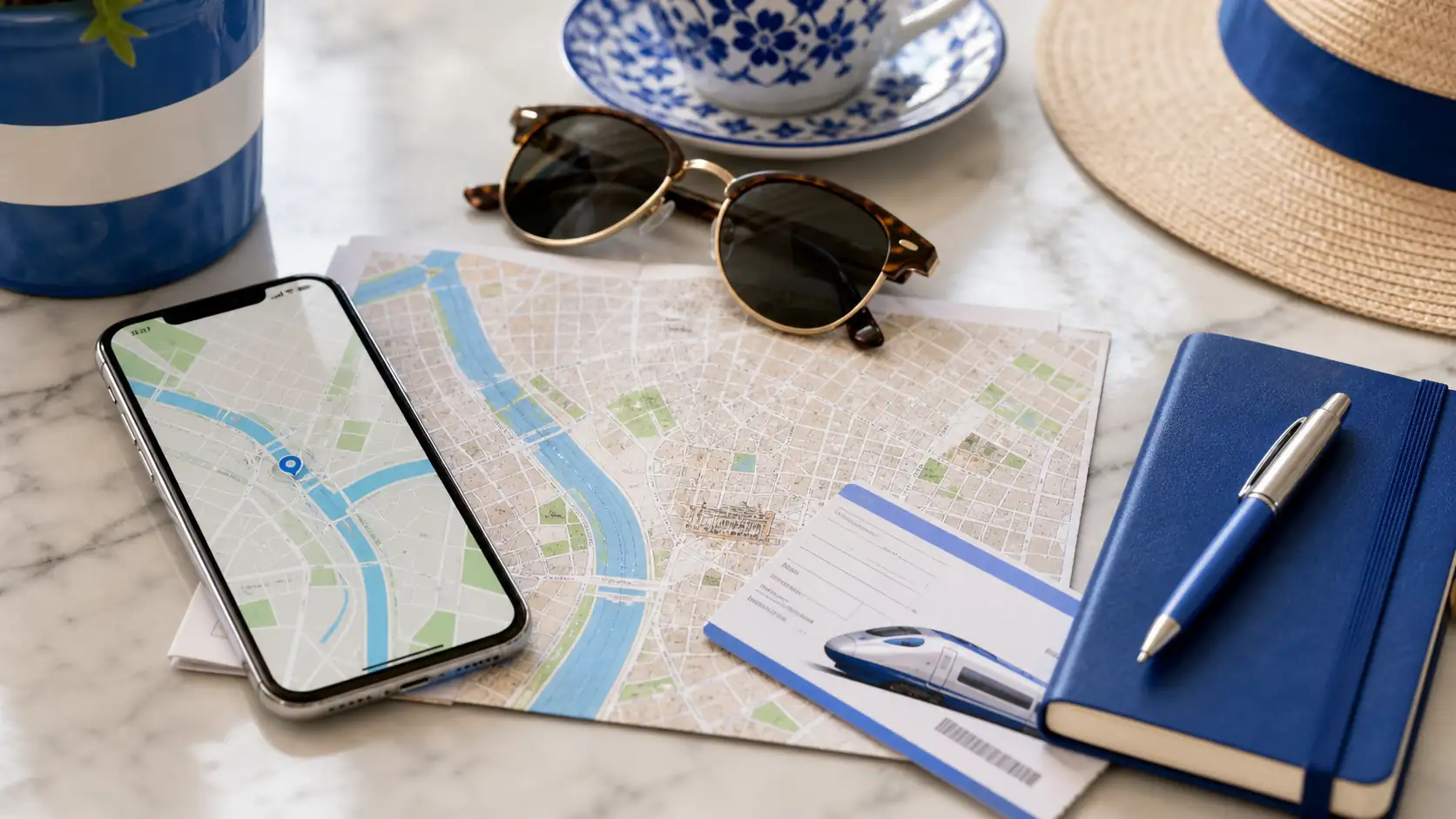
Most central sights are walkable, but live maps help when small streets curve unexpectedly. Before arrival, consider setting up an iRoamly travel eSIM so you can check reservations, translate menus, and use transport apps without hunting for Wi-Fi.
3. Where to Stay
First-timers usually do well near Santa Cruz, El Arenal, or the Cathedral area for easy walking. Triana is better if you prefer evenings with a local feel and do not mind crossing the river for the main monuments.
Simple rule: Book the Alcazar first, build the old-city day around it, and leave one flexible evening for tapas or a viewpoint.
FAQ
1. How many days do you need in Seville?
Two full days covers the Alcazar, Cathedral, Plaza de Espana, Triana, and tapas at a steady pace. Three days is better if you want a day trip, flamenco, or more time for food and neighborhoods.
2. Is Seville walkable?
Yes, the main visitor areas are very walkable. The challenge is not distance but heat, uneven streets, and pacing, so comfortable shoes and midday breaks matter.
3. Should I book attractions in advance?
Book the Real Alcazar in advance whenever possible. For the Cathedral, booking ahead is also helpful during busy periods, holidays, and weekends.
4. What should I avoid in Seville?
Avoid packing every monument into one hot afternoon, eating only beside the most crowded plazas, and leaving timed tickets until the day of arrival.
5. Is Seville good for solo travelers?
Yes. The center is active, food is easy to enjoy in small portions, and most major sights are close together. Solo travelers should still keep normal city awareness at night.
Final Thoughts
The best things to do in Seville Spain combine royal architecture, Cathedral views, tiled plazas, tapas, Triana evenings, and enough slow time to feel the city’s pace.
If your trip is short, prioritize the Alcazar, Cathedral, Plaza de Espana, and one good evening across the river or around a tapas route. If you have longer, add a day trip or a quieter palace instead of rushing through more sights.
Plan around heat, book the most important tickets early, and leave space for wandering. Seville is at its best when the practical details are handled and the day still has room to surprise you.