
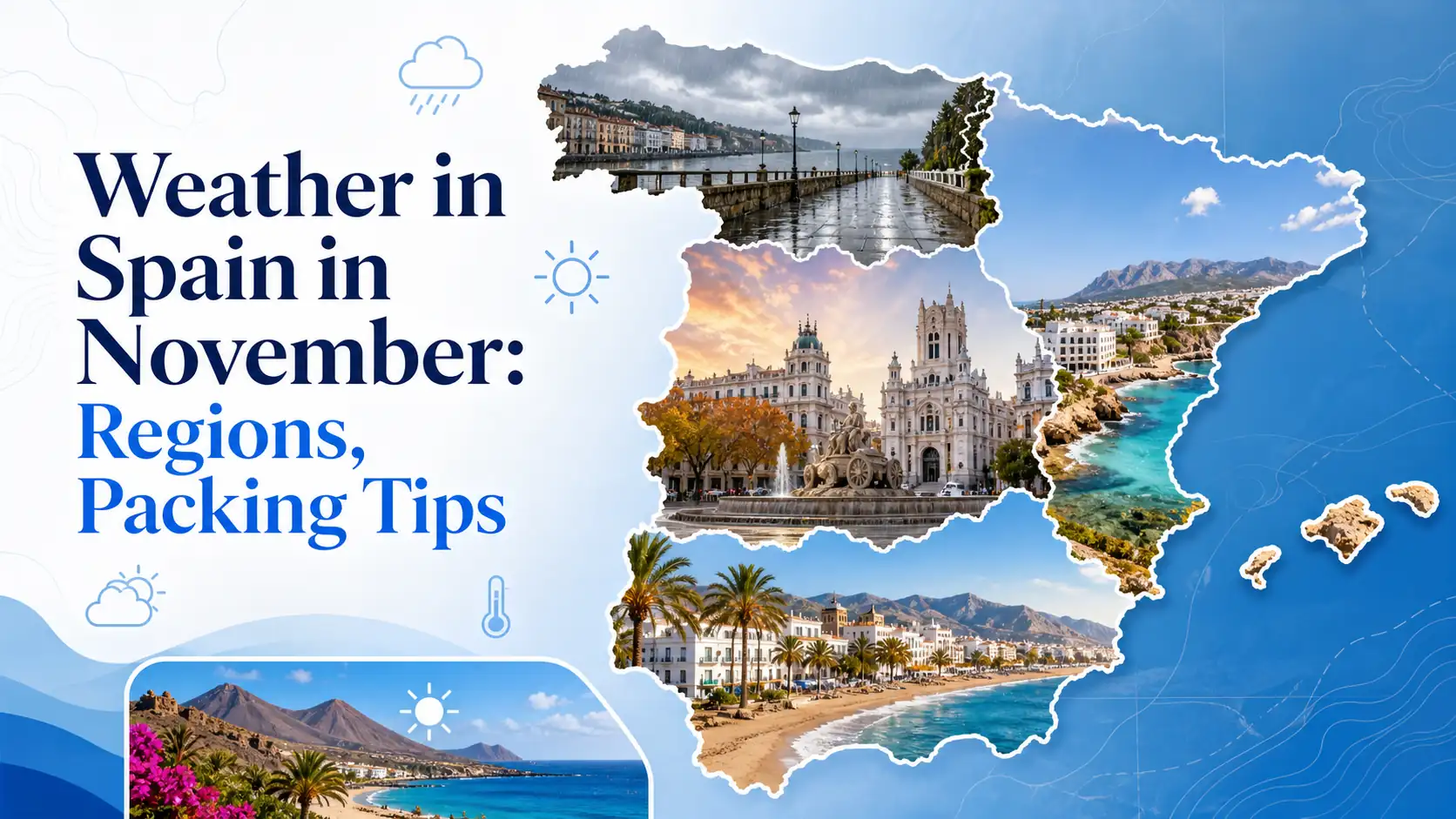
Weather in Spain in November is not one simple forecast because Spain changes fast by region. Madrid can feel crisp and autumnal, Valencia and Barcelona are milder, Andalusia still has bright afternoons, the north is wetter, and the Canary Islands remain the best bet for warm sun.
For travelers, November is a shoulder-season month with real advantages: fewer crowds than summer, better museum and city-walking weather, and lower pressure around reservations. The tradeoff is that you need layers, a rain plan, and realistic expectations about beach swimming.
This guide explains what the weather usually feels like, how major regions compare, what to pack, and where to go depending on whether you want culture, warmth, food, hiking, or a quieter city break.
What November Feels Like Across Spain
November in Spain feels like late autumn, but not everywhere in the same way. Inland cities cool down at night, Mediterranean cities stay gentler, southern cities can still feel pleasantly warm at midday, and the Atlantic-influenced north gets more frequent rain.
If you are planning a first trip, think in regions rather than one national average. The same suitcase that works for Seville may feel light in Madrid at night and underprepared in Bilbao rain.
Region | Typical November Feel | Best Trip Style |
|---|---|---|
Central Spain | Crisp days, cold evenings, less coastal humidity | Museums, plazas, food, day trips |
Mediterranean coast | Mild, sometimes rainy, generally comfortable for walking | City breaks, markets, sea walks |
Andalusia | Bright afternoons, cool mornings, some autumn rain | Culture, tapas, architecture, slower sightseeing |
Northern Spain | Green, damp, changeable, often rainy | Food, coastal towns, cozy city breaks |
Canary Islands | Mild to warm, usually the sunniest winter choice | Beach, hiking, winter-sun escape |
The month is especially good for travelers who prefer comfortable sightseeing over hot weather. If swimming and long beach days are essential, choose the Canary Islands or go with flexible expectations on the mainland.
November Temperatures by Major City
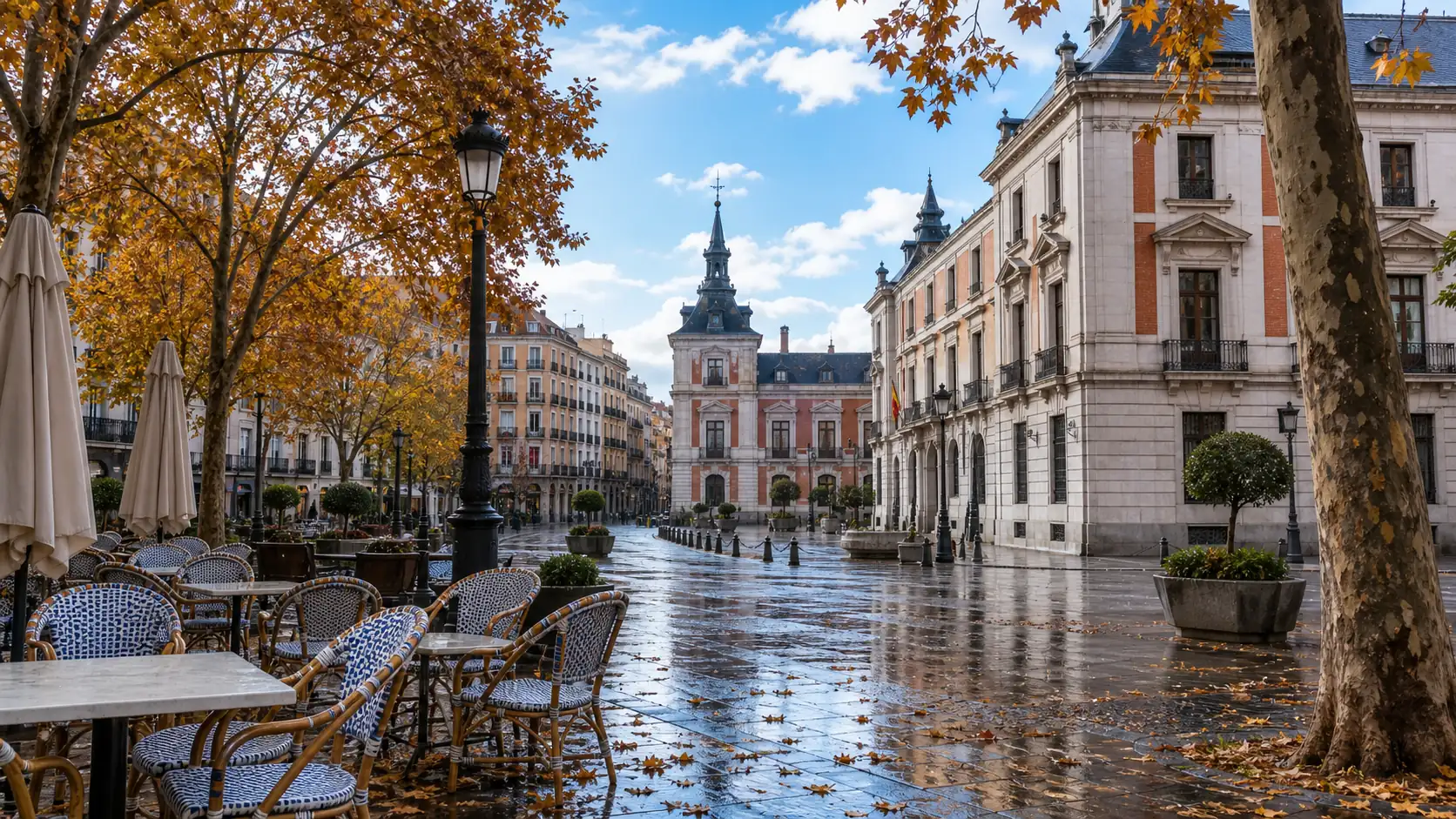
Official climate normals from AEMET show how different Spanish cities feel in November. The numbers below use monthly mean temperature, average daily high and low, rainfall, and average rainy days where available from station normals.
Use exact numbers as a planning baseline, not a promise for your specific week. November can swing warmer or colder depending on the weather pattern.
City Station | Mean Temp | Avg High / Low | Rain | Rain Days |
|---|---|---|---|---|
Madrid Retiro | 9.9°C / 50°F | 13.5°C / 6.3°C | 58 mm | 6.5 days |
Valencia | 15.3°C / 60°F | 19.8°C / 10.8°C | 47 mm | 4.3 days |
Barcelona Airport | 13.0°C / 55°F | 17.3°C / 8.6°C | 59 mm | 5.1 days |
Seville Airport | 15.1°C / 59°F | 20.2°C / 10.0°C | 91 mm | 6.4 days |
Málaga Airport | 15.7°C / 60°F | 20.1°C / 11.3°C | 100 mm | 5.6 days |
Bilbao Airport | 12.4°C / 54°F | 16.6°C / 8.1°C | 147 mm | 12.7 days |
For the latest station tables and current forecasts, check AEMET climatological values before finalizing packing or outdoor plans.
Rain, Daylight, and Sea Conditions
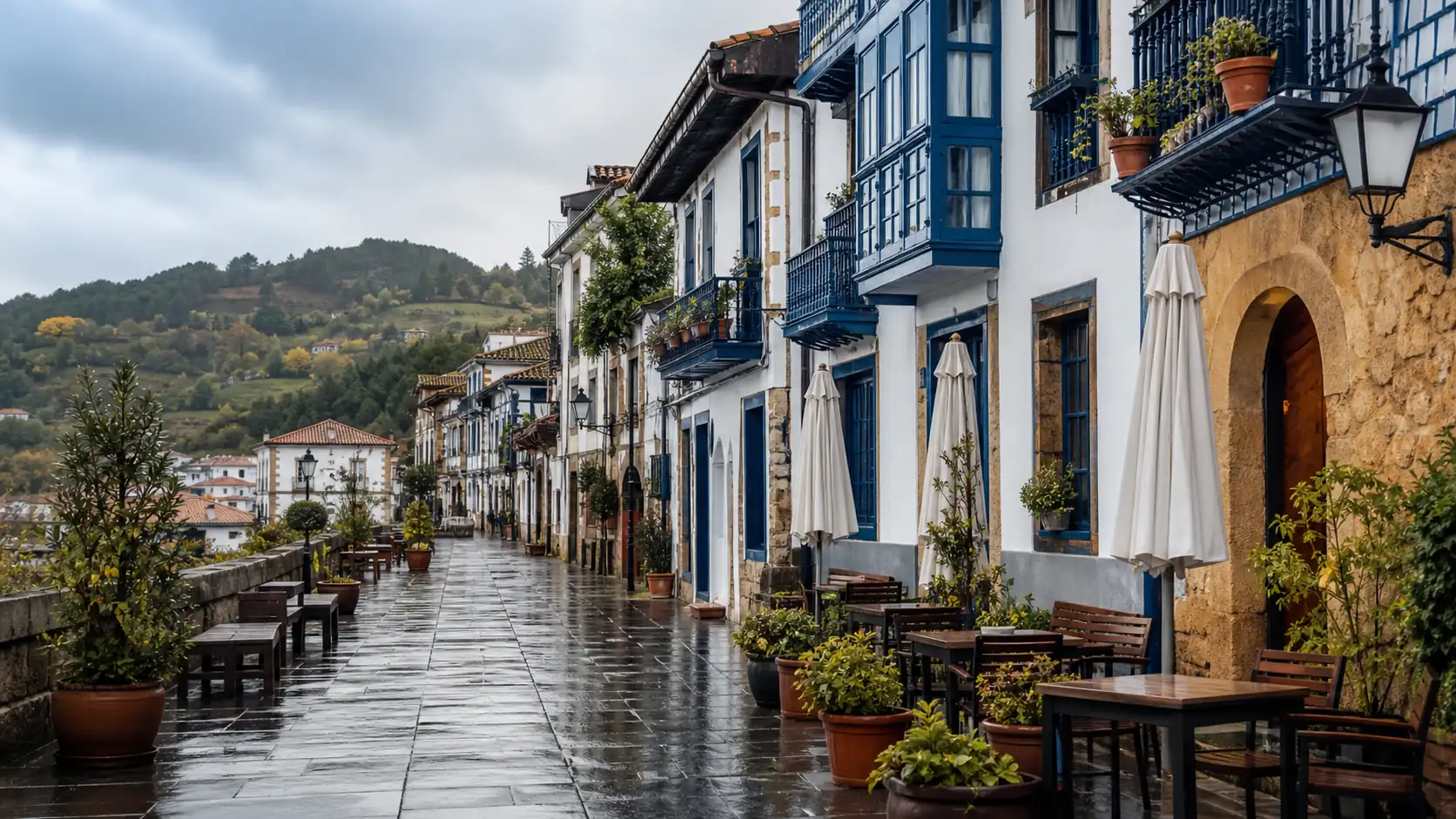
Rain is the biggest November variable. Northern Spain is the most reliably wet, while Mediterranean and southern cities may have fewer rainy days but can still get heavy autumn showers. The Costa del Sol, for example, can be mild and bright but still has a wetter month than many visitors expect.
How Rain Changes Your Plans
Rain usually matters less for cities than for beach or hiking trips. Madrid, Barcelona, Bilbao, Seville, Valencia, and Malaga all have strong indoor alternatives, but cliff walks, mountain routes, and boat trips need backup plans.
City travelers: Keep museums, markets, churches, galleries, and long lunches as flexible options.
Road trippers: Avoid planning every scenic viewpoint for one fixed day.
Beach travelers: Treat mainland beach time as a bonus, not the backbone of the itinerary.
Daylight and Evenings
Days are shorter in November, so put outdoor views, walks, and photo stops earlier in the day. Evenings can be excellent for tapas, flamenco, theater, and neighborhood wandering, but bring a layer once the sun drops.
Sea temperatures are generally past their summer comfort point on the mainland. Some people still swim, especially in the south on sunny days, but most travelers will enjoy the coast more for walking, food, and views.
Best Places to Visit in November
The best November destination depends on your weather tolerance. If you want warm daylight, go south or to the islands. If you want culture and lower crowds, Spain's big cities are excellent.
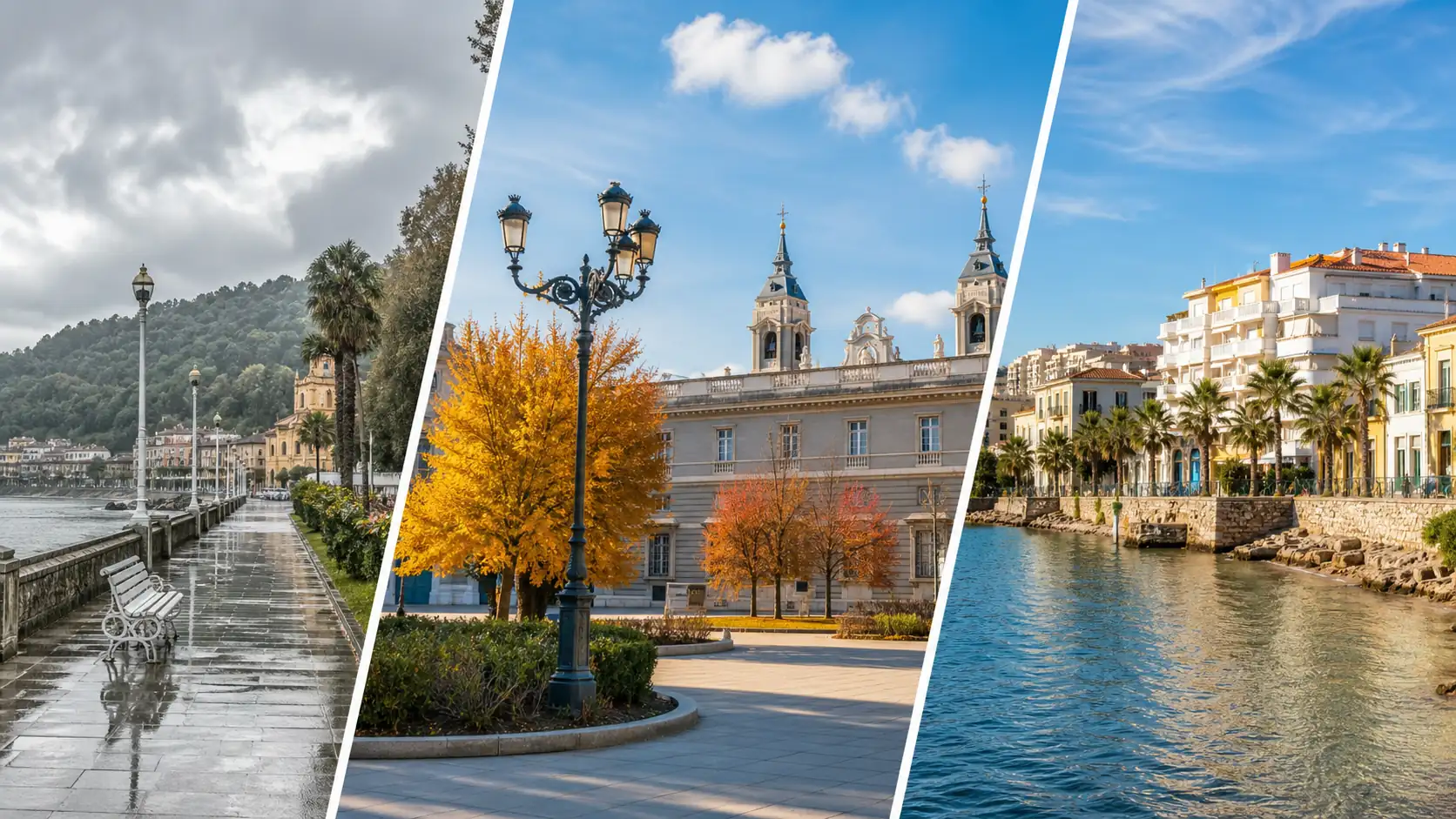
1. Madrid for Museums and Day Trips
Madrid is cool but very rewarding in November. The Prado, Reina Sofia, Royal Palace area, Retiro, food markets, and day trips to Toledo or Segovia fit the season well.
Best for: Art, food, architecture, and travelers who do not mind jacket weather.
2. Seville and Granada for Softer Light
Andalusia can still offer beautiful afternoons without summer's intense heat. Seville, Cordoba, Granada, and Malaga all work well, though you should keep rain flexibility.
Planning note: Book major monuments ahead where required, and do outdoor viewpoints before dusk.
3. Valencia and Barcelona for Coastal City Breaks
Valencia and Barcelona can be comfortable for city walking, markets, architecture, and sea views. They are not guaranteed beach destinations in November, but they are excellent mixed-interest cities.
Good balance: Pair museums or food tours with waterfront walks instead of depending on swimming.

4. Bilbao and San Sebastián for Food
The north is wetter, but that is part of the atmosphere. Pintxos, galleries, coastal views, and green landscapes suit travelers who pack properly and enjoy cozy evenings.
What to bring: A compact umbrella, waterproof shoes, and patience for shifting skies.
5. Canary Islands for Winter Sun
If warmth is the priority, the Canary Islands are the clearest November choice. Tenerife, Gran Canaria, Lanzarote, and Fuerteventura can combine beaches, volcanic landscapes, and hiking.
Traveler scenario: Choose the islands if your trip goal is sun and outdoor time rather than mainland museums and cities.
What to Pack for Spain in November

Layers matter more than heavy winter gear for most visitors. You need to handle sunny afternoons, cool evenings, indoor heating differences, rain, and lots of walking.
Core Packing List
Light jacket or trench: Useful in most cities and easy to layer.
Sweater or fleece: Important for Madrid, northern Spain, and evenings.
Comfortable walking shoes: Choose water-resistant shoes if visiting the north.
Compact umbrella: Especially useful for Bilbao, Galicia, Barcelona, and Andalusia showers.
Sunglasses: Still useful in the south, islands, and bright city afternoons.
Phone data plan: Maps, rain radar, ticket apps, and restaurant searches are daily tools.
Connectivity for Weather Changes
November plans change quickly when rain, wind, or shorter daylight shifts your route. Having mobile data helps you check local forecasts, switch museum times, book taxis, translate notices, and find nearby restaurants. A travel eSIM from iRoamly can be useful if you want data ready before arrival.
Pack for movement, not just temperatures. Spain trips usually involve stairs, cobblestones, transit, train stations, and long meal stops where you may want to look tidy without carrying bulky luggage.
How to Build a November Itinerary
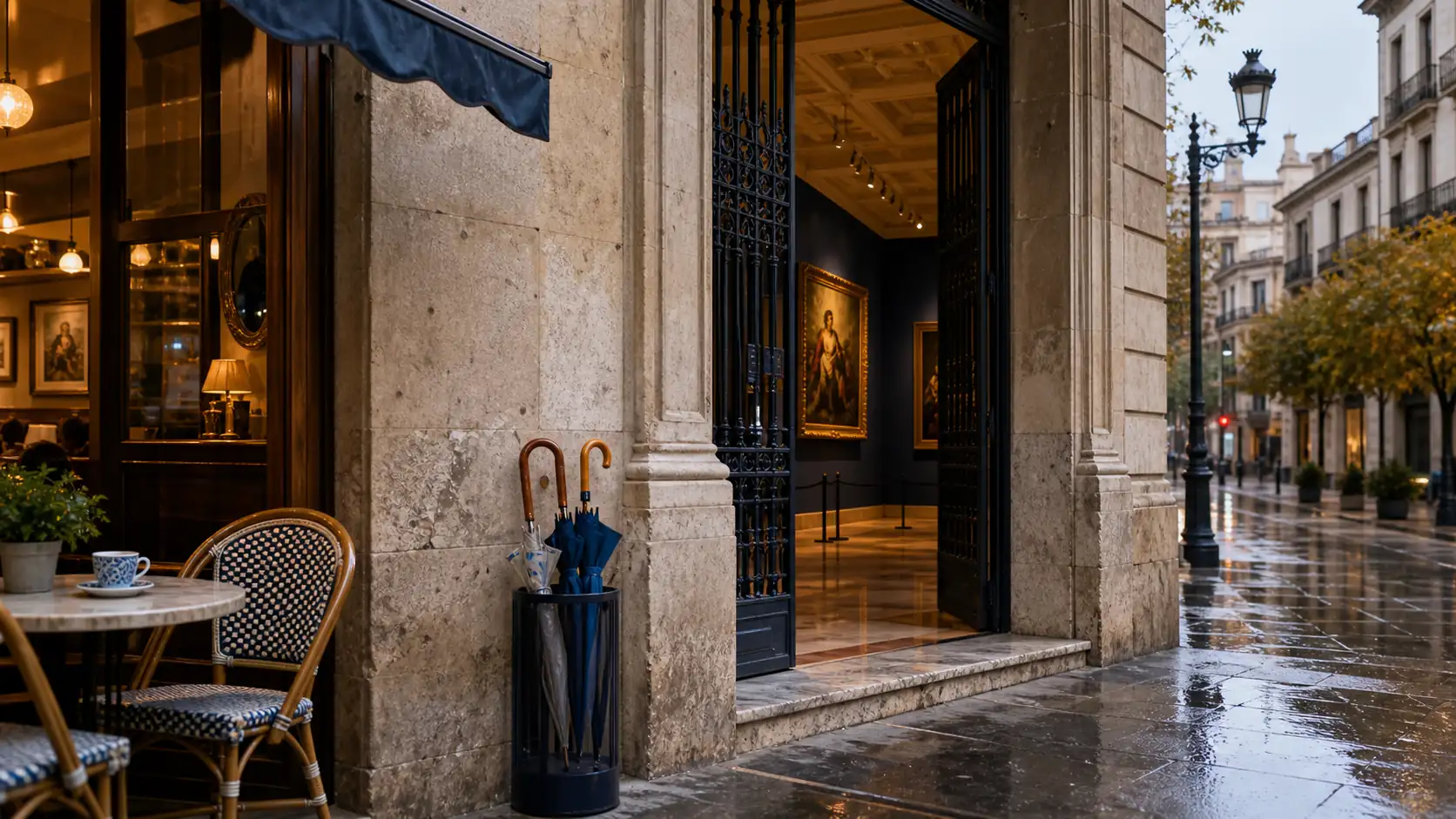
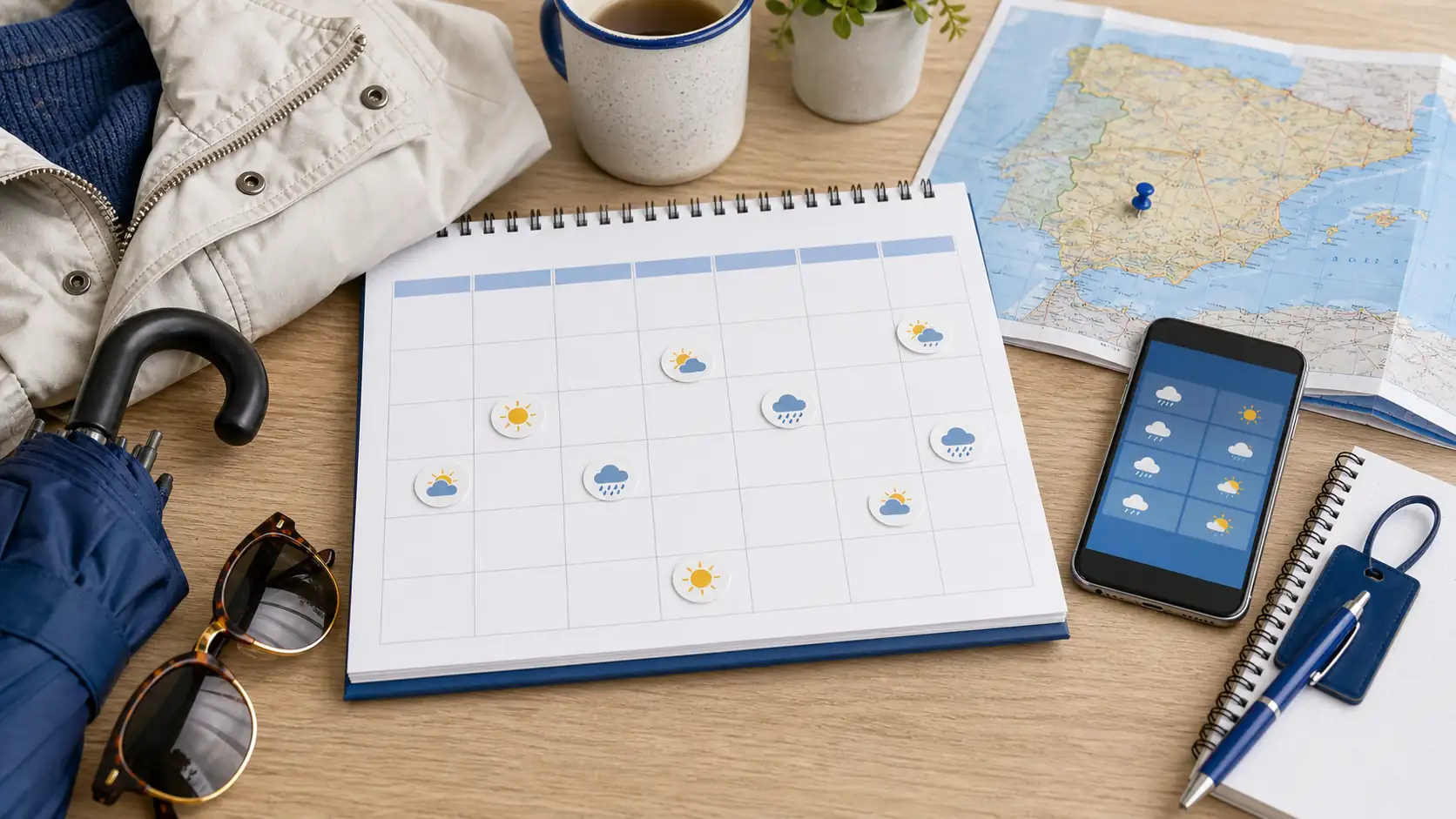
A good November itinerary keeps the most weather-sensitive activity flexible. Put your highest-priority outdoor plan early in the stay, then hold an indoor alternative for any wet day.
For a City-Focused Trip
Madrid, Barcelona, Valencia, Seville, and Bilbao all work well in November. Plan one major morning sight, one food or neighborhood block, and one indoor fallback each day.
For a Warmth-Focused Trip
Start with Andalusia or the Canary Islands. Mainland southern Spain can still be rainy, so choose cities with strong cultural backups rather than relying only on beaches.
For a Multi-City Trip
Do not cross too many climate zones unless you enjoy packing complexity. Madrid plus Andalusia, Barcelona plus Valencia, or Bilbao plus San Sebastián are cleaner pairings than trying to cover the whole country.
Check forecast trends a few days before each transfer.
Book flexible train times where cost allows.
Put sunrise, sunset, and viewpoint plans on clear-weather days.
Keep one open meal slot for bad-weather discoveries.
FAQ
1. Is November a good time to visit Spain?
Yes, if you want culture, food, museums, lower crowds, and comfortable city walking. It is less ideal if your main goal is guaranteed beach weather on the mainland.
2. Is Spain cold in November?
It can feel cold at night inland and in northern areas, but much of coastal and southern Spain remains mild during the day. Pack layers rather than a single heavy winter outfit.
3. Where is warmest in Spain in November?
The Canary Islands are usually the warmest choice. On the mainland, Andalusia and parts of the Mediterranean coast are generally milder than central and northern Spain.
4. Does it rain a lot in Spain in November?
It depends on the region. Northern Spain is often wet, while Mediterranean and southern cities have fewer rainy days but can still get significant autumn showers.
5. Can you swim in Spain in November?
Some travelers swim on warm days, especially in the south or islands, but mainland sea conditions are not reliably comfortable. Plan beaches for walks, seafood, and views unless you choose the Canaries.
6. What should I wear in Spain in November?
Wear layers: long pants, sweaters, a light jacket, comfortable shoes, and a rain layer or umbrella. Add warmer pieces for Madrid, northern Spain, and late evenings.
Final Thoughts
Weather in Spain in November is best understood as regional autumn, not a single national season. Madrid, Valencia, Bilbao, Seville, Malaga, Barcelona, and the Canary Islands can all give you very different trips in the same month.
For most travelers, November is excellent for food, museums, architecture, train travel, and relaxed city breaks. Pack layers, keep rain flexibility, and choose your region according to your real priority: warmth, culture, coast, or greenery.
If you build the trip around flexible days and practical connectivity, November can be one of the most comfortable months to experience Spain without the heat and crowds of high season.