
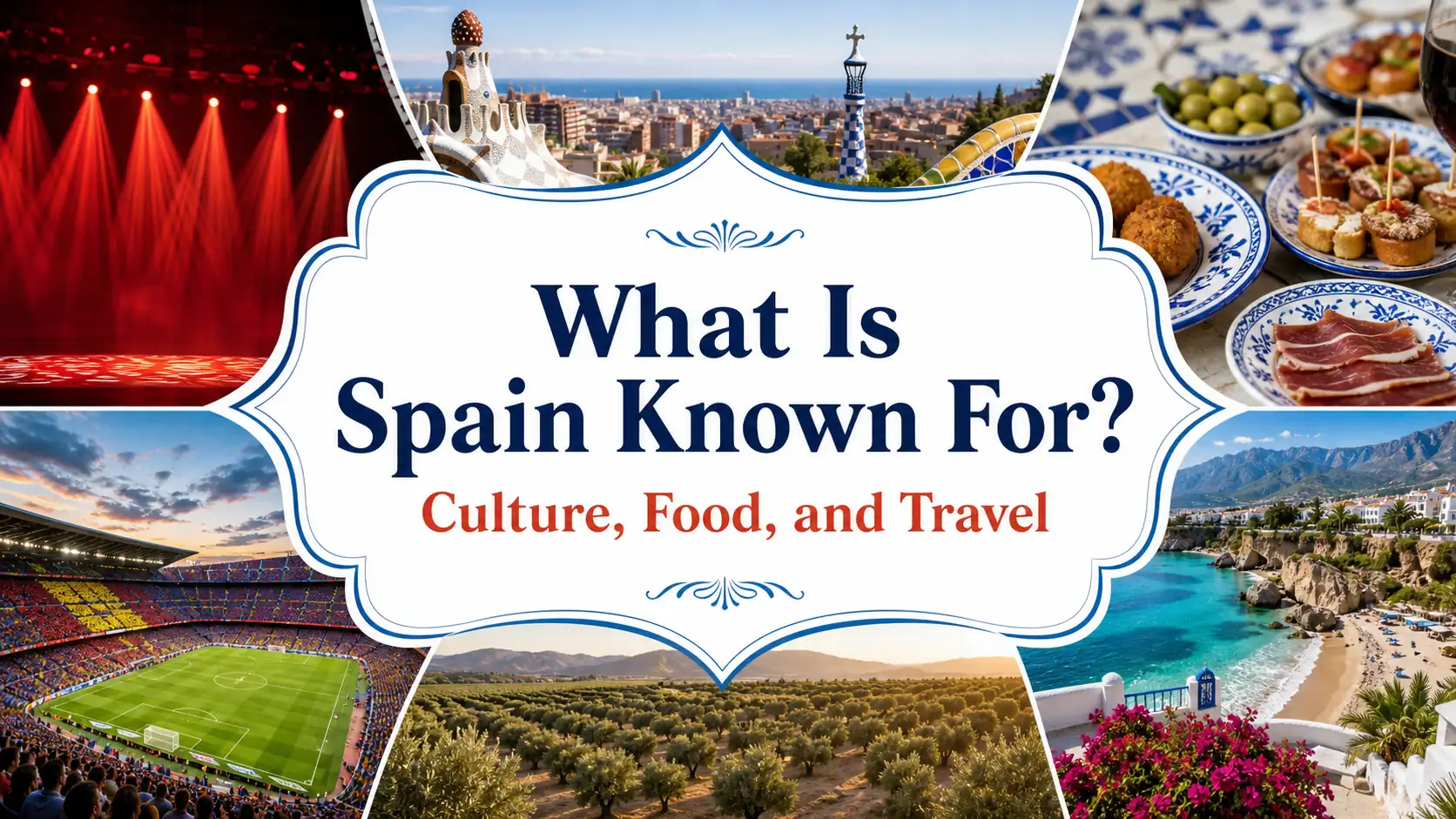
What is Spain known for? Spain is known for layered history, bold regional identities, world-class food, art, football, flamenco, beaches, islands, festivals, and an easy love of public life.
The country's appeal comes from variety: the Spain of Barcelona does not feel exactly like Madrid, Andalusia, the Basque Country, Valencia, Galicia, or the Canary Islands.
This guide explains the things Spain is famous for in a traveler-friendly way, so you can connect the country's image with real places, meals, and experiences.
Food and Shared Meals
1. Tapas and Pintxos
Spain is famous for small plates, but tapas culture changes by region. In Andalusia, tapas may feel casual and traditional; in the Basque Country, pintxos can become a full evening of bar-hopping and careful bites.
Where to try it: Seville, Granada, Madrid, San Sebastian, and Bilbao all make food a central part of the trip.
2. Paella and Rice Dishes
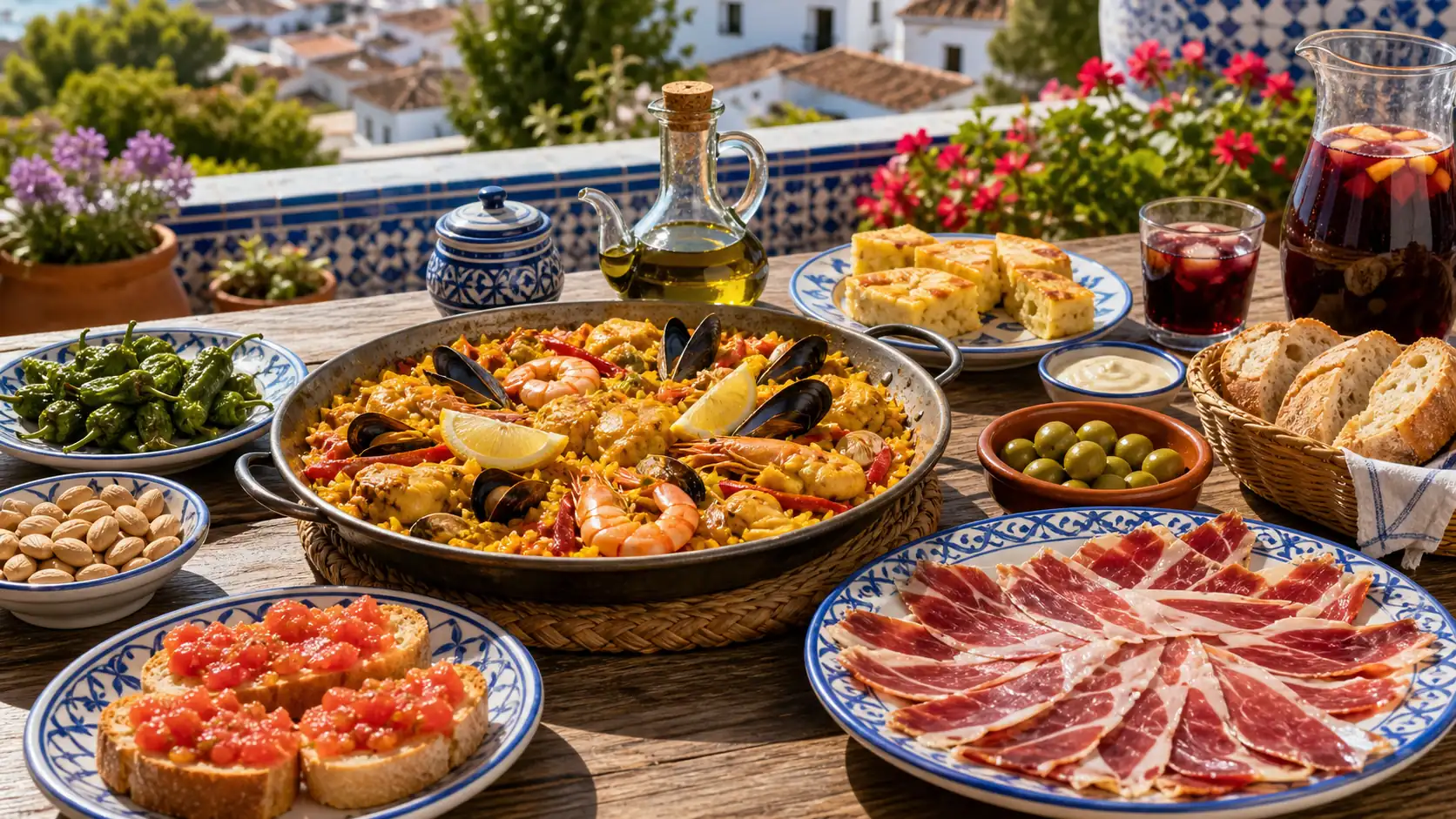
Paella is strongly associated with Valencia, and travelers get more from it when they treat it as a regional rice dish rather than a generic tourist meal. Look for restaurants that cook rice to order and avoid rushed display pans in heavily touristed zones.
3. Olive Oil, Jamon, Seafood, and Market Life
Spain is also known for olive oil, cured ham, seafood, cheeses, seasonal vegetables, and markets. The best meals often feel simple but precise: good ingredients, local timing, and enough patience to eat slowly.
Art, Architecture, and History
4. Gaudi and Modernism
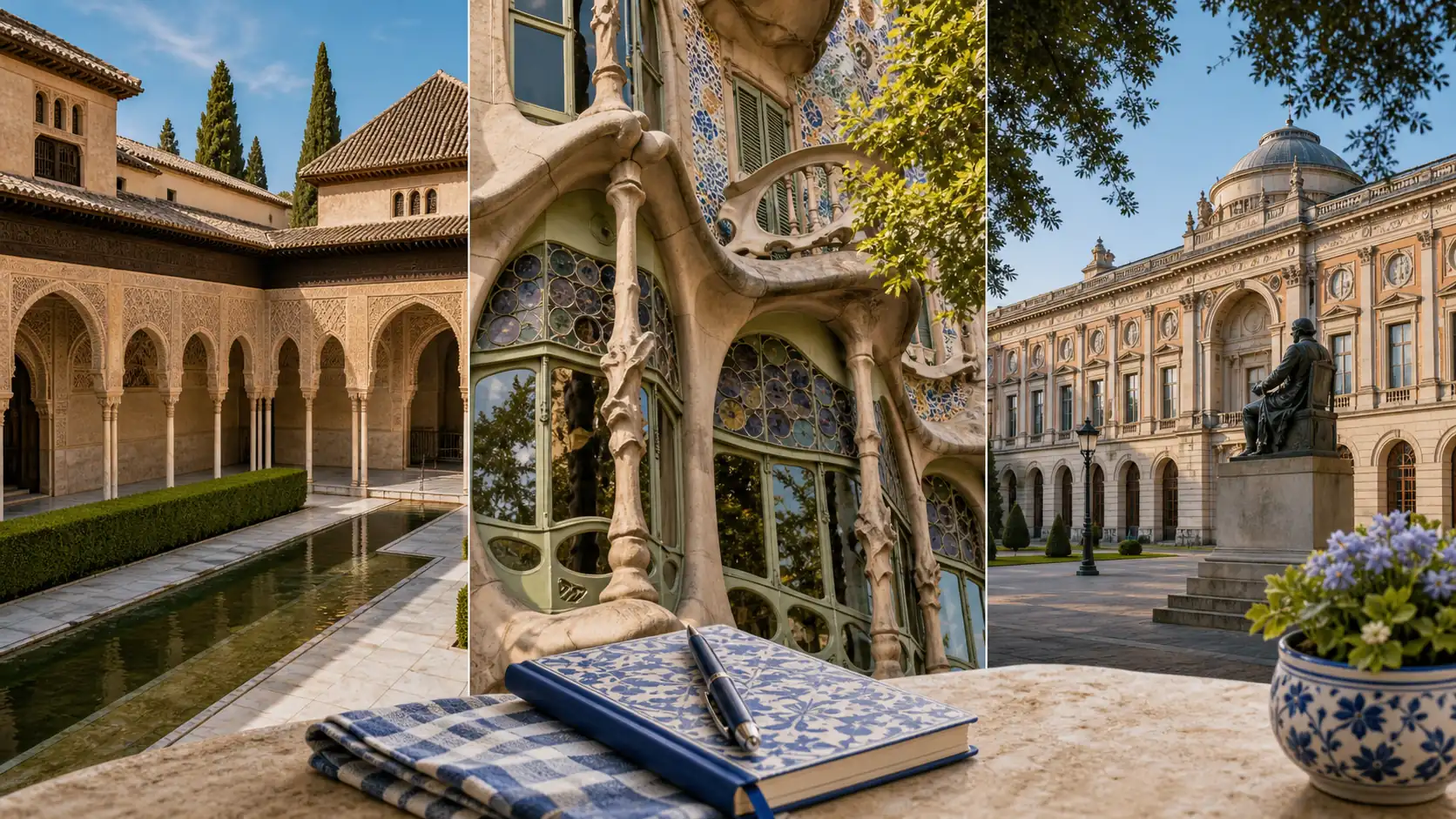
Barcelona's modernist architecture gives Spain one of its most recognizable visual identities. Gaudi's buildings are famous, but the broader Eixample area also shows how architecture shaped city life.
5. Moorish and Andalusian Heritage
Granada, Cordoba, and Seville reveal centuries of cultural exchange through courtyards, arches, gardens, and palaces. These places are central to why southern Spain feels so distinctive.
6. Museums and Masters
Spain is known for artists such as Velazquez, Goya, Picasso, Dali, and Miró, and for museums that make art a major reason to travel. Madrid's Prado and Reina Sofia, Barcelona's museums, and smaller regional collections all add depth.
For a broad official trip overview, Spain's tourism site is useful for exploring Spain travel ideas by destination, experience, and season.
Music, Festivals, and Public Life
7. Flamenco
Flamenco is closely tied to Andalusia and is one of Spain's best-known art forms. A small venue can feel more powerful than a large staged show if you want an intimate introduction.

8. Festivals and Late Evenings
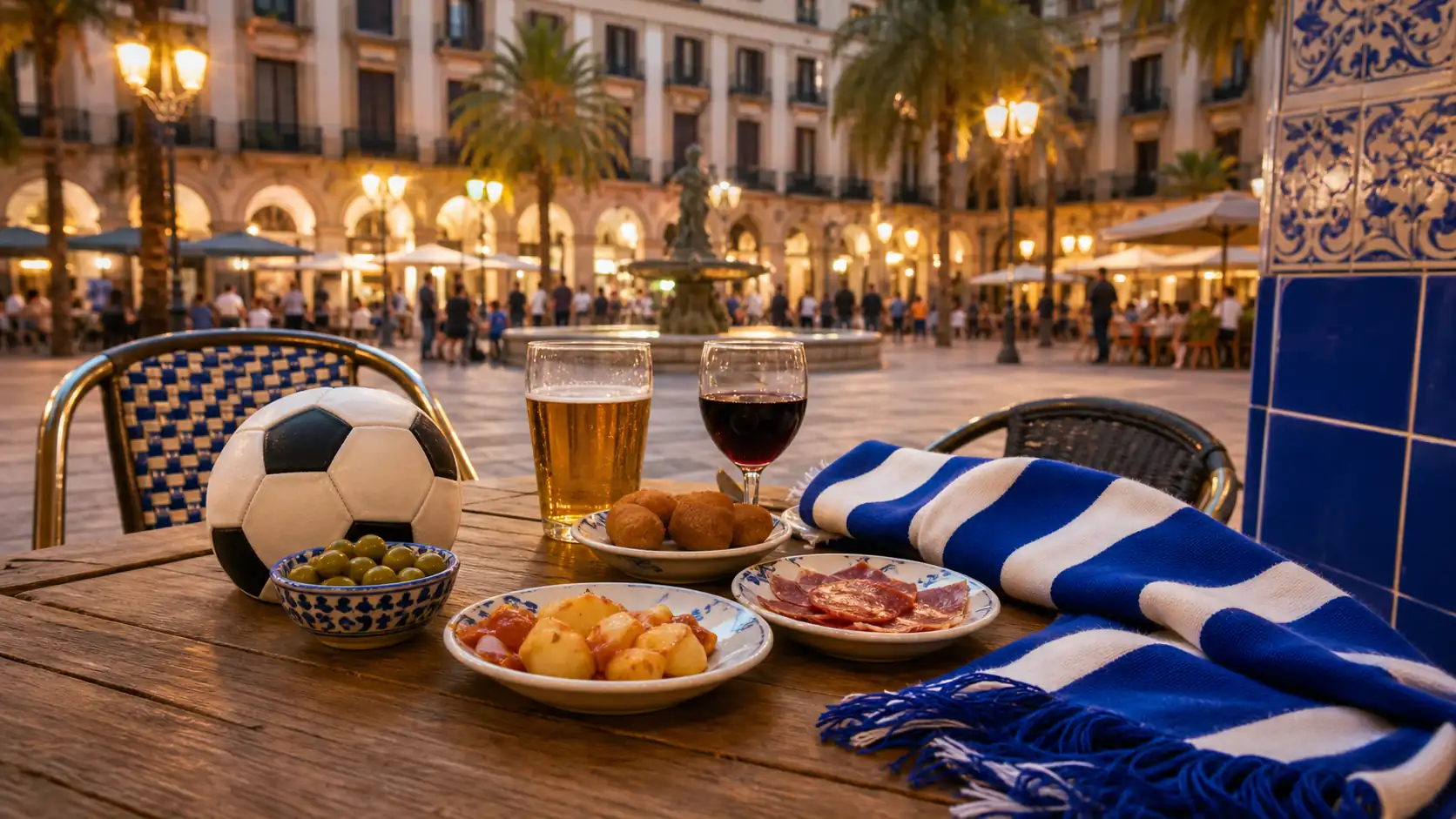
Spain is known for festivals, outdoor gatherings, long dinners, and plazas that stay lively after sunset. Exact festival dates and access rules change, so check local official calendars when planning around a specific event.
9. Football
Football is a major part of Spanish identity, from global clubs to local neighborhood loyalty. Even travelers who do not attend a match can feel the sport's presence in cafes, plazas, and conversation.
Beaches, Landscapes, and Regional Variety
10. Mediterranean Beaches and Islands
Spain is known for beach holidays, but the experience varies from Costa Brava coves to Balearic island calas and Canary Island volcanic shores. Choose by season, water conditions, and the kind of atmosphere you want.
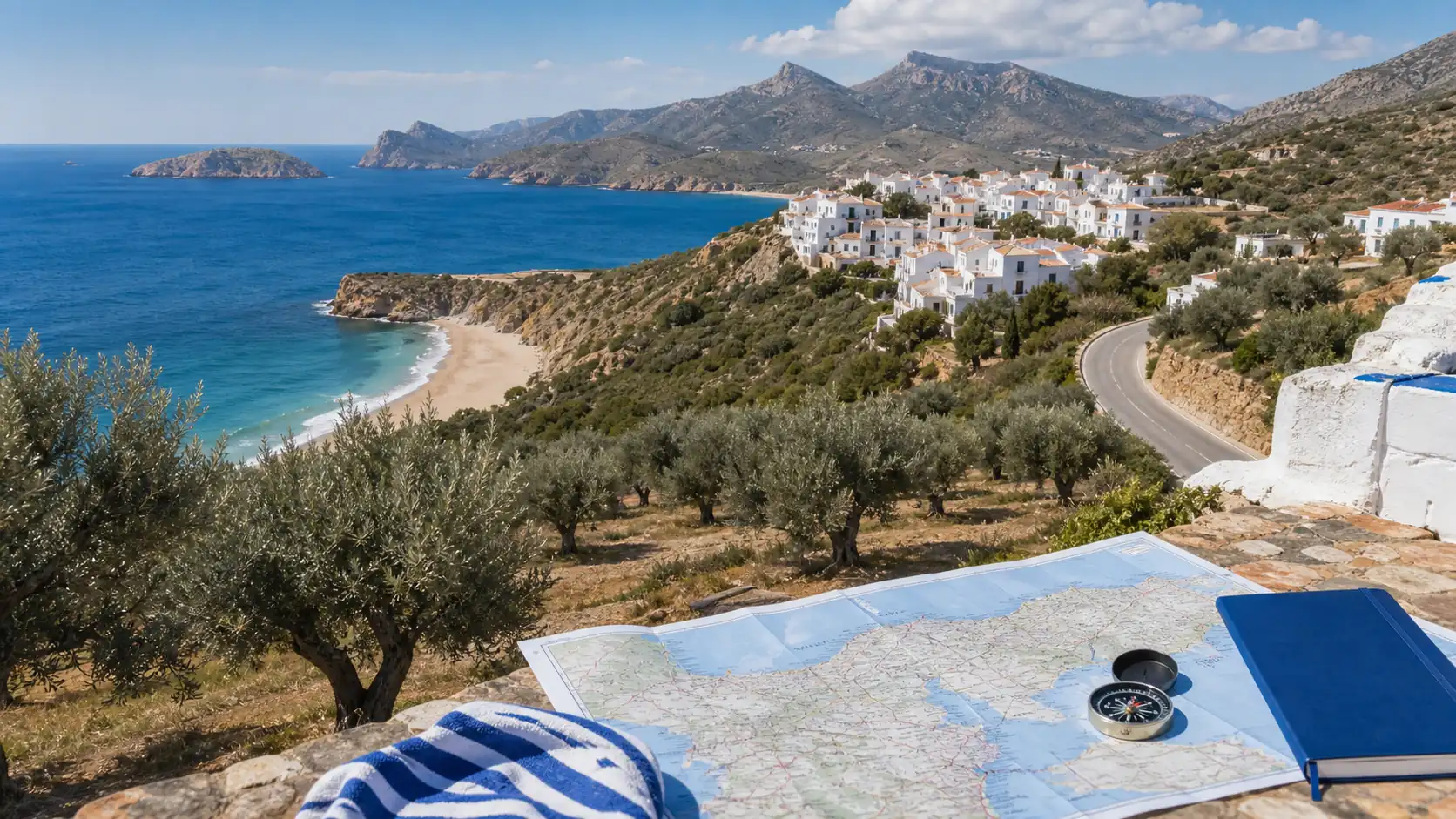
11. Mountains and Countryside
The Pyrenees, Picos de Europa, Sierra Nevada, and inland villages show a quieter Spain beyond city breaks. These areas are ideal if you want hiking, road trips, cooler air, or rural food traditions.
12. Language and Local Identity
Spain is not culturally uniform. Catalan, Basque, Galician, and other regional identities shape language, menus, signs, festivals, and how places feel to visitors.
Reliable data helps when moving between regions, using maps, translating menus, or checking transport. An iRoamly travel eSIM can be useful when you want connectivity from the start of the trip.
FAQ
1. What food is Spain most known for?
Spain is widely known for tapas, paella, jamon, olive oil, seafood, pintxos, tortilla, churros, and regional rice dishes.
2. Is Spain mostly known for beaches?
Beaches are a major part of Spain's image, but cities, art, food, festivals, architecture, and regional cultures are just as important.
3. Where is flamenco most associated with?
Flamenco is most strongly associated with Andalusia, especially cities such as Seville, Granada, Cordoba, and Jerez.
4. Why is Spain famous for art?
Spain is connected to major artists and museums, including Velazquez, Goya, Picasso, Dali, Miró, the Prado, and the Reina Sofia.
5. What makes Spain different from other European countries?
Its regional variety, late dining rhythms, public plaza culture, layered history, food traditions, and mix of beaches, cities, and mountains make it distinctive.
Final Thoughts
Spain is known for many things, but the most memorable trips usually come from noticing how those famous images change by region.
Food, art, architecture, football, beaches, festivals, and local identity all matter, yet none of them tells the whole story alone.
Let Spain's variety guide your itinerary, and the country becomes richer than any single postcard version of it.