
Turkey’s Mediterranean and Aegean coasts range from broad sandy strands to small pebble coves, sheltered lagoons, and beaches beside ancient ruins.
This guide compares the best beaches in Turkey by shore type, access, atmosphere, and traveler fit. A Turkey eSIM can also help with maps, ferry updates, and transport bookings between coastal stops.
Use the quick comparison first, then shortlist beaches that match your route and mobility needs. Conditions, access rules, and opening arrangements can change, so confirm local details shortly before visiting.
How to Choose a Turkish Beach
For warm swimming and the widest range of services, June through September is the main season. May, early June, late September, and October can be calmer, but conditions vary by coast and year.
Do not assume every famous beach has soft sand. Kaputaş, Çıralı, Assos, and parts of the Datça Peninsula can feel pebbly underfoot, while Patara and Cleopatra Beach are better choices for travelers who prioritize sand.
Priority | Strong choices | What to check |
|---|---|---|
Soft sand and space | Patara, Cleopatra Beach | Wind, waves, seasonal facilities |
Calmer water | Ölüdeniz lagoon, Akyaka | Entry zones, afternoon crowds |
Dramatic scenery | Kaputaş, Butterfly Valley | Stairs, boat access, shade |
Nature and conservation | İztuzu, Patara, Çıralı | Nesting rules and restricted areas |
History nearby | Çıralı, Assos, Patara | Walking distance and heat |
Match access and swimming confidence
Cliff coves, long staircases, pebble entries, and boat-only beaches can be difficult for young children or travelers with limited mobility. Favor flatter urban shores or lagoon access, then verify current ramps, toilets, shade, and staffed swimming areas.
Swimming confidence matters separately from scenery. Sheltered water may feel calmer, while exposed sandy beaches can carry stronger wind and waves, so check flags and local conditions again when you arrive.
Mediterranean beaches share the same coastline but offer very different travel experiences. Many of the best beaches in Italy feature island ferries, dramatic cliff-backed coves, and organized beach clubs, while this Turkey shortlist focuses more on road-accessible bays, archaeological settings, and protected turtle beaches. Choosing by beach type, access, and transfer style is often more useful than choosing by country alone.
10 Best Beaches in Turkey
These ten beaches cover distinct experiences rather than repeating the same lagoon under two names. Each entry highlights the practical tradeoff that matters most when planning a day by the sea.
1. Patara Beach
Patara offers a long, open sandy shoreline near Lycian ruins. The official Patara Beach guide explains why the protected landscape and its nesting turtles are central to the experience.
The beach suits travelers who value space, sunset walks, and history more than a compact resort setup. Wind and waves can be stronger than in a lagoon, and visitors should follow posted conservation zones and closing arrangements.
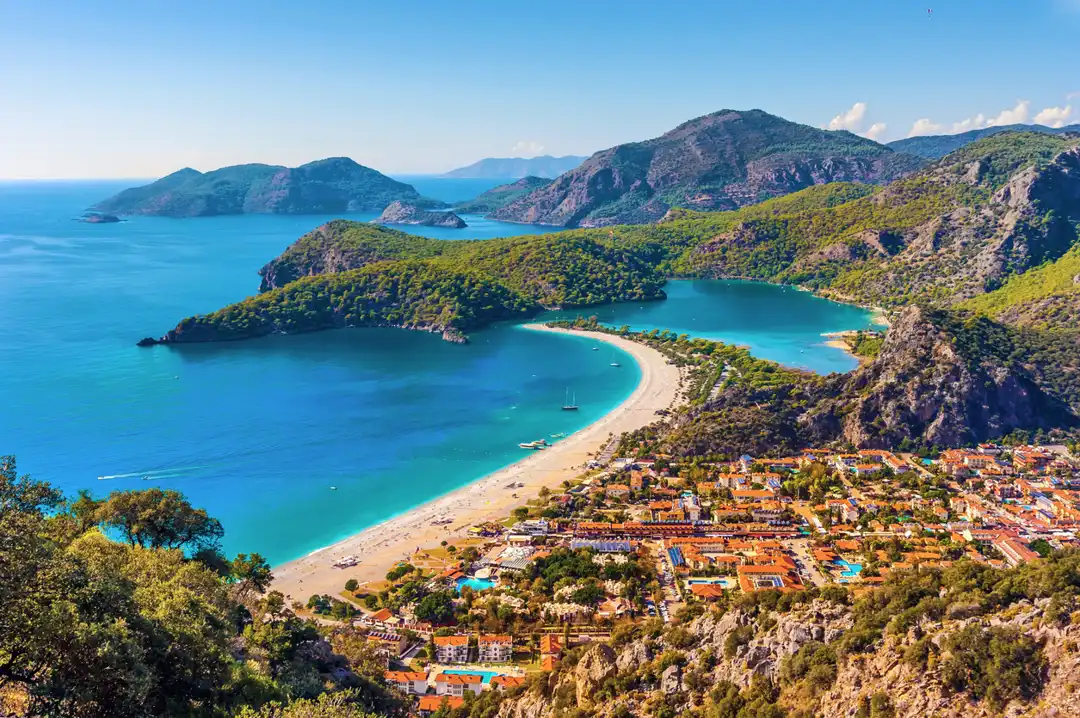
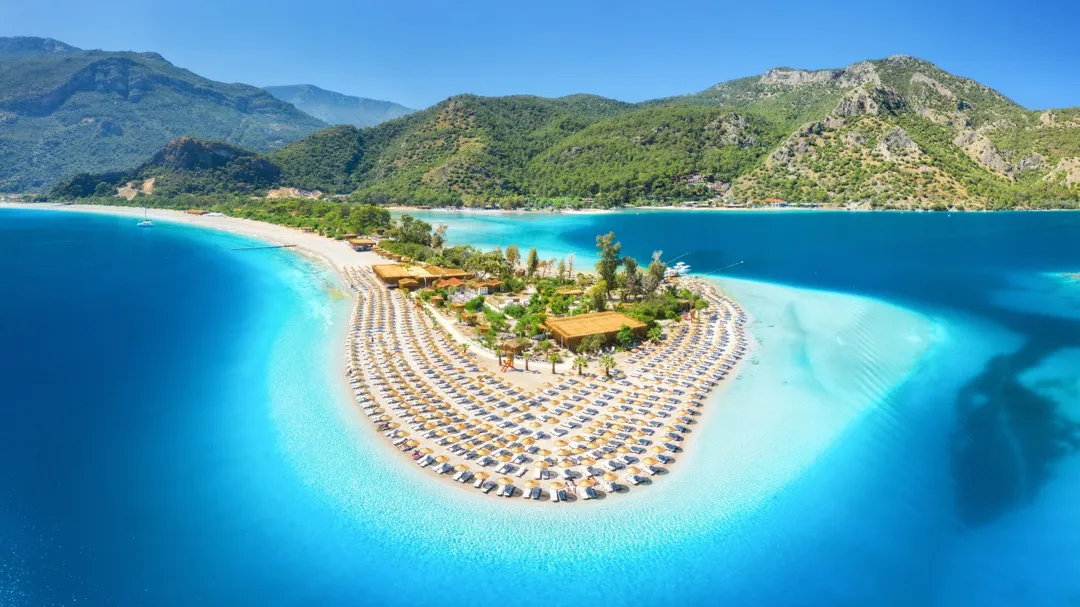
2. Ölüdeniz Beach and Blue Lagoon
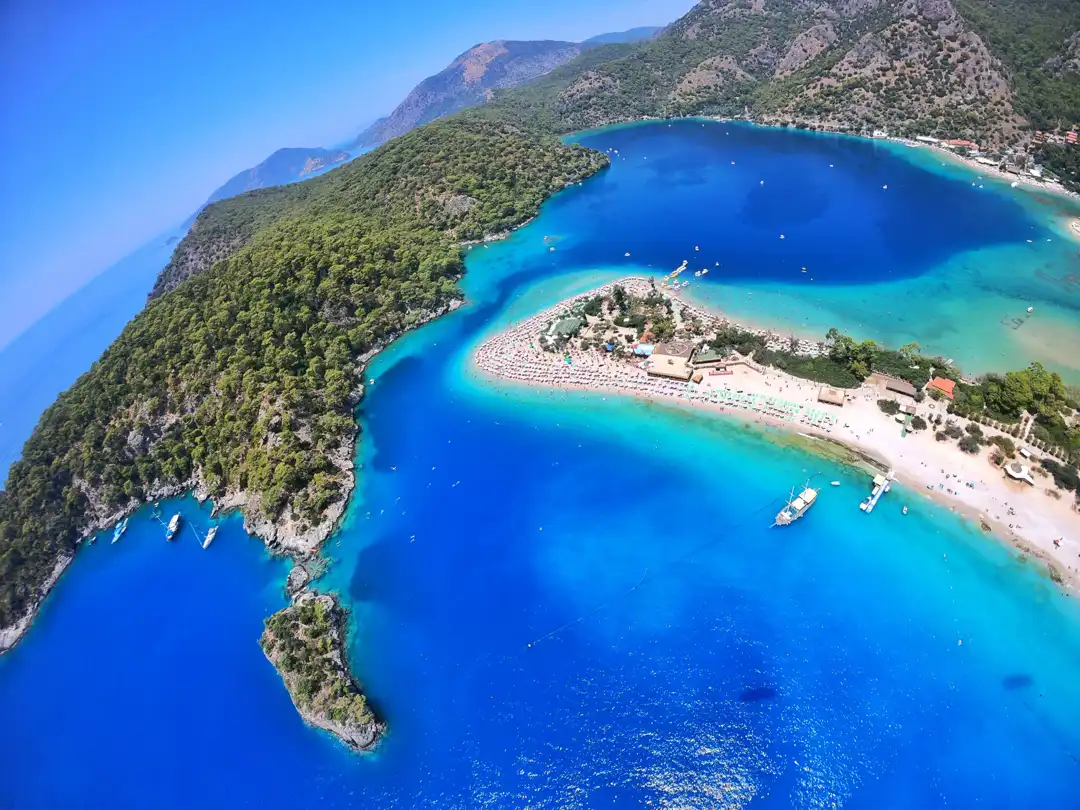
Ölüdeniz combines an open seafront with a sheltered lagoon, mountain scenery, boat trips, and nearby paragliding. GoTürkiye’s Ölüdeniz destination profile provides an official overview of the area.
The lagoon is the stronger choice for calmer water, while the main beach feels more open. Both are extremely popular in summer, so arrive early and verify current entry, parking, and protected-area arrangements.
3. Kaputaş Beach
Kaputaş is a compact turquoise cove between Kaş and Kalkan, reached from the coastal road by a long staircase. Its cliff setting makes it photogenic, but the limited footprint means summer crowds can build quickly.
Choose Kaputaş for a scenic swim rather than an all-day resort experience. Pack lightly, wear footwear suitable for steps and hot surfaces, and check sea conditions before entering the water.
4. İztuzu Beach
İztuzu is a sandy barrier beach near Dalyan and an important nesting area for loggerhead turtles. The Dalyan conservation report documents the protected setting and ongoing turtle work.
Visit for a nature-focused beach day and respect every marked nest, access boundary, and local instruction. Transport may involve a road journey or a boat connection from Dalyan, so check the final return time before setting out.
5. Cleopatra Beach, Alanya
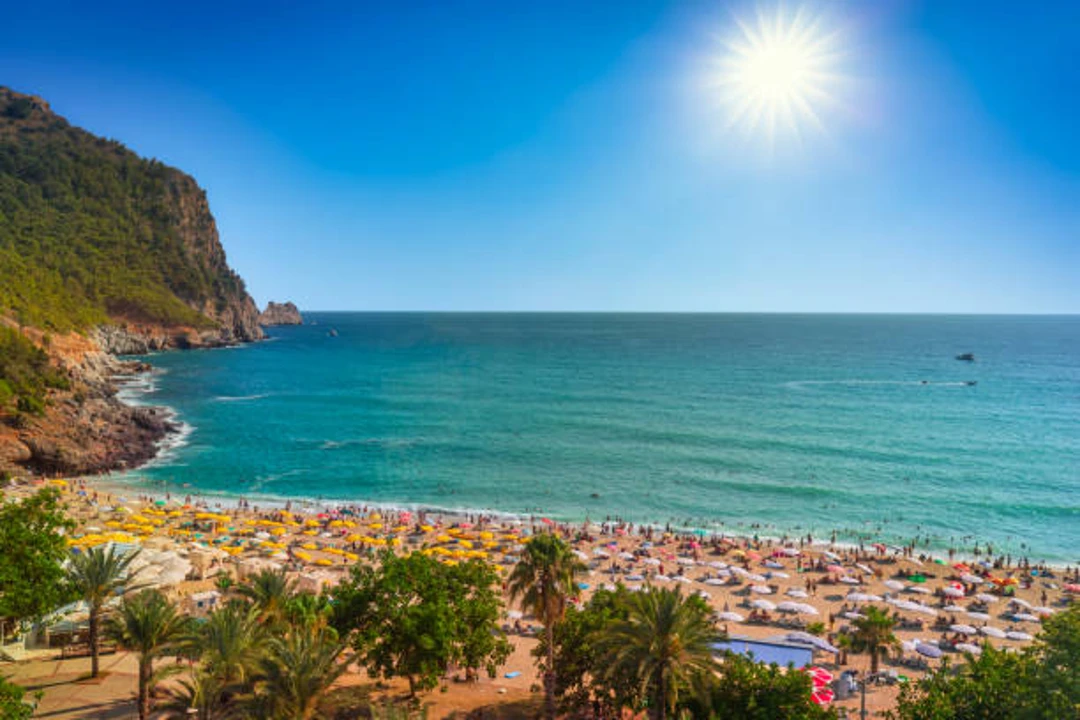
Cleopatra Beach is a broad urban beach with sand, clear water, and easy access to Alanya’s restaurants and sights. It works well for travelers who want facilities close at hand rather than an isolated cove.
The shore can become lively in peak season, and the water may deepen faster in some areas. Check flags and local conditions, especially when traveling with children or less-confident swimmers.
6. Butterfly Valley
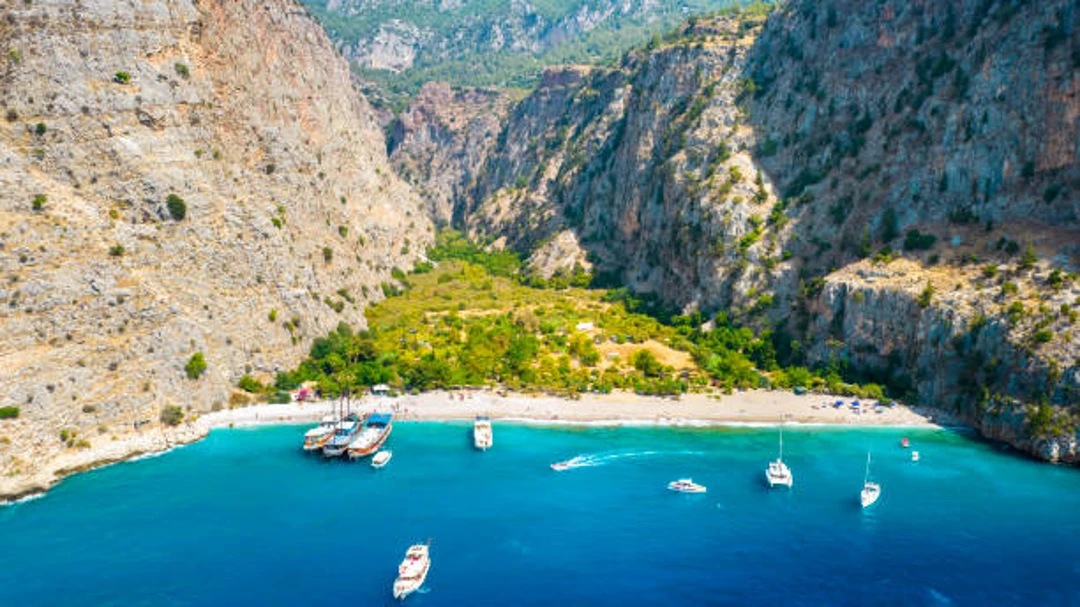
Butterfly Valley sits below steep cliffs and is most commonly reached by boat. The setting feels remote, but visitors should plan around boat schedules, limited shade, uneven ground, and basic facilities.
It is best for scenery and a short adventure, not for travelers who need step-free access or extensive services. Never attempt an unofficial cliff descent; use an established boat connection and follow local safety instructions.
7. Çıralı Beach
Çıralı offers a quieter, pebbly shoreline near the ruins of Olympos and the flames of Chimaera. Small pensions and low-rise businesses give it a more relaxed character than the larger Antalya resorts.
Base yourself here if you want beach time paired with walking and archaeology. For a wider city-and-coast plan, the Antalya Turkey travel guide helps connect Çıralı with regional transport and other stops.
8. Akyaka Beach
Akyaka sits at the head of the Gulf of Gökova, with shallow water near town and wind conditions that attract kitesurfers in designated areas. The riverside setting adds cafés and boat trips beyond a standard beach day.
Families may appreciate the shallower sections, while sports travelers should book reputable instruction and respect separated activity zones. Afternoon wind can change the feel of the beach, so plan swimming time accordingly.
9. Datça Peninsula Bays
Datça is not a single beach but a peninsula of clear-water coves, village beaches, and quieter bays. A car increases flexibility, although winding roads and limited parking make realistic daily distances important.
Choose Datça for a slower multi-day escape rather than a rushed checklist. Compare the regional weather in Turkey, carry water, and pack footwear for pebble shores.
10. Assos and Behramkale Beaches
Assos pairs small pebble beaches with a stone harbor village and the hilltop remains of ancient Assos. The northern Aegean setting is well suited to travelers who want a quieter cultural stop.
The beaches are smaller than those around Antalya or Muğla, so accommodation choice matters. Expect cooler water, uneven surfaces, and a more intimate atmosphere than a large sandy resort.
Build a Practical Coast Route
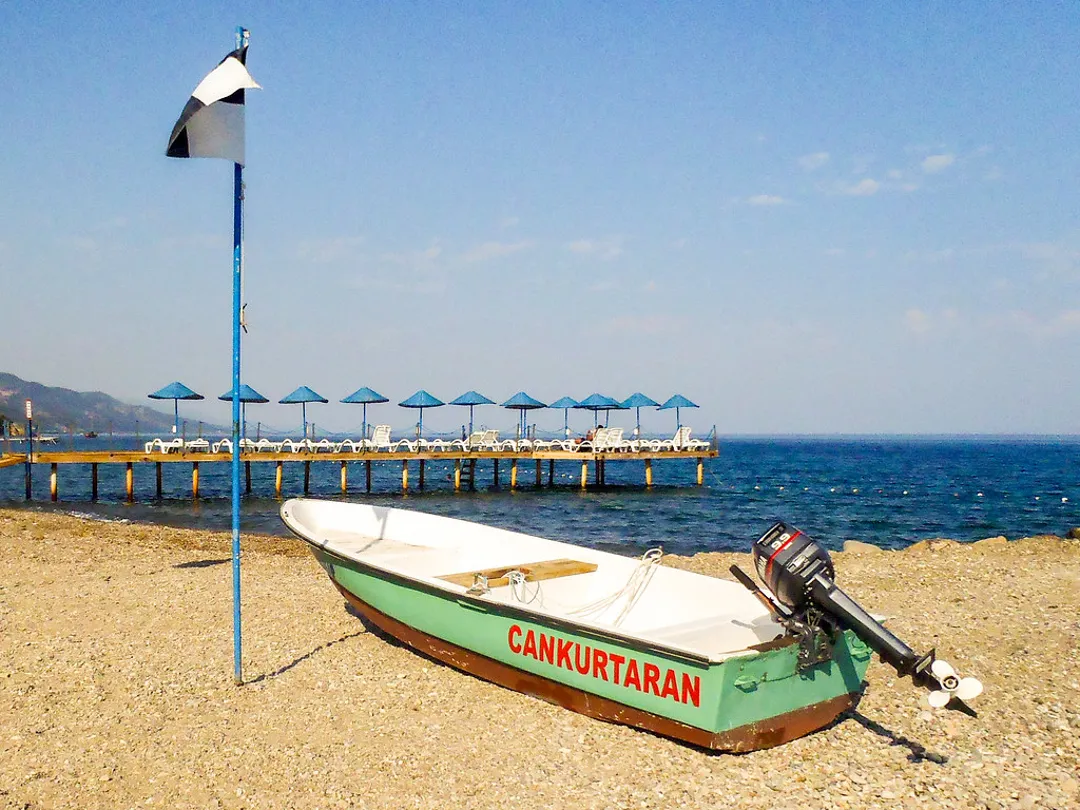
Turkey’s coastline is too long for a sensible one-base beach trip. Group nearby places, allow time for coastal roads, and avoid treating every map distance as a quick transfer.
Route cluster | Good bases | Beach focus | Suggested pace |
|---|---|---|---|
Western Mediterranean | Fethiye, Kaş, Kalkan | Ölüdeniz, Butterfly Valley, Kaputaş, Patara | 4–6 days |
Antalya coast | Antalya, Alanya, Çıralı | Cleopatra Beach, Çıralı, nearby coves | 3–5 days |
South Aegean | Akyaka, Datça, Marmaris | Shallow bays, kitesurfing, quiet coves | 4–6 days |
North Aegean | Ayvalık, Assos, Çanakkale | Pebble beaches and heritage stops | 3–5 days |
If an Aegean resort base and heritage day trips appeal more than remote coves, compare this route with a Kusadasi beach trip. It offers a different balance of beaches, town services, and access to Ephesus.
Build one flexible half-day into a multi-stop coast route. Wind, sea conditions, road traffic, or a protected beach’s current access rules can otherwise turn a tightly sequenced itinerary into missed transfers.
Practical Beach Tips
Carry water, high-SPF sunscreen, a hat, and footwear for pebbles or hot sand. A lightweight dry bag is useful on boat days, while cash can help at smaller kiosks or parking areas.
Save offline maps and booking details before leaving town. iRoamly travel eSIM options are a useful starting point for comparing connectivity before your coastal route.
Swim inside marked areas, follow warning flags, and never cross turtle nesting boundaries. At remote coves, confirm the last boat or minibus and avoid relying on an unverified return connection.
FAQ
1. Which part of Turkey has the best beaches?
The Muğla and Antalya coasts offer the broadest mix of lagoons, sandy beaches, pebble coves, resort services, and scenic coastal routes.
2. Are Turkey’s beaches sandy or pebbly?
Both are common, so check the specific beach and pack water shoes for pebble shores such as Çıralı, Assos, and many Datça coves.
3. What is the best month for a beach holiday in Turkey?
June and September usually balance warm swimming conditions with fewer peak crowds than July and August, though regional weather varies.
4. Are Turkish beaches free to enter?
Many public shores are free, but protected areas, beach clubs, parking, loungers, boats, or facilities may charge separate fees.
5. Can I visit Turkey’s best beaches without a car?
Yes for major resorts and organized boat routes, but a car provides more flexibility for remote coves and multi-stop coastal itineraries.
6. Which Turkish beaches are best for families?
Sheltered sections of Ölüdeniz and shallow areas around Akyaka can suit families, provided adults verify current flags, depth, and facilities.
Conclusion
The best Turkish beach is the one that matches your preferred shore, access level, atmosphere, and route. Patara suits sand and open space, Ölüdeniz offers lagoon scenery, and Çıralı or Assos pairs swimming with history.
Plan by coastal cluster instead of trying to cover the entire country. Confirm transport, weather, sea conditions, and conservation restrictions shortly before each visit, especially for boat-only beaches and nesting areas.
With a realistic route and the right footwear, sun protection, and connectivity, Turkey’s varied coastline can support anything from a quiet nature break to a multi-stop beach holiday.