
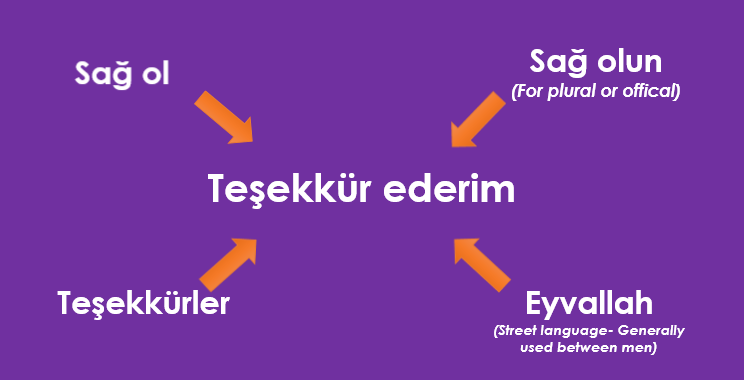
The most versatile way to say “thank you” in Turkish is teşekkür ederim. Teşekkürler is slightly shorter, while sağ ol is warmer and more casual with friends or people you know well.
Choosing the right phrase depends on formality, relationship, and situation. Pronunciation does not need to be perfect, but speaking clearly and matching the other person’s tone makes the expression feel natural.
This guide covers common gratitude phrases, suitable replies, polite ways to decline, and practical etiquette. iRoamly travel eSIM plans can keep translation tools available while you practice in shops, restaurants, and transport settings.
How to Say Thank You in Turkish
Turkish has several gratitude phrases, but beginners only need four to cover most situations. The main choice is between a neutral-polite expression and a warmer form for people you know.
The Turkish alphabet is largely phonetic. The letter ş sounds like “sh,” ü is formed with rounded lips, and ğ usually lengthens the preceding vowel instead of sounding like a hard g. Use the sound guide below as a memory aid rather than an exact substitute for native audio.
The Turkish Language Association dictionary combines current spellings with recorded entries, making it a stronger pronunciation reference than English-style sound approximations.
Phrase | Rough sound | Register | Best use |
|---|---|---|---|
Teşekkür ederim | teh-shehk-KOOR eh-deh-REEM | Neutral-polite | Strangers, service, work |
Teşekkürler | teh-shehk-KOOR-lehr | Neutral | Everyday thanks |
Sağ ol | sah-ol | Casual | Friends and peers |
Sağ olun | sah o-LOON | Respectful or plural | Elders, strangers, groups |
1. Teşekkür ederim – Thank you
When to use:
It’s not as casual as “teşekkürler” but still widely used to say thank you in Turkish.
For the most part, you can use this almost everywhere: at a restaurant, in a store, or even just a random pleasant exchange with a stranger.
Tips:
Using teşekkür alone usually sounds unfinished rather than intentionally rude. In a short exchange, standard Turkish greetings can frame the interaction, followed by teşekkür ederim as the reliable full phrase.

2. Teşekkürler – Thanks / Thank you
When to use:
This is a slightly less formal way of saying “thank you.” It’s appropriate for casual situations, such as with a friend, coworker, or someone you know.
It’s quick and easy and ideal for situations when you don’t need to be super formal.
3. Sağ ol – Thanks (Literally: Be healthy)
When to use:
This is quite an informal phrase and it’s best used around friends, family, or closer peers. It’s a laidback and friendlier way of saying thank you.
Just don’t use it in business or with someone you don’t know as it can seem too informal.
4. Sağ olun – “Thank you” (formal version)
When to use:
This is the formal way to say “sağ ol” and is considered polite when speaking to your elders, strangers, or people in charge.
Tips:
Sağ olun can address several people or show respect to one person. The Yunus Emre Institute's conversation examples use sağ ol with close friends and sağ olun with other speakers, while teşekkür ederim remains the safer formal default.
5. Çok teşekkür ederim – Thank you very much
When to use:
Use this phrase when you want to stress how thankful you are for their help. Appropriate for when someone is particularly helpful.
Tips:
This phrase works in formal and informal settings; the adverb çok simply strengthens the thanks.
6. Minnettarım – I’m grateful
When to use:
This phrase expresses deep gratitude and fits situations in which someone has done something especially meaningful.
Not commonly used in daily speech but is used when you want to show your gratitude.
7. Müteşekkirim – I am deeply thankful
When to use:
When expressing formal thanks in an official or professional context.
Often used in written communication rather than conversation.
Tips:
Rarely used in daily conversations.
Best suited for formal letters or official settings.
Müteşekkirim belongs to a more formal register than the everyday phrases emphasized in Turkish language basics. Recognize it, but do not prioritize it for routine travel conversations.
8. Eyvallah – Thanks / Alright
Eyvallah is colloquial and context-dependent. It can express thanks, agreement, acceptance, or a casual farewell, so learners should copy the way trusted local speakers use it.
When to use:
Used among close friends or in casual conversations.
Used in colloquial and informal settings.
Tips:
Very informal and colloquial.
Avoid it in formal situations unless local usage makes the tone clear.
9. Eksik olma – Thanks (Literally: Don’t be lacking)
When to use:
You may hear it in traditional or regional speech.
It can show warm appreciation.
Recognize the phrase, but do not make it a default choice for everyday travel conversations.
Common Pronunciation Mistakes
Do not pronounce ş like an English s or treat ğ as a hard g. Keep ü rounded, separate the syllables in teşekkür, and use the capitalized stress guides only as rough practice cues.
Teşekkür: keep the middle ş sound clearly voiced as “sh.”
Sağ ol: let the vowels flow together without adding a hard g.
Sağ olun: pronounce the final -un because it marks respect or plurality.
Quick Phrase Selector by Situation
Use this table when you need to choose quickly. Start with teşekkür ederim when the relationship or level of formality is unclear.
Situation | Best phrase | Why it fits |
|---|---|---|
Shop, café, taxi, or hotel | Teşekkür ederim | Polite and safe with strangers |
Coworker or classmate | Teşekkürler | Neutral and natural in everyday speech |
Close friend or relative | Çok sağ ol | Warm and clearly informal |
Elder or several people | Sağ olun | Respectful or grammatically plural |
Declining an offer | Hayır, teşekkür ederim | Softens a direct refusal |
In a café, use “Teşekkür ederim” and expect “Rica ederim.” With a friend, “Çok sağ ol” pairs naturally with “Ne demek.” To decline an offer, say “Hayır, teşekkür ederim.”
How to Respond to Thank You in Turkish
Rica ederim works in the widest range of situations. The alternatives below become more casual, warm, or culturally specific, so match the reply to the relationship and setting.
1. Rica ederim – You’re welcome / Don’t mention it
When to use:
Suitable for both formal and informal situations.
Response to when someone expresses gratitude to you.

2. Bir şey değil – It’s nothing / No problem
When to use:
Perfect for informal situations.
When responding to friends, family, or acquaintances.
3. Ne demek? – Don’t mention it / Of course
When to use:
When you want to stress that helping was not a problem.
Primarily used when you’re talking to friends, family, or locals.
4. Sorun değil – No problem / No worries
When to use:
Suitable for informal situations.
When someone thanks you for something minor.
Common in daily conversations.
Best avoided in formal or professional settings.
5. Her zaman – Anytime / Always
When to use:
When offering ongoing support or assistance.
For friends, family, or good buddies.
6. Allah razı olsun – May God be pleased with you
When to use:
After meaningful help, generosity, care, or hospitality.
In religious or traditional settings where the phrase is already natural.
Its spiritual meaning reflects one strand of Turkish culture, but it is not a universal substitute for teşekkür ederim. Beginners can understand it first and use it when the surrounding context is clear.
Religious Gratitude Across Cultures
Religious expressions of gratitude are shaped not only by faith but also by local culture. Even when two countries share the same religious background, the words people use to express thanks and the situations in which they use them may differ.
For example, Turkey and Indonesia both have Muslim-majority populations, but Indonesian cultural traditions differ from those of Turkey. As a result, expressions such as Allah razı olsun should be understood as culturally specific to Turkey rather than assumed to have a direct everyday equivalent across all Muslim-majority countries.
7. Eyvallah – Alright / No problem
When to use:
Suitable for informal, everyday conversations.
Commonly used among men or in street culture.
Very informal, avoid using it in formal settings.
It’s also a colloquial way to say goodbye.
How to Politely Say No in Turkish
Choose the refusal by situation rather than memorizing every option. Hayır, teşekkür ederim is the dependable default; almayayım works for declining an item, and gerek yok is natural when help is unnecessary.
In markets or restaurants, say the phrase once in a calm tone and avoid adding a long explanation. If an offer continues, repeat the refusal clearly instead of switching to a more colloquial expression you are unsure about.
1. Hayır, teşekkür ederim – No, thank you
Meaning: The politest and nicest way to decline something.
When to use:
Suitable for both formal and informal situations.
When you need to refuse an offer of food, drinks, or help.
2. Yok, sağ olun – No, thank you (more casual)
When to use:
When you’re turning down the offers of friends, family, or acquaintances.
Common when politely declining small favors or food.
3. İstemem, teşekkürler – I don’t want it, thanks
When to use:
When a casual offer is repeated and you need a firmer refusal.
Use carefully: istemem is direct, so hayır, teşekkür ederim usually sounds softer with strangers.

4. Gerek yok, teşekkür ederim – There’s no need, thank you
When to use:
Politely rejecting help or offers.
Commonly used in stores, markets, or public settings.
Suitable for formal and informal situations.
5. Almayayım, teşekkürler – I’ll pass, thanks
Meaning: An informal way to refuse something, frequently employed in daily life.
When to use:
When rejecting food, drinks, or an offer in a casual situation.
Suitable for declining offers from friends or acquaintances.
Tips for Saying Thank You in Turkish
Match the phrase to the relationship: teşekkür ederim is broadly safe, teşekkürler is neutral, and sağ ol is more casual. A warm tone is more important than exaggerated formality.

Turkish pronunciation becomes clearer when you keep each syllable distinct and avoid rushing the ş and ü sounds. Practice a short exchange with the reply rica ederim.
A Turkey eSIM can keep a dictionary or translation tool available in shops and transport, while downloaded language packs provide a useful offline backup.
FAQ
1. What is the standard way to say thank you in Turkish?
Teşekkür ederim is the safest choice in formal and everyday situations.
2. What is a casual Turkish thank you?
Sağ ol is common with friends or people you know, while sağ olun is more respectful or plural.
3. How do you say you’re welcome in Turkish?
Rica ederim is the most widely useful reply.
4. How do you politely decline in Turkish?
Say hayır, teşekkür ederim, meaning “no, thank you.”
5. Is teşekkürler formal?
Teşekkürler is neutral and common, but teşekkür ederim usually sounds more complete in formal situations.
Conclusion
Teşekkür ederim is the safest all-purpose Turkish expression of thanks, while teşekkürler and sağ ol suit increasingly casual situations. Context matters more than memorizing every variation.
Pair the phrase with a natural reply such as rica ederim and use hayır, teşekkür ederim when declining politely. Clear speech and a friendly tone are enough for most everyday interactions.
Practicing a few short exchanges will make gratitude feel more spontaneous in restaurants, shops, homes, and transport settings.