
Ankara’s museums explain the Turkish capital through archaeology, republican history, fine art, industry, science, and unusually focused collections. The best choice depends less on fame than on what you want to understand and how much time you have.
Many headline museums cluster around Ulus and Ankara Castle, while others require a separate ride. Planning by neighborhood prevents a short museum day from becoming a long sequence of transfers.
Before setting out, save opening-hour pages and map pins. An iRoamly travel eSIM can also help with live directions and translation while you move between Ankara’s museum districts.
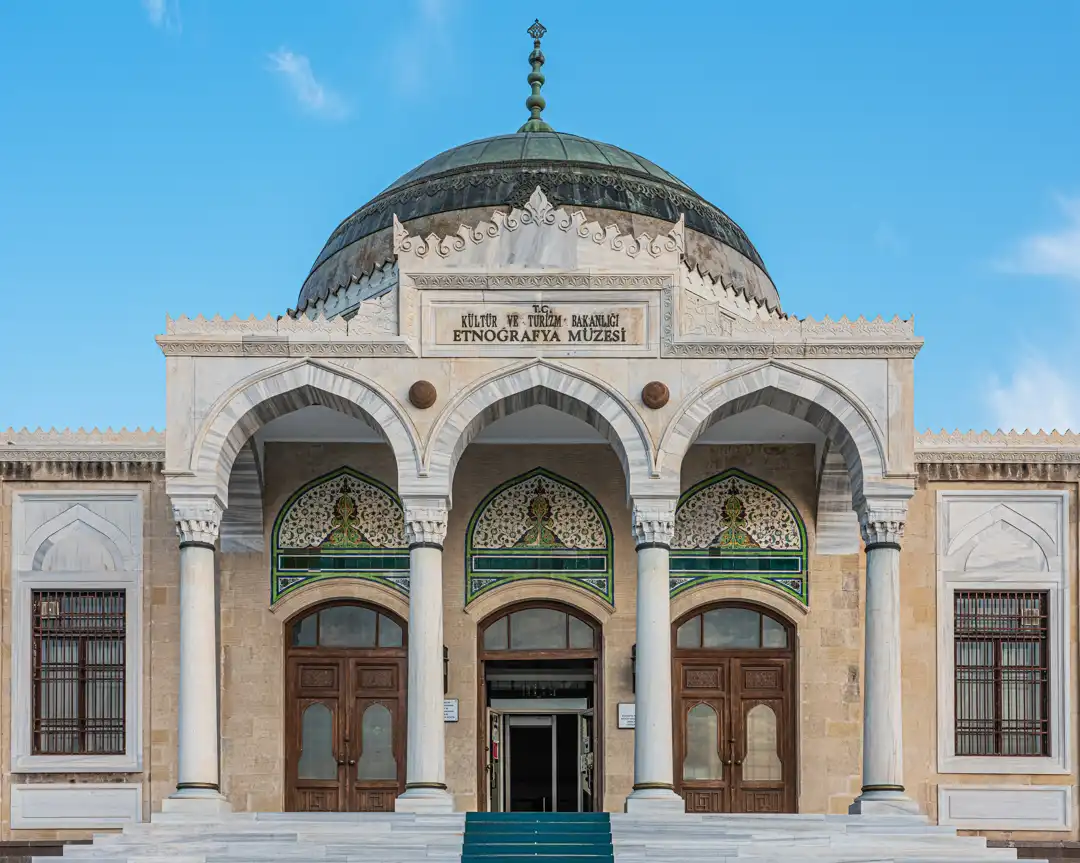
How to Choose Ankara Museums
Start with one main interest, then add a nearby secondary stop. Archaeology and early Anatolian cultures point to the Museum of Anatolian Civilizations, while republican history is strongest around Ulus.
A chronological overview helps place Hittite, Seljuk, Ottoman, and republican material before a museum day.
The collections make more sense within Turkey’s history, especially the transition from ancient Anatolia to the Ottoman period and the modern republic.
Interest |
Best starting point |
Useful pairing |
Planning note |
|---|---|---|---|
Ancient Anatolia |
Museum of Anatolian Civilizations |
Ethnography Museum |
Allow the longest visit for the archaeology galleries |
Modern Turkish history |
War of Independence Museum |
Anıtkabir |
Reserve a separate transfer for the memorial complex |
Fine and contemporary art |
Painting and Sculpture Museum |
CerModern |
Check temporary exhibitions and Monday closures |
Families and specialist collections |
Natural History Museum |
Chess Museum or Rahmi M. Koç Museum |
Confirm school-group and weekend arrangements |
Museums for Art Lovers
Ankara’s art museums work best as a contrast. One follows the development of Turkish painting and sculpture, while the other uses a converted industrial building for changing contemporary exhibitions.
CerModern
CerModern occupies a former railway maintenance complex and functions as a contemporary arts center rather than a permanent survey museum. Its program can include visual art, photography, performance, film, and workshops.
The experience changes with the exhibition calendar, so review the current program before choosing a visit date. The venue is commonly closed on Mondays, but hours and events should be reconfirmed for your exact day.
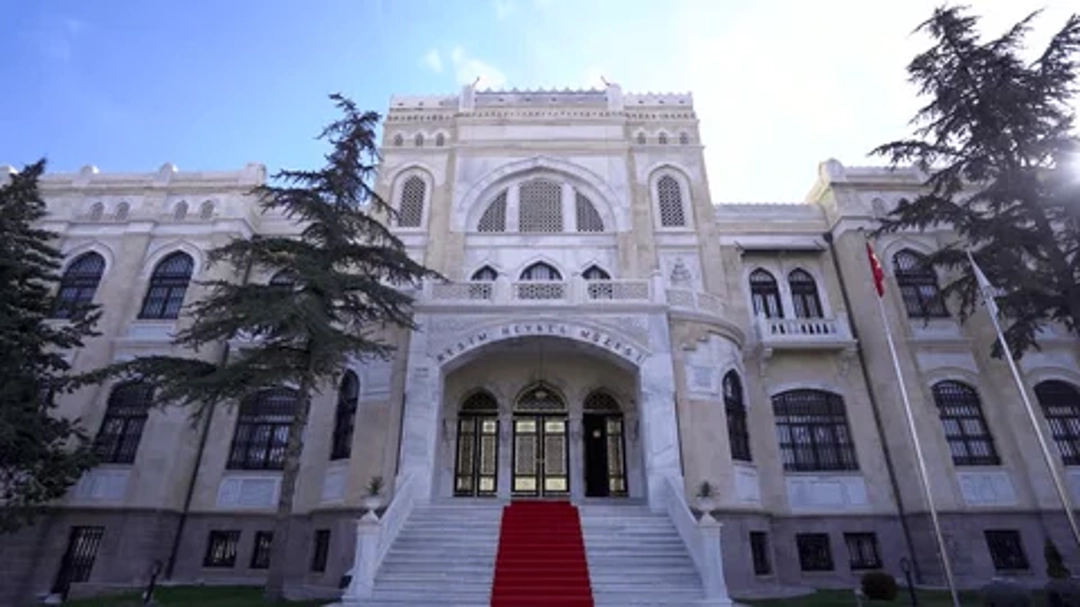
Ankara Painting and Sculpture Museum
This museum presents the development of Turkish painting and sculpture in a historic building near the Ethnography Museum. It suits visitors who want a chronological introduction rather than a temporary contemporary show.
Give extra time to the building itself and compare the museum’s schedule with the neighboring Ethnography Museum. Current admission rules, temporary closures, and MüzeKart acceptance can change.
National-capital art museums differ sharply in scale. Ankara offers a compact, chronological survey of Turkish art, while the National Gallery of Canada in Ottawa combines Canadian, Indigenous, European, and contemporary collections. Choose Ankara for a focused national overview rather than an encyclopedic gallery day.
Museums for History Lovers
The history museums cover very different periods. A focused route can move from prehistoric Anatolia to Seljuk and Ottoman material, then finish with the institutions of the early Turkish Republic.
Museum of Anatolian Civilizations
The museum’s official collection overview traces Anatolia from the Paleolithic era through major cultures including the Hittites, Phrygians, Urartians, Greeks, and Romans.
Its dense archaeology displays reward a slower visit. If time is limited, prioritize the chronological galleries and signature reliefs rather than trying to read every label.
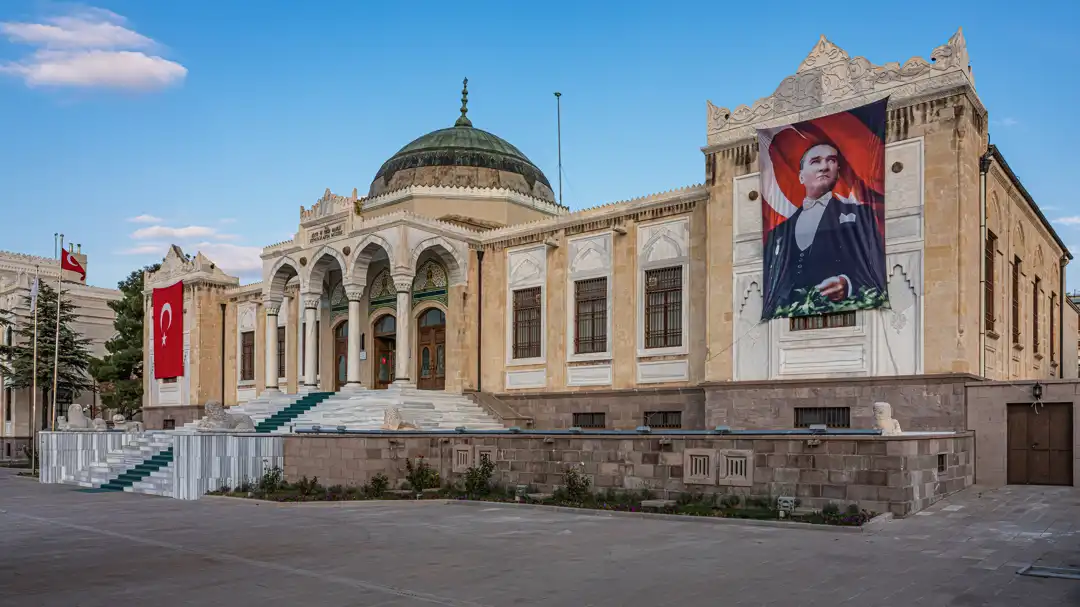
Ankara Ethnography Museum
The Ethnography Museum focuses on Turkish cultural traditions and decorative arts, including textiles, manuscripts, metalwork, woodwork, glass, ceramics, and objects associated with Seljuk and Ottoman life.
It is a useful bridge between the ancient collections nearby and Ankara’s republican sites. Pairing it with the Museum of Anatolian Civilizations creates a broad historical sequence without implying that the two collections duplicate one another.
War of Independence Museum
Housed in the first building of the Grand National Assembly, this museum explains the political and institutional setting of the Turkish War of Independence. The assembly met here from 1920 until 1924.
Historic rooms, documents, and photographs show how Ankara became Turkey’s capital. Treat this as a republican-history stop, not a generic military museum.
Anıtkabir and the Atatürk Museum
Anıtkabir adds the most complete memorial-and-museum context for Mustafa Kemal Atatürk and the founding of the republic. It is a large ceremonial complex rather than a quick room inside another museum.
Reserve time for the Road of Lions, mausoleum, and museum galleries, and confirm current visiting rules. Pair it with the War of Independence Museum only when you have at least half a day for modern history.
Family-Friendly and Specialist Museums
Families should choose according to age and attention span. Science, transport, industry, and chess collections offer clearer themes than a rushed sequence of large history museums.
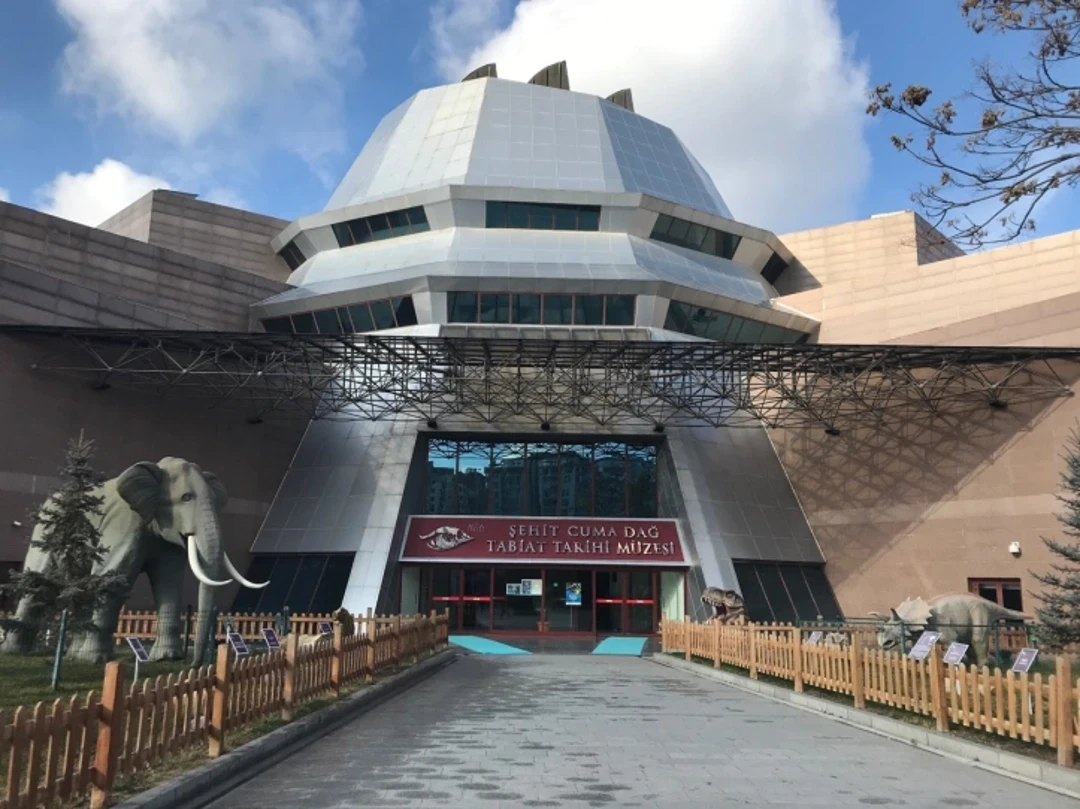
MTA Şehit Cuma Dağ Natural History Museum
The MTA natural history museum explores fossils, minerals, rocks, and the solar system. Its science focus can work well for school-age children and visitors interested in Türkiye’s geology.
Check the museum’s current entry procedure before traveling to the MTA campus. Large groups may have different arrangements, and not every display should be interpreted as an original fossil specimen.
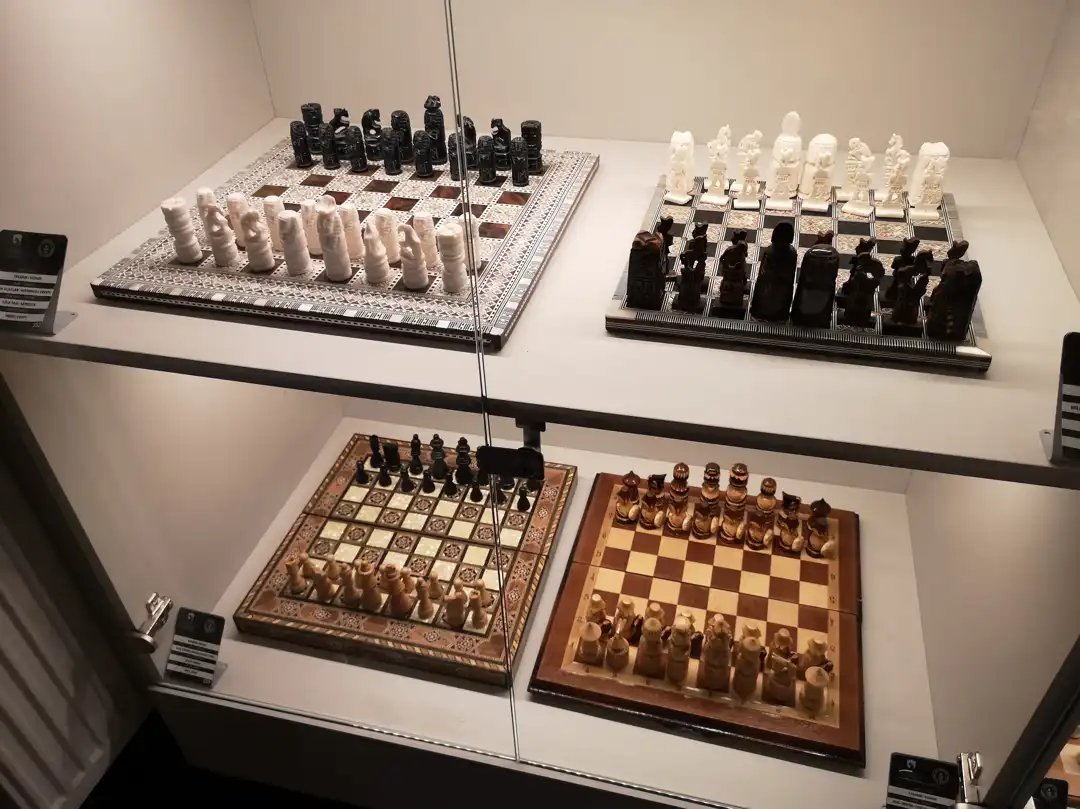
Gökyay Foundation Chess Museum
The museum’s official collection record describes 723 chess sets from 110 countries. Its Guinness recognition dates to 2012, when the documented collection contained 412 sets.
This is a compact specialist museum rather than an all-day attraction. The variety of materials, characters, and regional designs can engage both chess players and visitors interested in craft.
Rahmi M. Koç Museum Ankara
This museum near Ankara Castle centers on industry, transport, communications, and everyday technology. It is a better fit under science and specialist collections than under fine art.
Interactive-looking objects are not automatically hands-on, so supervise younger visitors and follow gallery signs. The museum is generally closed on Mondays, while weekday and weekend hours may differ.
Planning an Ankara Museum Day
A practical itinerary groups sites before adding specialist museums farther away. A concise Turkey history overview can also help you decide which eras deserve the most time.
Build in time for security checks, café breaks, steep streets near the citadel, and Ankara traffic. Keep one optional stop so a delayed transfer does not compress the main museum.
Route |
Suggested stops |
Best for |
Time to reserve |
|---|---|---|---|
Citadel and Ulus |
Anatolian Civilizations, Rahmi M. Koç, War of Independence |
First-time visitors |
One full day |
Art pairing |
Painting and Sculpture Museum, CerModern |
Turkish and contemporary art |
Half to full day |
Family specialist day |
Natural History, Chess Museum, Rahmi M. Koç |
School-age children |
Choose two, not all three |
Build the Route by Area
The national tourism portal’s Ankara museum route shows why the city’s historical collections can fill several days. A one-day visit should be more selective.
For the citadel area, wear shoes suited to slopes and uneven paving. Add a distant specialist museum only after checking the travel time from your final central stop.
Check Hours, Tickets, and Access
Opening days, ticket prices, temporary exhibitions, and MüzeKart rules vary by institution. Confirm each official listing shortly before the visit, particularly on Mondays and public holidays.
For maps, ride-hailing, translation, and last-minute notices between districts, a Turkey eSIM can keep mobile data available without relying on museum Wi-Fi.
Accessibility also differs by building. Contact the specific museum about step-free entrances, lifts, accessible toilets, wheelchairs, or companion arrangements instead of assuming every historic property has the same facilities.
Frequently Asked Questions
1. Which Ankara museum is best for a first visit?
Choose the Museum of Anatolian Civilizations for archaeology, or the War of Independence Museum for modern republican history.
2. How many days do I need for Ankara’s museums?
One day fits two or three nearby museums. Two days allow separate history, art, and specialist routes without rushing.
3. Are Ankara museums open on Mondays?
Policies differ: CerModern, the Painting and Sculpture Museum, and Rahmi Koç Museum commonly close on Mondays. Check each official page.
4. Does MüzeKart work at every Ankara museum?
No. Eligibility and validity differ; private museums may use separate tickets.
5. Which museums are most suitable for children?
Natural History, Rahmi Koç, and Chess museums suit many children. Match the venue to the child’s interests.
6. Are Ankara museums wheelchair accessible?
Access varies in historic buildings and citadel streets. Ask each museum about entrances, lifts, toilets, and companion arrangements.
Conclusion
Ankara’s museums are most rewarding when treated as distinct windows onto archaeology, art, technology, and the Turkish Republic rather than as interchangeable indoor attractions.
Choose one theme, group museums by area, and verify current opening and access details. That approach leaves enough time to understand the collections and the historic buildings that contain them.
A focused route of two or three museums will usually reveal more than an overfilled checklist, while a longer stay can add art and specialist collections at a comfortable pace.