
Ankara is the capital of Turkey and the country’s administrative center, but it is also a rewarding stop for museums, republican history, neighborhood life, and Central Anatolian food.
The city sits on a high plateau with hot, dry summers and cold winters. A Turkey travel eSIM arranged before departure can support maps, current opening hours, and transport updates after arrival.
This guide explains why Ankara became the capital, when to visit, which landmarks deserve time, how to use public transport, and how to plan a practical budget.
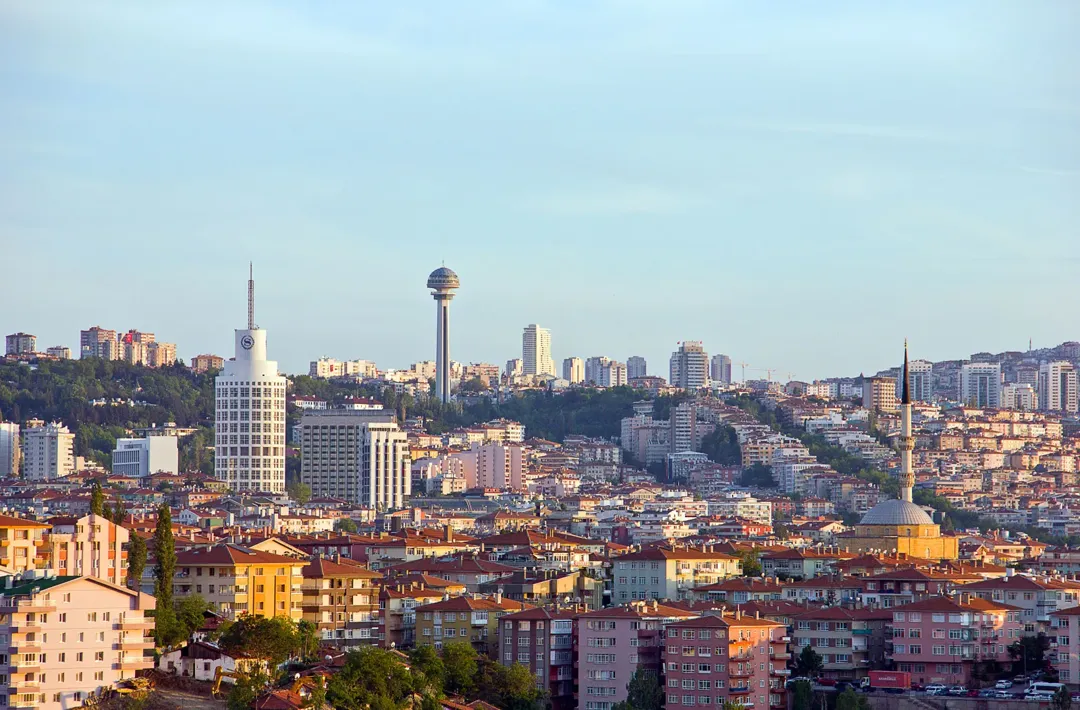
Where Ankara Is and When to Visit
Ankara lies in Central Anatolia, making it a natural hub for rail, road, government, and business travel. Its inland elevation creates larger seasonal temperature changes than visitors may expect from Turkey’s coastal cities.
Spring and autumn usually suit outdoor sightseeing best. Summer favors early starts and indoor museum time at midday, while winter visitors should expect cold conditions and occasional snow.
Use the table as a planning guide, then check a current forecast before packing.
Season | Typical experience | Planning priority |
|---|---|---|
Spring | Mild days and active cultural calendars | Carry a light layer for cool evenings |
Summer | Hot, dry afternoons | Start outdoor visits early |
Autumn | Comfortable walking weather | Book festival dates separately |
Winter | Cold days with possible snow | Prioritize museums and warm clothing |
Why Ankara Became Turkey’s Capital
Known in antiquity as Ancyra, Ankara passed through Phrygian, Roman, Byzantine, Seljuk, and Ottoman periods. Its long history remains visible around Ulus, the Roman ruins, and the hilltop citadel.
The 1923 capital decision
On 13 October 1923, the law making Ankara the capital was passed, as recorded in the Ministry of Culture and Tourism’s official 1923 chronology. The decision fixed the government’s center shortly before the republic was proclaimed.
Mustafa Kemal Atatürk and the republican government then reshaped Ankara into a planned administrative city. Its boulevards, ministries, universities, and civic monuments reflect that twentieth-century transformation.
Ankara and Istanbul
The change moved national political focus away from the former Ottoman center. An Istanbul, Turkey guide shows how the older imperial city developed around maritime trade, monuments, and the Bosphorus rather than a purpose-built republican administration.
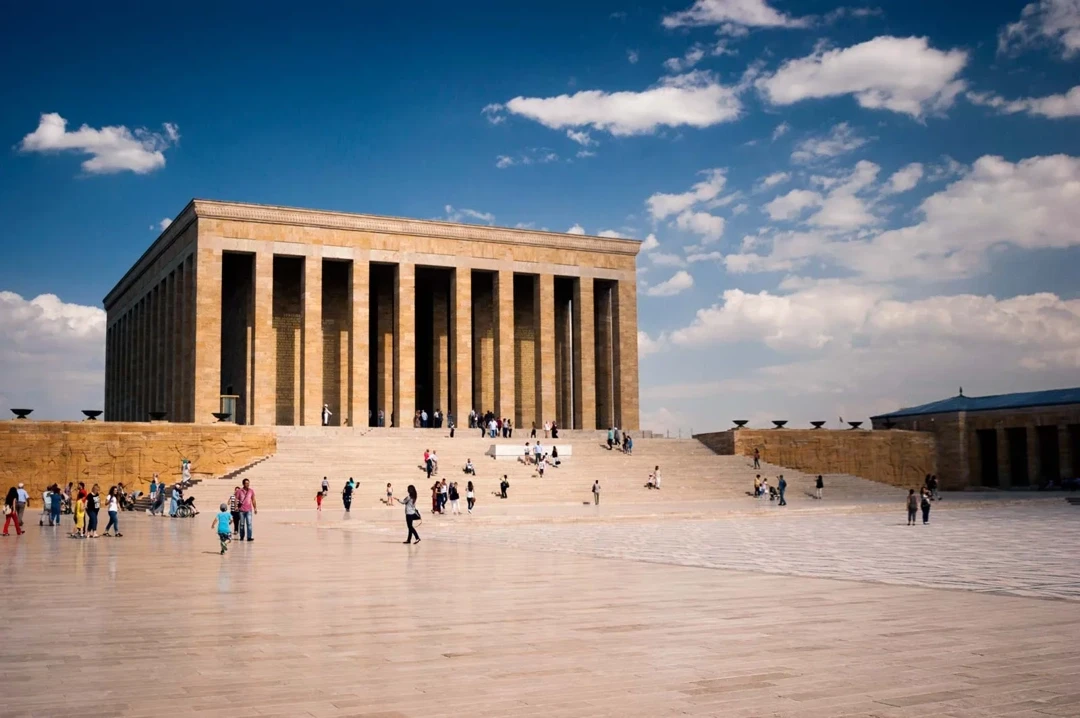
Ankara’s Political Identity Today
National ministries, parliament, diplomatic missions, and major public institutions make politics part of Ankara’s daily rhythm. Yet the city is not only an administrative stage; students, artists, tradespeople, and long-established neighborhoods give it a distinct local identity.
Purpose-shaped capitals often combine symbolic monuments with working government districts. Ankara’s republican development can be compared with the planned federal role described in this U.S. capitals overview, although each city reflects a different national history.
For visitors, the practical result is a city of contrasts: formal civic spaces around government institutions, historic streets in Ulus, and busy commercial areas around Kızılay and Tunalı Hilmi.
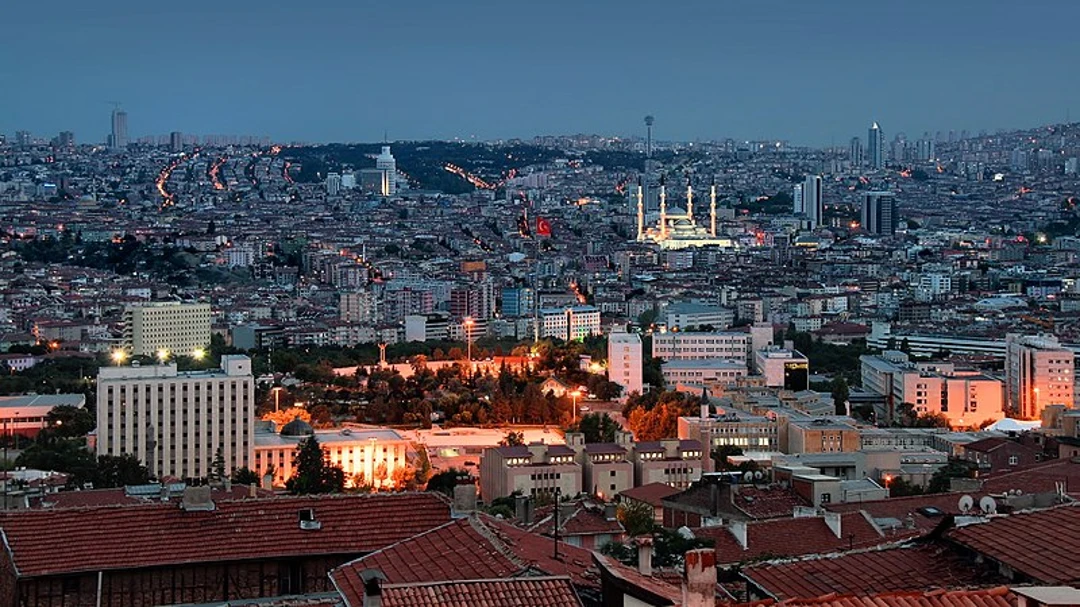
Essential Landmarks in Ankara
The strongest first visit combines republican history, ancient Anatolia, and the old citadel district. Group nearby sights to reduce travel time and leave space for security checks or museum queues.
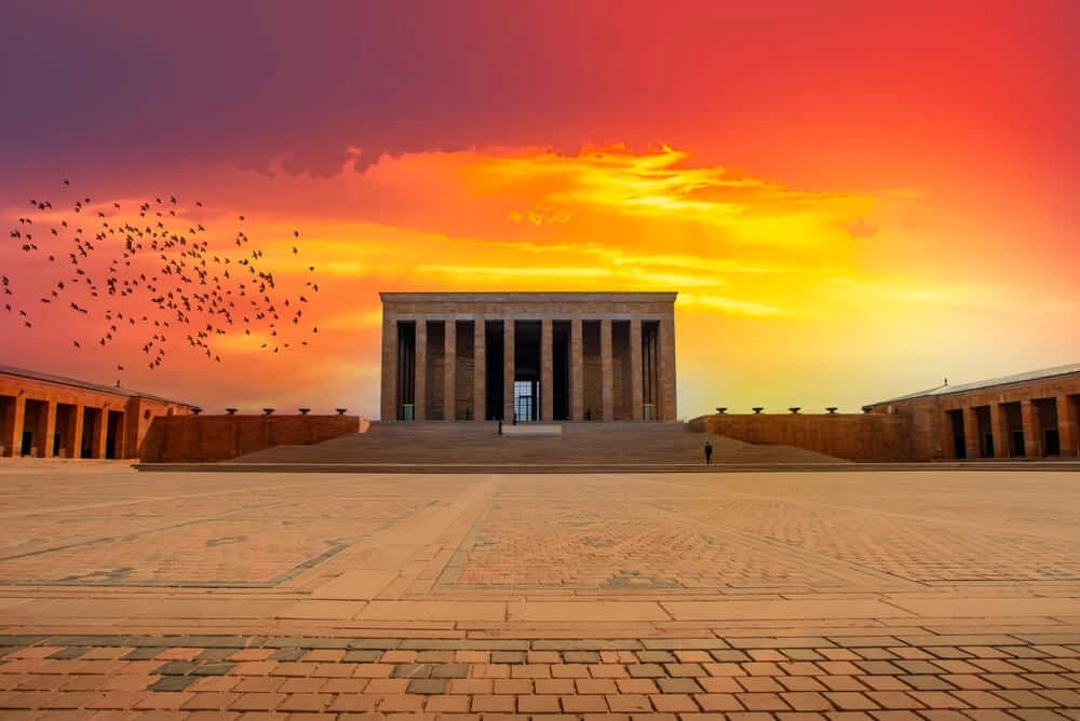
Anıtkabir
Anıtkabir is Atatürk’s mausoleum and one of the city’s most important civic monuments. The ceremonial approach, museum, and monumental architecture deserve at least a focused visit.
Opening hours vary by season, so confirm the current Anıtkabir visiting hours before setting out. Dress respectfully and allow extra time on national commemorative dates.
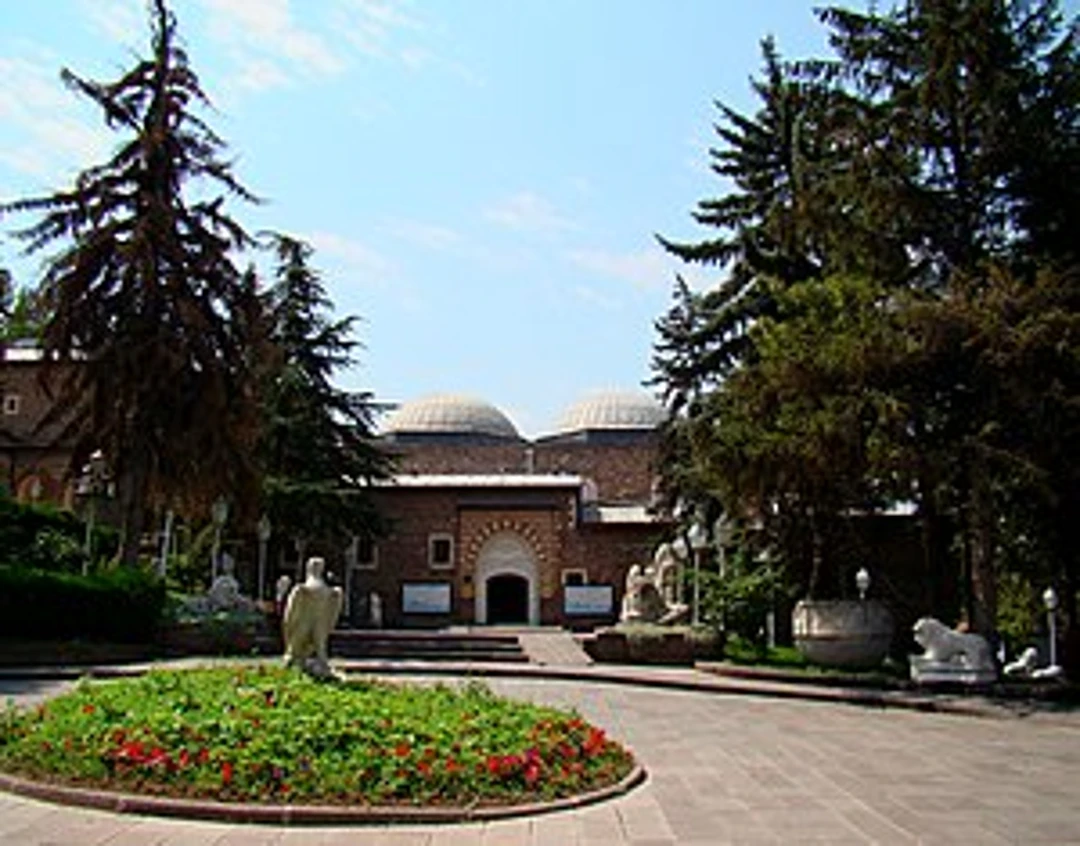
Museum of Anatolian Civilizations
Set near Ankara Castle, the museum traces Anatolian history through archaeology from the Paleolithic period onward. Its Hittite, Phrygian, and Urartian collections give essential context to sites across Turkey.
Travelers choosing between collections can use this broader guide to Ankara museums to compare art, ethnography, industry, and family-friendly options.
Ankara Castle and Old Ulus
The citadel’s elevated lanes reveal layers of Ankara’s history and provide broad city views. Combine the castle with nearby markets, traditional houses, and museums rather than treating it as an isolated photo stop.
Stone paving and slopes can be tiring, so wear shoes with grip and visit in daylight. Some lanes are narrow, and the area rewards a slower pace.
Festivals and Cultural Life
Ankara’s theaters, concert halls, universities, and cultural foundations support a busy arts calendar. Film screenings, classical music, jazz, dance, and contemporary exhibitions appear throughout the year rather than in one single festival season.
Schedules change annually. The International Ankara Music Festival publishes its current program and venues, which helps visitors confirm dates before building a trip around a performance.
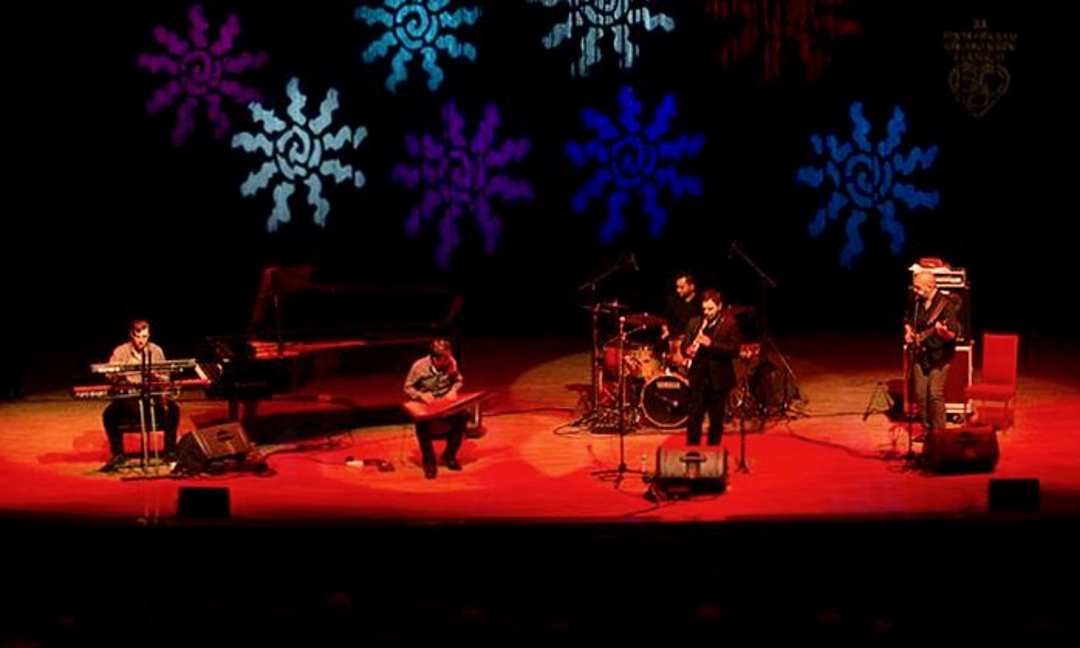
For smaller events, check programs from universities, museums, and municipal venues close to your travel dates. Ticket rules and performance languages vary, so verify details before purchase.

Local Life and Food
Daily Ankara often feels calmer than Istanbul. Residents meet over tea, simit, and Turkish coffee, while Kızılay and Tunalı Hilmi bring denser shopping, cafés, and evening activity.
Ulus offers markets and historic streets, Kuğulu Park suits a short pause, and university districts add a younger atmosphere. The best local experience comes from combining one major sight with time in an ordinary neighborhood.
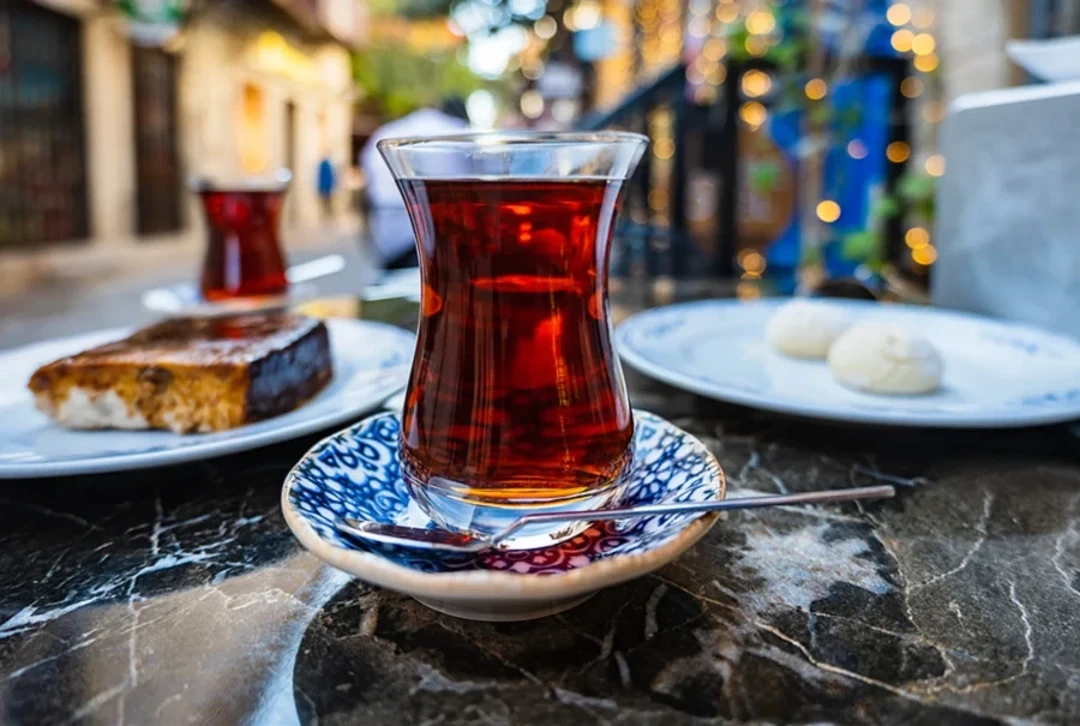
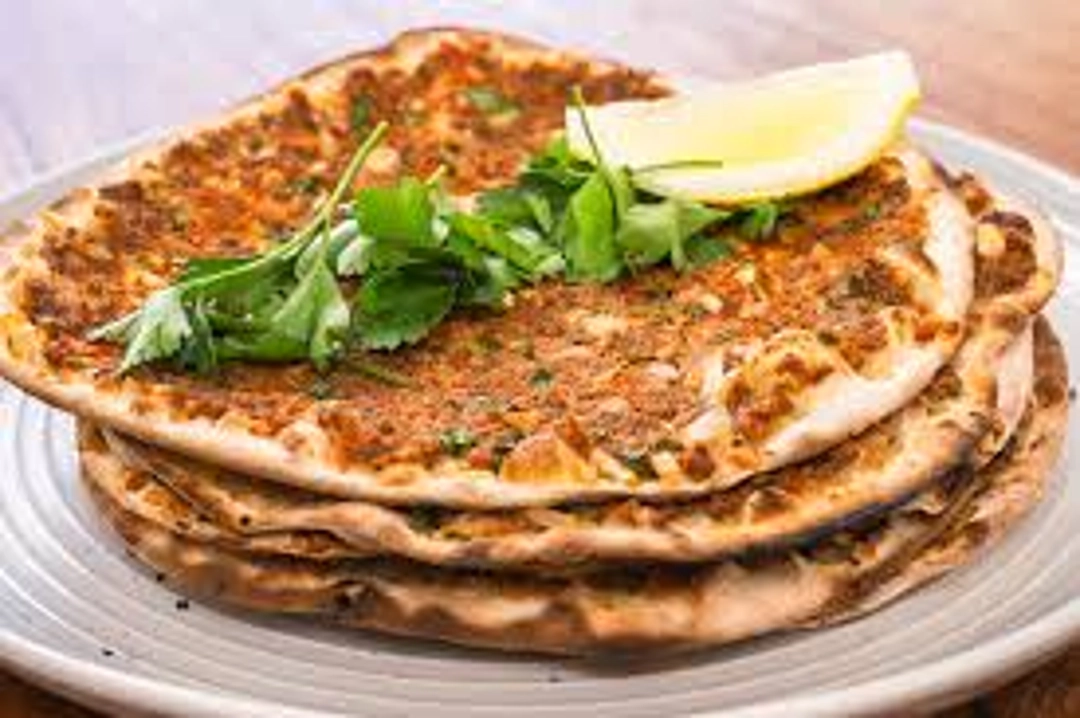
For food, look for simit, döner, lahmacun, grilled meats, and regional pastries. Menus and prices vary by neighborhood; busy local restaurants with clear turnover are usually a better signal than aggressive street solicitation.
Budget and Practical Planning
Kızılay offers central transport connections, while Ulus can be convenient for historic sights and lower-cost stays. Compare the final price, breakfast, cancellation terms, and walking distance to a metro station rather than choosing by nightly rate alone.
Street food and casual lokantas can keep meal costs manageable. An iRoamly eSIM plan can also help compare routes and opening times without relying on public Wi-Fi.
Many museums and monuments require only a half day when grouped geographically. Keep a small contingency for changing ticket prices, taxi use, or an indoor alternative during poor weather.
This simple framework helps balance cost and convenience.
Decision | Lower-cost approach | Tradeoff |
|---|---|---|
Accommodation | Stay near Ulus or a metro stop outside the core | Longer evening journeys |
Meals | Use lokantas, bakeries, and street food | Less formal service |
Sightseeing | Group sites by neighborhood | Less flexibility during the day |
Modern Ankara and Public Institutions
Ankara’s national role shapes its economy, education, architecture, and international connections. Universities, embassies, ministries, cultural institutions, and research organizations bring a steady flow of students, officials, and business travelers.
Public-space and transport projects can change access around the city. Treat construction timelines and planned extensions as provisional until the responsible authority confirms them.
The table shows how the capital’s modern functions affect a visitor’s experience.
City function | Visible effect | Visitor implication |
|---|---|---|
National government | Ministries and civic districts | Security controls near official sites |
Diplomacy | Embassies and international events | Business demand in Çankaya |
Higher education | Large student districts | Affordable cafés and active cultural life |
Getting Around Ankara
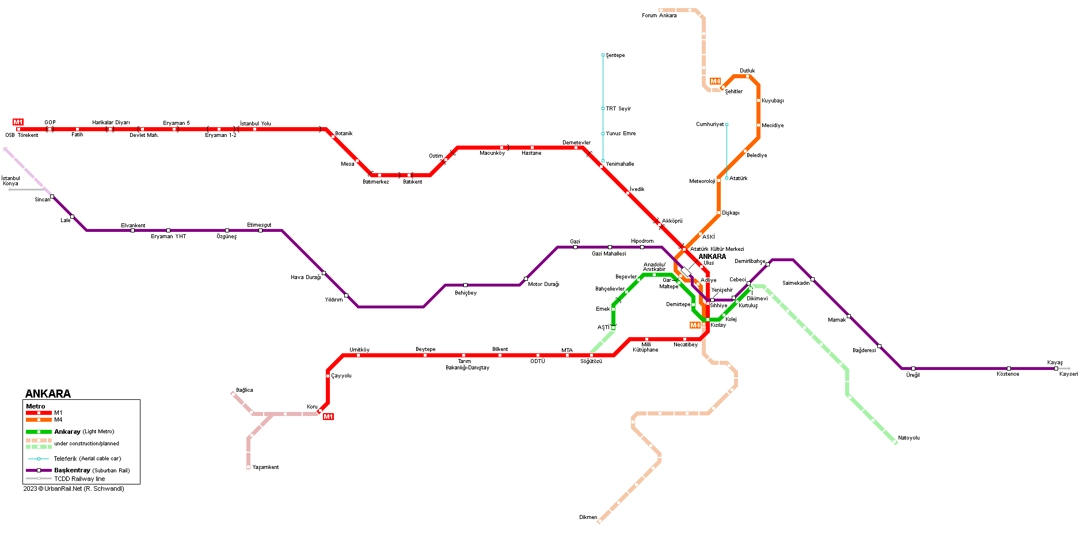
Metro, Ankaray, buses, commuter rail, and taxis cover most visitor needs. Kızılay is a key interchange, while Ulus is useful for the old city and museums.
Routes and service notices can change, so use the official Ankara Metro information for current lines and operating updates. Station signage and route apps help, but keep the destination name written in Turkish.
For airport transfers, compare the current bus, taxi, and private-transfer options against your arrival time and hotel location. Late arrivals may justify a direct transfer even when public transport costs less.
FAQ
1. Is Ankara the capital of Turkey?
Yes. Ankara has been Turkey’s capital since 13 October 1923.
2. How many days do you need in Ankara?
Two days cover the main landmarks; three days allow more museums, neighborhoods, and relaxed meals.
3. What is the best time to visit Ankara?
Spring and autumn usually offer the most comfortable weather for walking and outdoor sights.
4. Is Ankara easy to explore without a car?
Yes. Metro, Ankaray, buses, and taxis connect the main visitor districts and attractions.
5. What should first-time visitors prioritize?
Start with Anıtkabir, the Museum of Anatolian Civilizations, Ankara Castle, and time in Ulus or Kızılay.
Conclusion
Ankara is best understood as both a working national capital and a city built on much older Anatolian history.
A strong visit combines Anıtkabir, the Museum of Anatolian Civilizations, Ankara Castle, neighborhood food, and a realistic transport plan.
Choose the season and area that suit your pace, verify current schedules, and leave room to experience the city beyond its formal institutions.