
Istanbul, Turkey, spans the Bosphorus and rewards travelers who organize each day by neighborhood. Historic monuments, ferries, markets, contemporary streets, and waterside dining can fit into one trip without constant backtracking.
Most first visits work best with three to four full days. Stay near Sultanahmet for early access to major monuments, around Karaköy or Galata for cafés and nightlife, or in Kadıköy for a more residential Asian-side base.
This guide explains what to see, how to group the sights, when to visit, how to get around, and what to budget. Use the iRoamly travel eSIM service to compare data options before departure.
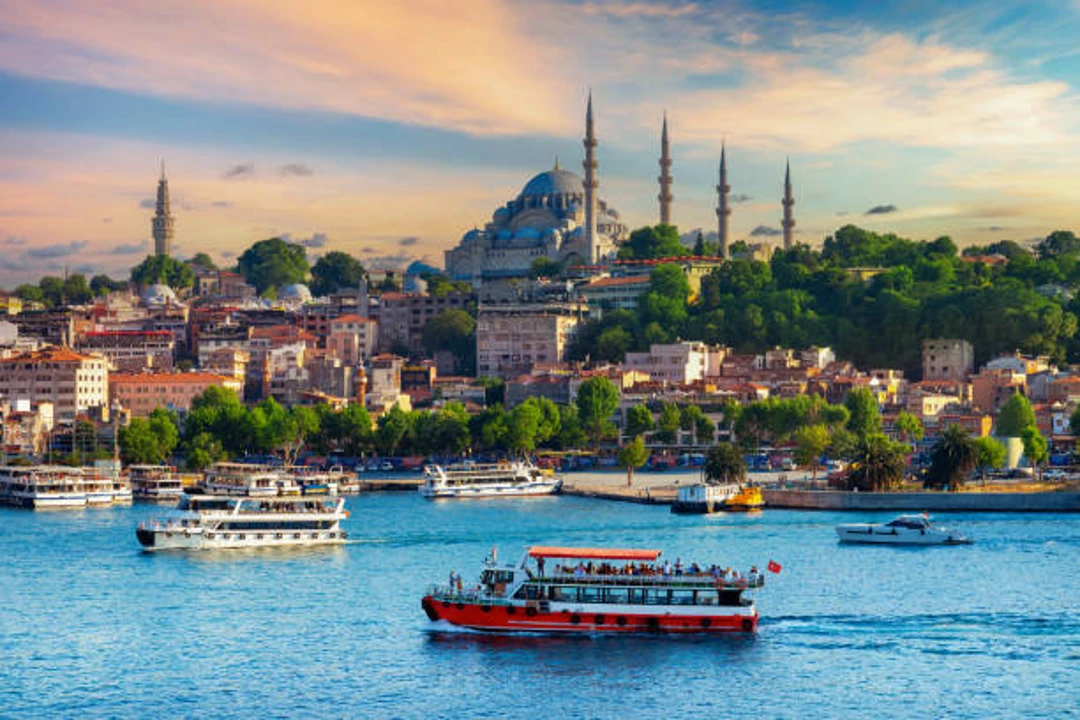
Plan a Three-Day Istanbul Route
A short Istanbul itinerary should follow geography rather than a long attraction checklist. Reserve one day for the historic peninsula, one for the Golden Horn and Beyoğlu, and one for the Bosphorus and Asian side.
Book time-sensitive entries first, then place markets, meals, and viewpoints around them. Ferry crossings are part of the experience, but they also add waiting and walking time.
Day | Area | Practical route |
|---|---|---|
1 | Sultanahmet | Hagia Sophia, Blue Mosque, Hippodrome, Topkapı Palace |
2 | Eminönü to Galata | Spice Bazaar, ferry views, Karaköy, Galata Tower, İstiklal Avenue |
3 | Bosphorus and Asian side | Morning cruise or ferry, Üsküdar, Kadıköy market, Moda waterfront |
Historic Sights on the Peninsula
Sultanahmet contains several headline sights within walking distance, but security queues, prayer times, and museum visits make it easy to overfill the day. Start early and leave space between reserved entries.
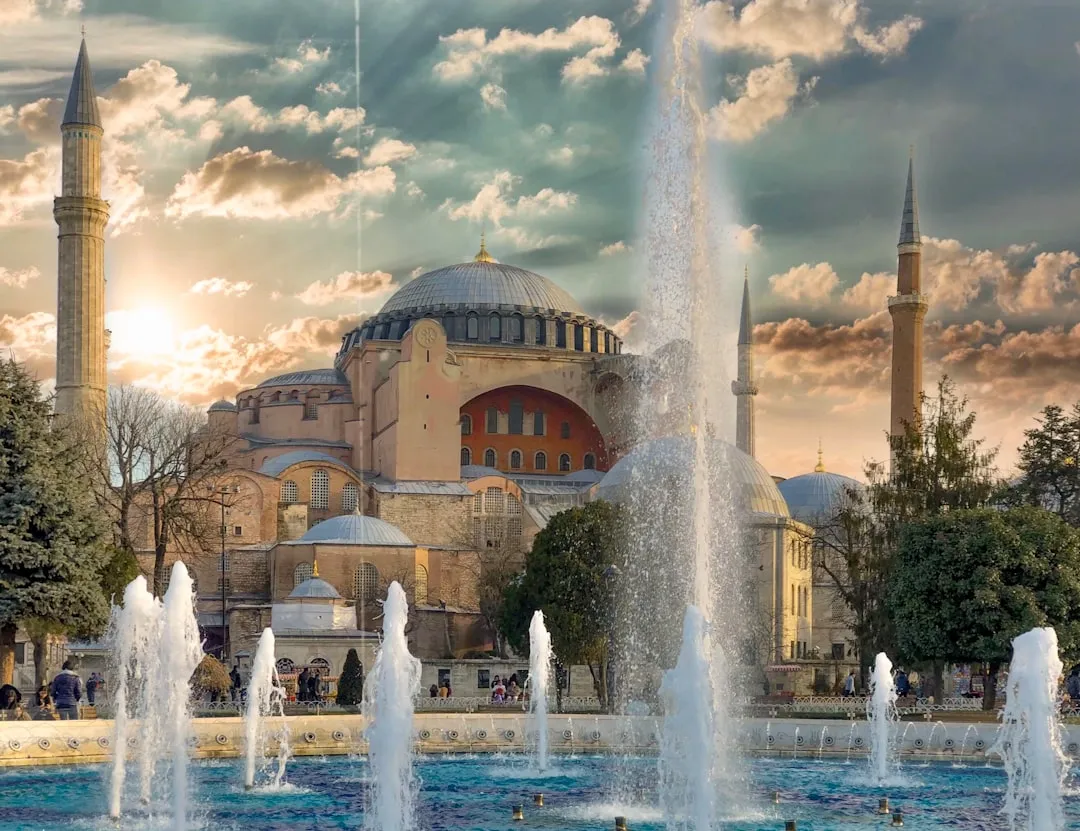
Hagia Sophia
Hagia Sophia has served different religious and civic roles across centuries. Check current visitor access, dress requirements, ticket arrangements, and opening conditions shortly before the trip because operational details can change.
The Turkish Ministry of Culture and Tourism lists the Hagia Sophia History and Experience Museum among its official Istanbul museum information.
Blue Mosque and Hippodrome
The Blue Mosque remains an active place of worship. Visitors should cover shoulders and knees, remove shoes where directed, speak quietly, and expect tourist access to pause during prayers.
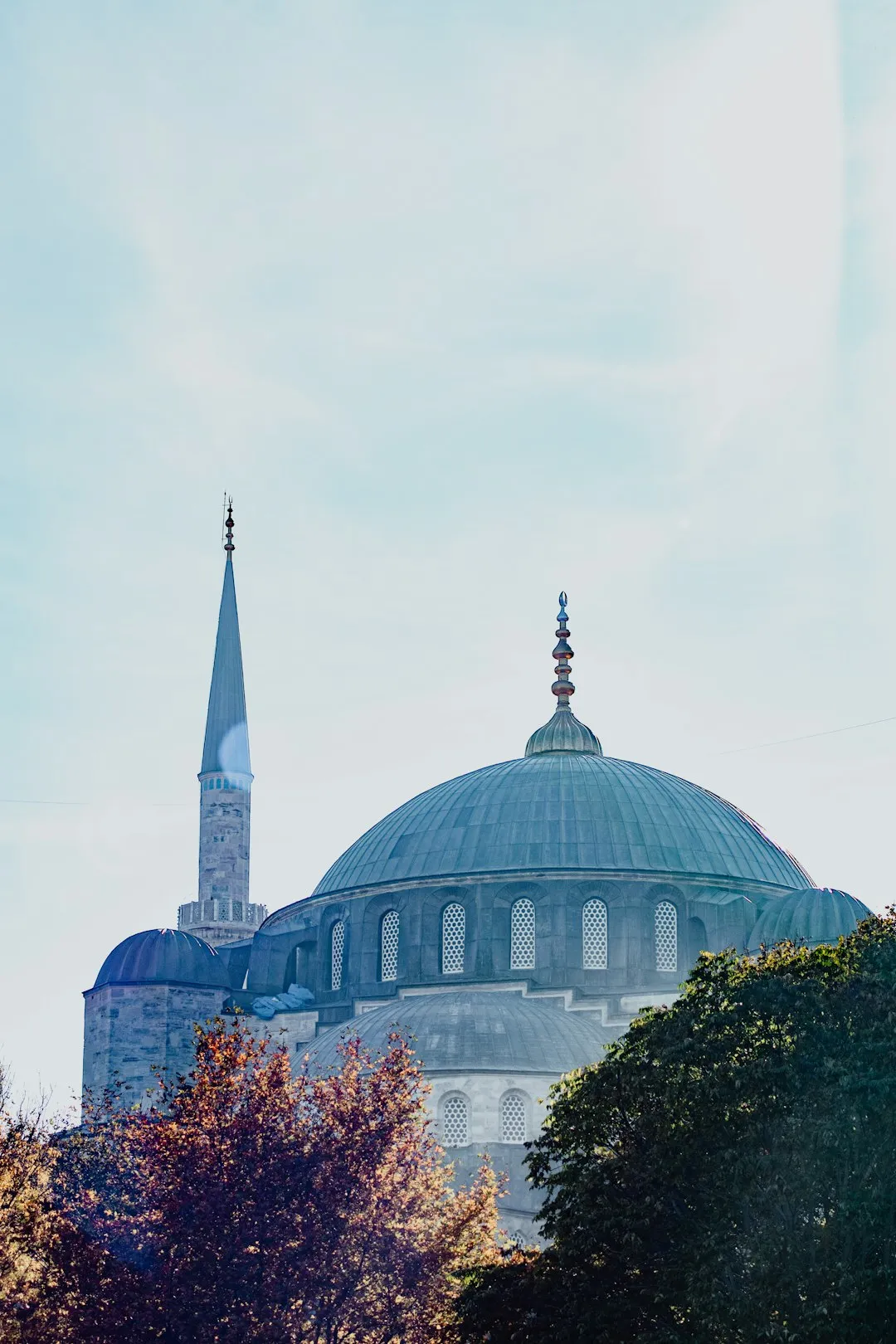
The former Hippodrome beside it adds an open-air layer of Roman and Byzantine history. It is also a useful place to reset between indoor visits without another ticket or transport connection.
Topkapı Palace
Topkapı Palace needs more time than its position on a map suggests. Its courtyards, treasury displays, views, and optional sections can occupy half a day, so avoid combining it with every museum nearby.
Markets and Everyday Culture
Istanbul’s markets make the most sense when treated as working commercial spaces rather than staged attractions. Compare prices, ask before photographing people, and keep valuables secure in crowded lanes.
The Grand Bazaar in Istanbul guide explains its layout and shopping customs in greater detail for travelers who want more than a quick walk-through.
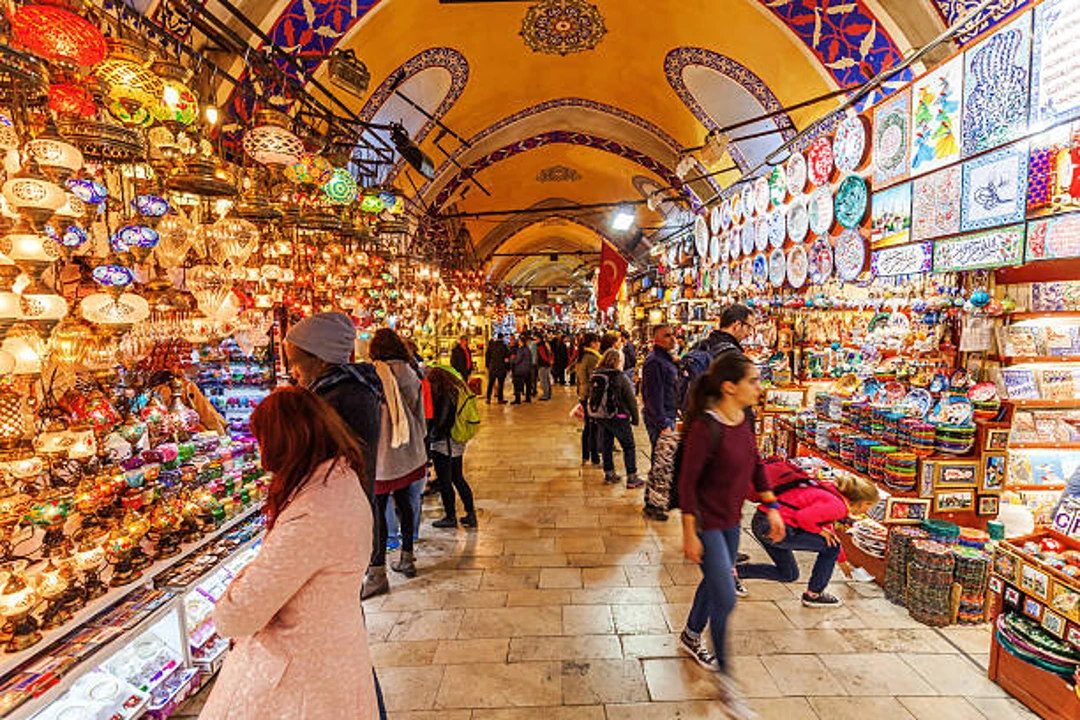
Pair the Grand Bazaar with nearby streets and the Spice Bazaar rather than crossing the city for another attraction. Tea, textiles, ceramics, spices, and confectionery invite browsing, but quality and prices vary widely.
Food, Coffee, and Nightlife
Start with foods that fit naturally into the route: simit at a bakery, fish near the waterfront, meze at a meyhane, and seasonal dishes in a neighborhood restaurant. Busy venues with clear menus are often easier for first-time visitors.
Small cups of Turkish coffee are unfiltered and usually ordered with a chosen sugar level before brewing. Let the grounds settle and leave the final gritty sip in the cup.
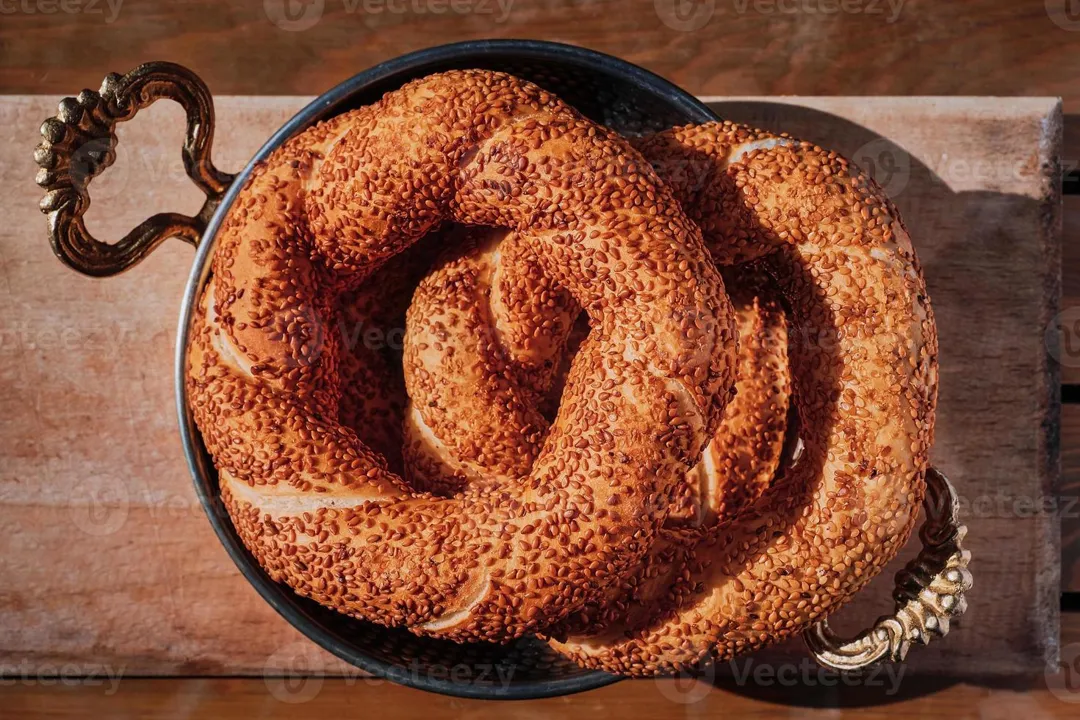
For nightlife, Karaköy, Galata, Beyoğlu, and Kadıköy offer different moods. Check the final ferry or metro connection before settling in for the evening, especially when your hotel is on the opposite side of the water.
Galata, Karaköy, and Bosphorus Views
Crossing Galata Bridge on foot connects the historic peninsula with Karaköy’s cafés and steep streets. From there, the Tünel funicular or an uphill walk leads toward Galata and İstiklal Avenue.
A focused Galata Tower visitor guide helps with the museum experience, viewpoints, and neighborhood route without turning the entire city day into a single queue.
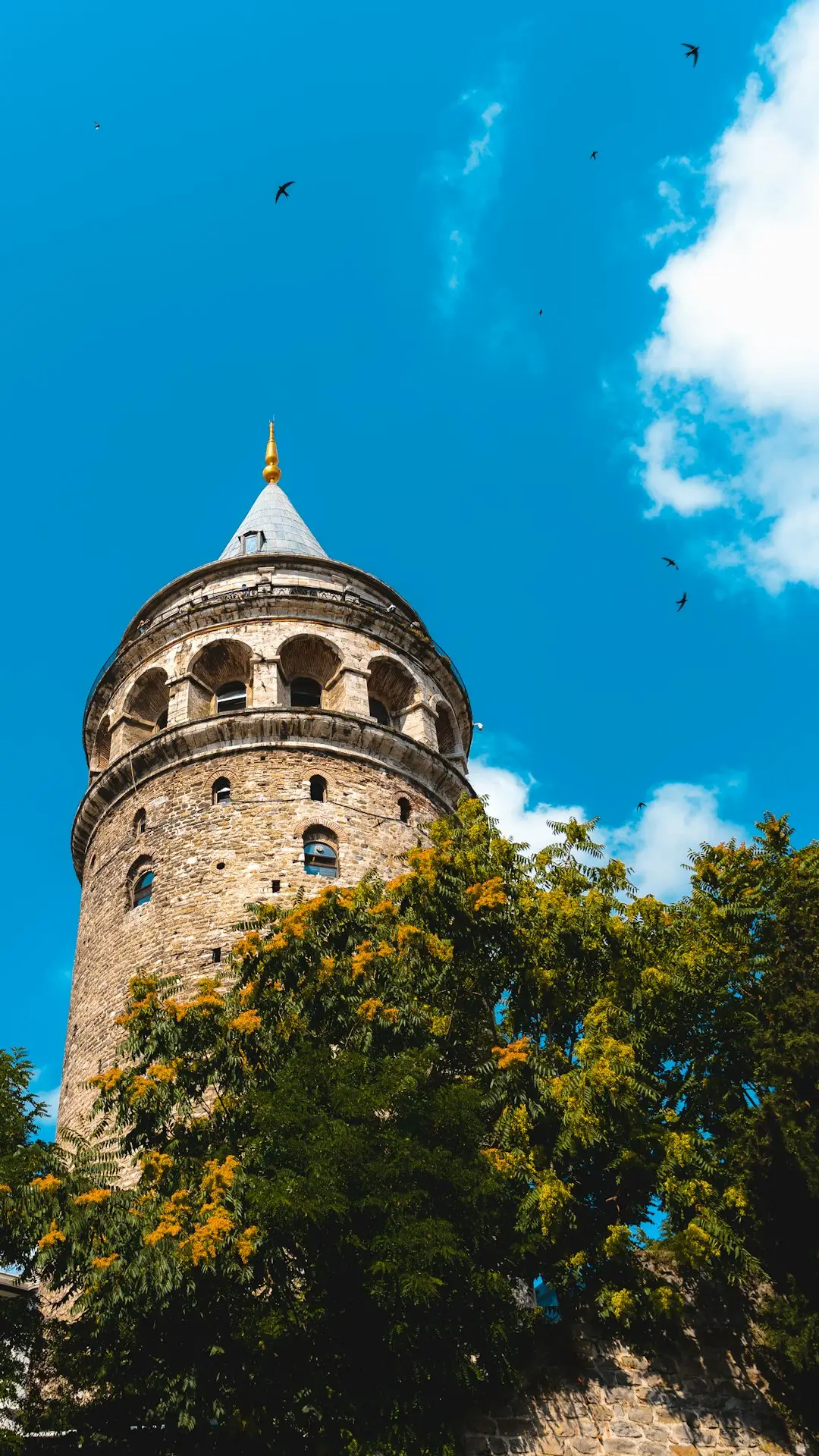
A public ferry offers an affordable way to see the skyline from the water. A dedicated sightseeing cruise can provide commentary and a longer route, while a normal commuter crossing works better in a compact itinerary.
Best Time to Visit Istanbul
Spring and autumn usually balance outdoor comfort with long sightseeing days, although rain remains possible. Summer brings heat and larger crowds; winter offers quieter museums but shorter daylight and less predictable Bosphorus conditions.
Season | Advantages | Plan for |
|---|---|---|
Spring | Mild walking weather and gardens | Rain layers and holiday crowds |
Summer | Long evenings and active waterfronts | Heat, queues, and higher demand |
Autumn | Comfortable temperatures and city events | Changing weather |
Winter | Fewer visitors at some sights | Wind, rain, and shorter days |
Getting Around Istanbul
Trams, metros, ferries, funiculars, buses, and walking cover most visitor routes. The T1 tram is useful around the historic peninsula, while ferries connect European and Asian-side districts without road traffic.
The official IETT transport portal provides route and station searches, service notices, and airport, pier, rail, and bus-terminal access guidance.
Mode | Best use | Watch for |
|---|---|---|
Tram | Sultanahmet and central sightseeing corridors | Peak-hour crowding |
Metro | Longer urban connections | Station transfers and walking distance |
Ferry | Bosphorus views and cross-city travel | Weather and final departure times |
Taxi | Luggage or late connections | Traffic and verified pickup details |
Budget, Payments, and Connectivity
Accommodation and major attraction tickets usually shape the budget more than street food or public transport. Prices change, so check official booking pages instead of relying on an old fixed daily estimate.

Cards are common at hotels, restaurants, and formal shops, but small cash payments remain useful. Choose the local-currency option when a terminal offers conversion, and review your bank’s foreign transaction and cash-withdrawal fees.
Mobile data helps with maps, ferry times, translation, and ticket confirmations. A Turkey eSIM can be installed before the trip on a compatible unlocked phone, with the travel data line activated according to the plan instructions.
Safety and Local Etiquette
Most visits are straightforward with ordinary city precautions. Keep bags closed in dense crowds, use official transport channels, confirm taxi details, and avoid anyone who pressures you into an unfamiliar shop, bar, or payment.
The detailed guide to staying safe in Istanbul covers common scams and practical advice for solo and first-time travelers.
Situation | Useful habit |
|---|---|
Crowded tram or market | Keep valuables in a closed front-facing bag |
Mosque visit | Dress modestly and follow posted visitor directions |
Restaurant payment | Review the menu and bill before paying |
Street invitation | Decline persistent approaches and choose your own venue |
FAQ
1. How many days do you need in Istanbul?
Three full days cover the main districts; four or five allow slower museums, neighborhoods, and a longer Bosphorus trip.
2. Is Istanbul in Europe or Asia?
It occupies both continents, with the Bosphorus separating its European and Asian sides.
3. What is the best area for a first stay?
Sultanahmet suits early monument visits, while Karaköy and Galata provide stronger dining, nightlife, and transport balance.
4. Can you explore Istanbul without a car?
Yes. Public transport, ferries, and walking are usually more practical than driving in central sightseeing areas.
5. Should attraction tickets be booked in advance?
Reserve time-sensitive or high-demand sights when official booking is available, then confirm current access shortly before visiting.
Conclusion
Istanbul becomes easier when each day follows one side of the water and a small group of connected neighborhoods.
Prioritize the historic peninsula, add Galata and a market, then use a ferry to experience the city’s scale from the Bosphorus.
Check official access and transport information, leave room for meals and walking, and choose a pace that makes the contrasts between districts enjoyable.