
Istanbul, where East meets West, is full of history and charm.
This guide offers essential safety tips, from emergency preparedness to solo travel advice, ensuring you explore the city with confidence and uncover its hidden gems.
Heading to Istanbul soon? iRoamly helps you stay connected throughout your trip to Turkey, greatly enhancing your overall travel experience.

Is Istanbul Safe?
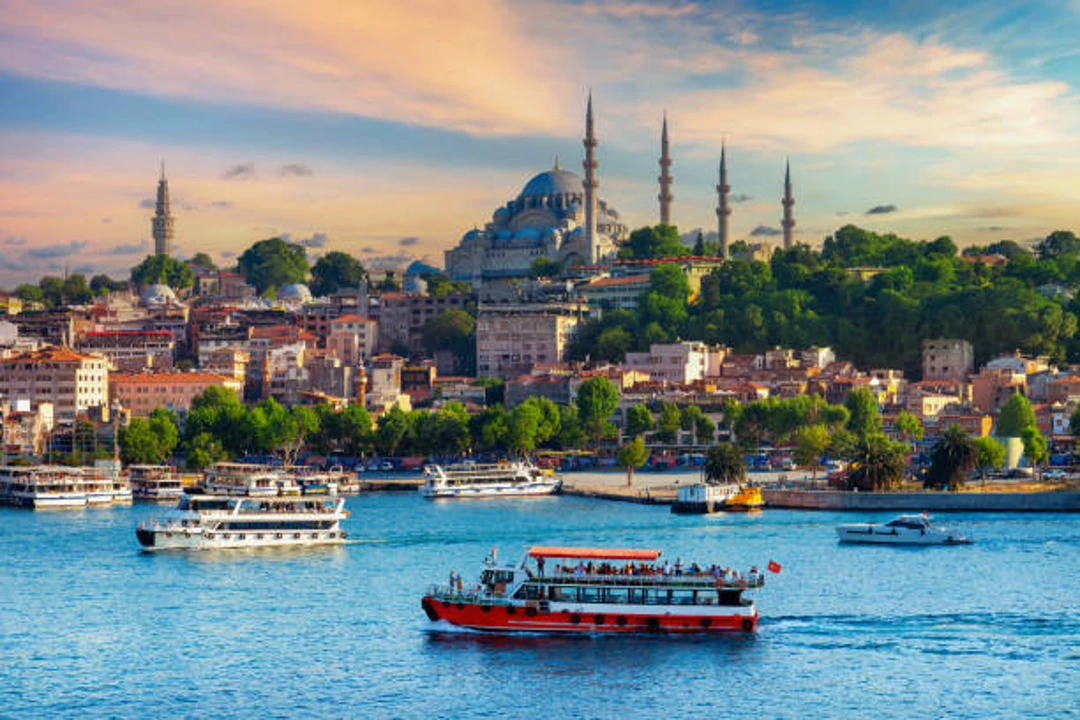
Yes. Overall, Istanbul is seen as a safe destination for travelers, and visitors to the city will find themselves surrounded by a wealth of history, culture, and amenities.
Like visiting any populous area, tourists should take a few commonsense precautions to protect themselves.
Whether you’re admiring the iconic sites of Sultanahmet, bar-hopping in Beyoğlu, or taking a ride down the Bosphorus, Istanbul is a friendly city that has something for everyone.
However, taking the time to become familiar with local laws, health and safety warnings, and important norms can help you make the most of your stay.
Latest Updates on Istanbul's Safety
Based on information from the official website of the Government of Canada, there have been ongoing demonstrations throughout Turkey, including in Istanbul, since March 19, 2025.
If you take part in demonstrations and/or travel to protest areas, you could face questioning and/or detention by the police.
You can check the latest updates here: https://travel.gc.ca/destinations/turkiye
Nature Safety
When planning to visit places in Istanbul, keep these natural precautions in mind to ensure your safety.
1. Weather Conditions
Summers in Istanbul are hot and muggy, while winters are cold, wet, and sometimes stormy.
I recommend that you monitor the weather and bring appropriate clothing with you to ensure you stay comfortable and be ready for rapid weather changes.
Tips: If you’re visiting in the fall or winter, be sure to pack a light rain jacket or umbrella, as rain can come out of nowhere.
2. Flooding
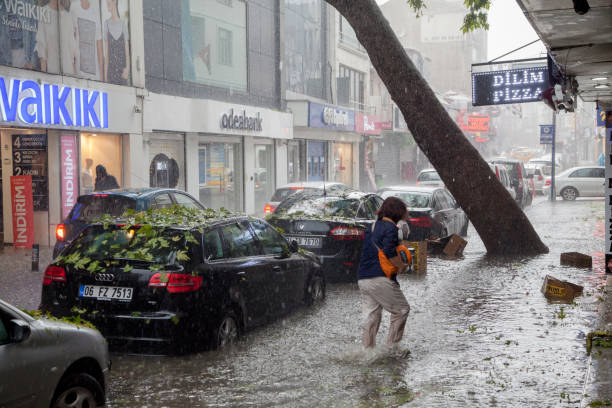
Due to Turkey’s seasonal weather, winter tends to bring more rainfall, and because of its unique geographical location, Istanbul is prone to flooding.
Some parts of the city, particularly those by the Bosphorus or low-lying neighborhoods, flood more.
Tips: Ensure you have a stable internet connection in Turkey to receive the latest disaster updates, and stay away from bodies of water during heavy rain to avoid being trapped in flash floods.
3. Traffic and Road Safety
The traffic in Istanbul is a bit wild and traveling the roads may be a bit overwhelming for travelers.
Pedestrians should also use caution when crossing the street (drivers don’t always abide by traffic laws), and public transportation can be packed.
Tips: Be sure to check before you cross the road, even at a pedestrian crossing or light-controlled crossing.
4. Earthquakes
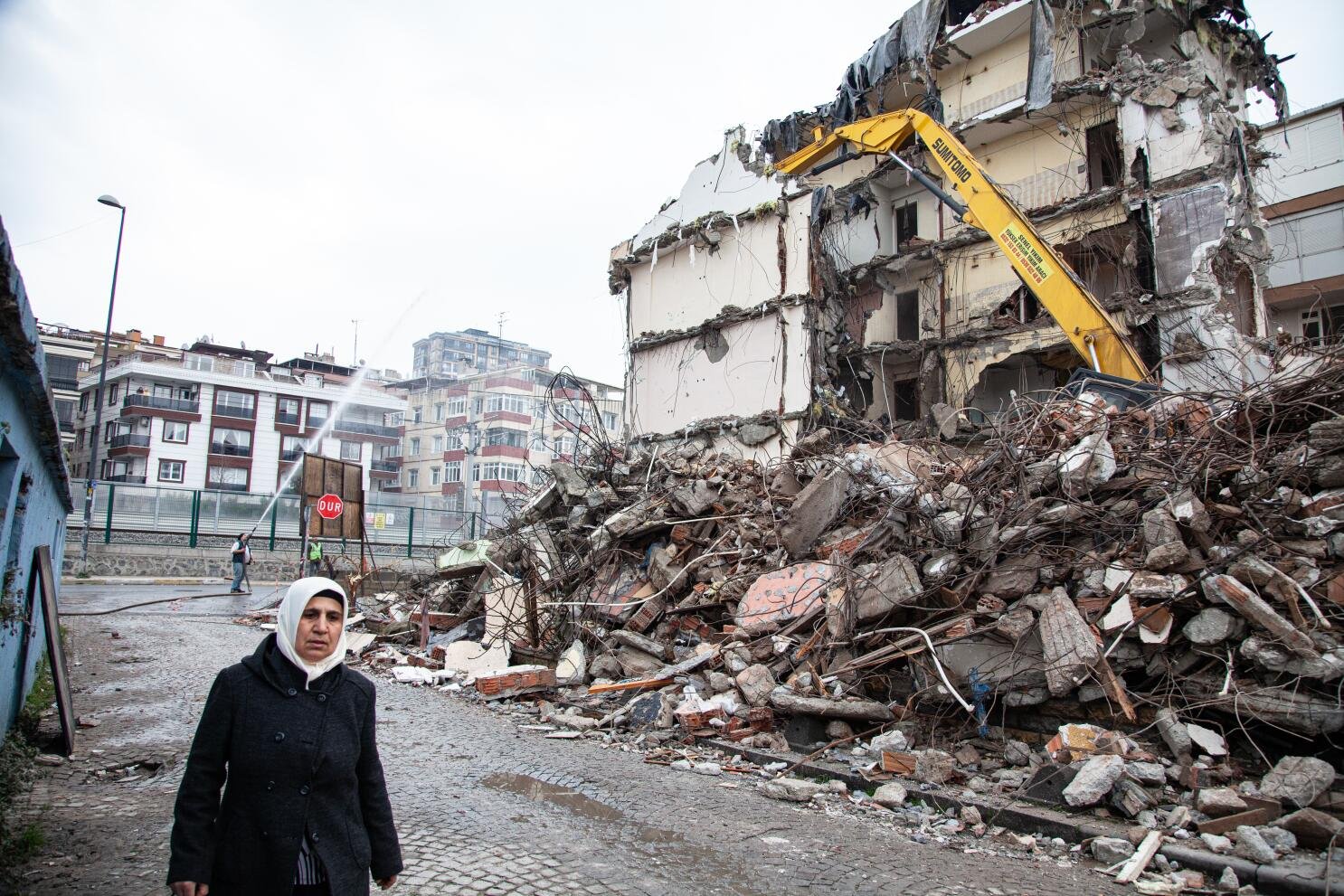
Istanbul is located on earthquake fault lines, so earthquakes, though uncommon, are a potential concern.
The city has been implementing measures to make buildings safer, but it’s always good to know what to do in an emergency.
Tips: Learn the basics of earthquake safety, like “drop, cover, and hold on,” and find the nearest exit in your hotel (and any public area).
5. Air Quality
The pollution levels in Istanbul can vary, particularly in the summer when traffic and industrial pollution increase.
While you can usually explore safely, if you are sensitive to air quality, monitor alerts and exercise caution.
Tips: If you have respiratory problems or are sensitive to pollution, you may want to wear a mask or stay inside on days when it’s really bad.
Health Safety
1. Tap Water
It's generally safe to drink tap water in Istanbul. However, both locals and tourists prefer bottled water or filtered water in order to avoid potential stomach upsets.
2. Health Insurance
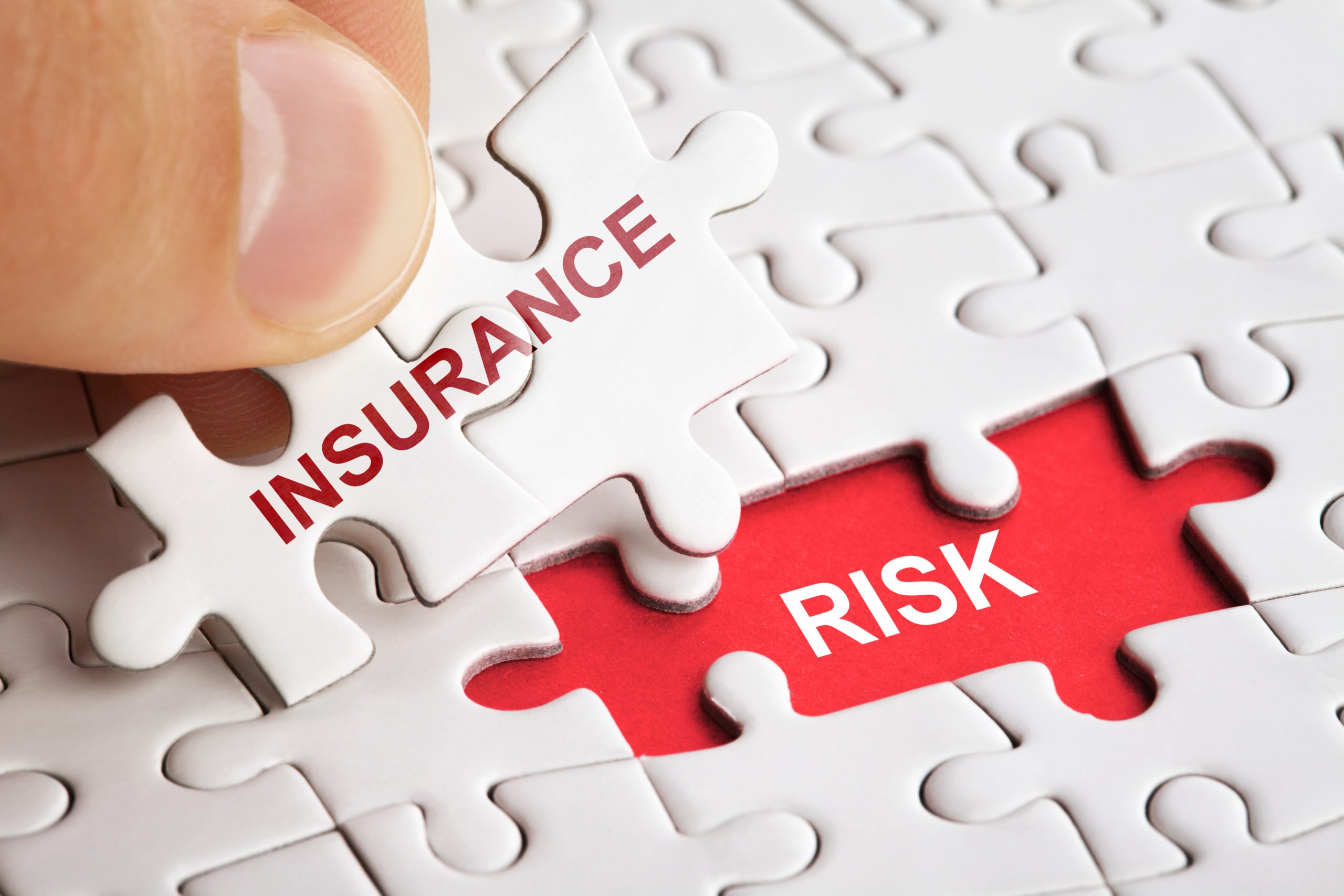
Travel health insurance is highly advised just in case you run into any kind of medical issues.
The hospitals in Istanbul are modern but if you are in ill you need to use private healthcare, prices are pretty expensive for the tourists without insurance.
3. Vaccinations
Before heading to Istanbul, be sure to see if you need any vaccinations, which is always a good idea if you’re coming from a country at risk.
Standard inoculations like Hepatitis A, Hepatitis B, and Typhoid are recommended. Always speak to your doctor first.
Bring a basic medical kit and always have hand sanitizer. Watch where meals come from and drink to avoid getting sick.
Local Laws
1. Drugs
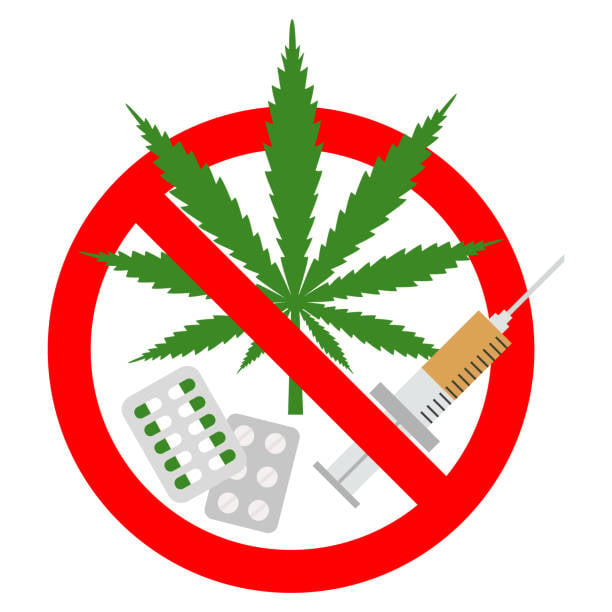
Middle Eastern and East Asian countries have strict anti-drug traditions. For example, China and Japan tightly control drugs, and Japanese cannabis remains illegal, with cultivation permitted only in rare cases. Turkey also enforces harsh drug laws, and possession or use can lead to severe penalties, so always follow local regulations when traveling.
2. ID requirements
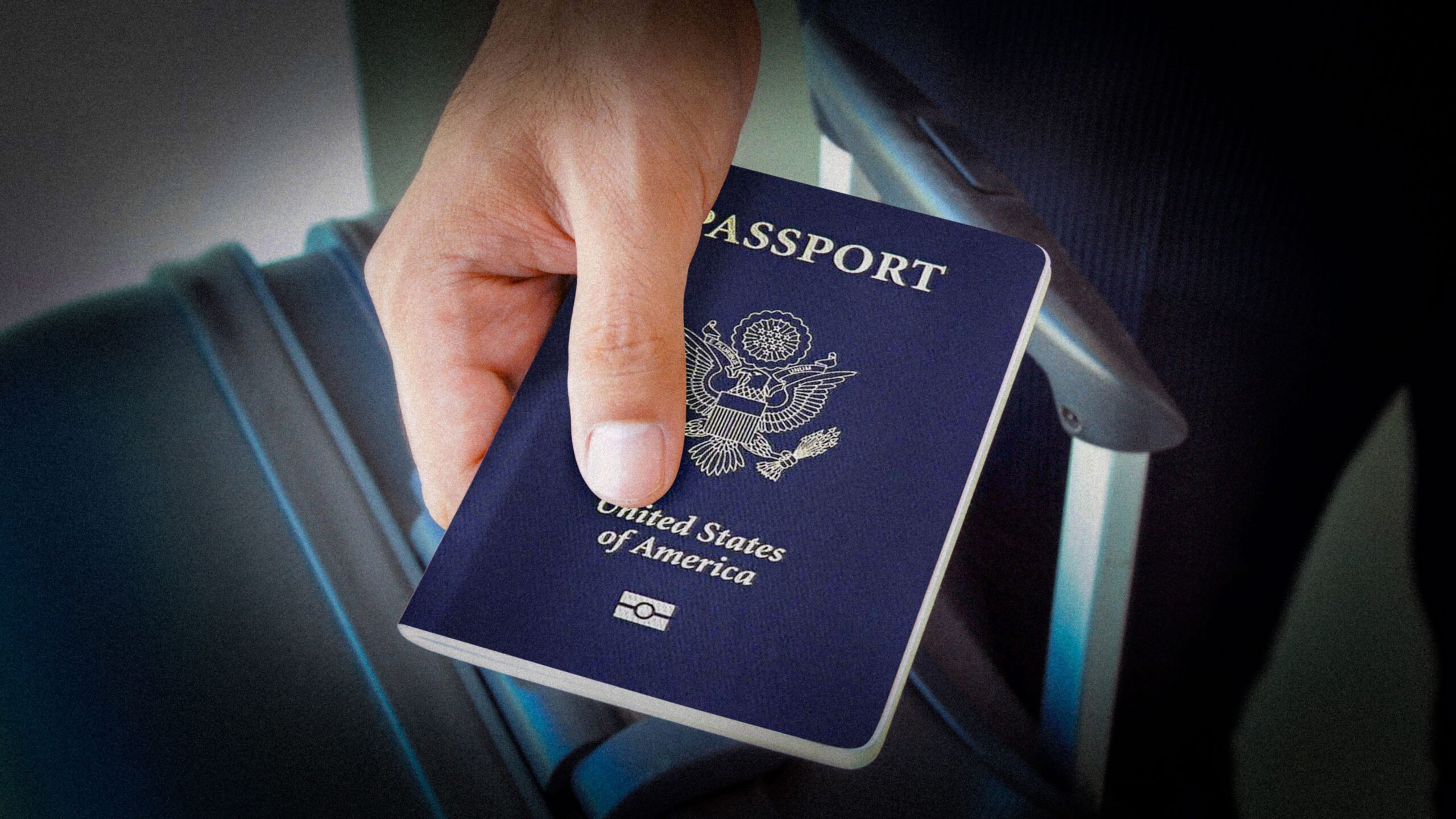
You are required to have a photo ID with you at all times. We recommend carrying a picture of your passport or your ID card, especially when going out late at night or in more secluded areas.
3. Respect for National Symbols and Figures
Insulting Turkey, the Turkish Flag, the President or Mustafa Kemal Atatürk, the founder of Turkey, is a crime. Do not make any negative comment especially in social media.
4. Note About Photography
Do not photograph military or government sites. In more conservative and/or religious areas it is best to ask permission before taking photos of people.
5. Dress Code
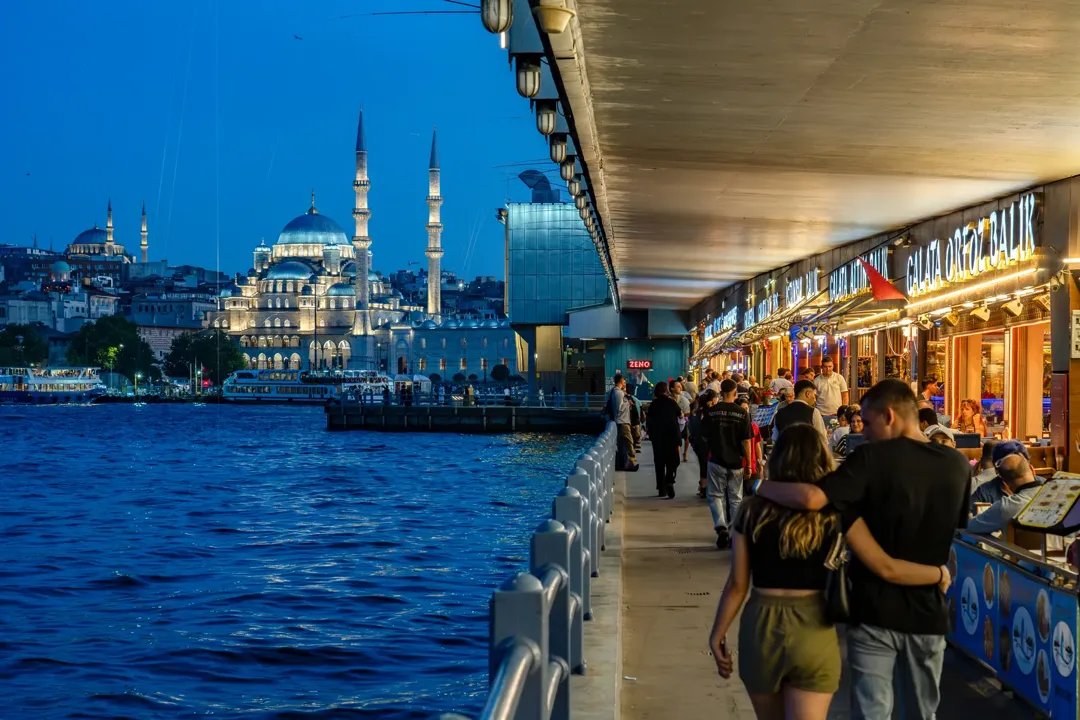
Istanbul is a rather modern city. It would be considered respectful for any gender to dress modestly, especially when visiting mosques and shrines in the city.
Most places do not have strict dress codes, but if you are near more traditional places, it would be wise to adhere to their norms.
Crime in Istanbul
Istanbul is a safe city, but, as in any big city, there is still crime. Avoiding problem areas and keeping an eye on your valuables can help ensure you have a wonderful experience in this stunning city.
1. Pickpocketing
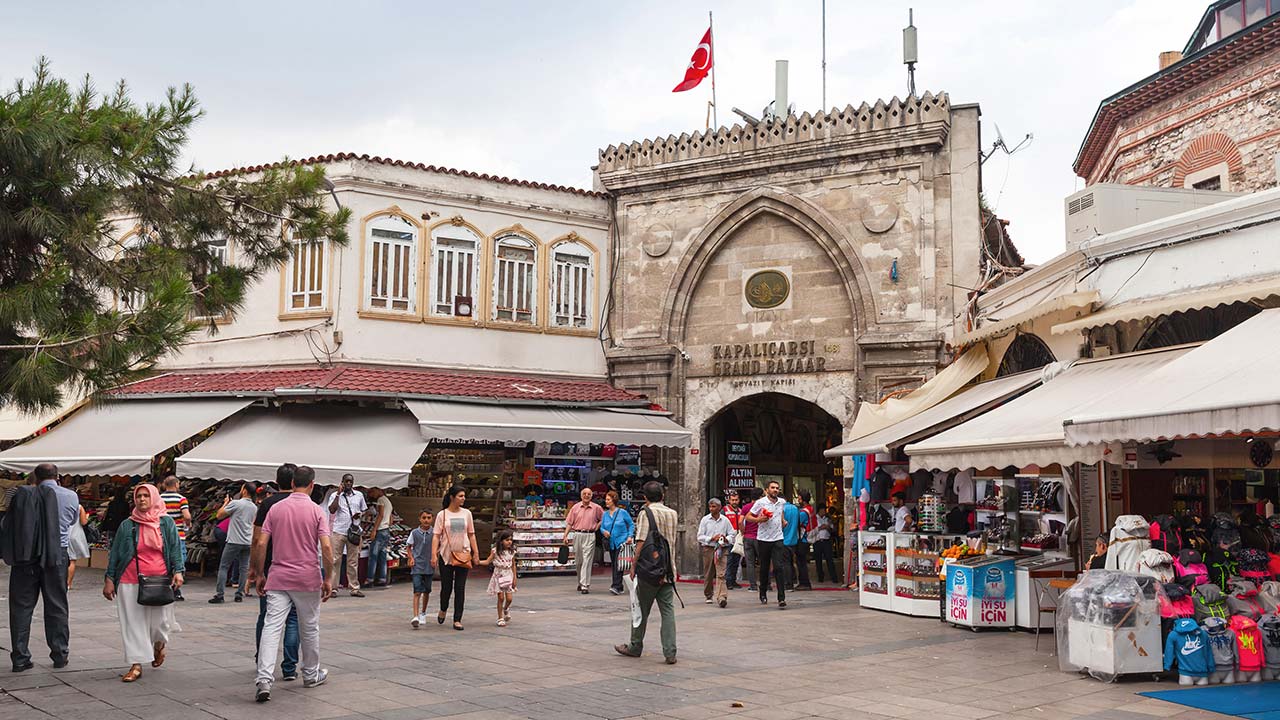
The most common crime visitors experience in Istanbul is theft, especially pickpocketing and bag snatching in crowded areas, such as the Grand Bazaar, Sultanahmet, and while on public transit.
Tips: Either wear a money belt or put your wallet in a front (and buttoned) pocket so it’s harder for pickpockets to grab your valuables.
2. Scams
There is also a risk of scams directed at tourists in Istanbul. You should be leery of overly helpful strangers who might try to lure you to tourist destinations that end up being overpriced or subpar.
Tips: Bear in mind that if someone is hassling you, always be skeptical and never commit to a service without confirming the price and quality.
3. Fake Goods and Counterfeit Products
Istanbul’s iconic bazaars, though offering affordable prices, are a common hub for counterfeit items, especially items like designer clothes and electronics. You might not always get the quality you perceive and you may overpay as well.
Tips: Always avoid unscrupulous vendors, and only buy from established stores or markets with a good reputation for selling genuine products.
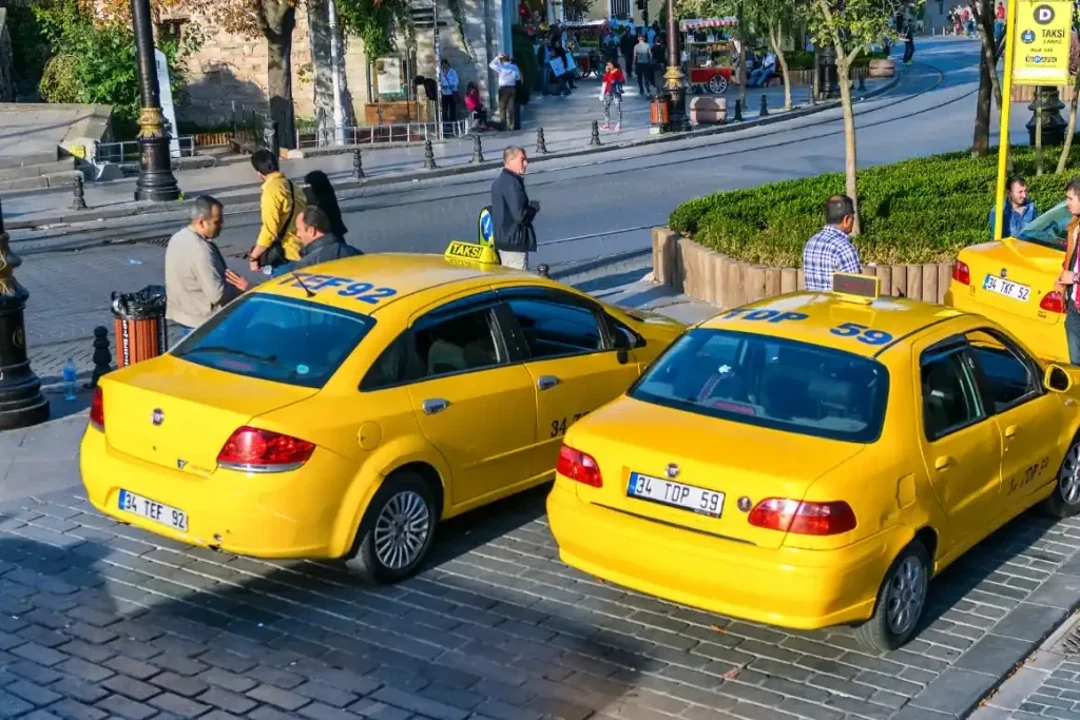
4. Taxi Overcharging
Taxis are one of the easiest ways to get from place to place in Istanbul, but it’s not uncommon for a few bad apples to rip tourists off by going the long way or not using the meter.
Tips: Make sure the meter is running or the fare is agreed upon before starting your ride. If not, consider using a ride-hailing app instead for greater pricing transparency.
5. Nighttime Safety
While Istanbul is safe at night overall, there are some less safe places when the sun sets, particularly in unlit, lowly populated areas. Like anywhere, stick to places people are and that are well lit.
Tips: If you’re going out at night, grab a taxi or an Uber. Don’t walk around unfamiliar or quiet areas at night.
Personal Travel Safety
1. Solo Travelers
While Istanbul is a relatively safe place for solo travelers, you’ll still want to keep your wits about you, especially when venturing into unknown neighborhoods or walking around after dark.
2. Female Travelers
Most solo female travelers visiting Istanbul can feel perfectly safe, especially in the most tourist-populated areas (Sultanahmet, Taksim, and Galata).
That said, as in any big city, it’s important to be smart about unwanted attention and take precautions to keep yourself safe.
Dress conservatively and be mindful of local etiquette, especially at places of worship, and steer clear of wandering around by yourself at night, especially in quieter neighborhoods.
3. LGBTQ+ Travelers
Istanbul is a very liberal city overall, particularly in the more cosmopolitan parts of Beyoğlu.
Travel Advice for Visiting Istanbul
1. Know Basic Turkish Phrases
Though English is widely spoken in Istanbul, learning some basic greetings in Turkish language like “Merhaba” (Hello) and “Teşekkür ederim” (Thank you) will help you connect with locals.
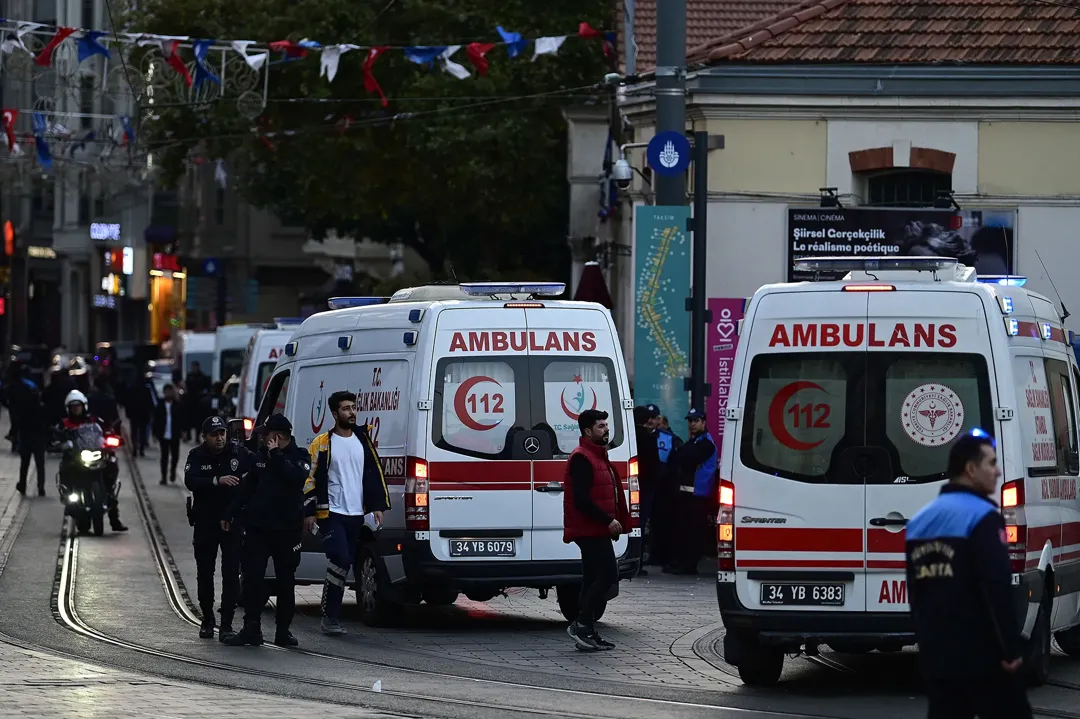
2. Keep Emergency Numbers Handy
For emergencies, the general emergency number in Istanbul is 112 for both police and medical. Always save that in your phone too, just in case.
3. Have a Local SIM Card or eSIM
When you visit the city, be sure to purchase a local SIM card or an eSIM with data. It can make getting around easier and allow you to use map apps, transportation-hailing apps, and help you stay connected with family and friends.
FAQ
1. Is Istanbul safe for Americans right now?
Yes, it is safe for Americans, but always check travel advisories for updates. U.S. Department of State Official Website on Travel Warnings for Turkey: https://travel.state.gov/content/travel/en/traveladvisories/traveladvisories/turkey-travel-advisory.html.
2. Do they speak English in Istanbul?
English may be more common in touristy destinations and less so in local ones.
3. What happens if I lose my passport or purse in Istanbul?
In the event that you lose your passport or wallet, make sure you contact the embassy authorities and the local police. It’s also helpful to carry photocopies of your important documents.
Conclusion
As you prepare for your trip to Istanbul, expect a mix of excitement and curiosity. This vibrant city wants you to stay safe, so by staying aware and taking sensible precautions, you can enjoy a worry-free visit.
Use the resources and recommendations in this post to better prepare for your Turkish adventure and to travel smarter. Whether you’re flying solo or exploring with a group of friends, Istanbul is sure to be an incredible — and safe — trip.