
Weather in Turkey changes sharply between the Mediterranean and Aegean coasts, the Black Sea, the Marmara region, and the continental interior. A forecast for one city does not describe the whole country.
Coastal summers are generally hot, inland winters can be cold and snowy, and mountain conditions may change quickly. Trip timing should follow the exact region and activity rather than a single national average.
This guide compares climate zones, major-city conditions, seasons, live forecast tools, and packing choices. iRoamly eSIM options can keep weather alerts and route updates available during the trip.
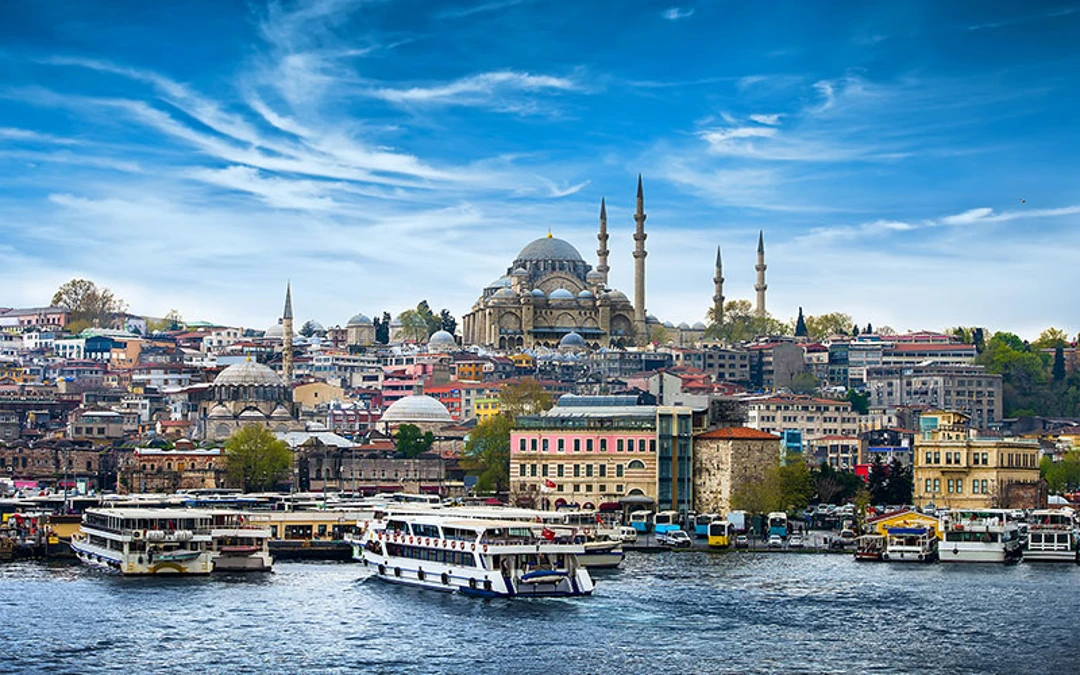
Brief Overview of Turkey’s Climatic Zones
Southern and western coasts have Mediterranean characteristics: hot, dry summers and mild, wetter winters. The Black Sea coast is more humid and receives rain throughout the year.
Central and eastern interiors have stronger continental patterns, with larger day-to-night and seasonal temperature ranges. The Turkish State Meteorological Service provides official city forecasts for short-term planning.
Use this quick comparison to match the climate zone to the trip rather than treating Turkey as one forecast area.
Climate zone | Typical summer | Typical winter | Planning focus |
|---|---|---|---|
Mediterranean and Aegean coasts | Hot, dry, and beach-oriented | Mild, wetter, and changeable | Heat timing, sun protection, and rain layers outside summer |
Marmara and Istanbul | Warm and often humid | Cool, wet, and occasionally snowy | Wind, rain protection, and flexible city plans |
Black Sea coast | Milder, humid, and frequently rainy | Cool and wet; snow inland or at elevation | Waterproof layers and route checks |
Central and eastern interior | Hot days with cooler nights | Cold, often snowy, with stronger extremes | Layering, road conditions, and night temperatures |
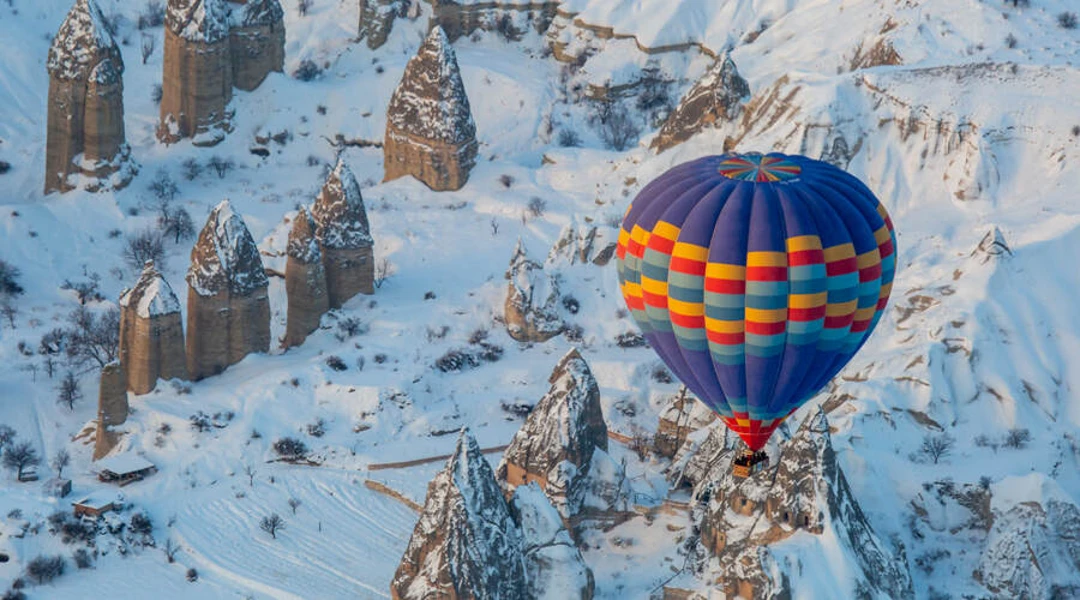
Elevation changes conditions quickly in Cappadocia, the Kaçkar range, the Taurus Mountains, and eastern provinces. Check mountain forecasts separately from nearby lowland cities.
Localized Weather Reports for Major Cities
Istanbul
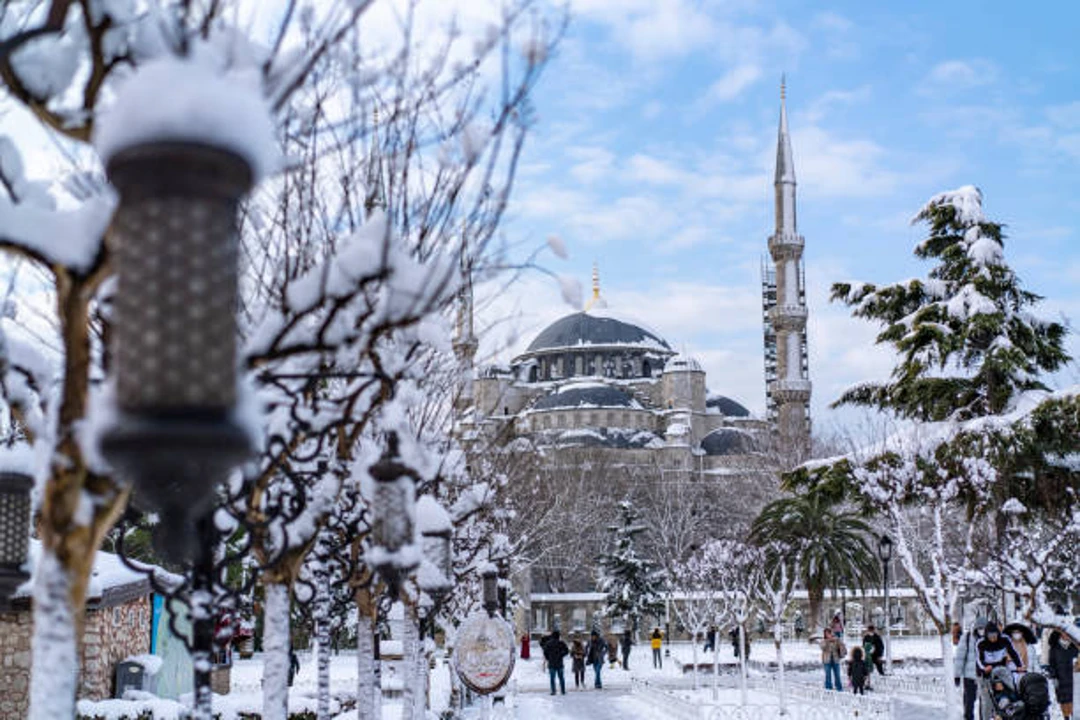
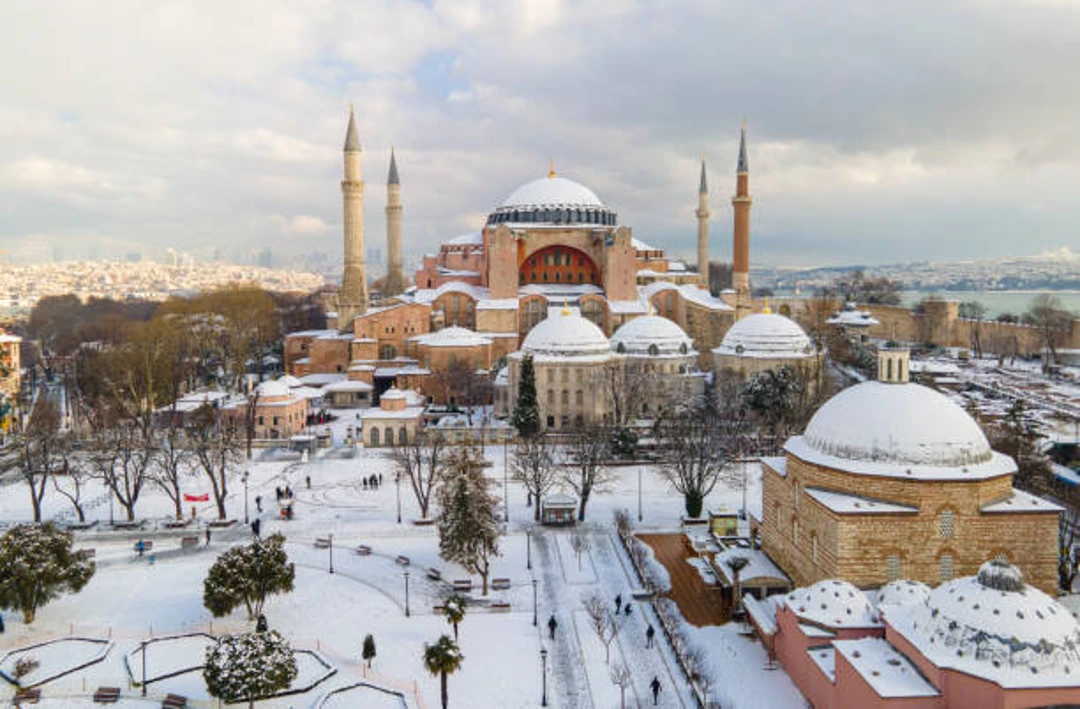
Istanbul has warm, humid summers and cool, wet winters, with occasional snow. Wind near the Bosphorus can make the temperature feel lower than the forecast suggests.
Pack rain protection outside summer and a breathable layer in July or August. Spring and autumn can shift between sun, rain, and cool evenings in one day.
Antalya
Antalya travel conditions favor hot, dry summers and mild, rainier winters. Summer beach weather is reliable, but exposed sightseeing is more comfortable early or late.
Spring and autumn balance warm sea-side conditions with easier walking. Winter rain can be heavy even when daytime temperatures remain mild.
Cappadocia
Cappadocia has hot, dry summer days, cooler nights, and cold winters that can fall below freezing. Snow changes the landscape but may disrupt roads or balloon schedules.
Spring and autumn suit hiking, though wind can cancel balloon flights in any season. Build flexibility into the morning rather than planning a tight onward transfer.
The Cappadocia destination guide adds activity and route context to these seasonal tradeoffs.

Izmir
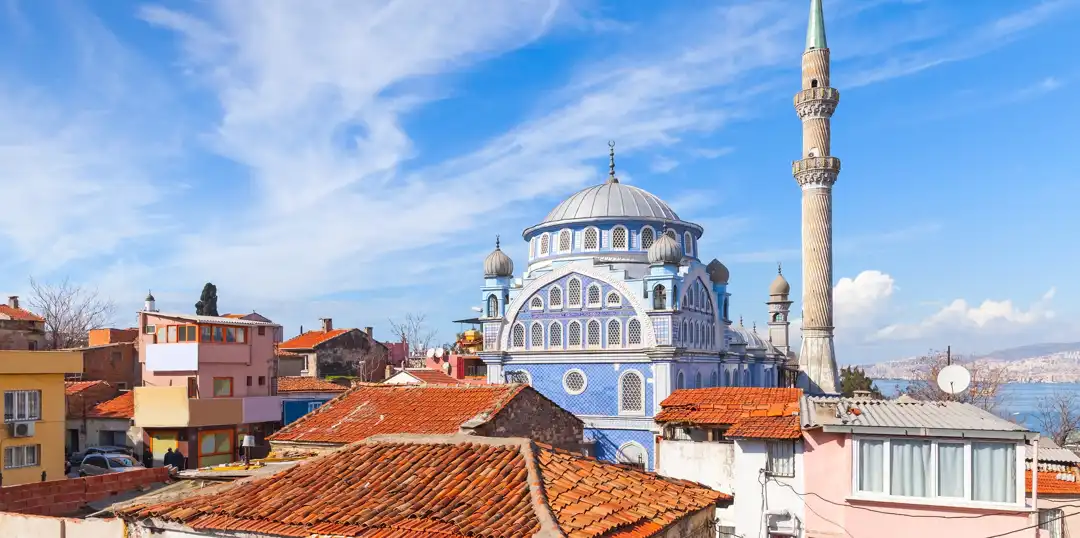
Izmir’s Aegean climate brings hot, dry summers and mild, wetter winters. Sea breezes help near the waterfront, but midday heat still affects exposed ruins and inland day trips.
April to June and September to October usually suit walking and regional excursions. Winter travelers should bring a rain layer and confirm ferry or outdoor plans.
An Izmir city guide helps connect the weather pattern to neighborhoods, sights, and day-trip choices.
Seasonal Weather Patterns and Activity Recommendations
Spring in Turkey
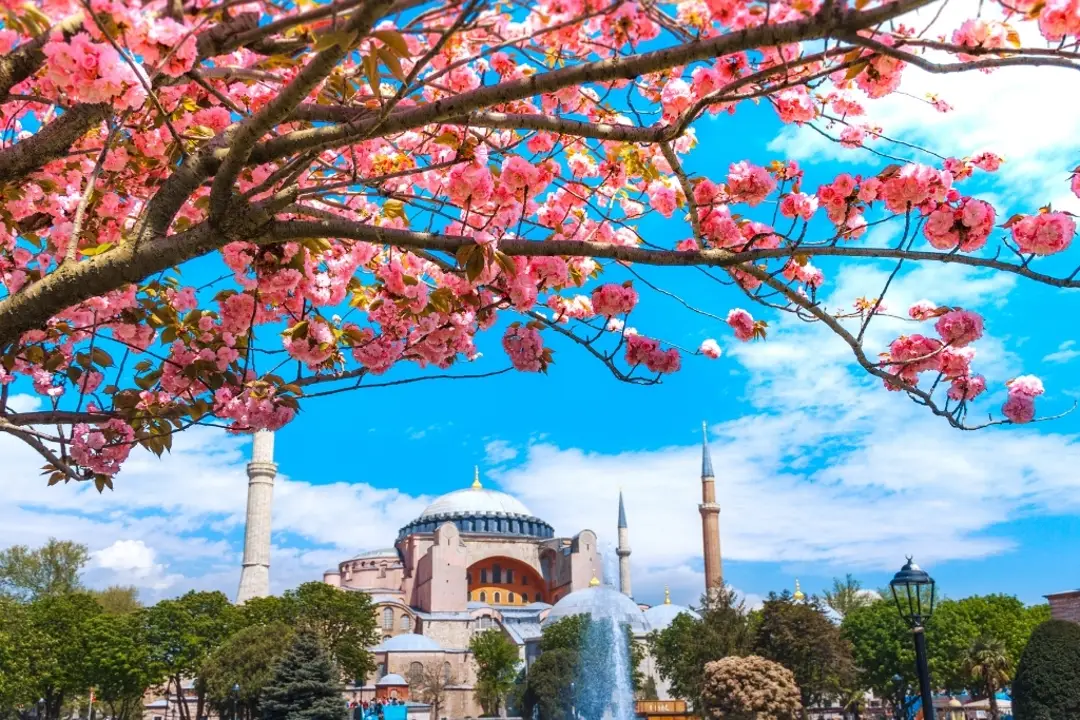
Spring supports city walks, archaeology, gardens, and lower-elevation hikes. Bring layers and rain protection because April can still be unsettled.
Summer Adventures
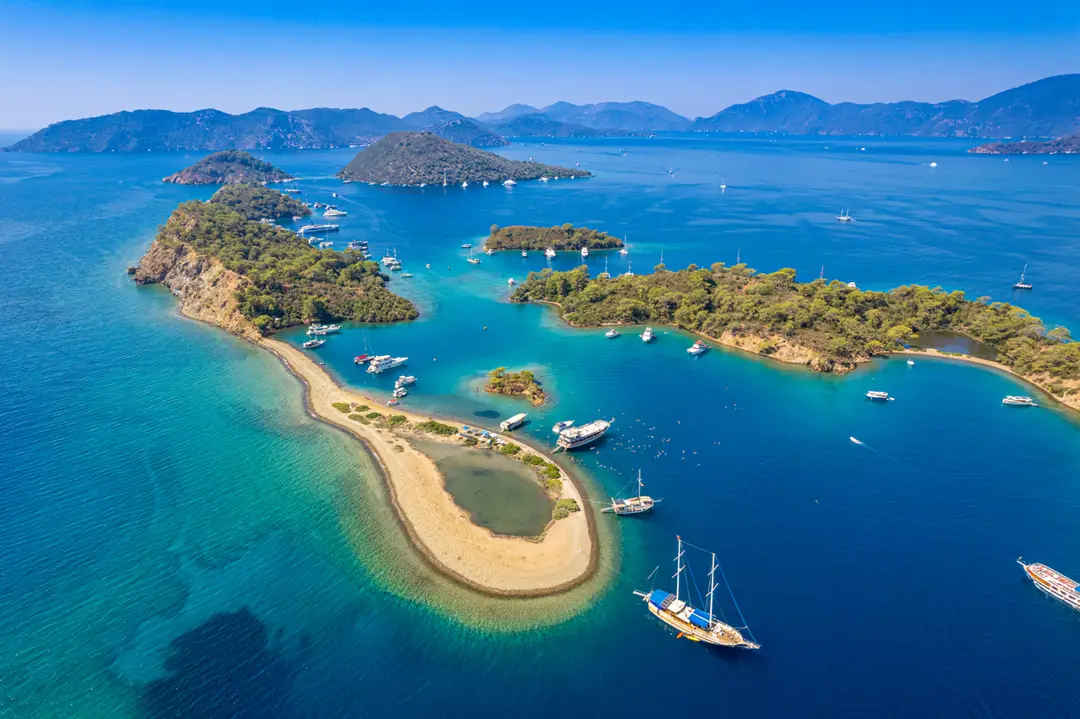
Across Mediterranean coasts, summer choices depend on heat tolerance, crowd levels, and how much ground you want to cover. An Italy beach guide spans a long, dispersed coastline that often rewards a multi-stop trip, whereas Turkey’s Antalya–Aegean corridor supports a more focused beach route.
Choose Turkey when shorter transfers and one or two bases matter more than sampling several distant regions.
Choose mornings for ruins and hiking, then reserve afternoons for water, shade, or indoor sites. Hydration and sun protection matter even when a sea breeze feels comfortable.
Autumn Charms
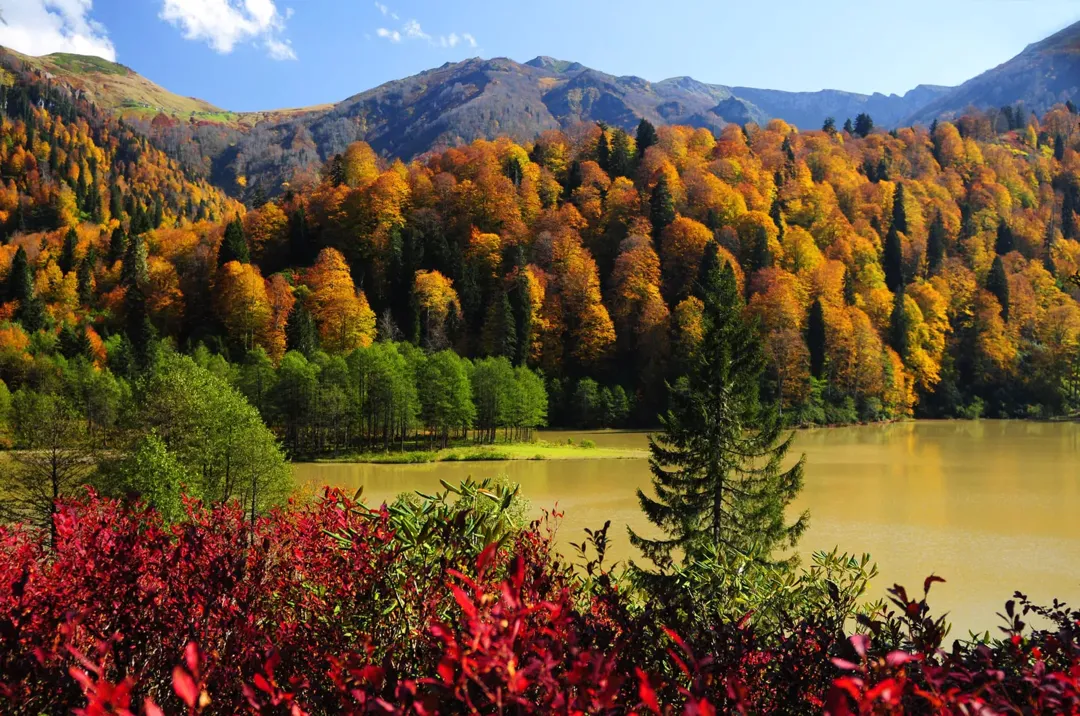
September and October often combine warm coasts with easier city sightseeing. Inland nights cool earlier, so pack a light layer for Cappadocia or central Anatolia.
Winter Wonders
Winter supports skiing and snowy inland scenery, while the Mediterranean coast stays comparatively mild. Mountain roads, wind, and short daylight require more schedule flexibility.
Comparative Regional Weather Analysis
Choose the Mediterranean or Aegean coast for dry summer beach weather, the Black Sea for lush landscapes and regular rain, and the interior for larger seasonal contrasts.
Istanbul sits between maritime influences and can change quickly. Cappadocia and eastern Turkey need more attention to night temperatures, snow, wind, and transport disruption.
The best region is therefore activity-specific: beach time, hiking, urban sightseeing, winter sports, and ballooning each have different weather tolerances.
Interactive Weather Tools and Real-Time Updates
Use an official city forecast for the next few days and climate normals only for broad seasonal expectations. Recheck wind, rain, heat, and mountain warnings before long transfers or outdoor activities.
Save accommodation details and transport alternatives before leaving Wi-Fi. Forecasts can change after a route begins, especially around mountains and exposed coasts.
A Turkey eSIM keeps forecast apps, weather alerts, and live transport information available when plans need to change.
Forecast Checks Before Travel Days
Check conditions the evening before a long transfer and again before departure when wind, storms, mountain roads, or sea crossings affect the plan.
The service’s official five-day forecast map helps compare conditions along a route, while city forecasts remain better for exact local details.
Quick Travel Clothing and Packing Tips by Season
Spring Travel Tips
Spring is probably my favorite time of year in Turkey. Everything is coming back to life, in full bloom, yet the wind and the weather are still quite mild. Just be sure to pack layers since it can be chilly in the mornings while warming up in the afternoons.
You’ll also want to bring comfortable shoes for walking through gorgeous gardens or around ancient ruins, as well as a light jacket and compact umbrella for the odd spring shower.
Summer Packing Essentials
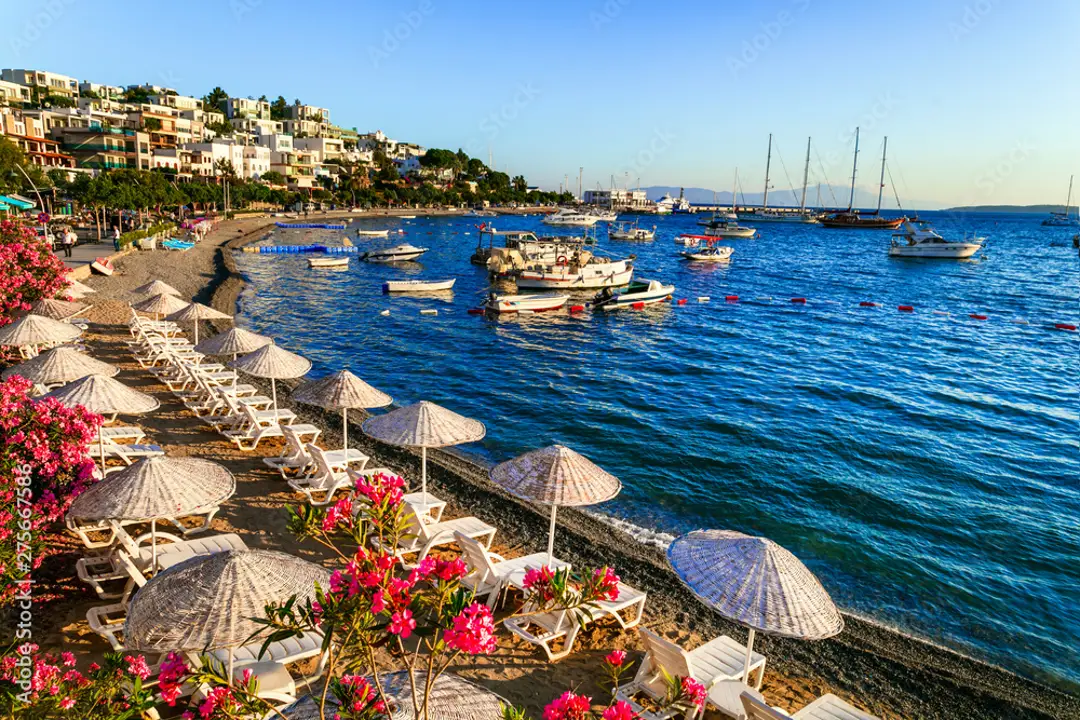
Come summertime, light and breezy is your motto. You’ll want to wear natural, breathable materials, such as cotton and linen, in order to stay cool in the hot, sunny weather (especially along the coast). Be sure to take a wide-brim hat and sunglasses with you to shield you from the sun.
While for the beach sandals are great, you should bring some good walking shoes for strolling the cobbled streets and hiking.
Autumn Wardrobe Advice
Autumn is when the scenery looks like a warm painting. Just be sure to pack a few light jackets and sweaters, as the weather can be hit or miss.
You might wake up to bright sunshine only to have it turn to colder winds by day’s end so make sure to pack layers to manage the fluctuations. A warm scarf can also help do the trick and help you look fashionable.
Winter Gear Guide
In the winter, it can get quite cold (and snowy) in Turkey, especially inland. You will definitely want a heavy coat and thermals to keep warm, especially if you’re visiting Cappadocia and want to see the snow-covered fairy chimneys. Waterproof boots are recommended.
Gloves and a hat will also help keep you warm so you can enjoy the winter weather!
FAQ
1. What is the best month to visit Turkey?
May, June, September, and October often balance comfortable sightseeing with warm coastal conditions.
2. Does Turkey have snow?
Yes, inland and mountain regions can receive significant winter snow, while coastal areas are generally milder.
3. Is Antalya dry in winter?
No, Antalya’s winters are mild but are also the wetter part of its year.
4. What should I pack for Istanbul?
Bring comfortable shoes, layers, and rain protection outside the driest summer period.
5. Can weather cancel Cappadocia balloons?
Yes, operators may cancel flights for wind or unsafe conditions in any season.
Conclusion
Turkey’s weather is regional: coasts, interior plateaus, mountains, and the Black Sea follow different seasonal patterns.
Match the destination to the activity, use city-level forecasts, and build flexibility around wind, rain, snow, and extreme heat.
A layered packing plan and one final forecast check will prevent most weather-related disruptions without overloading your luggage.