
Cappadocia, Turkey, is a historic region of Central Anatolia rather than a single town. Its eroded volcanic landscape contains fairy chimneys, valleys, rock-cut churches, underground settlements, and communities such as Göreme, Uçhisar, Ürgüp, and Avanos.
Most first-time visitors need two or three full days and should keep one sunrise flexible if a balloon flight matters. A Turkey eSIM can keep maps, transfer messages, weather updates, and booking details available between dispersed towns and valleys.
This guide explains when to go, where to stay, how long to spend, which sights and activities to prioritize, what to eat, and how to move around Cappadocia safely and respectfully.
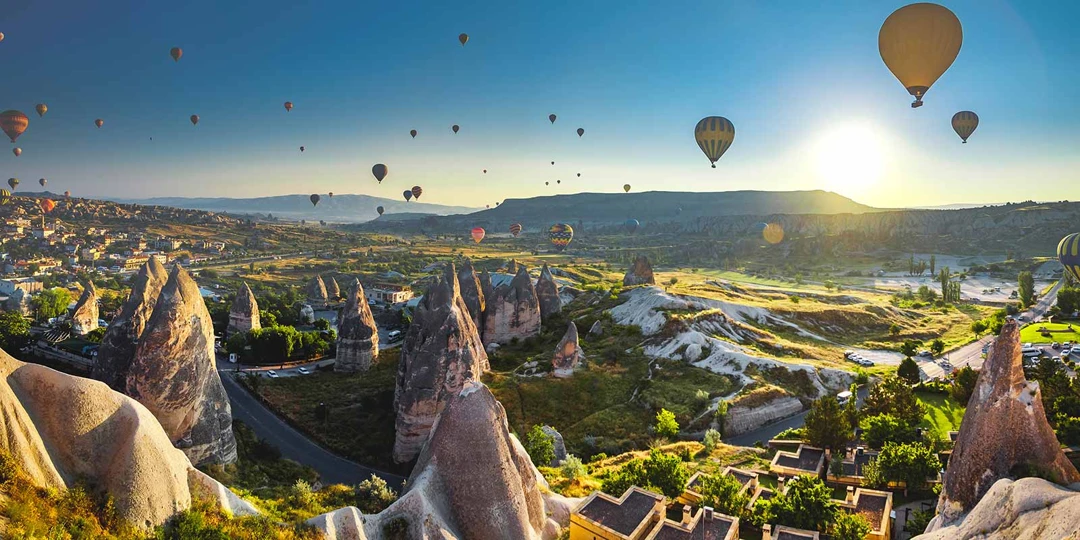
Best Time to Visit Cappadocia
April to May and September to October usually offer the most comfortable balance for hiking and open-air sightseeing. Conditions still change quickly at elevation, so pack layers and check the forecast for Nevşehir rather than relying on a nationwide Turkey forecast.
Summer afternoons can be hot and exposed, while winter brings freezing mornings, possible snow, and shorter daylight. Balloon operations are weather-dependent in every season, so no month guarantees a flight.
The table summarizes the main tradeoffs without treating any season as universally best.
Season |
Typical conditions |
Best for |
Plan for |
|---|---|---|---|
Spring |
Cool to mild, with changeable rain |
Valley walks and sightseeing |
Layers and a light waterproof |
Summer |
Hot, dry afternoons and strong sun |
Early starts and long daylight |
Water, shade, and midday breaks |
Autumn |
Mild days and cooler evenings |
Hiking, viewpoints, and harvest foods |
Popular dates and temperature swings |
Winter |
Cold, with possible snow and ice |
Quieter sites and snowy scenery |
Warm footwear and flexible transport |
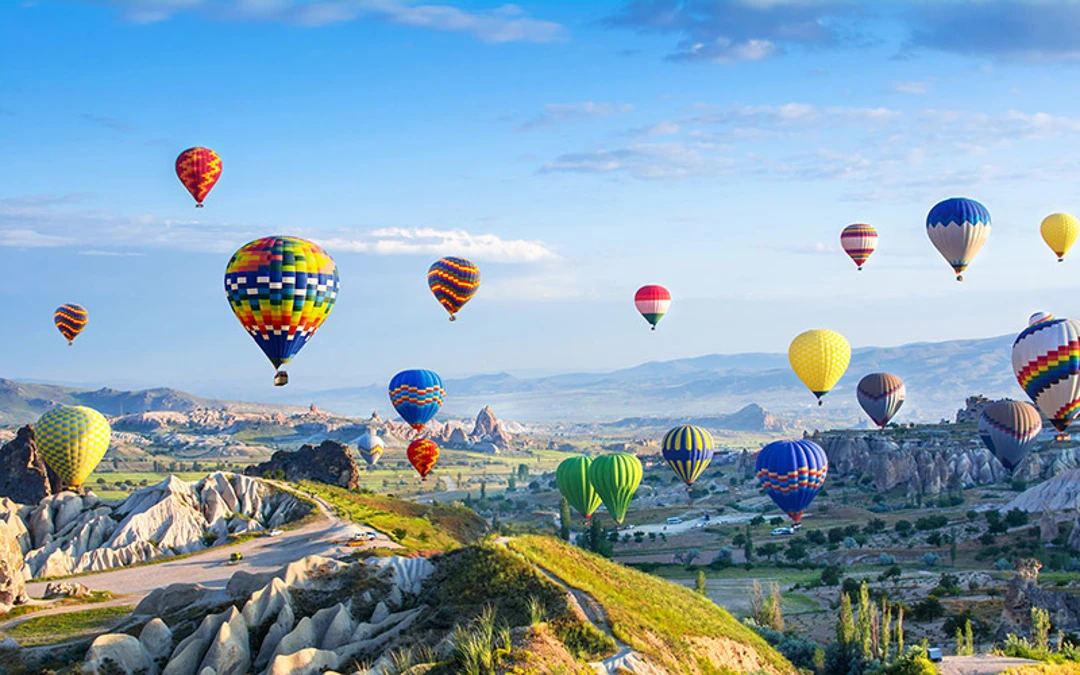
Where to Stay and How Long
Choose a base according to transport, evening atmosphere, and the experiences you value most. A cave-style room can be memorable, but confirm whether it has exterior windows, reliable ventilation, heating or cooling, steep access, and a flexible cancellation policy.
These four bases suit different travel styles.
Base |
Best for |
Main advantage |
Tradeoff |
|---|---|---|---|
Göreme |
First visits and travelers without a car |
Tour pickups, restaurants, and nearby trails |
Busy at peak times |
Uçhisar |
Views, quieter evenings, and couples |
High viewpoints and boutique stays |
Steep streets and fewer walkable services |
Ürgüp |
Dining, wine, and road-based itineraries |
Broader town services |
Less convenient for Göreme trailheads |
Avanos |
Pottery, river walks, and a local-town pace |
Craft workshops and calmer evenings |
More transfers to major valleys |
A Practical Two- or Three-Day Plan
Two full days can cover a sunrise balloon attempt, Göreme Open-Air Museum, a central valley, Avanos, and either Zelve-Paşabağ or an underground city. The schedule will be tight if arrival and departure times reduce daylight.
Across short heritage-and-landscape trips, transfer time determines how much three days can hold. Cappadocia can use one regional base, while a 3-day Greece itinerary divides the same window between Athens and Santorini. Choose Cappadocia for fewer transfers and more time within one region.
With three days, add Ihlara Valley or a second underground city route and keep a backup sunrise for weather disruption. Four or more days suit slower hikes, photography, or travelers who prefer fewer transfers.
Day |
Suggested focus |
|---|---|
1 |
Balloon attempt, Göreme museum, Uçhisar, and a sunset viewpoint |
2 |
Underground city, Ihlara or Zelve-Paşabağ, and Avanos |
3 |
Weather buffer, longer valley walk, pottery, or a second heritage site |
Must-See Cappadocia Attractions
The UNESCO-listed Cappadocia landscape combines erosional landforms with rock-cut settlements, churches, and underground towns. It is a regional cultural landscape, not a single museum enclosed by one gate.
Prioritize contrasting places rather than several similar photo stops. One rock-art site, one underground city, one valley, and one viewpoint create a more balanced first visit.
Göreme Open-Air Museum
At Cappadocia’s Göreme Open-Air Museum, rock-cut churches and monastic spaces preserve major examples of post-iconoclastic Byzantine painting. Important interiors include Tokalı, Elmalı, Saint Barbara, Yılanlı, Çarıklı, and Karanlık churches.
Allow roughly two to three hours, wear shoes with grip, and follow posted photography rules. Some interiors or ticket conditions can change, so avoid building a tight airport transfer around the visit.
Fairy Chimneys, Zelve, and Paşabağ
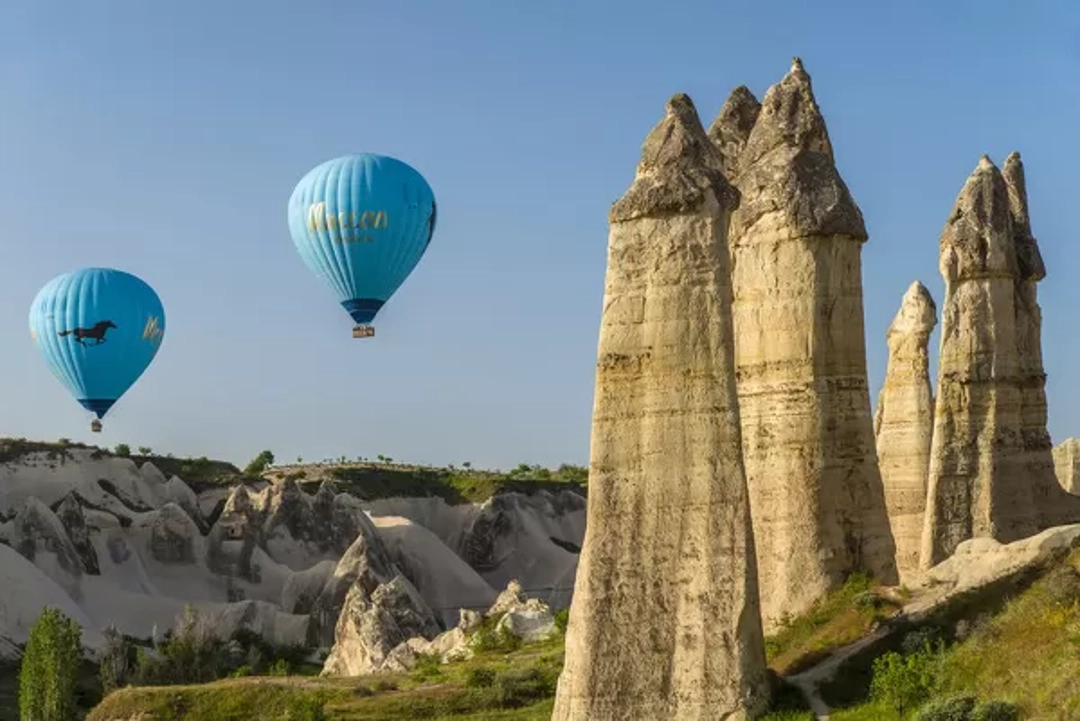
Fairy chimneys formed when erosion wore away softer volcanic tuff while harder cap rock protected parts of the columns. Water, wind, freeze-thaw cycles, and differences in rock hardness shaped the landscape over a long period.
Paşabağ is known for capped, multi-stem formations, while Zelve combines three valleys with rock-cut living and religious spaces. Stay on marked paths because crumbly edges and polished rock can be slippery.
Derinkuyu Underground City
The official Derinkuyu visitor listing describes an eight-level complex with stables, storage areas, communal kitchens, religious spaces, narrow tunnels, and ventilation shafts.
The visit involves low ceilings, steep stairs, and confined passages. Travelers with claustrophobia, limited mobility, or respiratory concerns should assess the route before entering and avoid separating from their group.
Uçhisar and the Valleys
Uçhisar provides a high viewpoint across central Cappadocia, while Pigeon, Rose, Red, Love, and Sword valleys offer walks of different lengths. Trail access and surface conditions vary, so do not treat every route as an easy stroll.
Start exposed walks early, carry water, and avoid cliff edges in wind, rain, snow, or poor light. Download a route or carry an offline map because informal side paths can be confusing.
Best Things to Do in Cappadocia
Cappadocia rewards a mix of landscape, history, and living craft traditions. Book weather-sensitive activities early in the stay, then place museums, workshops, and shorter walks in the remaining time.
Hot Air Balloon Flight
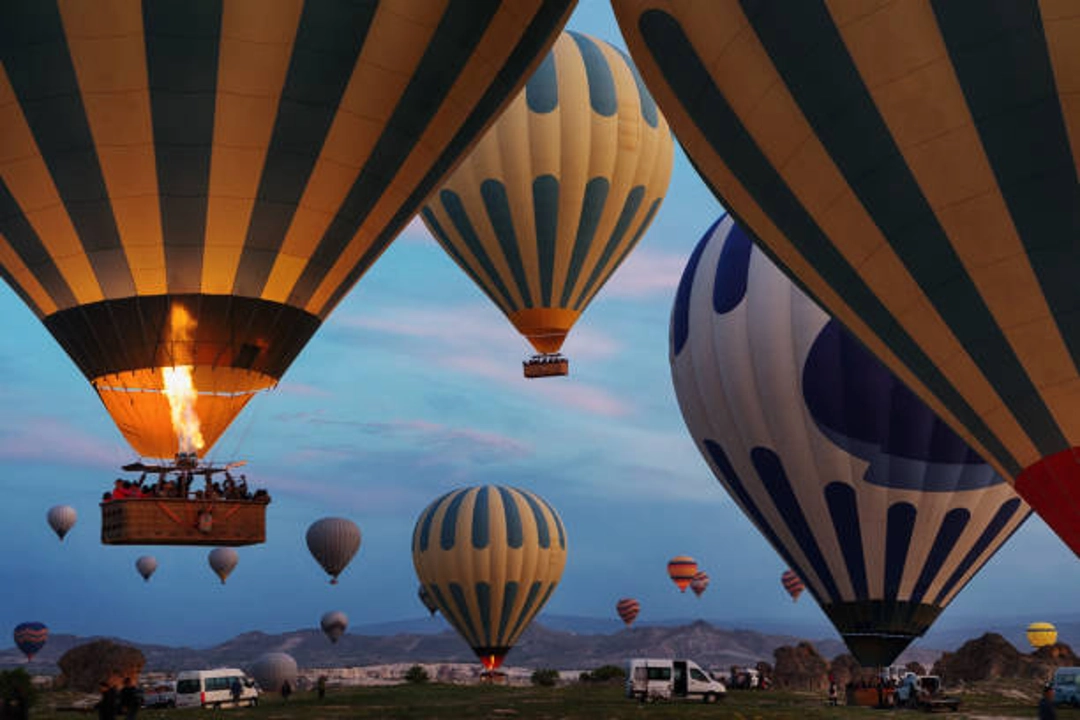
Balloon flights normally launch around sunrise, but the binding daily decision depends on wind and other meteorological conditions. The Cappadocia Slot Centre publishes the official balloon flight status for the operating area.
Reserve with an authorized operator, confirm pickup and cancellation terms, and keep a second sunrise free when possible. If flights are canceled, a ground viewpoint still offers dawn views without implying that balloons will launch.
Hike Ihlara or a Central Valley
Ihlara is a long canyon with rock-cut churches beside the Melendiz River, not one uniformly easy walk. Choose an entrance and exit that fit your time, mobility, transport, and daylight rather than assuming you must complete the whole valley.
Central valleys near Göreme are easier to combine with other sights, but surfaces can still be dusty, steep, icy, or muddy. Shoes with traction are more useful than city sandals.
Ride Through the Valleys
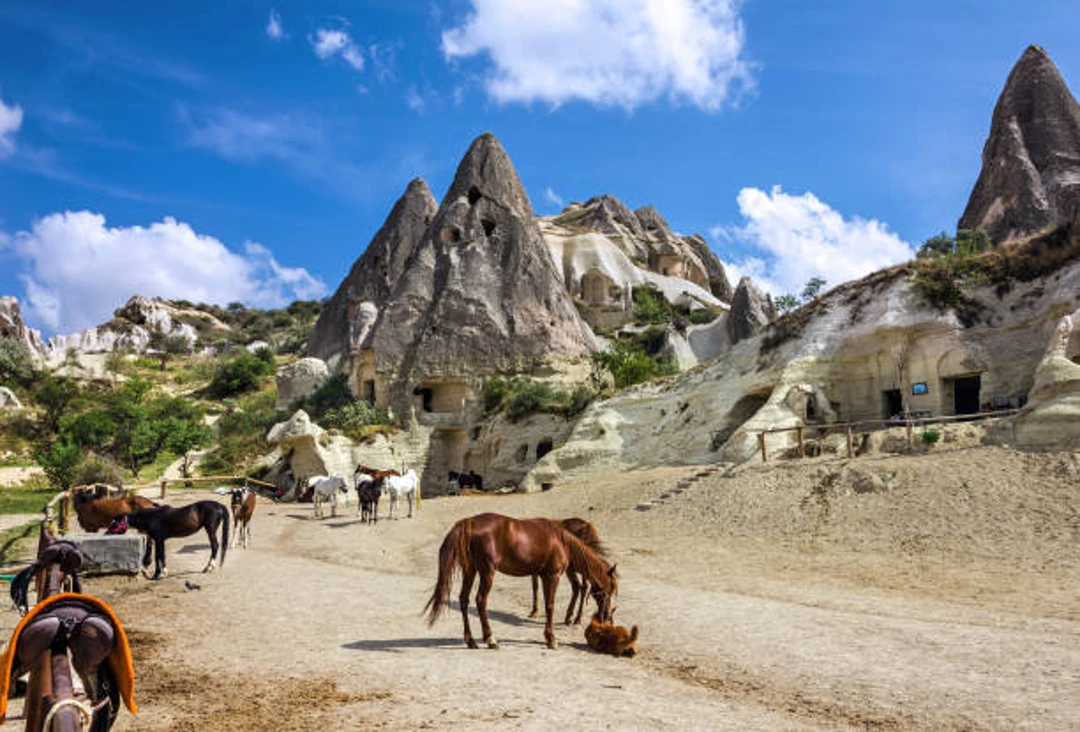
Horseback tours can reach tracks that ordinary vehicles do not use. Match the route and pace to your experience, check that helmets are available, and avoid treating a sunset ride as risk-free when light is fading.
Travelers who prefer not to ride can choose a guided walk through the same valley environment. Both options protect the day from becoming a sequence of roadside viewpoints.
Try Pottery in Avanos
Avanos developed a strong pottery tradition around clay from the Kızılırmak area. A workshop demonstrates how local material, wheel technique, firing, and decoration come together more clearly than a short retail stop.
Ask whether the session is a demonstration or hands-on class, how long firing takes, and whether finished pieces can be shipped. Buy only when the price and delivery terms are clear.
Cappadocia Food and Wine
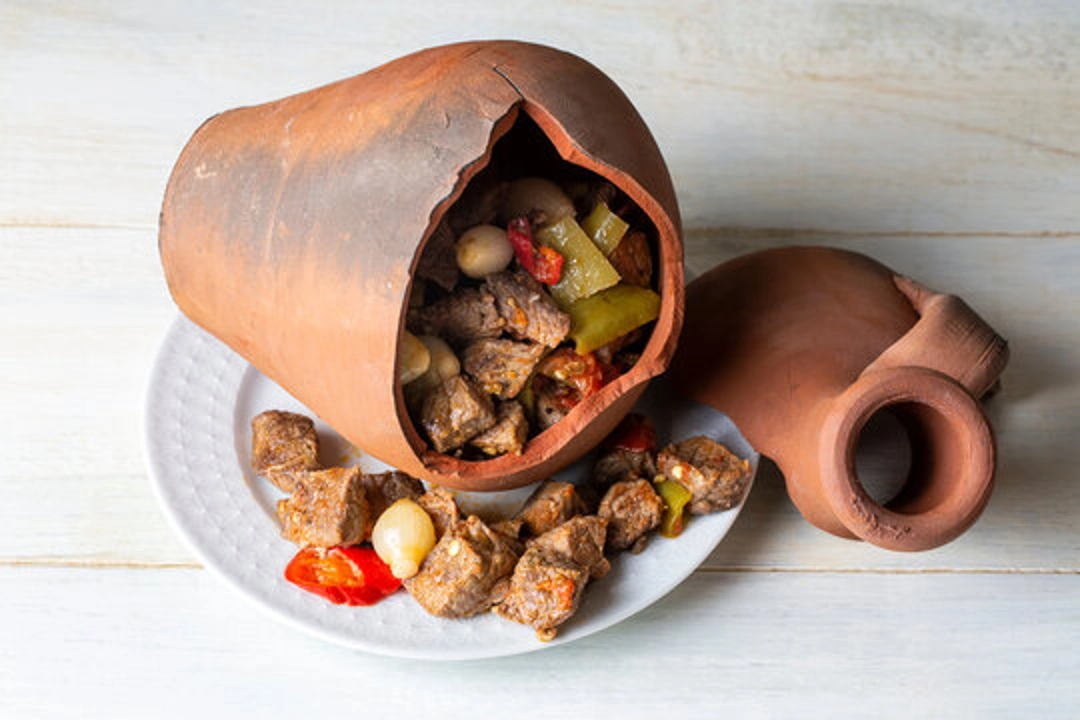
Regional meals reflect Central Anatolian ingredients, clay-pot cooking, grapes, grains, legumes, and dairy. Avoid choosing a restaurant only for a theatrical pot-breaking presentation; preparation quality and clear pricing matter more than the performance.
Traditional Dishes
Testi kebabı is Cappadocia's best-known clay-pot dish, usually combining meat and vegetables in a sealed vessel. It belongs to wider regional food traditions in Turkey rather than being the only local meal worth trying.
Also look for mantı, soups, stuffed vegetables, beans, bulgur dishes, and seasonal apricot or quince preparations. Ask restaurants about ingredients rather than assuming that a vegetable-based dish is vegetarian or allergen-free.
Street Snacks and Sweets
Simit, gözleme, roasted seeds, dried fruit, and lokum are practical snacks between sights. Lokum is a Turkish confection found across the country, so describe it as a national sweet rather than claiming Cappadocia is its single source.
Markets and bakeries vary by town and opening day. Carry water and a small snack on valley routes, where food stalls may be seasonal or far from the trail.
Local Wine
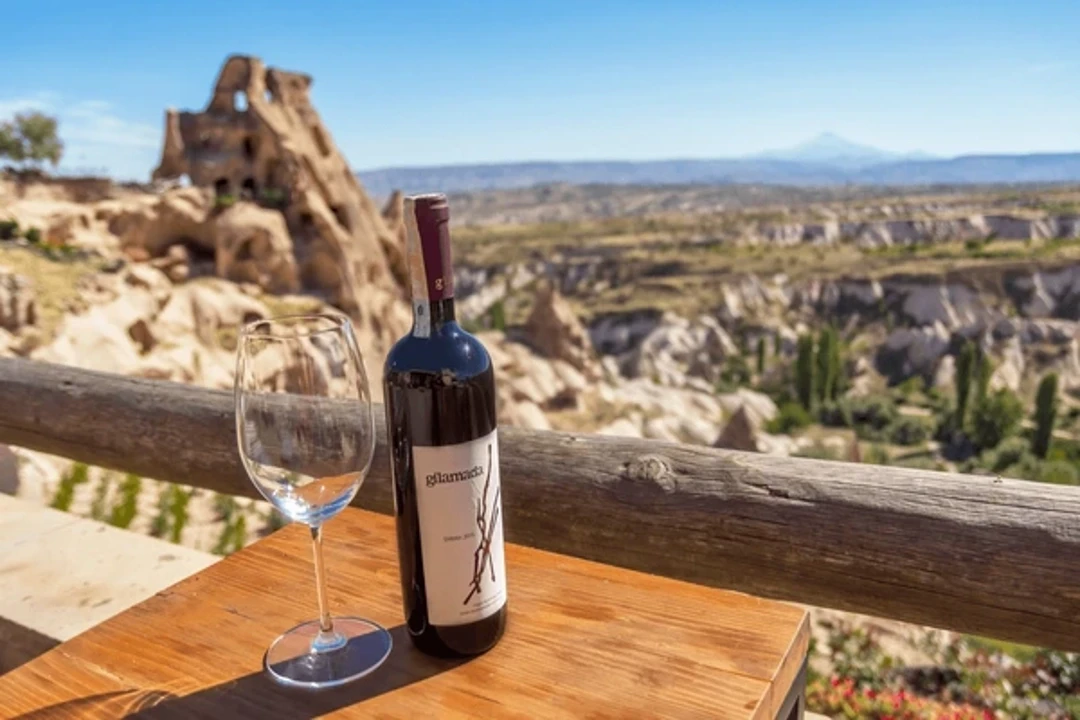
Cappadocia has a long wine tradition supported by local grape varieties and volcanic soils. Emir is strongly associated with the region, while other Anatolian grapes may also appear in blends and tastings.
Compare wineries by grape, production style, transport, and tasting format rather than by an unsupported alcohol range. Arrange a driver or taxi if drinking, and ask whether the tasting includes local Emir grapes, blends, or food pairings.
Cappadocia Travel Tips
Plan for uneven ground, large temperature swings, and transfer time between towns. Keep a layer, sun protection, water, and footwear with traction available even when the day's main activity looks short.
Respect Religious and Cultural Spaces
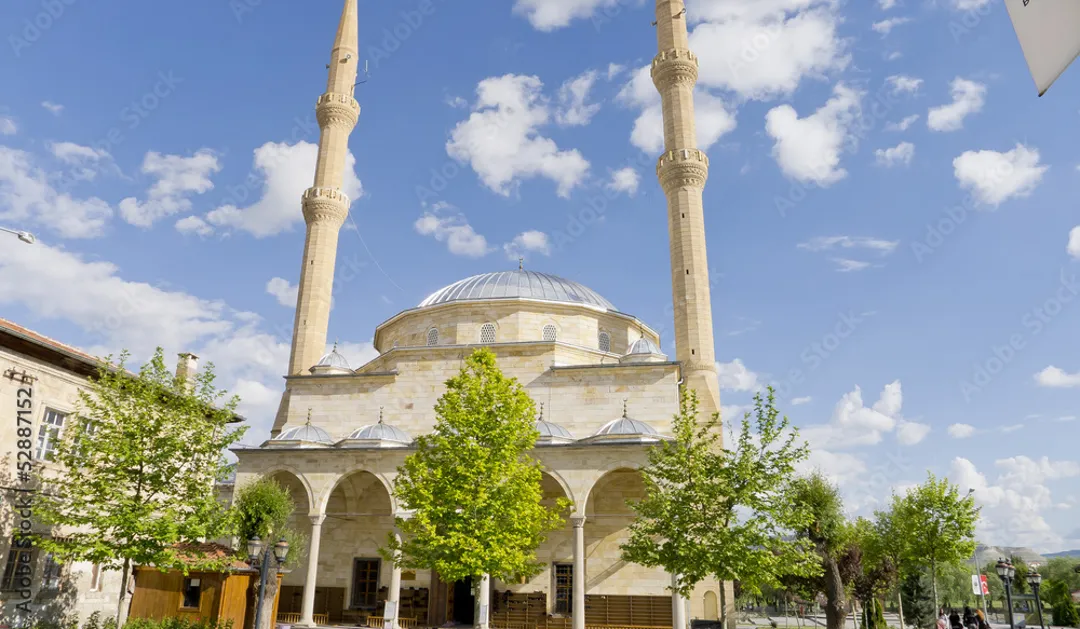
Rock-cut churches are protected heritage, while mosques remain active places of worship. Broader cultural traditions in Turkey provide useful context, but posted rules and local staff should guide each visit.
Dress modestly where requested, remove shoes before entering a mosque prayer area, keep voices low, and never touch frescoes. Ask permission before photographing people or worship.
Keep Essential Information Available
iRoamly travel eSIM plans can support navigation, translation, operator messages, and last-minute schedule checks. Save the hotel address, airport transfer details, tickets, and a local map offline as a backup.
Mobile signal can weaken in valleys or underground spaces, and a charged phone does not replace basic route awareness. Tell someone your plan before a longer independent hike.
Avoid Stereotypes and Pressure
Shared meze and communal dishes are common in some meals, but do not assume strangers will take food from another person's plate. Follow the host's lead and ask before sharing.
Workshops, carpet shops, wineries, and tours may include sales offers. A polite refusal is sufficient, and travelers should confirm prices before accepting extra services.
Getting to and Around Cappadocia
Nevşehir Kapadokya Airport and Kayseri Airport are the main air gateways. Official Kapadokya Airport transport information lists flight-timed shuttles, taxis, rental cars, and private vehicles; Kayseri transfers should be confirmed separately.
Overnight buses connect Cappadocia with major Turkish cities, while a flight still requires a road transfer to the chosen town. Compare total door-to-door time rather than the flight duration alone.
This table helps match local transport to the itinerary.
Option |
Best for |
Watch for |
|---|---|---|
Airport shuttle |
Prebooked hotel transfers |
Flight-linked schedules and drop-off details |
Rental car |
Remote valleys and flexible timing |
Parking, winter roads, and alcohol limits |
Dolmuş |
Daytime travel between main towns |
Limited evening and seasonal frequency |
Taxi or tour transfer |
Early starts and one-way routes |
Agreed fare, pickup point, and return plan |
Plan Intertown Travel Realistically
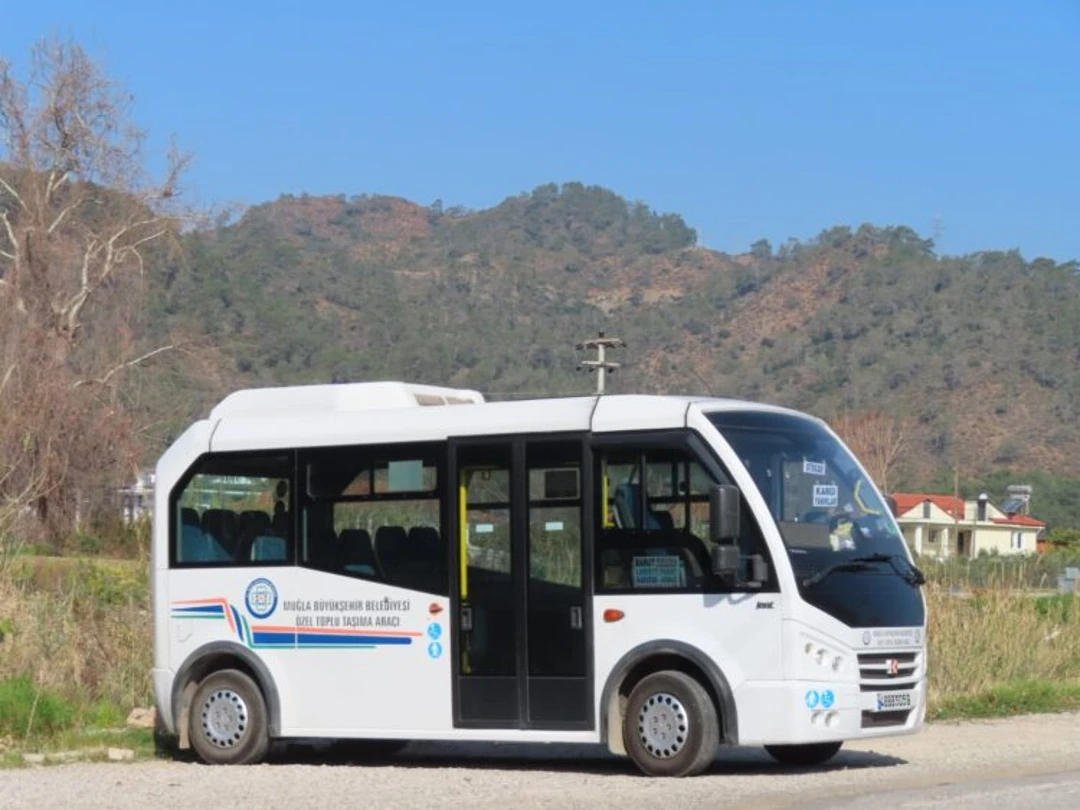
Cappadocia's core towns are close on a regional map but not all attractions are walkable. Dolmuş services help between some towns, yet remote trailheads, underground cities, and early balloon pickups often require a tour, taxi, or car.
Scooters and e-bikes suit only appropriate roads, weather, and rider experience. Avoid presenting them as an easy default for unlit routes, winter conditions, or long transfers.
Money and Payments
The Turkish lira is the local currency, and a reliable Turkey currency guide explains denominations and transaction basics. Cards are common at hotels and established businesses, but cash remains useful for small vendors, tips, and some transport.
Use bank-affiliated ATMs where possible, review the exchange-rate choice before confirming, and keep a small backup amount separate. Never rely on one card in a rural itinerary.
FAQ
1. How many days do you need in Cappadocia?
Two full days cover the highlights, while three days allow a weather buffer and a less rushed underground-city or valley trip.
2. Is Cappadocia a city?
No. Cappadocia is a historical region containing towns and attractions across several Central Anatolian provinces.
3. Which airport is best for Cappadocia?
Nevşehir Kapadokya Airport is closer to many core towns, while Kayseri Airport may offer better flight timing; compare the complete transfer.
4. Do hot air balloons fly every day?
No. Flights depend on official daily weather and operational approval, so cancellations can occur in any season.
5. Where should first-time visitors stay?
Göreme is usually the most convenient without a car, while Uçhisar, Ürgüp, and Avanos suit quieter or more specialized stays.
6. Do you need a car in Cappadocia?
Not for a tour-based visit, but a car can simplify remote valleys and dispersed sites when road and parking conditions are suitable.
Conclusion
Cappadocia is best planned as a dispersed cultural landscape, not a single attraction. Two or three full days let most visitors combine rock-cut heritage, fairy chimneys, an underground city, a valley, and one living craft or food experience.
Choose the base and transport before filling the itinerary, keep balloon plans flexible, and match hikes or underground routes to weather and mobility. Respect conservation rules and active religious spaces throughout the region.
A balanced route with realistic transfer time will reveal more than a rushed checklist of viewpoints. Leave room for changing conditions and for the towns, workshops, food, and landscapes that connect Cappadocia's headline sights.