
The Turkish lira is the official currency of Türkiye. Its ISO code is TRY, prices commonly use TL or the ₺ symbol, and one lira is divided into 100 kuruş.
Exchange rates can change quickly, so travelers need a payment plan rather than a fixed conversion figure. Carrying both a suitable card and a modest amount of lira is more flexible than relying on one method.
This guide covers notes and coins, currency history, exchange-rate checks, ATMs, card payments, cash, budgeting, and common mistakes. An iRoamly eSIM options can support banking alerts and rate checks when mobile service is available.
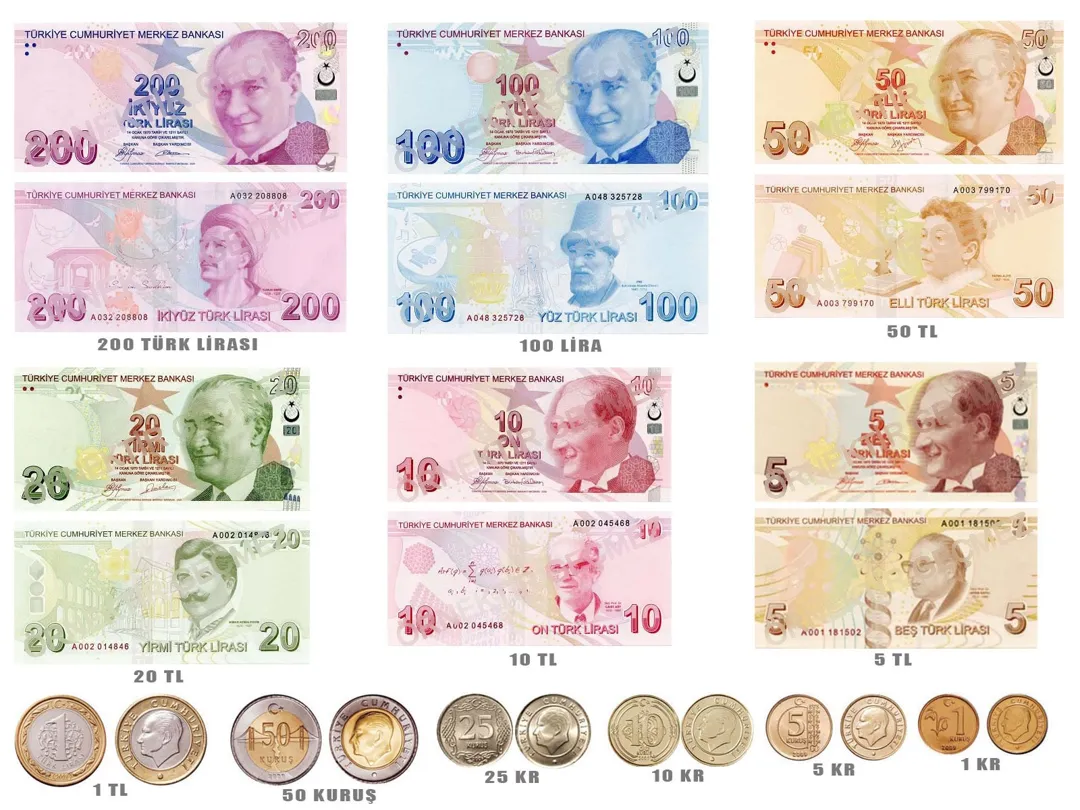
Turkish Lira Notes and Coins
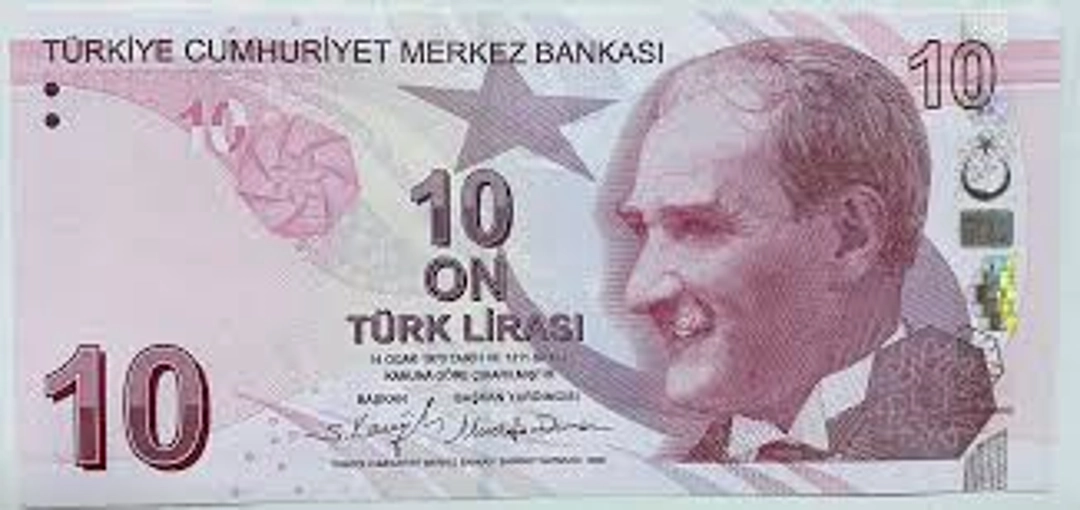
Common banknotes are 5, 10, 20, 50, 100, and 200 lira. Coins include kuruş denominations and lira coins; 100 kuruş equals one lira.
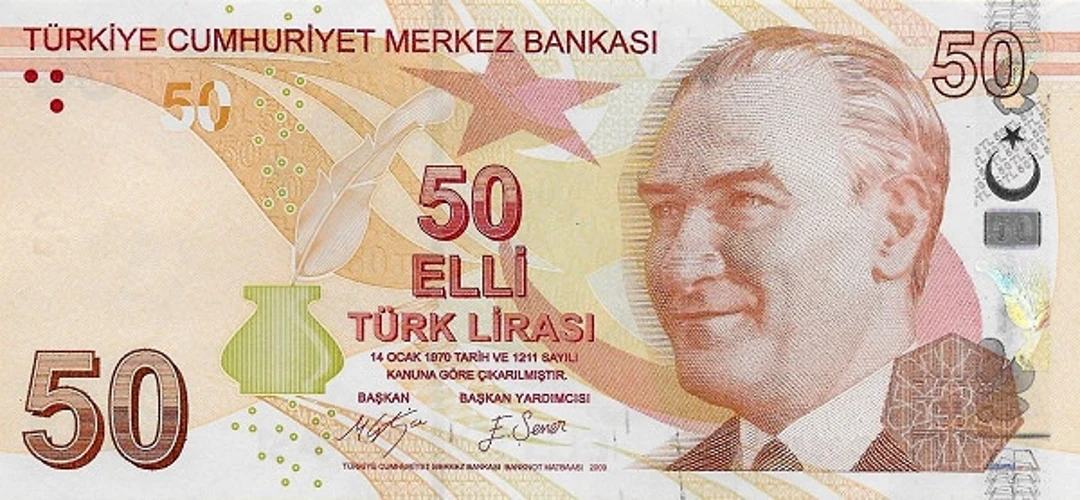
The Central Bank of the Republic of Türkiye publishes the current banknotes and security features. Notes differ in size and color and include security elements such as watermarks and holographic features.
Check change before leaving a counter, especially in busy transport or market settings. Damaged or heavily worn notes may be refused, so avoid accepting money that is difficult to identify.
How the Turkish Lira Changed
The Ottoman lira was introduced in the nineteenth century, and the republican currency later carried the Turkish lira name. Inflation and repeated increases in face value made everyday calculations increasingly difficult during the late twentieth century.
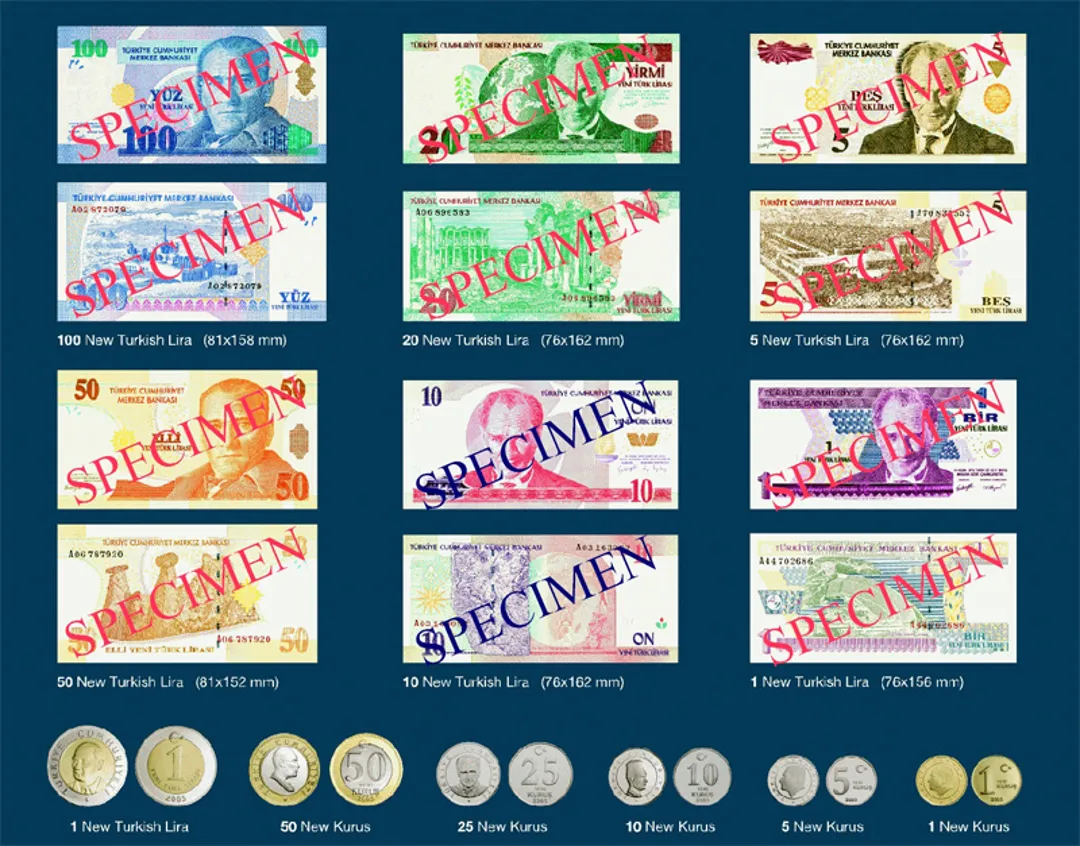
In 2005, six zeros were removed and the New Turkish Lira was introduced. The “New” prefix was dropped in 2009, leaving the present Turkish lira name and TRY code.
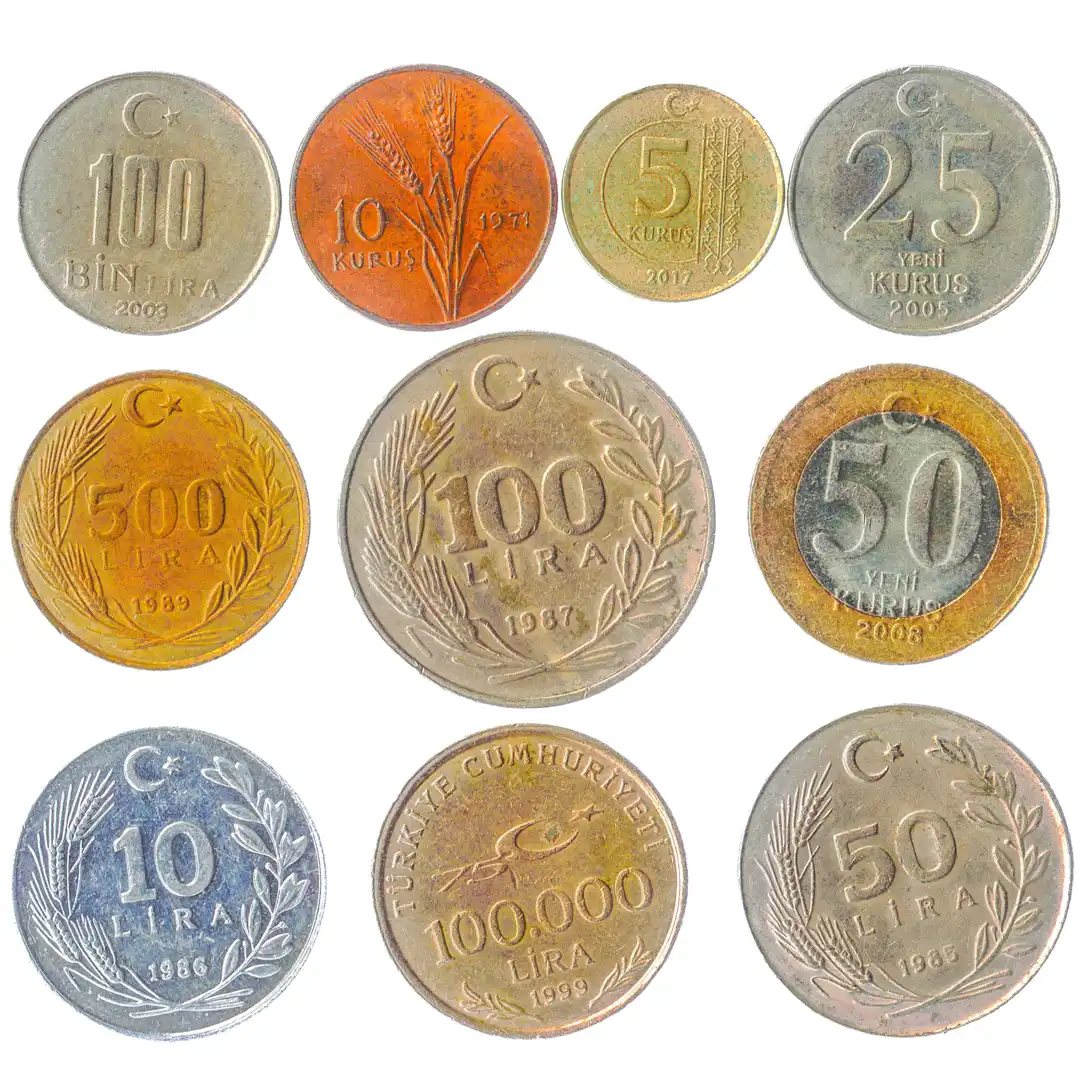
This reform fits within Turkey’s historical timeline. Old notes, New Turkish Lira notes, and present currency should not be treated as interchangeable at shops or exchange counters.
Exchange Rates and Currency Conversion
An exchange rate shows how much lira you receive for another currency. The rate offered by a bank, card network, ATM, or exchange office may differ after fees and margins.
Use the Central Bank’s official indicative exchange rates as a reference point, then compare the final amount you will actually receive. Indicative rates are not guaranteed retail transaction prices.
Before accepting a conversion, confirm the rate, commission, fixed fee, and total lira amount. Keep the receipt until you have counted the cash.
Method | Check before paying | Main risk |
|---|---|---|
Exchange office | Displayed buy rate and commission | Wide margin or extra fee |
ATM withdrawal | Operator fee and home-bank fee | Costly conversion offer |
Card purchase | Foreign transaction fee | Paying in home currency |
Cash, Cards, and ATMs in Türkiye
Cards are widely accepted in many urban businesses, hotels, and tourist areas, while cash remains useful for small shops, markets, tips, and some local services. Acceptance varies, so ask before ordering or entering a taxi.
Current U.S. travel guidance notes that cards are broadly accepted but recommends carrying some cash. Review the official Türkiye travel guidance alongside advice from your own government and bank.
Using an ATM
Choose an ATM attached to or operated by a recognized bank when possible. Inspect the card slot, shield your PIN, and cancel if the screen does not clearly show fees.
If an ATM offers to convert the withdrawal into your home currency, compare that rate carefully. Your card issuer may provide a better conversion when the transaction remains in lira.
Paying by Card
Ask for the charge in Turkish lira and check the amount before entering your PIN. Keep one backup card separately and enable transaction alerts.
A Turkey eSIM can help you receive banking notifications and access maps away from Wi-Fi. Confirm that your bank can still send required verification messages to your primary number.
When Cash Is Useful
Small lira notes help with markets, small cafés, tips, and purchases where a merchant cannot break a large note. Do not carry the entire trip budget in one place.
Market visitors can plan payment and navigation with an Istanbul Grand Bazaar guide, but prices and payment practices still vary by seller.
Budgeting When Prices Change
Inflation and exchange-rate movement can make older online prices unreliable. Build the budget in categories, then refresh accommodation, transport, attraction, and meal prices shortly before travel.
The Central Bank’s official consumer price data provides national context, but it does not replace checking current hotel, transport, meal, and ticket prices for your route.
Keep a contingency amount for rate changes and unexpected fees. For longer trips, review the budget weekly instead of converting a large amount of cash at once.
Record card charges and cash withdrawals in lira as well as your home currency. This makes it easier to spot duplicate payments, conversion errors, or a budget category that is growing faster than expected.
FAQ
1. What currency is used in Türkiye?
Türkiye uses the Turkish lira, coded TRY and commonly shown with TL or the ₺ symbol.
2. Should I bring cash or use a card?
Bring both: cards suit many larger purchases, while a modest amount of lira is useful for smaller transactions.
3. Should I choose lira or my home currency at checkout?
Paying in lira often avoids a merchant or ATM conversion offer, but compare your card issuer’s fees first.
4. Where should I check the exchange rate?
Use the Central Bank’s indicative rate as a reference and compare the final rate and fees offered by the provider.
5. Is the New Turkish Lira still used?
No; the “New” prefix was removed in 2009, and current currency is called the Turkish lira.
Conclusion
The Turkish lira is straightforward to use when travelers understand its denominations, exchange-rate margins, and the roles of cash, cards, and ATMs.
Check current rates, choose lira for local transactions when appropriate, keep receipts, and carry backup payment options. Avoid relying on old price examples or one payment method.
A flexible budget and careful review of fees will make everyday spending in Türkiye easier to track and less vulnerable to avoidable conversion costs.