
Turkey’s history is not a single line from one people or empire to another. Anatolia and the Turkish Straits connected the Black Sea, Aegean, Mediterranean, Balkans, Caucasus, and Upper Mesopotamia, so settlements, languages, religions, and political systems repeatedly overlapped.
For travelers, that layered past appears in Neolithic pillars, Hittite gates, Greek theaters, Roman streets, Byzantine churches, Seljuk caravanserais, Ottoman mosques, and institutions of the modern republic. The most useful timeline connects each period to places that can still be visited.
This guide explains the major eras without treating modern borders as if they always existed. A Turkey eSIM can keep museum details, route changes, and official site information available while traveling between archaeological regions.
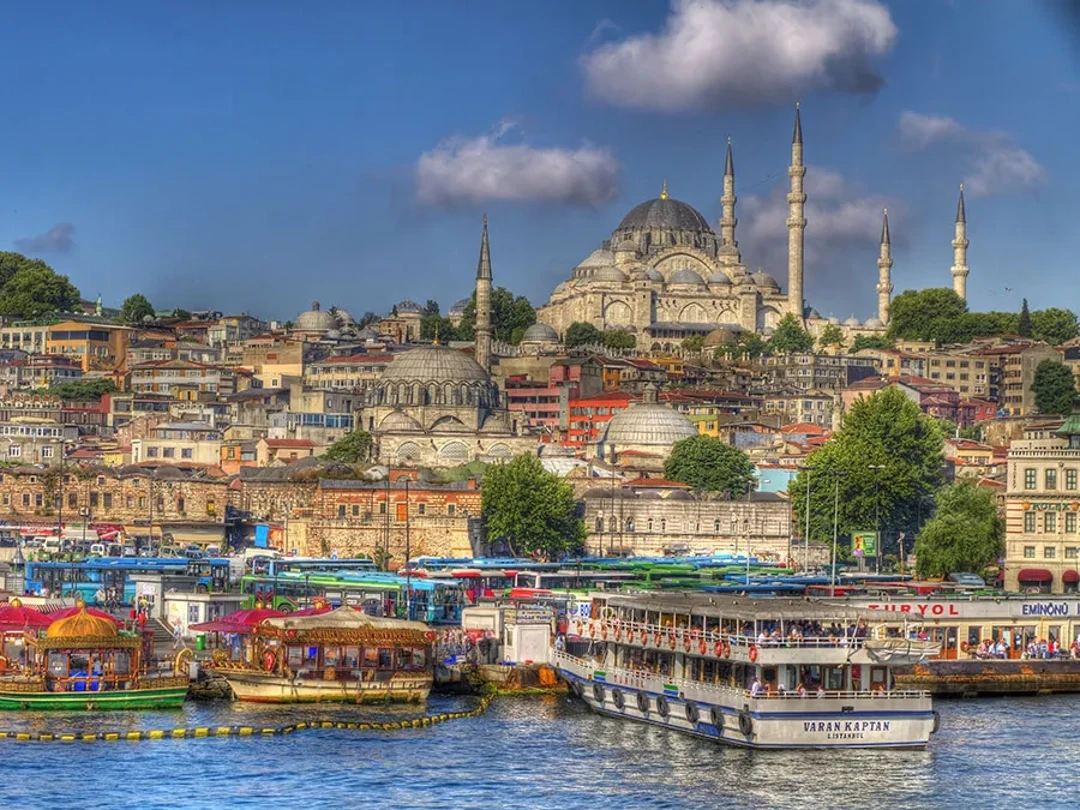
Turkey History Timeline at a Glance
Dates below are anchors rather than hard boundaries. Empires expanded unevenly, local cultures persisted under new rulers, and labels such as “Byzantine” were applied by later historians to the medieval Eastern Roman Empire.
Period | Key development | Places that preserve it |
|---|---|---|
c. 9600–8200 BCE | Monumental Neolithic structures at Göbekli Tepe | Şanlıurfa region |
c. 1650–1200 BCE | Hittite kingdom and empire centered at Hattusha | Boğazkale and Çorum |
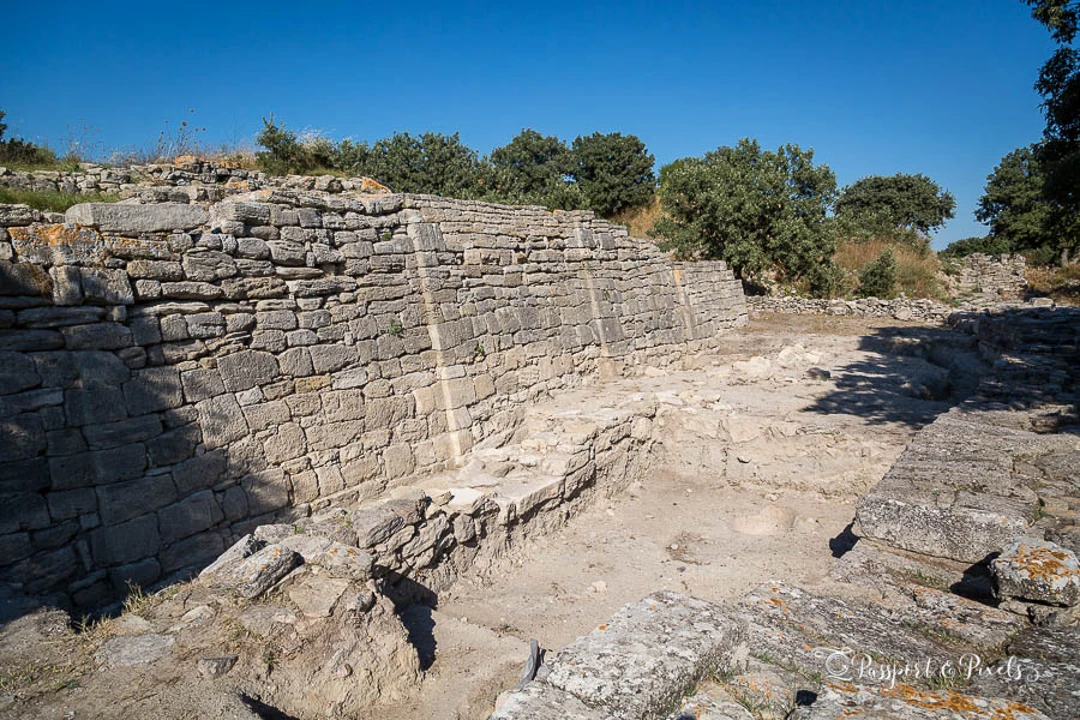
First millennium BCE | Phrygian, Urartian, Lydian, Greek, and Persian power | Gordion, Van, Sardis, Troy |
334 BCE onward | Alexander’s conquest and Hellenistic successor states | Pergamon and the Aegean coast |
Second century BCE–fourth century CE | Gradual Roman rule across Anatolia | Ephesus, Aphrodisias, Hierapolis |
330–1453 | Constantinople as an Eastern Roman capital | Historic Areas of Istanbul |
Eleventh–thirteenth centuries | Seljuk power and new Turkic-Muslim institutions | Konya, Divriği, caravanserai routes |
c. 1299–1922 | Rise, expansion, reform, and end of the Ottoman state | Bursa, Edirne, Istanbul, Safranbolu |
1919–1923 | War of Independence and foundation of the republic | Samsun, Ankara, battlefields and assembly museums |
1923–present | Republican government, reform, multi-party politics, and global alliances | Ankara and nationwide civic institutions |
Prehistoric Anatolia and the First States
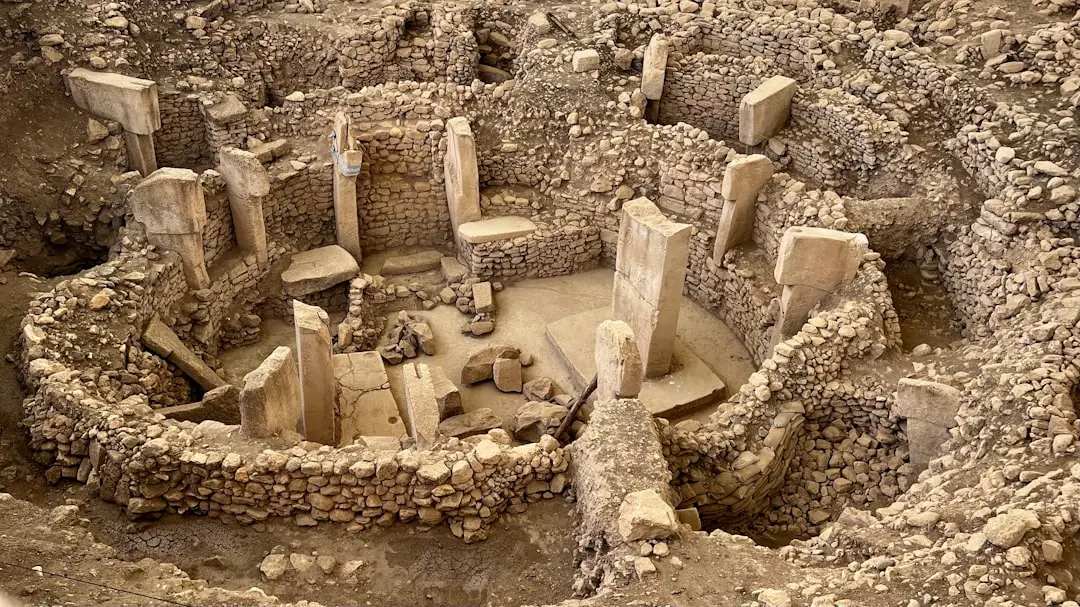
Göbekli Tepe transformed discussion of early monumental building. UNESCO dates its round, oval, and rectangular megalithic structures to 9600–8200 BCE, when hunter-gatherer communities in Upper Mesopotamia were living through the long transition toward farming.
The site should not be reduced to the phrase “world’s oldest temple.” Its exact functions remain debated, while the carved T-shaped pillars, animal reliefs, domestic remains, and repeated rebuilding provide evidence of complex communal life.
Later Bronze Age Anatolia contained interconnected states and trading networks. The Hittites established their capital at Hattusha and competed with Egypt and other powers in Syria; archives preserve laws, treaties, rituals, correspondence, and literature.
After the Hittite imperial system collapsed around 1200 BCE, regional powers included Phrygia in central Anatolia, Urartu around Lake Van, and Lydia in the west. Greek-speaking settlements and older Anatolian communities developed along the Aegean and Mediterranean coasts.
Greek, Persian, Hellenistic, and Roman Anatolia
The Persian Achaemenid Empire incorporated much of Anatolia in the sixth century BCE. Alexander of Macedon crossed into Asia Minor in 334 BCE, and after his death the region was divided among Hellenistic kingdoms whose cities blended Greek, Anatolian, and Near Eastern traditions.
Roman control arrived gradually through alliances, inheritances, annexations, and wars rather than in one nationwide handover. Provinces such as Asia, Bithynia et Pontus, Galatia, Lycia et Pamphylia, and Cappadocia were created at different times.
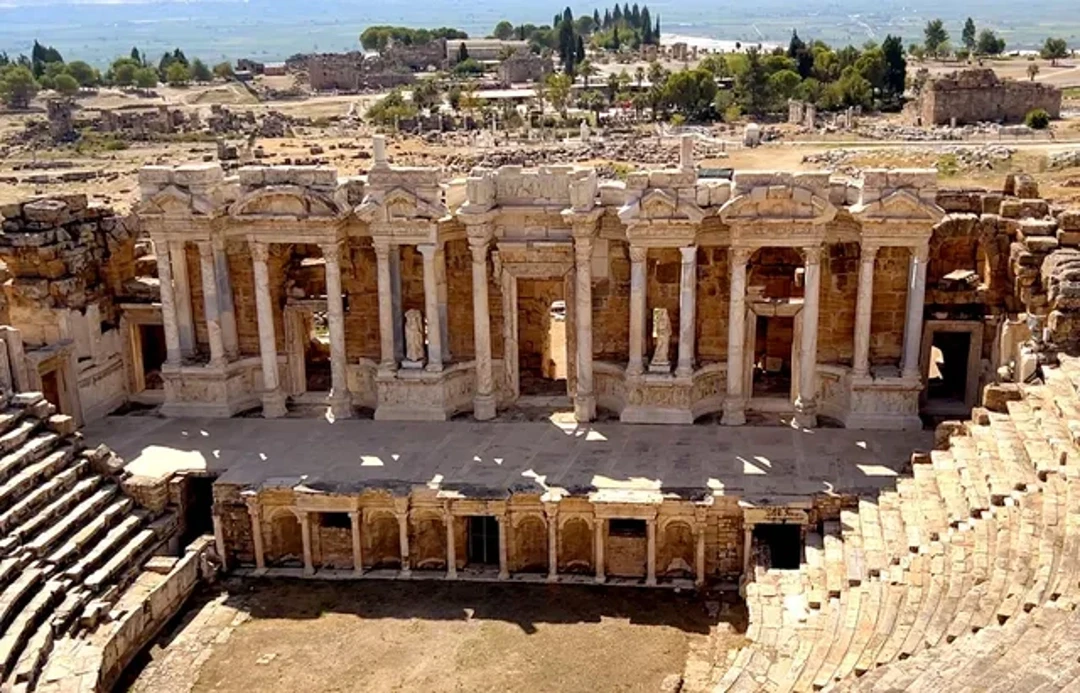
At Ephesus in Turkey, an older Greek city became a major Roman provincial center. Its theater, streets, terrace houses, baths, and Library of Celsus reveal civic life, wealth, and changing religious practice.
Following the Aegean Historical Route
Troy, Pergamon, Sardis, Ephesus, Aphrodisias, and Hierapolis belong to different periods and political settings. Treating them as one generic “Roman ruins” route hides their local histories and the centuries separating major building phases.
For trip planning, connect archaeological sites by modern transport corridors rather than by historical label alone. İzmir, Selçuk, Bergama, Denizli, and Çanakkale work as different bases, while site museums and official notices should guide the detail and visiting order.
Constantinople and the Eastern Roman Empire
Constantine I refounded Byzantium as Constantinople in 330 CE, and the city became the capital of the eastern Roman state. Its government, law, Christianity, Greek language, court culture, and commercial networks changed over the following eleven centuries.
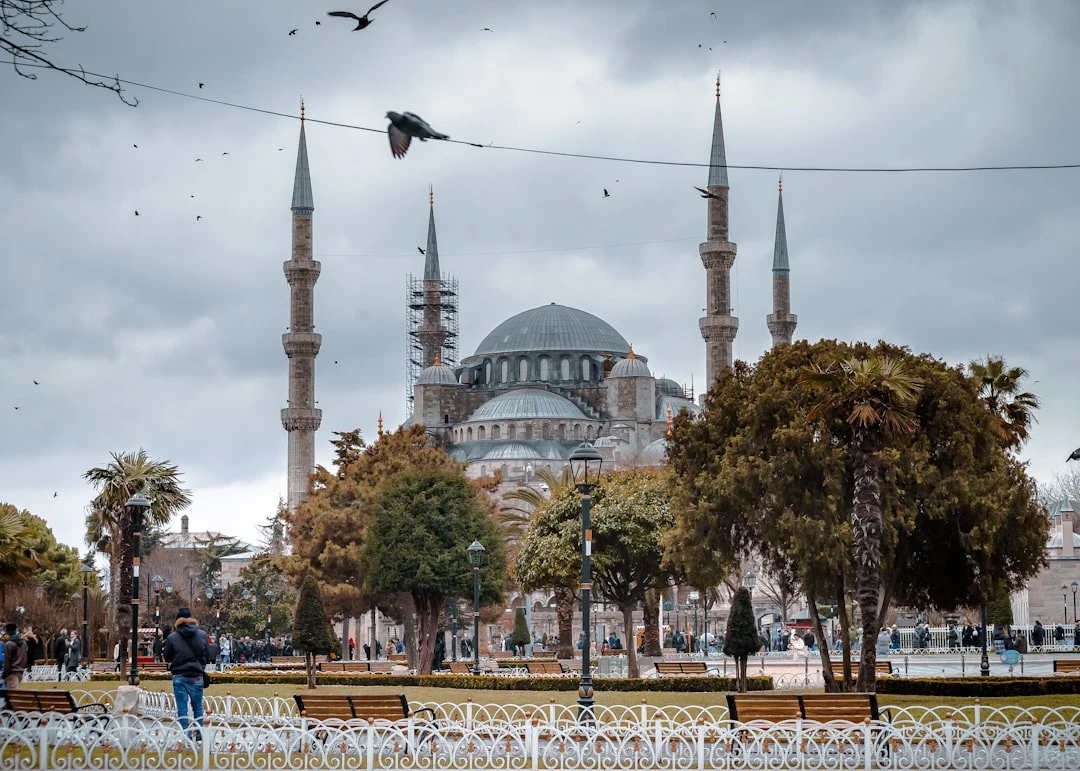
Hagia Sophia, built under Justinian I in the sixth century, expressed imperial power through its vast dome, marble, mosaics, and ceremonial space. The city also contained palaces, cisterns, churches, harbors, walls, and neighborhoods that shifted with war, trade, and population.
The empire lost and recovered territory many times. The Fourth Crusade captured Constantinople in 1204, a Latin regime ruled until 1261, and the restored Eastern Roman state survived with reduced territory until the Ottoman conquest in 1453.
Seljuk Anatolia and the Ottoman Empire
Turkic migrations and warfare reshaped Anatolia over centuries. After the Battle of Manzikert in 1071, Seljuk and other Turkic powers expanded, while Byzantine, Armenian, Georgian, Syriac, Greek, and Muslim communities continued across a politically fragmented landscape.
The Seljuk Sultanate of Rum supported mosques, madrasas, hospitals, caravanserais, and workshops. Konya became an important center, while trade routes linked inland cities to Black Sea and Mediterranean ports.
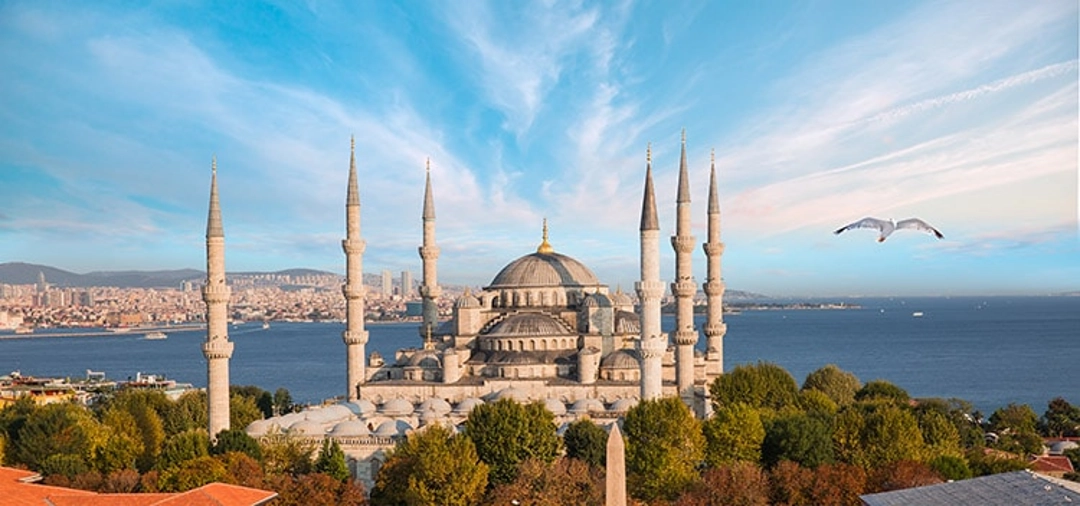
The Ottoman polity emerged in northwestern Anatolia around the turn of the fourteenth century. It expanded into the Balkans and Anatolia, took Constantinople in 1453, and developed an imperial capital whose mosques, markets, palaces, charitable complexes, and water systems reorganized the city.
Istanbul’s Grand Bazaar shows how an Ottoman commercial institution survived fires, earthquakes, reforms, and modern tourism while continuing to function as a place of work.
Ottoman rule was neither uniformly tolerant nor uniformly oppressive across six centuries. Legal status, taxation, local power, religious institutions, class, gender, and political crisis shaped people’s lives differently.
The nineteenth-century Tanzimat reforms attempted to centralize administration and redefine citizenship. Nationalism, imperial competition, war, mass violence, the Armenian genocide, forced migration, and the Greek–Turkish population exchange transformed Anatolia’s communities before and after the empire ended.
The War of Independence and the Republic
After the Ottoman defeat in the First World War, Allied occupation and competing territorial claims triggered resistance led from Ankara by Mustafa Kemal and the Grand National Assembly. Warfare and diplomacy from 1919 to 1923 produced a new international settlement.
Ankara became the capital on October 13, 1923, and the republic was proclaimed on October 29. The Grand National Assembly’s account of its historic buildings records the founding milestones of the Republic of Türkiye, including the assembly, Treaty of Lausanne, capital decision, and proclamation.
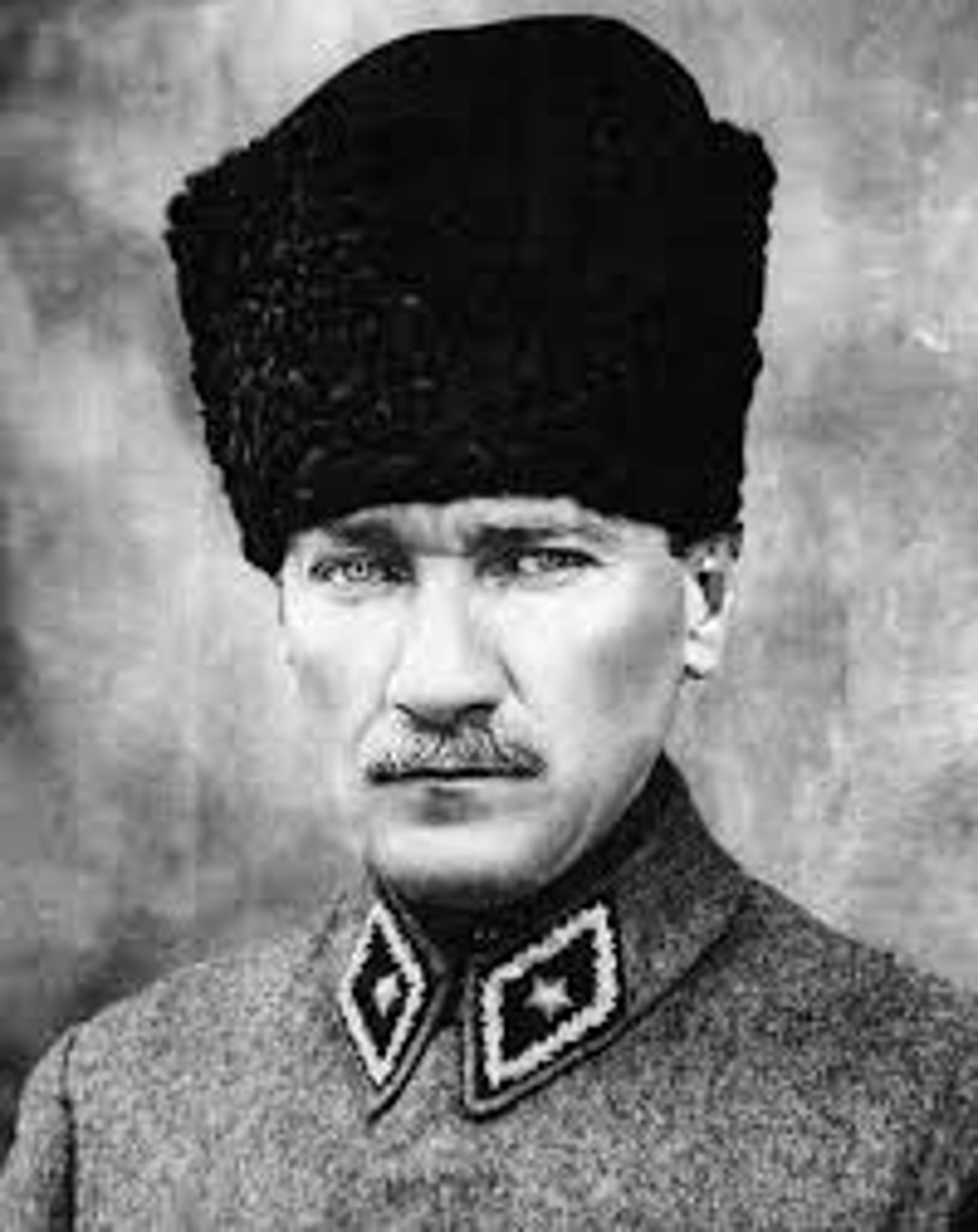
Under Mustafa Kemal Atatürk, the new state abolished the sultanate and caliphate, adopted secular civil law, changed education and administration, introduced the Latin-based Turkish alphabet in 1928, and promoted a new national identity.
Women gained municipal voting rights in 1930 and full national voting and candidacy rights in 1934. These legal changes were significant, but social access to education, work, political power, and personal freedom remained uneven by class, region, and community.
The early republic also pursued linguistic and cultural standardization. Understanding the period requires holding modernization, state-building, displacement, restricted political pluralism, and new civic institutions in view at the same time.
Turkey Since the Mid-Twentieth Century
Multi-party political competition produced a peaceful transfer of national power in 1950. Türkiye joined NATO in 1952, became an associate of the European Economic Community through the 1963 Ankara Agreement, and received European Union candidate status in 1999.
The period also includes military coups and interventions, constitutional change, rapid urbanization, migration, economic liberalization, political polarization, and continuing debate over secularism, religion, citizenship, minority rights, and executive power.
Modern history is not finished or politically neutral. Travelers should distinguish a dated event from an interpretation, compare museum narratives with academic work, and avoid assuming one monument represents every community’s memory.
Date | Development |
|---|---|
1950 | First peaceful national transfer of power through multi-party elections |
1952 | Accession to NATO |
1963 | Ankara Agreement with the European Economic Community |
1980 | Military coup followed by the 1982 constitution |
1999 | Recognition as a European Union candidate country |
2017–2018 | Transition to an executive presidency after constitutional change |
Cultural Legacies That Remain Visible
Architecture makes historical layering easy to see, but daily culture is equally revealing. Place names, loanwords, music, textiles, ceramics, religious practice, seasonal customs, and family recipes reflect exchange across Anatolia, the Balkans, Caucasus, Mediterranean, and Middle East.
Across Turkish culture, hospitality, social customs, festivals, arts, and modern daily life vary by region and community rather than forming one uniform identity.
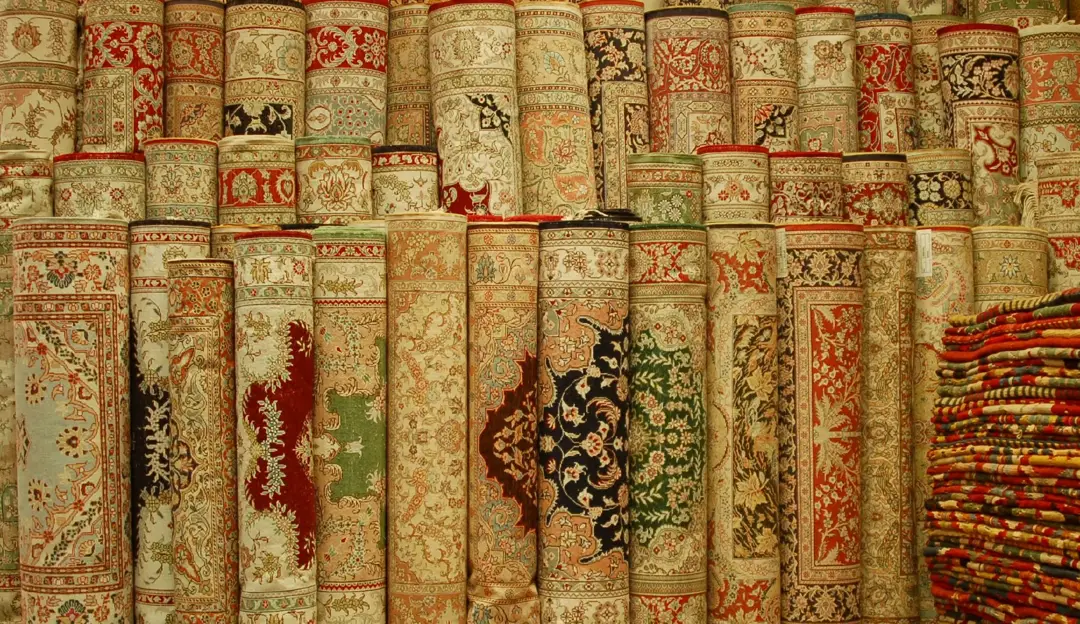
Historic crafts also change with markets and technology. Carpets, kilims, ebru marbling, tilework, calligraphy, metalwork, woodwork, and contemporary design all involve regional styles, workshop traditions, revivals, and commercial adaptation.
Food as Historical Evidence
The range of Turkish food reflects pastoral traditions, palace kitchens, coastal agriculture, migration, trade, religious calendars, and regional ingredients. Similar dishes across neighboring countries often signal shared history rather than simple ownership by one nation.
Ask where a dish is associated, how a family or region prepares it, and whether its current name differs across languages. Those questions reveal more than a list of supposedly timeless national foods.
How to Experience History While Traveling
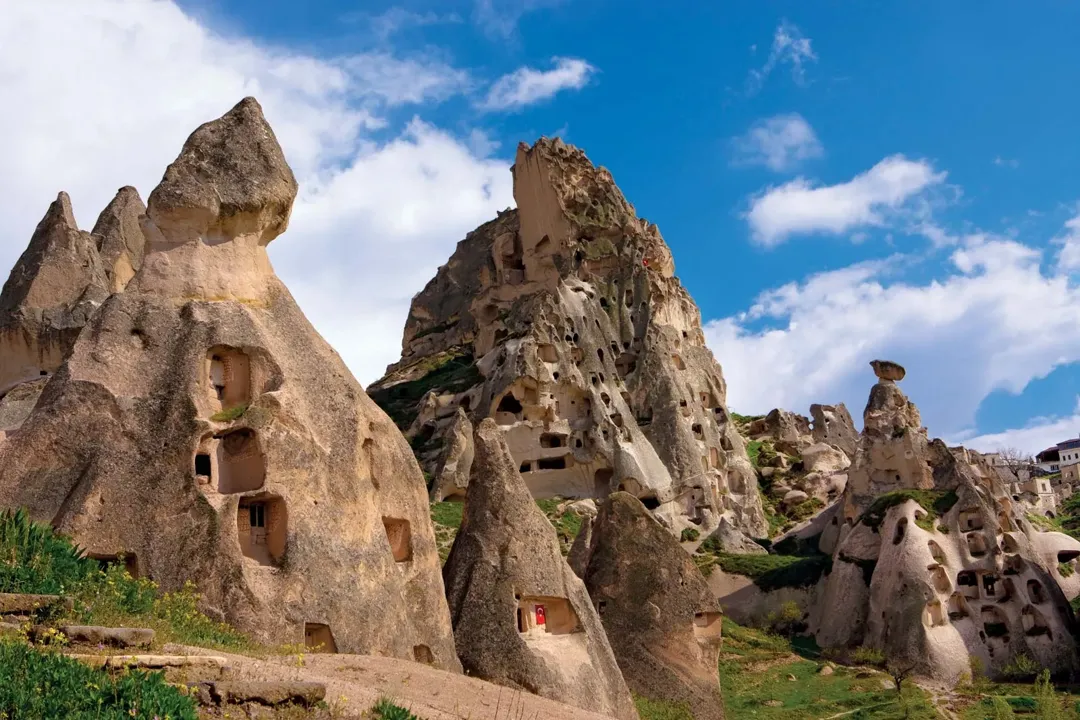
Build a route around periods or landscapes rather than collecting disconnected ruins. Museum collections often supply the chronology and objects missing from an archaeological site, while a historic city shows how later communities reused older material.
Interest | Strong starting points | Planning note |
|---|---|---|
Neolithic societies | Göbekli Tepe, Çatalhöyük, Şanlıurfa Museum | Check conservation access and museum hours |
Bronze and Iron Age states | Hattusha, Gordion, Museum of Anatolian Civilizations | Long road transfers require realistic pacing |
Greek and Roman cities | Ephesus, Pergamon, Aphrodisias, Hierapolis | Carry water and plan shade in warm months |
Byzantine and Ottoman Istanbul | Historic peninsula, land walls, mosques, cisterns, museums | Respect active places of worship |
Seljuk Anatolia | Konya, Divriği, Sivas, caravanserai corridors | Combine monuments with local museums |
Republican history | Ankara assembly museums, Anıtkabir, Samsun | Compare institutional and social histories |
A Practical Two-Base History Route
For a first history-focused trip, pair Istanbul with one second base instead of crossing the entire country. İzmir or Selçuk suits an Aegean archaeology route, while Ankara works better for Anatolian collections, republican history, and onward travel toward central sites.
Save museum bookings, official notices, route maps, and the next transport connection before each day begins. An iRoamly travel eSIM keeps those planning records available when a site lies beyond dependable public Wi-Fi.
At every site, read the date of the visible structure rather than assuming it matches the site’s founding. Restoration, reconstruction, reuse, excavation, and modern visitor design can all change what appears “ancient.”
FAQ
1. How old is Göbekli Tepe?
Its monumental structures date mainly to about 9600–8200 BCE, according to UNESCO.
2. Was the Byzantine Empire different from the Roman Empire?
“Byzantine” is a later scholarly label for the medieval Eastern Roman Empire centered on Constantinople.
3. When did the Ottomans conquer Constantinople?
Sultan Mehmed II’s forces captured Constantinople in 1453 and made it the Ottoman imperial capital.
4. When was the Republic of Türkiye founded?
The republic was proclaimed on October 29, 1923, with Ankara already designated as the capital.
5. Which city is best for a first history-focused visit?
Istanbul offers the widest visible range, while Ankara provides stronger context for Anatolian archaeology and republican history.
Conclusion
Turkey’s history is best understood as a layered regional story rather than a parade of isolated empires. Trade, migration, war, belief, law, and daily life connected communities long before modern borders existed.
A strong historical itinerary pairs monuments with museums, reads dates carefully, and leaves room for perspectives shaped by different languages, religions, regions, and political experiences.
From Göbekli Tepe to modern Ankara, the most meaningful question is not only who ruled, but how people built, worshiped, worked, moved, remembered, and adapted across time.