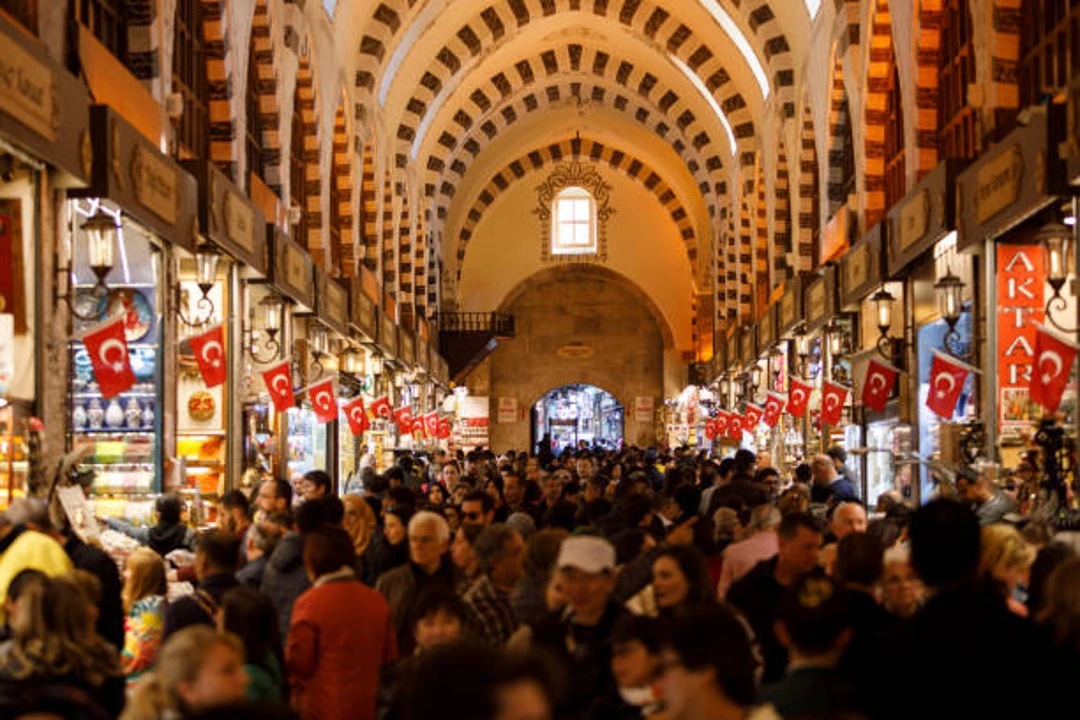
Istanbul’s Grand Bazaar, or Kapalıçarşı, is a working commercial district as well as a historic landmark. Its covered streets contain jewelry, carpets, leather, ceramics, textiles, antiques, and everyday services, all arranged around a network of gates, lanes, and hans.
A good visit is less about seeing every shop than choosing a route, comparing workmanship, and allowing time for conversation. Even travelers who buy nothing can appreciate the domes, bedestens, fountains, signs, and constant movement between the historic peninsula’s neighborhoods.
This guide covers history, architecture, shopping, bargaining, food, access, safety, and a practical two-hour route. A Turkey eSIM can help with maps, currency checks, translations, and receipt records when public Wi-Fi is unreliable.
Why the Grand Bazaar Matters
Construction began after the Ottoman conquest of Constantinople in the fifteenth century. The Cevahir and Sandal bedestens formed an early commercial core, while surrounding shops, workshops, streets, and inns expanded over generations.
The bazaar endured fires, earthquakes, repairs, and changes in global trade while continuing to function as a place of commerce. That continuity distinguishes it from a preserved monument whose original economic role has disappeared.
Official Historical Record
The Grand Bazaar Artisans Association’s account of Kapalıçarşı’s history and layout describes the bedestens, gates, hans, streets, and long commercial evolution of the complex.
Architecture and How to Navigate It
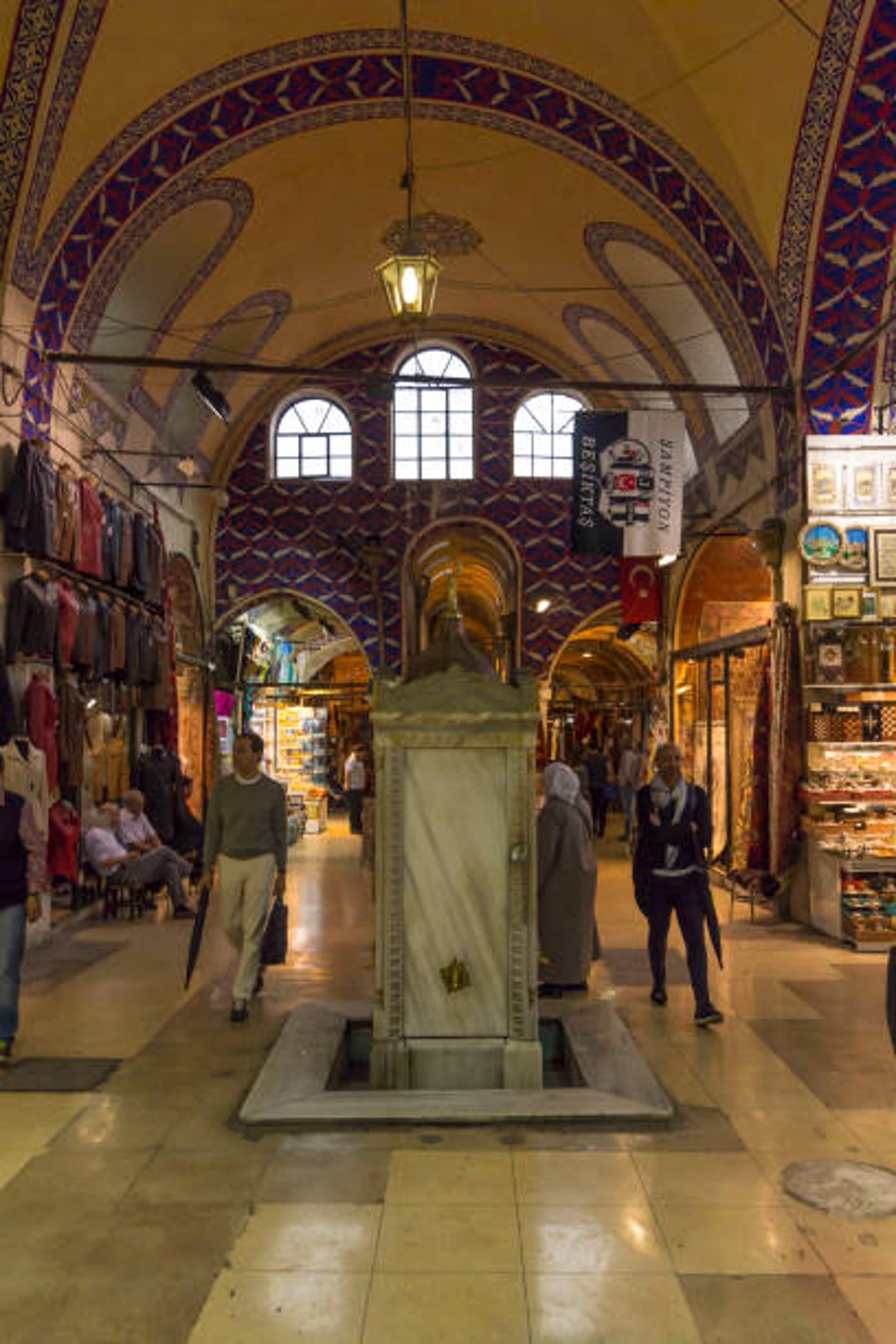
The bazaar is not one large hall. It is a connected maze of vaulted streets, courtyards, hans, domed bedestens, gates, and adjacent shopping lanes between the Beyazıt and Nuruosmaniye areas.
Street names often reflect older trade concentrations, while current shops may be more mixed. Look up at painted vaults and domes, but also watch the floor, moving carts, and other visitors in narrow passages.
Choose one entrance as your start and save its name or location. The association provides an official Grand Bazaar map that helps visitors understand the main gates and internal street pattern before arrival.
A paper or offline map is still useful because positioning can become imprecise beneath the roofs. Photograph a nearby street sign before entering a side lane, especially if meeting someone later.
Reference point | Useful for |
|---|---|
Beyazıt Gate area | Approach from the T1 tram and Beyazıt Square |
Nuruosmaniye Gate area | Connection toward Nuruosmaniye Mosque and Sultanahmet |
Kalpakçılar Caddesi | A major east–west axis with jewelry and high foot traffic |
Cevahir Bedesten | Historic commercial core and antiques-oriented shops |
What to Buy at the Grand Bazaar
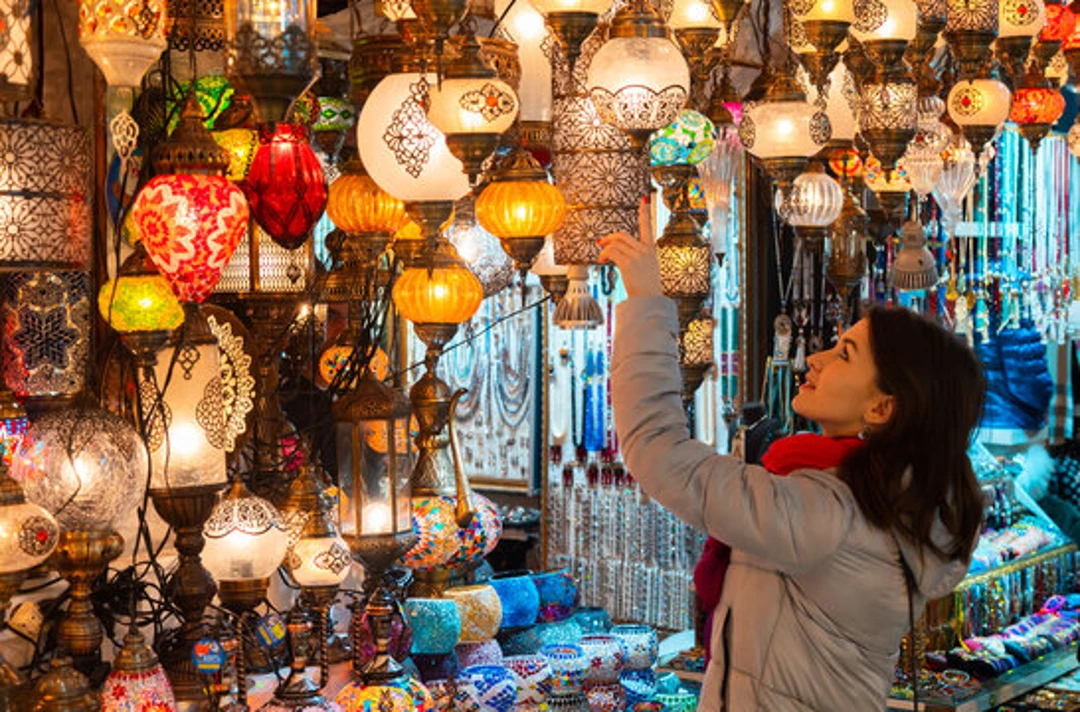
The best purchase is one you can inspect, carry, document, and value confidently. Compare several shops before deciding, especially for expensive goods or objects described as handmade, antique, precious, or collectible.
Carpet buyers should understand Turkish rug construction—fiber, weave, knotting, age, condition, and origin—before discussing price. The seller should still describe the specific piece and terms in writing.
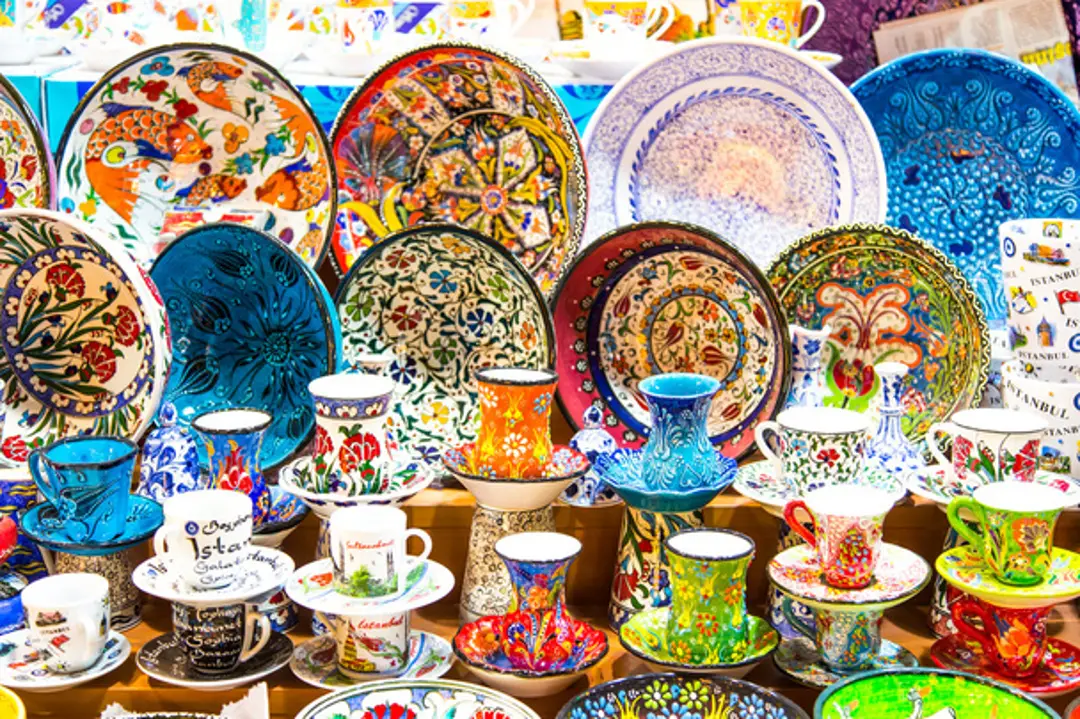
For ceramics, examine the glaze, foot, painted details, and any cracks. Decorative pieces vary from workshop-made ware to inexpensive printed souvenirs, so choose on workmanship rather than assuming every blue-and-white item is traditional İznik pottery.
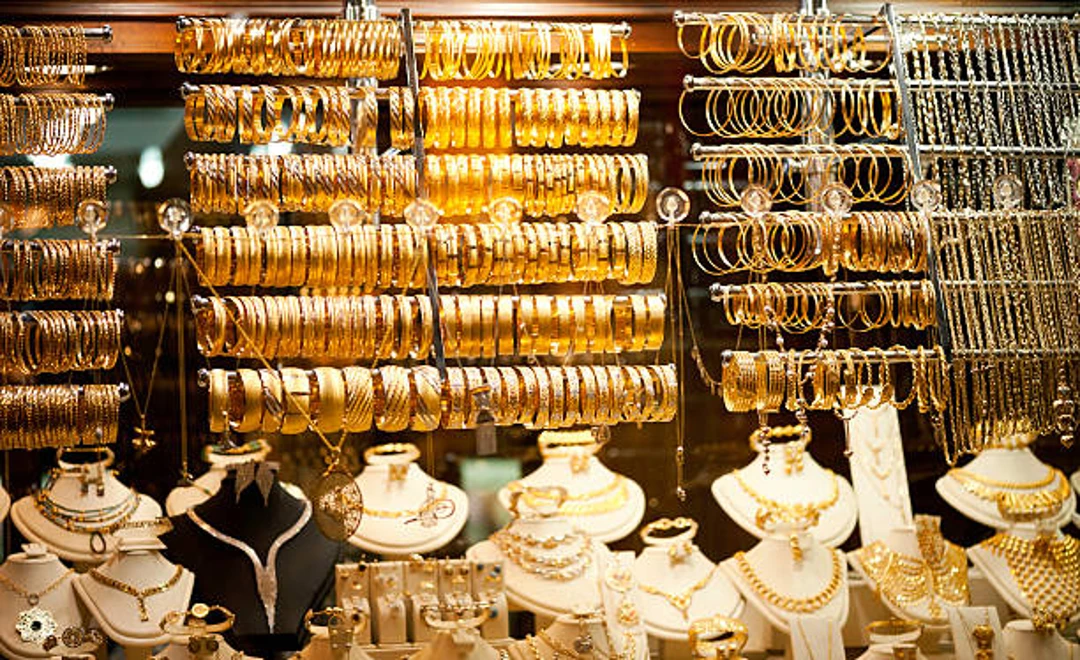
Gold, silver, and gemstone purchases require extra care. Ask for weight, purity, stone details, labor charge, return terms, and a full receipt; independently verify anything whose value depends on a technical claim.
Category | What to check | Packing concern |
|---|---|---|
Carpets and kilims | Fiber, weave, dimensions, repairs, written origin | Weight, moisture protection, import declaration |
Ceramics | Cracks, glaze, painted or printed decoration | Individual wrapping and hand luggage space |
Jewelry | Weight, purity, stones, workmanship, receipt | Insurance, secure carry, customs rules |
Textiles | Fiber label, stitching, colorfastness, size | Foldability and cleaning instructions |
Spices and sweets | Freshness, sealed packaging, allergens | Destination food-import restrictions |
Bargaining, Payment, and Purchase Safety
Negotiation is common in many independent shops, but not every price is flexible. Begin by deciding what the item is worth to you, then ask questions and compare rather than treating bargaining as a contest.
Keep the tone friendly, make a clear counteroffer, and be ready to walk away. Do not start a long negotiation if you have no intention of buying, and do not accept tea, demonstrations, or extended conversation as an obligation to purchase.
Confirm the final currency and total before paying. Keep the merchant copy, itemized receipt, and photos of costly items accessible online; an iRoamly travel eSIM can keep cloud backups and exchange-rate checks available away from hotel Wi-Fi.
For shipping, request the carrier, tracking, insurance, declared contents, delivery estimate, and written return process. Pay attention to customs rules both when leaving Türkiye and when entering your home country, particularly for food, precious materials, carpets, and objects presented as antiques.
Before payment | Why it matters |
|---|---|
Write down the final price and currency | Prevents confusion at the terminal or cash counter |
Check the exact item being packed | Ensures it matches the piece you inspected |
Request an itemized receipt | Supports warranties, customs, insurance, and disputes |
Review return and shipping terms | Verbal promises can be difficult to enforce later |
Decline pressure or an escort to another shop | Keeps the purchase decision under your control |
Food and Drink Around the Bazaar
The covered market and surrounding streets offer coffee, tea, lokum, kebabs, pastries, and small restaurants. Separate food breaks from major negotiations so hunger and fatigue do not rush a purchase.
Across Turkish food, everyday meals differ from souvenir products; coffee, tea, desserts, breakfasts, and regional dishes deserve separate attention.
Prices and quality can change from one business to the next. Check the menu before ordering, ask whether a dish or sweet contains nuts or sesame, and choose sealed packaging for anything that must survive a flight.
Coffee and Tea Breaks
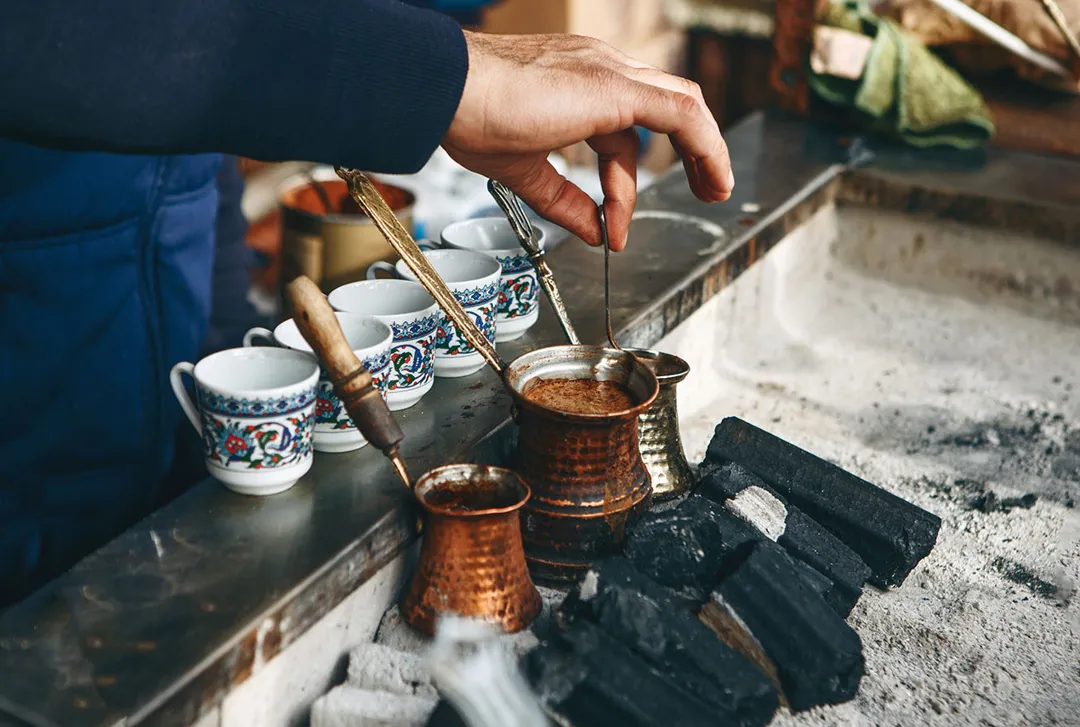
Traditional Turkish coffee is served in a small cup with the grounds left to settle. Sip slowly and stop before reaching the sediment at the bottom.
Tea is an equally natural pause during a shopping day. Accepting a small glass from a shopkeeper can be part of courteous conversation, but it never removes your right to decline an offer and leave.
Spices, Sweets, and Market Geography
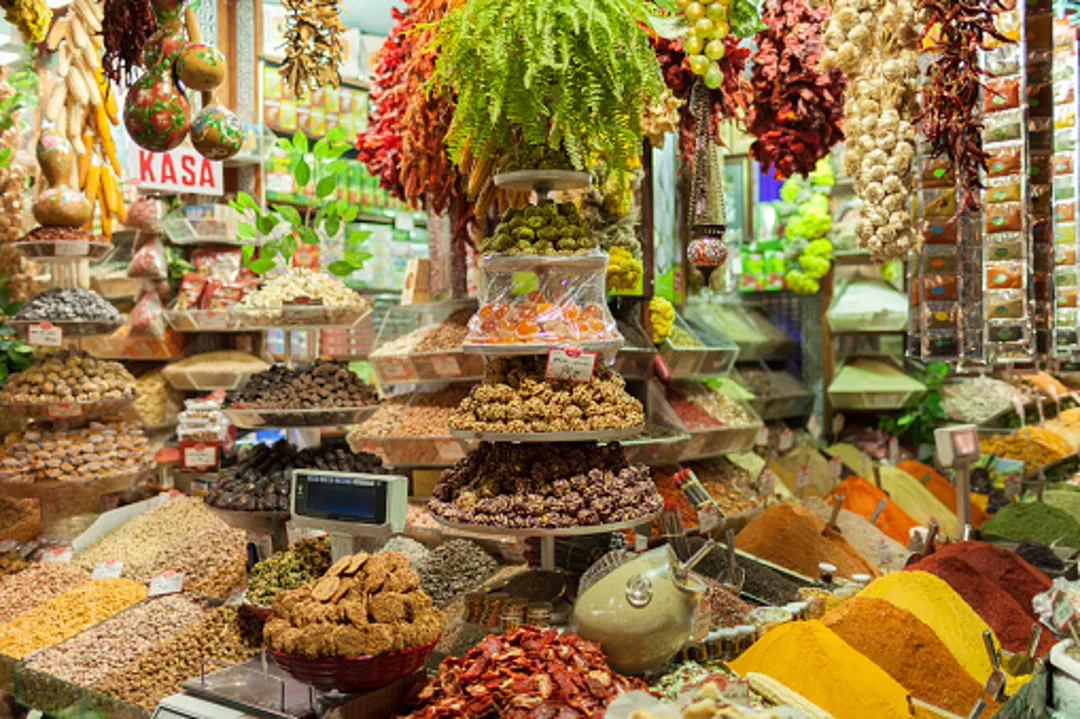
Spices and sweets are available in and around the Grand Bazaar, but the Egyptian Spice Bazaar in Eminönü is a separate historic market. Do not assume every spice-stall photograph or tour description refers to Kapalıçarşı.
For edible souvenirs, request ingredients, allergen details, packed-on dates, and sealed wrapping. Check your destination’s import restrictions before buying meat, dairy, seeds, plants, or large quantities of food.
Planning Your Grand Bazaar Visit
The Grand Bazaar is generally associated with Monday-to-Saturday daytime trading and Sunday closure, but individual shops and holiday arrangements can differ. Recheck the bazaar’s current announcements shortly before visiting instead of relying on a permanent timetable.
Entry to the covered streets is normally free. The T1 tram’s Beyazıt-Kapalıçarşı stop is a convenient approach, while walking from Sultanahmet brings you toward the Nuruosmaniye side.
Early morning is calmer for architecture and orientation; late morning and afternoon feel busier and more commercial. Allow at least two hours for a focused route and longer if comparing carpets, jewelry, or shipping arrangements.
Time | Simple route |
|---|---|
0–20 minutes | Enter at Beyazıt, save the gate, and follow the main axis |
20–50 minutes | Explore a bedesten or han and study the architecture |
50–90 minutes | Compare one or two chosen product categories |
90–110 minutes | Pause for tea, coffee, or a snack |
110–120 minutes | Return to a known gate and continue into the historic peninsula |
The market belongs among major Istanbul attractions and activities, but a full city plan should balance it with mosques, museums, neighborhoods, and time beside the Bosphorus.
How the Shopping Experience Compares
Kapalıçarşı brings together heritage crafts, precious materials, and independent merchants within one historic covered market. As a result, browsing, comparing items, and talking directly with sellers become central parts of the experience.
Shopping experiences vary widely between historic bazaars and modern retail districts. While Kapalıçarşı emphasizes traditional craftsmanship and personal interaction, shopping in China ranges from traditional markets and artisan shops to shopping malls, electronics stores, and cashless payment ecosystems.
Kapalıçarşı is best suited to travelers looking for heritage crafts and the opportunity to compare handmade goods in a historic setting through direct conversations with merchants.
In either country, "authentic" alone is not enough when evaluating a purchase. Ask who made the item, what materials were used, whether documentation is available, and whether there are any export or import restrictions before buying.
FAQ
1. Is the Grand Bazaar free to enter?
Yes, entry to the covered market streets is normally free; purchases, guides, and other services cost extra.
2. How long should I spend at the Grand Bazaar?
Allow about two hours for a focused visit and half a day if you plan to compare major purchases.
3. Is bargaining expected?
It is common in many independent shops, but some prices are fixed; negotiate politely and confirm the final total.
4. What is the easiest public transport stop?
Beyazıt-Kapalıçarşı on the T1 tram is convenient for the Beyazıt side of the market.
5. Is the Grand Bazaar the same as the Spice Bazaar?
No. Kapalıçarşı is near Beyazıt, while the Egyptian Spice Bazaar is a separate market in Eminönü.
Conclusion
Among Istanbul attractions and activities, the Grand Bazaar is most rewarding when treated as a historic commercial neighborhood rather than a checklist of souvenirs. Its domes, bedestens, lanes, and shop traditions reveal how trade shaped Ottoman and modern Istanbul.
Arrive with a simple route, compare before buying, request written details for valuable goods, and keep receipts and customs requirements in mind. A calm pace makes both shopping and architecture easier to appreciate.
Whether you leave with ceramics, textiles, coffee, or only photographs, respectful conversation and informed decisions produce a better experience than chasing the lowest possible price.