
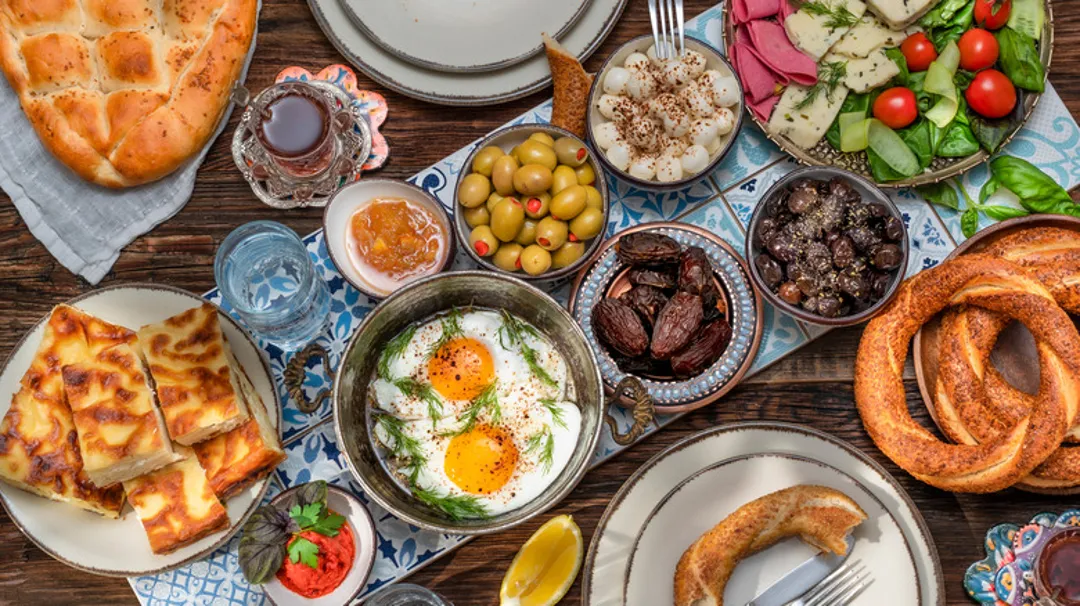
Turkish breakfast, or kahvaltı, is a shared meal built from many small sweet and savory dishes. Bread, cheese, olives, vegetables, eggs, preserves, and tea create the familiar base.
The exact spread changes by household, region, budget, and occasion. A quick weekday plate may be simple, while a weekend serpme kahvaltı can cover the table and last for hours.
This guide explains the meal’s social meaning, core foods, regional variations, nutrition, ordering, and where to try it. An iRoamly travel connectivity can help with maps and reservations while exploring local breakfast places.
What Makes a Turkish Breakfast?
The word kahvaltı is commonly explained as “before coffee,” but tea is the usual drink during the meal. Turkish coffee may follow afterward.
GoTürkiye’s description of Turkish breakfast emphasizes serpme kahvaltı: numerous small plates shared across the table. The format encourages tasting, conversation, and an unhurried pace.
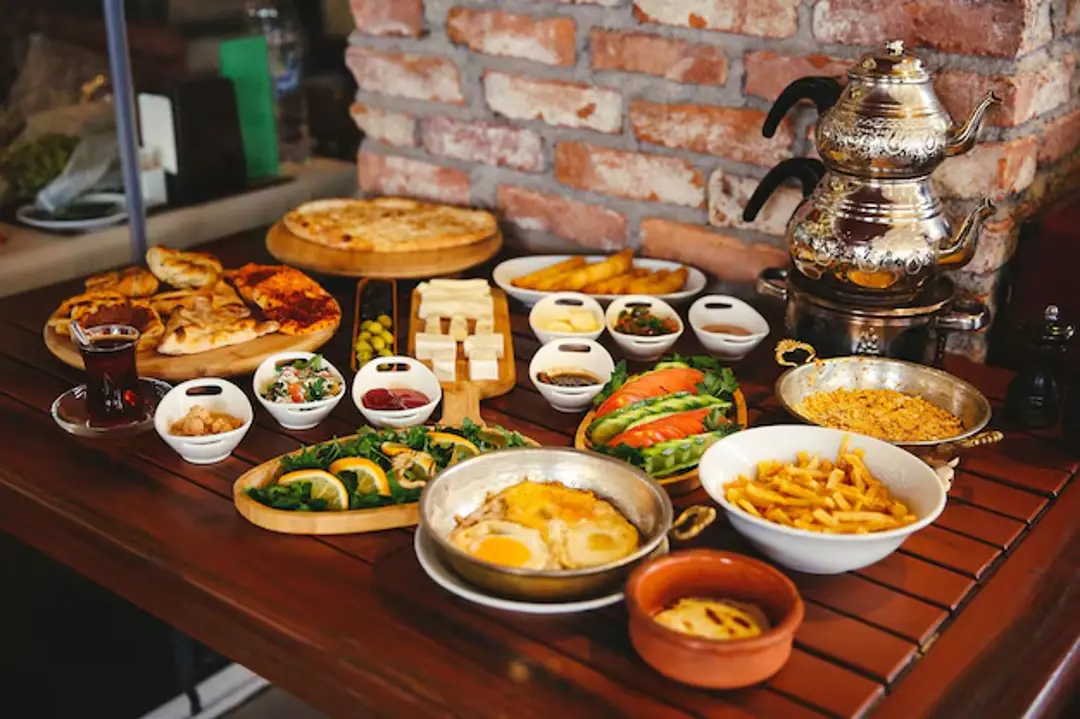
Food group | Common examples | Role on the table |
|---|---|---|
Bread and pastry | Simit, pide, börek | Base for cheese, honey, and spreads |
Savory plates | Cheese, olives, eggs, sucuk | Protein, salt, and richness |
Fresh and sweet | Tomato, cucumber, jam, honey | Freshness and contrast |
Drink | Turkish black tea | Shared throughout the meal |
Core Foods on the Table
A traditional breakfast is modular rather than fixed. You can build a complete meal from a few well-chosen components instead of ordering every possible plate.
Simit and Bread
Simit is a ring-shaped bread coated with sesame seeds, usually crisp outside and chewy inside. It pairs naturally with white cheese, olives, butter, honey, or jam.
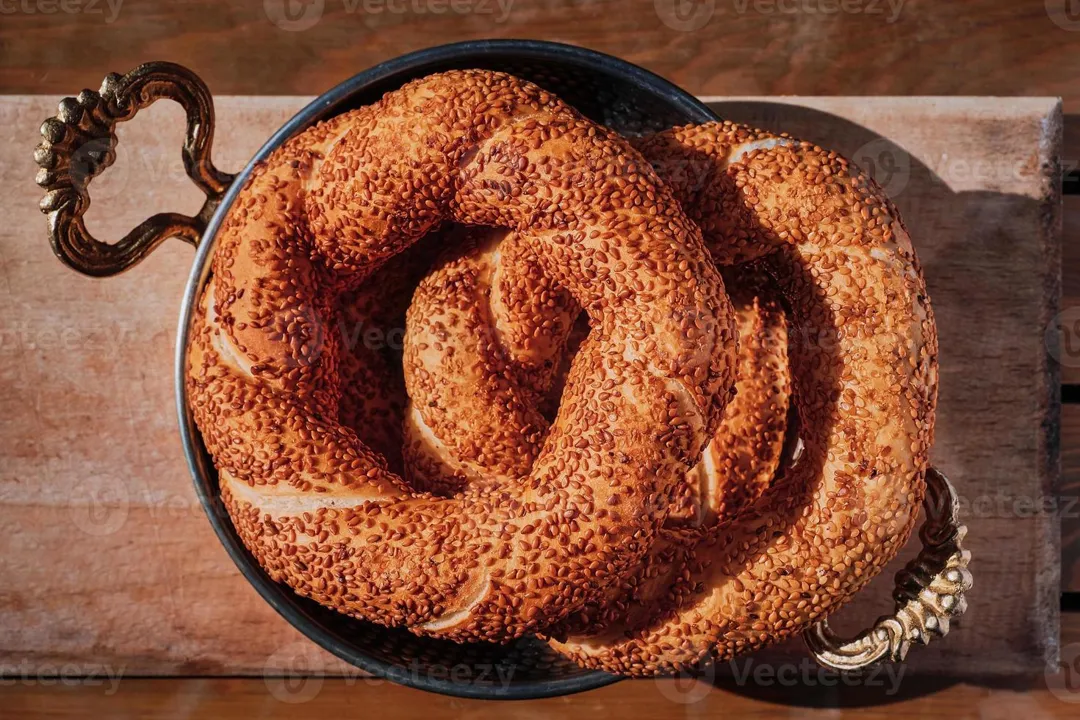
Fresh bread is important because many dishes are designed for spreading, dipping, or sharing. Ask whether extra bread is included before ordering more.
Cheese, Olives, and Fresh Produce
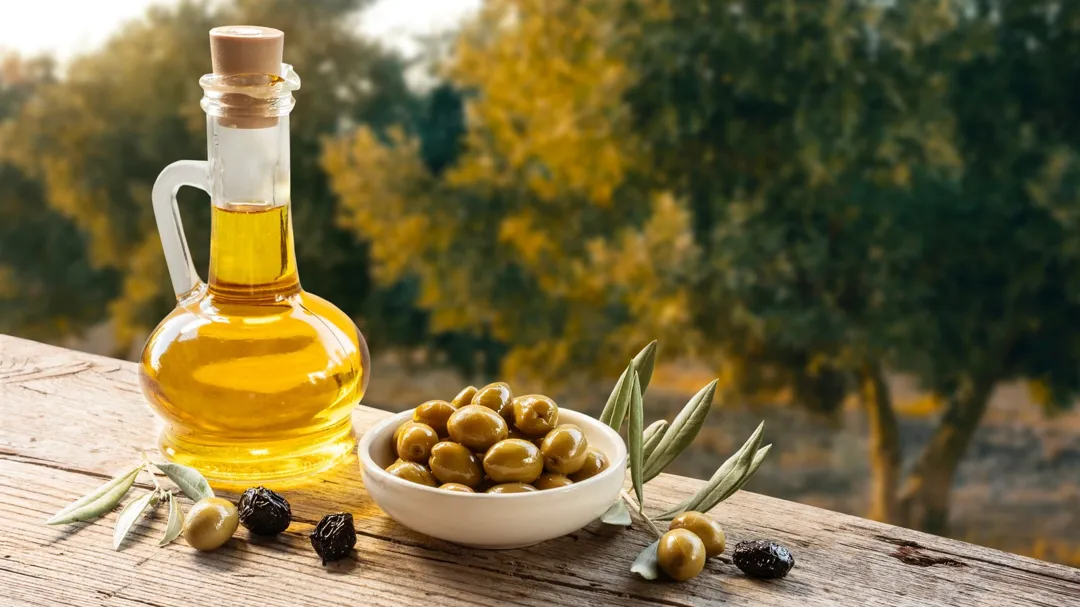
Beyaz peynir is a brined white cheese, while kaşar is firmer and milder. Regional cheeses, green and black olives, tomatoes, cucumbers, peppers, and herbs add variety.
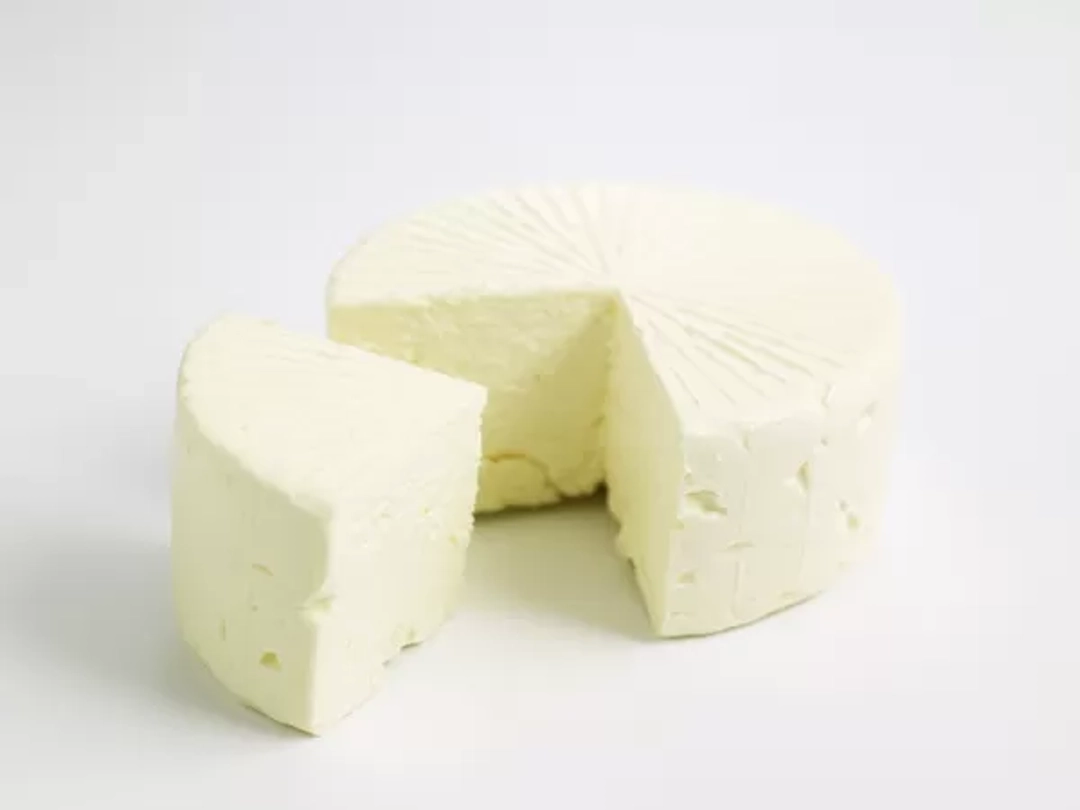
Try small portions first. Salt levels and cheese intensity vary, and a large serpme order can become filling before the hot dishes arrive.
Eggs, Sucuk, and Hot Dishes
Menemen combines eggs with tomato and peppers, while sucuklu yumurta cooks eggs with spiced fermented beef sausage. Börek, gözleme, or fried pastries may also appear.
Confirm whether menemen includes onion if you have a preference, because recipes differ. Sucuk and some cheeses are salty, so balance them with vegetables and bread.
Tea, Honey, Jam, and Kaymak
Turkish black tea is served in small tulip-shaped glasses and refilled throughout breakfast. The role of Turkish tea culture extends beyond flavor to hospitality and conversation.
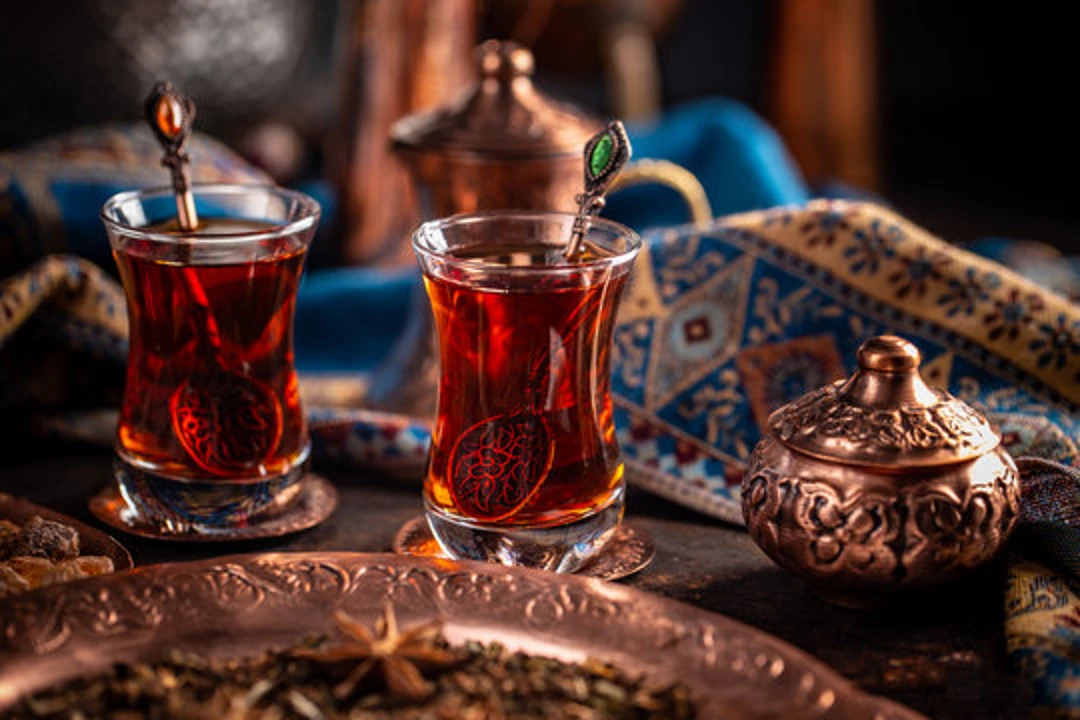
Honey, fruit preserves, tahini and grape molasses, butter, and kaymak add sweetness. Share small amounts because these rich foods are easy to underestimate.
Regional Breakfast Traditions
Regional products change the balance of the meal. Van is famous for abundant breakfast tables with local cheeses, honey, herbs, and dairy products.
In the Black Sea region, kuymak or mıhlama combines cornmeal, butter, and melting cheese. GoTürkiye’s Black Sea gastronomy guide identifies kuymak as a regional breakfast specialty.
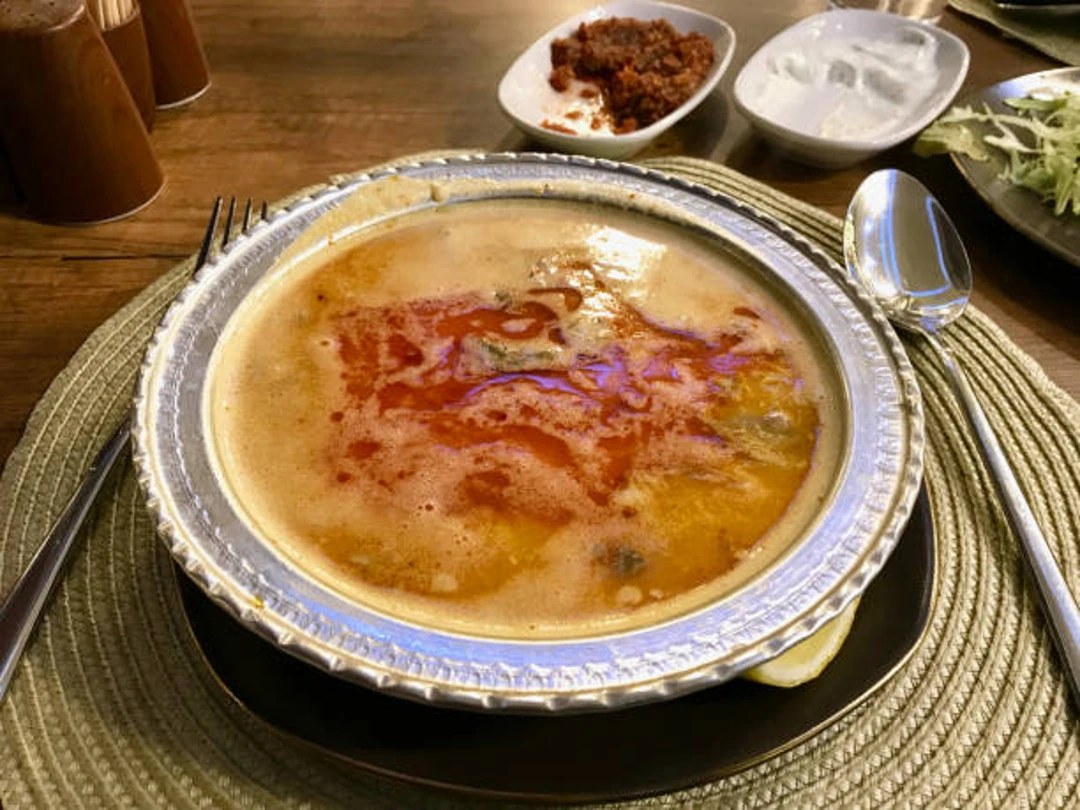
Aegean breakfasts often emphasize olives, olive oil, herbs, vegetables, and local cheeses. In southeastern cities, hearty soups such as beyran may be eaten early in the day.
Regional labels on a menu do not guarantee that every ingredient comes from that area. Ask about the actual cheese, honey, olive, or bread if origin matters to you.
Breakfast as Hospitality and Social Time
Turkish breakfast is often less about one signature dish than the act of sharing. Plates sit in the center, tea circulates, and conversation continues as people sample at their own pace.
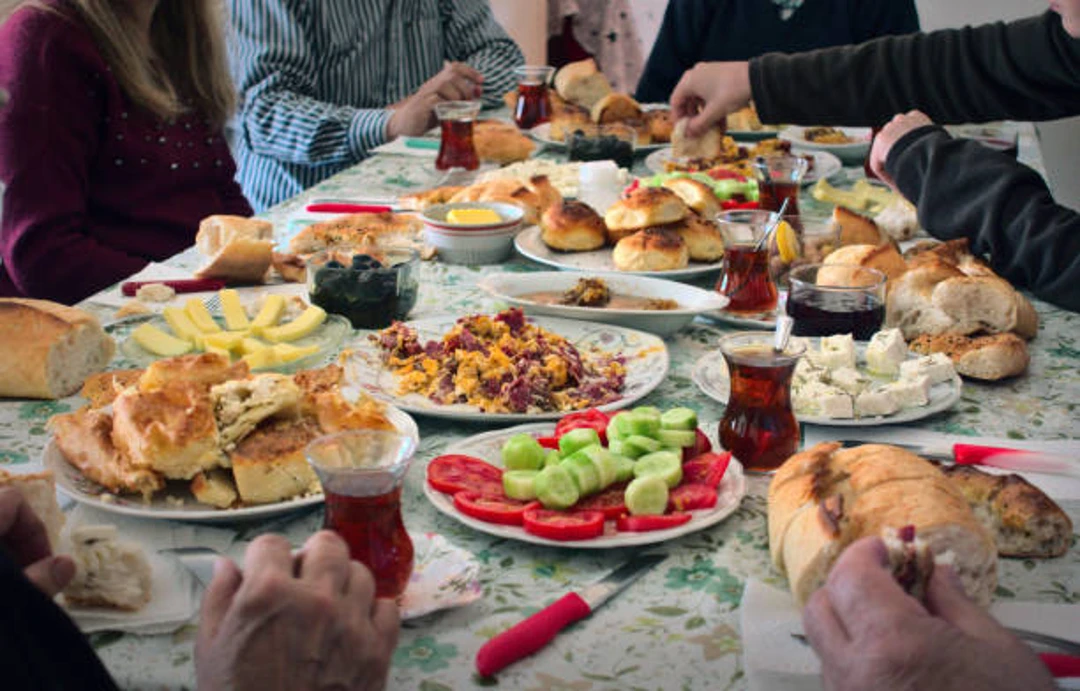
Weekend breakfasts are commonly longer and more elaborate than weekday meals. If invited to a home, follow the host’s pace, accept small portions first, and offer thanks rather than rushing through the table.
In a restaurant, confirm whether serpme breakfast is priced per person and whether every guest must order it. This avoids surprises when a menu shows one set price.
Nutrition, Allergies, and Dietary Choices
A breakfast spread can include protein, vegetables, grains, and unsaturated fats, but portions of bread, cheese, sausage, honey, jam, and kaymak can quickly increase salt, sugar, and energy intake.
Turkey’s official dietary guidelines support balanced variety. Build the plate around vegetables, eggs or moderate cheese, olives, and bread, then treat rich sweets and processed meats as smaller additions.
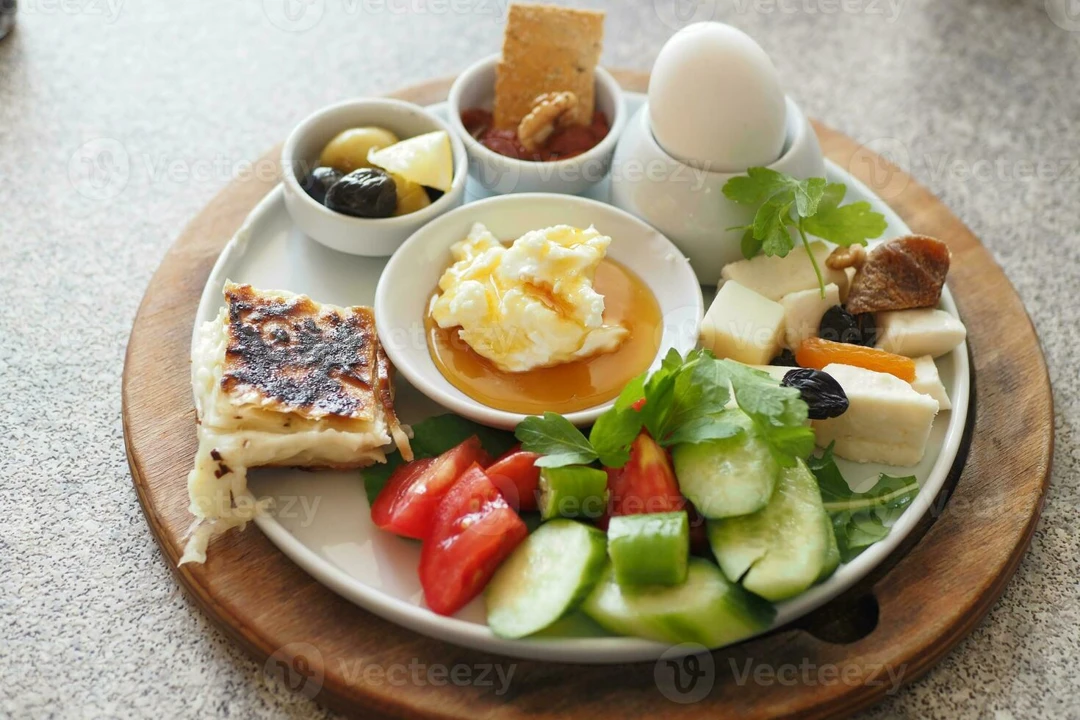
Common allergens include sesame, dairy, eggs, wheat, and nuts. Ask about each dish and cross-contact, especially for börek, simit, spreads, desserts, and mixed breakfast plates.
Ordering with Food Allergies
Türkiye requires allergen information for food-service businesses, but cross-contact still needs a direct conversation. Use the official allergen list to prepare the ingredients you need to avoid, then confirm each dish with staff.
Where and How to Try It
Look for a kahvaltı salonu, bakery, neighborhood café, hotel breakfast, or regional restaurant. Istanbul offers broad variety, while Van, Izmir, and Black Sea towns highlight different local products.
An Istanbul travel guide can help combine breakfast with nearby markets, waterfront walks, or historic districts. Reserve ahead for popular weekend places.
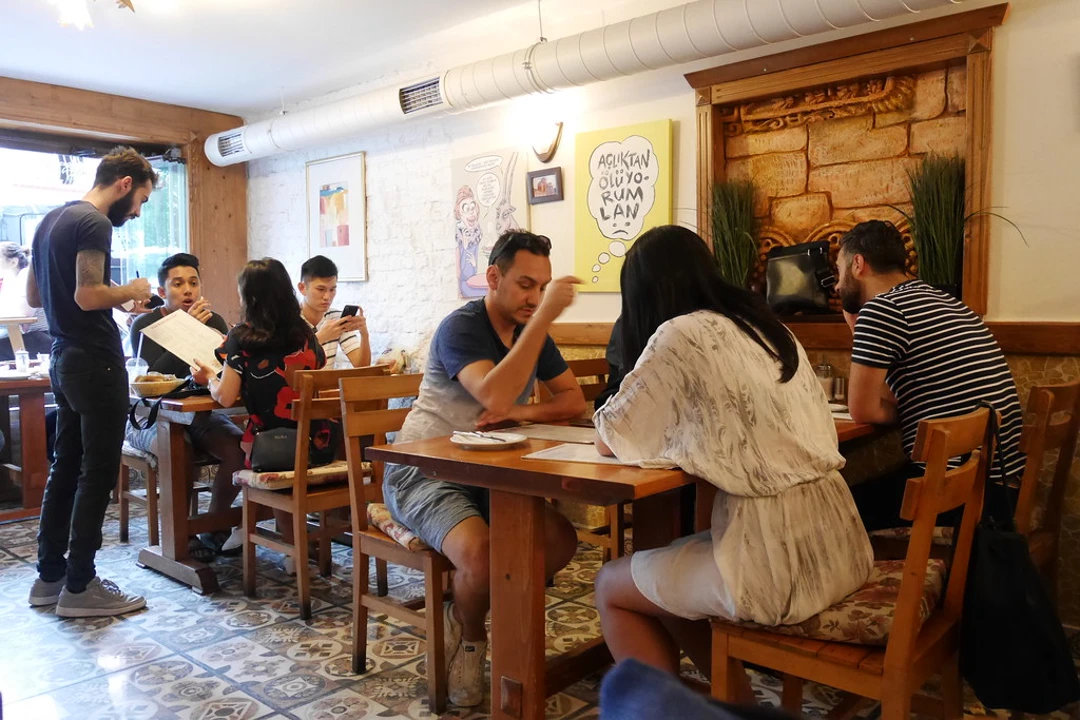
Ask what is included, whether hot dishes cost extra, and whether tea refills are complimentary. Order less at first; additional plates are easier than wasting a large spread.
Staying Connected for Reservations and Directions
A Turkey eSIM can help with reservations and directions, but save the address offline in case service is weak inside a crowded market or old building.
FAQ
1. What does kahvaltı mean?
Kahvaltı is the Turkish word for breakfast and is commonly interpreted as eating before coffee.
2. What is included in a Turkish breakfast?
Typical items include bread, cheese, olives, vegetables, eggs, jam, honey, and Turkish black tea.
3. What is serpme kahvaltı?
It is a shared breakfast spread of many small plates, often priced per person in restaurants.
4. Is Turkish breakfast vegetarian?
It can be, but confirm whether eggs, pastries, or spreads contain meat and request sucuk separately.
5. How long should I allow for breakfast?
Allow at least an hour for a full shared spread and more time for a leisurely weekend meal.
Conclusion
Turkish breakfast combines many small dishes with tea, conversation, and regional ingredients. Its flexibility allows a simple plate or a long shared feast.
Start with bread, cheese, olives, vegetables, and eggs, then add regional specialties or sweets in smaller portions. Ask about pricing, ingredients, and allergens before ordering.
Whether enjoyed at a bakery, café, family table, or regional breakfast house, kahvaltı is best understood as both a meal and a social tradition.