
Turkish delight, or lokum, is a soft confection made by cooking sugar syrup with starch until it forms a smooth, chewy gel. Traditional versions are often flavored with rose, citrus, or mastic and may contain pistachios, hazelnuts, or walnuts.
The candy is closely associated with Ottoman-era confectionery and remains part of hospitality, coffee service, celebrations, and gift giving in Türkiye. Its texture is tender rather than gummy, and a good piece should hold its shape without feeling rubbery.
This guide explains what Turkish delight is, how its ingredients work, how to make it at home, how to fix common texture problems, and how to choose and store it.
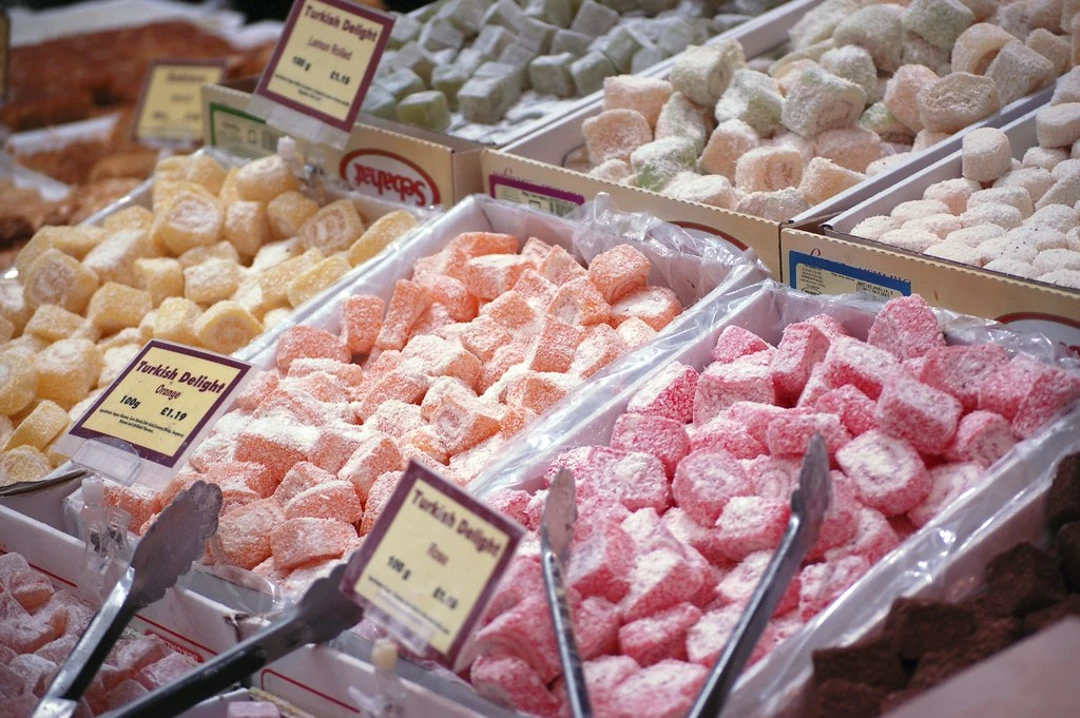
What Is Turkish Delight?
Classic lokum is not a marshmallow or gelatin sweet. Its characteristic structure comes from starch thickening a concentrated sugar syrup, creating a clean bite that slowly softens in the mouth.
The basic formula is simple, but flavor and texture vary widely. The table separates the core ingredients from optional additions so you can identify a traditional-style product or plan a homemade batch.
A starch-set base may suit some vegetarian, vegan, or gluten-free diets, but nuts, dairy coatings, gelatin in nontraditional products, flavorings, and shared equipment vary. Treat the ingredient label or direct vendor confirmation—not the name lokum—as the deciding evidence.
|
Ingredient |
Role |
Common options |
|---|---|---|
|
Sugar |
Sweetness and syrup structure |
Granulated white sugar |
|
Cornstarch |
Sets the chewy gel |
Also used for dusting |
|
Water |
Dissolves and cooks the mixture |
Added in measured stages |
|
Flavoring |
Defines the aroma |
Rose, lemon, orange, or mastic |
|
Nuts |
Add crunch and richness |
Pistachio, hazelnut, or walnut |
History and Cultural Place
Lokum developed within the wider confectionery traditions of the Ottoman world. Its exact origin is debated, so claims that one person invented the modern sweet should be treated as popular tradition rather than settled fact.
In Türkiye, lokum is commonly offered beside coffee, presented during visits, and packed as a gift. Istanbul's official culture and tourism information describes it as an important part of traditional Turkish dessert culture and coffee ceremonies.
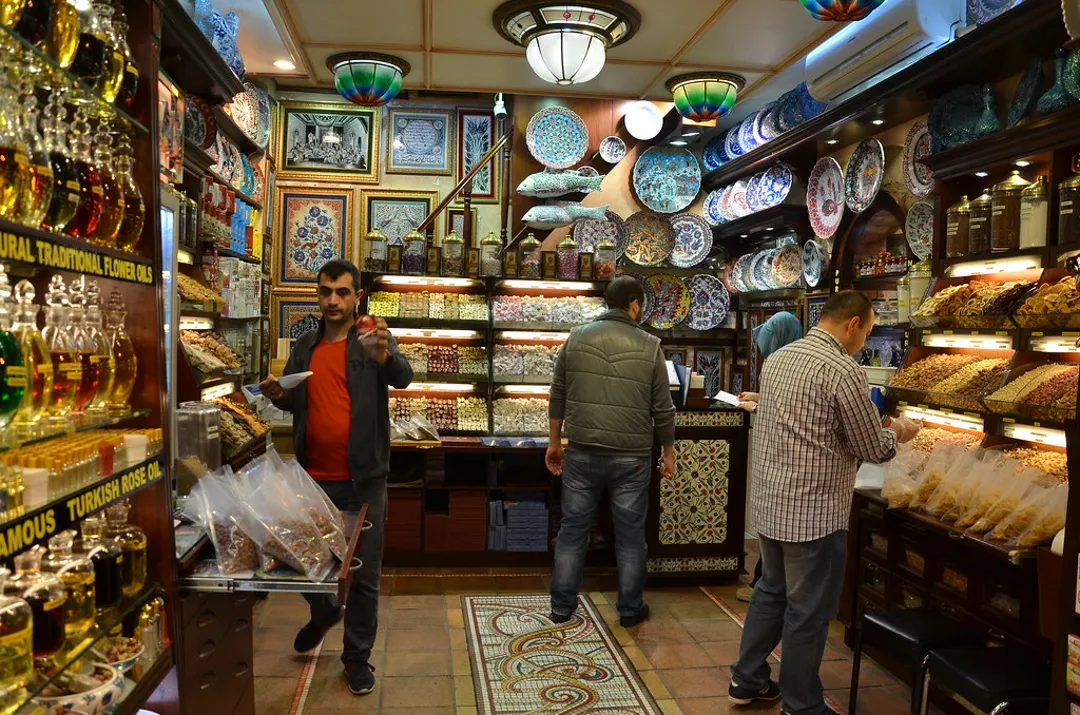
Its international name helped the confection travel far beyond Türkiye. Modern shops now sell both restrained traditional flavors and contemporary versions coated in chocolate, coconut, or crushed nuts.
How the Ingredients Create the Texture
Texture depends on concentration, heat, and patience. The syrup must cook long enough for excess water to evaporate, while the starch mixture needs steady cooking to lose its raw taste and develop elasticity.
Rosewater should be added sparingly because its aroma can quickly dominate. For a broader view of how lokum fits beside savory dishes, breads, and other sweets, Turkish food traditions provide useful culinary context.
|
Choice |
Likely result |
|---|---|
|
Longer gentle cooking |
Firmer set and cleaner slices |
|
Too little cooking |
Soft or sticky candy |
|
Excess flavoring |
Harsh aroma or bitter finish |
|
Toasted nuts |
Stronger flavor and crisp contrast |
How to Make Turkish Delight at Home
Use a heavy saucepan, heat-resistant spatula, lined pan, and reliable thermometer. Prepare the pan and flavorings before cooking because the finished mixture thickens quickly.
-
Line a shallow pan and dust it lightly with a cornstarch-and-sugar mixture.
-
Cook sugar, water, and a little acid until the syrup reaches the recipe's specified stage.
-
In a separate pan, whisk cornstarch with water, then cook until smooth and thick.
-
Add the hot syrup gradually to the starch base while stirring carefully.
-
Cook on low heat until the mixture is glossy, very thick, and pulls from the pan.
-
Stir in flavoring and nuts, spread in the prepared pan, and leave it to set fully.
-
Cut with an oiled knife and coat every surface to prevent sticking.
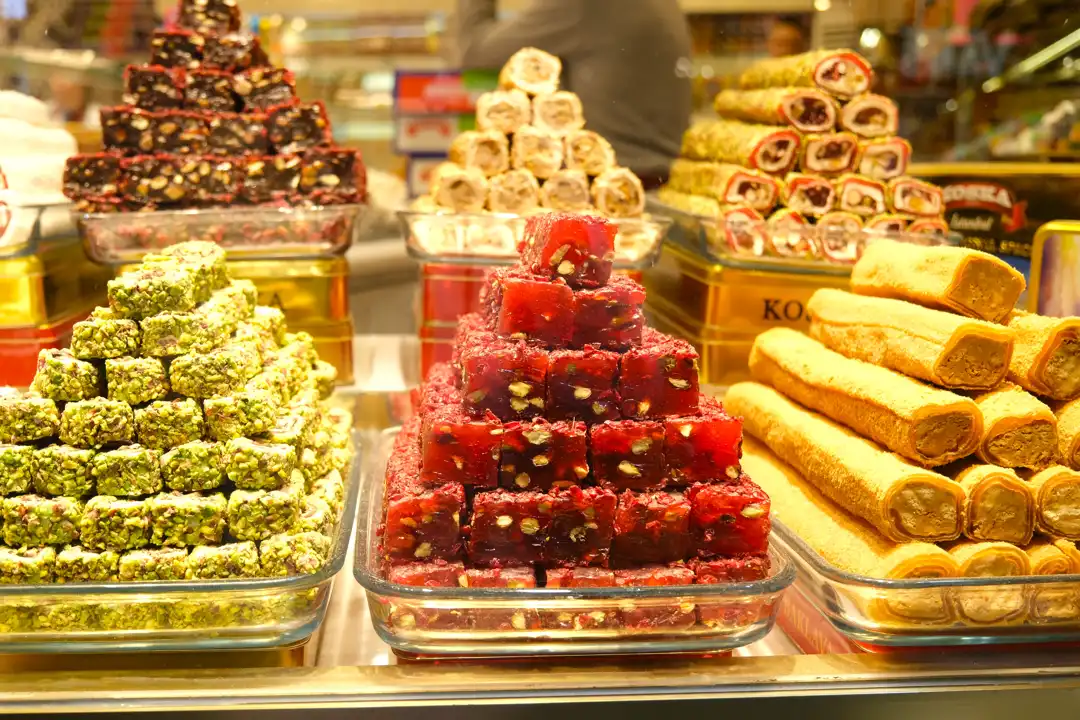
Recipe temperatures and cooking times differ with batch size, pan width, and altitude. Use the tested proportions and temperature checkpoints in a detailed Turkish delight recipe instead of combining measurements from several methods.
Common Problems and Practical Fixes
Most failures come from stopping the cook too early, using uneven heat, or cutting before the slab has set. Diagnose the texture before changing several variables at once.
|
Problem |
Likely cause |
Next-batch fix |
|---|---|---|
|
Too soft |
Insufficient concentration |
Cook longer and verify temperature |
|
Too firm |
Overcooked mixture |
Stop earlier and use gentler heat |
|
Sticky surface |
Humidity or weak coating |
Dry longer and coat all sides |
|
Lumpy texture |
Poorly mixed starch |
Whisk the starch slurry until smooth |
|
Overpowering flavor |
Too much rosewater or extract |
Add flavor drop by drop |
Flavors, Serving, and Pairings
Rose and lemon remain recognizable choices, while pistachio adds a savory contrast. Mastic, orange, pomegranate, and nut-filled rolls show how wide the category has become without changing its basic starch-set identity.
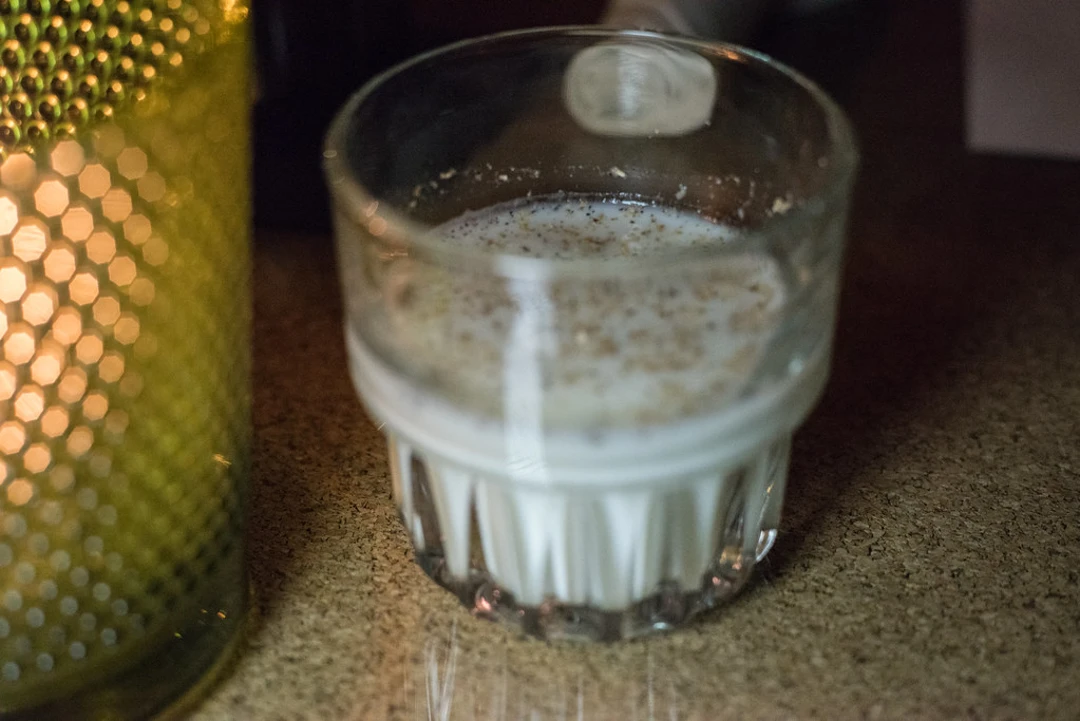
Serve one or two small pieces with unsweetened coffee or strong tea. The clean bitterness of Turkish tea balances the sweetness without masking delicate floral notes.
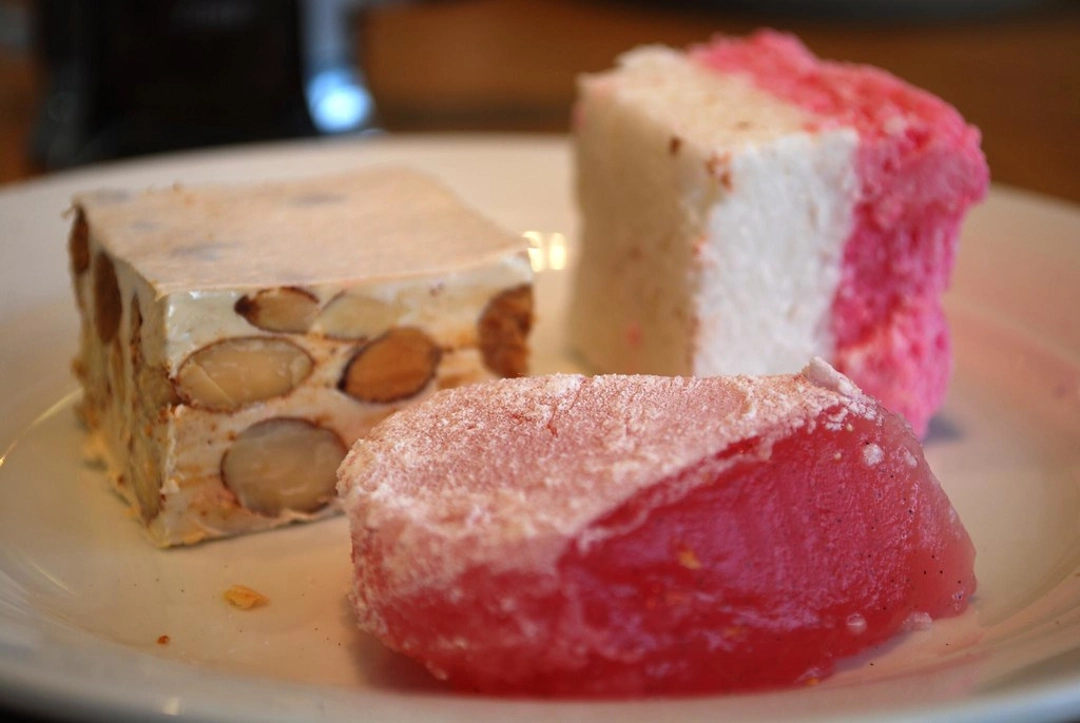
When serving guests, place different flavors in separate rows or dishes so strong rose or mint aromas do not dominate milder citrus and nut varieties.
Buying, Gifting, and Storage
Look for clearly labeled flavors, intact pieces, and a fresh aroma. A very wet surface suggests poor storage, while a hard, dry edge may indicate that the candy has been exposed to air for too long.
In Turkish markets, maps, translation, and payment notifications are easier to manage with a pre-arranged Turkey eSIM. Keep a card or cash alternative because small vendors may not support every payment method.
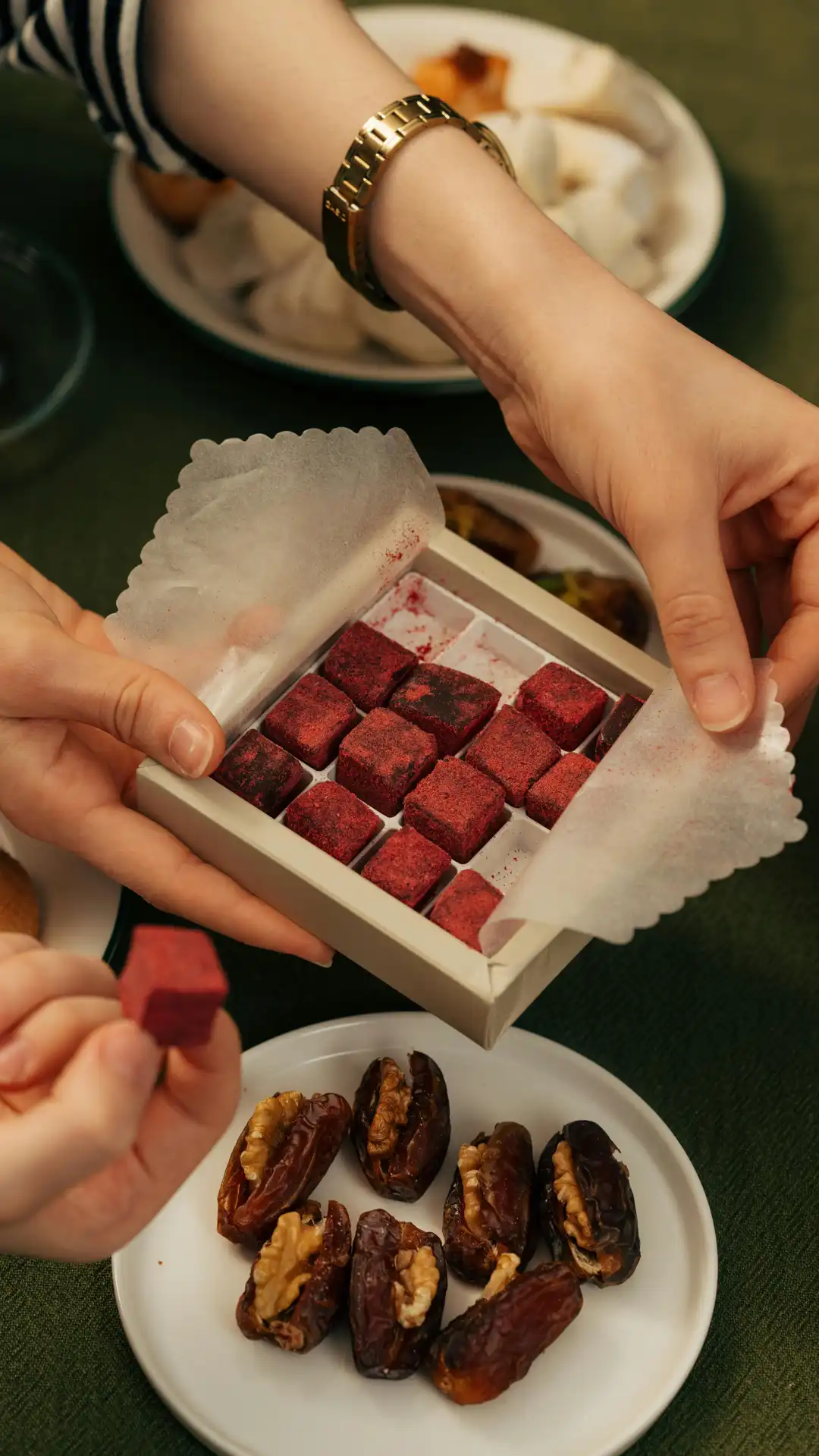
Store lokum in an airtight container in a cool, dry place, with parchment between layers. Refrigeration can make some varieties firm or damp, so follow the maker's instructions and keep homemade batches away from heat and humidity.
FAQ
1. Is Turkish delight made with gelatin?
Traditional starch-set lokum does not require gelatin, but packaged varieties should always be checked individually.
2. Is Turkish delight gluten-free?
Many recipes use cornstarch rather than wheat flour, but cross-contact and added coatings can change the answer.
3. What does Turkish delight taste like?
It is sweet and gently aromatic, with flavors ranging from rose and citrus to mastic, pistachio, and pomegranate.
4. Why did my homemade Turkish delight stay soft?
The mixture was probably undercooked or contained too much water for the pan size and cooking time.
5. How long does Turkish delight keep?
Storage life varies by recipe, so keep it airtight and follow the maker's date or the tested recipe's guidance.
6. What is the best drink to serve with lokum?
Unsweetened Turkish coffee or strong black tea balances the candy's sweetness particularly well.
Conclusion
Turkish delight is a starch-set confection defined by a soft chew, concentrated sweetness, and aromatic flavors such as rose, citrus, mastic, and nuts.
Successful homemade lokum depends on measured ingredients, slow cooking, a complete set, and careful coating. Small adjustments to time and flavoring solve most texture problems.
Whether served with coffee, bought in a market, or packed as a gift, good lokum is best enjoyed fresh, in small portions, and with attention to its flavor and texture.