
Turkish food is regional, seasonal, and shaped by many kinds of dining. A breakfast spread, an esnaf lokantası lunch, a Black Sea fish meal, a southeastern kebab, and an Aegean olive-oil table can all be recognizably Turkish without sharing the same dominant flavors.
The most useful way to explore the cuisine is to match dishes to place and setting. Learn whether a restaurant specializes in soup, grilled meat, home-style trays, seafood, pide, sweets, or breakfast before expecting one menu to represent the whole country.
This guide covers regional specialties, meal formats, street food, beverages, desserts, dietary needs, ordering, and home cooking. A Turkey eSIM can help with menu translation, maps, allergen messages, and current opening details away from Wi-Fi.
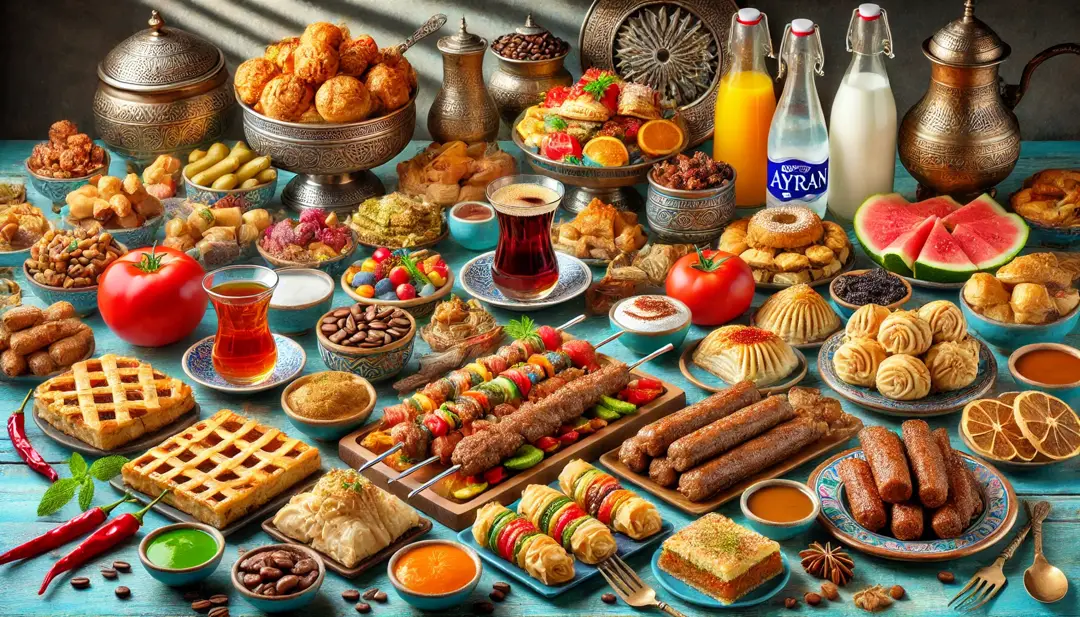
Turkish Cuisine by Region
Regional labels are useful, but city and household traditions overlap. A dish may have several accepted versions, and similar foods may also belong to the wider culinary histories of the Balkans, Caucasus, Mediterranean, and Middle East.
Climate, agriculture, migration, trade, and local communities influence what reaches the table. Türkiye’s official tourism portal organizes gastronomy across Marmara, the Aegean, Mediterranean, Black Sea, Central, Eastern, and Southeastern Anatolia.
Region | Common strengths | Foods to look for |
|---|---|---|
Marmara and Thrace | Dairy, meat, seafood, Ottoman and urban cooking | İskender kebap, Edirne liver, fish, cheese, chestnut sweets |
Aegean | Olive oil, wild greens, herbs, vegetables, seafood | Zeytinyağlı dishes, stuffed vegetables, herb meze |
Mediterranean | Citrus, vegetables, tahini, meat, spicy salads | Antakya meze, tantuni, künefe |
Black Sea | Anchovies, corn, cabbage, tea, hazelnuts | Hamsi, mıhlama or kuymak, corn bread |
Central Anatolia | Wheat, dumplings, oven dishes, slow-cooked meat | Kayseri mantı, etli ekmek, testi kebabı |
Eastern Anatolia | Pastoral dairy, preserved foods, meat, grains | Cağ kebabı, Kars cheeses, ayran aşı |
Southeastern Anatolia | Kebabs, bulgur, peppers, pistachios, syrup sweets | Adana and Urfa kebap, içli köfte, Antep baklava |
Use the regional table as a planning tool rather than a checklist. Choose the places on your route first, then look for dishes and venue types associated with those specific cities or landscapes.
Regional Food Choices Across the Mediterranean
Across the Mediterranean, food planning works best when dishes are tied to place. Regional food in Italy is organized by city and dish, while Türkiye’s seven-region framework begins with climate and local produce.
For a Turkish trip, match meals to your route instead of a generic national list.
Where and How to Eat
Restaurant type often predicts the meal better than a long list of dish names. A lokanta serves prepared home-style food, an ocakbaşı centers on the grill, a pideci specializes in pide, and a pastane sells pastries, cakes, and sweets.
In Istanbul, Istanbul’s Grand Bazaar combines market exploration with coffee, sweets, and nearby food stops, while the separate Spice Bazaar focuses more directly on edible souvenirs.
Menus may show portions, weight-based seafood, daily specials, or display trays. Ask the price before ordering fish or meat sold by weight, and confirm whether water, bread, cover, or service charges appear separately.
Venue | Best for | How ordering works |
|---|---|---|
Esnaf lokantası | Soups, stews, vegetables, rice, home-style lunch | Point to prepared trays and pay by plate |
Ocakbaşı | Kebabs and grilled meat | Choose the grill item, sides, and shared meze |
Meyhane | Meze and a long social dinner | Select small plates; alcohol is optional |
Pideci or lahmacuncu | Fresh oven-baked flatbreads | Choose topping, size, and accompaniments |
Pastane or tatlıcı | Pastries, puddings, baklava, tea | Order by piece, portion, or weight |
Breakfast, Snacks, and Street Food
A Turkish breakfast can range from a quick simit and tea to a large shared spread. A fuller table may include white cheese, aged cheese, olives, tomatoes, cucumbers, eggs, honey, kaymak, preserves, bread, börek, and small cooked dishes.
For one person, ask whether a breakfast is priced per person or for the table. Large “village breakfast” sets can produce unnecessary waste when every item arrives automatically.
Common portable foods include simit, roasted chestnuts, corn, dürüm, kokoreç, balık ekmek, börek, gözleme, and stuffed mussels. Choose busy vendors with good turnover and food kept at safe temperatures.
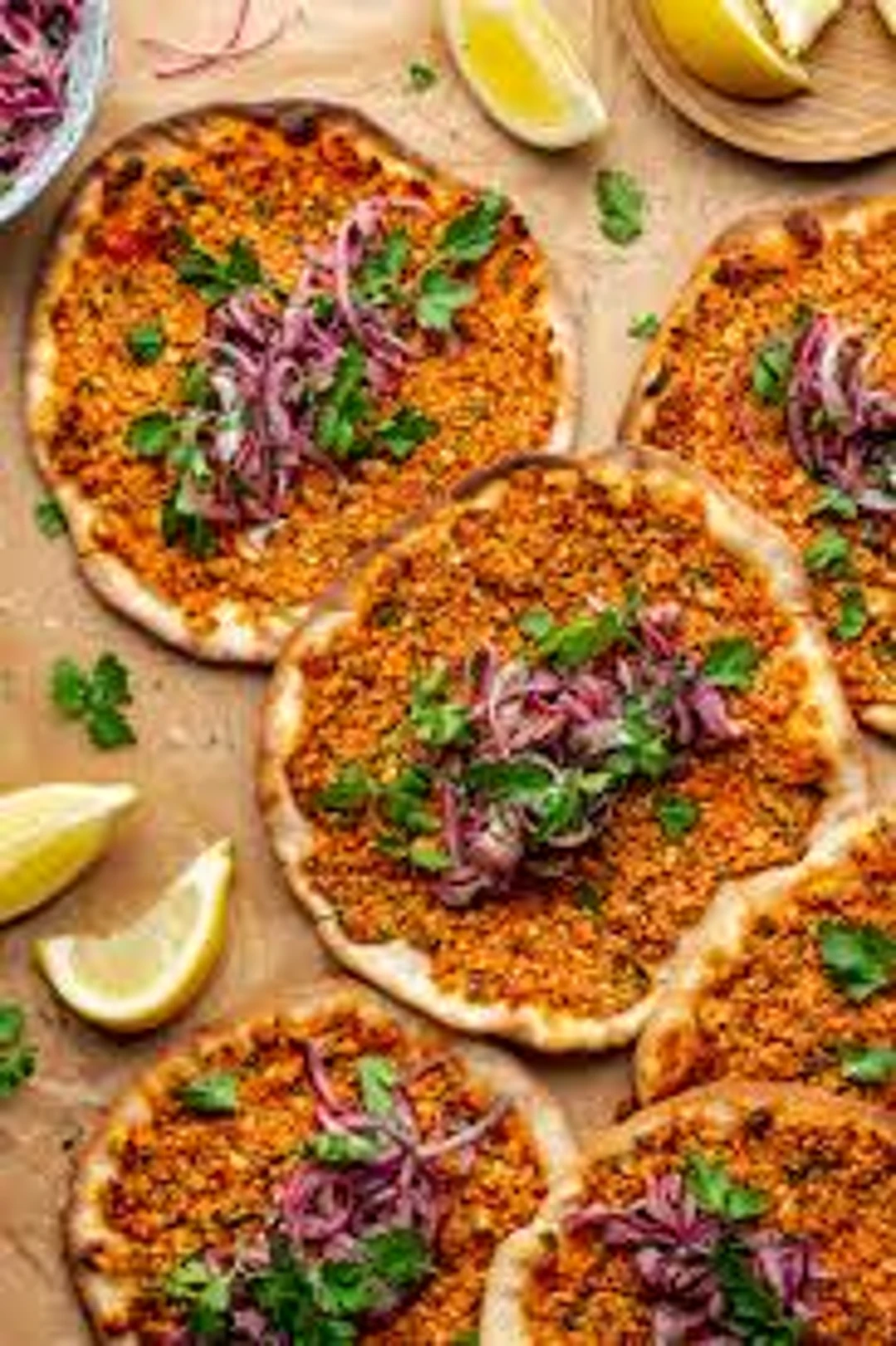
Lahmacun is a thin round of dough topped with a finely chopped meat mixture, baked quickly, and commonly served with parsley, onion, and lemon. It is better understood on its own terms than as “Turkish pizza.”
Essential Main Dishes and Regional Specialties
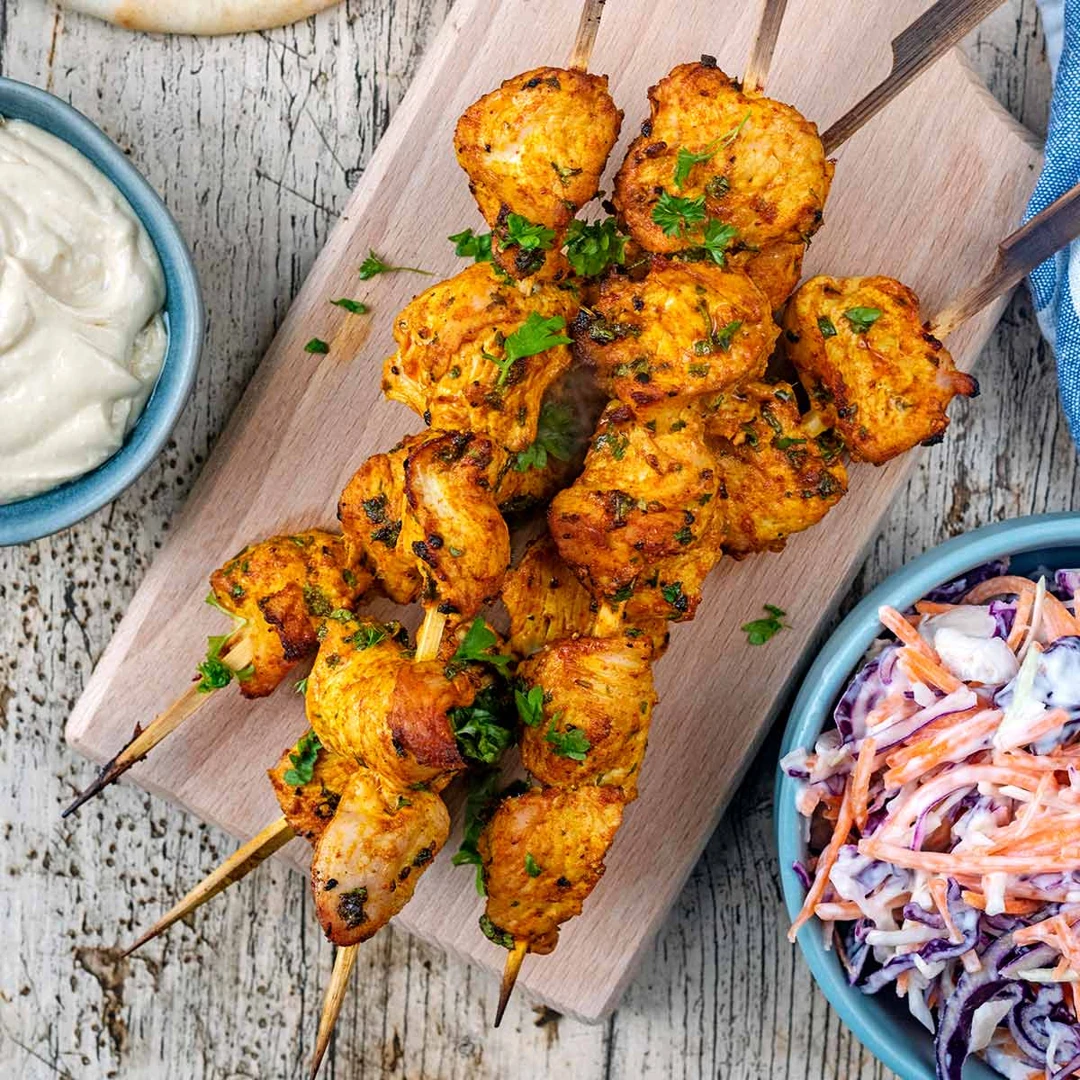
Kebap is a broad family, not one recipe. Adana and Urfa kebap use seasoned minced meat with different heat levels; şiş kebap uses skewered pieces; İskender combines sliced döner with bread, tomato, yogurt, and butter.
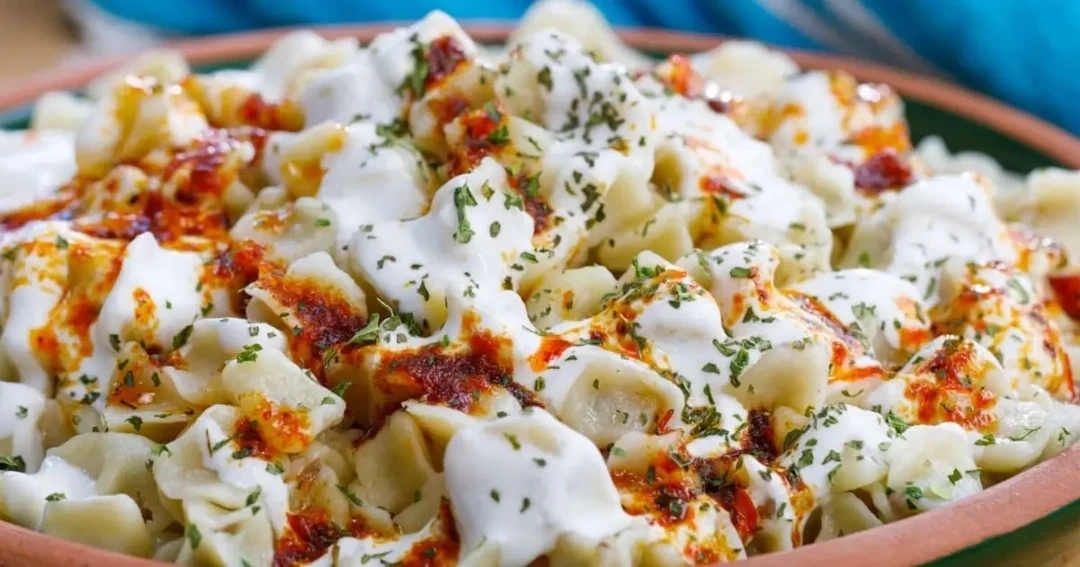
Mantı also changes by place. Kayseri is known for very small meat-filled dumplings usually served with garlic yogurt and peppered butter, while other regions produce different shapes, sizes, fillings, or cooking methods.
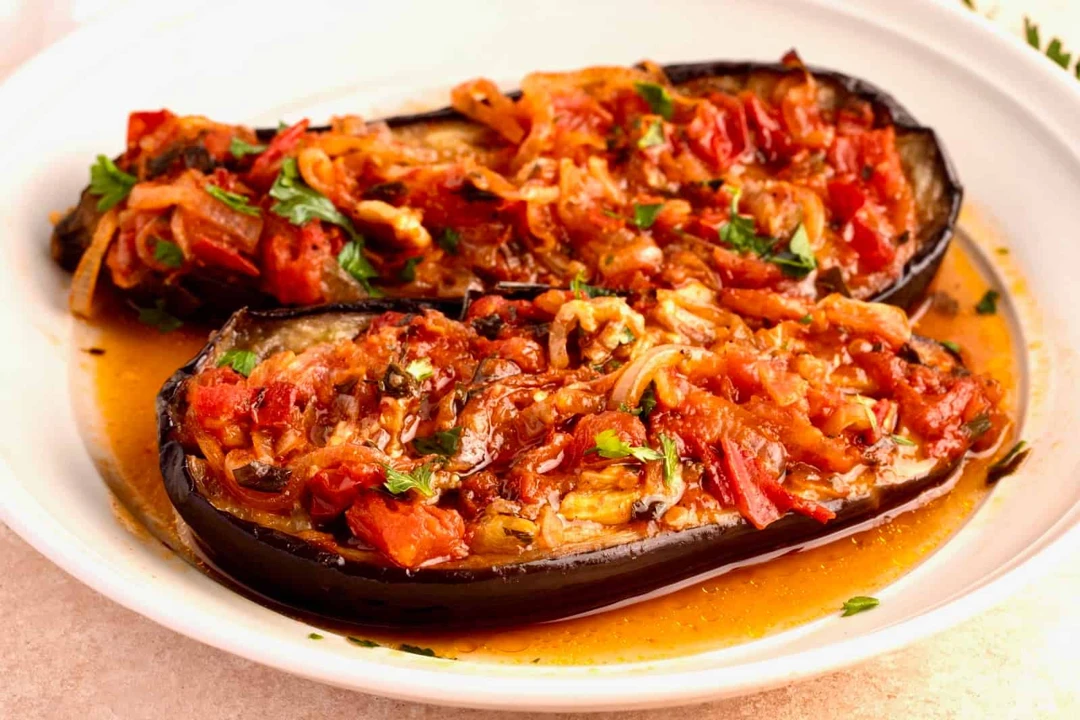
Dolma and sarma may contain rice, herbs, currants, pine nuts, or meat. İmam bayıldı is an olive-oil eggplant dish with onion and tomato, while karnıyarık is commonly a meat-filled eggplant preparation.
Soups are everyday food rather than only starters. Mercimek çorbası is smooth red lentil soup; ezogelin commonly includes red lentils, bulgur, rice, tomato, and mint; tarhana varies by the fermented grain-and-yogurt mixture used.
If you like | Try | Check |
|---|---|---|
Grilled meat | Adana, Urfa, şiş, köfte | Spice level, meat type, portion size |
Vegetable dishes | Zeytinyağlılar, imam bayıldı, türlü | Meat stock, yogurt, shared utensils |
Dumplings and dough | Mantı, pide, börek, gözleme | Filling, dairy, egg, gluten |
Seafood | Hamsi, grilled fish, balık ekmek | Price by weight, bones, season |
Comforting soups | Mercimek, ezogelin, tarhana | Bulgur, flour, butter, meat stock |
Vegetarian, Vegan, Gluten-Free, and Allergy Planning
Vegetable-rich cooking creates many options, but names alone do not guarantee a dietary category. A vegetable dish may contain butter, yogurt, meat stock, or minced meat, and a “meze” can include dairy, egg, fish, or sesame.
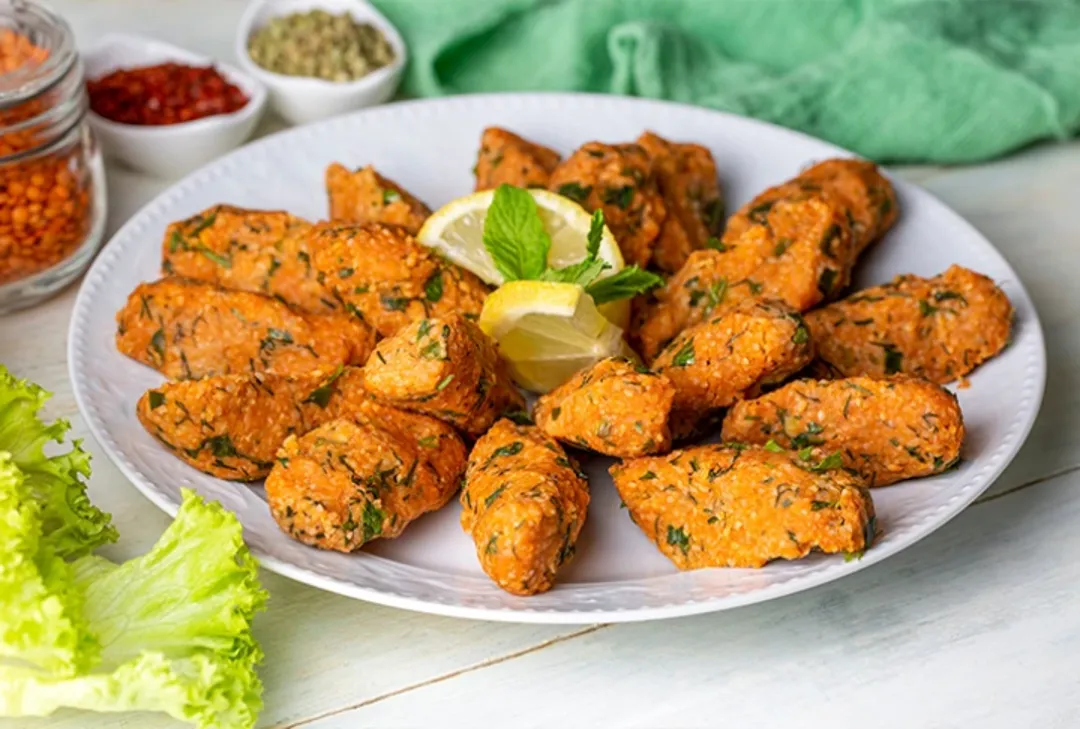
Mercimek köftesi is usually made with red lentils, fine bulgur, herbs, and spices, so it can be vegan but is not gluten-free. İmam bayıldı and many olive-oil dishes may be vegan, but the kitchen should confirm ingredients.
Gluten-free travelers must check more than bread. Bulgur appears in salads, soups, and köfte; flour may thicken soup; shared fryers, grills, or preparation surfaces can create cross-contact.
For allergies, keep a written Turkish message naming the allergen and the need to avoid cross-contact saved offline. An iRoamly travel eSIM can keep translated notes and map details available away from hotel Wi-Fi, but severe allergies still require direct confirmation from staff.
Need | Promising choices | Always verify |
|---|---|---|
Vegetarian | Egg dishes, cheese pide, vegetable stews, meze | Meat stock, minced meat, fish |
Vegan | Zeytinyağlı dishes, beans, selected salads | Butter, yogurt, egg, honey, stock |
Gluten-free | Plain rice, grilled meat, selected vegetables | Bulgur, flour, bread crumbs, shared surfaces |
Nut allergy | Simple grilled dishes after confirmation | Baklava, desserts, sauces, cross-contact |
Sesame allergy | Individually confirmed plates | Simit, tahini, hummus, bread toppings |
Turkish Beverages and Social Customs
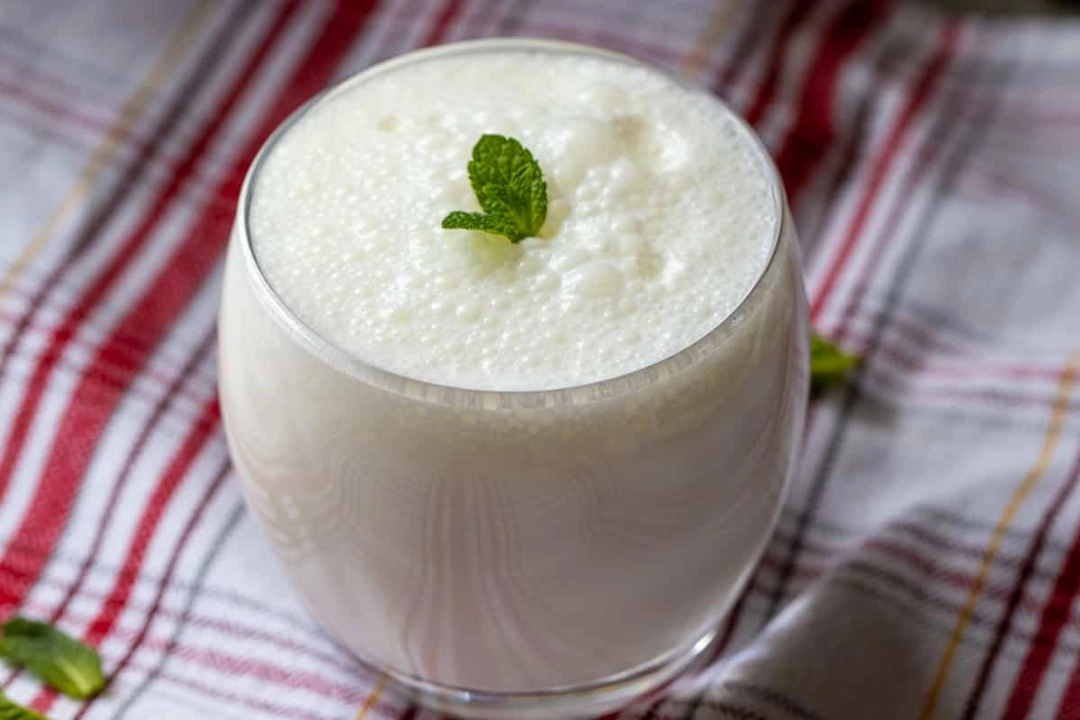
Tea is the everyday social drink, while coffee often marks a slower pause, visit, or ceremony. Ayran accompanies savory meals; salep and boza are associated with colder weather; şerbet appears in different regional and festive contexts.
UNESCO describes Turkish coffee culture and tradition as a combination of special preparation, hospitality, conversation, and social occasions, not simply a brewing method.
Ordering Turkish Coffee
Turkish coffee uses a cezve, fine grounds, foam, and a distinctive serving method. Choose the sugar level before brewing: sade is plain, az şekerli lightly sweet, orta medium, and şekerli sweet.
Let the grounds settle and stop sipping before reaching them. Water usually refreshes the palate, while a small sweet may accompany the cup.
Drinking Turkish Tea
Black Turkish tea is commonly served strong in a tulip-shaped glass with sugar offered separately. It may appear at breakfast, after meals, during shopping, or when visiting someone.
Accepting tea can be friendly, but it does not create an obligation to buy or stay. Ask for açık tea if you prefer a lighter pour.
Turkish Desserts and Sweets
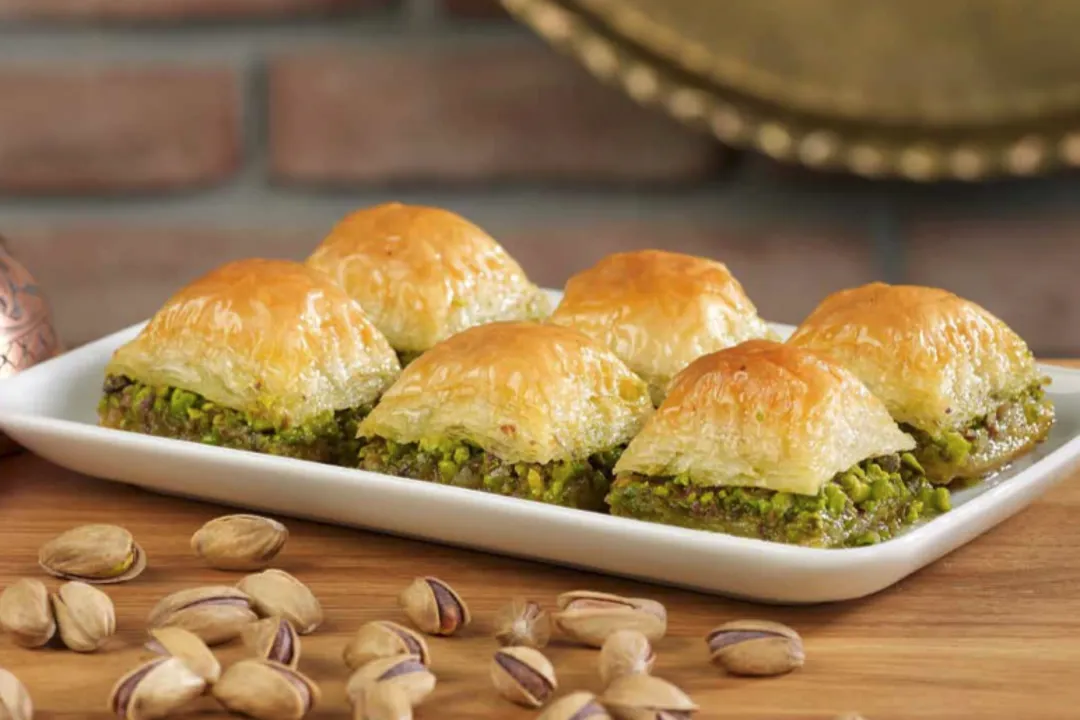
Baklava varies by nut, cut, syrup, butter, pastry thickness, and regional practice. Gaziantep is especially associated with pistachio baklava, while walnut versions and different shapes appear elsewhere.
Lokum is a starch-and-sugar confection with flavors and fillings that range from rose and citrus to pistachio. A tested Turkish delight recipe explains exact quantities, safe syrup handling, setting, dietary notes, and troubleshooting for a homemade batch.
Milk desserts include sütlaç, kazandibi, and muhallebi. Künefe combines shredded pastry, melting cheese, syrup, and pistachio, while aşure uses grains, legumes, dried fruit, and nuts in a dish tied to sharing and remembrance.
Ask about nuts, sesame, dairy, egg, and wheat before ordering sweets. “Plain” does not necessarily mean allergen-free, and display cases can involve shared tools.
How History Shaped the Table
The country’s position between pastoral zones, grain-growing plains, coasts, mountain routes, and imperial cities helped create a cuisine of preservation, bread, yogurt, grains, vegetables, meat, seafood, fruits, and sweets.
Across Turkey’s historical timeline, ancient Anatolian agriculture, Greek and Roman cities, Seljuk trade routes, Ottoman institutions, migration, and the modern republic all shaped the table.
No dish can be assigned to one empire or migration with a simple origin story. Recipes spread through markets, marriage, displacement, seasonal work, military service, religious communities, and neighboring languages.
Bringing Turkish Flavors Home
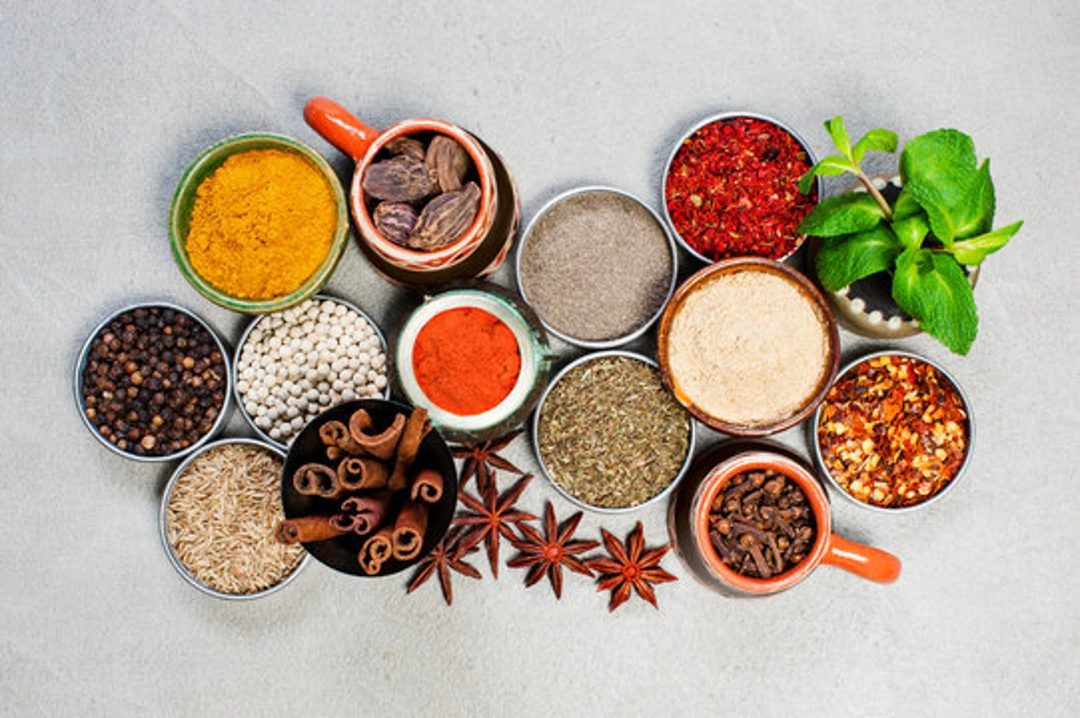
Start with techniques that transfer well: bloom pepper flakes in butter or oil, finish lentil soup with lemon, roast eggplant until fully tender, combine yogurt with garlic, and use herbs generously.
Choose one complete dish instead of recreating a restaurant spread. Mercimek çorbası, imam bayıldı, cacık, or a simple rice pilaf teaches more about balance than assembling many substitutions at once.
Beginner dish | Main lesson | Common mistake |
|---|---|---|
Mercimek çorbası | Layering lentils, aromatics, spice, and acidity | Serving without enough lemon or salt balance |
İmam bayıldı | Slowly softening eggplant, onion, and tomato | Stopping before the eggplant becomes silky |
Cacık | Balancing yogurt, cucumber, garlic, herbs, and water | Using overly sweet or heavily flavored yogurt |
Rice pilaf | Toasting, liquid ratio, resting, and texture | Stirring too often or skipping the rest |
Use reputable recipes and preserve the dish name when making a close version. If substitutions change its structure or defining ingredients, describe it as inspired by the original rather than claiming authenticity.
FAQ
1. What is the best Turkish food for a first-time visitor?
Try a mixed breakfast, lentil soup, one regional kebap or vegetable dish, seasonal meze, and a local dessert.
2. Is Turkish food always spicy?
No. Heat varies by region and dish; ask whether something uses hot pepper or acı seasoning.
3. Is Turkish food good for vegetarians?
Yes, but confirm meat stock, butter, yogurt, egg, and shared preparation in soups, stews, and meze.
4. What should gluten-free travelers avoid?
Check bread, bulgur, börek, pide, mantı, flour-thickened soup, bread crumbs, and cross-contact.
5. Do I need to tip in Turkey?
Small tips are commonly appreciated in table-service restaurants; check first for an included service charge.
Conclusion
Turkish cuisine makes more sense as a network of regional ingredients, specialized venues, and social habits than as a short list of national dishes.
Ask what a place cooks best, verify dietary needs directly, compare regional versions, and leave room for tea, bread, and shared plates without ordering more than the table can finish.
Whether eating mantı in Kayseri, hamsi by the Black Sea, vegetables on the Aegean coast, or soup at a neighborhood lokanta, the setting is part of the flavor.