
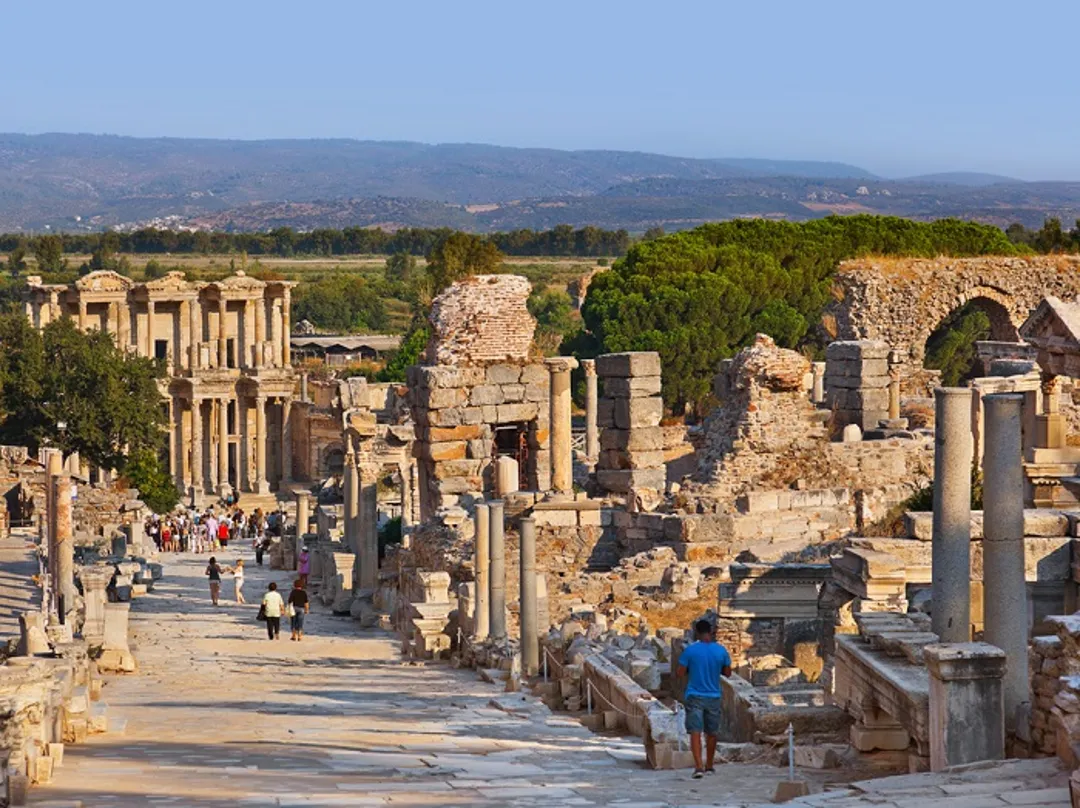
Ephesus is a vast archaeological landscape near Selçuk in western Türkiye, not a single monument. Its marble streets, public buildings, homes, sanctuaries, and later Christian sites reveal how the city changed across many centuries.
This guide explains why Ephesus mattered, which remains deserve the most time, what to eat nearby, and how to plan a comfortable visit. It also separates the ancient-city entrance from nearby sights such as the Temple of Artemis and Basilica of St. John.
A little preparation makes the long walking route much easier. Travelers who want maps, tickets, and transport details available on arrival can arrange an iRoamly travel eSIM before the trip.
Why Ephesus Matters
Ephesus developed around a shifting Aegean coastline. Hellenistic planners established the city on its later site, and it became the capital of the Roman province of Asia in 133 BCE, supported by trade, administration, and pilgrimage.
The UNESCO World Heritage profile for Ephesus describes an exceptional Roman port city whose harbor and channel moved as the Kaystros River deposited sediment. That environmental story is essential to understanding why the sea now lies far from the ruins.
Its importance was religious as well as commercial. The sanctuary of Artemis attracted visitors from across the Mediterranean, while later churches, councils, and pilgrimage traditions made the wider Selçuk landscape important to Christian history.
Excavation and conservation continue to refine what is known about Ephesus. Visitors should therefore read signs on site and avoid treating reconstructions, surviving ancient fabric, and later repairs as if they were all identical.
Essential Sights in and Around Ephesus
Temple of Artemis
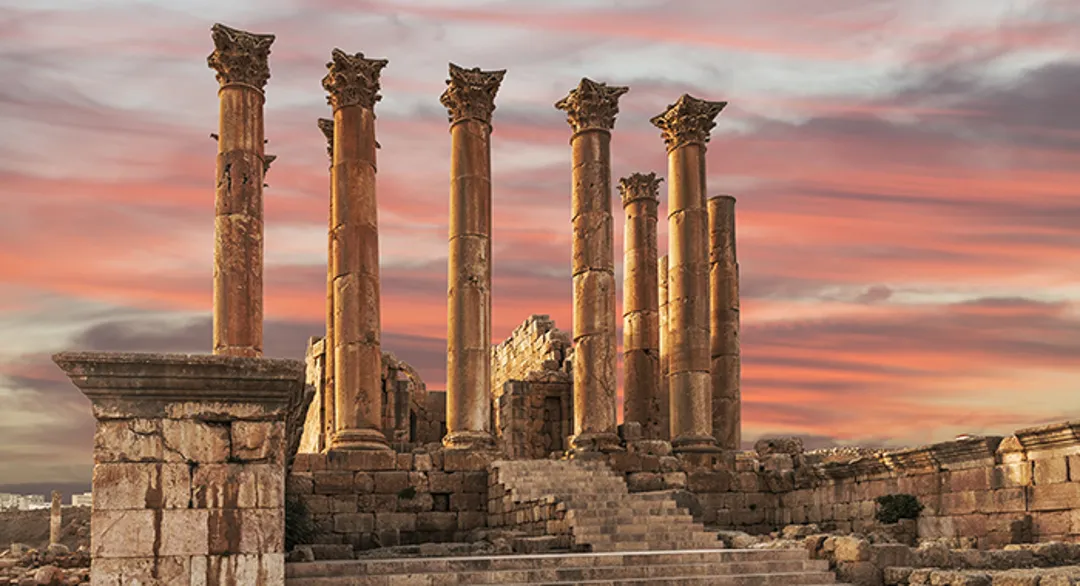
The Temple of Artemis once ranked among the Seven Wonders of the Ancient World. Only limited remains survive, so the visit is most rewarding when paired with historical context rather than expectations of a complete temple.
The Artemision lies near central Selçuk and outside the main ancient-city route. Allow separate travel time and use the landscape to understand how worship, settlement, and the old coastline were connected.
Library of Celsus and Curetes Street
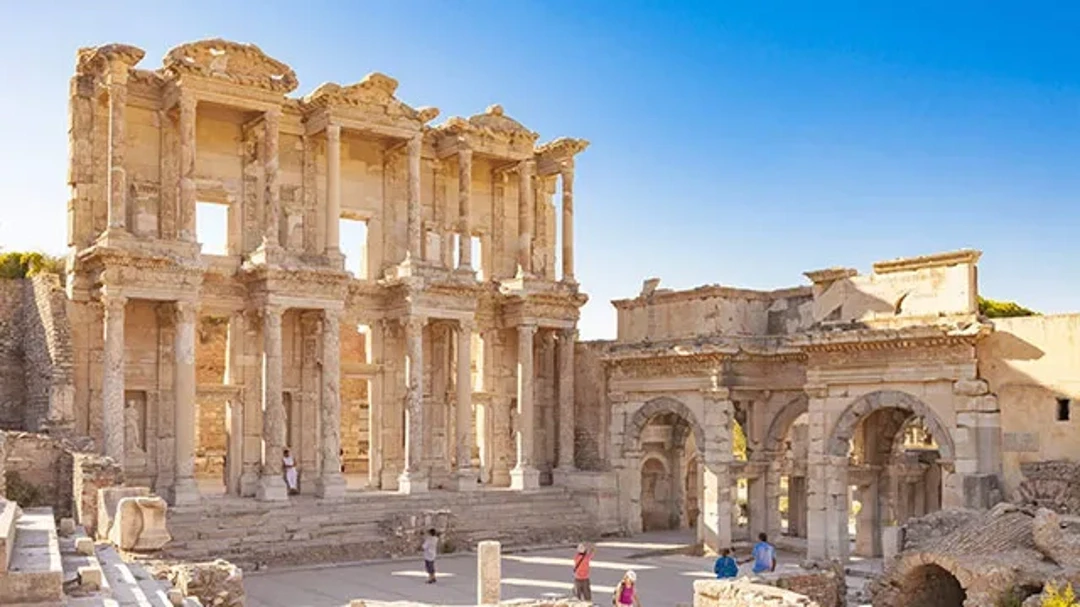
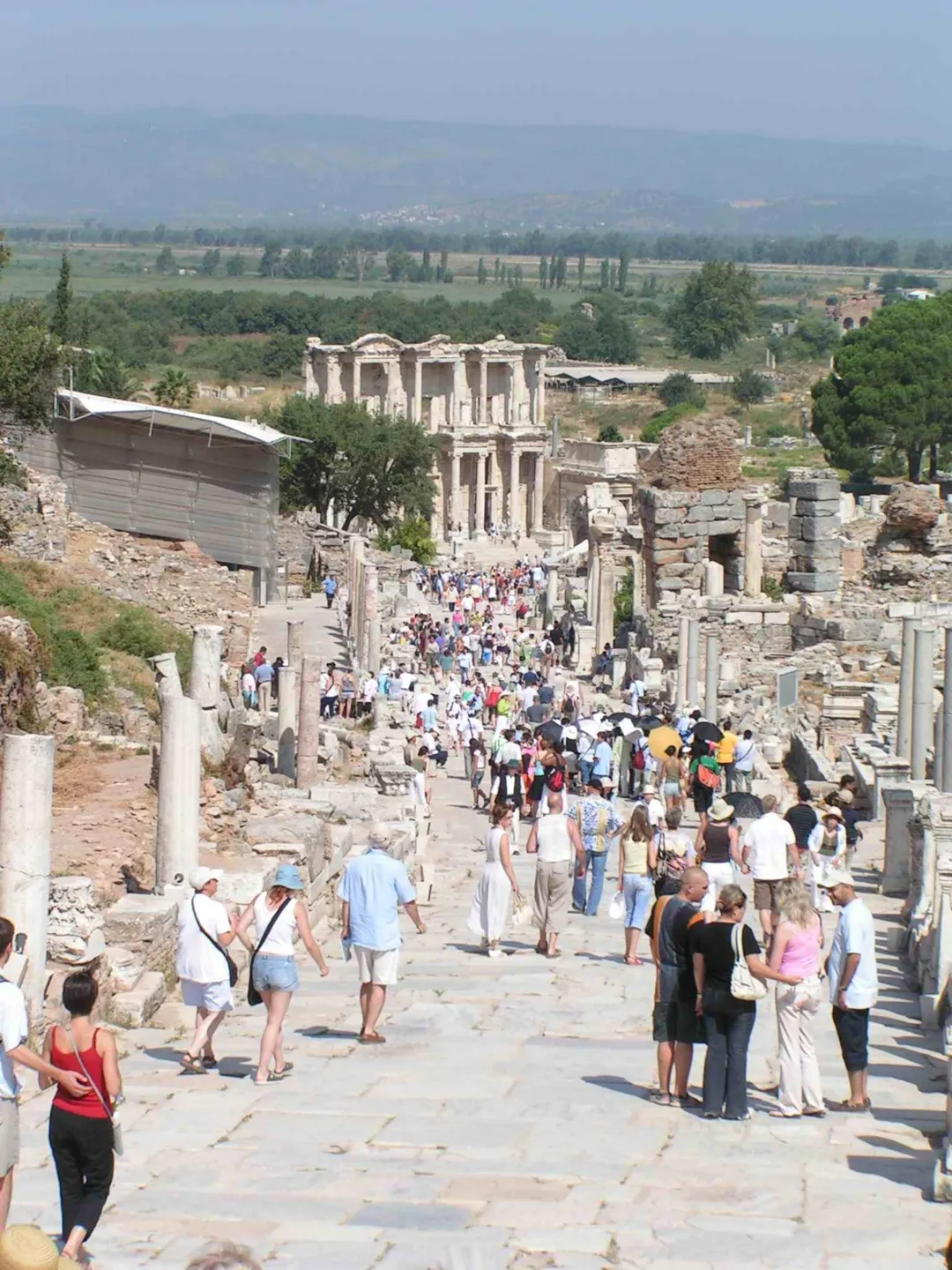
The restored façade of the Library of Celsus is the visual centerpiece of Ephesus. Approaching it along Curetes Street also reveals fountains, gates, shops, and public buildings that show how ceremonial and everyday urban life overlapped.
Look beyond the façade to the street levels, inscriptions, drainage, and changing building phases. These small details make the city feel like an organized urban system rather than a collection of isolated ruins.
Great Theatre and Harbor Street
The Great Theatre occupies the slope below Panayır Mountain and opens toward the former harbor route. Its scale reflects public entertainment and civic assembly, while Harbor Street shows the city's historic connection with maritime trade.
Steps can be steep and polished, so climb only where access is permitted and keep both hands free. The upper levels provide useful spatial context, but the view is not worth crossing barriers or unstable surfaces.
Terrace Houses
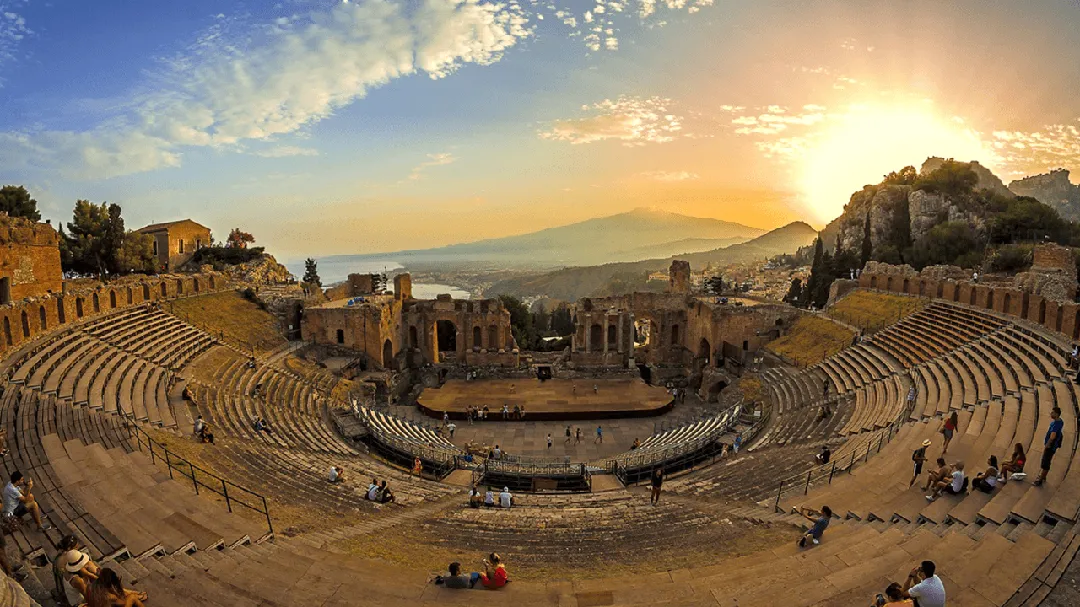
The Terrace Houses preserve mosaics, wall paintings, courtyards, and domestic rooms associated with wealthy Roman residents. Their sheltered walkways provide a close look at private life that contrasts with the city's monumental public spaces.
Access arrangements and admission can differ from the main site ticket. Confirm the current conditions before entering, then allow enough time for stairs and narrow viewing platforms without rushing other visitors.
Choosing the Right Heritage Day
Ephesus is primarily an outdoor archaeological route. Visitors spend hours on exposed, uneven ground and interpret architecture in its original urban setting, so weather, mobility, and footwear affect the experience.
Indoor, collection-led sightseeing answers a different planning need: museums in Florence, Italy can be divided among specialized galleries with timed entries and shorter walks between buildings. Choose Ephesus for a continuous open-air cityscape; choose Florence when curated collections and indoor pacing better suit the group.
Basilica of St. John and Selçuk
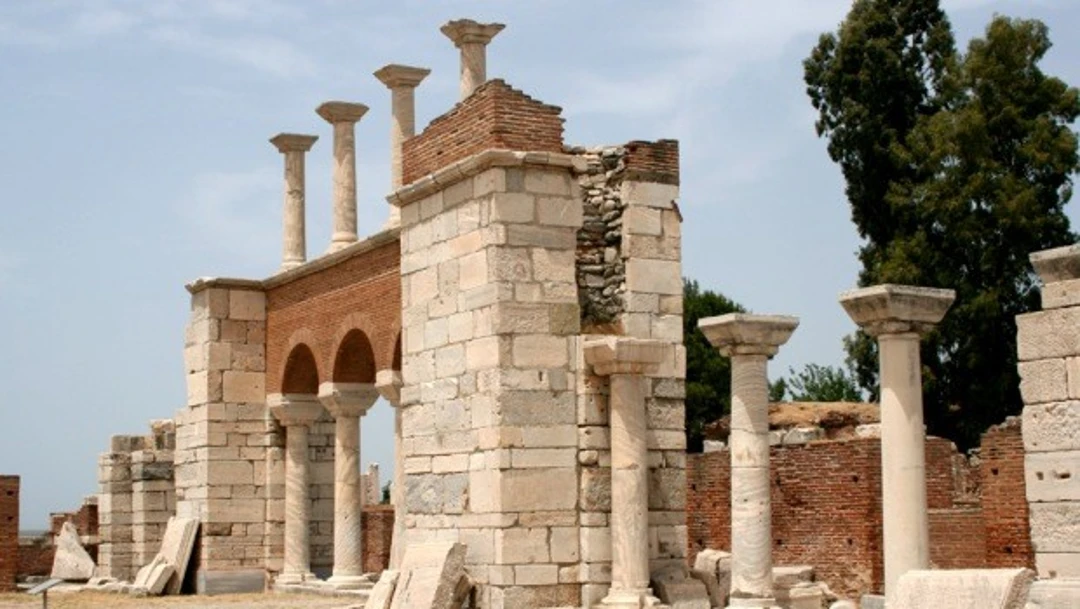
The basilica on Ayasuluk Hill belongs to the wider UNESCO property but is separate from the ancient-city entrance. Its ruins, nearby fortress, mosque, and town setting help explain how settlement continued after the Roman harbor city declined.
Visitors staying locally can also add a relaxed half-day in Şirince village. It is a distinct destination in the hills above Selçuk, so treat it as an extension rather than another Ephesus monument.
Food Around Selçuk
What to Look For
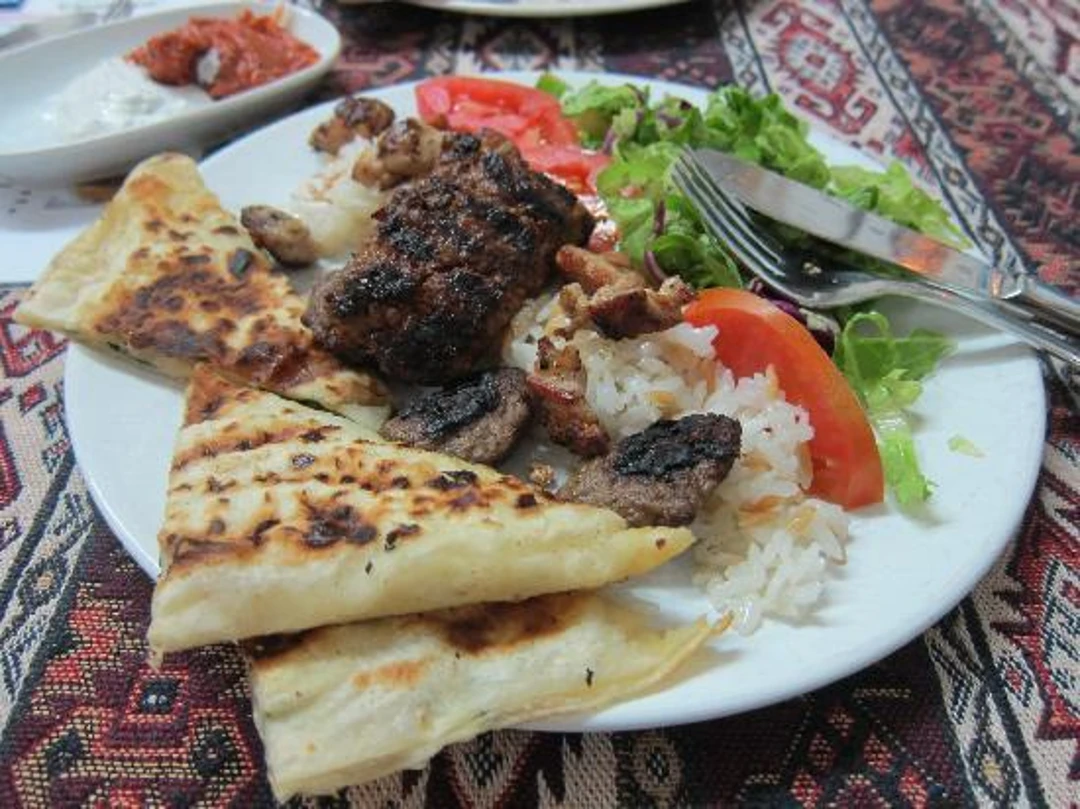
Selçuk restaurants commonly serve gözleme, grilled meats, soups, meze, vegetable dishes, and regional olive-oil recipes.
A broader Turkish food guide helps distinguish nationwide dishes from specialties associated with the Aegean coast.
Gözleme is thin dough filled with ingredients such as cheese, spinach, or potato and cooked on a griddle. Kebab is a large family of dishes rather than one recipe, so ask which cut, cooking method, and accompaniments a restaurant serves.
When and Where to Eat
Eat a substantial breakfast before entering or plan lunch after leaving the site; shade and seating inside can be limited. Carry water, but follow posted rules about food in protected archaeological areas.
Central Selçuk is the practical base for restaurants, markets, transport, and the Ephesus Museum. Check menus and prices before ordering, and choose busy local kitchens rather than assuming every venue beside a major attraction is representative.
Practical Ephesus Planning
Tickets and Current Hours
Opening times, evening access, ticket combinations, and Terrace Houses admission can change. Check the official Ephesus museum listing shortly before travel instead of relying on an old schedule.
Arrive near opening time during hot or busy months and keep a copy of any reservation. Allow at least two to three hours for the main route, with more time for the Terrace Houses, museum, and separate Selçuk sites.
Route, Navigation, and Connectivity
Some visits start at one gate and end at another, while independent travelers may need to return to their original transport point. A Turkey eSIM can help with route checks, tickets, translation, and arranging a return transfer.
Download essential confirmations before entering because signal quality can vary around stone structures and hills. Keep a fixed meeting point if your group separates, and do not depend on continuous coverage for safety.
Getting There from İzmir
Selçuk is reachable from İzmir by rail and road, while tours may provide direct transfers to the archaeological gates. An İzmir travel guide helps travelers decide whether to use the city as a base or stay closer to Ephesus.
Confirm the final connection between Selçuk station or bus stops and the entrance you intend to use. Taxis, minibuses, and tour transfers may follow different drop-off arrangements, especially during busy periods.
Heat, Terrain, and What to Bring
Ephesus has exposed marble, uneven ground, steps, and limited shade. Seasonal conditions vary, so compare likely heat and rainfall with a Turkey seasonal travel guide before fixing the date.
Wear shoes with grip, carry water, use sun protection, and pace the route for the least mobile member of your group. Follow marked paths, avoid climbing masonry, and postpone exposed sections during extreme heat or storms.
FAQ
1. How much time is needed at Ephesus?
Allow two to three hours for the main ancient-city route and longer if you add the Terrace Houses, museum, or separate Selçuk monuments.
2. Is the Temple of Artemis inside the main site?
No. Its remains are near Selçuk but outside the main Ephesus archaeological entrance.
3. Can Ephesus be visited as a day trip from İzmir?
Yes. Rail, road transfers, and organized tours make a day trip practical, but check the last return connection before departure.
4. Is Ephesus suitable for limited mobility?
The site includes slopes, uneven marble, steps, and long exposed sections, so contact the official site for current access arrangements.
5. What should visitors wear?
Choose supportive shoes, breathable clothing, a hat, and sun protection; bring layers in cooler or changeable seasons.
Conclusion
Ephesus rewards visitors who see it as a changing port city and sacred landscape rather than a checklist of famous façades.
The Library of Celsus, Great Theatre, Terrace Houses, Temple of Artemis, and Ayasuluk Hill each explain a different part of that long history.
Check official access details, plan for heat and uneven ground, and leave enough time for Selçuk so the visit remains informative instead of rushed.