
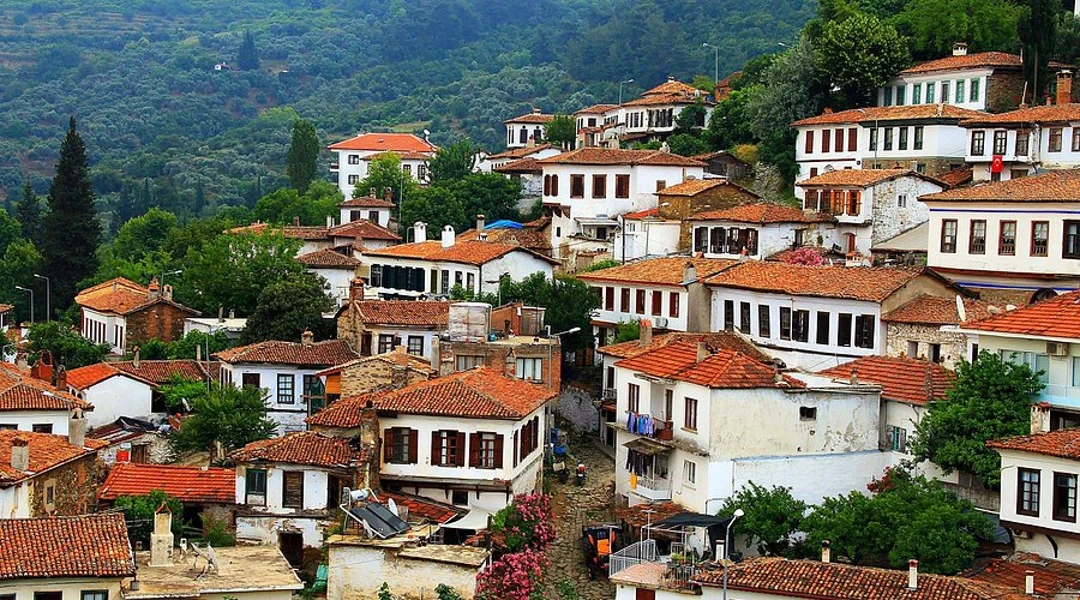
Şirince is a hillside village near Selçuk in İzmir Province, known for preserved houses, steep lanes, local produce, and an easy connection with Ephesus. It works best as a slow half-day or overnight stop rather than a rushed photo break.
The village is compact, but its cobbled slopes, churches, courtyards, cafés, and small shops reward unhurried exploration. Weekday mornings and late afternoons are usually calmer than the middle of a busy excursion day.
This guide explains what to see, what to eat and drink, how to reach Şirince, and how to combine it with nearby sights. Before departure, travelers can compare iRoamly travel eSIM plans for navigation and transport checks in Türkiye.
Why Visit Şirince?
Şirince combines rural scenery with a layered Greek Orthodox and Turkish cultural history. UN Tourism recognized it as a Best Tourism Village in 2023, highlighting its heritage, rural economy, and approach to sustainable tourism.
The village stands about 8 kilometers east of Selçuk. Its location makes it practical for travelers based in Selçuk, Kuşadası, or İzmir who want a quieter contrast to major archaeological sites.
Planning point | What to expect |
|---|---|
Best for | Historic streets, local food, village scenery, and a relaxed pace |
Typical visit | Three to five hours; longer for lunch, sunset, or an overnight stay |
Walking conditions | Steep cobbles, steps, and uneven lanes |
Natural pairing | Selçuk, Ephesus, and other sites in the lower Küçük Menderes valley |
Setting and landscape
Orchards, olive-growing country, and inland hills shape the setting around Şirince, placing the village between coastal routes, archaeological sites, and regional food traditions.
From exchange village to protected heritage
The settlement’s present identity was shaped by the population exchange between Greece and Türkiye in the early 1920s. The Selçuk district administration describes its historic houses, two churches, local products, and exchange-era past.
Calling Şirince simply a “Greek village” misses that later history. Its architecture preserves traces of former residents, while today’s food, farming, hospitality, and daily life belong to a living Turkish village.
Best Things to Do in Şirince
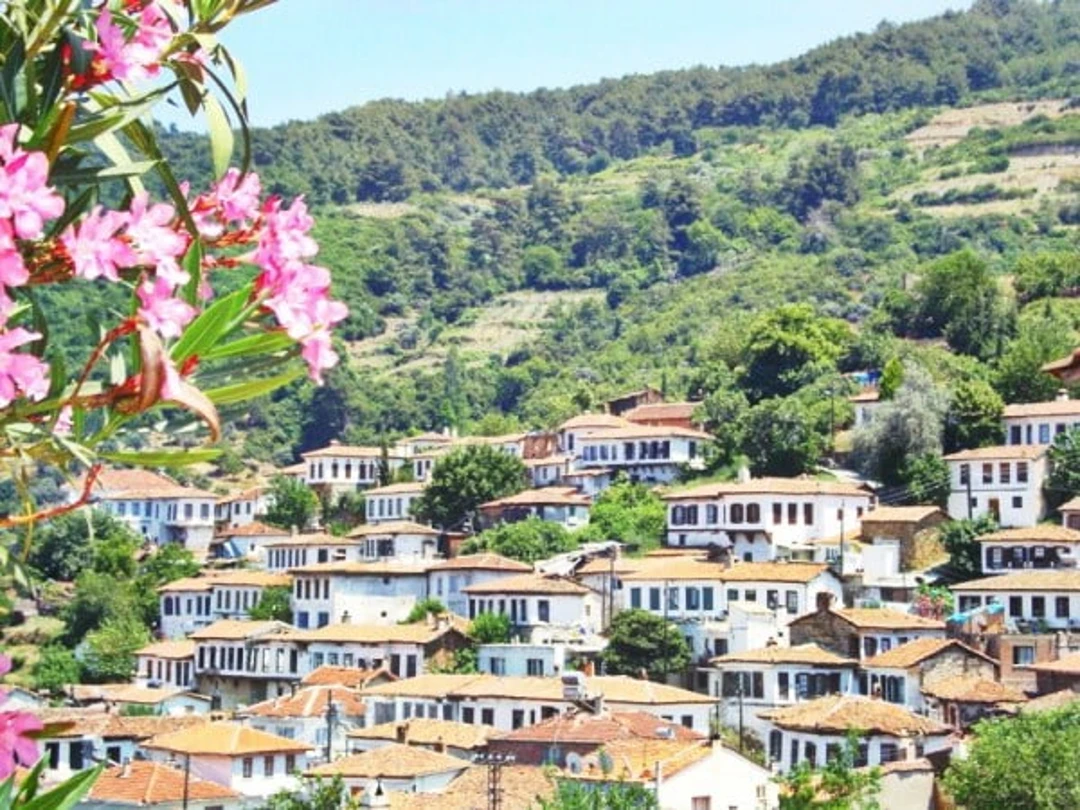
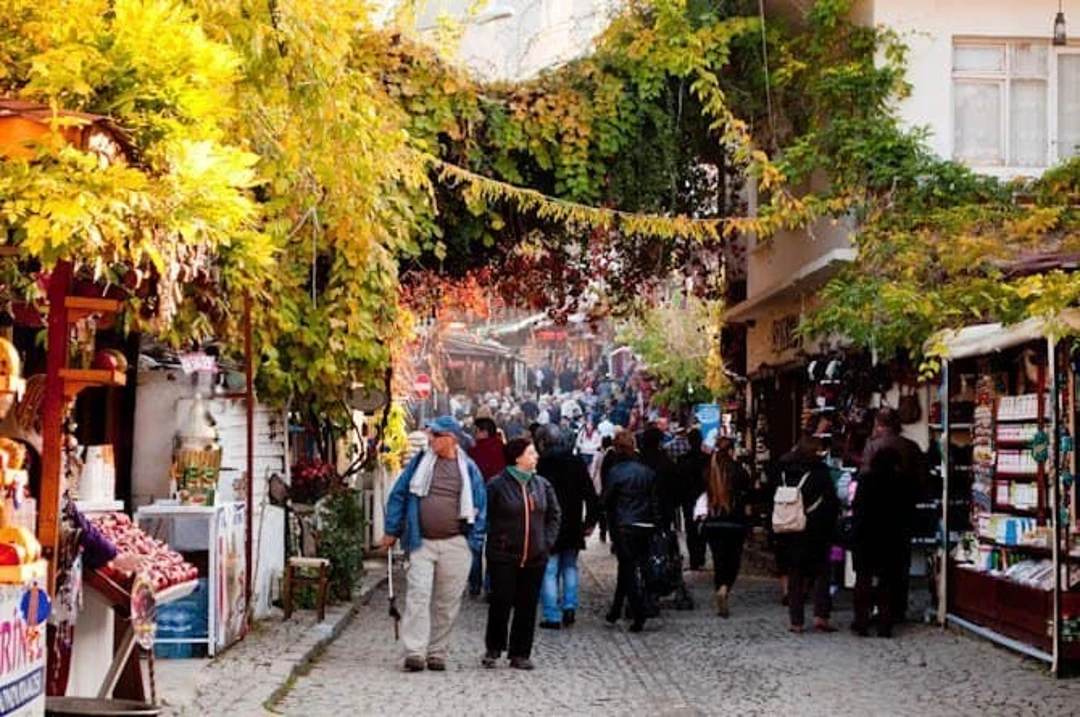
The central pleasure of Şirince is walking. Start near the lower village, climb gradually through the market lanes, and leave time for side streets where the atmosphere becomes quieter.
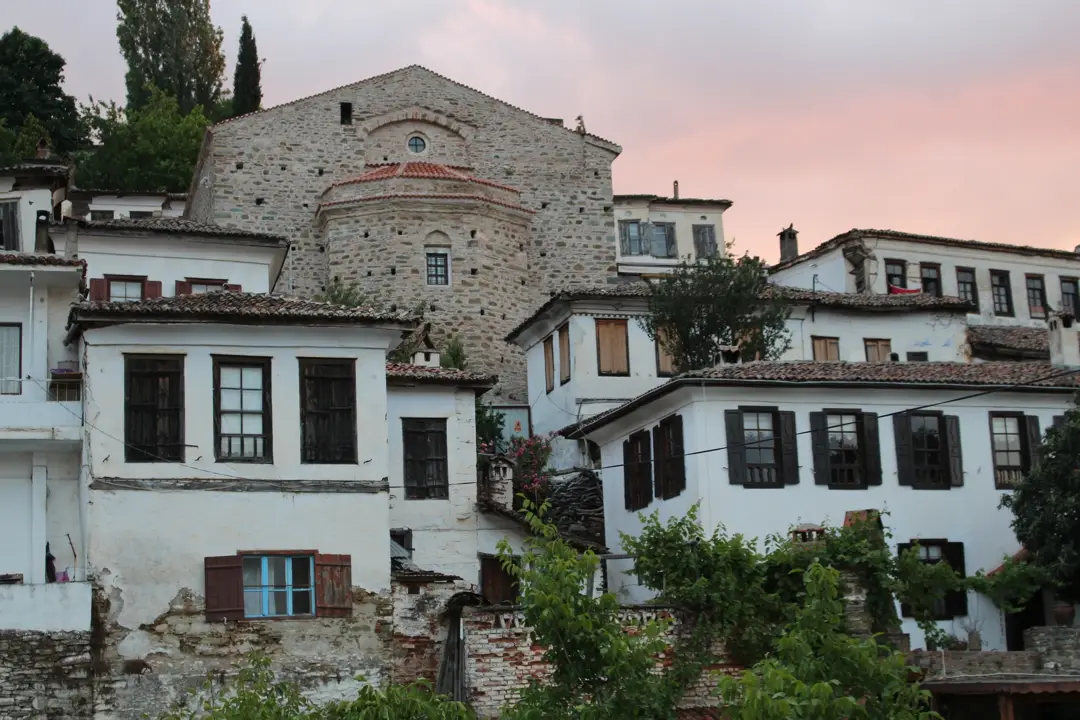
Visit the Church of St. John the Baptist
The restored church is one of the village’s most visible historic landmarks. Dress respectfully, keep voices low, and confirm opening access locally because restoration work or events can affect entry.
Look closely at the old houses
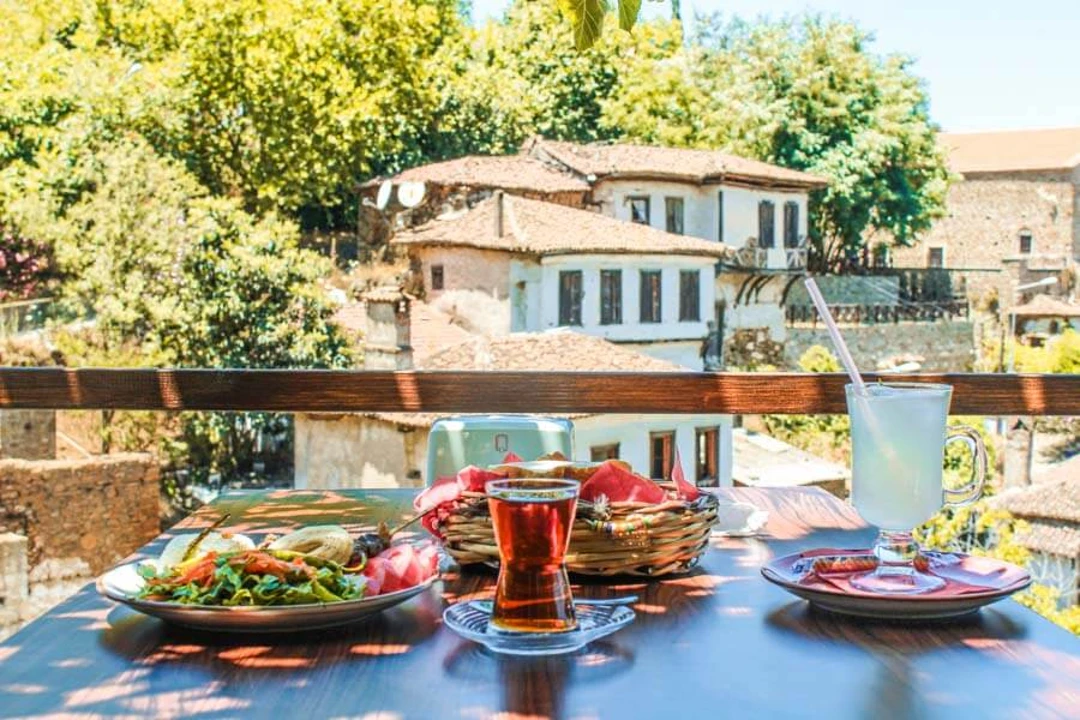
Traditional houses use stone on lower levels and timber-framed construction above, with tiled roofs, projecting upper floors, courtyards, and rows of windows adapted to the hillside.
Many buildings are private homes, guesthouses, or businesses. Admire details from public lanes and avoid entering courtyards or photographing residents without permission.
Browse the lanes and viewpoints
Stalls and small shops sell preserves, olive products, herbs, soap, textiles, and souvenirs. Prices and quality vary, so compare labels and ask whether an item was made in the village.
For broad views, continue uphill beyond the busiest market stretch. Good footwear matters more than distance because polished stones can be slippery after rain.
Build a village-and-ruins day
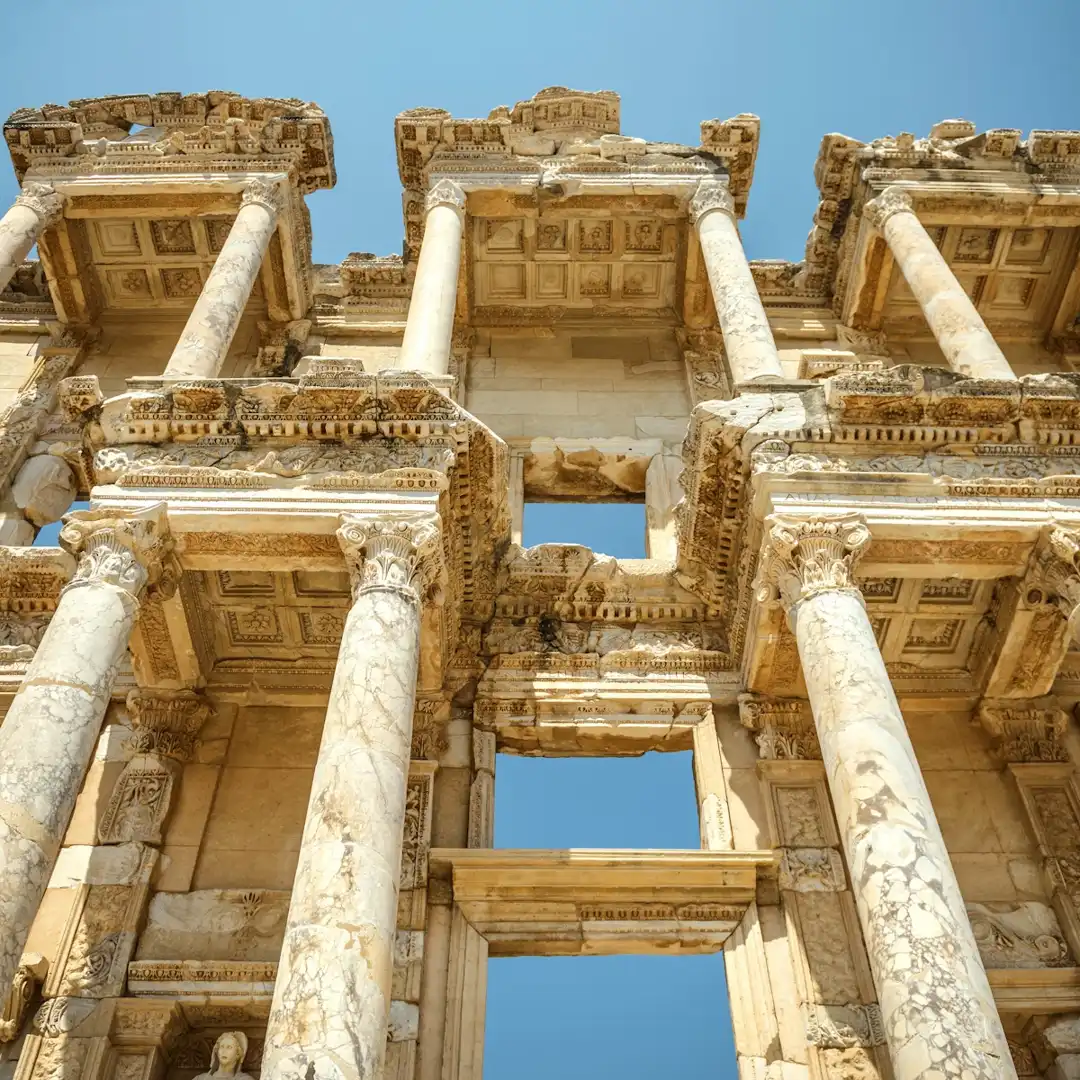
A practical full day begins at Ephesus in the cooler morning hours, pauses for lunch in Selçuk, and ends in Şirince. The detailed Ephesus travel guide helps plan the archaeological portion without compressing both places.
Trying to cover Ephesus, the House of the Virgin Mary, Selçuk museums, and Şirince in a few hours creates unnecessary transfers. Choose two priorities and keep the village for the slower half of the day.
What to Eat and Drink
Şirince’s food reflects the wider Aegean table: vegetables, herbs, olive oil, cheeses, pastries, grilled dishes, and fruit preserves. A broader Turkish food guide can help identify dishes beyond the most visible tourist menus.
Specialty | What it is | Buying tip |
|---|---|---|
Gözleme | Thin griddled flatbread with fillings such as cheese, herbs, or potato | Order freshly cooked and confirm the filling |
Aegean vegetable dishes | Seasonal vegetables and wild greens often prepared with olive oil | Ask what is seasonal that day |
Fruit preserves | Jams and preserves made from regional fruit | Check the ingredient label and producer |
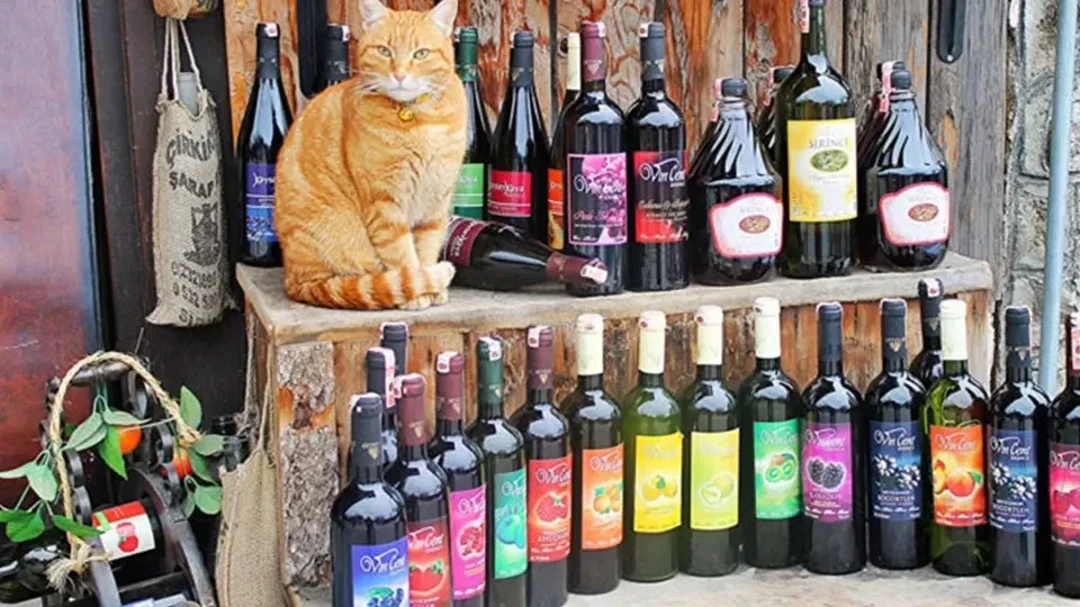
Local wine | Both grape wine and sweet fruit-flavored styles are sold | Taste before buying and ask whether it is grape-based or fruit-flavored |
Understanding the wine offer
Şirince is widely associated with fruit wines, but bottles differ greatly in sweetness, alcohol, and production method. A tasting is more useful than choosing by fruit name alone.
Visitors who drink alcohol should confirm the price and serving size before a tasting, avoid driving afterward, and pack purchased bottles securely for onward travel.
How to Get to Şirince
Selçuk is the main transport gateway. Travelers usually reach Selçuk by regional train, intercity bus, tour vehicle, or car, then continue uphill by local minibus or taxi.
Services and pickup points can change, so confirm the current Şirince minibus location and last return in Selçuk on the day of travel. The İzmir travel guide provides wider context for arriving in the region.
Starting point | Practical route | Planning note |
|---|---|---|
Selçuk | Local minibus or taxi to Şirince | Confirm the same-day return point and final service |
İzmir | Rail or bus to Selçuk, then local transfer | Allow transfer time instead of treating Şirince as a direct city bus stop |
Kuşadası | Bus, taxi, or tour via Selçuk | Compare total travel time with a private transfer for small groups |
Rental car | Drive via Selçuk and use designated parking | Avoid taking a car into narrow central lanes |
When to Go and How Long to Stay
Spring and autumn usually offer comfortable walking conditions, while summer favors an early start and regular shade breaks. Winter is quieter, but rain can make steep cobbles slippery and some businesses may keep shorter hours.
Weather can differ from the coast and change quickly outside summer. Check a short-range forecast rather than relying only on seasonal averages.
Short Aegean trips can follow either a single-base or multi-stop rhythm. Şirince works as a slow half-day or overnight stay from Selçuk, whereas a Greece three-day itinerary split between Athens and Santorini requires more transfers and denser sightseeing.
Visit style | Suggested time | Best for |
|---|---|---|
Short stop | Two to three hours | Main lanes, one landmark, and a café |
Half day | Three to five hours | Churches, houses, lunch, shopping, and viewpoints |
Overnight | One night | Quieter evening and morning atmosphere |
Practical packing and connectivity
Bring grippy walking shoes, water, sun protection, and a light layer outside midsummer. Carry some Turkish lira for small purchases, although many established businesses accept cards.
Download tickets and save accommodation details before leaving the city. A Turkey eSIM can help with maps, translation, and last-minute transport checks when Wi-Fi is unavailable.
FAQ
1. Is Şirince worth visiting?
Yes, especially for travelers interested in historic village architecture, Aegean food, local products, and a slower stop near Ephesus.
2. How far is Şirince from Selçuk?
Şirince is about 8 kilometers east of Selçuk; the final road climbs into the hills.
3. How many hours do I need in Şirince?
Allow three to five hours for the main lanes, historic buildings, lunch, and viewpoints without rushing.
4. Can I visit Şirince and Ephesus in one day?
Yes. Visit Ephesus early, transfer through Selçuk, and spend the afternoon or evening in Şirince.
5. Is Şirince suitable for travelers with limited mobility?
The steep cobbles and steps are challenging. Ask accommodations or tour operators about vehicle access and step-free options before arriving.
6. Should I stay overnight in Şirince?
Stay overnight if you value quieter lanes after day visitors leave; otherwise a well-paced half-day is sufficient.
Conclusion
Şirince is most rewarding when treated as a living village rather than a checklist stop. Its historic houses, churches, local food, and hillside setting reveal more at walking pace.
Use Selçuk as the transport gateway, confirm local return services on the day, and allow at least half a day. Pairing Şirince with a focused morning at Ephesus creates a balanced itinerary.
Comfortable shoes, realistic timing, and respect for private homes make the visit easier for both travelers and residents. An overnight stay adds the calmest hours of the village day.