
Mudurnu is a small historic town in Bolu Province, set in a narrow, forested valley between İstanbul and Ankara. Its appeal comes from a lived-in Ottoman streetscape, a guild tradition, local food, and an unhurried scale.
This guide explains what makes Mudurnu distinctive, how to explore its bazaar and monuments respectfully, which regional foods are genuinely relevant, and how to plan transport beyond the town center.
Most sights are close enough to combine on foot, but onward travel and opening details require preparation. An iRoamly travel eSIM can keep maps, translations, and booking information available during the journey.
Why Mudurnu Is Historically Important
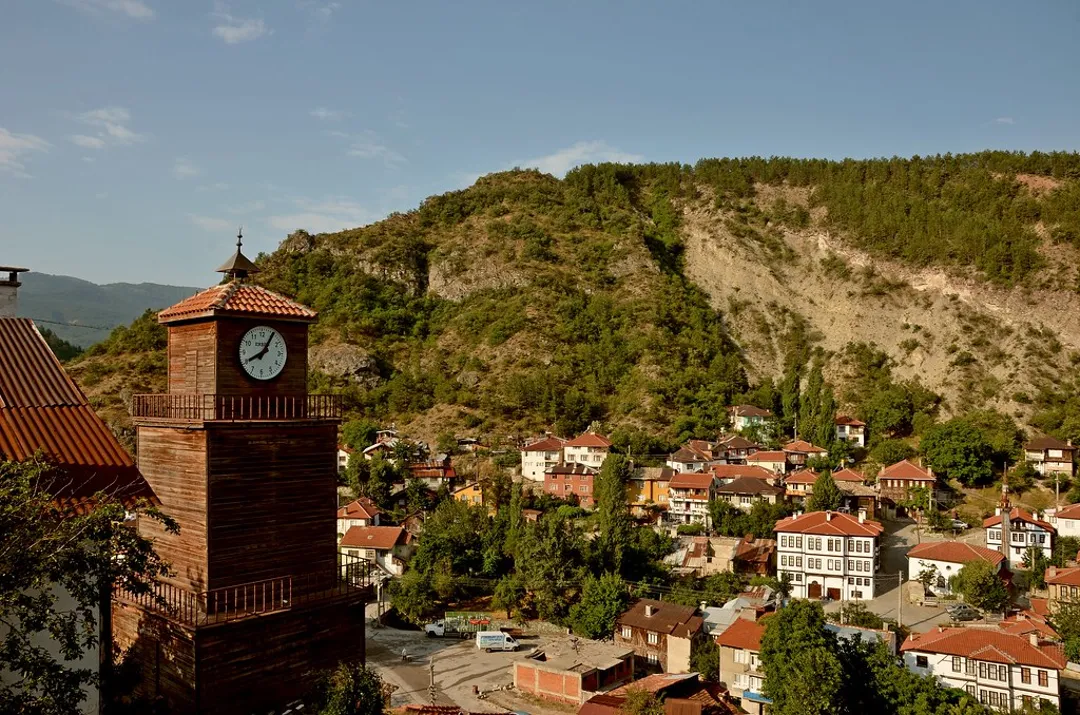
Mudurnu grew where routes across northwestern Anatolia met. Its position supported trade and military movement during Byzantine, Seljuk, and Ottoman periods, while the surrounding forests and valley shaped a compact linear settlement.
The town is on Türkiye's tentative World Heritage list, not the inscribed World Heritage List. The UNESCO profile for Historic Guild Town of Mudurnu emphasizes the Ahi guild tradition, timber houses, Arasta, and early Ottoman monuments.
The Ahi system linked trade with ethics, training, mutual support, and standards of workmanship. Its influence is still associated with the bazaar and the Merchants' Prayer, a community tradition rather than a performance staged solely for visitors.
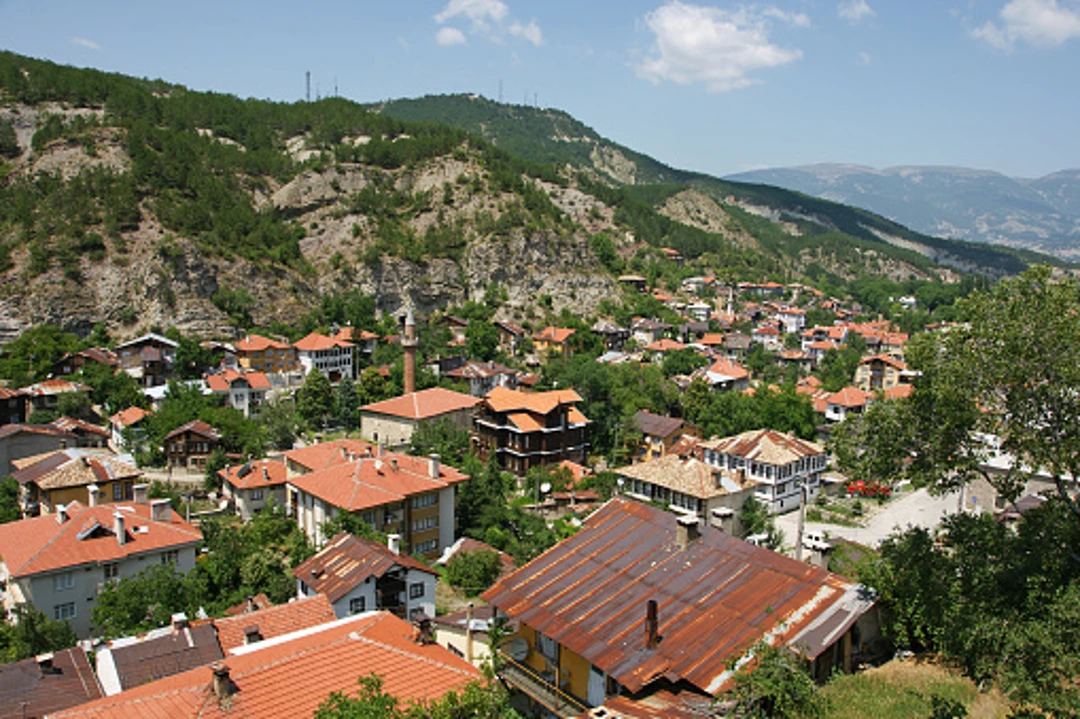
Road patterns later changed, and Mudurnu lost some commercial importance. That shift helped leave a remarkably coherent historic townscape, although preservation depends on residents, working businesses, and careful maintenance.
Heritage Sites and Living Traditions
Yıldırım Bayezid Mosque and Hammam
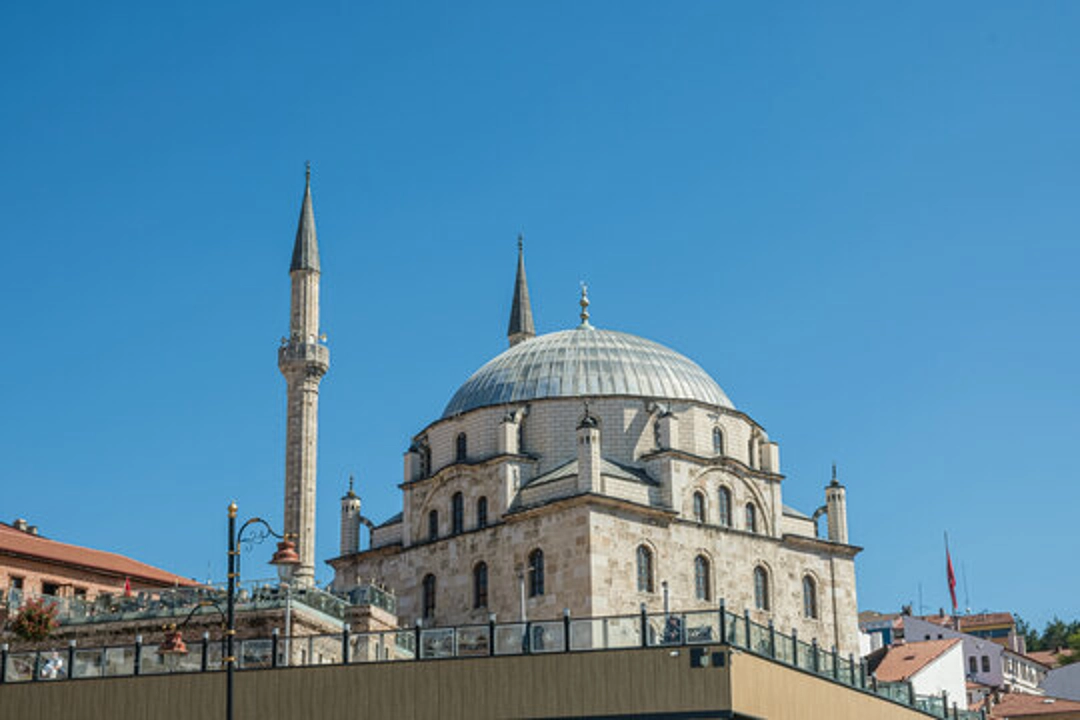
The Yıldırım Bayezid Mosque was commissioned in the late 14th century and is important in the development of the early Ottoman single-domed mosque. Its broad dome and restrained plan deserve attention without exaggerated claims about size or uniqueness.
The neighboring hammam and religious buildings show how an Ottoman urban complex served worship, hygiene, education, and public life. A broader account of Turkey's history helps place these structures within the rise of the early Ottoman state.
Arasta and Merchants' Prayer
The Arasta remains the center of Mudurnu's commercial identity. Workshops and shops occupy a street plan rebuilt after a major fire, while the guild memory survives through language, local organizations, and the Friday Merchants' Prayer.
Ask before photographing craftspeople, prayer, or private interiors. A few phrases from a Turkish language guide can make greetings and purchases more courteous without turning local interaction into a spectacle.
Historic Houses and Mansions
Mudurnu's timber-framed houses are adapted to the steep valley, climate, and family life. Projecting upper floors, tiled roofs, courtyards, and service spaces create variety even where streets appear visually consistent.
Some buildings are private homes, while others operate as accommodation, restaurants, or cultural venues. Respect closed gates and posted restrictions, and never assume that a historic façade gives permission to enter.
Castle Hill and Valley Views
Only limited traces remain on the hill commonly identified with Mudurnu Castle, so the main reward is the view across roofs, minarets, valley slopes, and forest. Treat it as a landscape viewpoint rather than a complete fortress.
Paths can be uneven or slippery after rain. Check local access, turn back if the route is unclear, and avoid unstable masonry or unmarked shortcuts.
What to Eat in Mudurnu
Mudurnu belongs to Bolu's broad culinary region, but not every Black Sea or Anatolian dish is a local specialty. Hamsili pilav and firik pilav, for example, should not be presented as signature Mudurnu foods without a specific local source.
The Bolu Provincial Directorate's official regional food list includes Mudurnu baklası, tarhana soups, erişte, gözleme, pilafs, and several helva traditions. Availability still varies by restaurant and season.
| Food | What it is | Planning note |
|---|---|---|
| Mudurnu basma helvası | Flour helva prepared with syrup and commonly served with walnuts | Look for registered local producers |
| Mudurnu baklası | A local broad-bean preparation | Ask whether it is currently in season |
| Tarhana soup | A tangy fermented grain-and-yogurt soup | Recipes differ between kitchens |
| Keşli cevizli erişte | Noodles served with dried dairy curd and walnuts | Associated with the wider Bolu region |
Choosing a Local Meal
Ask what was prepared that day rather than ordering from a fixed online list. A trustworthy kitchen should be able to explain whether a dish is specific to Mudurnu, common across Bolu, or part of wider Turkish cuisine.
Travelers can compare names and cooking methods with a Turkish food guide. That context prevents familiar dishes such as gözleme from being described as exclusive to one town.
Nature and Nearby Excursions
Forest and Valley Landscapes
Mudurnu's built heritage is inseparable from its wooded slopes and river valley. Short walks around the historic center reveal this relationship without requiring a remote hike.
Spring brings fresh greenery and changeable rain, summer can be warm, autumn colors the forest, and winter may bring snow or icy roads. Use a Turkey seasonal travel guide as a starting point, then confirm a local forecast.

Abant, Thermal Areas, and Rural Roads
Lake Abant and thermal facilities in the wider district can complement the historic center, but travel time depends on route and transport. Do not assume that every rural attraction is walkable from town.
Drivers should expect winding roads, winter weather, and limited services after leaving main routes. Check daylight, fuel, and return conditions before combining several outlying stops in one day.
Practical Travel Planning
Getting to and Around Mudurnu
Regional buses commonly connect through Bolu, but timetables may not suit a short day trip from İstanbul or Ankara. Confirm the exact terminal, outward transfer, and last return connection before departure.
Short heritage breaks outside major cities depend on transfer structure, not map distance alone. Mudurnu is best treated as a slower road trip, while Normandy tours from Paris can use rail or organized transfers to connect several rural and historic stops. Travelers without a car should compare total travel time and the final return option before choosing either format.
Once in Mudurnu, the historic center is compact, although slopes and uneven paving can slow the walk. A car offers flexibility for rural excursions; visitors without one should arrange transfers instead of assuming taxis will be available.
Connectivity and Offline Preparation
Hotel and café Wi-Fi can be useful but should not be treated as continuous town-wide coverage. A Turkey eSIM can support navigation, translation, and schedule checks where a compatible network is available.
Download accommodation details and return times in advance, save an offline map, and keep essential numbers written down. Forested valleys and rural roads can still produce weak or inconsistent signal.
Respectful and Safe Visiting
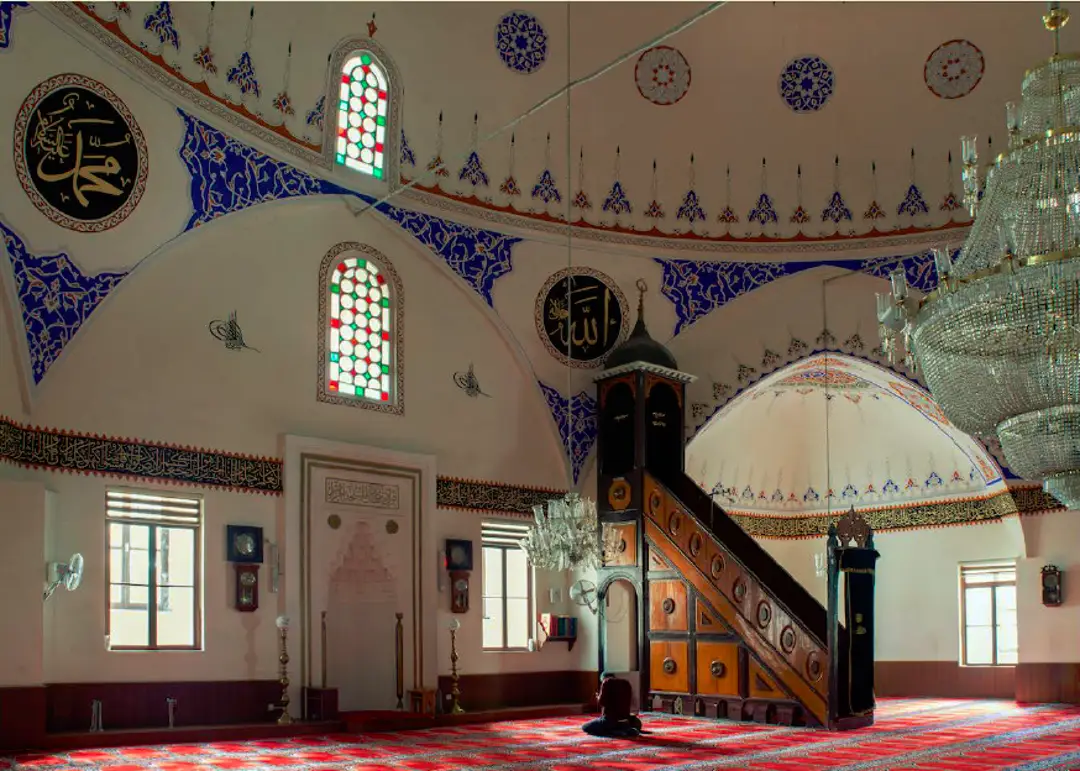
Dress modestly in active mosques, remove shoes when requested, keep voices low, and avoid prayer times unless visitors are explicitly welcomed. Ask before photographing people, ceremonies, or shop interiors.
Mudurnu is generally quiet, but normal travel precautions still apply. Protect valuables, use marked paths, check winter road conditions, and seek local advice before entering isolated forest areas.
FAQ
1. Where is Mudurnu?
Mudurnu is a town and district in Bolu Province in northwestern Türkiye, between İstanbul and Ankara.
2. Is Mudurnu a UNESCO World Heritage Site?
No. Historic Guild Town of Mudurnu is on Türkiye's tentative list, which is different from inscription on the World Heritage List.
3. How long should visitors stay?
A full day covers the center at an easy pace, while one or two nights allow time for food, nearby nature, and slower transport.
4. What food is Mudurnu known for?
Look for Mudurnu basma helvası, Mudurnu baklası, tarhana soup, erişte, and other dishes connected with the wider Bolu region.
5. Can Mudurnu be explored without a car?
Yes in the historic center, but a car or arranged transfer is useful for Lake Abant, thermal areas, and rural stops.
Conclusion
Mudurnu's value lies in the relationship between its Ahi guild memory, working bazaar, Ottoman buildings, timber homes, and forested valley.
A thoughtful visit distinguishes tentative UNESCO status from formal inscription and local cuisine from dishes associated with other regions.
Allow time for walking, confirm onward transport, and treat homes, worship, and community traditions with the respect due to a living town.