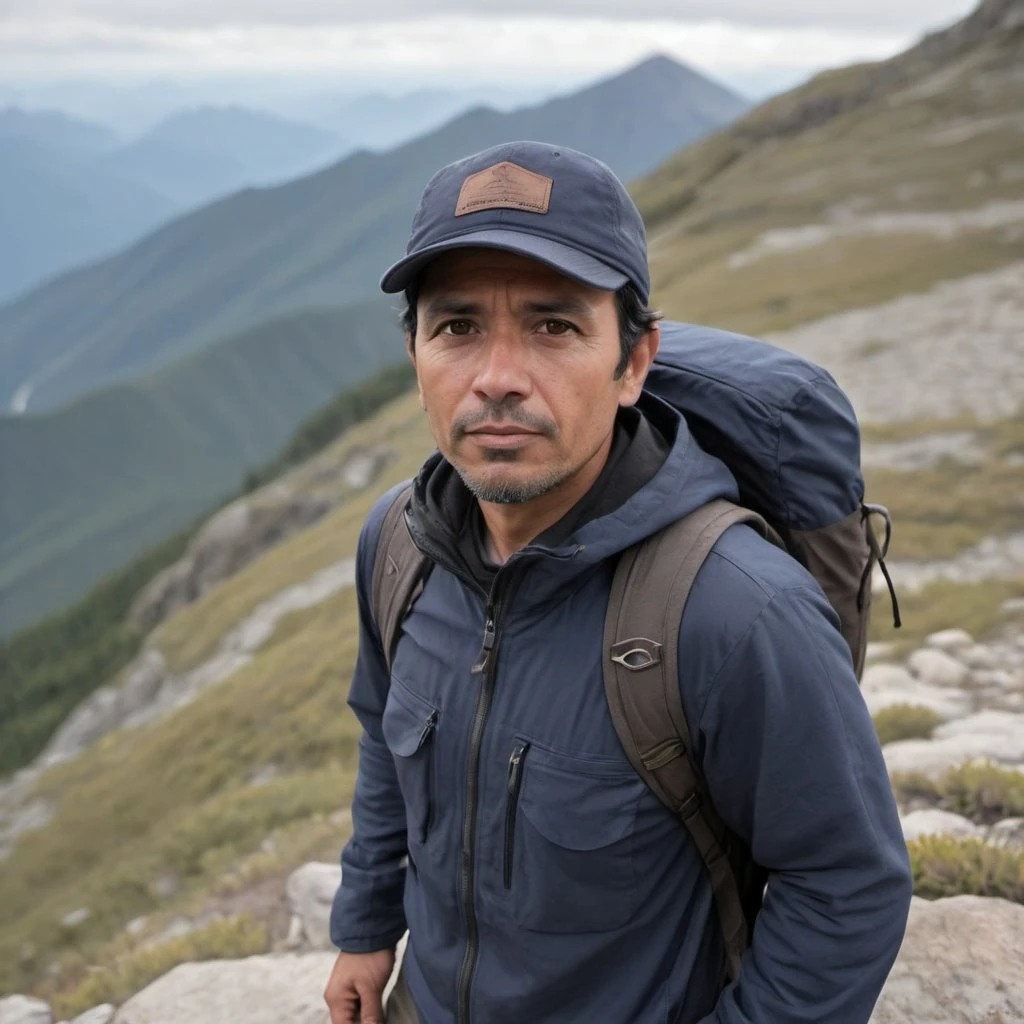
Bursa is a major city south of the Sea of Marmara, known for early Ottoman heritage, working silk markets, thermal traditions, distinctive food, and access to Uludağ. It deserves more than a hurried stop between İstanbul and the mountain.
This guide explains Bursa's UNESCO context, the most useful historic route, what to eat, how to add Cumalıkızık or Uludağ, and which transport details to confirm before departure.
Ferries, buses, city transit, and mountain access can change by season. Travelers can arrange an iRoamly travel eSIM before the trip and keep essential tickets and addresses offline.
Why Bursa Matters
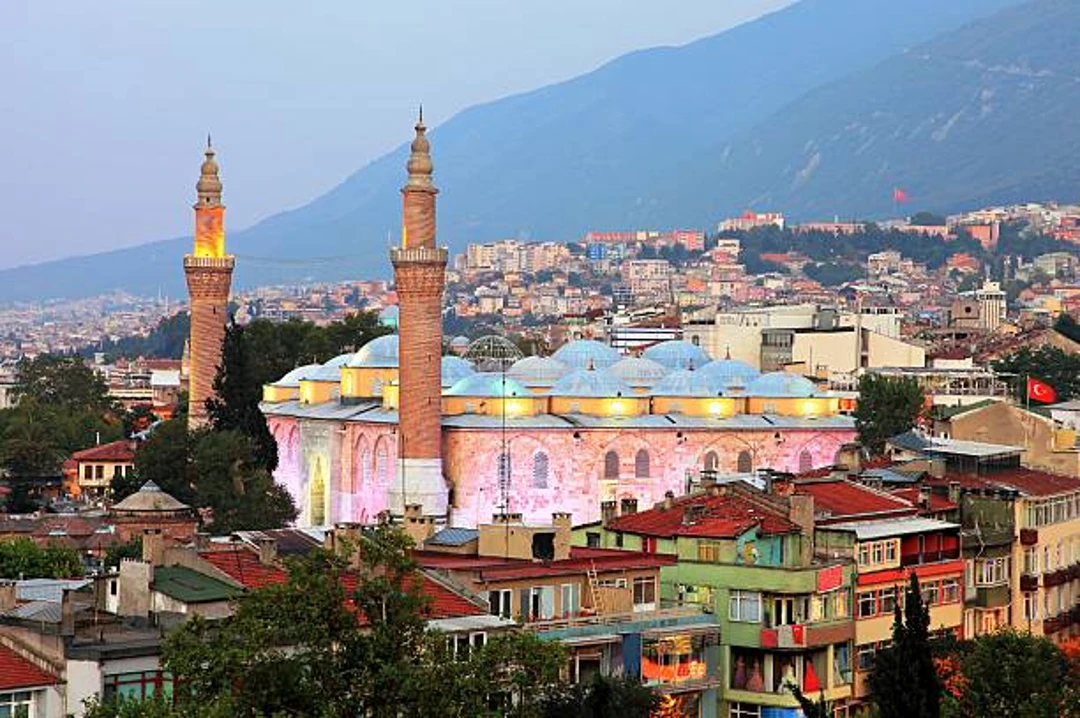
Bursa became the first major Ottoman capital in the early 14th century. Religious, educational, charitable, commercial, and residential functions developed around sultans' külliyes, creating a city whose growth can still be read across several neighborhoods.
The inscribed property is not simply “all of Bursa.” The UNESCO profile for Bursa and Cumalıkızık identifies a serial site of eight components, including khans, sultans' complexes, tombs, and the nearby village.
This urban-rural system depended on waqf endowments and connections between the city, trade, agriculture, and villages. Cumalıkızık therefore adds historical meaning rather than serving only as a colorful breakfast stop.
Bursa later became strongly associated with silk commerce, manufacturing, thermal baths, and migration. Modern industry and dense neighborhoods now coexist with protected monuments, working markets, and mountain tourism.
Historic Bursa: A Practical Walking Route
Ulu Cami
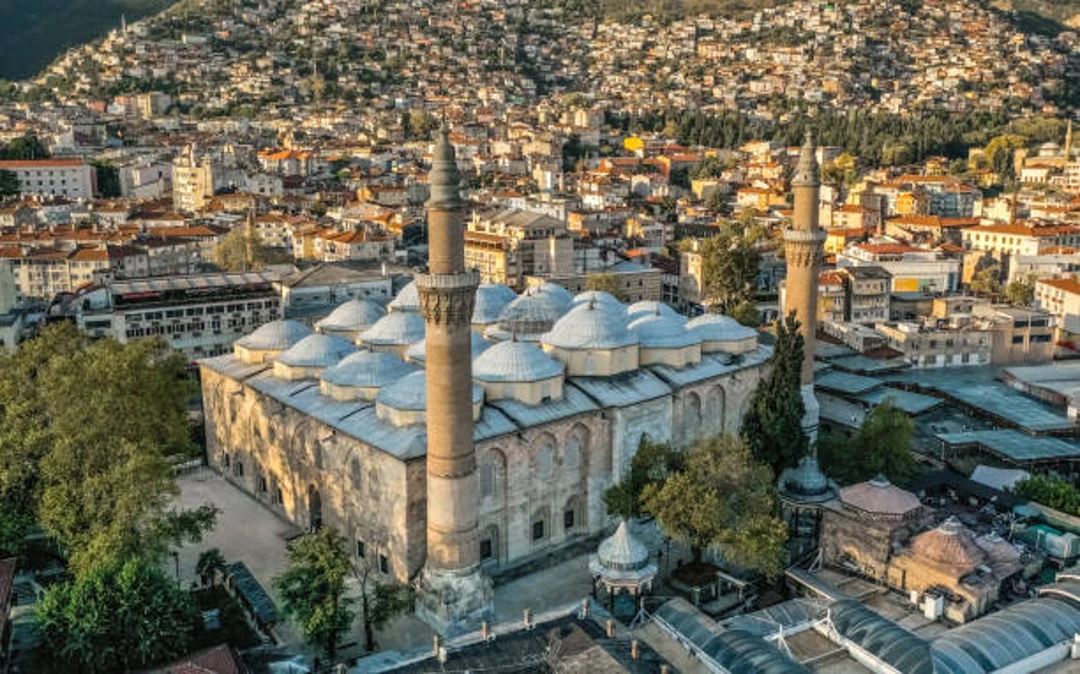
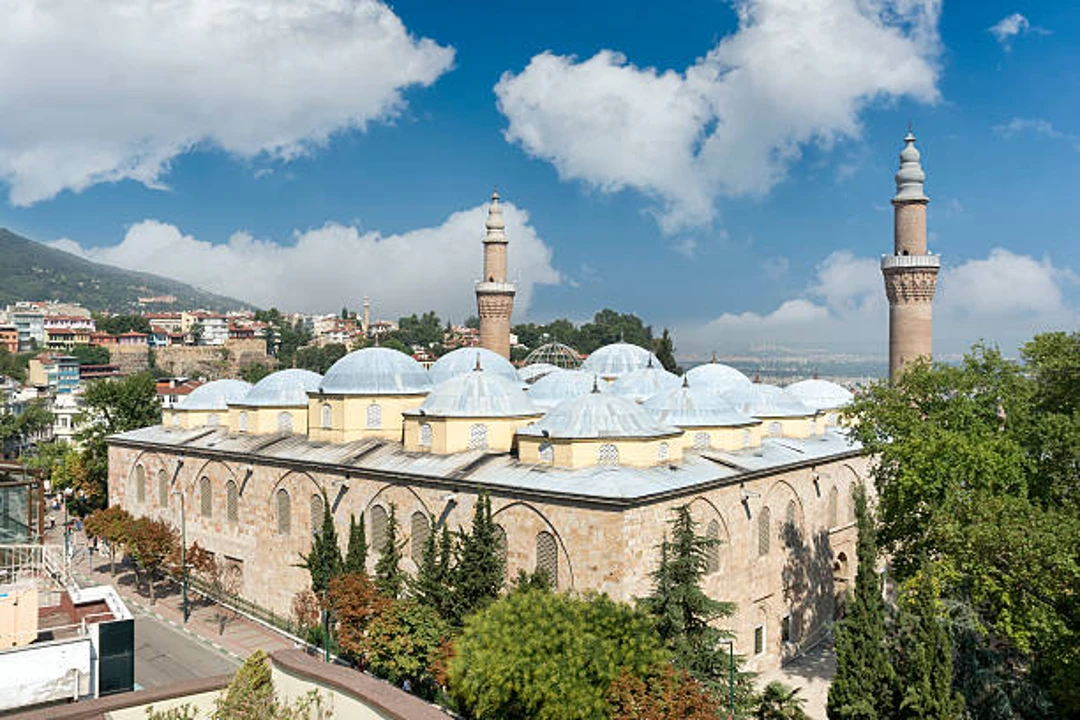
Ulu Cami was built around the turn of the 15th century under Bayezid I. Its twenty domes, broad prayer hall, fountain, woodwork, and calligraphic panels reward a quiet visit rather than a quick count of architectural features.
It remains an active mosque. Dress modestly, remove shoes where directed, avoid interrupting prayer, and ask before photographing people even when photography of the building is allowed.
Khans Area and Koza Han
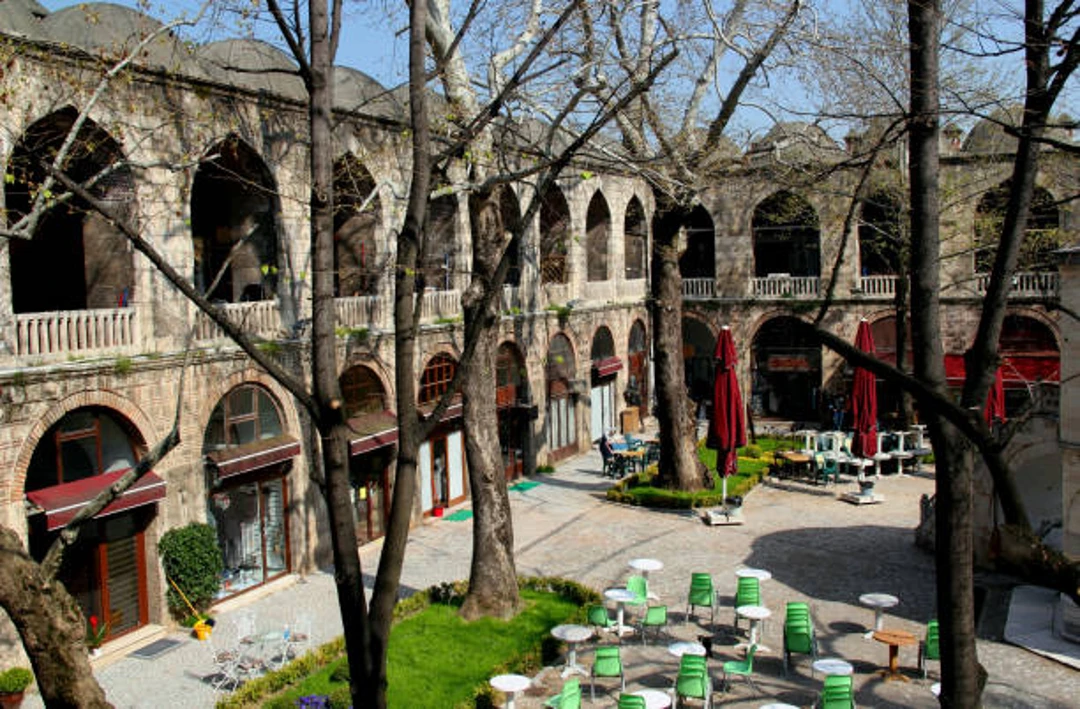
The commercial district around Koza Han, Emir Han, and covered market streets shows how Bursa's civic and trading life grew beside the Orhan Ghazi complex. Koza Han still contains silk and textile businesses as well as a popular courtyard.
Compare quality, labeling, and price before buying silk, and do not assume every product is locally woven. Bargain politely where appropriate and leave room in the route for working commerce rather than treating the khan as a museum set.
Yeşil Complex and Muradiye
The Green Mosque and Green Tomb are associated with Mehmed I and are celebrated for tilework, carved stone, and early Ottoman decorative arts. Muradiye adds another important complex with a mosque, former charitable buildings, and dynastic tombs.
Seeing the sites in chronological context is easier with a Turkey history overview. It helps distinguish the early Bursa capital from later imperial development in Edirne and İstanbul.
Cumalıkızık
Cumalıkızık is part of the UNESCO property and preserves a village pattern linked to Bursa's early Ottoman waqf system. Stone ground floors, timber upper stories, narrow lanes, and an agricultural setting are more significant than staged nostalgia.
Visit early, keep doorways clear, ask before photographing residents, and support businesses without blocking daily life. Commercial pressure is a documented conservation concern, so respectful behavior directly affects the village experience.
What to Eat in Bursa
İskender Kebab
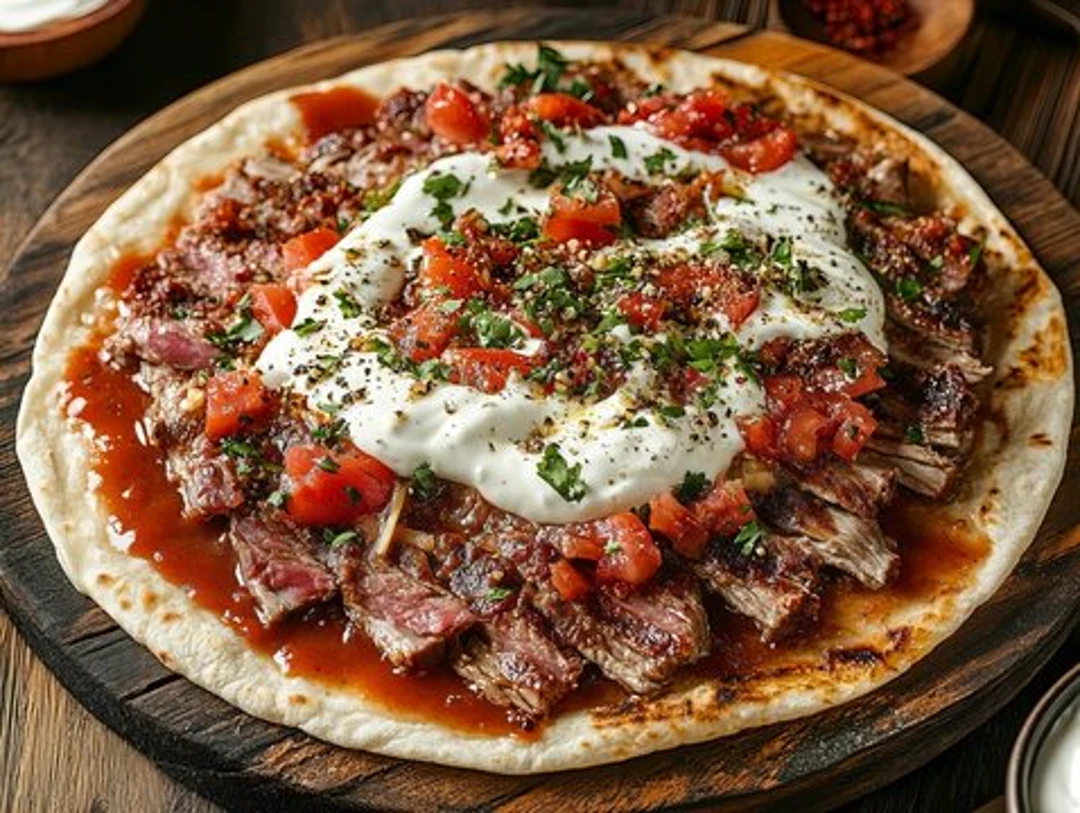
İskender kebab is associated with Bursa and combines thinly sliced döner over pide with tomato sauce, butter, and yogurt. The balance depends on hot meat, crisp-soft bread, sauce, and dairy rather than sheer portion size.
A Turkish food guide helps place the dish within the wider kebab tradition and prevents “İskender” from being used as a loose name for every döner plate.
Cantık and Pideli Köfte
Cantık is a small open-faced baked dough dish commonly topped with seasoned minced meat. It is not fried, and describing it only as “Turkish pizza” hides the shape, baking method, and local context.
Pideli köfte layers grilled meatballs over pide with sauce, butter, and yogurt. It shares some serving logic with İskender but remains a distinct Bursa dish.
Kestane Şekeri
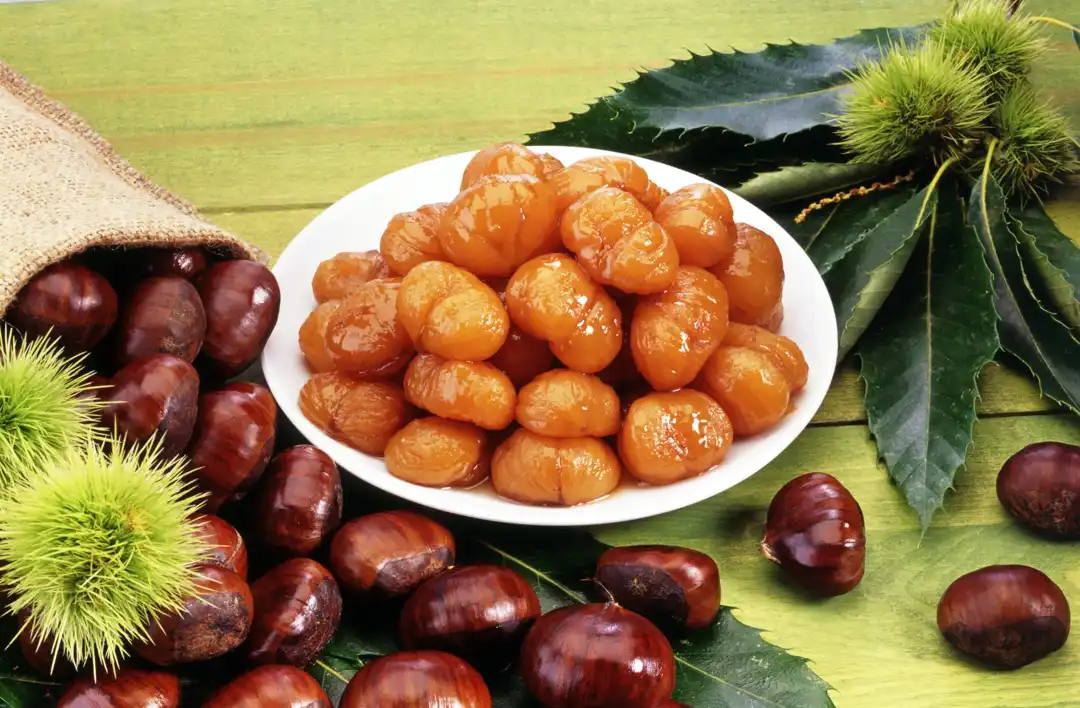
Kestane şekeri means candied chestnut: cooked chestnuts preserved in sugar syrup. It is sweet rather than sweet-and-sour, and comparison with fruit snacks from unrelated cuisines adds little to a Bursa food guide.
Choose sealed products from established makers if carrying them home, check storage advice, and compare whole chestnuts, broken-piece formats, and chocolate-covered versions.
Uludağ and Bursa's Natural Side
Winter Sports
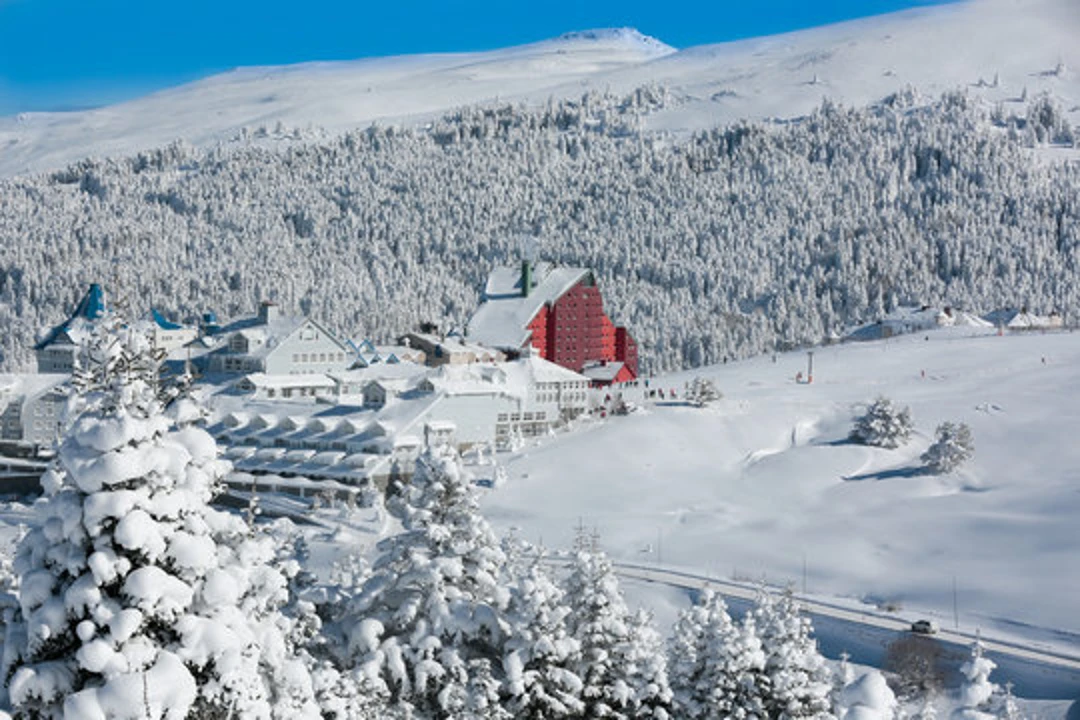
Uludağ is a winter-sports center, but snow, lift operations, road access, rentals, and lesson availability vary. Check the operating resort or transport provider before traveling instead of assuming the whole season is guaranteed.
Compare mountain conditions with a Turkey seasonal travel guide, then use a current local forecast. Bring proper layers and do not enter closed pistes or uncontrolled terrain.
Summer Walking and Picnics
Warmer months bring forest walks, picnic areas, and cooler mountain air, but trails differ in difficulty and maintenance. Use marked routes, carry water, and turn back when weather or visibility deteriorates.
Protect the national-park environment by taking waste out, avoiding fire, and respecting temporary closures. Wildfire risk and sudden mountain weather make local instructions more important than a generic hiking description.
Cable Car Planning
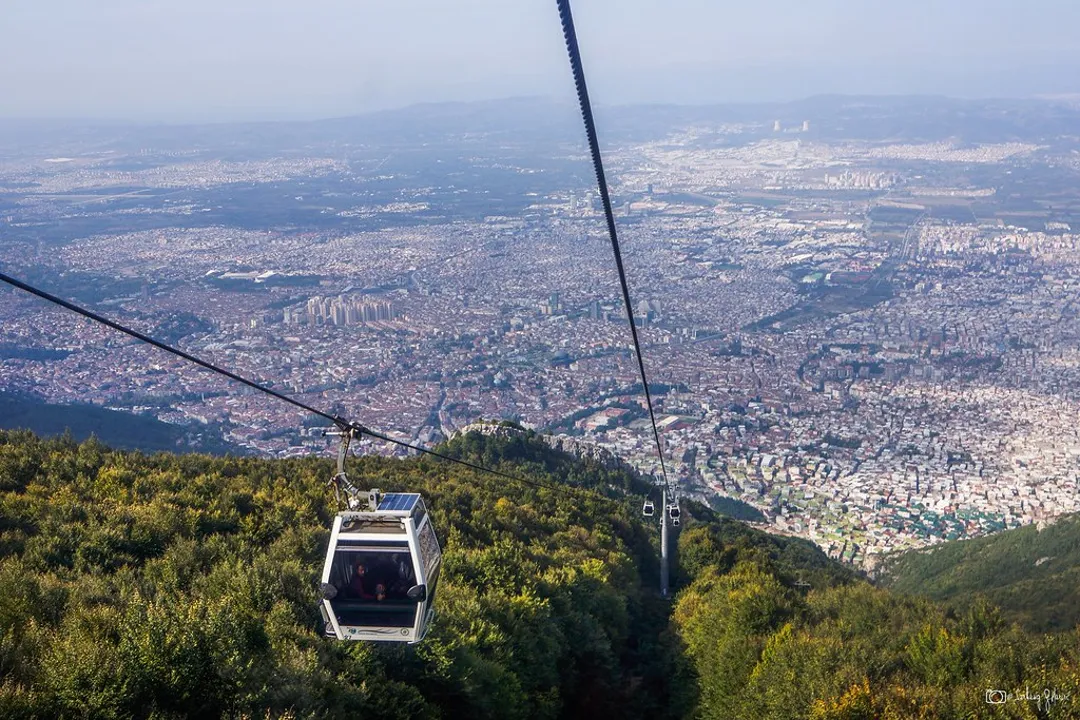
The cable car can be an attraction and a transport link, but weather, maintenance, queues, and service limits may affect it. Confirm current stations, hours, ticket conditions, and the final connection to your intended mountain stop.
Access to the mountain is an important consideration when planning any ski trip. By comparison, skiing in Japan often requires additional airport, rail, or bus transfers before reaching major resorts such as Niseko and Hakuba. In Bursa, many travelers can stay in the city and reach Uludağ by cable car or road, making mountain access relatively convenient. This makes Bursa particularly well suited to a compact city-and-mountain getaway.
A cable-car ride alone does not cover every Uludağ area. Decide whether the goal is a viewpoint, hotel zone, ski day, or hike, then match transport and return time to that purpose.
Transport and Practical Planning
Getting to Bursa
Intercity buses connect Bursa with İstanbul and other cities, while sea routes usually arrive on the Marmara coast and require an onward bus or transfer. Airports, ferry terminals, and Bursa city center are not interchangeable points.
The official Bursa GoTürkiye destination page is useful for route ideas, but travelers should confirm current departures with the actual bus, ferry, or airline operator.
Getting Around the City
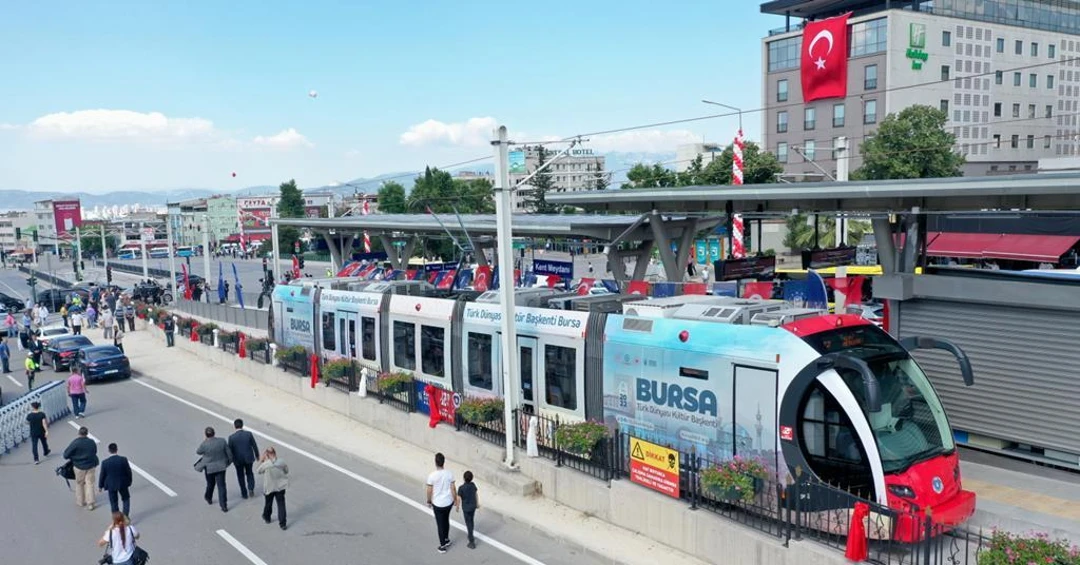
Buses, rail transit, trams, taxis, and walking can cover the main urban sights. Build a route by neighborhood because steep terrain and traffic make backtracking more tiring than the map suggests.
Learning a few phrases from a Turkish language guide is useful for greetings and directions; fluency is not a prerequisite for visiting Bursa.
Connectivity and Offline Backup
Save ferry or bus confirmations, accommodation details, and an offline map before mountain travel. Signal can weaken in transit, and essential plans should not depend on constant connectivity.
A Turkey eSIM can support maps, tickets, translation, and transport updates when a compatible network is available.
How Long to Stay
One full day can cover Ulu Cami, the khans, and one major complex. Two days allow a calmer city route plus Cumalıkızık, while three days make room for Uludağ or thermal experiences.
Avoid combining Cumalıkızık, the full historic center, and Uludağ in one rushed day. Opening hours, prayer times, meal stops, and transfers make the schedule more fragile than it appears.
FAQ
1. Is all of Bursa a UNESCO World Heritage Site?
No. The inscription is a serial property of eight defined components in Bursa and Cumalıkızık.
2. Can Bursa be visited as a day trip from İstanbul?
Yes, but an overnight stay gives more time for the historic center and avoids relying on the last ferry or bus connection.
3. Is Cumalıkızık inside Bursa city center?
No. It is a separate village east of the central historic area and requires local transport.
4. Is Uludağ only worth visiting in winter?
No. Summer walking and mountain scenery can also be rewarding, although conditions and available services differ by season.
5. What food should first-time visitors try?
İskender kebab, cantık, pideli köfte, and kestane şekeri are useful starting points for Bursa's culinary identity.
Conclusion
Bursa is best understood through the connection between early Ottoman institutions, working commerce, Cumalıkızık, modern city life, food, and Uludağ.
A two- or three-day stay makes those layers easier to appreciate than a rushed checklist built around one mosque or one mountain ride.
Confirm current transport and access, respect active religious and residential spaces, and keep enough flexibility for weather, traffic, and unplanned discoveries.