
Antalya combines a walkable historic quarter with waterfalls, beaches, museums, and access to the wider Turkish Riviera. The best trip balances city sights with at least one coastal or archaeological day out.
Spring and autumn suit sightseeing, while summer favors swimming and late-day activities. Where you stay also matters because Kaleiçi, Konyaaltı, Lara, and the resort coast create very different travel rhythms.
This guide covers timing, attractions, food, outdoor activities, transport, money, etiquette, and emergency basics. iRoamly global eSIM plans can keep maps, transit information, and reservations available around Antalya.
Best Times to Visit
April to June and September to October usually offer the best balance of warmth, manageable crowds, and comfortable walking.
July and August are hot and busy, so schedule ruins and old-town walks early or late. Beach travelers may welcome the heat, but hikers should carry water and avoid exposed midday routes.
Winter is milder than inland Turkey but wetter, with shorter days and fewer beach services. Build flexibility into outdoor plans and keep one indoor alternative.
Major annual cultural events can also affect hotel demand. Confirm the current program and dates before booking a trip around a festival.
Conditions change sharply across the country, so Turkey seasonal weather is useful when Antalya is only one stop on a broader route.

Sightseeing and Attractions
Kaleiçi
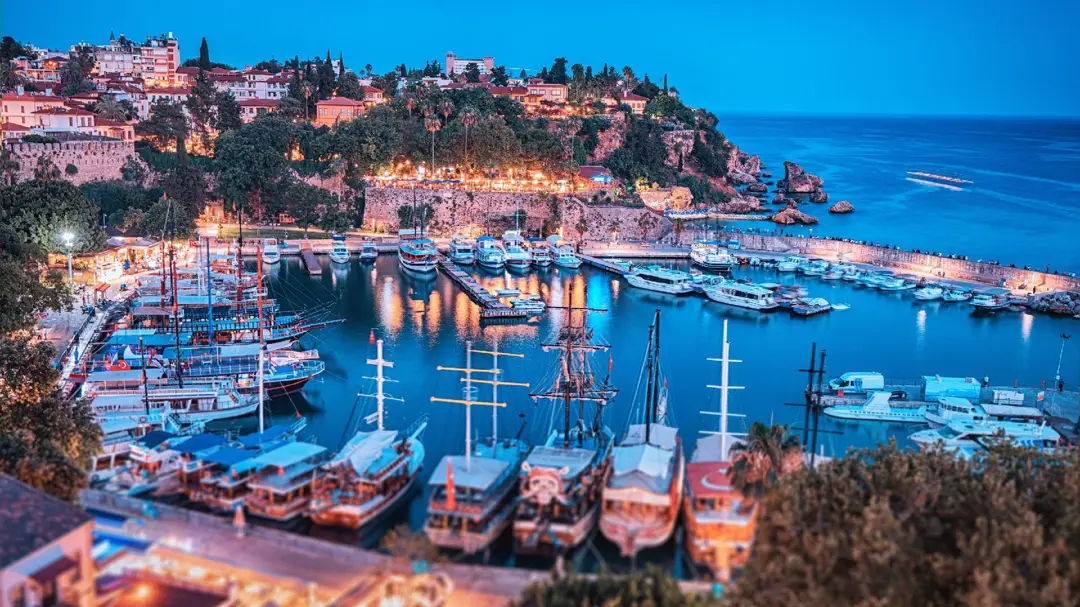
Kaleiçi is Antalya’s historic core, with Ottoman-era houses, Roman remains, narrow lanes, and the old harbor. Start near Hadrian’s Gate and descend slowly toward the waterfront.
The official Kaleiçi history explains how Roman, Byzantine, Seljuk, and Ottoman layers shaped the district. Visit in the morning before the lanes become crowded and hot.
Düden Waterfalls
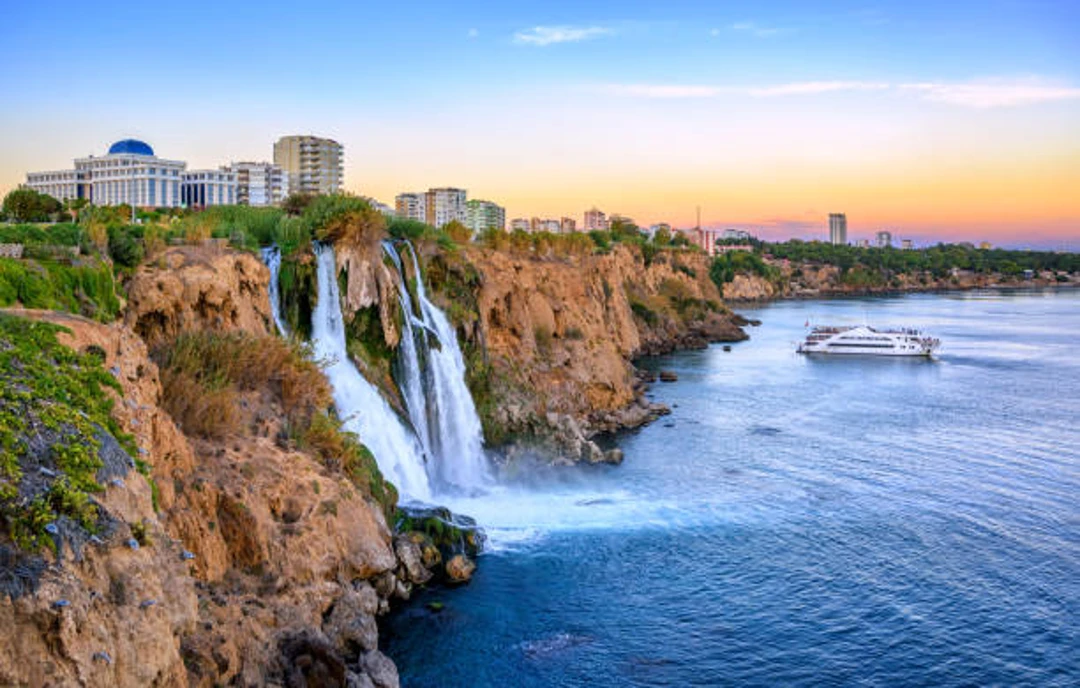
Upper Düden offers shaded park paths, while Lower Düden drops from the cliffs toward the Mediterranean. Confirm which site matches your plan because they are separate locations.
Antalya Museum
Antalya Museum is known for archaeology from the surrounding region, including sculpture and finds connected with ancient Pamphylia. When open, allow at least two hours if the collections are a main interest.
The ministry’s official Antalya Museum listing currently marks it closed, so confirm its reopening before adding it to your day.
Choosing an Archaeological Day Trip
The major ancient sites around Antalya suit different interests and energy levels, so choosing one is usually better than rushing through several.
The Ministry of Culture’s Mediterranean-region overview places Perge and Aspendos east of Antalya, while mountain-set Termessos lies to the northwest.
Choose Perge for a broad Roman city plan, Aspendos for a focused theatre visit, or Termessos for ruins combined with a steep forest approach. Allow a separate half or full day rather than squeezing one into a crowded city schedule.
Site | Best for | Planning note |
|---|---|---|
Perge | Roman streets, baths, and city layout | Open, exposed terrain; combine with another eastern stop only if time allows. |
Aspendos | A concentrated Roman theatre visit | A practical choice when you want one major monument rather than a long hike. |
Termessos | Mountain ruins and forest scenery | Expect an uphill approach and uneven ground; sturdy shoes matter. |
Local Cuisine and Dining Experiences
Regional Dishes
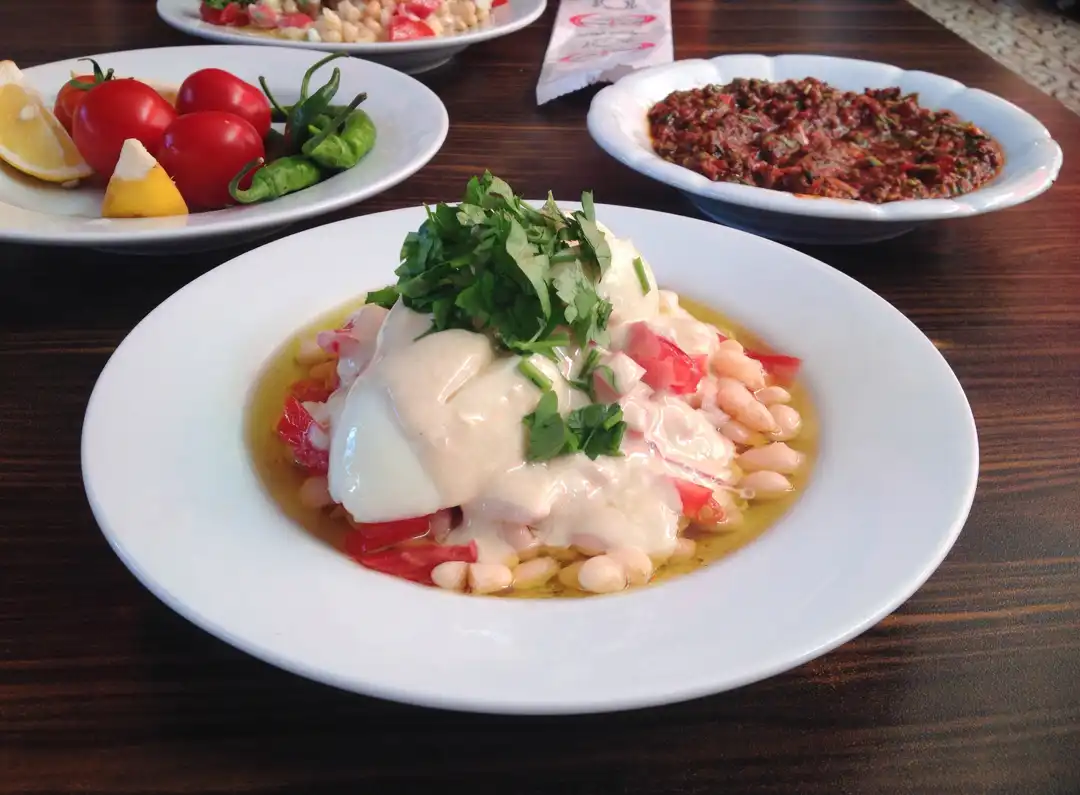
Antalya-style piyaz uses beans and a tahini-based sauce and may be served as a substantial dish rather than a simple side. A wider Turkish cuisine guide provides context for kebabs, meze, desserts, and regional dining customs.
Also look for şiş köfte, seasonal seafood, tahini sweets, and citrus-based flavors. Ask how a dish is prepared when allergies or dietary restrictions matter.
Finding Local Places to Eat
Compare recent menus and choose busy, well-kept places with clear prices rather than relying only on waterfront location. Markets and neighborhood restaurants can be better for a simple lunch.
A Turkey eSIM helps with menu translation, map searches, and reservations when you move between Kaleiçi, Lara, and Konyaaltı.
Keep restaurant names as examples rather than guarantees because ownership, menus, and opening hours can change.
Adventure and Recreation
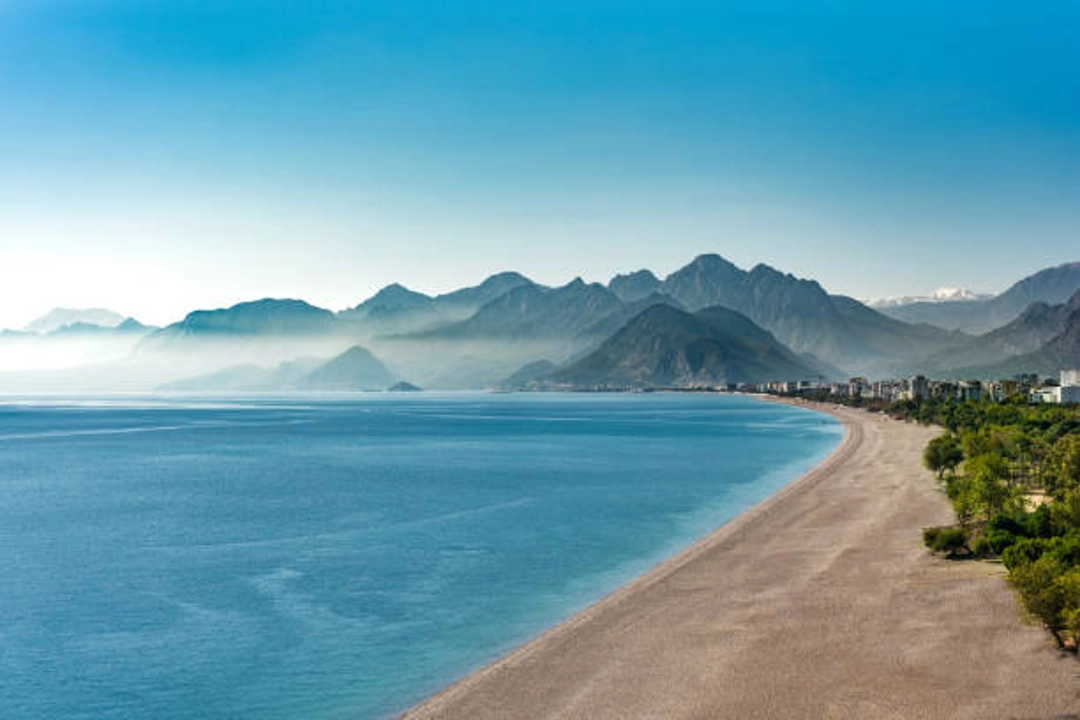
Antalya is a base for swimming, diving, hiking, rafting, and day trips to ancient sites. Match the activity to the season, transfer time, and your experience level.
Mediterranean coastal cities can require very different activity radiuses. Nice, France activities cluster around a walkable old town, urban beaches, and coastal paths, while Antalya adds waterfalls, rafting, mountain hikes, and archaeological excursions across a wider area. Choose Antalya when you can allow transfer time for day trips; stay near Kaleiçi, Lara, or Konyaaltı for a lower-logistics city-and-sea day.
The Lycian Way crosses exposed coastal terrain, so a short marked segment is more realistic than an unplanned full-day hike. Start early, carry water, and confirm transport back.
Paragliding around Kaş and diving along the coast require licensed operators and weather checks. Do not treat clear water or calm skies as a substitute for a safety briefing.
For a relaxed alternative, combine a beach morning with a museum or old-town evening. This avoids the strongest heat without losing a full day indoors.
Practical Travel Advice
Money and Daily Costs
Turkey uses the lira, and small cash payments remain useful even when cards are accepted. A Turkey currency guide explains notes, exchange, cards, and common payment situations.
Use bank or reputable exchange points, review the amount before confirming a card terminal, and keep small notes for markets or minor purchases.

Getting Around
The tram and municipal buses connect the airport, center, bus station, and several urban districts. The airport’s official bus and tram information is the best starting point for current routes.
Kaleiçi is easiest on foot, but outer beaches and waterfalls need transit or a taxi. Check the last return before committing to a late visit.
Etiquette and Safety
Dress modestly at mosques, remove shoes where requested, and ask before photographing people. Restaurant tips are discretionary, so review the bill instead of applying another country’s fixed percentage.
Use licensed activity providers, protect valuables in crowded areas, and save accommodation details offline in case mobile service drops.
FAQ
1. What number should I call in an emergency in Turkey?
Call 112 for police, fire, ambulance, and other emergency assistance.
2. How many days do I need in Antalya?
Three days cover the old town, museum, waterfalls, and a beach; add days for coastal or archaeological trips.
3. Is Antalya walkable?
Kaleiçi and the central waterfront are walkable, but beaches and outer attractions require public transport or a taxi.
4. What is Antalya’s weather like?
Summers are hot and dry, winters are mild and wetter, and spring or autumn is best for active sightseeing.
5. Is Antalya safe for travelers?
Use normal city precautions and review current Turkey safety advice before departure.
Conclusion
Antalya works best when historic Kaleiçi, regional food, and one or two outdoor experiences share the itinerary.
Spring and autumn favor sightseeing, while summer demands heat-aware timing and winter calls for flexible rain plans.
Choose a practical base, verify transport and activity details, and leave enough time to enjoy the Mediterranean coast without rushing.