
Turkey is a fascinating travel destination known for its rich history, stunning landscapes, and vibrant culture. But how safe is it to visit?
Here’s a practical look at safety in Turkey, covering nature, health, local laws, crime, and solo travel.
By the way, staying connected with trusted mobile network in Turkey can make your trip more secure and hassle-free.
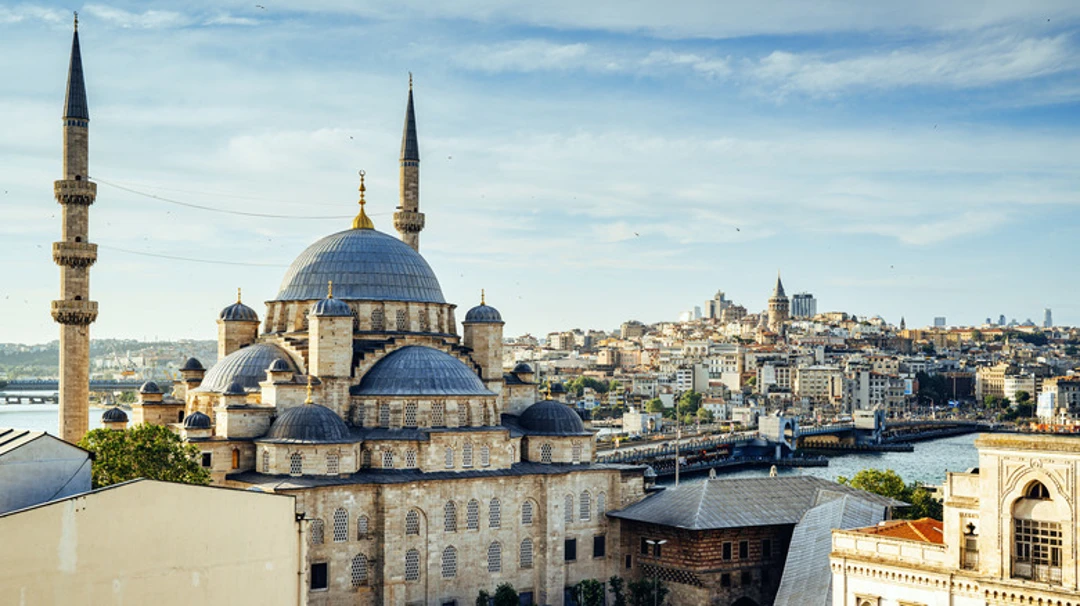
Is It Safe to Travel to Turkey Right Now?
Yes, Turkey is currently safe to visit. As with any foreign country, you will want to keep abreast of what is happening in the country and follow any travel advisories.
Turkey is generally considered a safe and friendly place to visit, with a warm and vibrant culture, beautiful countryside, and a wealth of history.
However, as with any trip to any country, there are always precautions you should take to stay safe and have a great time.
According to the official website of the Canadian government, certain regions in Turkey are not recommended for travel.
For the latest updates, please refer to: https://travel.gc.ca/destinations/turkiye.
For Americans
For US travelers, Turkey is a pretty safe country. More importantly, it’s very easy to travel from the U.S. to Turkey — if you haven’t had a passport before, you’ll need to pay to get a U.S. passport, and once you have a valid one, you can enter Turkey visa-free.
The U.S. State Department updates its travel advisories regularly and as of now, Turkey is not a Level 4 (Do Not Travel) country.
The official link for the U.S. Department of State's travel advisory on Turkey: https://travel.state.gov/content/travel/en/traveladvisories/traveladvisories/turkey-travel-advisory.html.
That being said, though overall Turkey is safe, there are some general safety tips you need to know to have a problem-free visit.
Natural Safety
Turkey is full of natural beauty, from its picturesque beaches to its soaring mountains, and a wide range of natural hazards come with those terrains.
To help you stay safe while exploring Turkey, here’s a list of things to look out for, along with some useful precautions. When traveling, staying connected helps you access the latest information in real time — with iRoamly, it’s easy to make that happen..
1. Earthquakes
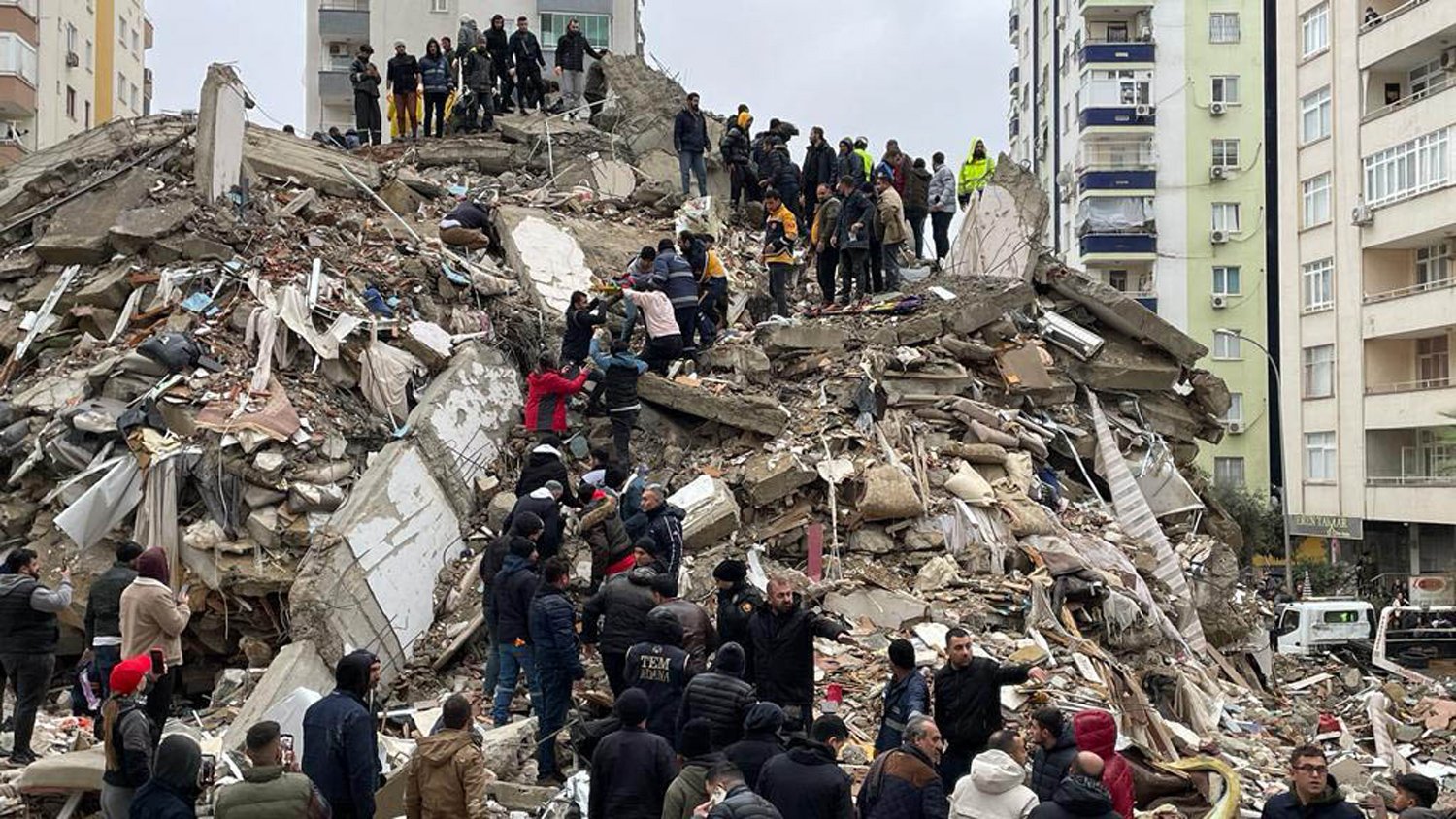
As Turkey lies on a seismically active region of the world, there is always a risk of earthquakes, particularly in the central and eastern parts of the country.
Although not common, it’s something to be mindful of, especially if you’re visiting Istanbul or the eastern provinces.
Tips: Learn the basics of what to do during an earthquake (including the “Drop, Cover, and Hold On” technique) and know where your evacuation meeting point is before you arrive.
2. Wildfires
In the summer, forest fires are a concern, particularly in Mediterranean and Aegean regions, where forests and the dry climate can spark wildfires. Such areas include Marmaris and Bodrum.
Tips: Check local fire warnings, avoid outdoor activities when the risk is high, and heed local authorities’ recommendations if you’re traveling to a wildfire-prone destination.
3. Outdoor Safety
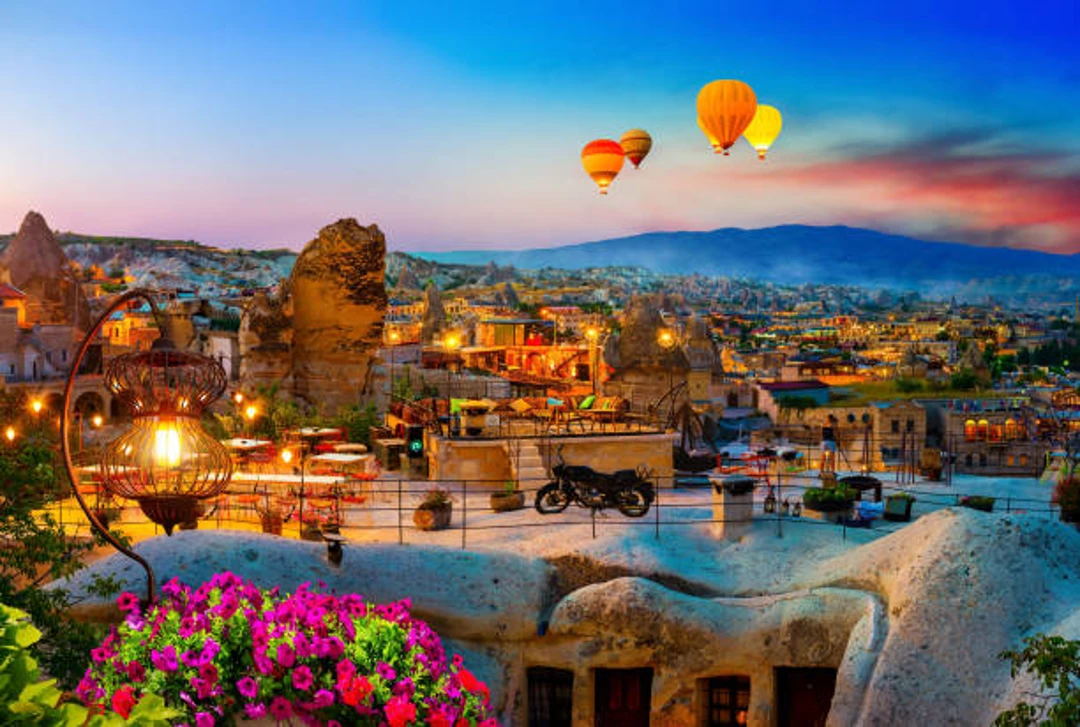
The rugged terrain in Turkey’s mountainous areas such as Cappadocia or the Kaçkar Mountains is breathtaking — and hazardous. With sheer cliffs, unpredictable weather, and challenging trails, it can be dangerous for hikers.
And in general, it’s best to avoid hastily jumping into any activity.
Tips: Always explore mountains and hiking trails with a local guide, wear sturdy hiking shoes, and verify the weather conditions. Don’t hike off the established trails.

4. Flooding
During the autumn and spring rainy seasons in Turkey, flooding may occur in some areas. Places near rivers or close to the coast are particularly vulnerable.
Flash floods are also possible when it rains heavily, such as in the Black Sea region or on parts of the Mediterranean coast.
Tips: Weather can change quickly, and knowing how to be safe is a big part of smart travel. During the rainy reason, you’ll want to avoid areas that may flood, so pay attention to alerts and stay dry.
5. Coastal Hazards
Turkey’s expansive coast is a beachgoer’s paradise, though certain beaches can be dangerous due to strong rip tides or sharp rocks. The Aegean and Mediterranean seas can be deceptively rough at times.
Only swim in areas guarded by lifeguards and pay attention to local advisories on the weather and water conditions, especially on windy days or during a storm.
Health and Medical Safety
Before visiting Turkey, it's important to be aware of potential health risks to ensure a safe trip. Turkey has good healthcare services, but understanding common health issues can help you stay prepared.
1. Healthcare Access
Turkey has modern healthcare, particularly in major cities and popular tourist destinations. In rural areas, healthcare can be limited and many isolated areas lack modern medical facilities.
Tips: Ensure you have medical insurance and that it will cover a trip to the hospital or a foreign clinic. Always travel with any necessary medications and duplicate copies of your prescriptions.

2. Sun Exposure and Heat
Turkey’s summers are hot (southern and central Turkey especially), and it’s easy to become dehydrated, suffer heat exhaustion, or get a sunburn.
People just don’t get how strong the sun can be here, especially on the coast or when you’re trekking through the mountains.
Tips: Hydrate, use sunscreen, and seek shade or inside areas during the hottest time of the day (approximately 11am-3pm). Plan for air-conditioned museums or head back to your accommodation if you experience heatstroke.
3. Food and Water Safety
Like anywhere, try to be cautious of food and water while in Turkey.
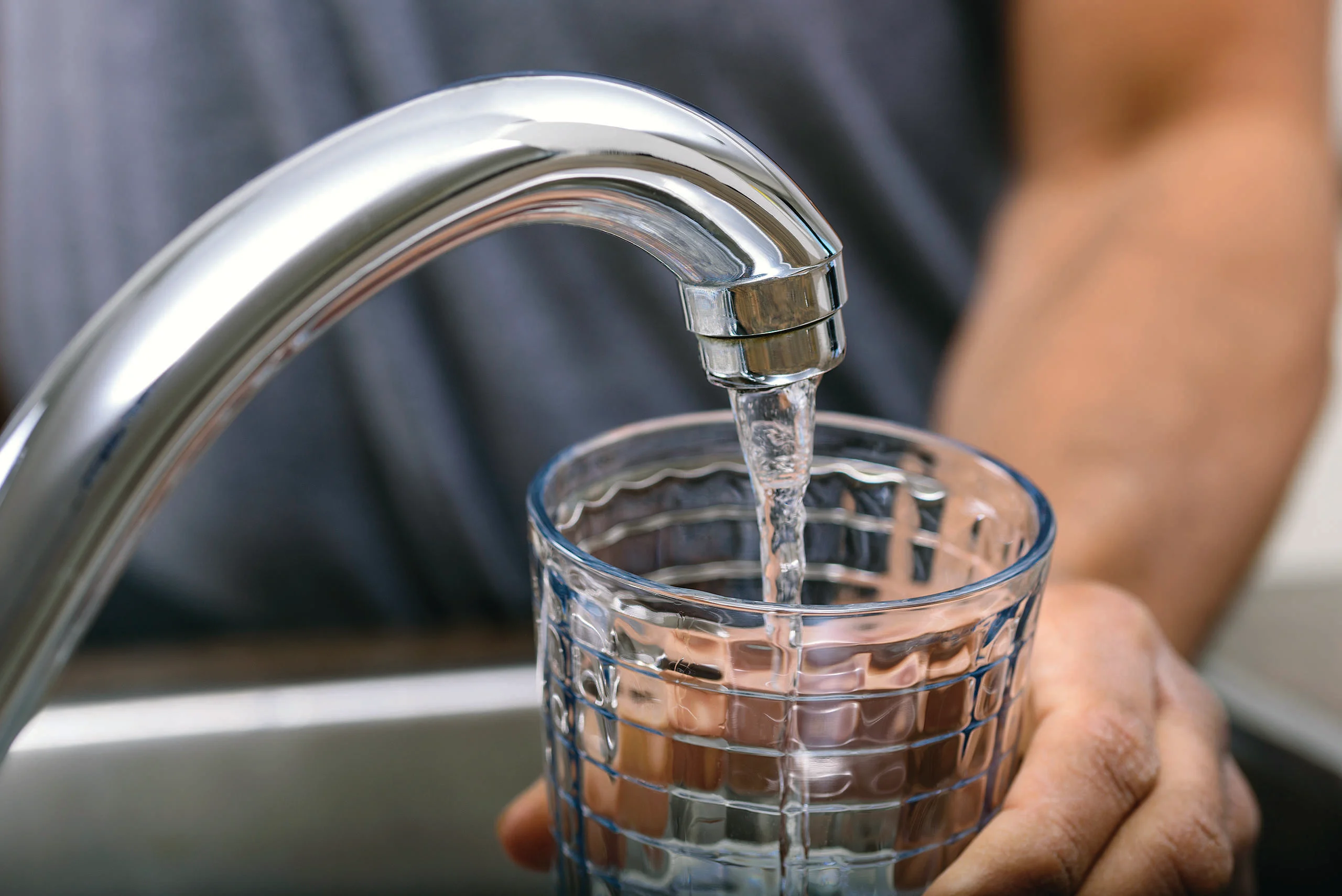
Eating food in touristy areas is not likely to make you ill, but you, as a tourist, are more likely to get food poisoning or “traveler’s diarrhea” (especially by eating street foods and/or drinking water that has not been properly treated).
Tips: Drink bottled or purified water, skip the ice in your drink, and dine on fresh, hot food, from a known and reputable establishment.
4. Mosquito-Borne Diseases
In certain parts of Turkey, especially during the summer months and in rural or coastal areas, mosquitoes can transmit diseases such as West Nile Virus or, in rare cases, malaria.
Tips: I recommend using insect repellent, wearing long sleeves and pants when feasible, and staying in accommodation that is air conditioned or has mosquito nets if you’re going to high-risk areas, such as the southern or eastern regions.
5. Air Quality
In urban centers, especially large ones such as Istanbul, there is a pollution problem. That has gotten better in recent years, but if you suffer from any respiratory condition (e.g. asthma), it could affect you.
If you have respiratory issues, be sure to regularly check air quality during your stay, and avoid outdoor activities on high-pollution days.
Local Laws and Regulations
If you’re planning to visit Turkey, it’s essential to know the local rules and etiquette so you don’t find yourself in a cultural blind or in trouble with the law.
Here’s what you need to know:
1. Respect for Religion and Cultural Sites
Turkey is a Muslim country and Islamic places of worship, including mosques, should be respected. Dress modestly when visiting mosques, and don’t talk loudly or be disruptive.
Tips: Dress to cover your shoulders and knees for visits to religious destinations, and ask before snapping photos in mosques.
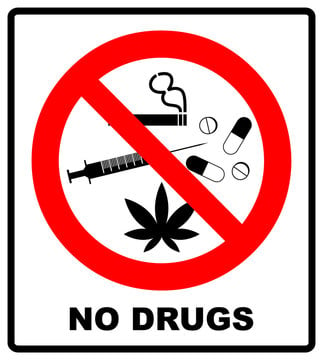
2. Drug Laws
Drug laws in Turkey are extremely strict, and those caught with any kind of illegal substance, even in small quantities, risk severe penalties, including long prison sentences.
Tips: Never get involved with illegal drugs as the penalties are very, very severe.
3. Photography Restrictions
Photographing military facilities, government buildings, and security forces is not allowed in Turkey. Offenders will be at risk of detention, fines, or worse.
Tips: Before taking any pictures of sensitive installations, be sure to request permission. Steer clear of military authority or police buildings when taking photos.
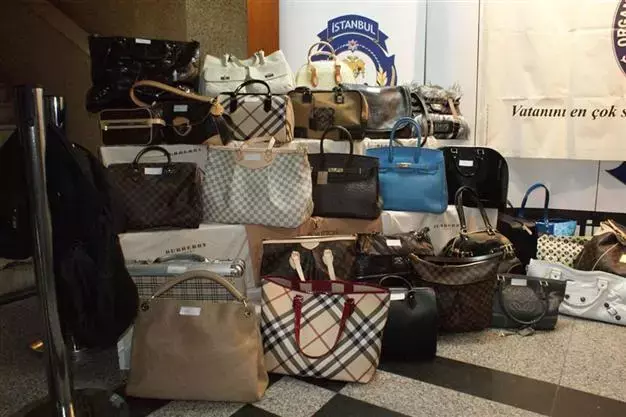
4. Counterfeit Goods Laws
In Turkey counterfeit goods are illegal (as in purchasing knock-off designer pieces). Although it might seem insignificant, doing so, or bringing one home, can result in fines or confiscation upon re-entering the country.
Tips: Never buy counterfeit products, as you are supporting illegal activities and harming the true makers.
5. Male Dual Turkish Citizenship and Military Service
Male Turkish citizens, including dual nationals, can be subject to conscription. This means if you are a male of Turkish descent, even if you were born outside of the country, you could be called up to the military.
Tips: If you are a dual national, make sure you know about your military service obligations and always confirm the most up-to-date rules with the Turkish government. If you run into trouble contact the embassy to help.
6. Personal ID Requirements
Turkish law stipulates that everyone must keep an ID card on them at all times (this includes foreigners). Police may stop and ask to see an ID and you can be fined or detained if you don’t have one.
Bring a photocopy of your passport or other identification and leave the original in your accommodations.
7. Laws Regarding the Turkish State and Flag
Insulting the Turkish nation, state, government, or symbols, especially the flag, is a crime in Turkey. Insulting the state institutions or leaders, or the flag and the military, can lead to prosecution and jail time.
Tips: Avoid political and rude comments regarding the Turkish government, flag, and state institutions, especially in public and on social media.
By keeping yourself informed and respecting these rules, you will ensure your trip to Turkey is safe and worry-free.
Crime and Tourist Scams
Turkey is generally safe for tourists, though petty crime can be a concern, especially in crowded areas. Violent crime is rare, but it's important to stay vigilant, like you would in any popular tourist destination.
1. Pickpocketing and Bag Snatching
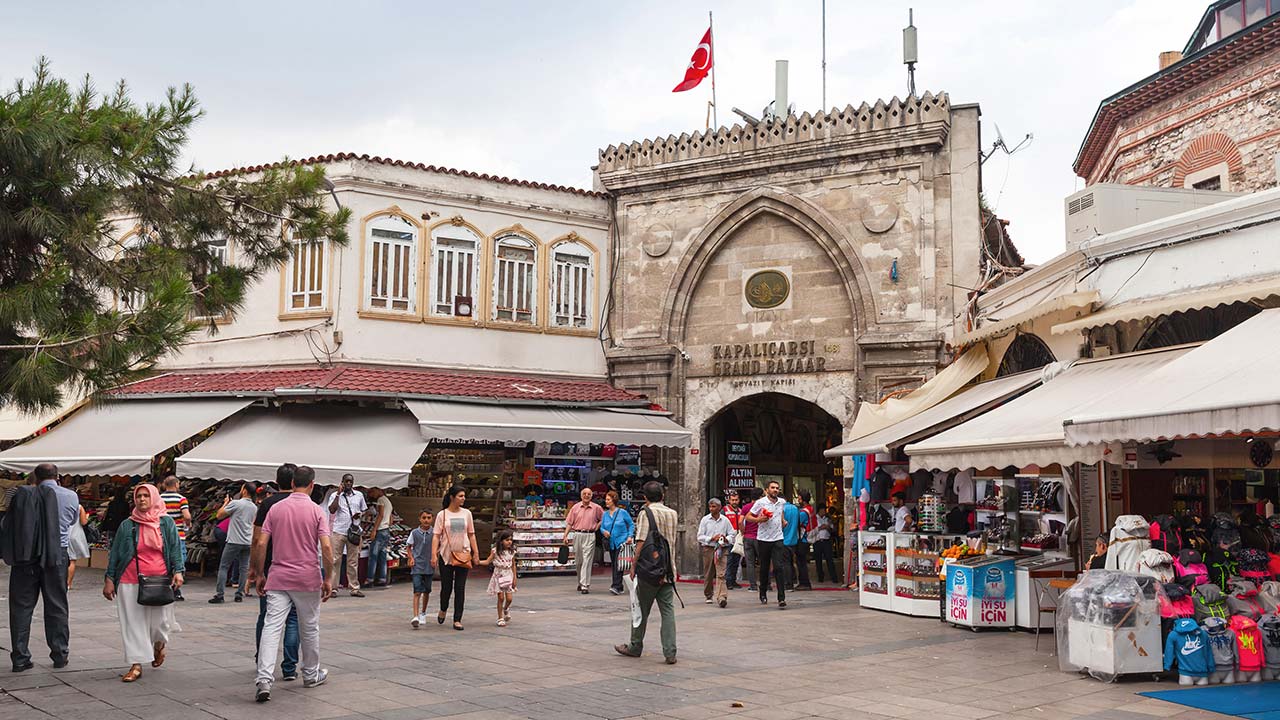
Pickpocketing and muggings are the most frequent small-scale crimes in Turkey, especially in well-touristed areas like the Grand Bazaar istanbul, Taksim Square, and any public place with crowds in Istanbul.
Tips: Keep your bags close, wear a money belt, and be wary of pickpockets in crowded locations.
2. Taxi Scams
Some taxi scams involve drivers taking a longer route to the destination or pretending that the meter is broken. This is more common inbig cities such as Istanbul and Antalya.
Tips: Only use reputable ride-hailing apps and, if not by meter, agree on a rate before you set off.
3. Credit Card Fraud
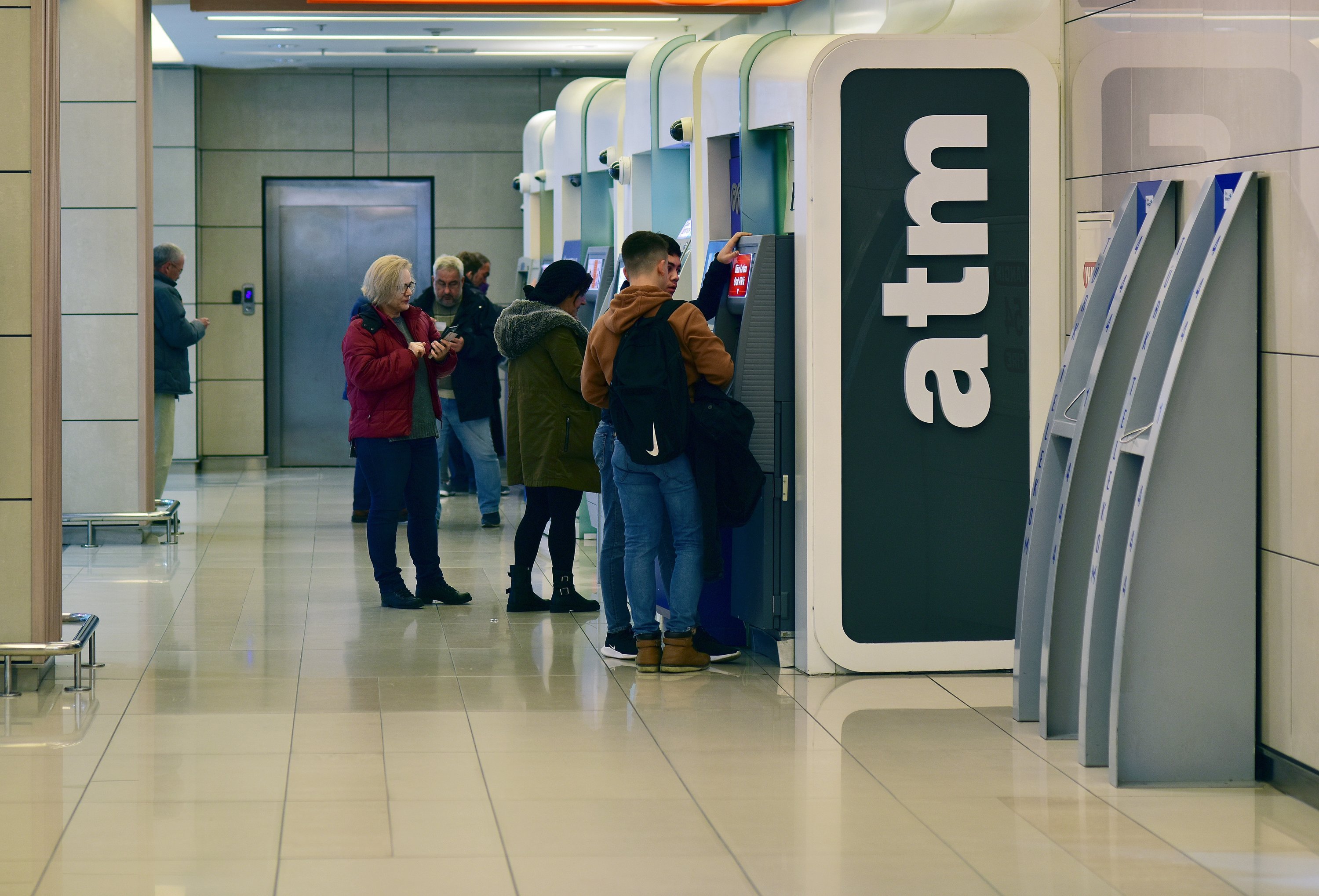
Credit card fraud does happen (though it’s rare and often in less reputable locations). This can include skimming or using your card without your permission in a small shop or ATMs.
Tips: Only pull out money from ATMs inside a bank and check your credit card statements regularly.
4. Street Scams
Travelers should be wary of touts befriending them and then inviting them out for tea, a bar, or a meal and handing them an inflated bill at the end. It’s usually when they are alone or in a small group.
Tips: Remember to politely refuse offers from people who seem suspiciously helpful and beware of deals that sound too good to be true.
5. Fake Wine
Alcohol is sold at bars, nightclubs, and small shops in certain tourist destinations, especially those with a high number of visitors to the beach and nightlife.
Drinking fake alcohol can result in very negative health consequences, including alcohol poisoning. Incidents like these often occur at venues that are not properly regulated.
Always stick to established bars, restaurants, and resorts, and don’t buy liquor from street sellers or unknown places.
Personal Travel Safety
Turkey is generally safe for tourists, but it's wise to take precautions based on your situation. Whether you're traveling solo, with kids, or as a woman, following basic safety tips ensures a smooth and enjoyable trip.
1. Solo Travelers
Solos travelers, especially if you’re out in remote areas and off the beaten path, need to keep their eye out and avoid being isolated and especially after dark. It’s also good to give someone at home your itinerary and check in.
Stay in well-lit, populated areas when the sun goes down and don’t give out too much of your personal information.
2. Female Travelers
Female travelers should have no trouble traveling around Turkey by themselves. However, I do recommend dressing conservatively, especially when visiting mosques or conservative areas.
Tips: Plan on packing a scarf to cover shoulders or head as necessary and don’t walk alone at night.
3. Families with Children
For families, Turkey is a safe place to take kids to visit, provided you keep an extra watchful eye on them in places where there are large crowds, such as markets or beaches. Most hotels and attractions are used to kids and are very accommodating.
Tips: Use child safety wristbands, and teach children what to do if they get lost.
4. LGBTQ+ Travelers
For the most part, Turkey is a welcoming place, but public displays of affection can sometimes draw unwanted attention (especially in conservative areas).
FAQ
1. What is the best time of year to visit Turkey?
The best time to visit Turkey is during the spring (April to June) and autumn (September to November), when the weather is mild and pleasant.
2. Is it necessary to tip in Turkey?
Tipping is never expected, but appreciated. You’ll find a 5-10% tip in restaurants will always please and you may also want to tip your hotel staff, guides, and taxi drivers on occasion.
3. Can I use credit cards in Turkey?
Credit cards are widely accepted in the cities and at tourist sites. In rural and off-the-beaten-path areas, cash is king, so bring along some lira with you when traveling outside of the major cities.
Conclusion
Overall, Turkey is a safe country to visit with a lot of history and culture, and some beautiful natural scenery.
However, as anywhere, you still need to keep yourself informed, listen to local advice, and take precautions.
Do that and you will visit and experience the nice sides of this country, safely.