
Afyonkarahisar is a central-western Turkish city known for its hilltop fortress, Ottoman streets, thermal hotels, and distinctive food culture. It is a practical stop between larger destinations, but it deserves more than a quick roadside break.
Two or three days allow time for the castle area, museums or historic buildings, a carefully chosen spa session, and unhurried meals. A car helps with outlying valleys and thermal districts, while the compact center can be explored on foot and by taxi.
This guide covers the main sights, spa planning, local dishes, seasons, transport, and a workable itinerary. An iRoamly eSIM service can support maps and booking confirmations during the trip.
Why Visit Afyonkarahisar?
The city combines three strong reasons to visit: a dramatic historic center, a large thermal-tourism sector, and a culinary identity that goes beyond a few famous products.
It also works well in a broader route through central and western Anatolia. Its road and rail connections make it possible to combine a small-city stay with larger destinations and landscapes.
Interest | Best experience | Time needed |
|---|---|---|
History | Castle area and old streets | Half to full day |
Wellness | Thermal hotel or day facility | Half day or overnight |
Food | Market, bakery, and regional restaurant | Several meals |
Nature | Phrygian Valley excursion | Full day |
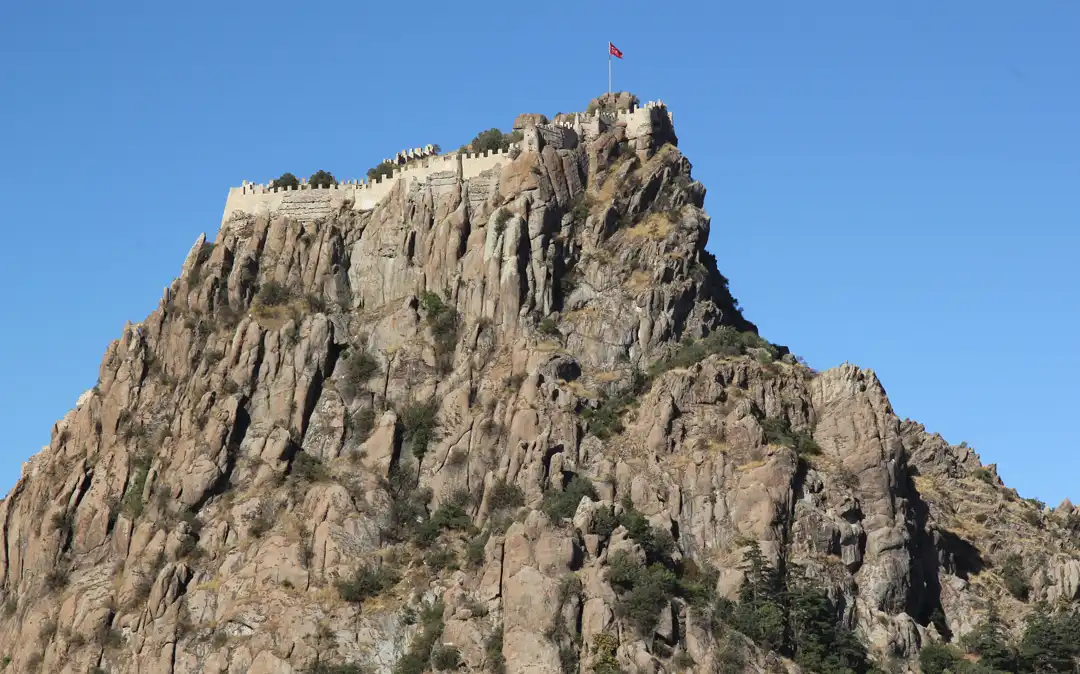
History and Afyonkarahisar Castle
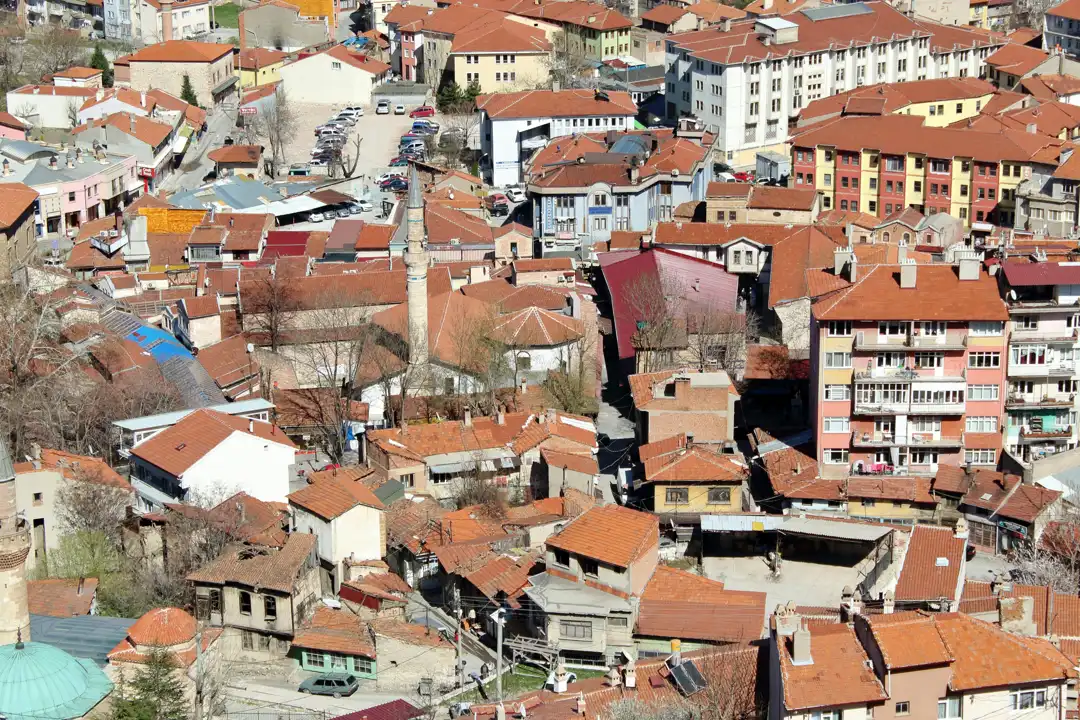
The city grew around the dark volcanic rock that supports its castle. The elevated position explains the settlement’s long strategic value, while the streets below preserve mosques, houses, shops, and civic buildings from later periods.
The official Afyon GoTürkiye destination guide introduces Karahisar Castle, local heritage, thermal facilities, and nearby natural attractions.
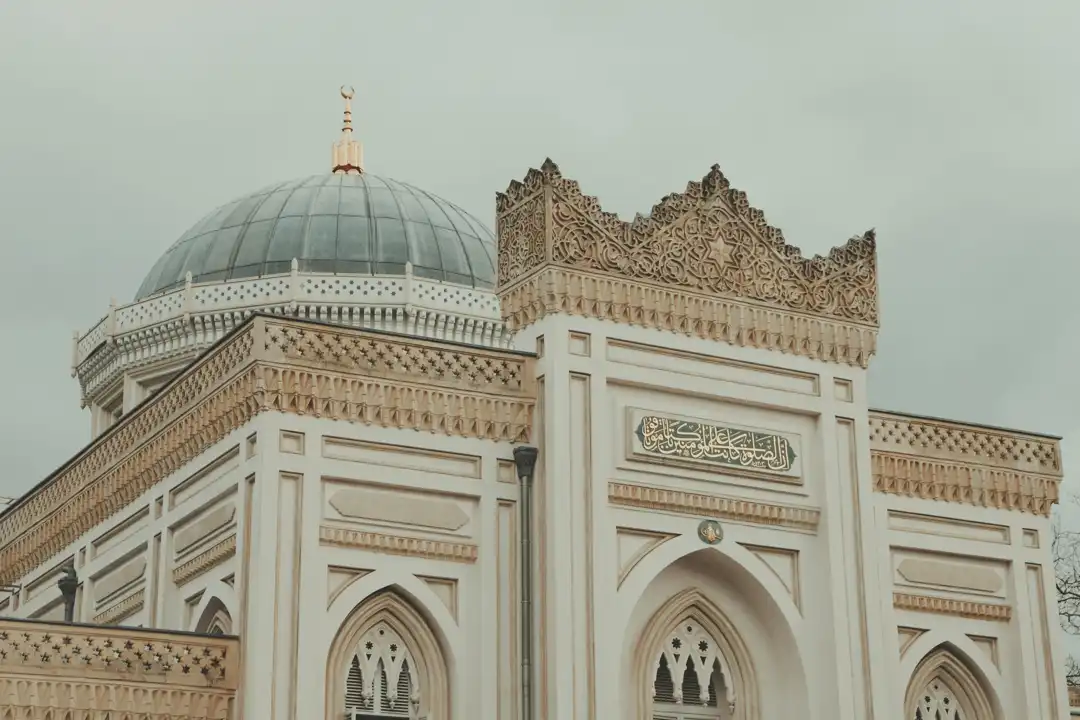
The climb to the castle involves many exposed steps and steep sections. Wear shoes with reliable grip, carry water, avoid the hottest part of a summer day, and turn back if wind or surface conditions make the ascent uncomfortable.
Thermal Spas and Responsible Wellness
Afyonkarahisar has several thermal districts and hotels offering pools, baths, and optional treatments. Facilities differ in water temperature, access rules, privacy arrangements, medical supervision, and whether day visitors are accepted.
The provincial tourism authority describes the region’s mineral-rich resources in its overview of thermal health tourism in Afyonkarahisar.
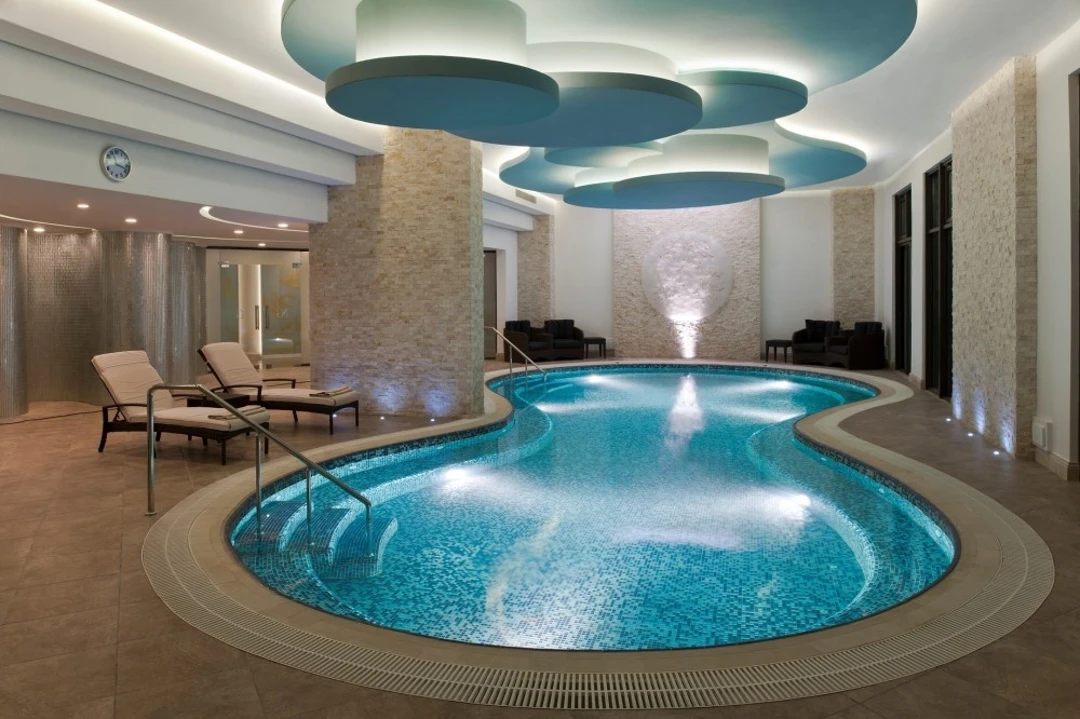
Do not treat a leisure spa as a substitute for medical care. Ask about temperature and session limits, stay hydrated, and seek professional advice before hot-water bathing if pregnancy, heart conditions, blood-pressure concerns, medications, or mobility limitations apply.
Before booking | Question to ask |
|---|---|
Access | Are day visitors accepted, or is an overnight stay required? |
Facilities | Are pools shared, private, or separated by schedule? |
Comfort | What are the water temperature and recommended session length? |
Accessibility | Are lifts, handrails, and step-free changing areas available? |
Food and Gastronomy
Afyonkarahisar is associated with sucuk, kaymak, Turkish delight, meat dishes, pastries, and poppy-based ingredients. Look for shops with clear storage practices and restaurants that explain portion sizes, because many regional dishes are rich and designed for sharing.
UNESCO recognizes Afyonkarahisar as a Creative City of Gastronomy, highlighting its culinary expertise, food heritage, and place in western Anatolian trade routes.

Build food experiences around ordinary meals rather than buying every specialty at once. Try fresh kaymak at breakfast, compare sucuk from established producers, and ask how poppy paste or oil is used in local breads and desserts.
Crafts and Souvenirs
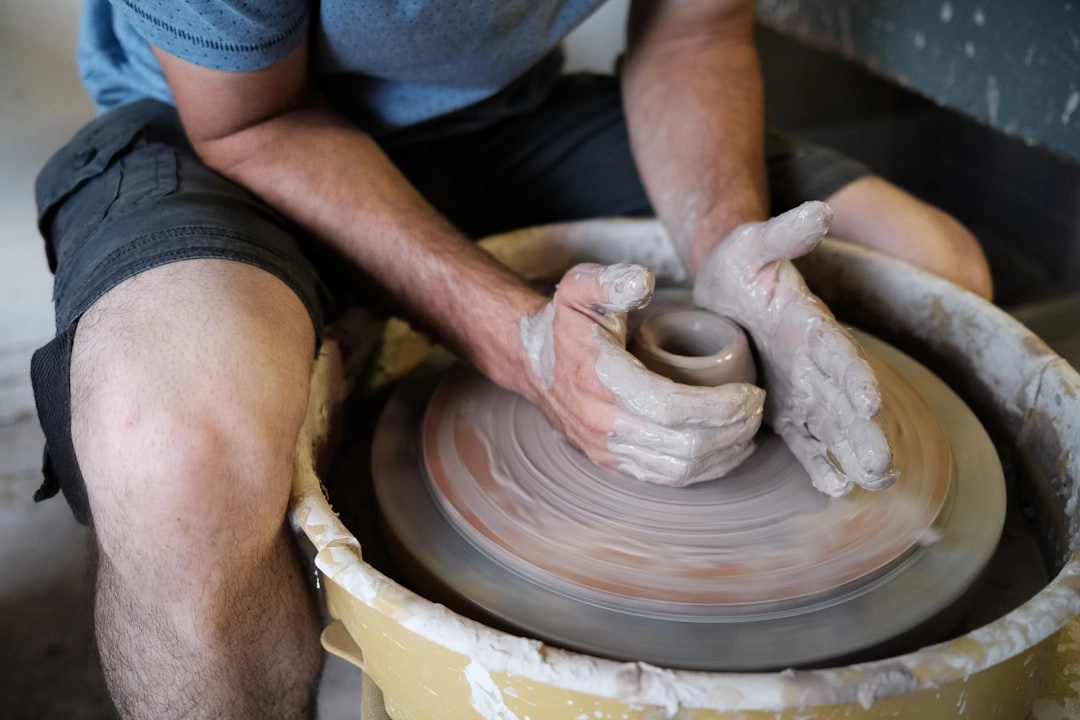
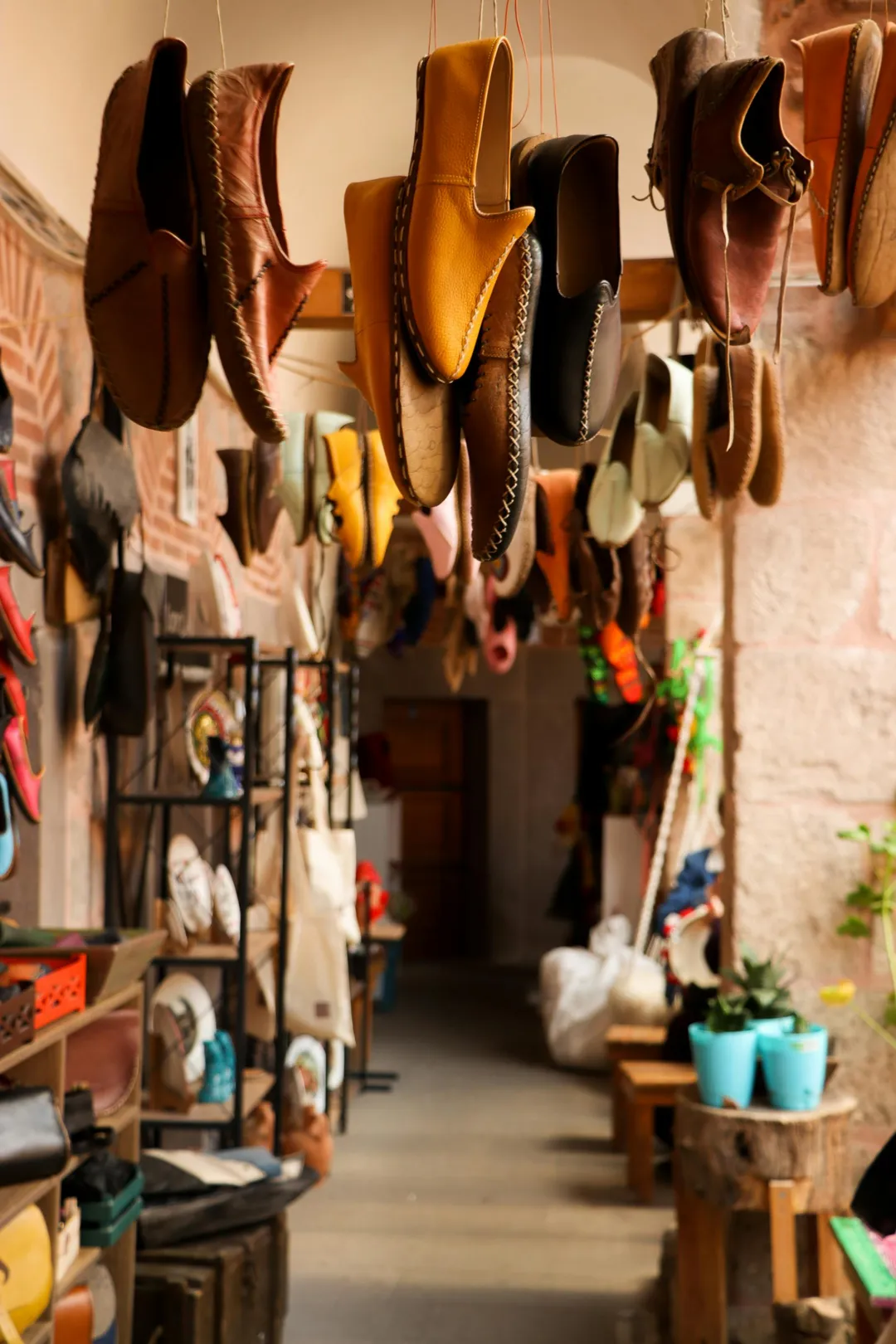
Textiles, felt, carved or decorative objects, ceramics, and regional foods appear in city shops and markets. Ask where an item was made and how it should be stored or transported before assuming it is locally produced.
Travelers interested in weaving can use the broader guide to Turkish rugs to understand materials, knots, patterns, and buying questions before making an expensive purchase.
Keep receipts for valuable items and confirm airline or customs rules for food products. Vacuum-packed packaging can help with transport, but it does not override import restrictions at the destination.
Best Time to Visit
Spring and autumn are comfortable for climbing and city walks. Summer can be hot on exposed stone, while winter suits a thermal stay but requires flexibility for outdoor plans and road conditions.
Season | Best for | Pack or plan |
|---|---|---|
Spring | Castle walks and countryside | Rain layer and sturdy shoes |
Summer | Long days and road trips | Sun protection and early starts |
Autumn | Food, crafts, and mild hiking | Layers for changing temperatures |
Winter | Thermal hotels and indoor visits | Warm clothing and road checks |
In cold-weather geothermal destinations, indoor bathing can balance outdoor conditions. Japan winter travel pairs onsen with snow and rail-based journeys, while Afyonkarahisar combines a thermal stay with a compact historic center and more road-dependent excursions.
Choose Afyonkarahisar in winter for a quieter wellness-focused visit, but keep the castle and valley optional. Spring or autumn is better when outdoor heritage and countryside time matter as much as the spa.
Nearby Excursions
The Phrygian Valley and villages around Afyonkarahisar add rock-cut heritage, rural landscapes, and archaeological context. A guided trip or car is often easier than trying to combine scattered sites by local transport.
For another small Turkish destination where heritage and daily life remain closely connected, the Mudurnu travel guide offers a useful same-country planning comparison.
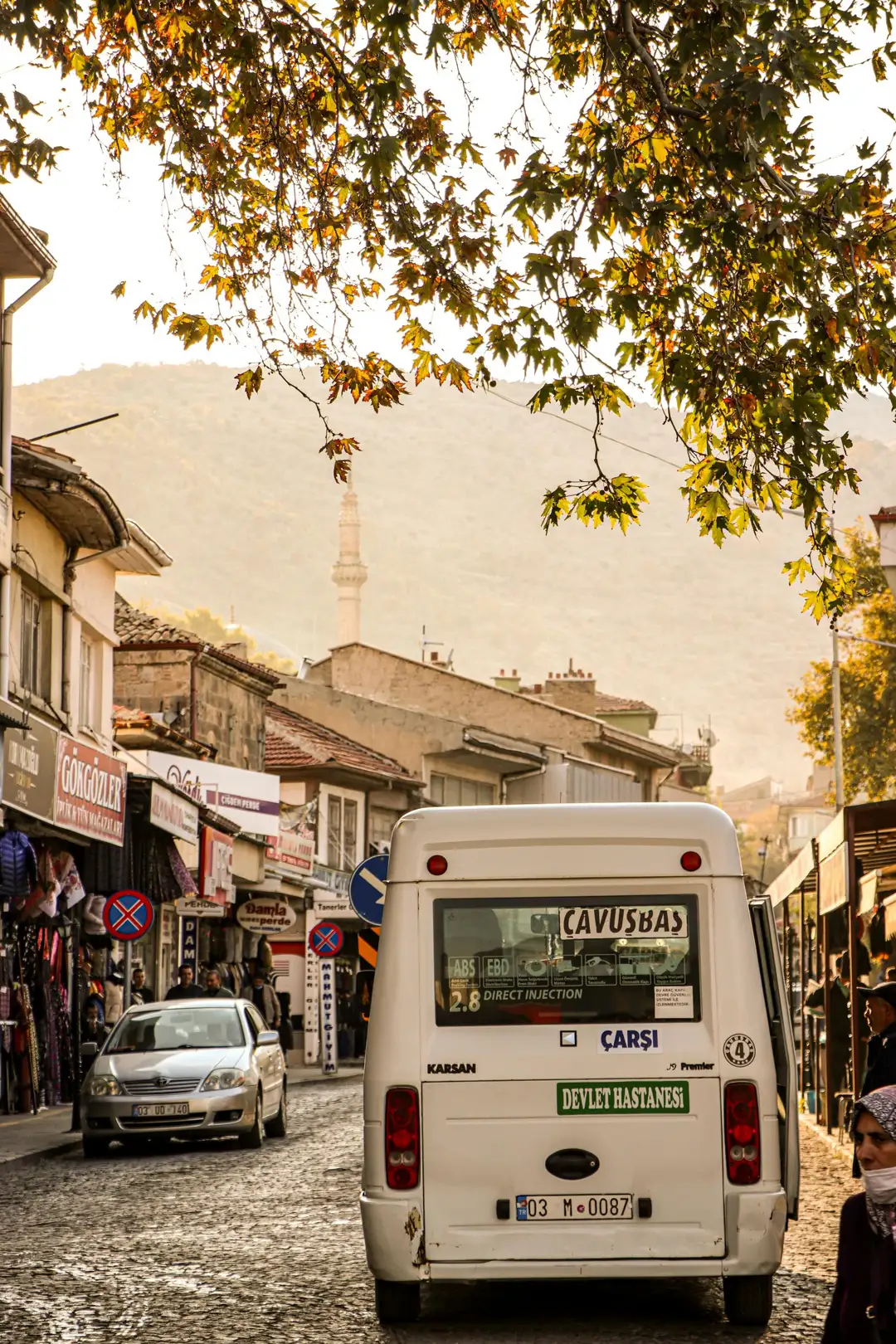
Confirm opening conditions, road access, and the amount of walking before departure. Remote stops may have limited food, shade, toilets, or mobile reception, so carry water and a simple offline route.
Getting to and Around Afyonkarahisar
Intercity buses and roads connect the city with Ankara, Istanbul, İzmir, and other regional centers. Rail services and the nearest airport can be useful for some dates, but schedules and onward transfers should be checked before booking.
In the center, walking and taxis cover most visitor needs. Thermal hotels and valley sites can lie well outside the urban core, so compare a rental car, arranged transfer, or hotel shuttle by total travel time rather than price alone.
Trip type | Practical option |
|---|---|
Historic center only | Walk with occasional taxi use |
Thermal hotel stay | Hotel transfer or taxi |
Phrygian Valley day | Rental car or organized excursion |
Multi-city Turkey route | Intercity bus, rail, or car based on schedule |
A Two-Day Itinerary
On day one, explore the historic center, approach the castle in suitable weather, visit a museum or mosque, and finish with a regional dinner. Keep the afternoon flexible if the climb takes longer than expected.
On day two, choose either a thermal facility or a countryside excursion. Combining both usually creates too much transit unless you have a private car and confirmed reservations.
Building a Wider Turkey Route
Afyonkarahisar can connect Ankara, Cappadocia, İzmir, Pamukkale, or smaller western Anatolian stops, but the best sequence depends on actual bus, rail, and driving times.
A countrywide guide to places to visit in Turkey can help identify compatible destinations before checking transport schedules in detail.
Route goal | Planning priority |
|---|---|
Major cities | Compare direct bus and rail schedules |
Thermal and heritage trip | Allow recovery time between long transfers |
Self-drive loop | Check parking, winter roads, and one-way rental fees |
Practical Travel Tips
Download offline maps, keep your accommodation address available in Turkish, and confirm spa reservations before traveling to an outlying district. Carry some cash for small shops even when larger hotels accept cards.
A Turkey eSIM data plan can provide mobile data on a compatible unlocked phone. Install it with reliable internet before departure and follow the plan’s activation policy.
Before departure | Useful preparation |
|---|---|
Navigation | Save offline maps and hotel details |
Bookings | Confirm spa access and transfer arrangements |
Payments | Carry a card and a small amount of cash |
FAQ
1. How many days are enough for Afyonkarahisar?
Two days cover the center and one spa or countryside experience; three days allow a slower visit.
2. Is Afyonkarahisar Castle easy to climb?
No. The ascent is steep and exposed, so footwear, weather, hydration, and personal mobility should guide the decision.
3. Can you visit a thermal spa without staying overnight?
Some facilities accept day visitors, but access rules vary and should be confirmed directly before arrival.
4. What food is Afyonkarahisar known for?
Common specialties include sucuk, kaymak, Turkish delight, meat dishes, pastries, and poppy-based foods.
5. Do you need a car?
Not for the historic center, but a car or arranged transfer is useful for thermal districts and the Phrygian Valley.
6. Is English widely spoken?
English varies outside major hotels; a few Turkish words and an offline translation tool can help.
Conclusion
Afyonkarahisar combines a memorable fortress landscape with thermal facilities, regional food, crafts, and access to wider Anatolian heritage.
A balanced visit includes one focused historic day and one spa or countryside day instead of trying to cover every outlying attraction.
Check current access, choose wellness experiences responsibly, and leave enough time to appreciate the city through its streets and meals.