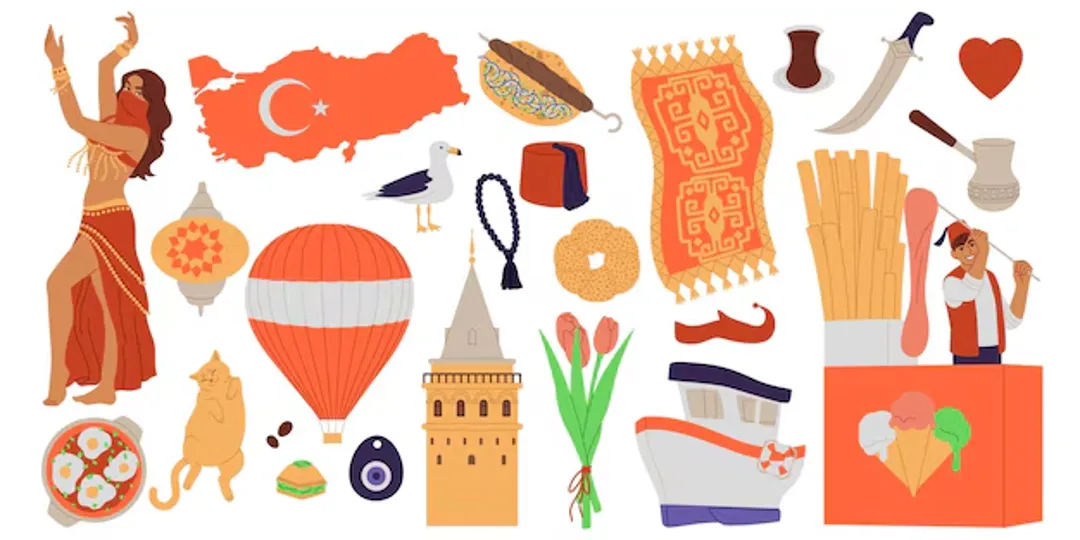
Turkish culture grew from many layers of Anatolian, Byzantine, Ottoman, Mediterranean, Balkan, Caucasian, and Middle Eastern history. That breadth explains why daily customs can feel familiar in one region and distinctly local in another.
Modern life has not replaced older traditions. Family hospitality, tea and coffee rituals, religious observance, regional foodways, craft, music, cinema, and public celebrations continue to change while remaining recognizable.
This guide connects that historical background with cultural identity, contemporary arts, festivals, and everyday etiquette. Travelers who need maps or translation on the move can arrange an iRoamly travel eSIM before departure.
Historical and Geographical Context
Türkiye occupies both southeastern Europe and western Asia, with the Bosphorus linking the Black Sea and the Mediterranean world. Trade, migration, conquest, and pilgrimage repeatedly brought new languages, beliefs, techniques, and tastes into Anatolia.
A clear chronology places the Hittite, Greek, Roman, Byzantine, Seljuk, and Ottoman periods in sequence. The republic founded in 1923 then introduced sweeping legal, educational, linguistic, and civic reforms.
Geography also shapes local culture. The Aegean and Mediterranean coasts developed maritime food traditions, Central Anatolia reflects plateau agriculture and caravan routes, and the Black Sea region has its own music, dance, and cuisine.
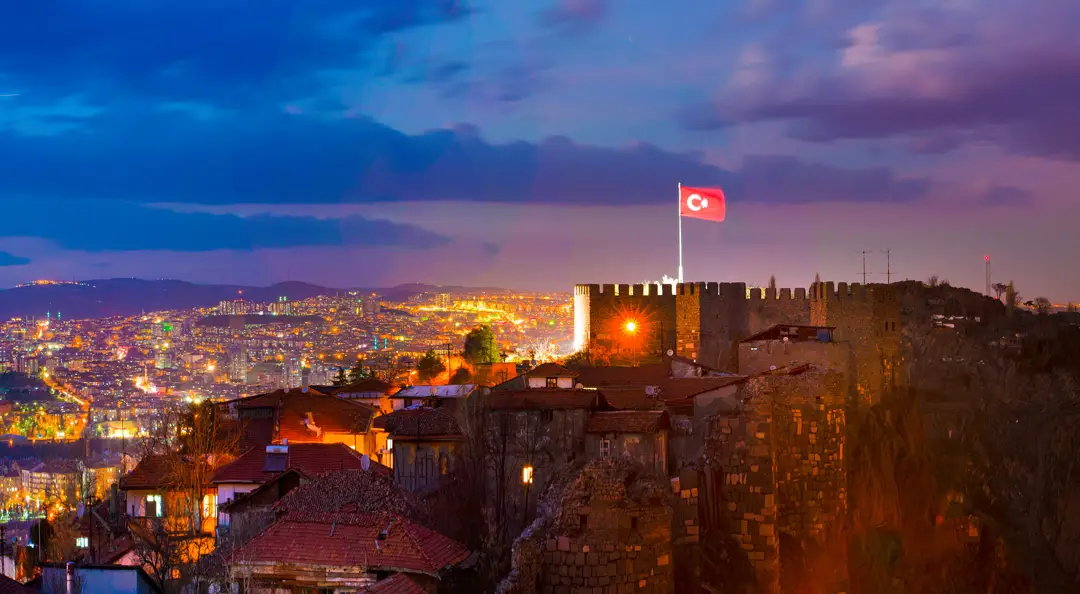
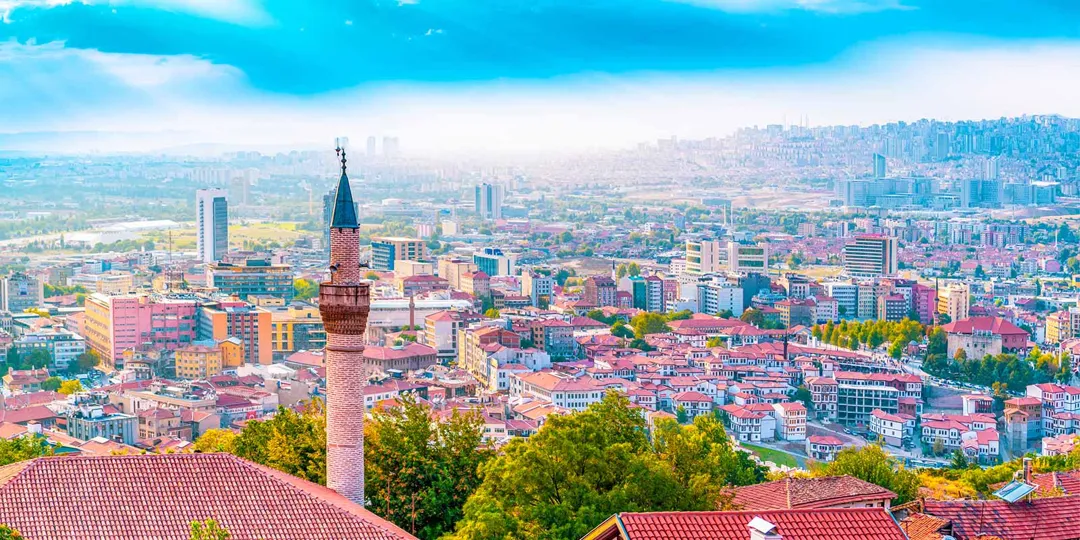
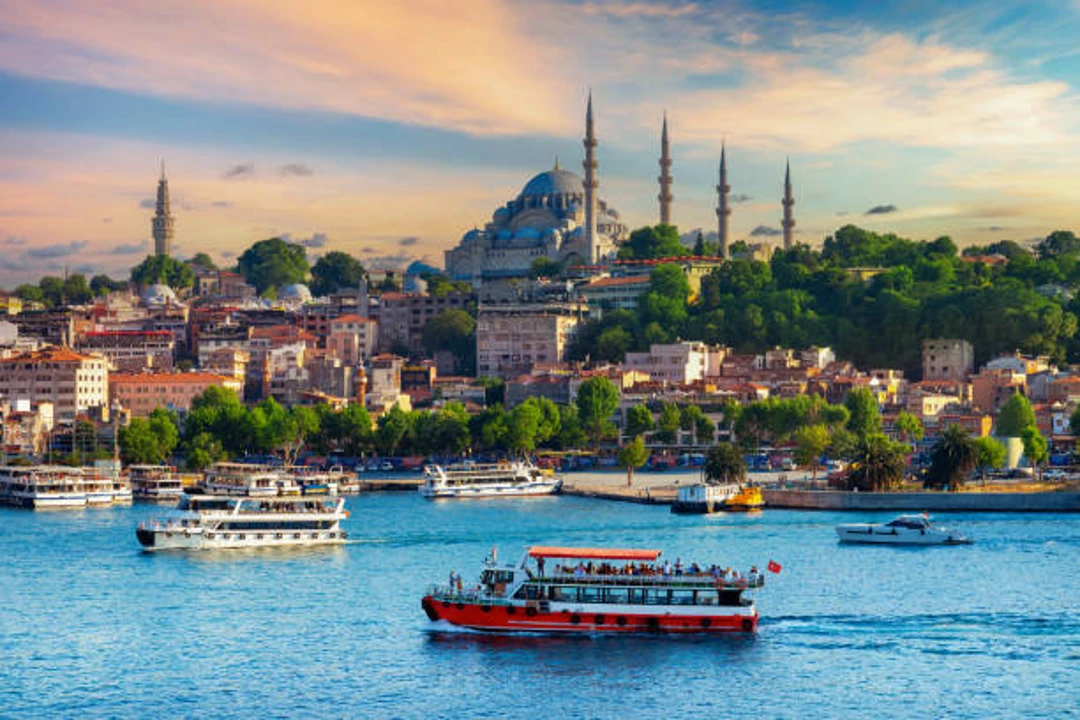
Large cities bring those regional identities together. Istanbul is the major cultural and commercial center, while Ankara's museums, universities, institutions, and performing-arts venues reflect the civic life of the modern capital.
These transitions are central to Turkey's history. The empire's final decades, the War of Independence, and early republican reforms still shape institutions, public memory, and cultural debate.
Turkish Cultural Identity and Diversity
There is no single Turkish experience. Turks, Kurds, Arabs, Laz, Circassians, Armenians, Greeks, Jews, and other communities have contributed languages, music, food, worship, and regional customs to the country's cultural life.
Living heritage includes coffee culture, Ebru marbling, shadow theatre, storytelling, music, crafts, and communal festivals. The UNESCO heritage inventory for Türkiye documents many of these practices and their safeguarding work.
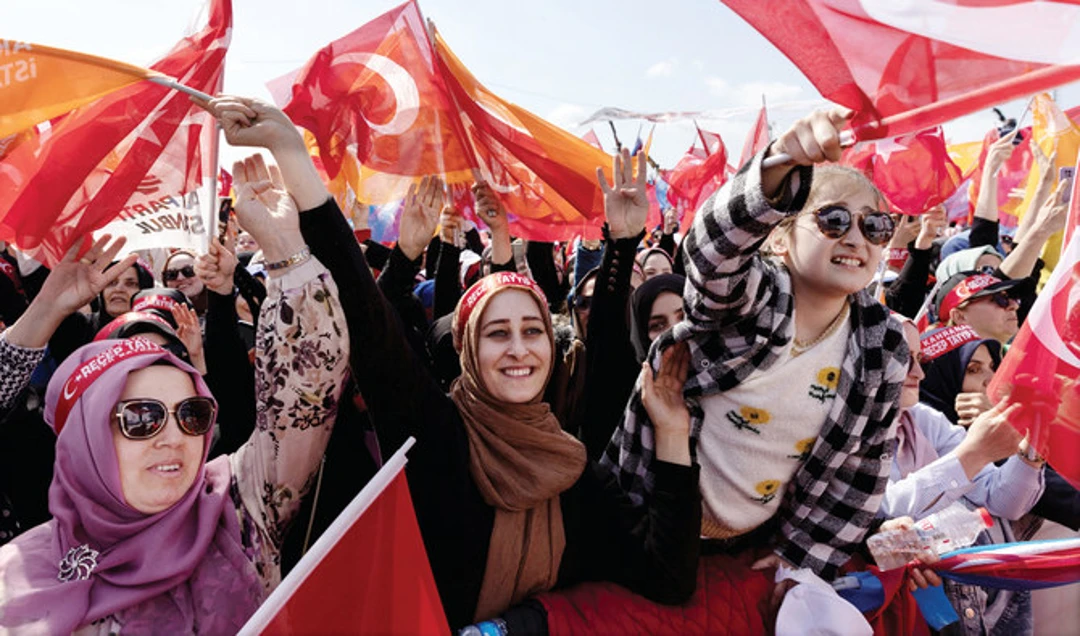
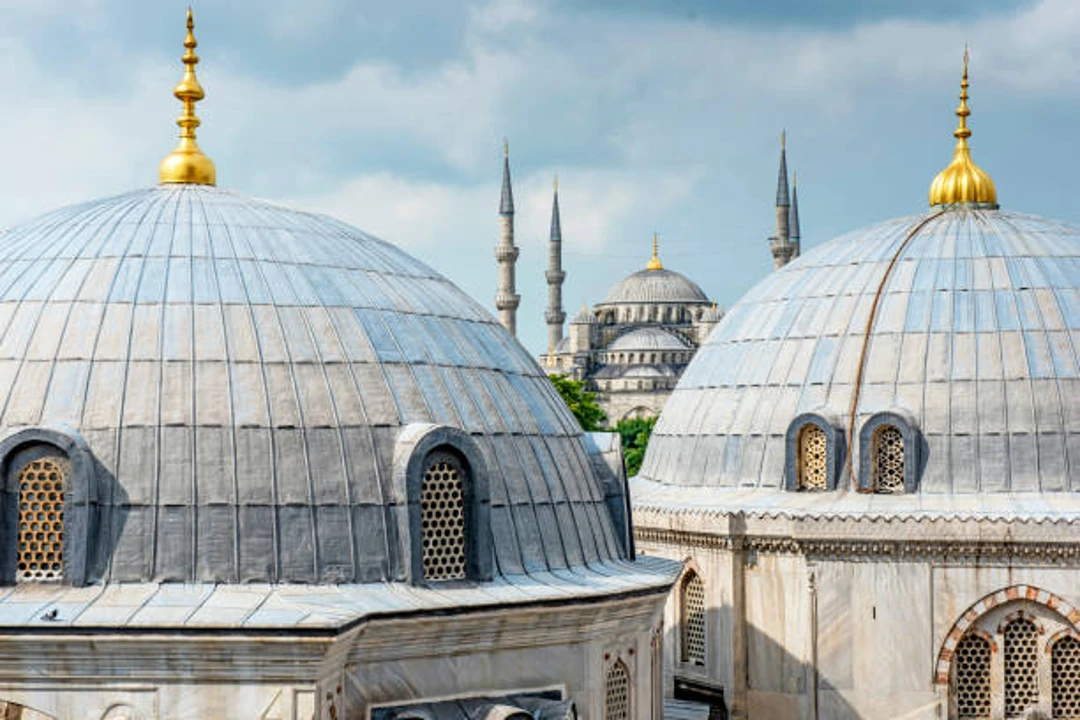
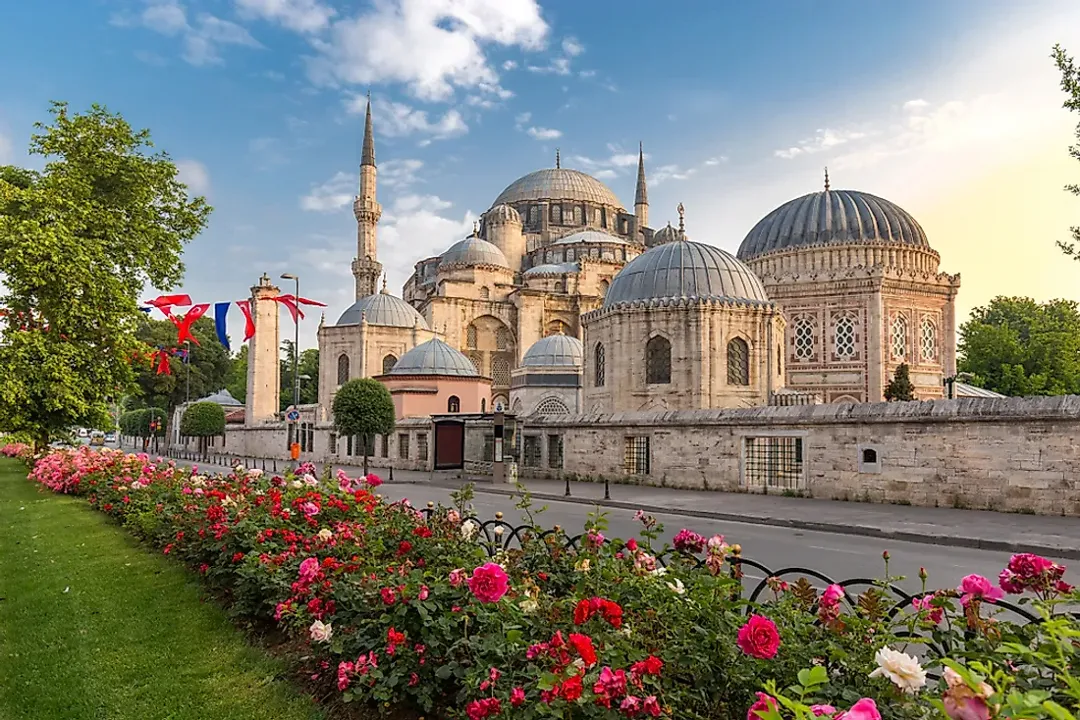
Religion is visible in architecture, calendars, and family life, but observance varies widely. Mosques are prominent, while churches and synagogues also preserve long-standing community histories in cities such as Istanbul, Izmir, Antakya, and Mardin.
For visitors, respectful observation matters more than assumptions. Dress modestly at active places of worship, remove shoes where requested, avoid interrupting prayer, and ask before photographing people or private ceremonies.
Hospitality often begins with tea, coffee, or food. Accepting at least a small serving is courteous when practical, and a simple teşekkür ederim expresses thanks without turning the interaction into a performance.
Travel Beyond One Gateway City
National culture is rarely uniform across a geographically diverse country. In Turkey, language, faith, food, music, and craft traditions vary between the Aegean coast, central Anatolia, the Black Sea, the southeast, and major cities.
Indonesia's island geography likewise produces strong regional identities within one nation. Indonesian culture also differs across communities, religions, and provinces, so travelers in either country should avoid treating one city or ceremony as representative of the whole society.
Contemporary Cultural Dynamics
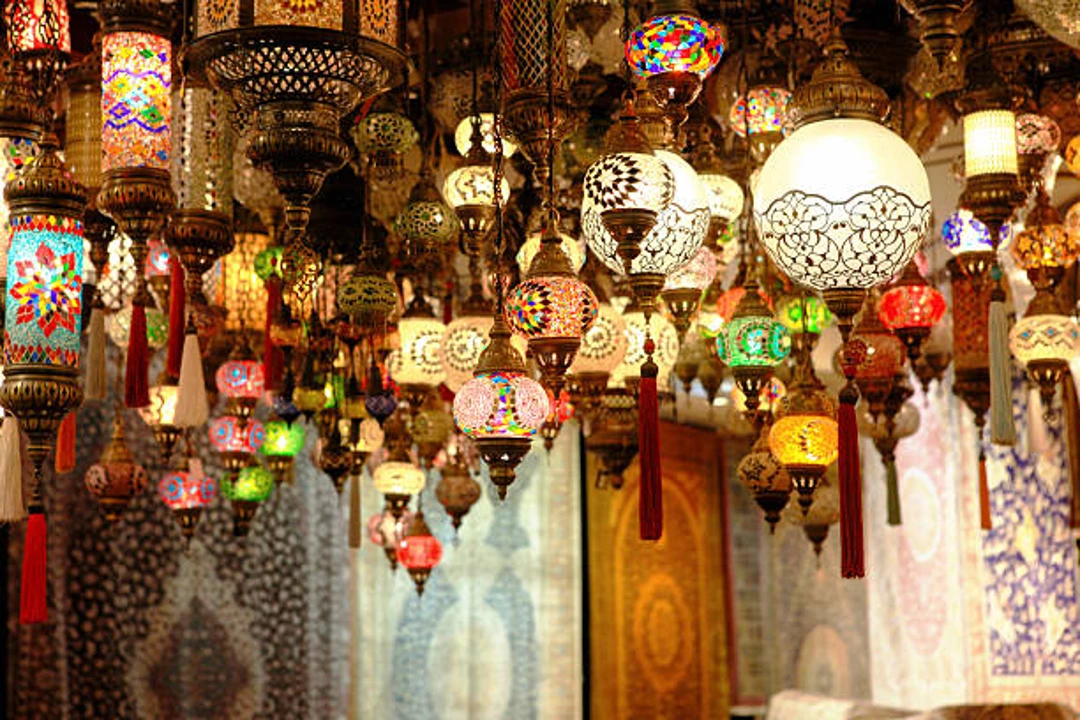
Contemporary Turkey combines inherited forms with rapid urban change. A historic bazaar may sit near design studios, universities, technology firms, and music venues, while regional recipes and crafts find new audiences through restaurants, workshops, and digital media.
Digital access affects how culture is produced and experienced. Artists share work online, families keep in touch across regions, and travelers use a Turkey eSIM for directions, museum information, translation, and changing transport details.
Global influences do not simply erase local identity. Fashion, television, music, and food often mix international formats with Turkish language, humor, memory, and social expectations.
The pace of change differs between neighborhoods, generations, and regions. Listening carefully and avoiding broad claims about what all Turkish people believe produces a more accurate understanding of the country.
Contemporary Turkish Arts and Cinema
Turkey's creative scene includes visual art, photography, literature, theatre, music, independent film, television drama, and design. Istanbul remains the largest hub, but Ankara, Izmir, Diyarbakır, Antalya, and other centers maintain distinct audiences and institutions.
Films and television dramas often move between family relationships, migration, class, urbanization, and historical memory. International distribution has expanded their audience, although one production should never be treated as a complete portrait of Turkish society.
Travelers can match cultural interests with destinations by comparing Turkey's cultural cities. Istanbul offers the broadest exhibition calendar, Ankara has major national collections, Izmir supports an active coastal arts scene, and regional cities foreground local heritage.
Before attending a biennial, festival, performance, or temporary exhibition, confirm dates and venue rules with the organizer. Programs, ticketing, and opening times can change between editions.
Major Holidays and Festivals
Public and religious holidays reveal different parts of Turkish identity. Republic Day on 29 October commemorates the founding of the republic, while National Sovereignty and Children's Day on 23 April and Victory Day on 30 August carry civic and historical meaning.
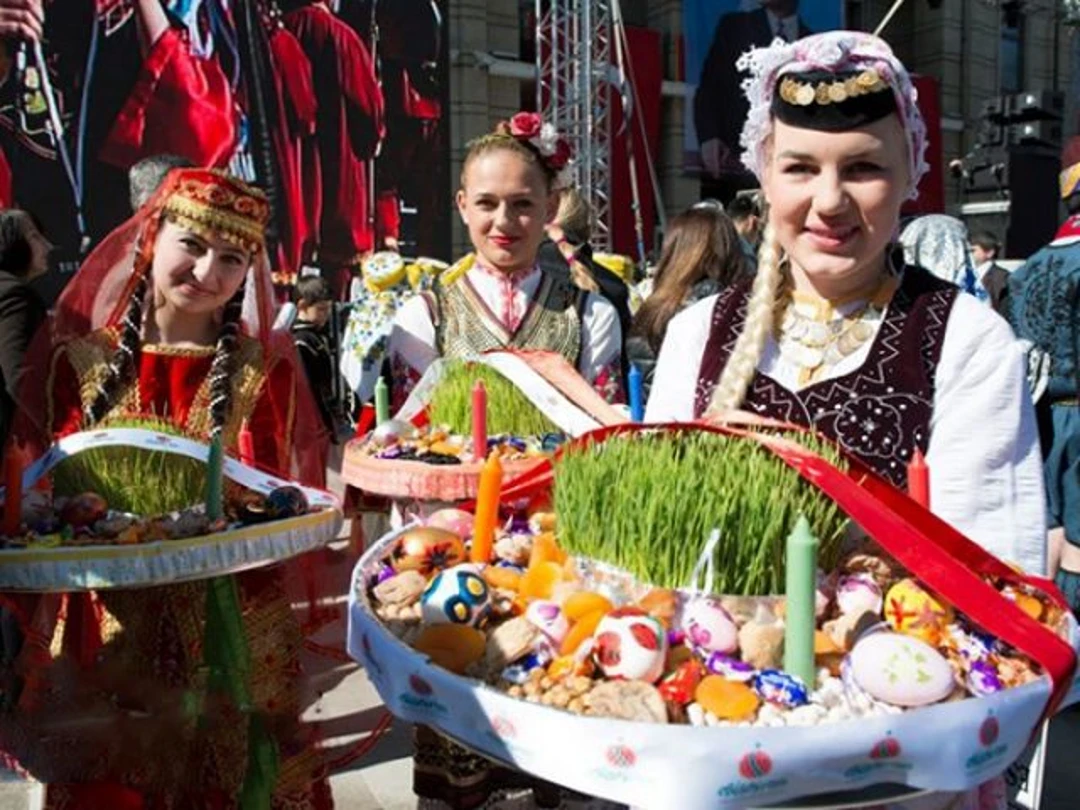
Religious calendars move by lunar dates, so Ramadan Bayramı and Kurban Bayramı shift each year. A Turkey seasonal travel guide helps visitors compare festival periods with regional weather and crowd levels.
Ramadan Bayramı commonly centers on family visits, shared meals, sweets, and charitable giving. Kurban Bayramı emphasizes sacrifice, distribution, family ties, and support for people in need.
Regional celebrations add further variety. Nevruz marks spring in many communities, while Kırkpınar oil wrestling, local harvest events, music festivals, and arts programs connect place-specific traditions with contemporary audiences.
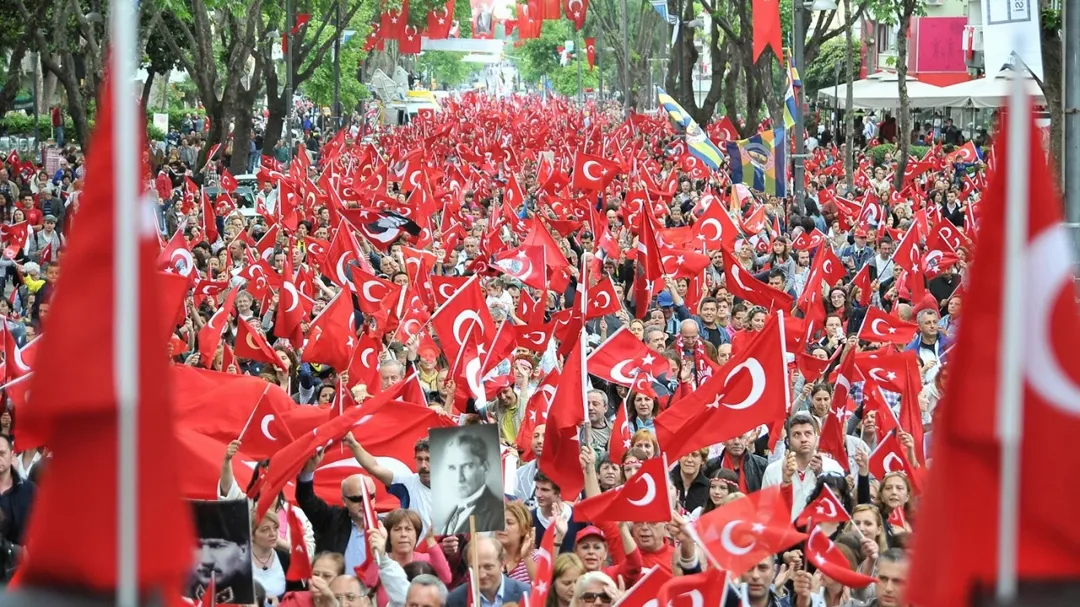
Holiday travel can affect transport, business hours, and family schedules. Visitors should check confirmed dates, reserve long-distance tickets early, and treat religious or commemorative events as community occasions rather than staged attractions.
Ongoing Social and Civic Change
Culture is also shaped by debate. Urbanization, education, migration, media, economic pressures, and changing family patterns influence how people discuss identity, religion, language, gender, and public life.
The country's legal framework describes the republic as democratic, secular, and social, while daily experiences remain diverse. The Constitution of Türkiye provides the primary text for those civic principles and equality before the law.
Women participate across business, education, arts, law, public service, and politics, while discussions about opportunity and representation continue. Experiences differ by profession, income, location, age, and family background.
A responsible cultural guide should therefore avoid presenting one city, generation, or political viewpoint as the whole country. Curiosity, precise questions, and attention to local context are more useful than stereotypes.
FAQ
1. What is Turkish culture best known for?
It is known for layered Anatolian and Ottoman history, hospitality, regional cuisine, tea and coffee rituals, crafts, music, religious heritage, and modern arts.
2. What etiquette should visitors follow in Turkey?
Dress respectfully at worship sites, remove shoes when asked, accept hospitality graciously, and request permission before photographing people.
3. Is Turkish culture the same throughout the country?
No. Regional histories, languages, climates, livelihoods, and communities give the Aegean, Black Sea, Central Anatolia, southeast, and major cities distinct traditions.
4. Which Turkish holidays should travelers know?
Republic Day is 29 October, while Ramadan Bayramı and Kurban Bayramı follow a lunar calendar and change dates each year.
5. How can travelers experience culture respectfully?
Choose active museums, workshops, local performances, markets, and community events, then follow posted rules and avoid treating worship or private rituals as entertainment.
Conclusion
Turkish culture is best understood as a continuing conversation between Anatolia's many historical layers and the realities of a modern republic.
Regional diversity, hospitality, living heritage, contemporary arts, and civic and religious celebrations all contribute to that conversation. Their meaning changes by place, community, and generation.
Travelers gain the clearest perspective by combining historical context with respectful observation, checking current event details, and allowing local people to describe their own experiences.