
Turkish salads range from chopped tomato-and-cucumber plates to bean dishes, bulgur mixtures, roasted vegetables, and herb-rich meze. They may be a side, appetizer, or substantial meal depending on the region and recipe.
Fresh produce, olive oil, lemon, vinegar, herbs, sumac, tahini, and pomegranate molasses create very different textures and flavors. Regional names matter, especially for dishes such as Antalya piyazı.
This guide explains cultural context, major salad types, a simple preparation method, dining tips, and ingredient choices. iRoamly eSIM resources can help translate menus and locate local markets in Turkey.
A Deep Dive into the Cultural Context and Significance
Salads and vegetable dishes appear across Turkish meals, but they do not all serve the same role. Some refresh a grilled meal, while bean, grain, yogurt, or roasted-vegetable versions can be filling on their own.
The Ministry of Culture and Tourism’s Turkish salad examples shows how salads overlap with appetizers and meze rather than forming one fixed category.
Salads at the Table
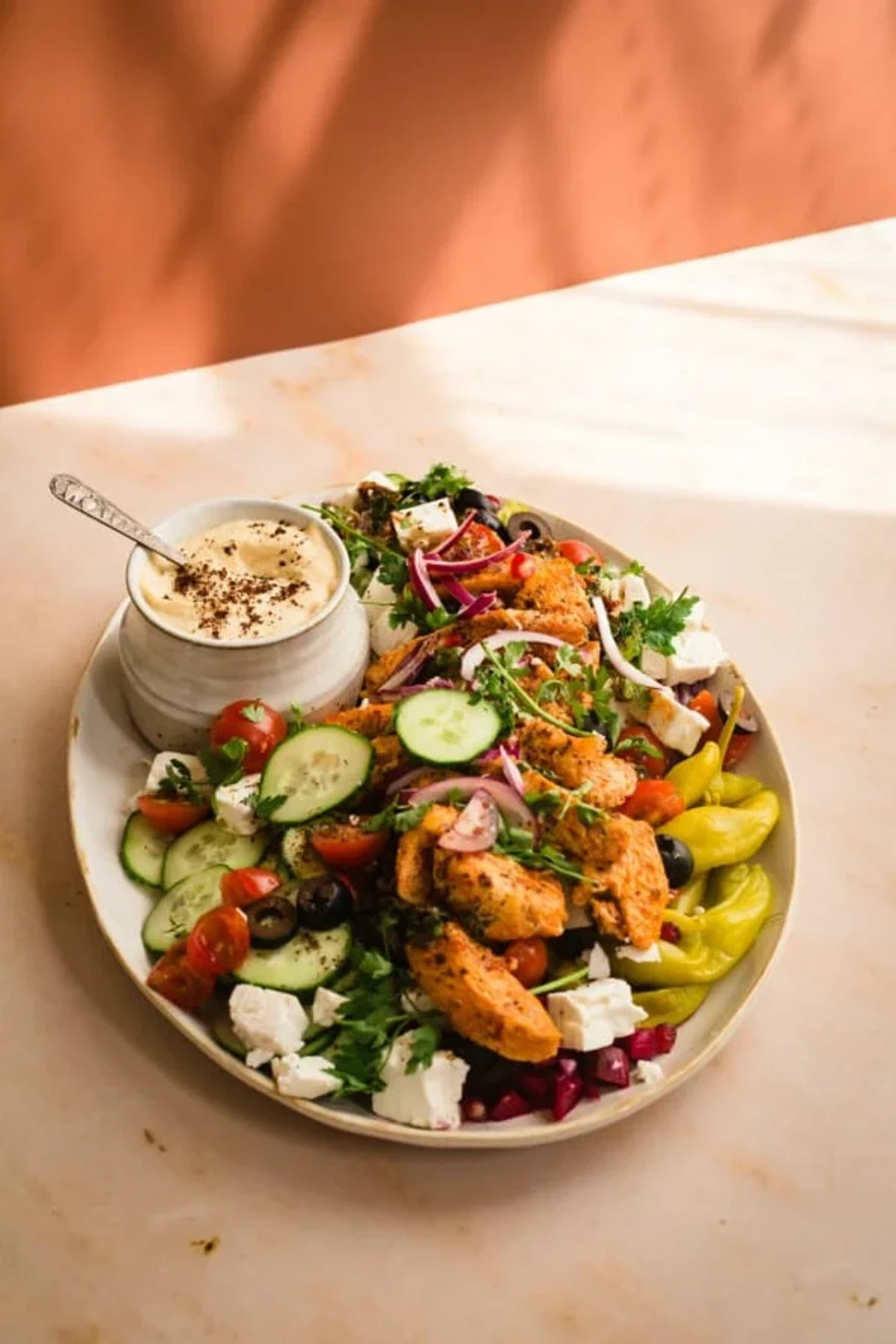
Season, region, household preference, and the main dish influence what appears. Fresh chopped salads suit summer, while beans, grains, or roasted vegetables work throughout the year.
Shared plates also reflect broader Turkish culture through hospitality and communal dining, without requiring every salad to carry a ceremonial meaning.
Ask how a dish is dressed and whether it contains nuts, dairy, gluten, or eggs, because familiar names can hide meaningful regional differences.
Turkish Salad Types
A broader Turkish food guide helps place these salads beside kebabs, soups, breakfast plates, and meze.
Çoban Salatası (Shepherd’s Salad)
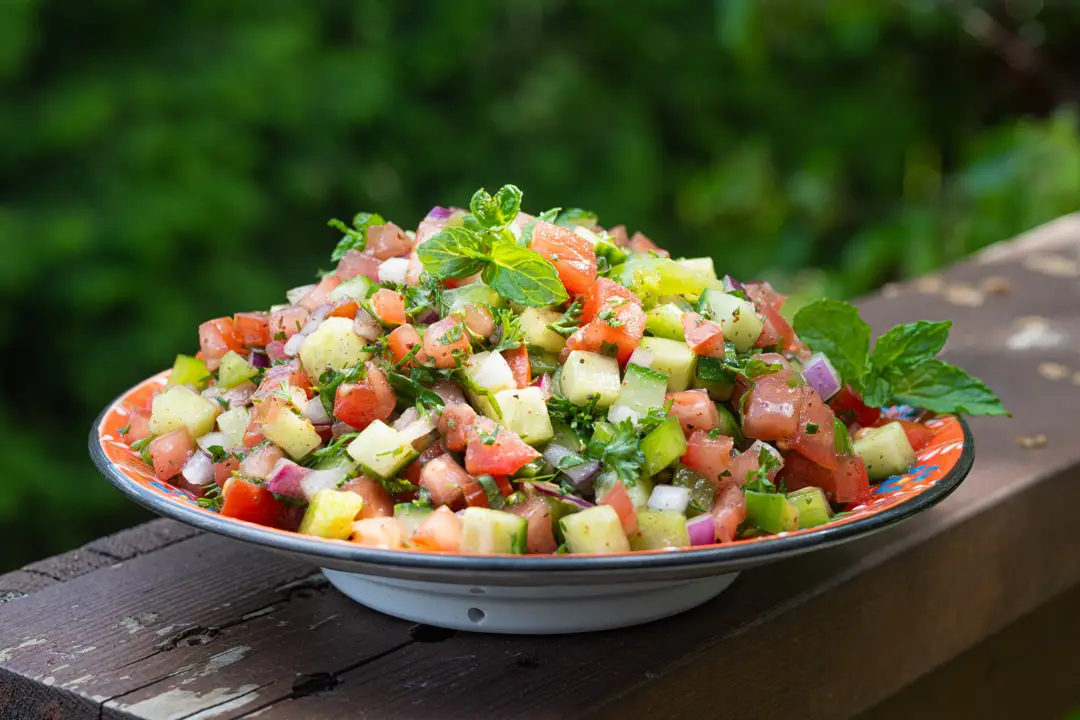
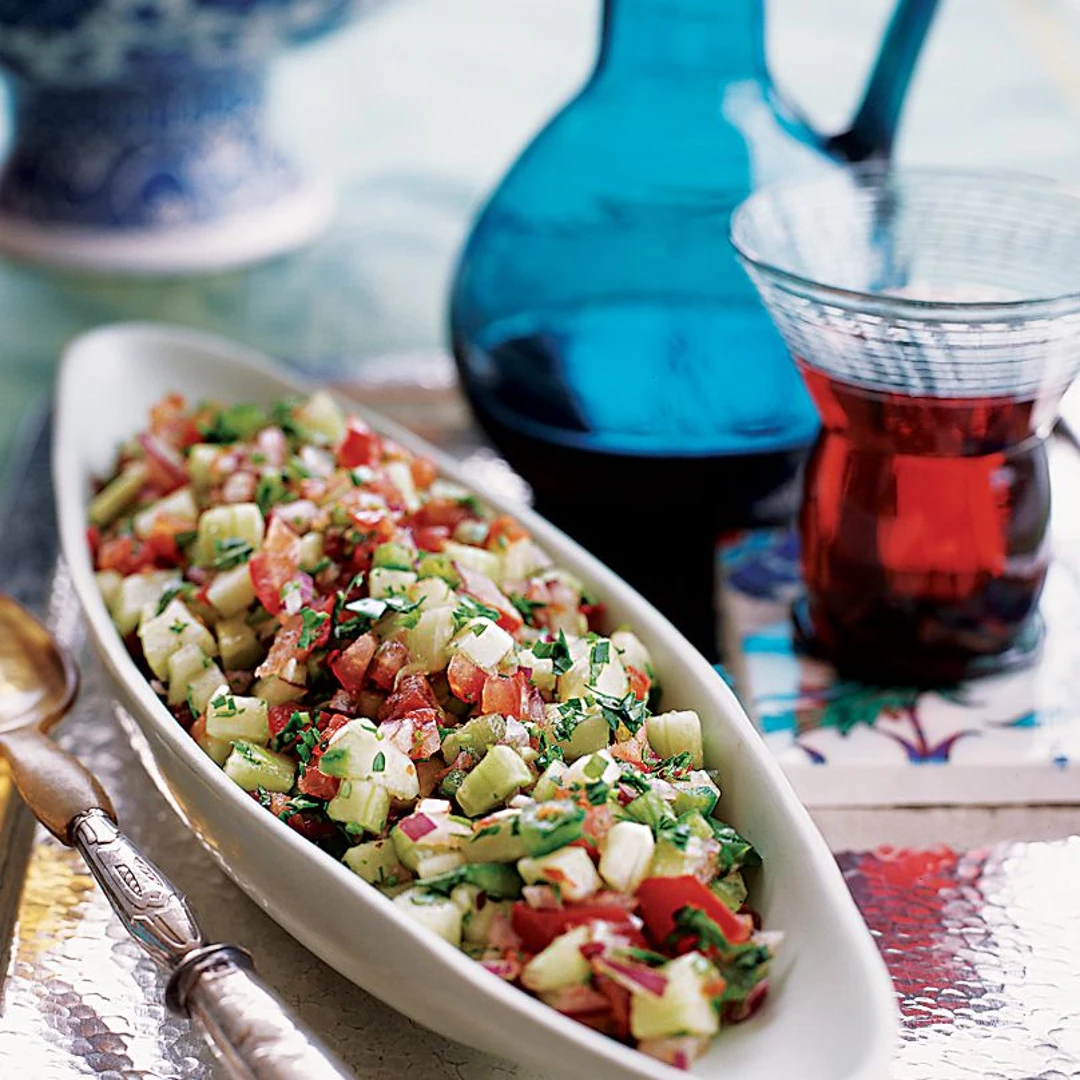
Çoban salatası combines chopped tomatoes, cucumbers, onions, and peppers with olive oil, lemon, and salt. Cut the vegetables evenly so each spoonful stays balanced.
Piyaz
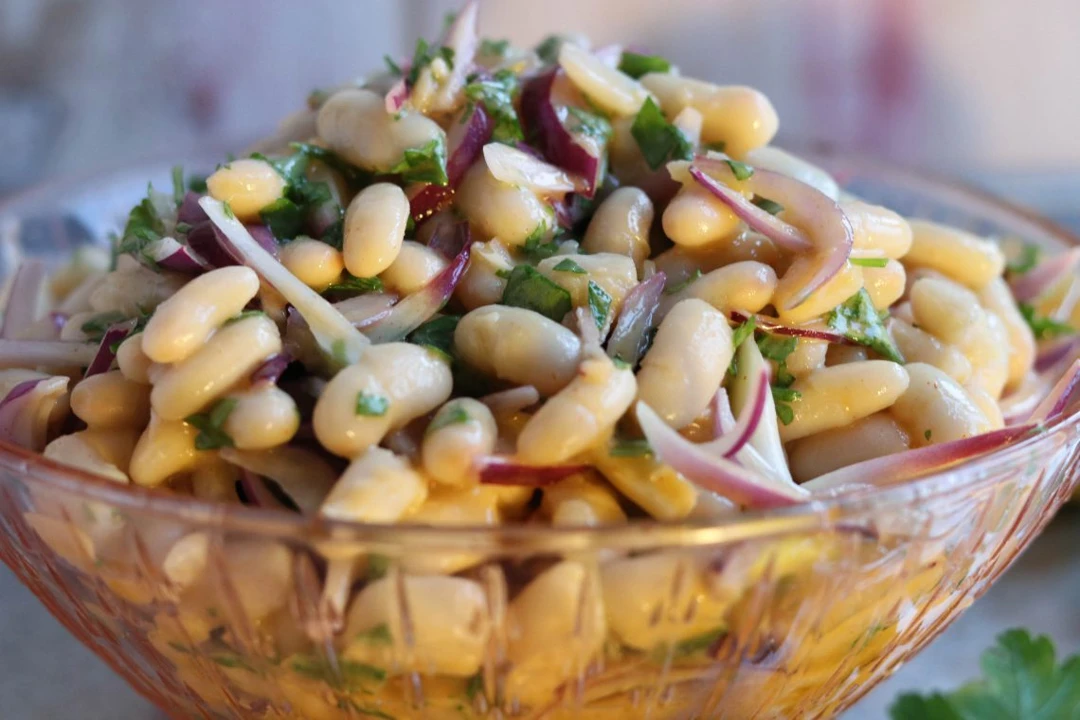
Standard piyaz often combines beans, onion, parsley, and an acidic dressing. The official Antalya piyazı recipe documents a regional version with tahini that is commonly treated as a substantial dish.
Kısır
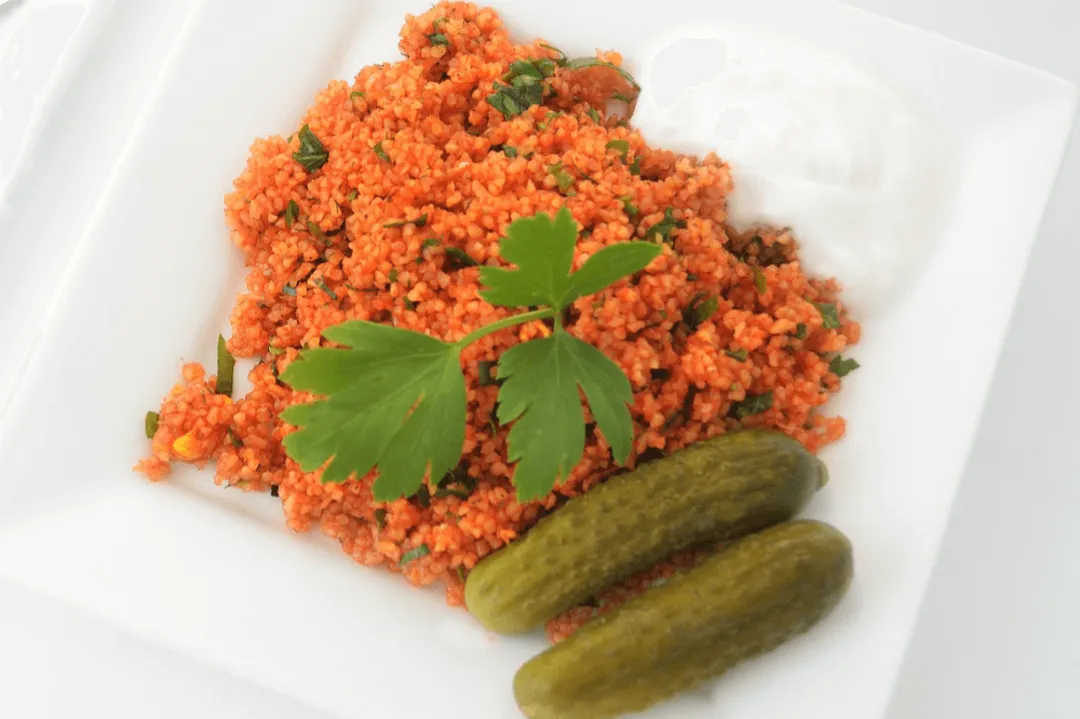
Kısır uses fine bulgur, tomato or pepper paste, herbs, scallions, lemon, and seasonings. Resting the mixture helps the bulgur absorb flavor without becoming wet.
Substantial salads take different forms across warm-climate cuisines. Indonesian cuisine includes gado-gado, built from blanched vegetables, tofu, tempeh, egg, and peanut sauce; kısır relies on bulgur, herbs, tomato or pepper paste, and lemon. Choose gado-gado for a protein-rich meal and kısır for a grain-based mezze or packed lunch.
Gavurdağı Salatası
Gavurdağı salatası finely chops tomatoes, cucumber, onion, herbs, and walnuts, often adding pomegranate molasses. The sweet-sour dressing and small cut distinguish it from a basic shepherd’s salad.
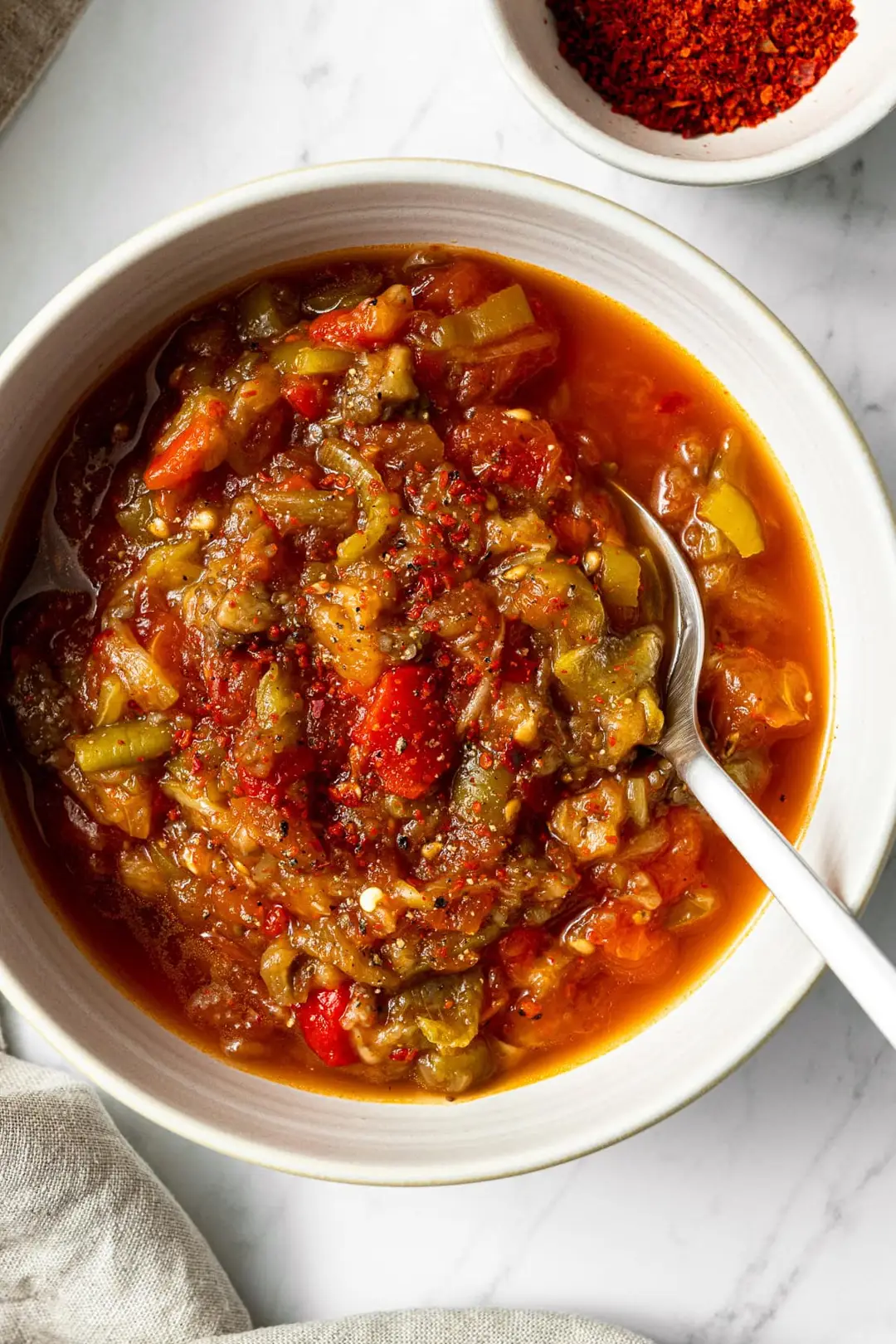
Patlıcan Salatası (Eggplant Salad)
Roasted eggplant creates a smoky base that may be mixed with olive oil and lemon or with yogurt, depending on the version. Drain excess liquid before seasoning.
Tahinli Havuç Salatası (Carrot Tahini Salad)
Carrot and tahini salads balance sweetness with sesame richness and may include lemon, garlic, yogurt, walnuts, or raisins. Confirm dairy and nut ingredients before serving guests.
Yeşil Salata (Green Salad)
Yeşil salata combines lettuce or other greens with herbs and a light olive-oil-and-lemon dressing. Dress it immediately before serving to preserve texture.
Making Turkish Salad
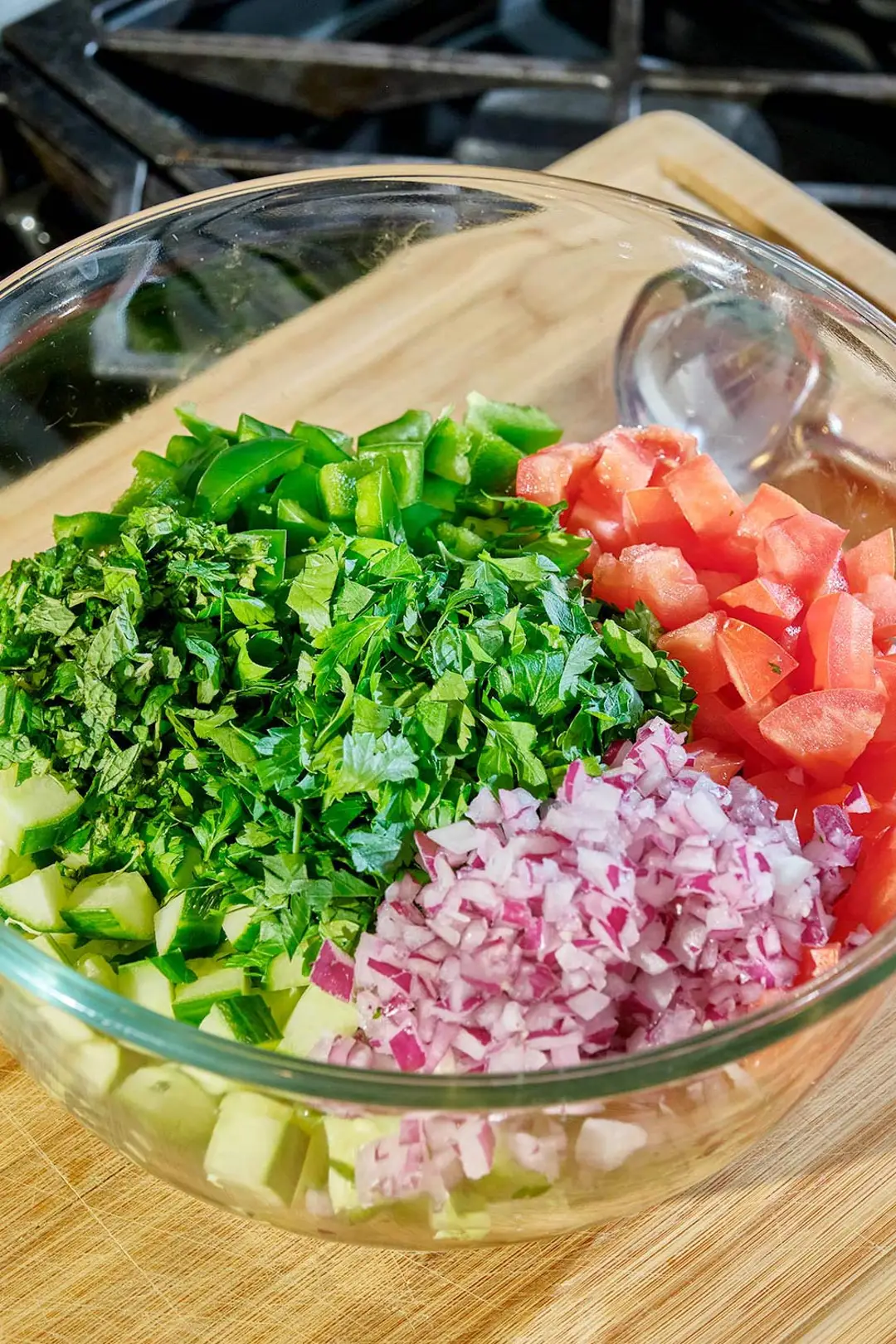
For a practical çoban salatası benchmark, the Ministry of Culture and Tourism’s official shepherd’s salad recipe uses tomatoes, cucumbers, green peppers, spring onions, parsley, mint, olive oil, lemon juice, and salt. The published quantities serve six, so scale them to your table.
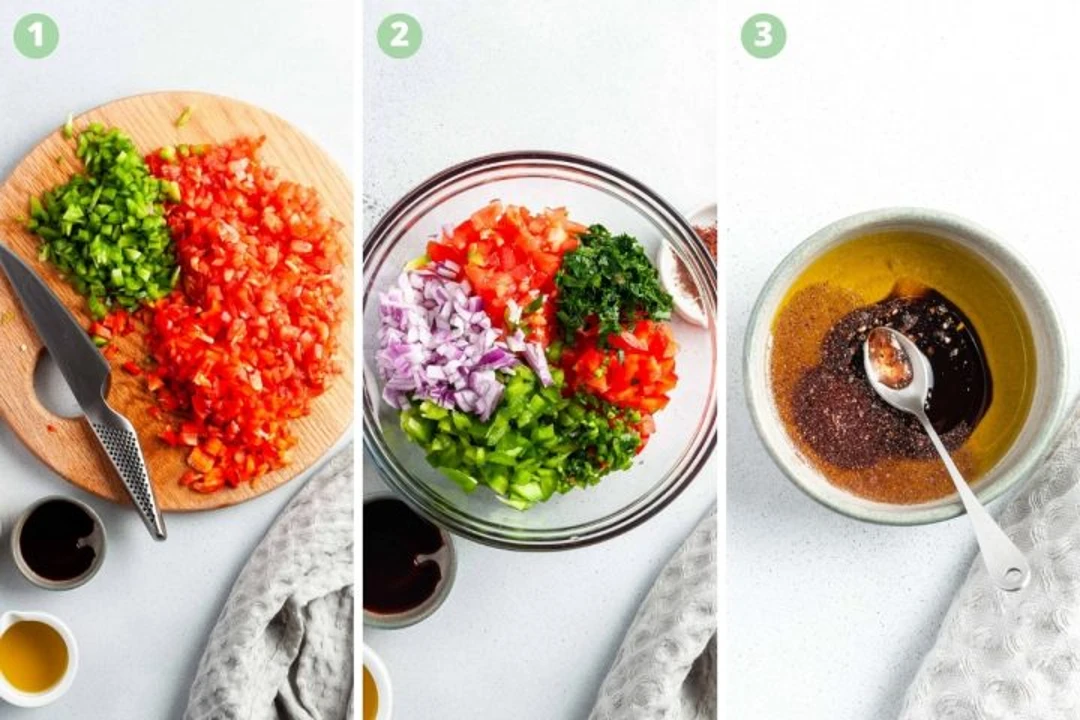
Step 1: Prepare Even Pieces
Wash and dry the vegetables. Remove pepper stems and seeds, trim the herbs and onions, then cut the tomatoes and cucumbers into small, similar-size pieces. Thin, even cuts keep one ingredient from dominating each bite.
Step 2: Mix the Dressing Separately
Whisk the olive oil, lemon juice, and salt before adding them. Fold the dressing through the vegetables shortly before serving, then taste and adjust acid or salt in small amounts.
Step 3: Fix Texture and Balance
Problem | Likely cause | Practical fix |
|---|---|---|
Watery bowl | Very ripe vegetables or dressing added too early | Drain excess juice and dress just before serving |
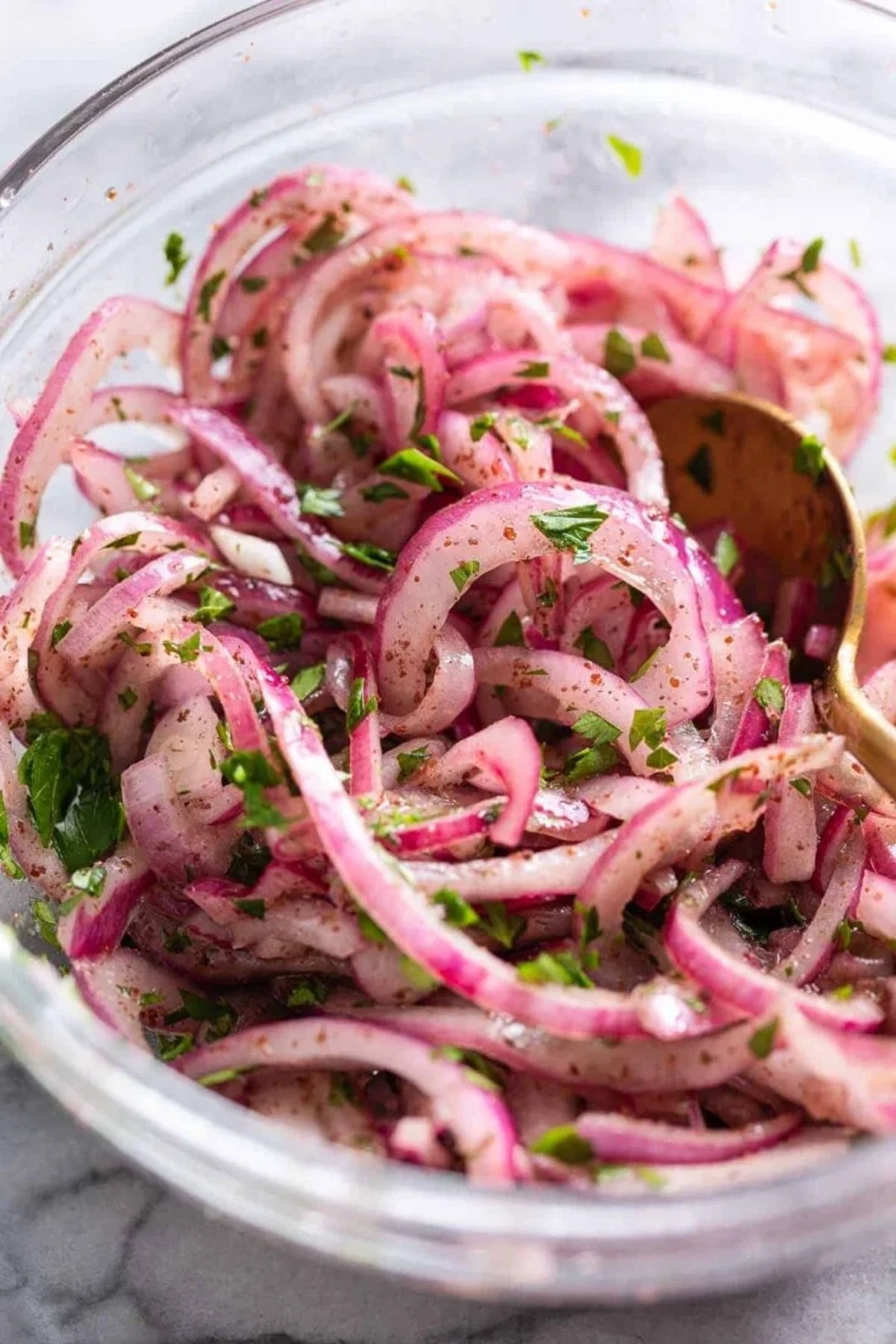
Harsh onion | Thick slices or a strong raw onion | Slice thinly, rinse briefly in cold water, and drain well |
Flat flavor | Acid and salt are out of balance | Adjust lemon and salt separately instead of adding more oil first |
Bruised herbs | Heavy mixing or a dull knife | Chop cleanly and fold the salad gently |
Sumac, pomegranate molasses, walnuts, or a different herb mix can be useful variations, but they move the result toward other regional salads. Keep the base simple when you want the clean texture of çoban salatası.
Experience Turkish Salads: Culinary Tourism and Dining
Where to Try Them
Markets, lokantas, kebab restaurants, and meze-focused tables reveal different salad styles. A guide to Turkey travel destinations helps connect regional dishes with the places where they are most typical.
Order several small plates when dining with others, then compare texture and seasoning. Ask whether dishes are prepared to order or held chilled.
Menus, Translation, and Allergies
Words such as tahin, yoğurt, ceviz, yumurta, and bulgur signal sesame, dairy, walnut, egg, and wheat ingredients. Cross-contact remains possible even when a salad looks simple.
A Turkey eSIM helps translate menus, check current restaurant details, and communicate dietary needs while traveling.
Choose busy, clean establishments and keep cold dishes refrigerated. Freshness matters more than whether a restaurant is famous online.
Essential Ingredients: A Nutrient-Packed Exploration
Purslane contributes a crisp, slightly tart flavor and contains plant-based alpha-linolenic acid. It should not be described as nutritionally equivalent to fish oil.
Sumac adds acidity without liquid, while parsley, mint, dill, and scallions build freshness. Their value is culinary first; avoid treating a serving of salad as medical treatment.
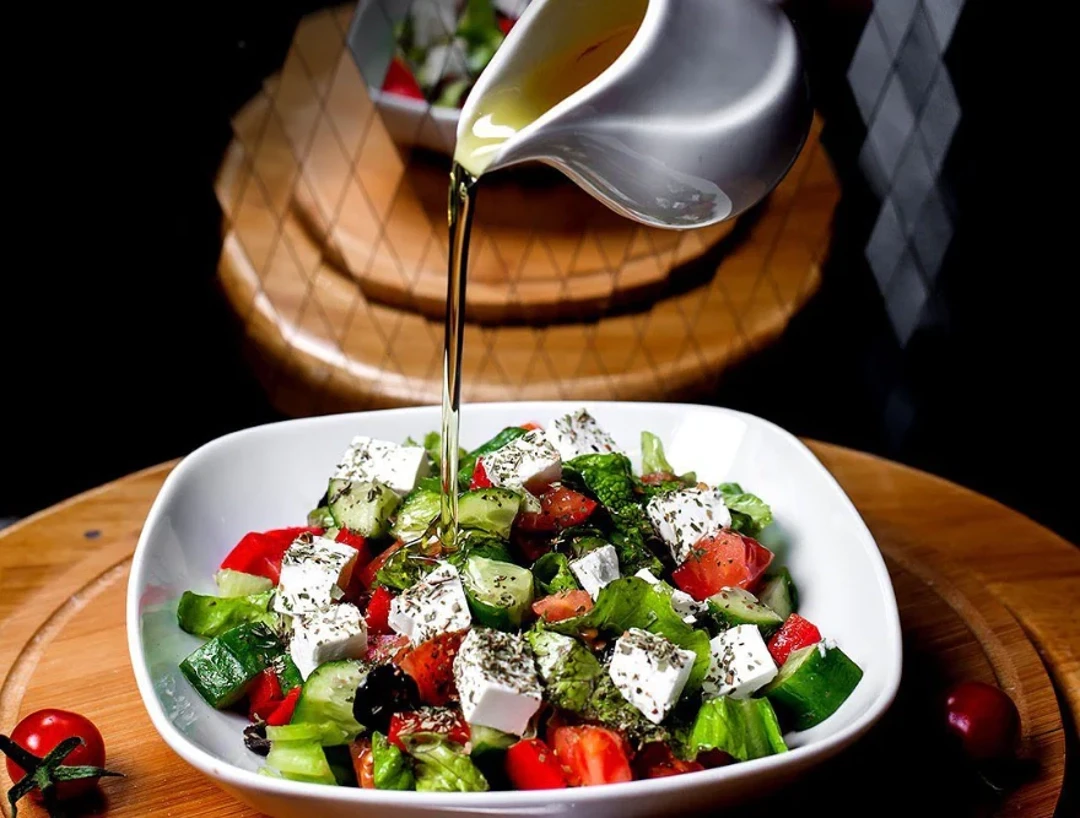
Olive oil carries flavor and contributes monounsaturated fat, but portions still matter. Lemon, vinegar, or pomegranate molasses balances richness and may reduce the need for excess salt.
Beans and bulgur make some salads more filling, while nuts, tahini, yogurt, and eggs change both nutrition and allergen risk. Match the recipe to the rest of the meal.
FAQ
1. What is the most common Turkish salad?
Çoban salatası is widely recognized, but regional tables include many bean, grain, herb, and roasted-vegetable dishes.
2. Is Turkish piyaz always made with tahini?
No, tahini is especially associated with Antalya-style piyaz; other versions use vinegar or lemon dressings.
3. Is kısır gluten-free?
No, traditional kısır contains bulgur, which is wheat.
4. Are salads served at Turkish breakfast?
Fresh vegetables may appear, while a full Turkish breakfast tradition includes many other savory and sweet plates.
5. How long can a dressed salad sit out?
Serve fresh salads promptly and refrigerate perishable versions, especially those containing dairy or eggs.
Conclusion
Turkish salads are a varied group of chopped vegetables, beans, grains, roasted produce, herbs, and meze rather than one fixed recipe.
Regional names, dressings, allergens, and serving roles explain why piyaz, kısır, eggplant salad, and shepherd’s salad feel so different.
Use fresh ingredients, season with balance, and treat each salad as part of the wider meal and the place that shaped it.