
Galata Tower is a restored medieval landmark and museum in Istanbul’s Beyoğlu district. Its elevated viewing level looks across the Golden Horn, Bosphorus, historic peninsula, and dense roofs of the modern city.
The visit is compact, but queues, security, narrow circulation, weather, and the steep Galata neighborhood can affect timing. Confirm current admission and access conditions before making sunset the fixed point of your day.
This guide covers the tower’s history, museum experience, accessibility, transport, nearby streets, photography, and a practical route. iRoamly eSIM plans can support maps and current visitor checks.
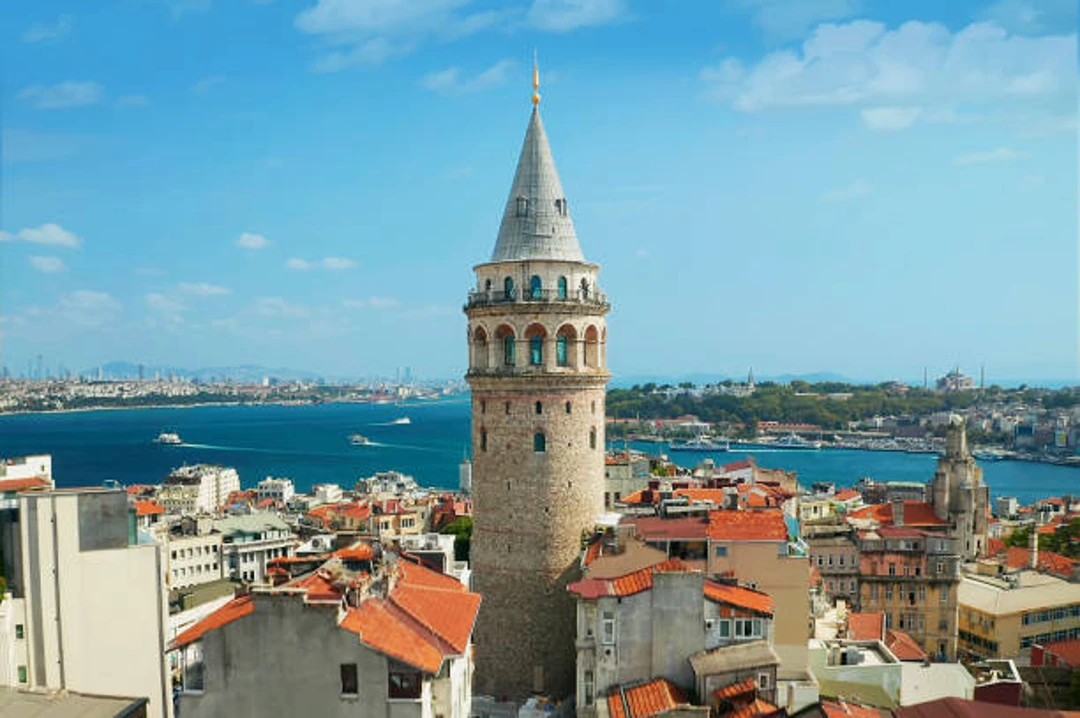
Galata Tower Quick Facts
The surviving stone tower dates to the Genoese period and later served different roles under Ottoman administration, including surveillance and fire observation. Restoration work reopened it as a museum in 2020.
The Turkish Ministry of Culture and Tourism maintains the official Galata Tower Museum information, including current status, hours, location, and visitor notes.
Question | Practical answer |
|---|---|
Where is it? | Galata, Beyoğlu, above Karaköy |
What is it? | Historic tower, museum, and viewpoint |
How long? | About one to two hours, excluding a long queue |
Best checked before travel? | Opening status, tickets, weather, and accessibility |
History and Architecture
Genoese builders constructed the tower as part of Galata’s fortifications in the fourteenth century. Earthquakes, fires, repairs, and changing city needs altered it over time, so the present structure reflects several periods rather than one untouched design.
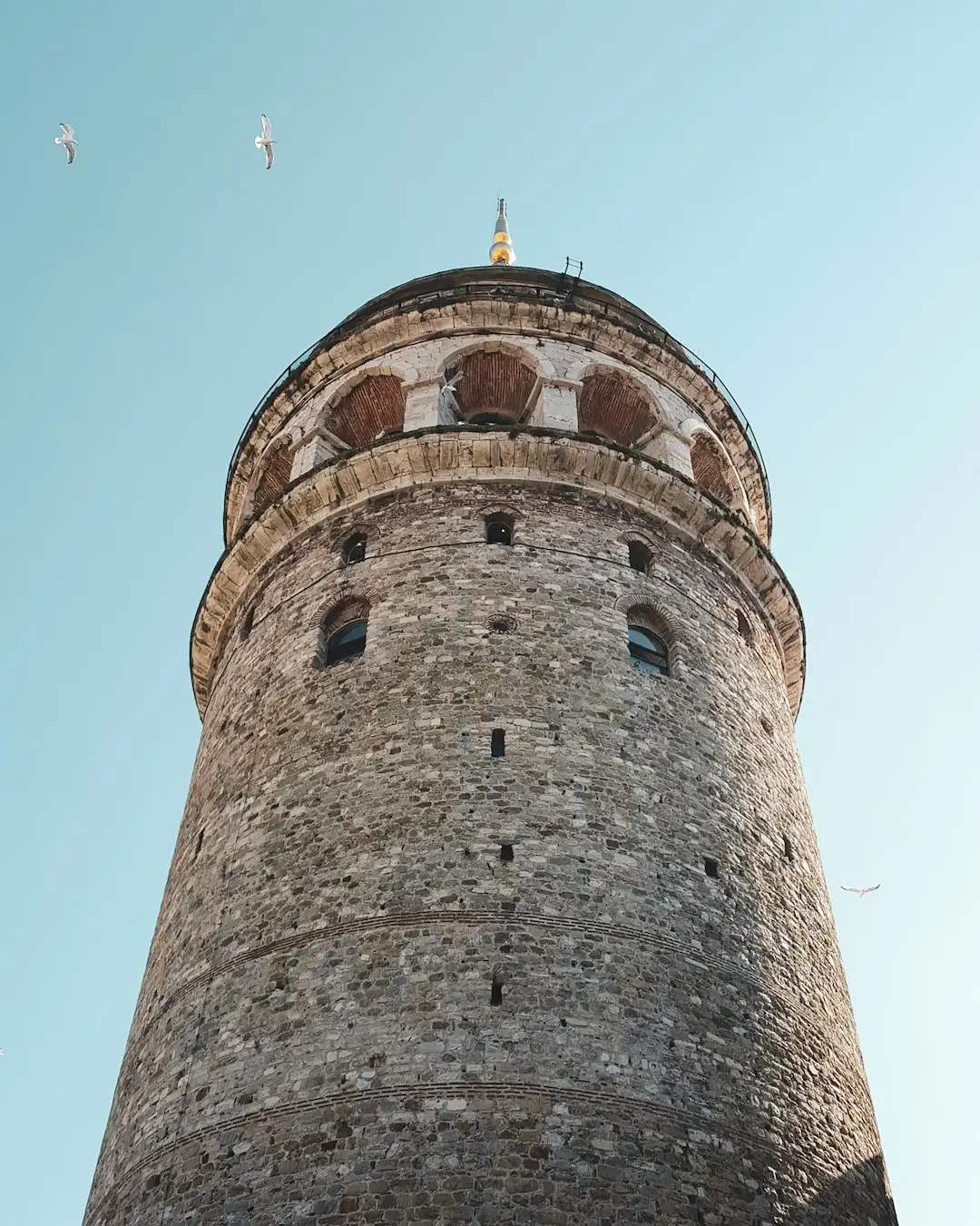
Its cylindrical stone body, thick walls, small openings, and conical roof create the recognizable silhouette. The position above the Golden Horn made it useful for observation and now gives visitors a broad urban panorama.
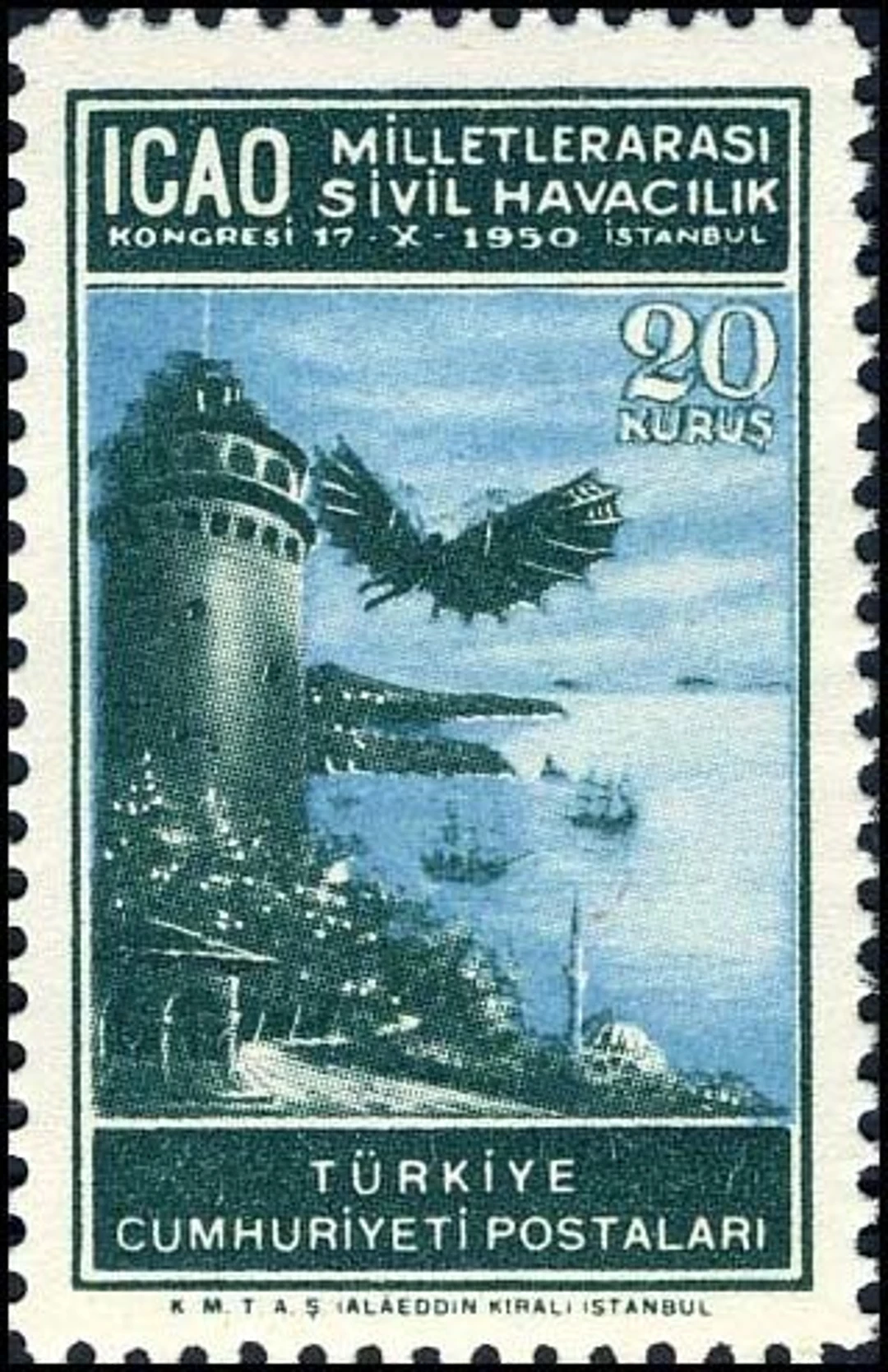
Stories about Hezarfen Ahmed Çelebi’s legendary flight from the tower remain part of popular culture. Treat the tale as lore rather than a fully documented engineering account.
What You See Inside
The museum presents objects, images, and digital interpretation connected with Istanbul’s long history. The experience leads upward through compact interior floors before the exterior viewing area reveals the city’s geography.
Do not expect a large conventional museum with spacious galleries. Circulation is vertical, visitor flow can be controlled, and the viewing level is the main reason most travelers come.
Views from the Tower
From the upper level, the Golden Horn leads toward the historic peninsula, while the Bosphorus separates the European and Asian sides. Domes, minarets, bridges, ferries, and hillside districts make the viewpoint useful for understanding Istanbul’s layout.
Use the view to identify the next part of the route rather than rushing through a photo checklist. Clear daylight helps with distant landmarks, while sunset adds atmosphere but usually brings stronger demand.
Tickets, Timing, and Queues
Ticket prices, sales channels, museum-pass rules, and opening hours can change. Check the official museum record on the day of the visit and avoid relying on an old screenshot or a third-party blog.
Early morning can reduce waiting, while the period before sunset is often popular. Wind, rain, maintenance, or crowd controls may affect the exterior level even when the museum is otherwise open.
Visit goal | Timing strategy |
|---|---|
Shortest queue | Try opening time on a weekday |
Clear city detail | Choose daylight and check visibility |
Sunset atmosphere | Allow extra queue time and a flexible backup |
Rainy day | Confirm exterior access before joining the queue |
Accessibility and Physical Effort
An elevator serves much of the tower, but stairs and confined spaces remain part of the experience. The official record notes elevator access to an upper floor, followed by additional internal circulation toward the viewing area.
The neighborhood itself is steep and paved with uneven surfaces in places. Travelers with reduced mobility should ask the museum about current step-free access and consider arriving from the upper Beyoğlu side instead of climbing from Karaköy.
Best Time and Weather
Spring and autumn usually make the surrounding walk more comfortable. Summer brings stronger heat and demand, while winter can offer quieter streets but also wind, rain, shorter daylight, and reduced visibility.
Seasonal weather in Turkey varies widely by region; for Galata Tower, a same-day Istanbul forecast matters most because wind, rain, and haze affect the viewing deck.

Clouds do not ruin every visit; they can soften the skyline and reduce glare. Strong wind or heavy rain matters more because it affects comfort, photography, and possible exterior access.
How to Get to Galata Tower
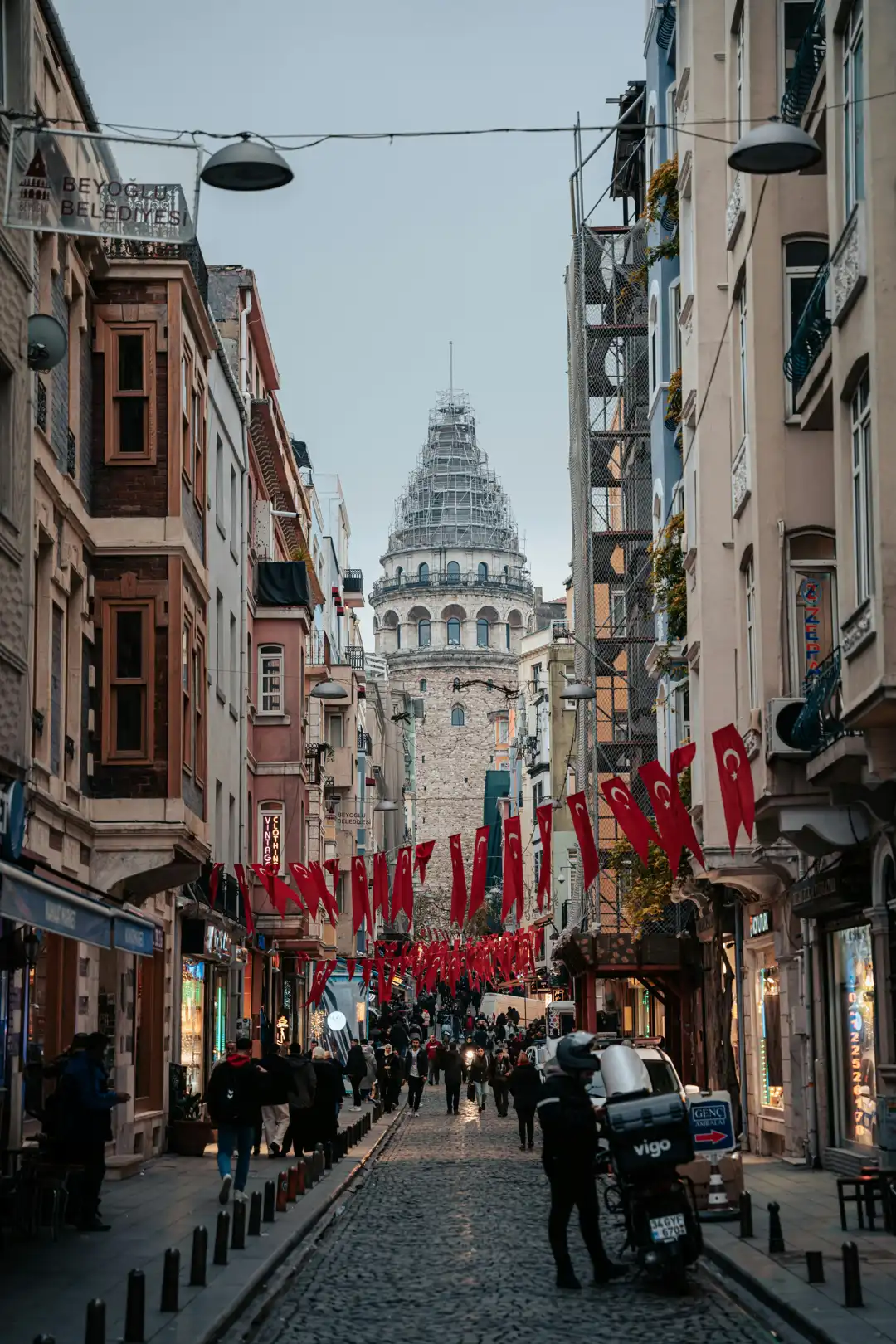
From Karaköy, visitors can walk uphill or use the historic Tünel connection toward Beyoğlu and continue on foot. From İstiklal Avenue, the approach is generally downhill through Galip Dede Street.
The official Istanbul rail network map shows metro, tram, funicular, heritage tram, and Tünel connections for planning the wider route.
Starting area | Common approach | Effort |
|---|---|---|
Karaköy | Uphill walk or Tünel plus walk | Steep if entirely on foot |
İstiklal Avenue | Walk down Galip Dede Street | Downhill with uneven paving |
Sultanahmet | Tram toward Karaköy, then walk or Tünel | One transfer and a neighborhood walk |
A Half-Day Galata and Karaköy Route
Begin near İstiklal Avenue or Şişhane, walk through Galip Dede Street, visit the tower, then continue downhill through Galata’s side streets to Karaköy and the waterfront.
For a wider three-day Istanbul route, place this half-day before or after Sultanahmet, the Bosphorus, or the Asian side to avoid unnecessary backtracking.
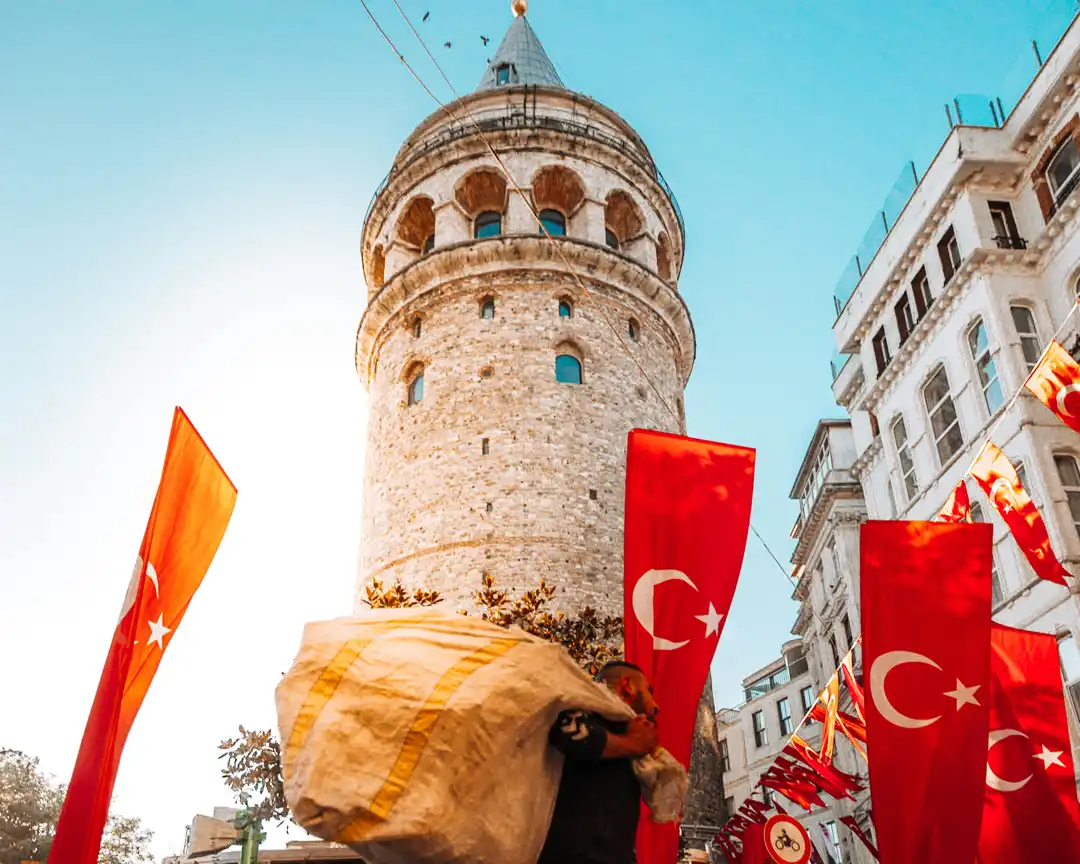
Allow time for stairs, cafés, small shops, and street photography. If the tower queue is excessive, explore the neighborhood first and return only if the timing still fits.
Cafés and Food Nearby
Galata and Karaköy offer bakeries, coffee shops, meyhanes, and modern restaurants across a wide price range. Check menus before sitting down at a view-focused venue, where location may matter more than food quality.
A cup of Turkish coffee suits a short café stop, while tea, simit, börek, or a full breakfast can turn the neighborhood into a slower morning route.

Photography Tips
The tower is easier to photograph from nearby streets than from directly below. Look for framed views along sloping lanes, then use the upper deck for wider city layers instead of only close skyline details.
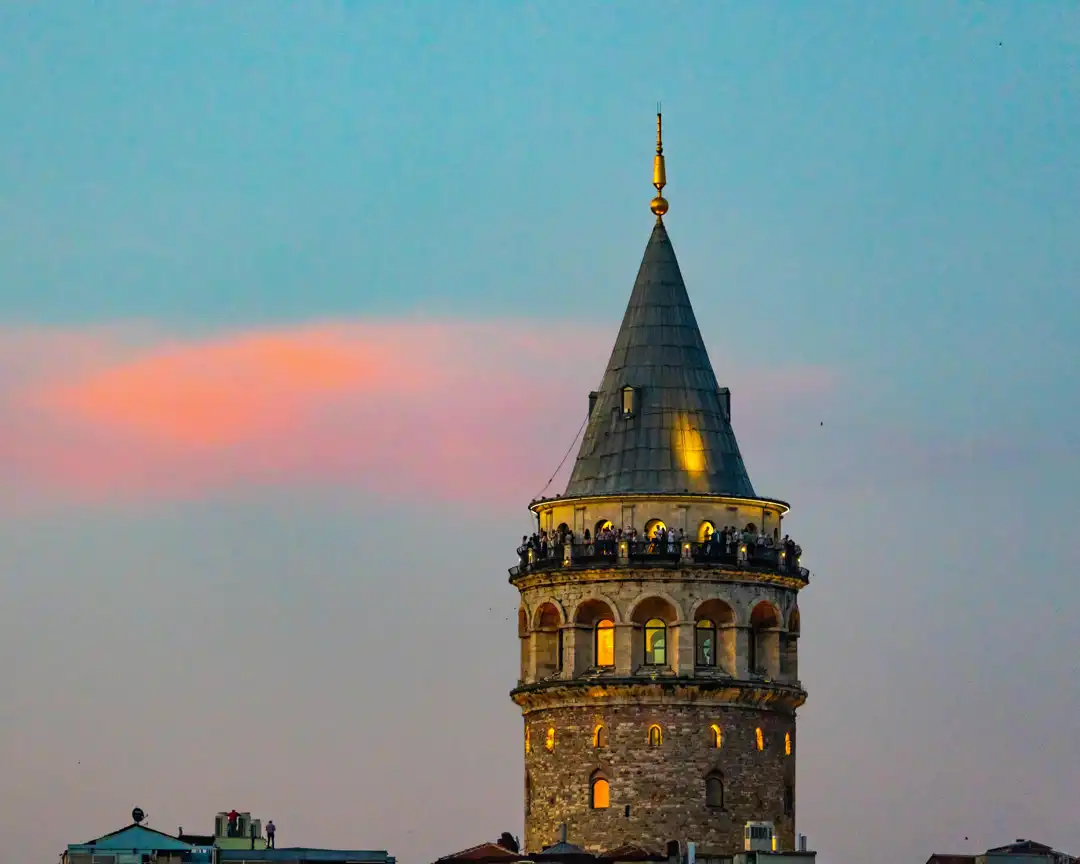
Keep equipment compact in crowded spaces, secure loose items in wind, and avoid blocking circulation. Morning provides cleaner street views; dusk combines tower lighting with the remaining color in the sky.
Travel light because narrow stairs and controlled visitor flow make bulky bags awkward. Confirm current tripod, luggage, and photography rules with the museum before carrying specialized equipment uphill.
Comparing Historic Viewpoint Experiences
Galata Tower is a short urban museum visit with a single concentrated viewpoint. A large outdoor monument demands different footwear, time, transport, and physical preparation.
Historic viewpoints can require very different levels of effort. A China Great Wall tour may involve section choice, long transfers, uneven terrain, and half-day planning; Galata Tower better suits a compact urban museum visit with one concentrated panorama.
Factor | Galata Tower | Great Wall visit |
|---|---|---|
Setting | Dense city neighborhood | Extended outdoor monument |
Typical time | One to two hours | Half day or longer |
Main effort | Queue, stairs, and steep streets | Transfers, hiking, and uneven terrain |
Choose Galata Tower when you want a short, weather-aware viewpoint that fits into a neighborhood walk. The Great Wall is a separate excursion, while Galata can remain one stop in a connected Beyoğlu and Karaköy route.
Mobile Data and Trip Preparation
A Turkey eSIM can provide data for maps, forecasts, and museum checks on a compatible unlocked phone. Install it before departure and follow the plan’s activation instructions.
Save the official museum page and an offline map around Galata. Keep a charged battery for tickets and navigation, but do not rely on live data as the only copy of essential booking details.
Before the visit | Useful action |
|---|---|
Official information | Save the current museum record |
Navigation | Download Galata and Karaköy offline |
Battery | Charge the phone before ticket and photo use |
FAQ
1. How long does a Galata Tower visit take?
Allow one to two hours inside, plus extra time for queues and the surrounding neighborhood.
2. Is there an elevator?
An elevator serves much of the tower, but stairs and constrained circulation remain part of the visit.
3. Is sunset the best time?
It is atmospheric but popular; clear morning light can offer shorter queues and sharper city detail.
4. Can you buy tickets at the tower?
Sales arrangements can change, so confirm current official options before arriving.
5. What should you visit nearby?
Combine the tower with Galip Dede Street, Karaköy, Galata Bridge, and the waterfront.
Conclusion
Galata Tower combines a compact museum, layered history, and one of Istanbul’s clearest introductions to the city’s geography.
Check official access information, choose a weather-aware time, and approach through a route that matches your mobility and transport needs.
Leave space for Galata and Karaköy after the viewpoint, because the surrounding streets make the visit more than a single skyline photograph.