
Turkey’s mountains stretch from the humid Black Sea coast to the dry interior and high eastern plateaus. The Taurus, Pontic, Kaçkar, and Ararat landscapes support hiking, climbing, skiing, wildlife, and centuries of human history.
Conditions vary sharply by range and season, so a successful trip depends on matching the route to your fitness, weather window, transport, permit needs, and emergency plan.
This guide explains the main mountain regions, their cultural importance, outdoor activities, practical planning, conservation, and route choices. An iRoamly travel eSIM can also support maps and messages where mobile service is available, although it never replaces offline navigation.
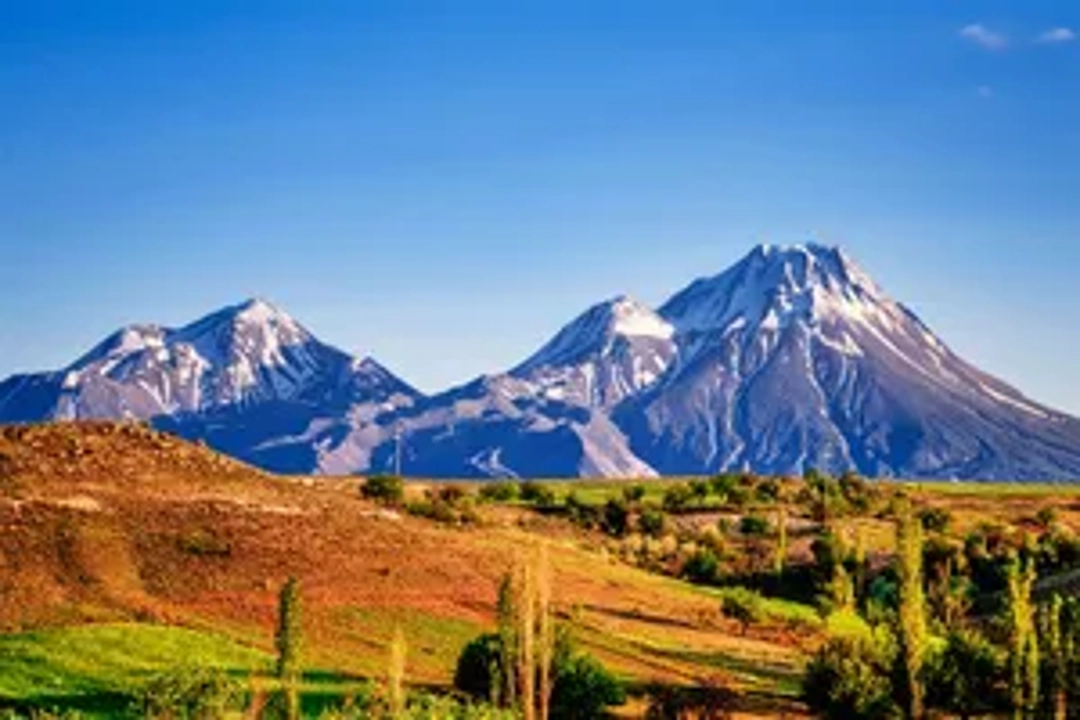
Geographical Context: The Land of Peaks
Turkey lies where major tectonic zones meet, which helps explain its folded ranges, volcanic peaks, deep valleys, and steep elevation changes. The result is not one continuous mountain environment but several distinct regions with different weather and terrain.
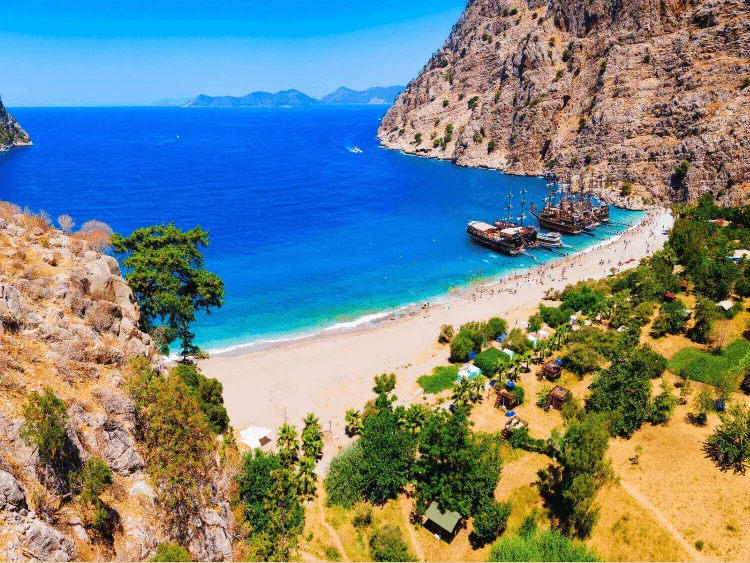
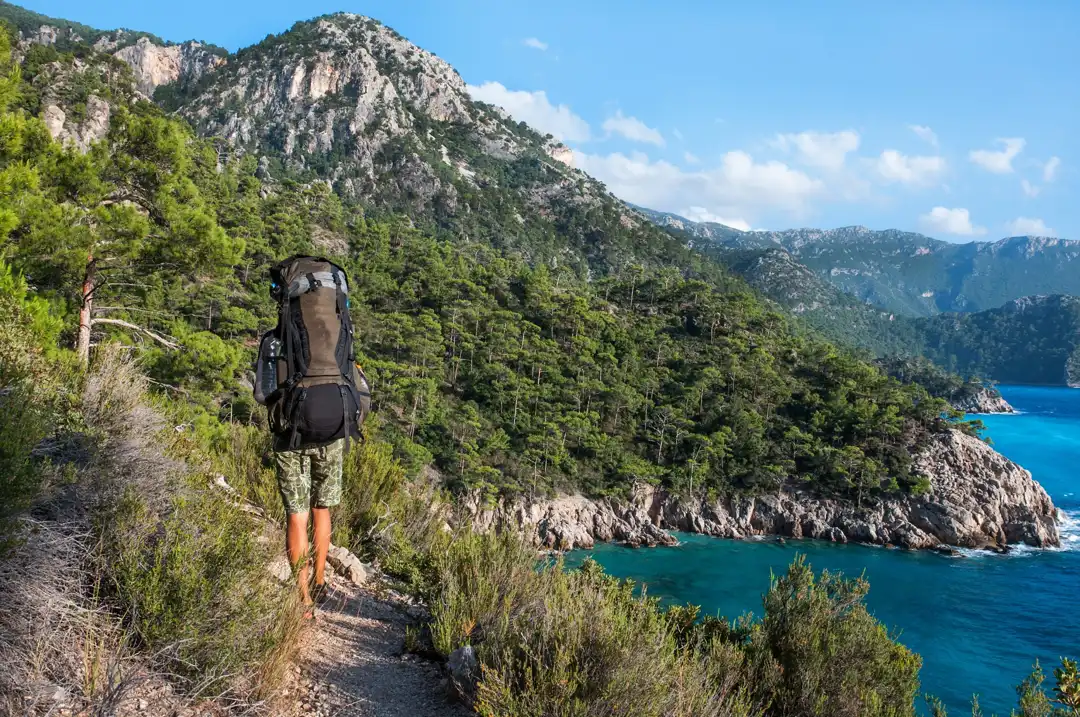
The Taurus Mountains arc across southern Turkey and form a rugged barrier above the Mediterranean. Limestone ridges, canyons, plateaus, and high passes make this region suitable for long walks, climbing, and road-based exploration.
Along the Black Sea, the Pontic and Kaçkar ranges receive more moisture. Their greener slopes, alpine lakes, cloud, and fast-changing conditions contrast with the drier interior and volcanic eastern highlands.
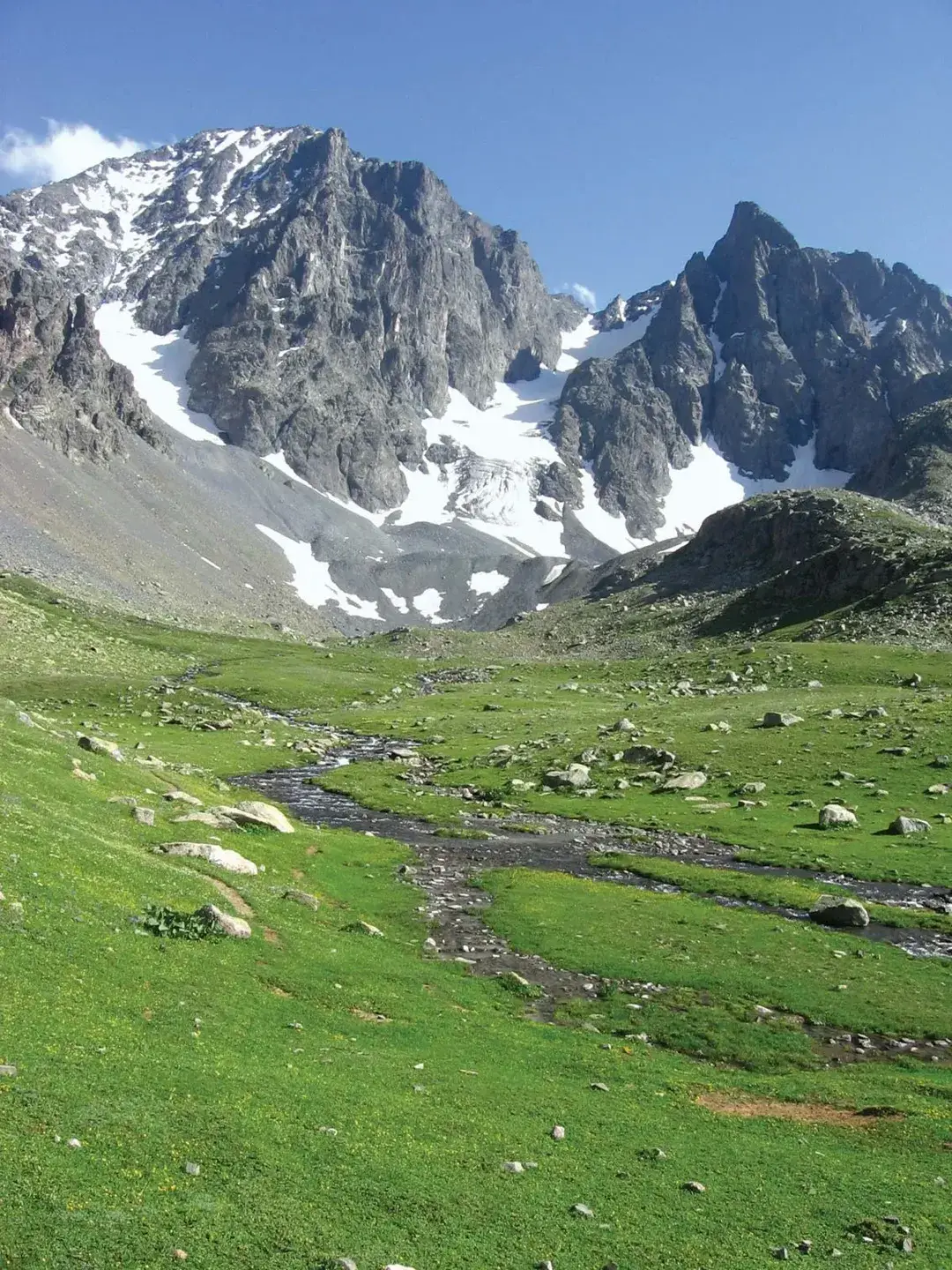
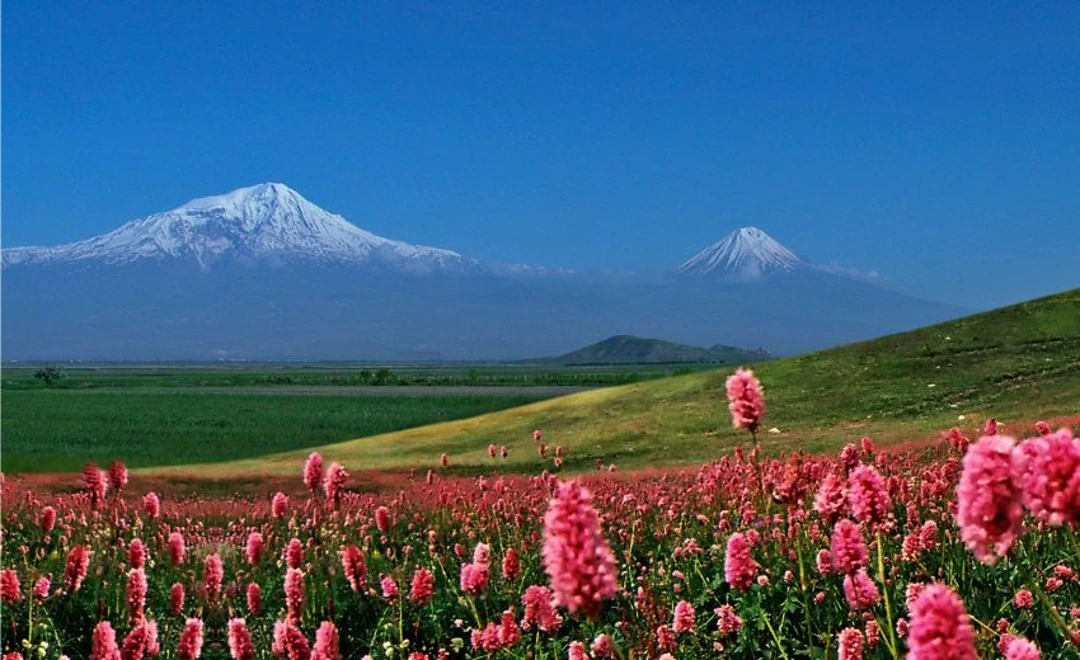
Mount Ararat dominates the eastern skyline, while Erciyes, Uludağ, and other peaks serve different climbing or winter-sport markets. Choose a range by activity, access, altitude, and season rather than treating every Turkish mountain as interchangeable.
Cultural and Historical Significance
Mountains have shaped migration, trade, defense, settlement, and storytelling across Anatolia. Routes through passes connected inland communities with the Black Sea and Mediterranean coasts, while high ground offered strategic control over valleys.
Mount Ararat carries strong religious and cultural associations, especially through traditions connected with Noah’s Ark. These traditions are important to many visitors, but they should be presented as belief and heritage rather than archaeological proof.
Fortresses, caravan routes, villages, and pastoral landscapes also connect the mountains to the wider history of Turkey. Walking through these areas adds context to the empires and communities that crossed Anatolia.
Respect living culture as well as ancient sites. Ask before photographing residents, follow local guidance around grazing land, and avoid presenting working villages or sacred places as empty scenery.
Outdoor Activities and Best Seasons
Hiking is the most accessible activity, but difficulty ranges from short plateau walks to remote, exposed routes. Spring and autumn often suit lower trails, while high passes may retain snow or receive early storms.
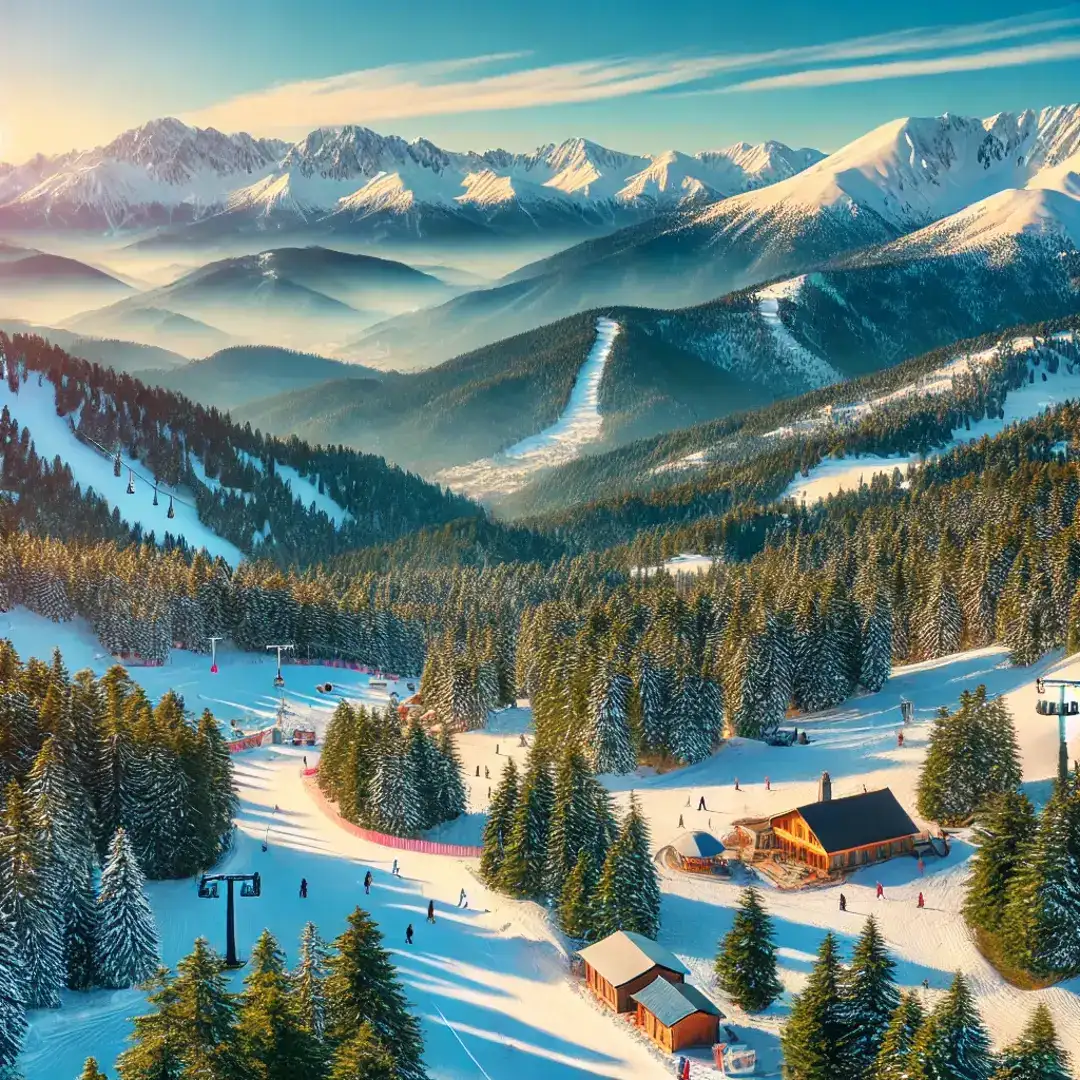
The best time to visit Turkey depends on region and activity. Winter supports skiing at developed resorts, while summer is more suitable for high-altitude trekking once snow and avalanche hazards have eased.
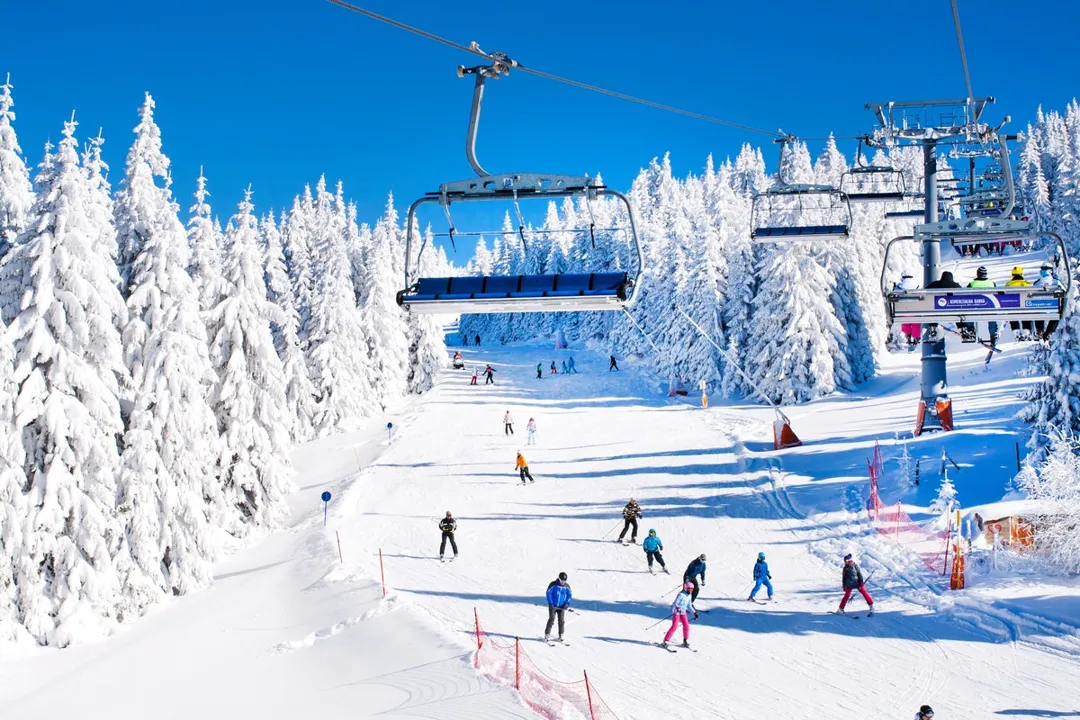
Climbing, mountain biking, rafting, horseback riding, caving, and paragliding are available in selected areas. Use qualified operators for technical or airborne activities and confirm that equipment, insurance, and rescue arrangements match the risk.
Beginners should start with marked day routes near a town or managed park. Experienced travelers still need local weather advice because altitude, heat, fog, snow, and loose rock can change a familiar-looking route quickly.
Permits, Guides, Accommodation, and Gear
Not every mountain requires the same paperwork. Mount Ararat lies in a controlled area, and the official mountaineering protocol sets out authorized routes and local coordination for foreign climbers.
Arrange restricted ascents through a reputable local operator before traveling. Confirm the current permit process, guide responsibilities, meeting point, acclimatization schedule, group size, emergency plan, and what the quoted price includes.
Accommodation ranges from hotels and pensions in gateway towns to mountain lodges and designated camps. Do not assume wild camping is permitted; rules vary by protected area, season, fire risk, and local land management.
Pack for the specific route: broken-in boots, insulating and waterproof layers, sun protection, water treatment, first-aid supplies, food, a headlamp, and an offline map. Technical peaks may also require crampons, an ice axe, rope skills, and an experienced guide.
Environmental Impact and Conservation
Turkey’s mountain ecosystems contain forests, alpine meadows, wetlands, and habitats for sensitive plants and wildlife. Fire, erosion, litter, off-trail travel, unmanaged camping, and pressure on water sources can damage these environments.
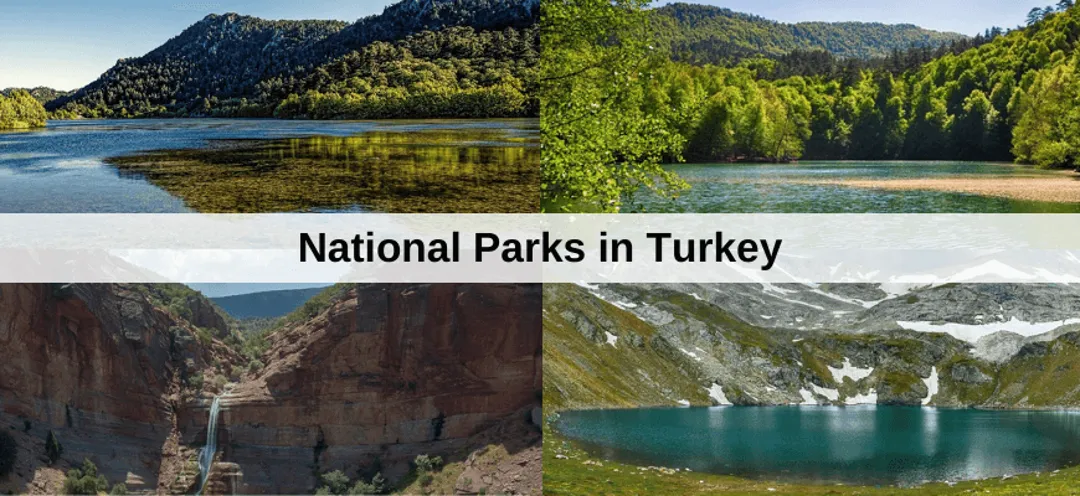
Protected areas are managed for both nature and visitors, and the national parks of Türkiye span several geographic regions. Check the relevant park or local authority for current access and camping rules.
The choices below reduce impact without making a trip less rewarding.
Visitor choice | Why it matters | Practical action |
|---|---|---|
Stay on established routes | Limits erosion and habitat disturbance | Follow signs and avoid shortcuts |
Manage waste | Protects wildlife and water | Pack out all rubbish and food scraps |
Use legal campsites | Reduces fire and sanitation risks | Confirm local rules before pitching a tent |
Keep wildlife distance | Avoids stress and feeding behavior | Observe quietly without approaching |
Support local guides, lodges, and conservation projects when they operate responsibly. Leave natural objects and archaeological material in place so later visitors and researchers encounter the same landscape.
Transport, Safety, and Connectivity
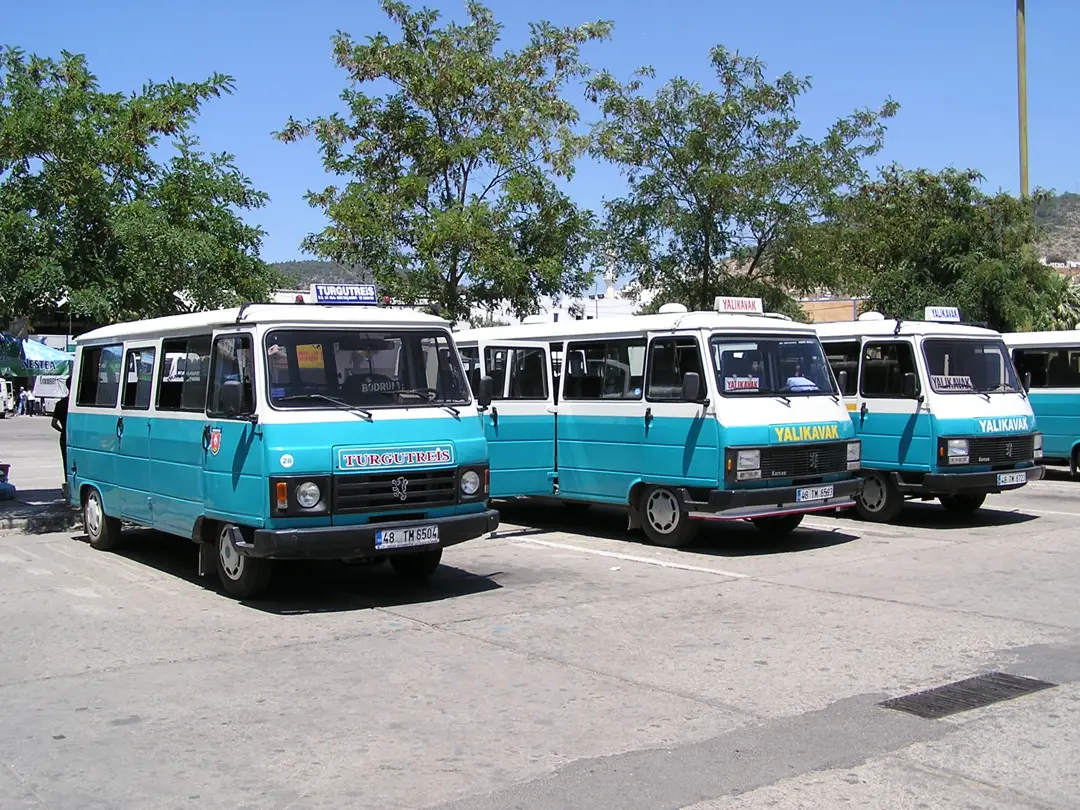
Buses and trains reach many regional centers, while dolmuş services connect some towns and villages. Remote trailheads may require a private transfer or rental car, so confirm the return journey before starting.
A Turkey eSIM can help with transport changes, forecasts, and messages in covered areas. Download maps, permits, bookings, and emergency details in advance because valleys and high terrain may have weak or no signal.
Leave your route and expected return time with a reliable contact. Carry adequate travel insurance for hiking or mountaineering, know the limitations of your policy, and turn back when visibility, weather, fatigue, or route conditions deteriorate.
For isolated routes, consider a satellite communicator or personal locator beacon where legal and appropriate. A charged phone is useful, but it is not a complete emergency system.
Regional Safety Checks
Mountain access can change with security operations, weather, and local restrictions. Review the current Türkiye travel advisory, then confirm the exact route with local authorities or your operator before departure.
Trail Planning by Experience Level
Build a route around distance, elevation gain, surface, exposure, navigation difficulty, water access, daylight, and escape options. A short steep route can demand more than a longer valley walk.
Beginner and Intermediate Routes
Beginners benefit from marked trails near managed parks, plateaus, or towns, with modest elevation gain and a clear turnaround point. Test footwear and pacing on a shorter walk before committing to a full day.
Intermediate hikers can add steeper terrain or longer distance, but should keep a weather buffer and avoid combining unfamiliar navigation, altitude, and technical exposure on the same first outing.
Advanced Ascents and Route Comparison
Advanced routes may involve altitude, snow, glacier travel, loose rock, long approaches, or restricted access. Fitness alone is not enough; technical competence, acclimatization, local knowledge, and conservative decisions matter.
On well-used volcanic peaks, route choice often determines total effort and exposure. A Japan Mount Fuji guide provides a useful contrast because its maintained ascents begin at different elevations and require different amounts of time.
Turkey’s higher or more remote objectives usually have fewer facilities and may add permit, guide, or transport constraints. Compare the complete day, not only summit height, before deciding whether a route fits your experience.
Points of Interest and Itinerary Logic
A mountain itinerary can combine hiking with ruins, villages, lakes, viewpoints, or regional food, but extra stops should not compromise daylight or recovery. Reserve a weather day for high objectives rather than packing every hour.
When a mountain trip forms part of a wider journey, select places to visit in Turkey that follow the same transport corridor. This reduces backtracking and leaves more time for acclimatization and rest.
FAQ
1. What is the best season for hiking in Turkey?
Spring and autumn suit many lower routes, while high mountain trails are generally better after seasonal snow conditions become manageable.
2. Do I need a permit to climb Mount Ararat?
Yes; foreign climbers should arrange current access requirements and authorized-route logistics through a reputable local operator.
3. Are Turkey’s mountains suitable for beginners?
Yes, but beginners should choose marked day trails with modest elevation gain and reliable access rather than remote or technical peaks.
4. Can I rely on mobile coverage in the mountains?
No; download essential information offline and carry a separate emergency communication option for remote routes when appropriate.
5. What should I pack for a mountain day trip?
Carry sturdy footwear, layers, rain protection, sun protection, water, food, first aid, a headlamp, and an offline map.
Conclusion
Turkey’s mountain regions combine varied geology, living culture, outdoor recreation, and demanding terrain. The best experience comes from choosing a range and route that match the season and your ability.
Check permits, transport, weather, accommodation, equipment, and emergency plans before departure. Protect the landscape by following local access rules, staying on established routes, and managing waste carefully.
With realistic pacing, reliable local information, and room for conditions to change, hikers and climbers can explore Turkey’s mountains more safely and responsibly.