
Recreational cannabis is illegal in Japan, and travelers should not use, possess, buy, sell, cultivate, or import cannabis or unauthorized cannabis-derived products.
A product sold legally elsewhere can still create a serious problem at the border, especially when it contains THC, has unclear ingredients, or is packed with ordinary food, cosmetics, or vaping items.
This guide explains the legal position, regulated medical and industrial uses, penalties, customs checks, and traveler precautions. A Japan eSIM supports access to official notices abroad but does not make a restricted product legal.
Is Marijuana Legal in Japan?
No. Cannabis is illegal in Japan.
Activity | Traveler rule |
|---|---|
Recreational use | Prohibited |
Possession or purchase | Prohibited |
Import or export | Prohibited without lawful authorization |
Cannabis-derived medicine | Regulated; foreign legality alone is not permission |
Under Japan’s newly updated Cannabis Control Law and Narcotics and Psychotropic Substances Control Law, it is illegal to use, possess, grow, sale, purchase, or import/export marijuana plants or any products derived from them.
The translated Japanese cannabis law confirms that unauthorized possession, cultivation, receipt, and transfer are prohibited.
Is Cannabinoid Legal in Japan?
CBD and other cannabinoids are legal in Japan, providing they contain absolutely no THC – this is the legal definition that separates cannabinoids from illegal marijuana.
They are widely available in forms such as oils, creams and food supplements, and are used for health benefits without any psychoactive properties.
Medical and Industrial Hemp in Japan
1. Are They Legal?
Yes, but with significant restrictions.
There's a whole bunch of conditions and exceptions involved.
Basically, the industrial side of cannabis, such as hemp seeds and the mature stalk, are legal for industrial use in products like animal feed and essential oils, textiles, or objects used in traditional Shinto religious practices. But just about everything else is illegal, from recreational use to even uncertified medical use.
2. Strict Regulation on Cultivation Licenses
The Japanese government is very cautious about issuing licenses for cultivating cannabis.
As of the close of 2022, a mere 27 licenses to cultivate the plant had ever been issued in the country. This tight control makes the market for cannabis plants and their products almost non-existent, as only licensed researchers or cultivators can legally grow them.
Under the newly amended Cannabis Plant Cultivation Regulation Act (expected to be enforced in 2025), a person must first apply for a cannabis plant grower license, either Class I or Class II, depending on the cultivation purpose, if they wish to grow cannabis plants:
Class I Cannabis Cultivator License:
A Class I cannabis grower is a person who cultivates cannabis plants to collect the raw materials, including mature stalks, seeds, or any other product (e.g. CBD products) allowed.
They can grow cannabis plants containing only THC, as long as the THC content does not exceed 0.3% of the plant by weight.
Those growing Class I marijuana need a license from the governor, which they will have to renew every three years.
Licensed Class I cannabis cultivators are permitted to extract CBD from the cannabis plants they grow with an additional license from the Minister of Health, Labour and Welfare.
Class II Cannabis Cultivator License:
Class II medical marijuana growers cultivate plants for the raw ingredients in pharmaceutical applications.
They are permitted to cultivate cannabis plants with high concentrations of THC.
Class II licenses to cultivate cannabis are issued by the Minister of Health, Labour and Welfare and are required to be renewed every year.
3. Law Change for Medical Cannabis and Cannabinoids
Changes in the law have eased controls on medicinal products made from cannabis.
Such products are now available if they are recognised by the Pharmaceutical and Medical Devices Act – even if they contain cannabis.
Any pharmaceutical product containing THC, however, will continue to be classified as strictly controlled narcotics, requiring a manufacturing and distribution licence in addition. This means that use cannabis directly for medical purposes, outside approved pharmaceutical products, remains illegal.
Japanese Cannabis Laws and Penalties
In Japan, they take cannabis very seriously. The Cannabis Control Law, which came into force in 1948, has been amended several times since, with the revisions invariably serving to toughen penalties and restrictions.
What are the penalties for cannabis offenses in Japan?
From December 12th 2024, Japan’s cannabis laws will become much harsher:
The Ministry of Health proposes that anyone using, possessing or growing cannabis could face seven years in prison.
A maximum sentence of up to seven years is proposed for cannabis possession, as well as for its transfer or receipt, as well as a fine of up to 2 million JPY.
Growing, exporting or importing it, meanwhile, deserves ten years and a fine of up to 3 million JPY.
Japan had previously been relatively permissive about use, in order to protect domestic hemp farmers. The government now, however, wants to make sure that more people, especially young people, do not use it.

What should travelers know?
If you’re visiting Japan, these laws apply to you just as much as they do to locals. The country can be just as strict with tourists as with its citizens when it comes to drugs. So being caught with weed saying you weren’t aware of the rules is not going to help you avoid tough punishment.
This could mean time in jail or deportation. And, no, there is no special treatment for tourists—you are expected to obey the law. Understanding local laws in Japan is as important as caring about tourist safety issues in Japan to ensure a smooth and trouble-free trip.
Understanding Japan travel safety includes knowing that products legal at home may still breach Japanese law.
How does Japan's approach to cannabis regulation compare to global trends?
While most of the world is relaxing cannabis regulations, Japan goes against the trend, maintaining strict control similar to China’s zero tolerance on cannabis. Compared with other countries and other drugs, cannabis use in Japan is very low. According to Wikipedia, only 1.8 percent of the Japanese population had tried cannabis in 2019.
Regional rules are not interchangeable: China cannabis laws are also strict, but travelers must verify each country’s prohibited acts, product definitions, and penalties separately.
Entry and visa consequences
A customs or criminal case can affect detention, onward travel, and future entry decisions, and individual consequences require qualified official advice.
An arrest or customs violation can disrupt the entire trip, so travelers should also review Japan visa requirements and use official immigration advice for any case-specific consequence.
Customs Checks for Travelers
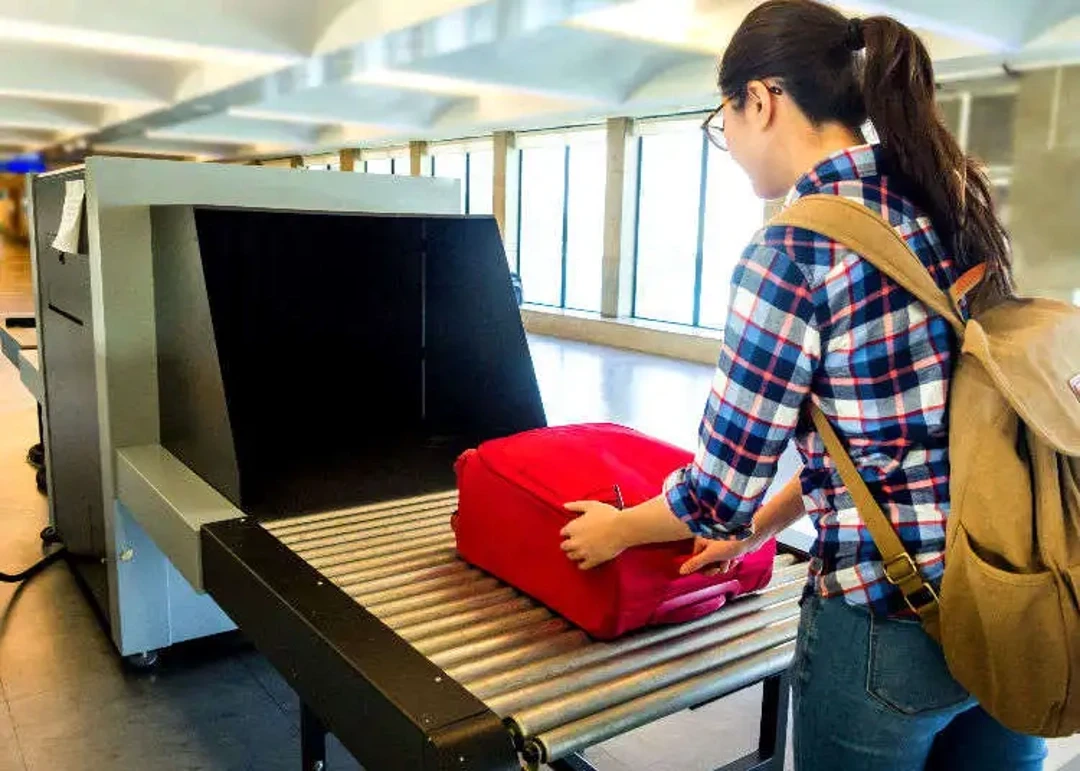
If you plan to travel to Japan, remember that customs checks are stringent. Any cannabinoids or cannabis-based products that contain THC are governed by strict laws, and attempting to import them may lead to criminal charges, fines or deportation.
Item | Before packing |
|---|---|
Cannabis or THC product | Do not bring it |
CBD or cannabinoid product | Verify current Japanese ingredient and THC rules |
Prescription medicine | Check import procedures with the proper Japanese authority |
Unlabeled food, oil, cosmetic, or vape | Leave it behind if ingredients cannot be confirmed |
Japan's list of prohibitive items for entry is extensive, so it is best to familiarize yourself before travel to avoid any inadvertent mistakes and to ensure a smooth trip.
To see what you can’t bring into Japan, visit: https://www.customs.go.jp/english/summary/passenger.htm
Japan Customs advises passengers on prohibited and restricted items in its passenger clearance guidance.
Digital access at the border
Border staff evaluate the product and applicable law, not the traveler’s assumptions or the rules printed by a foreign retailer.
Saved official pages and translated ingredient lists are easier to retrieve with reliable data, and iRoamly eSIM plans can support that access; when legality is uncertain, however, the product should remain outside the luggage.
Japanese Attitude Towards Marijuana
There is a strong cultural stigma against marijuana use in Japan, and both the law and public sentiment portrays it as damaging to social fabric and individual stability. Morever, high-profile scandals involving public figures have increased mainstream awareness and discussions.
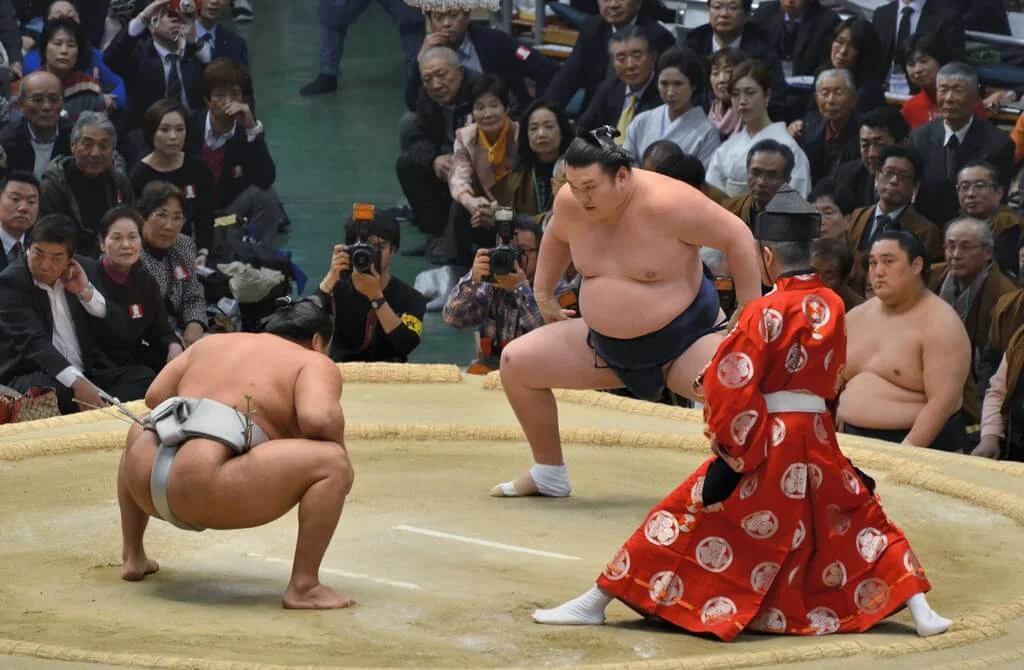
Paul McCartney's 1980 arrest at Narita International Airport and the expulsion of four sumo wrestlers in 2008 over marijuana-related offenses have significantly shaped modern discussions of cannabis in Japan, highlighting the wider impact such controversies have had on public attitudes and the country's sporting culture.
For travelers, these examples help illustrate Japan's broader legal approach to regulated activities.
Restrictions on controlled substances exist alongside other age-based regulations, including the Japan drinking age of 20.
Understanding both can help visitors avoid assumptions based on the laws or social norms of their home country and travel with greater confidence.
FAQ
1. Are vapes illegal in Japan?
Vaping devices themselves are not illegal, but using cartridges containing THC is.
2. Is CBD legal in Japan?
Only if it has absolutely no THC in it, and even then, its sale is tightly restricted.
3. Do they drug test tourists in Japan?
While tourists aren’t commonly targeted for drug testing, accusations of other illegal behavior or drug use may raise suspicions.
Conclusion
The safest rule for travelers is to leave cannabis, THC products, and unclear cannabinoid items out of luggage bound for Japan.
Do not rely on foreign prescriptions, retail labels, or legality in another country; verify any medicine through the proper Japanese authority before travel.
Strict customs preparation and respect for local law prevent a high-consequence mistake at arrival.