
Japan is generally a safe destination, but low everyday crime does not remove risks from natural disasters, nightlife, crowded transport, road conditions, or unfamiliar local laws.
Travelers should prepare for earthquakes and severe weather, protect valuables in busy areas, and know how to reach police, ambulance, fire, and multilingual visitor support.
This guide separates routine precautions from higher-impact hazards and emergency planning. A Japan eSIM can keep maps, warnings, translation, and family contact available when plans change.
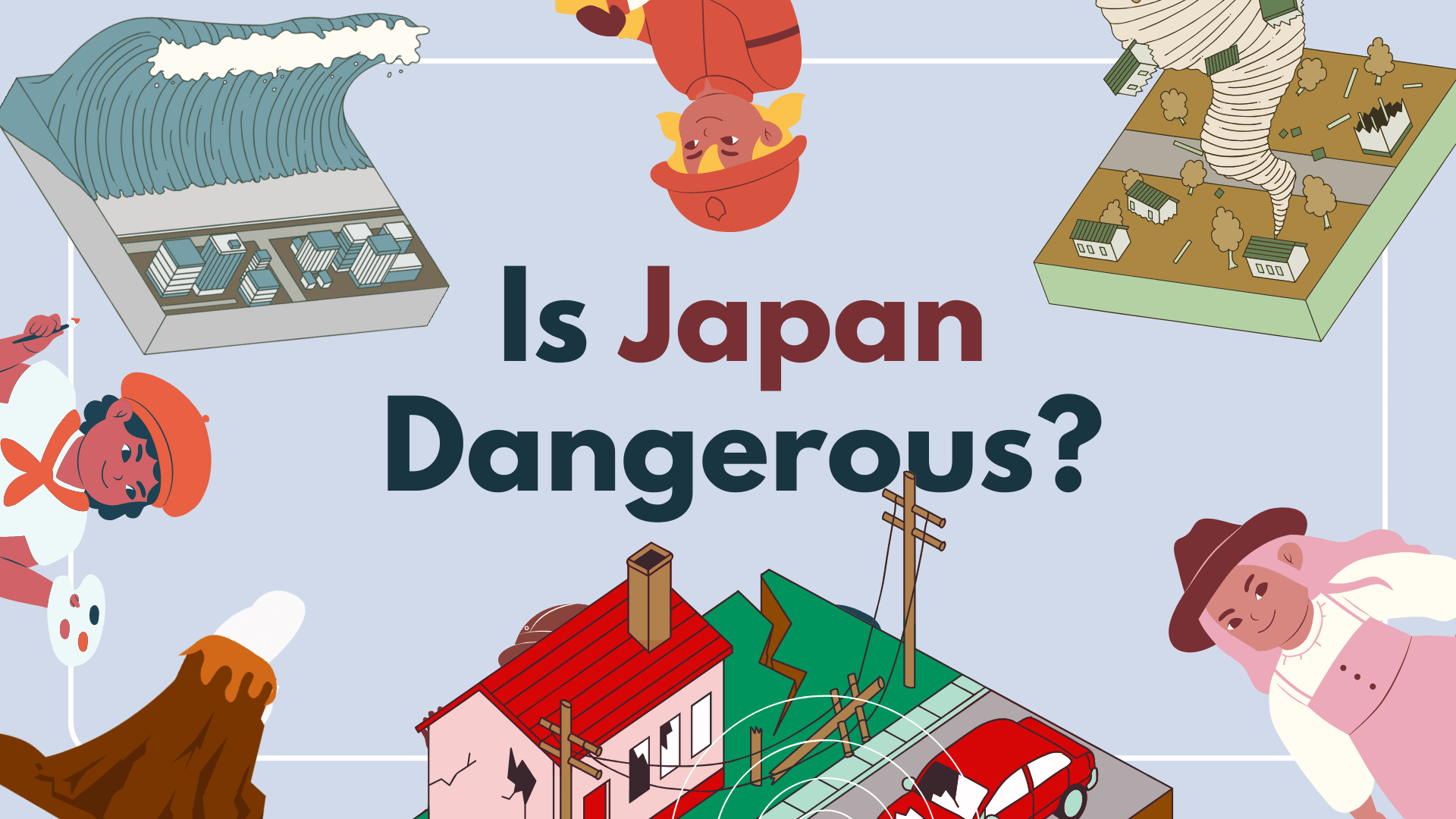
Is Japan safe?
Japan is well known as one of the safest countries in the world, with safety a major reason people choose it as a destination for adventure and relaxation.
Risk area | Practical response |
|---|---|
Petty theft or lost property | Secure documents and ask a station, venue, or police box for help |
Medical emergency or fire | Call 119 |
Crime or urgent police help | Call 110 |
Earthquake or severe weather | Follow official alerts and local evacuation instructions |
Low crime rates, strict laws and regulations, and generally high public safety standards all contribute to this. As anywhere you might travel, a little caution can't hurt, though. How can you be safety smart and have an enjoyable and secure adventure?
The following tips should help you travel safely and securely while you're living the Japanese dream.
JNTO’s official Japan safety guidance lists emergency actions, visitor support, and practical preparation for crime and disasters.
How Japan’s risk profile differs from the United States
International safety comparisons are most useful when they separate routine personal risk from transport, weather, and disaster-response planning.
Both destinations require ordinary city awareness, but the dominant planning questions differ. A U.S. travel safety guide emphasizes wider regional variation and road or neighborhood decisions, while Japan places more weight on earthquake, tsunami, and typhoon readiness; Japan remains the easier choice for travelers prioritizing dense public transport and low routine crime.
Tips on How to Stay Safe when Travelling
You can't just jump on a plane to Japan; you need to take care when planning your trip. Here's how to safely plan your adventure:
Stay Smart: Sign up for Smart Traveler Enrollment Program (STEP) for travel advisories mailed to you andeasier embassy location.
Stay Social: Follow the official Department of State, and Embassy Tokyo’s American Citizen Services both on your favorite social media channels, including Facebook and Twitter, for messages and general travel advice.
Stay Healthy: Consult the CDC's site for Japan-specific health advice to ensure you are prepared for local health struggles.
Stay Informed: Always read up on the latest Country Security Report for Japan to understand more about safety in the country.
Stay Ready: Develop a contingency plan and have your Traveler's Checklist nearby to be prepared for any situation.
Stay Smart... Wait, did we already do that one? Well – again – acquaint yourself with Japanese laws and customs, try to learn some basic Japanese phrases and download a translation app, and keep a copy of important documents (like your passport) handy for your peace of mind.
Safety details
Some resources for emergency updates, in case you find yourself dealing with a natural disaster while visiting Japan, include:
NHK WORLD-JAPAN (website)
Japan Meteorological Agency (website)
Safety Tips (app)
At the same time, it is recommended to purchase a Japan eSIM in advance to ensure you can access the latest disaster information at any time.
Emergency phone numbers in Japan are:
General emergency (police, fire): 110
Ambulance and fire: 119
Tokyo English Life Line (TELL): +81-3-5774-0992 for mental health attention.
Offline maps are useful, but live warnings and family contact may still matter; iRoamly travel eSIM options can support those tools between hotels and stations.
Potential hazards for travelers in Japan:
These are all general travel dangers that are relevant to almost any place, not just Japan, but here are a few factors to bear in mind.
1. Crime
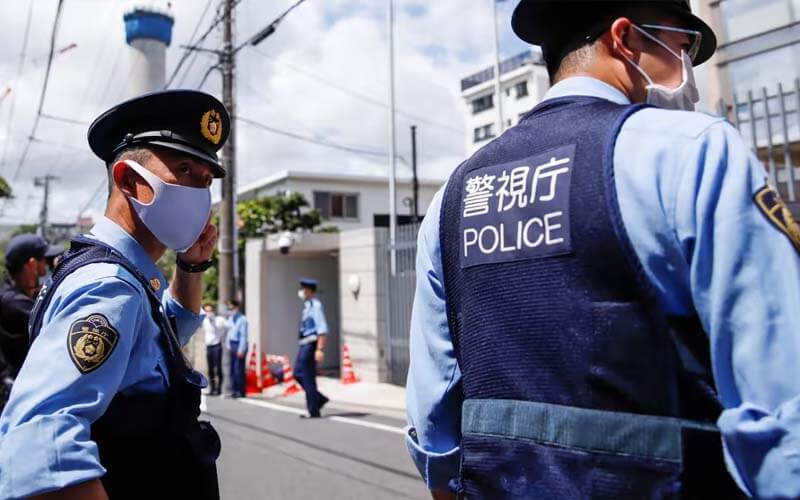
While Japan’s crime rate is famously low, pickpocketing and bag-snatching crimes do occur, primarily in densely populated areas such as Kabukicho, Roppongi, Shibuya and Ikebukuro. Keep your wits about you and remain aware of your surroundings.
2. Fraud
Credit card or ATM fraud is rare, but not unheard of. Stick to machines in secure areas and check your statements as you go.
3. Local Legal
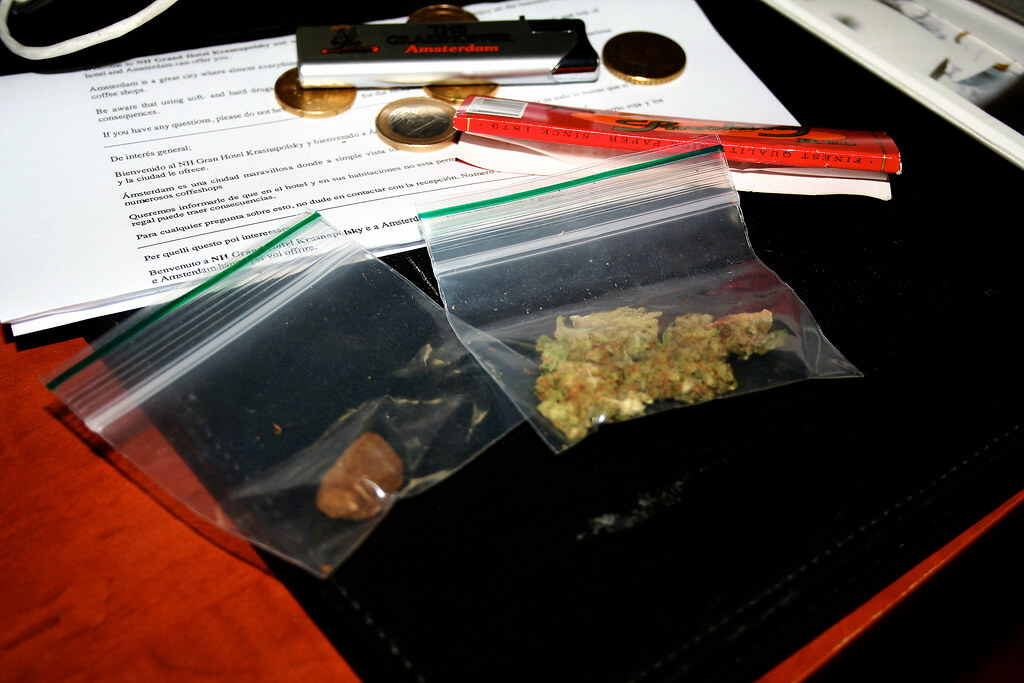
Japan has some strict laws, especially around alcohol and cigarettes, while weed is illegal in Japan and drug use of any kind can result in harsh penalties. Familiarize yourself with relevant laws to avoid legal mishaps.
4. Female Safety
Japan is relatively safe for solo female travelers, but use caution on crowded trains or in bars, as reports of groping or spiked drinks have surfaced before.
5. Social
Some bars or clubs may be reticent to admit tourists, suspicious of language barrier misunderstandings. Having a local with you, or even a Japanese-speaking compatriot, can help.
6. Mule Warning
Courier scamming, or getting an unwitting visitor to carry illegal drugs into the country, is one scam that has been reported on. Avoid accepting unusual packages or luggage requests from new acquaintances.
7. Food Or Drink Drugging
Just be cautious of your drinks, as always, and don't leave them unattended, even in a seemingly safe environment. Also, be mindful that the legal age for drinking in Japan is 20, and underage drinking can lead to trouble with local authorities.
8. Public Transport
Japan is known for having one of the most efficient transportation systems in the world, and it is typically very safe. During rush hours, in particular, subways and trains can be dangerously crowded, so keep bags close and, if available, consider using women-only carriages.
Alongside these social concerns, it is also important to keep in mind the natural dangers: serious incidents are rare, but the elements demand respect.
Visitors should treat Japan cannabis laws as a strict legal boundary, including products bought legally in another country.
Alcohol and nightlife
Personal safety can change late at night, especially when alcohol, unfamiliar neighborhoods, crowded venues, and limited return transport overlap.
Nightlife planning should include the Japan drinking age of 20, sensible alcohol limits, and a safe route back before the last train.
Natural Disasters
Japan has a pretty good set of geographical and climatic factors that make it prone to a variety of natural disasters though. The main ones to know about are:
Earthquakes and Tsunamis: These occur without warning, with Japan being located on the Pacific Ring of Fire.
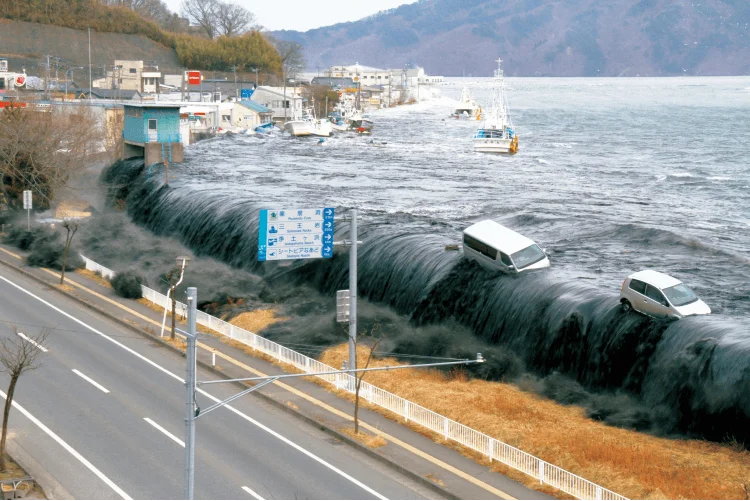
Typhoons: The typhoon season in Japan lasts from May to October, with the peak usually occurring in August or September.
Volcanic Eruptions: Japan's volcanoes can erupt at any time – without much warning, either!
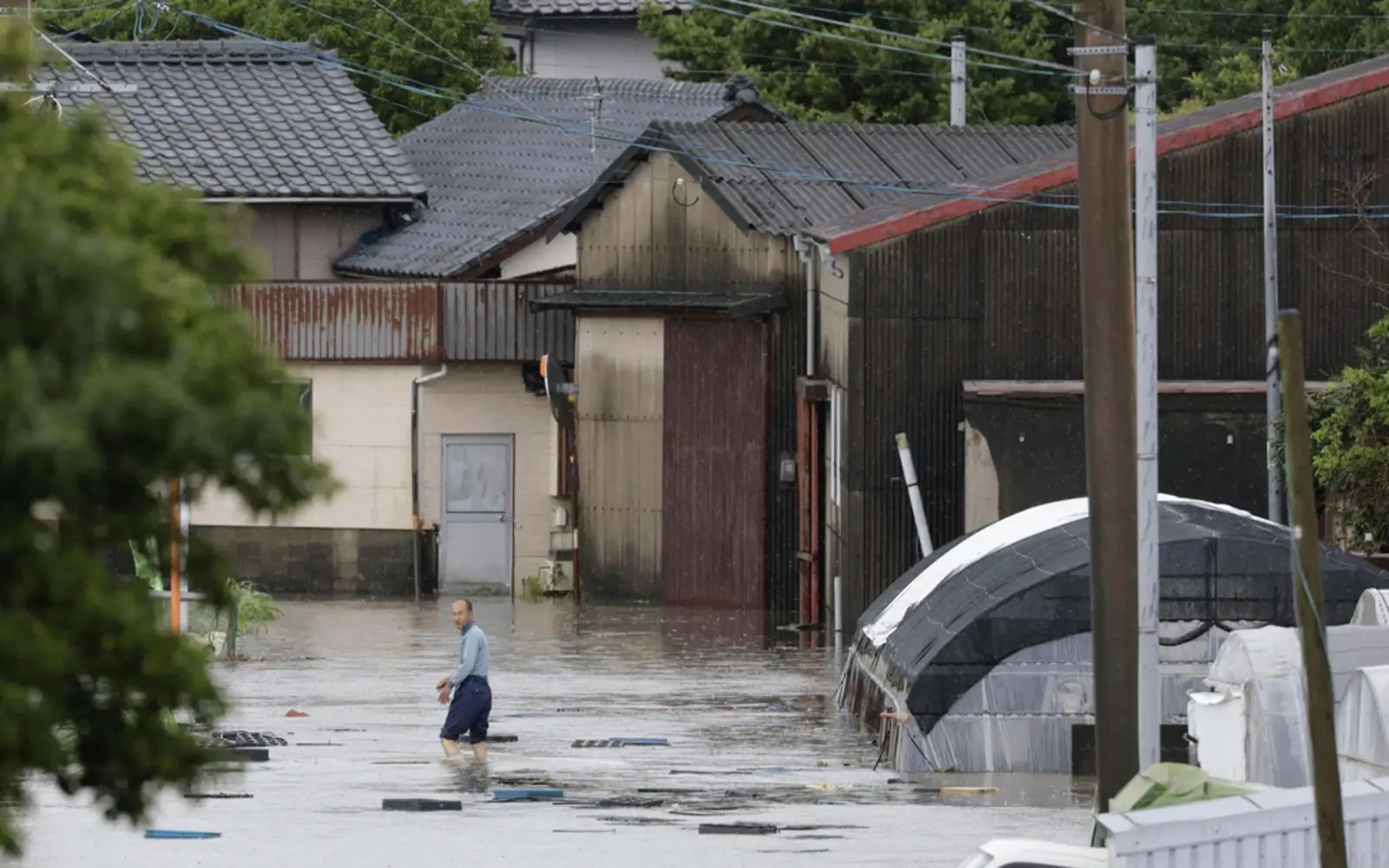
Landslides: The rainy season is when landslides are most likely to occur, or in the wake of typhoons (usually June to October)
Flooding: As with landslides, flooding is most likely to affect certain regions during the rainy season and typhoons.
For live updates and warnings, check:
Japan Meteorological Agency: This website will provide you with up-to-the-minute updates on any kind of weather event, as well as the latest on seismic activity.
NHK WORLD-JAPAN: This website and app offers reports and safety advice in English on all kinds of natural disasters.
The Japan typhoon season can disrupt flights, rail, ferries, and outdoor plans, so late-summer itineraries need flexible bookings.
FAQ
1. Is Japan friendly to tourists?
Hugely.
2. Where does Japan rank in safety?
Frequently in the very top tier of safest countries in the world.
3. What religion is Japan?
Shinto and Buddhism are Japan's predominant religions.
4. What language is spoken in Japan?
People in Japan speak Japanese.
5. What should you not do in Japan?
Don't tip – it's not the custom – and don't talk loudly in public.
Conclusion
Japan is usually comfortable for travelers who combine normal city awareness with disaster readiness and respect for local rules.
Protect documents, stay alert in crowded or nightlife settings, save emergency contacts, and follow official instructions during earthquakes or severe weather.
Preparation matters more than fear: a few practical safeguards make it easier to respond calmly without overestimating everyday risk.