
Japan’s typhoon season can bring heavy rain, strong winds, flooding, and transport disruption, but impacts differ sharply by storm track and region.
Peak activity is usually concentrated in late summer and early autumn, with Okinawa, Kyushu, and other southern or coastal areas often exposed earlier or more frequently than inland routes.
This guide covers timing, affected regions, travel decisions, warning sources, and practical preparation. A Japan eSIM can keep official alerts and transport updates accessible when hotel or station Wi-Fi is unavailable.
When does Japan have typhoons most?
Typhoon season in Japan runs from May through October but hits its peak in August and September. This is when ocean temperatures rise and the climate shifts, creating conditions in which typhoons can develop.
Planning period | What to expect | Traveler response |
|---|---|---|
May to July | Season begins; southern islands may be affected | Watch regional forecasts before island or ferry travel |
August to September | Highest overall travel-disruption risk | Use flexible bookings and protect transfer days |
October | Activity can continue but usually declines | Keep monitoring until the route is clear |
The most southern parts of Japan – including the Okinawa islands and the Kyushu region – are the most likely to be affected. Travelers to these areas during this time should be prepared for erratic weather and potential delays to transport.
Which areas are most affected by typhoons in Japan?
While typhoons can touch down almost anywhere in Japan, some regions are at greater risk due to their geographical location. The Okinawa Prefecture, an archipelago in the far south of the country, takes much of the brunt.
This area is closer to the path that typhoons follow towards Japan, and its proximity to the tropical zone means it experiences the highest frequency and intensity of typhoons.
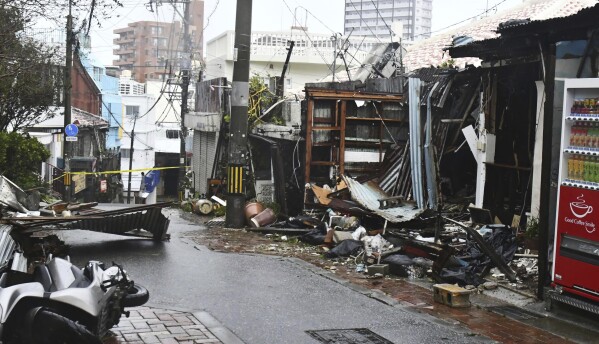
Likewise, Kyushu – the southernmost of Japan’s four main islands – is a magnet for typhoons. Residents are used to dramatic weather throughout typhoon season, with heavy rain, powerful winds, and even landslides occurring.
If you’re traveling to these regions in typhoon season, you’ll need to be extra vigilant. Keep a close eye on weather reports, travel with insurance that covers natural disasters, and heed locals’ advice. Definitely do not ignore their warnings – when they say take shelter, you take shelter.
The rainy, humid part of Japan summer travel overlaps with higher storm awareness in southern and coastal regions.
How do typhoons form around Japan?
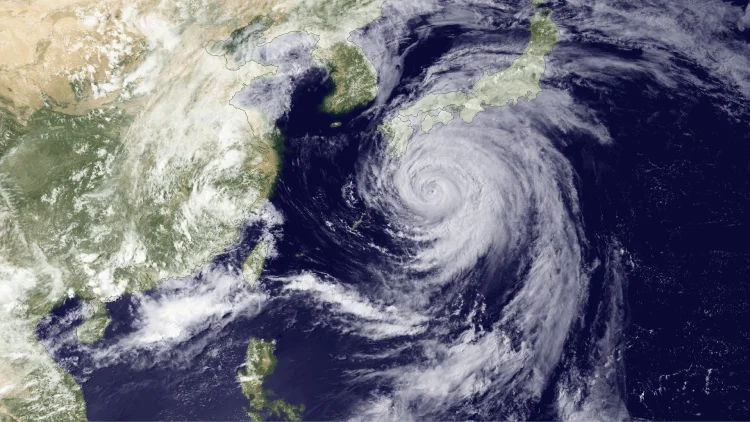
Have you ever wondered why there are so many typhoons in Japan? It’s largely down to location.
Japan snuggles up to the warm waters of the North Pacific, which means it acts like a magnet for typhoons that form there as well as helping to propel them towards the islands. The shape of the land and climate conditions here help amplify typhoons once they've developed too.
Measures Taken by Japan to Respond to Typhoons
Japan has implemented a number of precautionary measures to help reduce the impact of typhoons and keep people safe.
1. Evacuations and Shelters
Local authorities will issue evacuation warnings to all residents in high-risk sectors, instructing them to go to specific evacuation shelters.
General Japan travel safety preparation also matters because evacuation routes, emergency numbers, and local instructions apply beyond typhoons.
2. Strengthening Infrastructure
The buildings, highways, and bridges in Japan are designed to cope with typhoons. The country frequently reinforces infrastructure and creates systems for managing flooding to mitigate the impact of major storms.
3. Public Awareness Campaigns
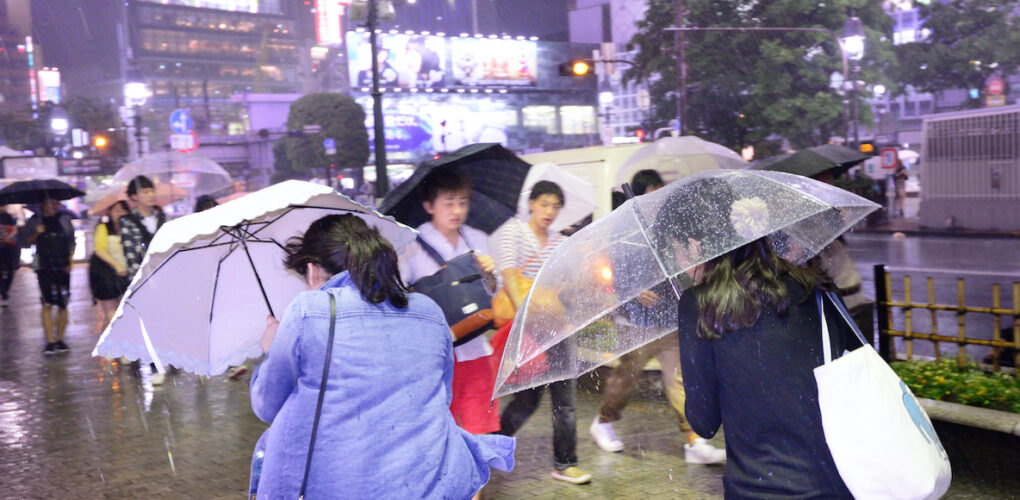
The Japanese government also promotes public awareness, even putting preventive measures in place prior to the typhoon season.
These are urging to remind people to have their evacuation plan, secure loose items, and pack up a disaster supplies kit.
4. Deploying Emergency Response Teams
Japan activates disaster relief troops, such as the Self-Defense Forces, to offer assistance. These units help with rescue operations, the distribution of goods, and flood prevention.
Can you travel to Japan during typhoon season?
It is certainly possible, and many people travel to Japan during typhoon season every year. It's all about preparation and flexibility – while a typhoon could scupper your travel plans, predominantly in regions such as Okinawa and Kyushu, they typically only last a day or two.
Decision | Best response |
|---|---|
Storm remains offshore | Monitor the track and retain flexible outdoor plans |
Warnings affect your region | Follow local guidance and stay away from coasts and rivers |
Rail or flights are suspended | Do not race closures; rebook and remain in safe accommodation |
If you happen to visit Japan during a typhoon, don’t worry. Keep yourself informed with official updates and find some indoor activities to do as long as it’s safe.
Recommended activities for Japan's typhoon season
1. Visit Indoor Attractions
It also has plenty of cool indoor activities – like museums, art galleries, aquariums, and shopping centers!
Whether you’re exploring the Tokyo National Museum or places like team Lab Borderless, these options can help you some stay dry while you learn about the country’s ancient culture and present-day wonders.
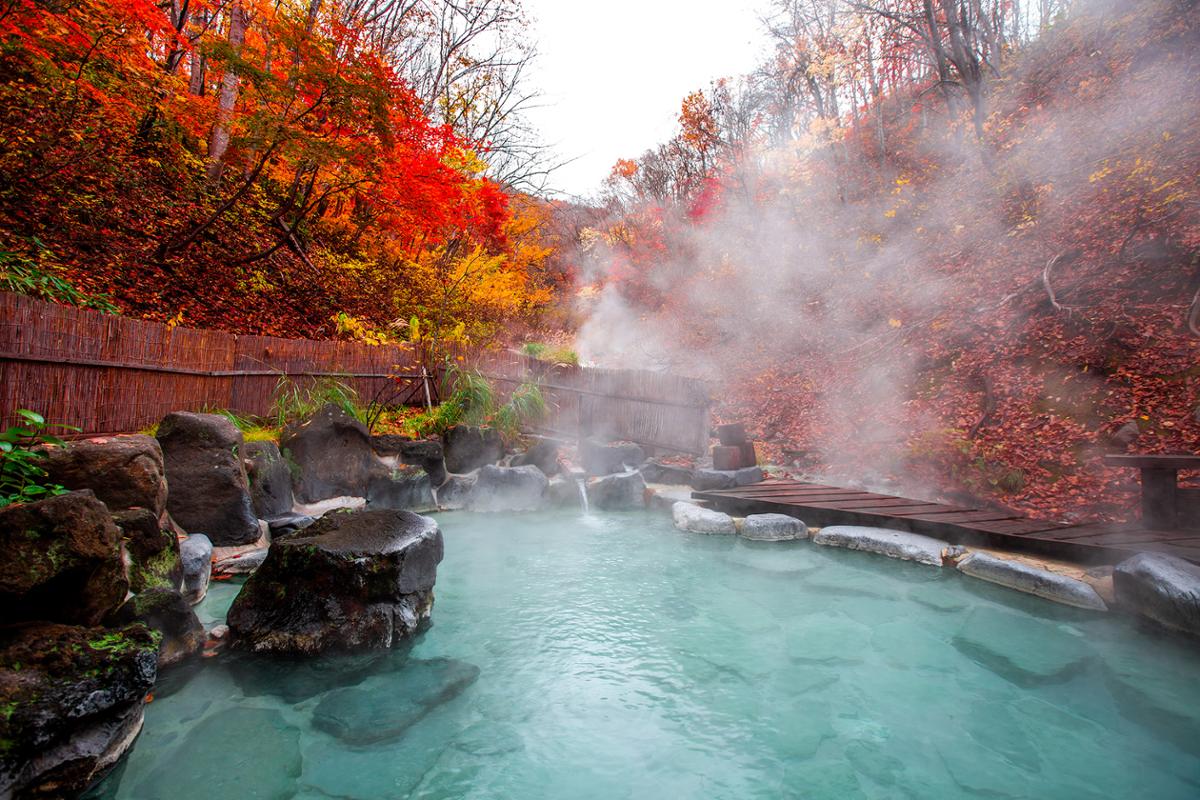
2. Enjoy Onsen (Hot Springs)
During typhoon season, smart travelers pack their bags for Japan’s legendary onsens.
Few things offer such relaxation as taking a dip while the rain pours outside. The beautiful onsen towns of Hakone and Ibusuki are two places to soak your body.
3. Take a Cooking Class
Simple cooking classes, like making traditional Japanese sushi or ramen, are very popular.
Practically every cooking school around the country offers some sort of hands-on instruction so this is a great indoor activity and you’ll learn something in the process!
4. Experience Indoor Entertainment
In Japan there’s no shortage of indoor entertainment activities, including karaoke, arcades, and themed cafes. They’re great options that promise a non-weather dependent, easy-going experience.
That said, if you are in Japan when a typhoon hits, you can also follow the preventative measures outlined below to protect yourself.
Once the typhoon has passed, you can continue to enjoy your trip in Japan, with a greater appreciation of its beauty and attractions.
How can typhoons affect travel to Japan?
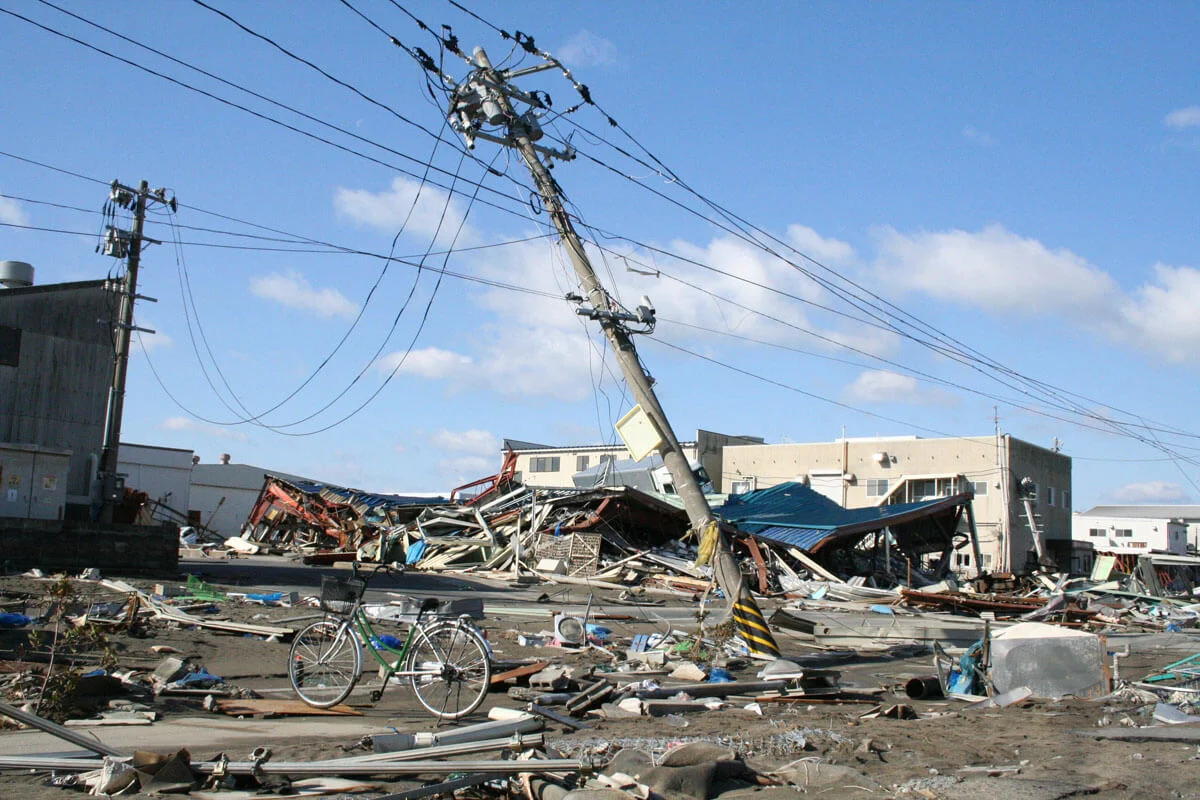
They can have a significant impact, but here are some key factors to consider:
Transport delays or cancellations can significantly impact your plans. Check Japanese airport news for updates, as public transport services may suspend operations during severe weather events. To stay updated, it is recommended to buy Japan travel data in advance so you can check flights and trains without Wi Fi.
Power outages: High winds can take down power lines, causing blackouts
Accommodation: Check your lodgings have procedures in place for typhoons
Outdoor activities: Restricted or dangerous – hiking, visiting parks, etc. Planning in advance and remaining flexible can help minimize these impacts
With that out of the way, let's consider how you can keep abreast of any typhoons that might affect your travel first.
Flight diversions and cancellations can change the best gateway, making a Japan airport guide useful when rerouting through another region.
How to find typhoon updates in Japan
Staying informed is critical during typhoon season. Here are some recommended sources to keep updated:
1. Japan Meteorological Agency (JMA)
The Japan Meteorological Agency (JMA) offers up-to-date weather information for the entire country, including typhoons. You can check their website or app for heavy storm updates and alerts.
Use the Japan Meteorological Agency for warnings, forecasts, and storm information rather than relying on social posts alone.
2. Weather Apps
Major ones such as The Weather Channel, AccuWeather, and Yahoo! Weather Japan can help you stay up to date with minute-to-minute typhoon alerts and long-range predictions, as they’ll send you notifications.
Mobile alerts are most useful when data remains available during transfers, and iRoamly eSIM options can support access to weather and operator apps.
3. Local News Websites
NHK, Japan Times, and Asahi Shimbunare three Japanese news websites that will all post typhoon news in English. You can follow their English-language sections for up-to-date information.

4. Social Media and Alerts
Twitter and Facebook are also near-instant sources for information by local government bodies and news agencies.
5. Hotel Concierge or Local Information Centers
If you’re in Japan, your hotel concierge or local tourism information centers can be used for real-time updates on weather conditions. You can get your word in early with warnings and tips on how you can stay safe.
Knowing where to get your typhoon information is only the first step in your safety plan, though. Armed with the right info, the next important step is taking steps to prepare for any potential impact.
By following the preparedness steps below, you can help mitigate the dangers of typhoons, making sure you're safe and comfortable while the weather event strikes. Let's dive into how to prepare for a typhoon in Japan.
How to Prepare for a Typhoon in Japan
If you're in Japan during typhoon season, here's how you can prepare:
Stay informed. Stay abreast of local meteorological reports.
Prepare an emergency kit. This should include water, food, any medications you need, and a flashlight.
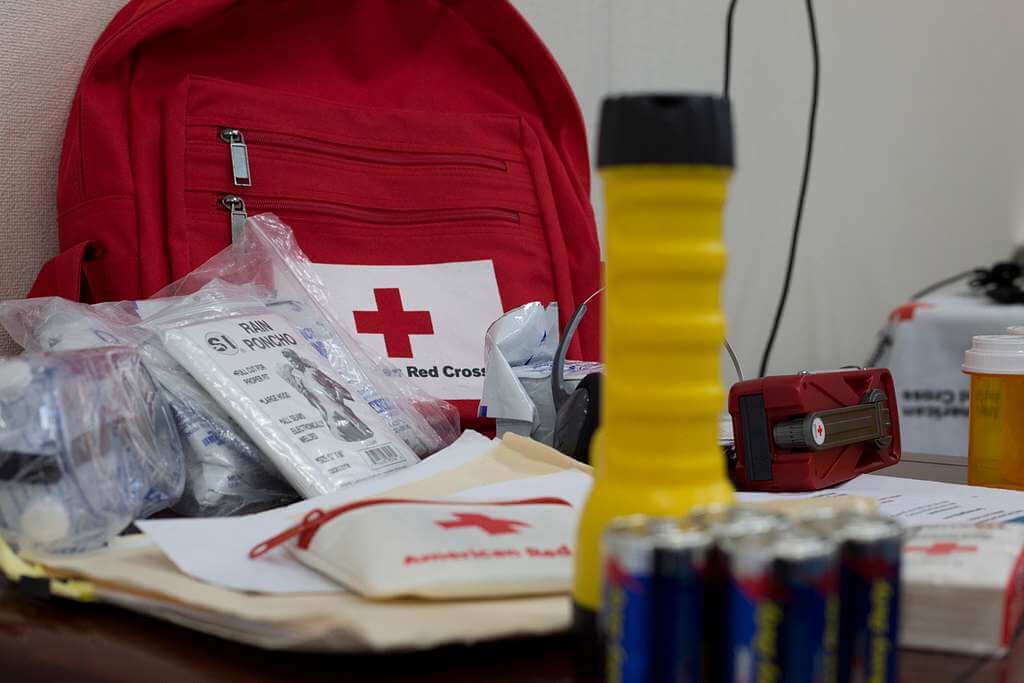
Check accommodation. Typhoon-proof your hotel or residence, and know what to do in an emergency.
Have a plan B. Make sure you have indoor alternatives in case of bad weather.
Stay connected. Ensure your phone is charged, and you have a line of communication in case of emergency.
Read the safety manual. The safety manual provides instructions for addressing typhoons and enhancing mitigation.
Tokyo’s multilingual disaster preparedness guide explains practical supplies and actions that also help visitors build a basic emergency plan.
FAQ
1. Are typhoons dangerous in Tokyo?
While typhoons can reach Tokyo, its infrastructure makes it much safer than coastal areas.
2. When is the best time to visit Japan?
The best time to visit Japan depends on region and priorities, but spring and late autumn generally bring milder conditions than peak typhoon months.
3. When was the last typhoon in Japan?
On August 30, 2024, Typhoon ‘Shanshan’ moved through most of Japan, bringing torrential rain and casualties.
Conclusion
Travel during Japan’s typhoon season is possible when the itinerary has enough flexibility for delays, closures, and last-minute route changes.
Use official warnings, follow operator instructions, avoid exposed outdoor areas, and keep essential supplies and documents ready.
A weather buffer and refundable bookings are more valuable than trying to preserve every planned stop during a severe storm.