
Sport offers a lively glimpse into everyday life in Japan. The energy of a stadium crowd, the rituals before a contest, and the loyalty surrounding a local team can make attending an event a memorable part of your trip.
But which sports attract the most attention, and what makes them worth experiencing? This article explores twelve popular sports in Japan, their place in local culture, and how to watch or try them during your visit.
As you plan an outing, an iRoamly eSIM can help you check match details, access mobile tickets, and find your way to the venue.

What Is Japan’s Most Popular Sport?
Baseball Leads Japan’s Spectator Sports
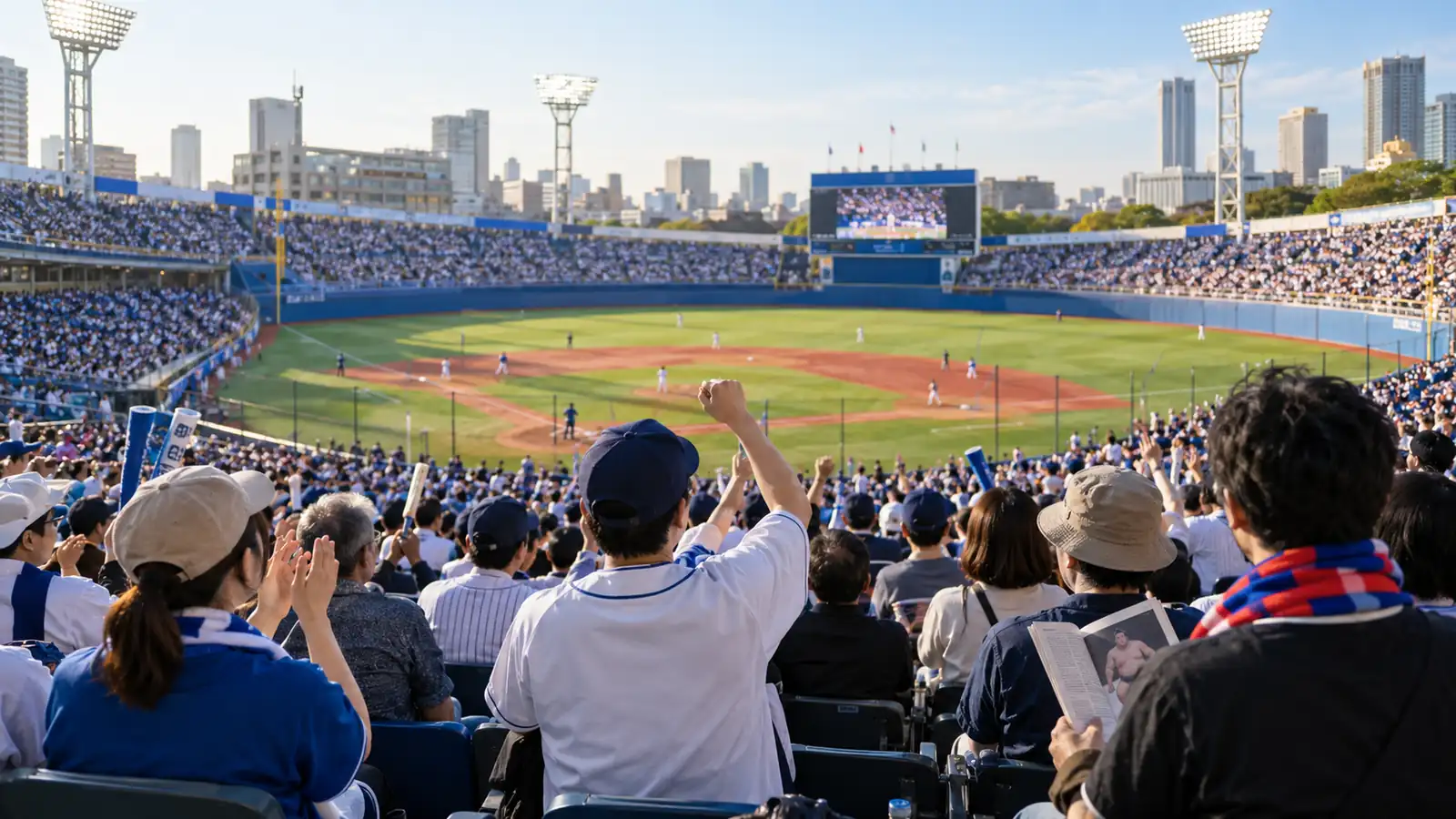
Baseball is Japan’s most popular spectator sport. In Central Research Services’ 2026 survey of Japanese adults, 47.5% named professional baseball among the professional sports they liked. It has ranked first in this survey since 1996.
Its following extends beyond professional competition. Local teams inspire lifelong loyalty, while the summer high-school championship at Koshien draws nationwide attention.
These connections to hometowns and school life give baseball a place in Japanese culture that reaches across generations.
Sumo Holds a Special Cultural Place
While baseball leads in spectator popularity, sumo is widely regarded as Japan’s national sport. Its long history and connections with Shinto give it a cultural significance that audience figures alone cannot capture.
Sumo preserves traditions in everything from the wrestlers’ appearance to the formal customs surrounding competition.
For many visitors, its appeal lies in experiencing a sporting tradition that remains closely connected to Japan’s past.
This helps explain why both baseball and sumo appear in discussions of Japan’s leading sport: baseball stands out for its broad following, while sumo holds a distinctive place in the country’s cultural identity.
Other Sports Attract Strong Followings
Soccer also commands substantial support. In the same 2026 survey, professional soccer ranked second at 21.7%, followed by grand sumo at 20.8%.
These results reflect preferences for professional sports, rather than participation levels or every type of viewing.
Basketball, volleyball, rugby, and other sports further broaden the choices available to fans and travelers.
Interest can vary with local teams, international tournaments, and the season, so the most rewarding event for your trip may be outside the biggest spectator sports.

The twelve sports below explore this variety, including what makes each distinctive and how to watch or try it during your visit.
Twelve Popular Sports in Japan
The list below is not a rigid league table. It combines broad spectator appeal, participation, cultural significance, and the range of experiences available to visitors.
1. Baseball
Baseball, or yakyū, arrived in Japan in 1872 and developed into the country’s dominant spectator sport.
NPB’s Central and Pacific Leagues each have six teams, while high-school and company baseball give the game a presence far beyond the professional season.
A Japanese ballpark feels highly organized but rarely quiet. Supporters sing coordinated chants, brass bands and drums may accompany cheering sections, and regional food is part of the event.
Ichiro Suzuki and Shohei Ohtani became international icons, yet local club identity remains just as important to many fans.
Watch It Live: The regular season usually runs from spring into autumn. Buy through the home club or official ticket partner, and choose a covered dome if summer heat or rain is a concern.

2. Soccer
Soccer grew rapidly after the J.League began in 1993.
Clubs are rooted in cities and regions rather than a single national center, and supporter sections bring banners, coordinated songs, and sustained energy to a match without the hostility visitors may associate with some European rivalries.
The men’s Samurai Blue and women’s Nadeshiko Japan add another layer of attention during international tournaments.
From the 2026–27 season, the J.League moved to an August-start calendar, so older spring-to-autumn advice should not be treated as permanent.
Watch It Live: Check the official J.League fixture page for the current season and follow the home club’s ticket link. Tokyo, Yokohama, Osaka, Kobe, Nagoya, Hiroshima, and many smaller cities all provide viable match-day options.

3. Sumo
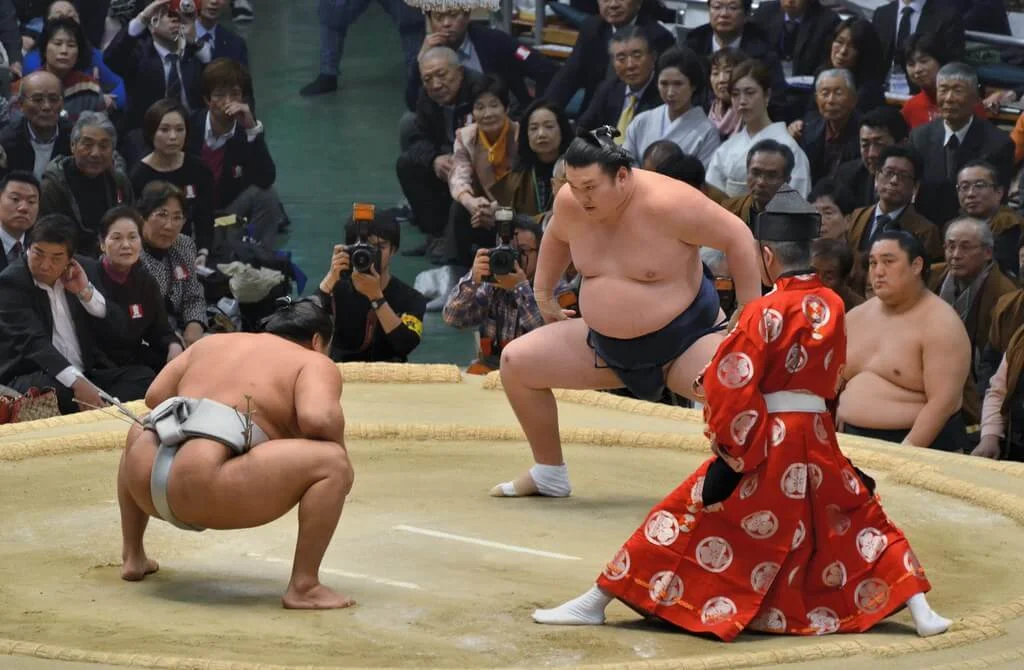
Sumo began as a ritual connected with Shinto and still preserves salt purification, ring-entering ceremonies, distinctive dress, and a formal ranking system.
A bout ends when a wrestler is forced outside the dohyō or touches the ground with anything other than the soles of the feet.
The action can last only seconds, but the day builds from lower divisions in the morning to the highest-ranked wrestlers late in the afternoon.
Sumo’s importance as a guardian of Japan traditions is why many travelers value the ceremony as much as the contest.
Watch It Live: Six 15-day grand tournaments are scheduled each year in Tokyo, Osaka, Nagoya, and Fukuoka. Dates and advance-sale windows change, so use the Japan Sumo Association’s official schedule and Ticket Oosumo.
4. Basketball
Basketball’s profile has risen through professional arenas, school competition, and internationally visible players.
Japan’s men’s professional system entered a new phase in 2026–27 with B.LEAGUE PREMIER, a 26-club top category divided into eastern and western districts.
The compact arena setting makes the sport easy to follow even for a first-time spectator.
Music, mascots, and close seating create a different experience from a baseball stadium, while clubs in cities from Sapporo to Okinawa make games possible on many itineraries.
Watch It Live: Use the B.LEAGUE club list and schedule rather than an old B1/B2 guide, because the competition structure changed in 2026.

5. Volleyball
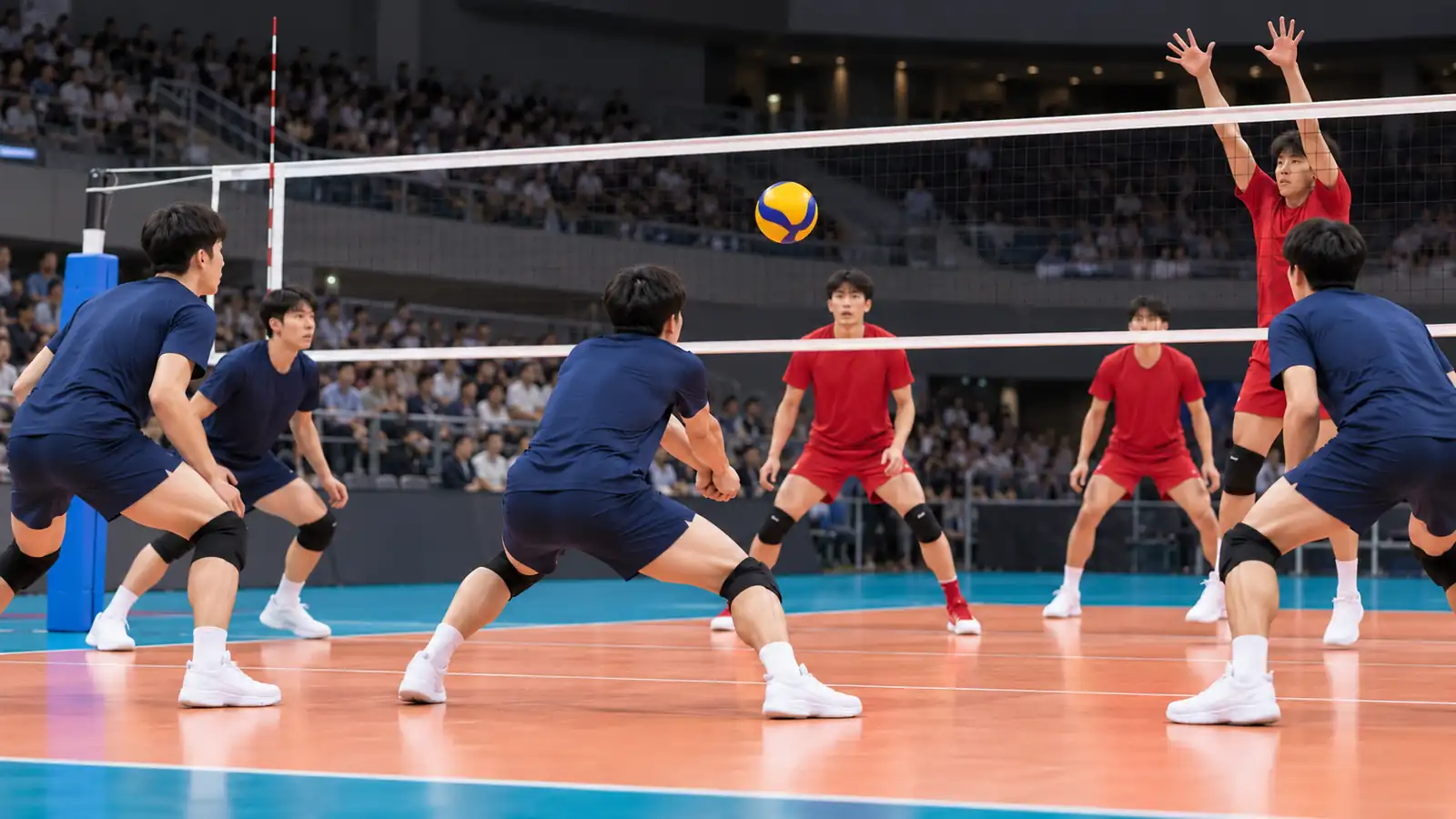
Volleyball combines strong school participation, popular national teams, and a professional indoor league.
Japanese teams are known for quick defense and precise organization, qualities that make rallies compelling even when a visitor does not know every rotation rule.
The SV.LEAGUE provides top-level men’s and women’s club matches, while major national-team fixtures can attract broader attention.
Volleyball deserves a place beside basketball because it offers a similarly accessible indoor event but a very different rhythm.
Watch It Live: Check the official SV.LEAGUE schedule by date and prefecture. Arena locations and double-header arrangements can vary, so confirm the exact venue before travel.
6. Rugby Union
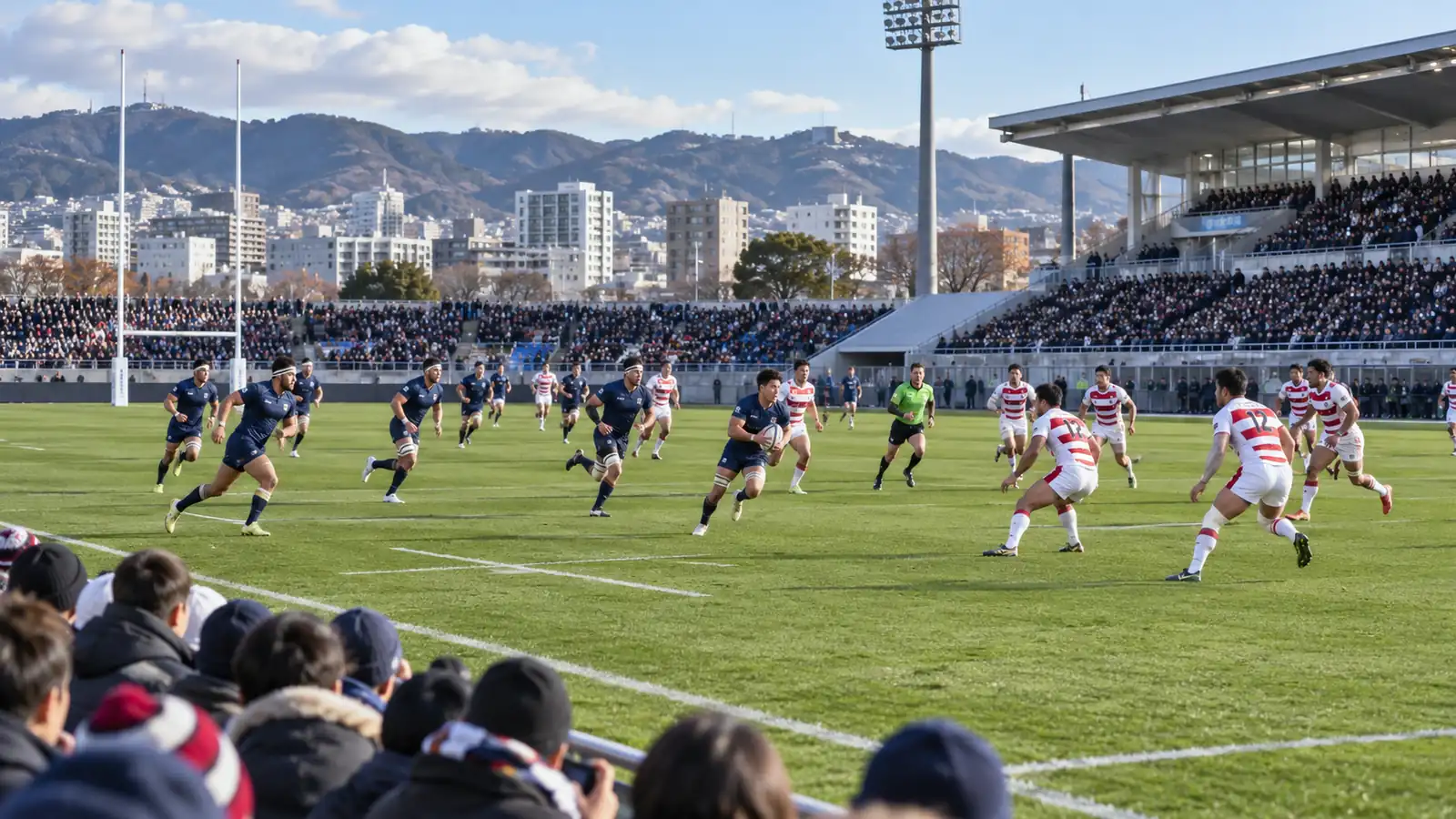
Rugby moved firmly into Japan’s mainstream after landmark national-team performances and the country’s successful hosting of the 2019 Rugby World Cup.
The professional Japan Rugby League One brings together company-rooted clubs and regional supporters in a modern league structure.
Matches offer a good winter or spring alternative when baseball is out of season.
The atmosphere is generally welcoming, and the game’s continuous phases are easier to appreciate from a stadium seat than many newcomers expect.
Watch It Live: The 2026–27 top-division season runs from December into June. For later seasons, verify dates and buy through the home team or the official Ticket Rugby route.
7. Tennis
Tennis has a long history in Japan, and the country developed soft tennis when imported balls were once too expensive for widespread school use.
That version remains common in school clubs, while standard tennis has produced internationally known players.
Kei Nishikori reached the 2014 US Open final, and Naomi Osaka won multiple Grand Slam singles titles.
Their success increased attention, but the sport’s deeper base comes from courts, clubs, and school competition across the country.
Try or Watch It: Major tournaments require advance planning, while public-court reservations may use local systems and Japanese-language interfaces.

8. Golf
Golf expanded from an elite pastime into a widely followed leisure and business sport, with courses across Japan and urban driving ranges that make practice more accessible.
Mountain terrain and carefully designed courses give domestic golf a strong travel dimension.
Hideki Matsuyama’s 2021 Masters victory and Hinako Shibuno’s 2019 Women’s British Open win showed the international strength of Japanese golfers. Those achievements are more useful as cultural context than as a fixed ranking of current stars.
Try or Watch It: A full course day often requires a reservation, suitable clothing, and substantial travel time. A city driving range is the easier choice for a short trip.

9. Boxing
Japan has a deep professional boxing scene, particularly in lighter weight classes, with gyms and venues concentrated in major cities.
Naoya Inoue is among the country’s most internationally recognized champions, following a line of Japanese fighters who built strong domestic audiences.
A live card differs from a single headline bout: earlier contests lead toward the main event, and schedules may change as fighters withdraw or weights shift.
That uncertainty is part of why current event information matters more than a static list of titles.
Watch It Live: Purchase from the promoter, venue, or an authorized ticketing service. Confirm the full card and entry time shortly before the event.

10. Judo and Martial Arts
Japanese budō includes disciplines with different aims.
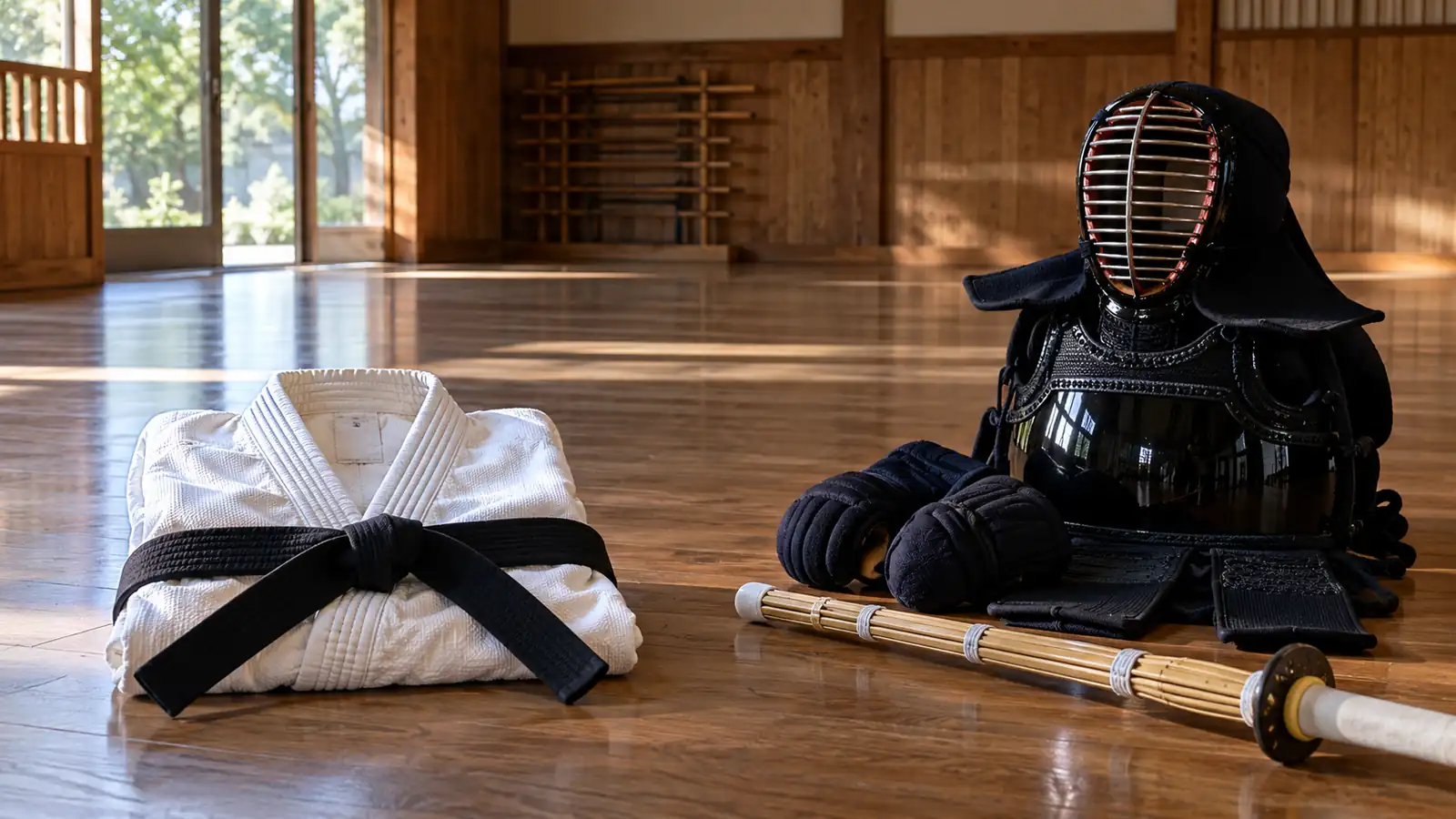
Judo centers on throws, pins, and submissions; kendo uses bamboo swords and protective armor; karate emphasizes strikes and forms; aikido focuses on controlled movement and redirection. Grouping them should not erase those distinctions.
These arts connect physical practice with etiquette, repetition, and self-development. They also offer a clearer route into Japanese-origin sport than treating all martial arts as one spectacle.
Try or Watch It: Choose an established dojo or cultural program that explicitly accepts visitors. Observe photography, footwear, bowing, and clothing rules rather than assuming a drop-in class is informal.
11. Motorsport
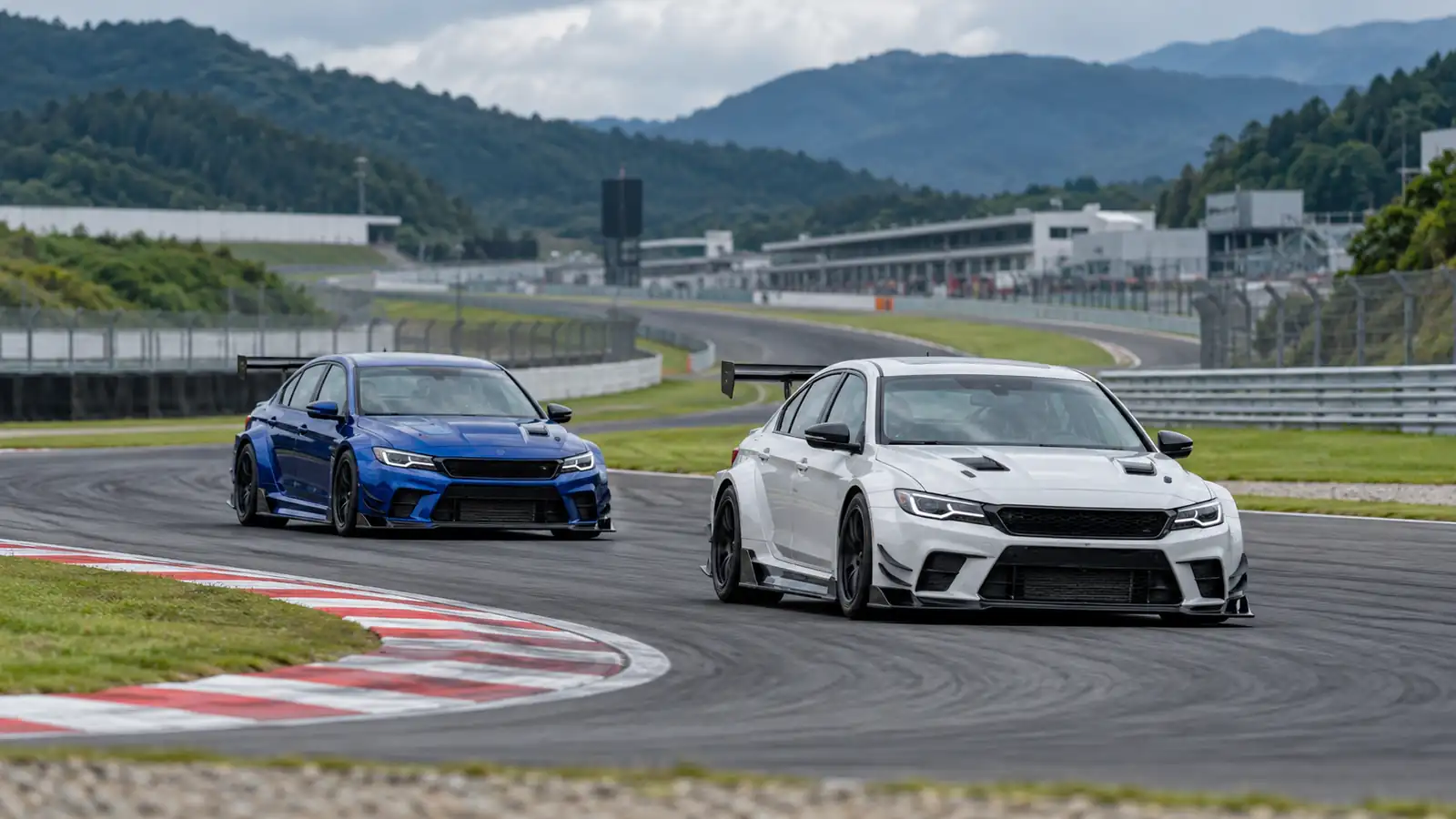
Japan’s automotive culture supports Formula racing, SUPER GT, motorcycle racing, and judged drifting.
Suzuka Circuit and Fuji Speedway host major events, while the D1 Grand Prix presents drifting in a controlled competitive environment.
That distinction matters: organized circuit drifting is a legitimate spectator sport, while street racing and street drifting are illegal and unsafe. A responsible motorsport plan belongs at a licensed venue.
Watch It Live: Circuit events can occupy most of a day and venues are often outside city centers. Check official transport guidance, return times, and weather policies before buying.
12. Winter Sports
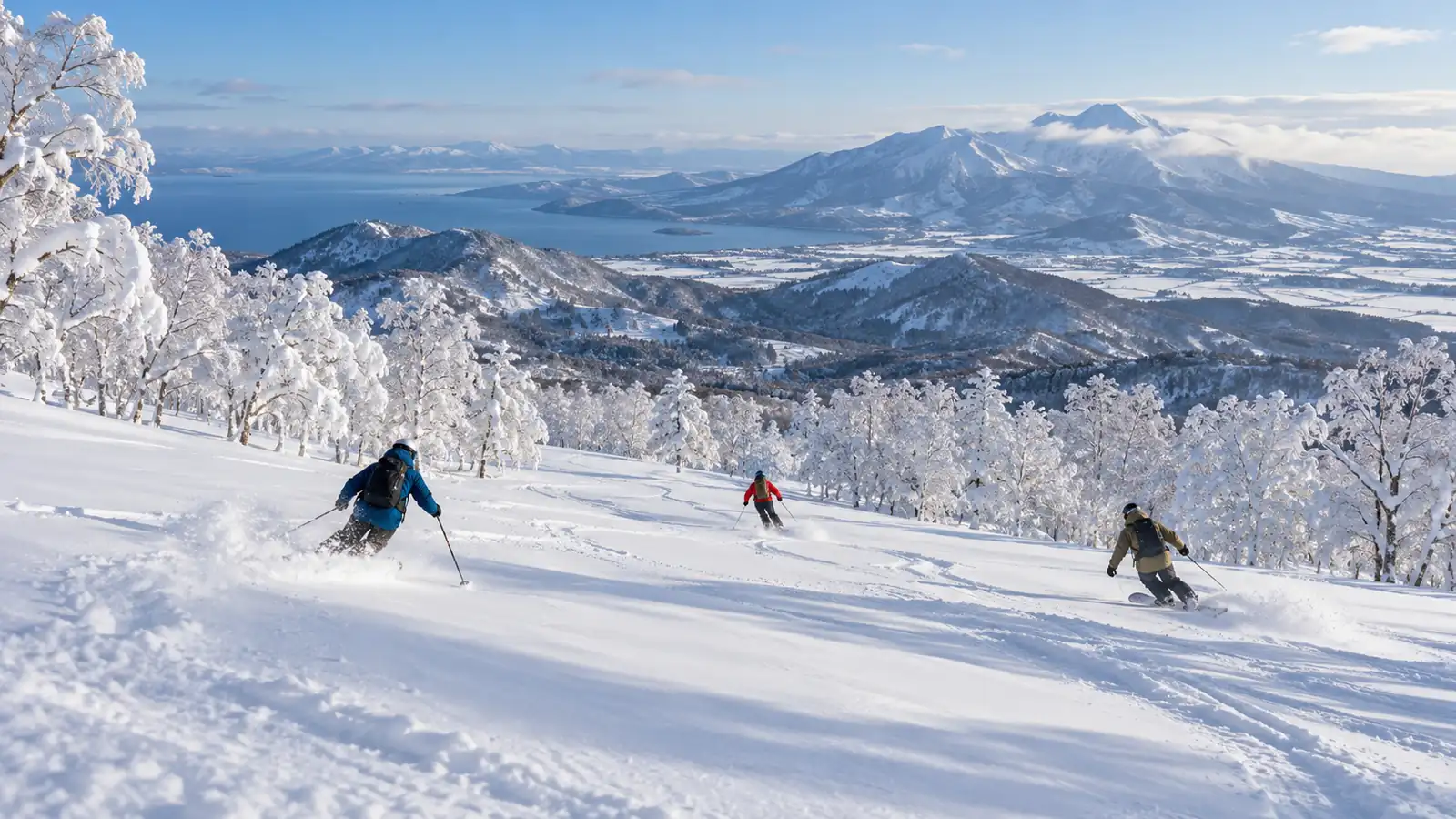
Heavy, dry snow makes Hokkaido and parts of Honshu major destinations for skiing and snowboarding. Winter sport in Japan is both participatory and competitive, while figure skating adds a large broadcast and arena audience.
This category is seasonal in a way the stadium sports are not. Conditions vary by region and altitude, so “winter” does not guarantee the same snow quality everywhere or throughout the season.
Try or Watch It: Choose the region first, then compare lift access, ability level, equipment rental, and storm-day transport. For skating events, use the official organizer’s sale dates because high-interest sessions may sell quickly.
How to Watch Sports in Japan
Once you have chosen a sport, check the official schedule for events that fit your travel dates and route. Before booking, consider your seat, ticket collection, and transport so you can enjoy the occasion without rushing.
Booking Tickets and Choosing Seats
Start with the official event or club website and follow its ticket links. Before paying, check whether you need an account, how tickets are issued, and whether the booking system accepts your payment method.
Your seat can shape the experience as much as the match itself. Compare these details when choosing:
View: Check the seating map for restricted views, distance from the action, and exposure to sun or rain.
Atmosphere: Dedicated supporter sections may involve standing, coordinated cheering, and rules about team clothing. Choose another area if you prefer to remain seated.
Group seating: Confirm that your seats are together, particularly when booking for a family.
Accessibility: Check step-free access and designated seating arrangements before purchasing.
Read the ticket delivery instructions carefully. Entry may require an app, a live ticket screen, a printed ticket, or collection at a specified location. A booking confirmation or screenshot may not be sufficient.
Planning Your Visit to the Venue
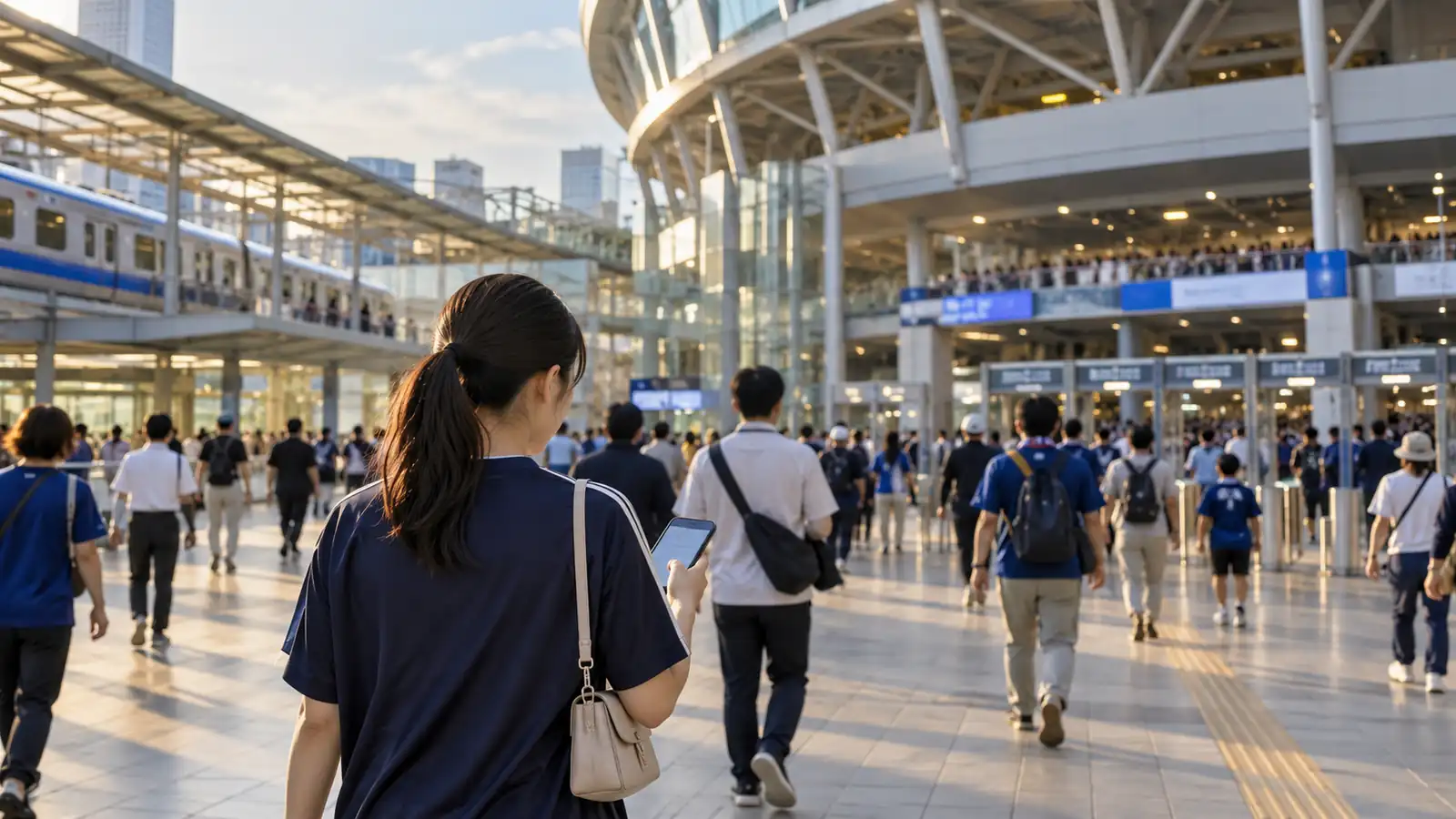
Confirm the exact venue and recommended entrance rather than searching only for the team name. Check the route from the station, opening time, and any shuttle arrangements.
Allow time for security checks, finding your seat, and buying refreshments. Arriving before play begins also gives you a chance to enjoy warm-ups and pre-match activities.
Before leaving your accommodation, review:
Bag and luggage rules: Check size limits and storage options if you are traveling with suitcases.
Food and drink policies: Confirm what you can bring and whether bottle or container restrictions apply.
Payment options: Check which payment methods the venue accepts.
Return transport: Look up the last train or bus and allow for queues after the event.
Keep your ticket accessible and save the venue address and return route. For outdoor seating, bring weather-appropriate clothing and check which rain-protection items are permitted.
Following Local Rules and Updates
Take your cues from staff and the spectators around you. Use your assigned seat, keep aisles clear, and avoid holding phones or cameras where they block someone else’s view.
Cheering customs differ between sports and seating areas. Follow instructions about standing, banners, musical instruments, and supporting the visiting team.
Check photography and recording rules before using specialist equipment or filming extended footage.
Review official notices shortly before departure, especially if poor weather could affect an outdoor event. Confirm whether the start time or venue has changed, and check the organizer’s instructions if the event is postponed or canceled.
Refunds and ticket validity depend on the event’s terms. Keep your purchase confirmation and follow the stated procedure, particularly if a rescheduled date falls outside your trip.
FAQ
1. What is Sports Day in Japan?
Sports Day is a national holiday held on the second Monday of October. It encourages people to enjoy physical activity and develop healthy minds and bodies.
2. Which Japanese cities have hosted the Olympics?
Tokyo hosted the Summer Olympics in 1964 and 2020, with the latter held in 2021. Sapporo hosted the 1972 Winter Olympics, followed by Nagano in 1998.
3. Is horse racing popular in Japan?
Yes. Japan has an established horse-racing scene, with major events such as the Japan Cup. Races take place at dedicated racecourses, offering a different experience from stadium sports.
4. What does bukatsu mean in Japanese sports?
Bukatsu refers to extracurricular club activities, including school sports teams. Students practice together outside lessons, developing skills, teamwork, and relationships through regular training and competition.
5. Can Travelers Attend Without Speaking Japanese?
Yes. Many major leagues provide English schedules or simple ticket links, and venue signs are often navigable with translation tools. Save the venue name, seat details, and return route before arrival.
Conclusion
Japan’s sports culture combines local pride, tradition, and modern entertainment. Beyond baseball’s popularity and sumo’s cultural significance, many other sports offer rewarding experiences for visitors.
Attending an event brings you closer to everyday Japanese life. The chants, shared anticipation, and celebrations can be as memorable as the competition itself.
Choose a sport that interests you and fits your itinerary. Even without knowing every rule, joining the fans can become a highlight of your trip.