Merhaba is the safest way to say hello in Turkish. It works with strangers, staff, colleagues, and friends at any time of day, so it is the best first greeting for most travelers.
Turkish also changes greetings according to formality, time, and whether someone is arriving or leaving. Learning those distinctions prevents the most common beginner mistakes.
This guide covers pronunciation, formal and casual greetings, time-based expressions, farewells, shop and phone language, and digital slang. Travelers using translation or messaging apps can compare iRoamly travel eSIM plans before departure.
Common Turkish Greetings and Their Use
Choose a greeting by relationship rather than trying to sound advanced. A neutral phrase used confidently is better than slang used with the wrong person.
The Yunus Emre Institute's beginner Turkish dialogues show greetings, introductions, and farewells in short real-life exchanges.
The table gives a practical starting set. Pronunciation guides are approximate because several Turkish sounds do not map perfectly to English.
Turkish | Meaning | Best use |
|---|---|---|
Merhaba | Hello | Neutral; suitable in most situations |
Selam | Hi | Friends, peers, and casual settings |
Nasılsınız? | How are you? | Formal or plural address |
Nasılsın? | How are you? | One friend or familiar person |
Memnun oldum | Nice to meet you | After an introduction |
Merhaba: the all-purpose hello
Merhaba is neutral and widely understood. The broader Turkish language guide explains the alphabet and pronunciation patterns behind words such as this one.
Say it roughly as mehr-hah-bah, keeping each vowel clear. A natural pace matters more than placing heavy English-style stress on one syllable.
Selam: the casual option
Selam is closer to “hi.” Use it with friends, people your age, or in an obviously relaxed exchange; choose merhaba when the relationship is uncertain.
Nasılsınız and nasılsın
Use Nasılsınız? when speaking formally, addressing someone respectfully, or talking to more than one person. Use Nasılsınız? with one person you know well. A simple reply is İyiyim, teşekkür ederim, meaning “I’m fine, thank you.”
In many languages, greetings do more than ask how someone is. The form you choose can also show familiarity, respect, age differences, or social distance. For beginners, this means that a grammatically correct phrase may still sound too casual if it is used with a stranger, an older person, or someone in a formal setting.
Turkish expresses this distinction directly through nasılsın and nasılsınız. Other languages handle the same social choice in different ways. A basic Japanese course, for example, often introduces polite and casual speech early because greetings and everyday phrases change according to the relationship between speakers and the formality of the situation.
The two languages do not use the same grammatical system, but the practical lesson is similar: when you are unsure how familiar or formal the interaction should be, begin with the more polite form.
Turkish Greetings by Time of Day
Time-based greetings are useful, but they are not rigid clock rules. Merhaba remains acceptable whenever you are unsure.
Expression | Meaning | Typical context |
|---|---|---|
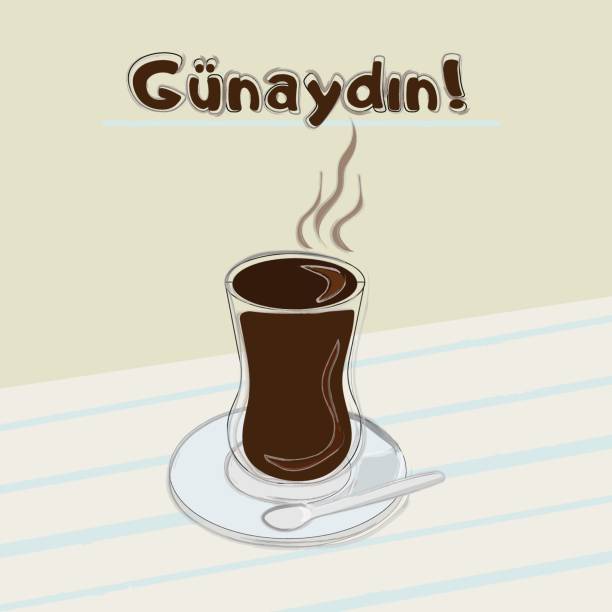
Günaydın | Good morning | Morning greetings at a hotel, café, or workplace |
İyi günler | Good day | Polite daytime greeting or farewell |
Tünaydın | Good afternoon | Correct but less common in everyday speech |
İyi akşamlar | Good evening | Greeting or farewell in the evening |
İyi geceler | Good night | Late farewell or before sleep |
Günaydın is natural from early morning into the late morning. Later in the day, iyi günler is more common than forcing a literal “good afternoon.”
İyi akşamlar can open or close an evening interaction. İyi geceler usually closes the day rather than starting a social conversation.

Farewells: Hoşça Kal and Güle Güle
These two farewells depend on who is leaving. The departing person says hoşça kal to one familiar person or hoşça kalın in formal or plural address.
The person who stays replies güle güle. It is best understood as wishing the departing person well, so travelers should not reverse the roles.
Görüşürüz, meaning “see you,” works in both directions and is an easy alternative when you expect to meet again.
Speaker | Phrase | Meaning |
|---|---|---|
Person leaving | Hoşça kal / Hoşça kalın | Stay well |
Person staying | Güle güle | Go with a smile |
Either person | Görüşürüz | See you |
Greetings in Common Travel Situations
Formality in Turkish is expressed through word choice and the distinction between sen and siz. The wider Turkish cultural context helps explain why respectful address matters with older people and in first meetings.
Start formally when uncertain. The other person can signal a more relaxed tone as the conversation develops.
Meeting someone for the first time
Say Merhaba, memnun oldum after names are exchanged. In a formal introduction, Tanıştığımıza memnun oldum is a fuller version of “pleased to meet you.”
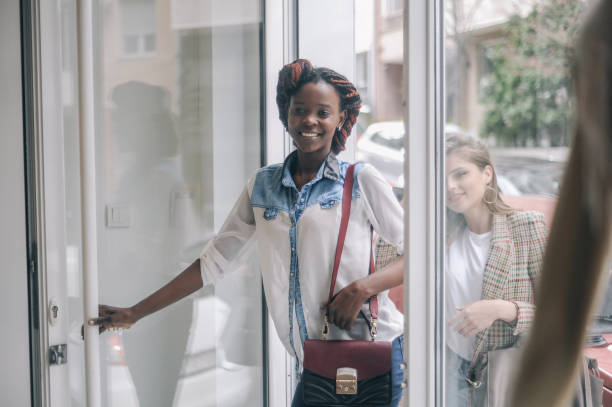
Entering a shop, café, or hotel
Merhaba or iyi günler is enough when entering. Kolay gelsin wishes staff ease in their work and is friendly, but it is not a direct translation of hello.
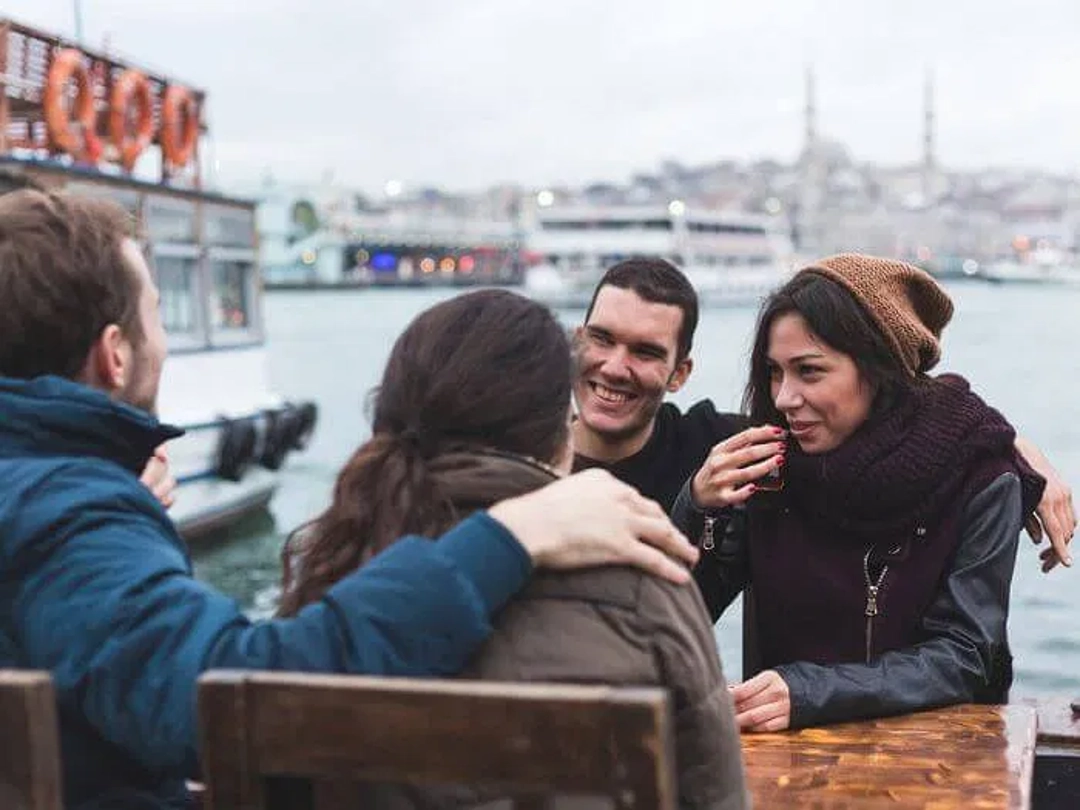
Markets, cafés, and ferry terminals provide repeated short exchanges, making them useful places to practice a neutral greeting before trying more informal language.
Answering the phone
Alo? is the standard phone-opening word. After identifying the caller, continue with merhaba and switch to formal or informal address as appropriate.
Greeting a group
Herkese merhaba means “hello everyone.” In a meeting, class, or tour group, it is clear and neutral.

Turkish Greetings in Messages and Social Media
Digital Turkish often shortens familiar expressions, but abbreviations belong in informal conversations. Avoid them in first-contact messages, reservations, business emails, or support requests.
Expression | Meaning | Register |
|---|---|---|
Merhaba | Hello | Neutral; safe in most messages |
Naber? | What’s up? | Very casual |
Ne var ne yok? | What’s new? | Casual conversation |
Slm | Short for selam | Informal texting only |
Sayın [Name] | Dear [Name] | Formal written opening |
For an email to an unknown person, use Sayın plus the name or title when available. A plain Merhaba is less formal but still suitable for many service messages.
Save hotel names, addresses, and essential phrases offline before a trip. A Turkey eSIM can support live translation and messaging when public Wi-Fi is unavailable.
FAQ
1. What is the most common way to say hello in Turkish?
Merhaba is the safest neutral greeting for almost any person or setting.
2. Is selam formal or informal?
Selam is informal and best used with friends, peers, or people you already know.
3. Who says güle güle?
The person staying says güle güle to the person who is leaving.
4. How do I greet someone in a formal Turkish email?
Use Sayın plus the person’s name or title, followed by a polite formal message.
5. How do I say thank you after a greeting?
Teşekkür ederim is widely appropriate; the Turkish thank-you phrases explain more formal and casual options.
6. Can I use merhaba at night?
Yes. Merhaba works at any time, while iyi akşamlar adds an evening-specific tone.
Conclusion
Merhaba is the best default Turkish greeting, while selam suits familiar, casual exchanges. Formal and informal “you” forms help set the right level of respect.
Time-based greetings add precision, and Turkish farewells depend on who leaves and who stays. Remember that the departing person says hoşça kal, while the person remaining says güle güle.
Practice a small set aloud and use it in predictable situations such as hotels, cafés, shops, and messages. Clear pronunciation and appropriate formality matter more than using a large vocabulary.