
Topkapı Palace was the dynastic, administrative, and ceremonial heart of the Ottoman court for almost four centuries. Its courtyards, council rooms, kitchens, treasury, and Harem reveal how imperial power and daily life shared one vast complex.
Sultan Mehmed II began the palace after the 1453 conquest of Constantinople. Later rulers expanded it, and the complex now operates as a museum overlooking the Bosphorus and Golden Horn.
This guide explains the palace’s history, layout, essential rooms, ticket planning, visit time, and nearby food. A Turkey eSIM can also keep mobile maps and current visitor notices available in Istanbul.

Introduction to Topkapi Palace
Topkapı is not a single palace block. Visitors move through a sequence of courtyards that once separated public service, government, education, private residence, and sacred collections.
Allow time for security, ticket checks, and walking between buildings. The scale becomes much easier to understand when you follow the courtyards in order instead of rushing directly to the Treasury or Harem.

Historical Context and Significance
Mehmed II commissioned the first major construction phase in the 1460s. Topkapı then served as the main residence of the sultans and a working center for imperial government.
The Imperial Council, palace schools, treasury, kitchens, and Harem make the complex a concentrated record of Turkey's Ottoman history rather than a residence alone.
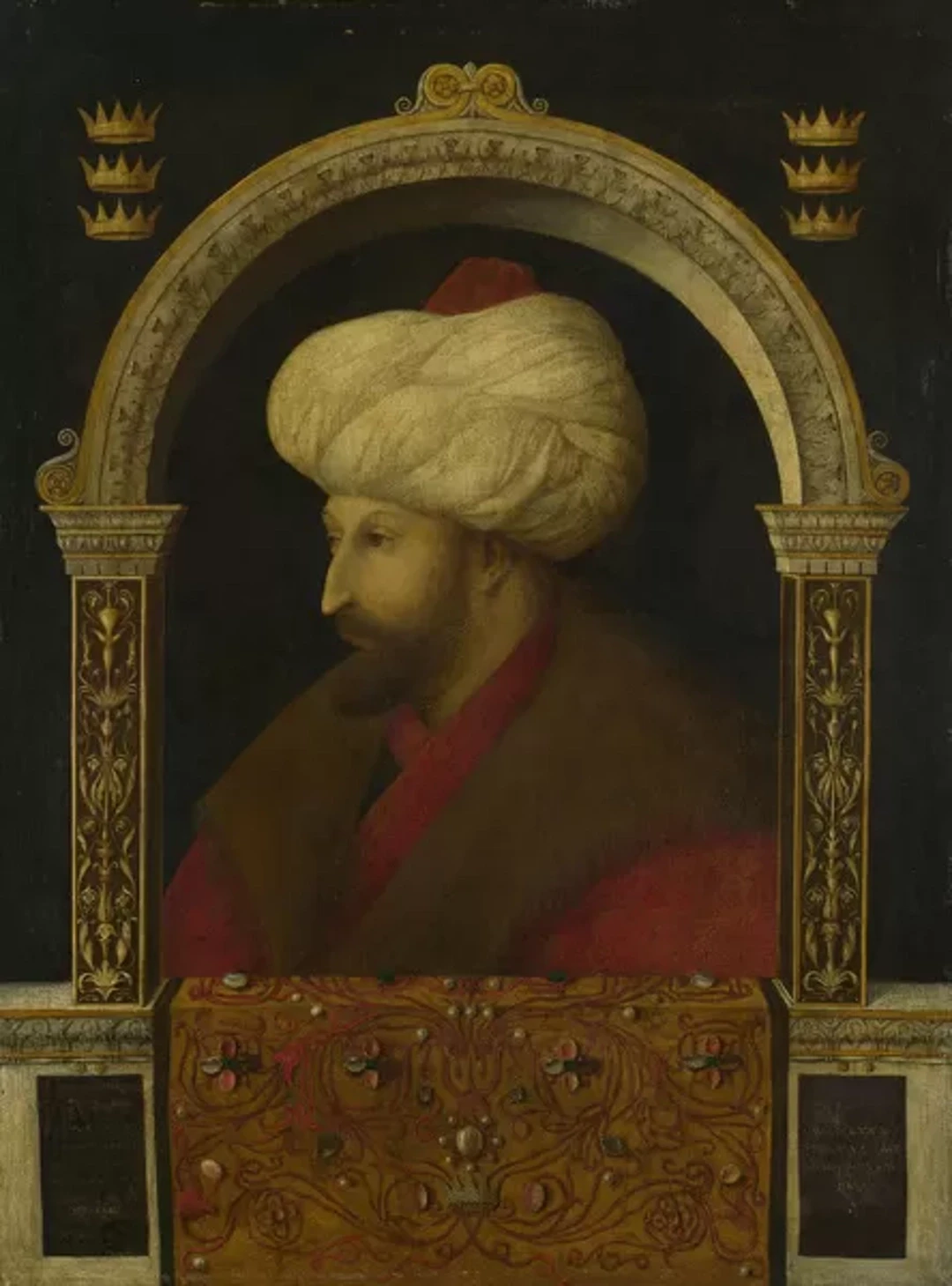
The court shifted toward newer Bosphorus palaces in the nineteenth century, but Topkapı retained ceremonial and religious importance. Its museum collections now help visitors connect statecraft, craftsmanship, faith, and household life.
Architectural Marvels of Topkapi Palace
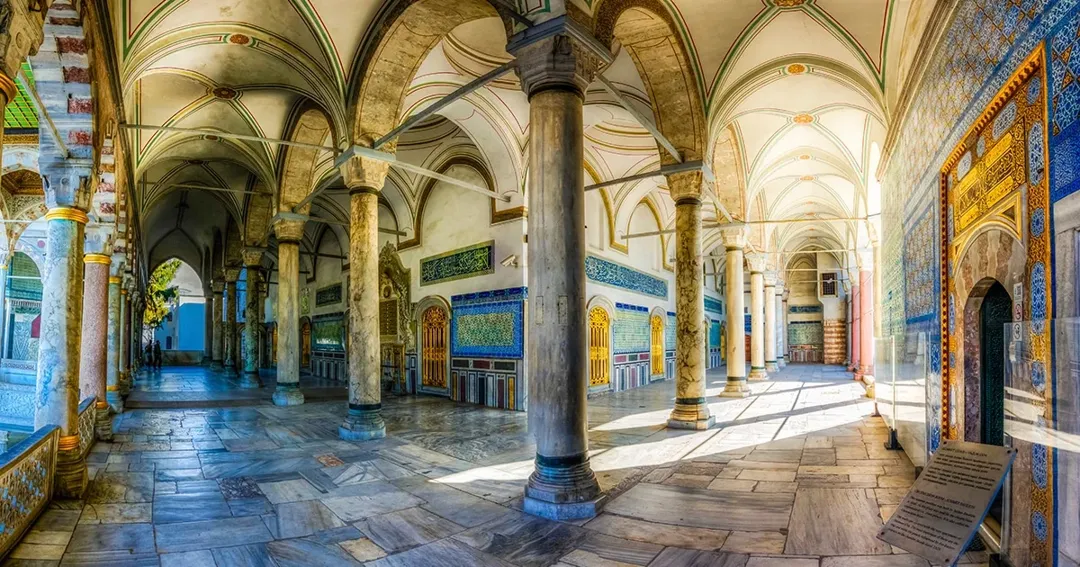
The palace grows outward through gates and courtyards rather than around one monumental façade. This arrangement controlled who could enter each zone and made architecture part of court protocol.
Imperial residences differ in how visitors move through them. France’s Versailles day-trip guide treats the palace, gardens, and Trianon estate as a spread-out full-day route, while Topkapı reveals court hierarchy through sequential courtyards and controlled thresholds. This contrast helps visitors plan around walking distance or changing levels of access.
Look for İznik tiles, carved stone, painted wood, calligraphy, fountains, and views framed by arcades. Decoration changes from restrained service buildings to richly finished ceremonial and private rooms.
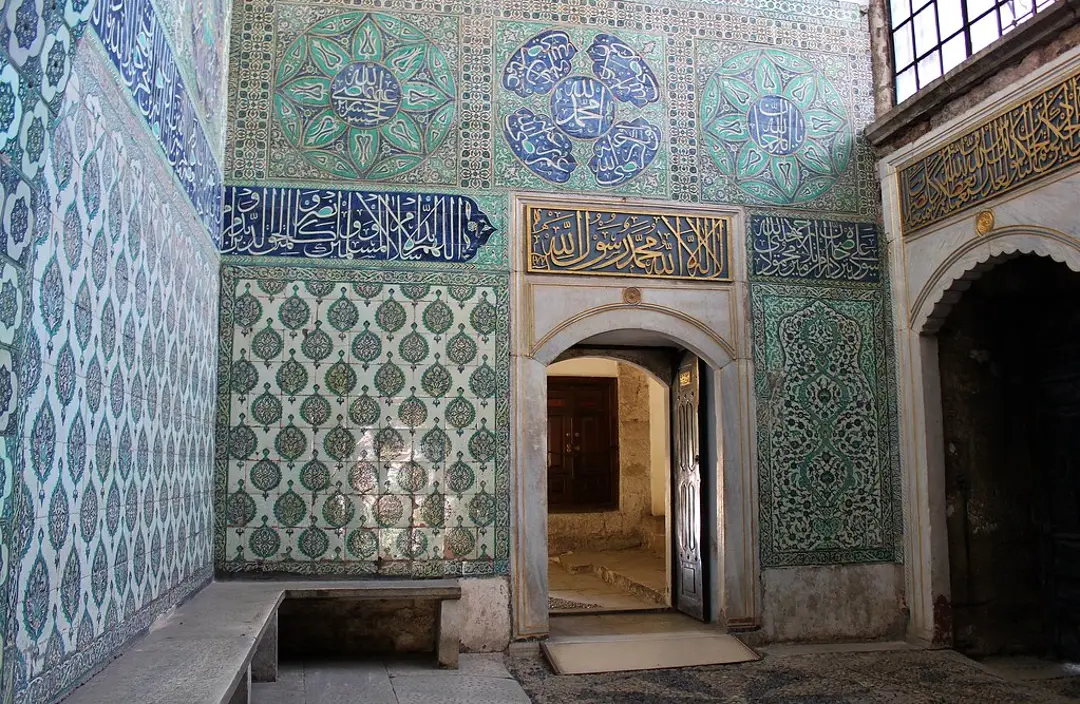
The kitchens, Imperial Council chamber, audience rooms, pavilions, and Harem also reflect different functions. A courtyard-by-courtyard route makes those contrasts clearer than treating the site as a single building.
Must-Visit Attractions and Hidden Gems
The Harem and Its Intricate Details
The Harem was a regulated household with apartments, service areas, schools, courtyards, and ceremonial rooms. Its tilework and changing floor plan reward a slower visit.
Entry arrangements can differ from the main palace route, so confirm what your ticket includes before joining the line. Budget at least an additional hour if the Harem is a priority.
Treasury Displays and Significant Artifacts
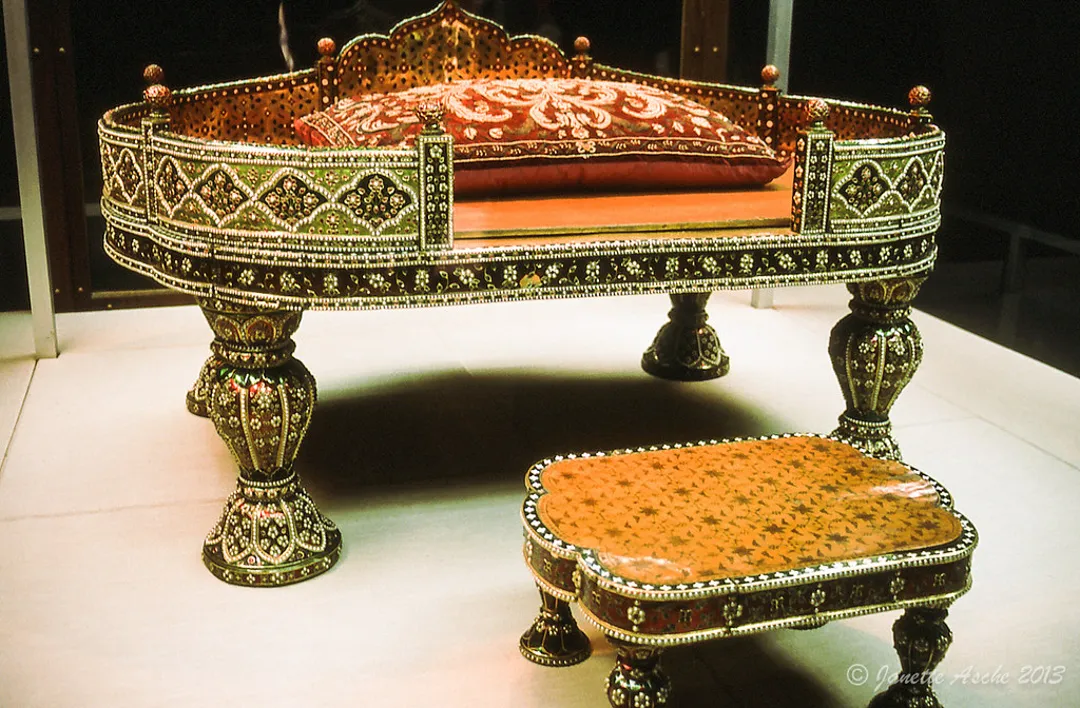
The Treasury displays court objects associated with diplomacy, ceremony, and dynastic prestige, including the Spoonmaker’s Diamond and the Topkapı Dagger. Labels matter because the objects are more informative when viewed through their political and artistic context.
Rare and Lesser-Known Collections
The porcelain, manuscripts, arms, textiles, and sacred relic collections broaden the story beyond jewels. Their materials and origins show how the Ottoman court participated in long-distance trade, diplomacy, scholarship, and religious life.
Visitor Essentials and Practical Tips
The official Topkapı Palace visitor information currently lists Tuesday as the closed day and ticket-office hours from 09:00 to 17:00. Recheck holiday schedules, last admission, gallery access, and ticket combinations shortly before visiting.
Three to four hours suits a highlights visit with the Harem, while collection-focused visitors may need longer. Arrive near opening time for cooler courtyards and fewer large groups.
Use the T1 tram to Sultanahmet or Gülhane, then walk to the entrance. Wear shoes suited to stone paving and carry a light layer because indoor galleries can feel cooler than the courtyards.
Photography restrictions vary by room, and flash or tripods may be prohibited. Follow signs and staff instructions, especially around fragile textiles, manuscripts, and sacred objects.
Pricing Insights for Visitors
Ticket structures may bundle the palace, Harem, and Hagia Irene or sell access under different categories. Compare inclusions, not just the headline price, before paying.
An iRoamly travel eSIM keeps the official ticket page, digital receipts, and transit directions available when plans change during the day.
|
Cost category |
Confirm before paying |
Planning effect |
|---|---|---|
|
Palace admission |
Included buildings |
Prevents duplicate purchases |
|
Harem access |
Whether it is bundled |
Adds time to the visit |
|
Transport and food |
Separate daily budget |
Keeps ticket cost in context |
Set aside a separate budget for food, transport, and any guided service. Avoid assuming that family, student, or museum-pass discounts apply to every visitor category or palace section.
Dining and Culinary Experiences
Meals Around Sultanahmet
The streets between Topkapı, Sultanahmet, and Sirkeci offer kebabs, köfte, soups, meze, and Ottoman-style dishes. Broader Turkish culinary traditions help distinguish regional staples from menus designed mainly for sightseeing crowds.
Check the menu and prices before sitting down, especially near the busiest squares. Sirkeci and the lanes toward Eminönü often provide more variety within walking distance.
Tea and Dessert
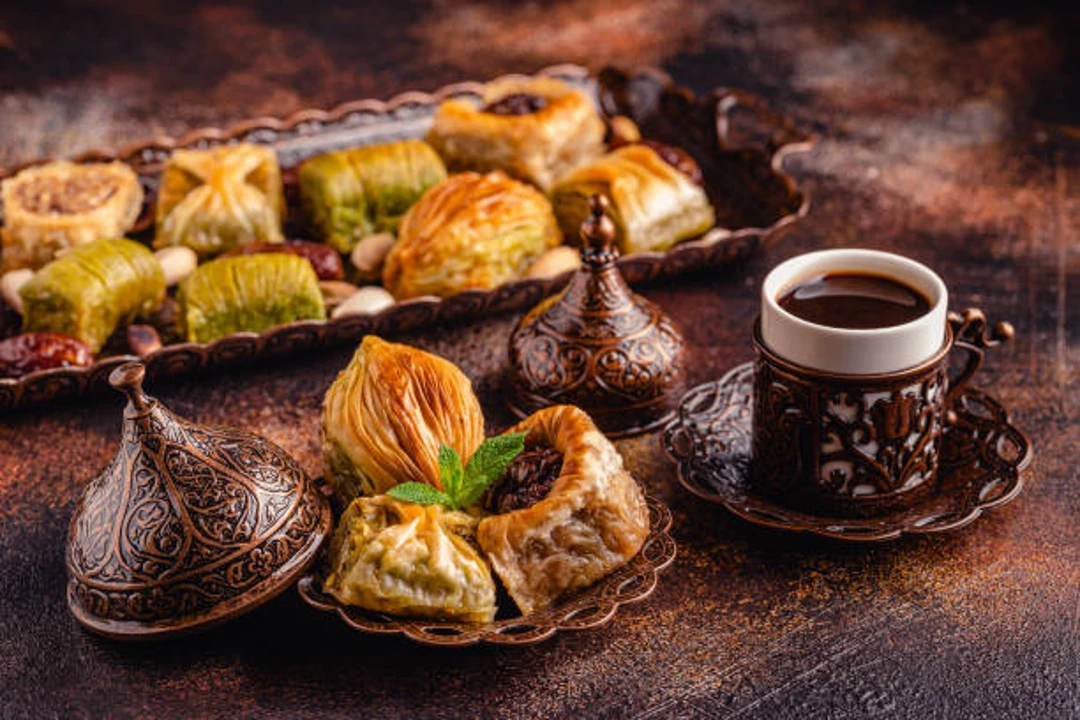
Baklava, sütlaç, or a simple pastry pairs naturally with Turkish tea culture after a long museum visit. Tea gardens and cafés also provide a useful rest before continuing through the historic peninsula.
FAQ
1. How much time should I spend at Topkapı Palace?
Plan three to four hours for the main highlights and Harem, or longer for detailed collection viewing.
2. Is Topkapı Palace closed on Tuesdays?
The regular closure has been Tuesday, but confirm the official schedule before visiting because special arrangements can change.
3. Does the main ticket always include the Harem?
Ticket combinations can change, so check the listed inclusions before purchase.
4. Is Istanbul safe for a palace visit?
Use normal city precautions and review current Turkey travel safety guidance before departure.
5. What should I wear at Topkapı Palace?
Choose comfortable shoes and a modest, weather-appropriate layer for courtyards and indoor collections.
Conclusion
Topkapı Palace makes Ottoman history tangible through its courtyards, government rooms, private apartments, and collections.
A well-paced visit prioritizes the Harem, Treasury, tilework, and lesser-known collections while leaving enough time for security, walking, and changing access rules.
Check current official information, arrive early, and follow the palace in courtyard order for the clearest and most rewarding experience.