
An excursion to Versailles from Paris is an unrivaled opportunity to immerse yourself in France’s regal history and culture.
We’ll look at everything from how to get there, to the best time to go, and the 10 sights you can’t miss when you’re there.
An unforgettable journey is best shared in real time. The iRoamly France Travel eSIM provides you with stable and seamless connectivity, so every stunning view and memorable moment can be captured instantly and preserved forever.
Let's get started!

The Best Way to Travel from Paris to Versailles
The Palace of Versailles, a world-renowned historic site, holds a status comparable to China’s renowned landmarks, like the Forbidden City or the Great Wall, making it a must-visit cultural heritage for every traveler.
When traveling from Paris to Versailles, comfort and convenience are paramount. Here are the best three ways to get to Versailles, based on convenience and ease:
1. RER C Train (Recommended)
Taking the RER C line is the fastest and most economical way to reach it.
The regional train line goes straight from central Paris to the Versailles Château Rive Gauche station, a short walk to the Palace. The journey takes roughly 40-45 minutes and tickets are €3.65 one way.

2. Private Tours
If you prefer a more relaxed, hassle-free experience, a private tour is a great alternative. Tours will include transportation, a guide, and skip-the-line access to the Palace, making your visit smooth and informative. Prices start at around €70-€150 per person, depending on the package.
3. Bus or Coach Service
For those who prefer to travel by bus, there are direct coach services between Paris and Versailles. The journey takes approximately 45-60 minutes and tickets start at around €10-€15 one way. It’s slower than the RER, but can be the more economical choice if traveling as a group.
What Month Should I Visit Versailles
The best time to visit Versailles will depend on whether you would rather avoid the crowds or there are specific things you want to see.
Off-Season (November – March)
Just like traveling to Paris, visiting Versailles in the off-season means you’ll have a more peaceful experience, with fewer visitors. The gardens won’t be at their best, but the palace is just as breathtaking, and with fewer people exploring it. Tickets may also be cheaper during this time.
Peak Season (April – October)
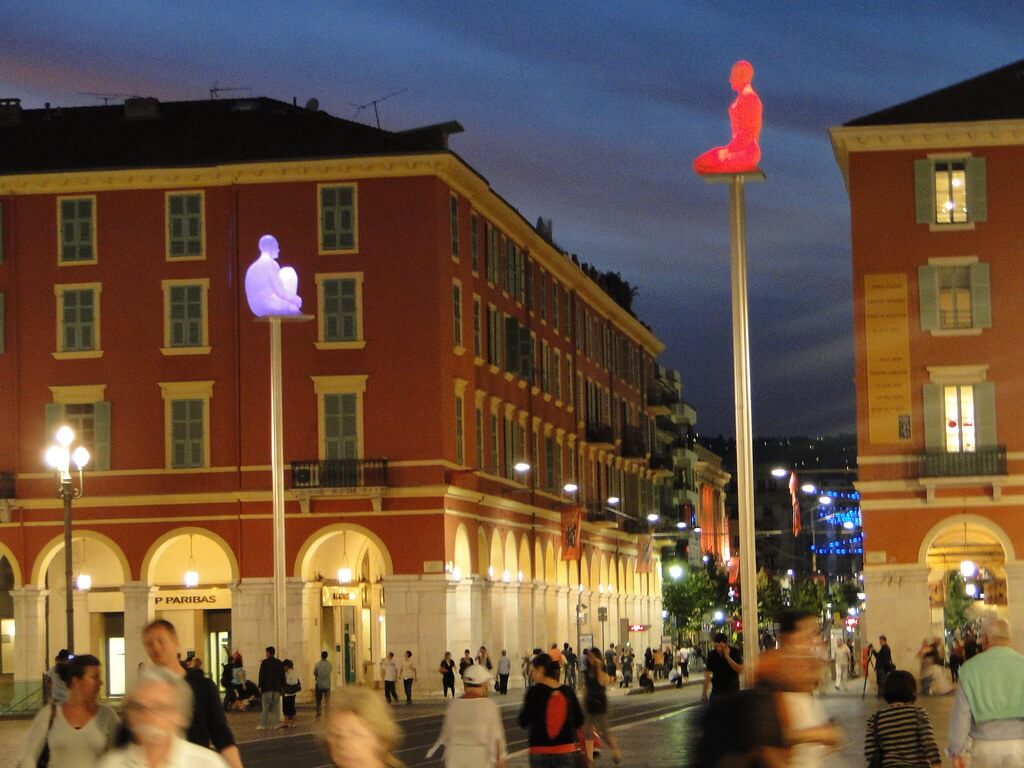
This is the time to visit Versailles if you want to see everything when it is in peak condition. From spring to autumn is when the gardens are in full bloom and when additional attractions, like the musical fountain shows, are running. However, be prepared to contend with the crowds, particularly at weekends.
The choice is yours! We have 10 sights to check out when visiting Versailles to get you started!
Top 10 Must-Sees in Versailles
1 – Palace of Versailles (Château de Versailles)
The Palace of Versailles was originally commissioned by “Sun King” Louis XIV in 1682. Renowned for its magnificent architecture and profound historical significance, it represents the pinnacle of royal power and the influence of kings in French history.
After the monarchy was abolished in the 20th century, the palace was converted into a museum and opened to the public.
Today, it remains a world-famous tourist attraction and cultural heritage site, listed as a UNESCO World Heritage site since 1979.
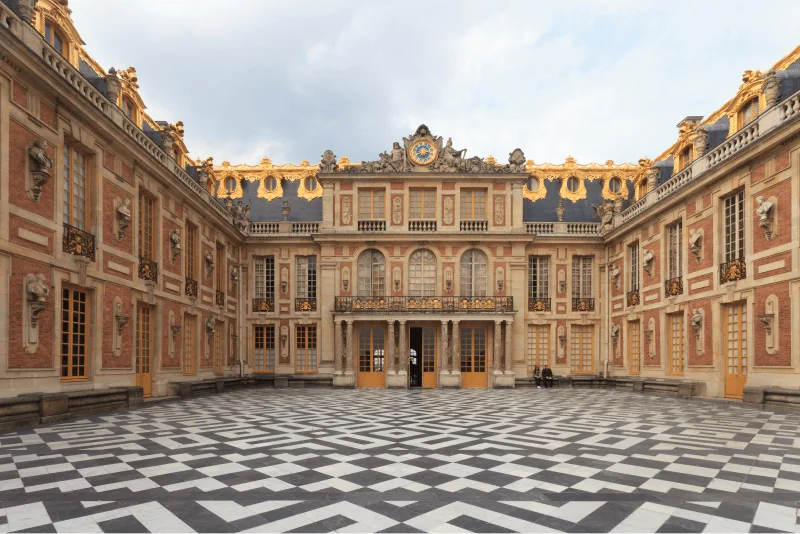
When to visit: In the mornings, before the crowds descend.
How to get there: A five-minute walk from Versailles Château Rive Gauche station.
Tip: With the main palace closed every Monday, avoid visiting on Sundays and Tuesdays, when it is especially busy.
2 – Gardens of Versailles (Jardins du Château de Versailles)
Spend hours exploring the colossal gardens, a masterpiece of André Le Nôtre, where you can relax among fountains and sculptures in the French style.
When to visit: In spring and summer, for the full experience.
How to get there: Directly behind the Palace, on foot.
During weekends in summer, musical fountain shows are staged.
3 – The Grand Trianon
Composed entirely of pink marble, this elegant palace was where French kings would retire for more privacy. Less busy than the main palace, it makes for a serene visit.
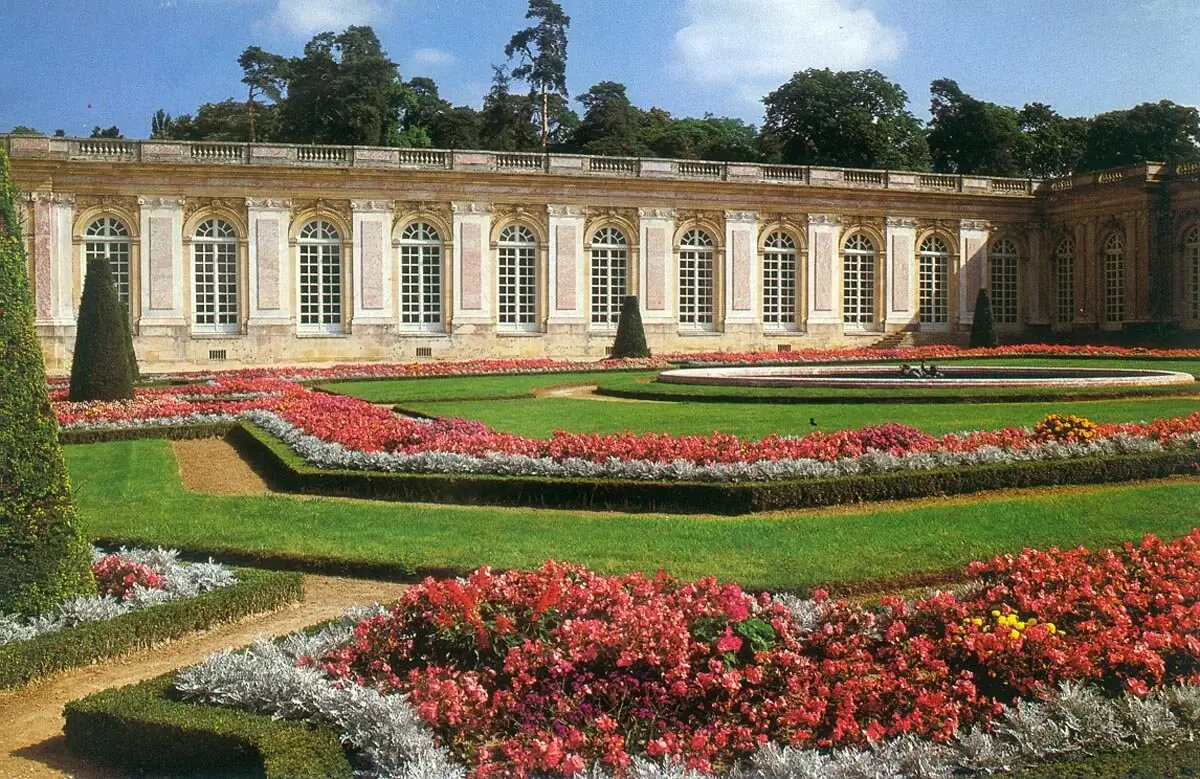
When to visit: Mid-afternoon, to avoid busier times.
How to get there: A 15-minute walk from the main palace.
Tip: The shell of tranquility extends to the gardens.
4 – The Petit Trianon
Softer and more intimate palace than its grander sibling, once the residence of Marie Antoinette, the Petit Trianon affords a window onto the private life of the Queen.
When to visit: Late morning.
How to get there: A short walk over from the Grand Trianon.
Behind the Petit Trianon lies Marie Antoinette’s rustic village.
5 – The Hall of Mirrors (Galerie des Glaces)
The Hall of Mirrors at the Palace of Versailles, where the Treaty of Versailles ended World War I, is both breathtaking and historic. Its chandeliers and countless mirrors reflect architectural brilliance and power.
This hall has witnessed the political evolution of France—from the absolute monarchy of Louis XIV to today’s semi-presidential republic—showing the remarkable leap from royal grandeur to modern democracy.
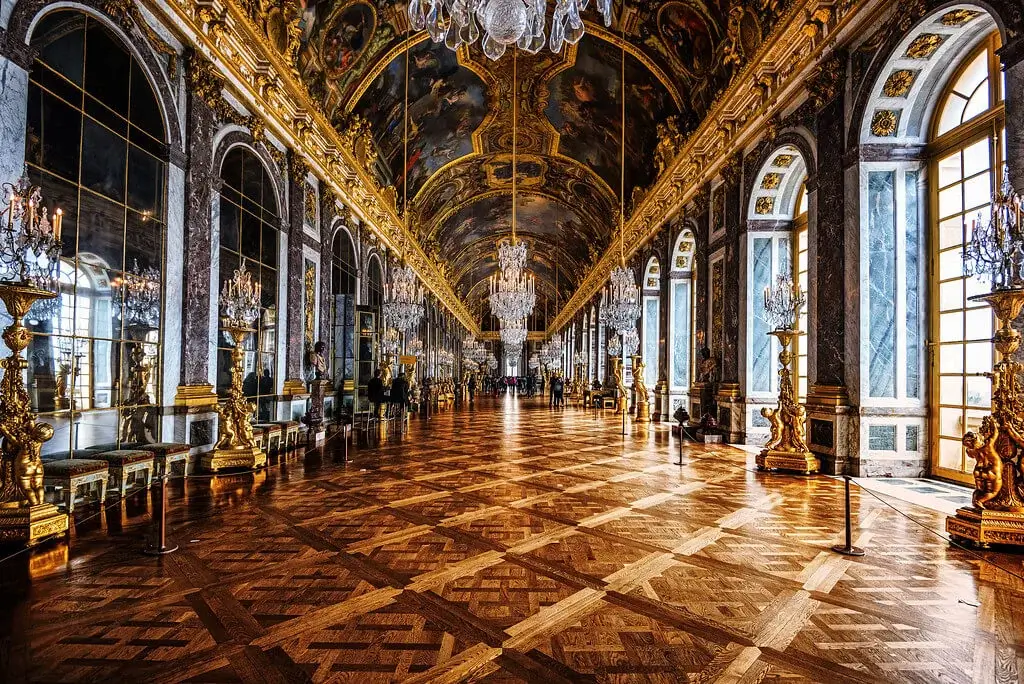
When to visit: First thing, to see it mostly to yourself.
How to get there: Inside the Palace of Versailles.
Tip: There’s a lot to see & do in Hall of Mirrors – don’t rush.
6 – The Royal Stables (Écuries Royales)
Former home to the Kings’ mounts, the lavish stables now host exhibitions focused on horses throughout art and royal history.
When to visit: Afternoons.
How to get there: Just behind the main Palace.
Keep an eye out for the times they host horse performances.
7 – The Royal Chapel (Chapelle Royale)
Another in-Palace attraction, the Royal Chapel is a dazzling homage to Baroque architecture – look to the ceiling, and the fine details.
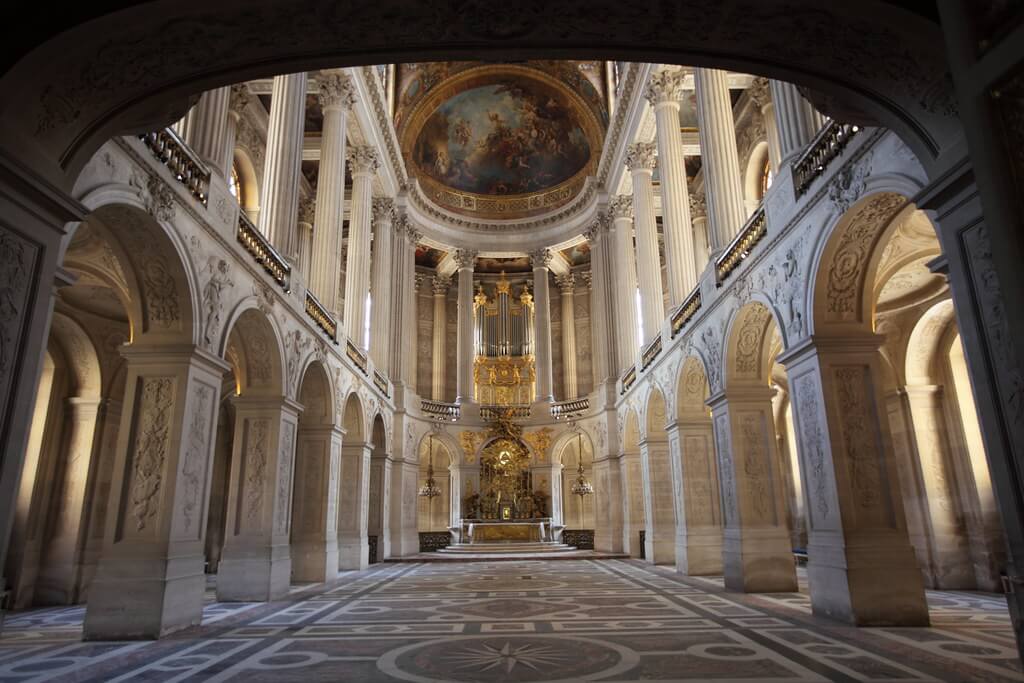
When to visit: After you’ve seen the Hall of Mirrors.
How to get there: Inside the Palace of Versailles.
Tip: If the opportunity arises, try to attend a mass or performance.
8 – The Queen’s Hamlet (Hameau de la Reine)
An enchanting rustic escape that Marie Antoinette used for retreat, the Queen’s Hamlet is a delightfully quirky little “village”.
When to visit: Around noon, after the Petit Trianon.
How to get there: A short walk from the Petit Trianon.
It’s a very calm location, perfect for a breather.
9 – The Versailles Market (Marché de Versailles)
For the most local experience in Versailles, take a walk to the Market, where fresh French produce, cheeses, and pastries are waiting.
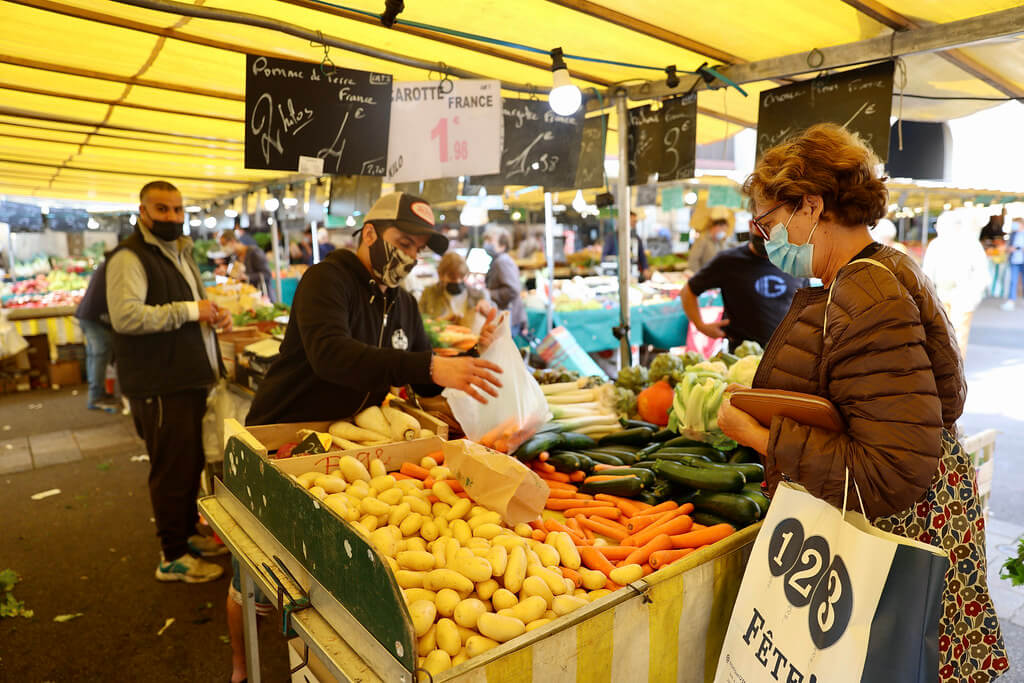
When to visit: Early for market-best freshness.
How to get there: In central Versailles.
Tip: Head to the market for delicious French pastries! Keep your iRoamly connection handy to upload colorful food photos or instantly translate French menus.
10 – The Orangerie
The Orangerie houses over a thousand orange trees, giving great views across the gardens and the Palace – a beautiful area, especially in winter, when the trees are brought indoors for the season.
When to visit: Winter or spring.
How to get there: Down near the gardens.
Stunning views out towards the Palace from here.
What to Eat in Versailles
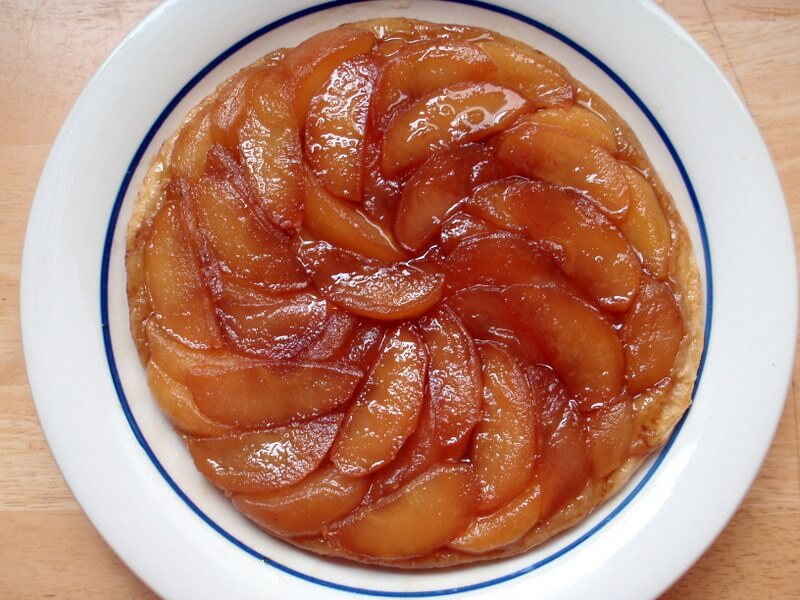
1. Tarte Tatin
Don’t miss trying this delectable, upside-down caramelized apple tart after a busy day of sightseeing.
2. Escargots
Sample the world-famous French delicacy – snails – cooked in garlic butter and herbs. An absolute must!
3. Quiche Lorraine
A savory pastry dish made with eggs, cream, cheese, and bacon, quiche Lorraine is a classic example of French delicious food. It’s perfect as a light lunch, offering a rich combination of flavors that capture the essence of French cuisine.

4. Crêpes
You can’t go wrong with a classic French crêpe for a snack, served up sweet or savory.
5. Macarons
These colorful, dainty meringue cookies that are popular all over the world make for a sweet treat as souvenirs to take home.
Summary
A day trip to Versailles from Paris is a journey through time, rich in art, history, and beautiful natural vistas.
Whether exploring the Palace, the gardens, or the local culinary scene, there’s plenty to take in.
Use these tips and suggestions to make the most of your time there.