
Yes. Turkey is in both Europe and Asia, so the most accurate description is a transcontinental country. A small northwestern area lies in southeastern Europe, while most of the country extends across Anatolia in western Asia.
This geography shapes real travel decisions. A Turkey eSIM can keep maps, ferry information, translation tools, and reservations available as you move between regions.
This guide explains the continental boundary, Istanbul’s two sides, the difference between geographic and political Europe, and the practical meaning of Turkey’s Eurasian position.
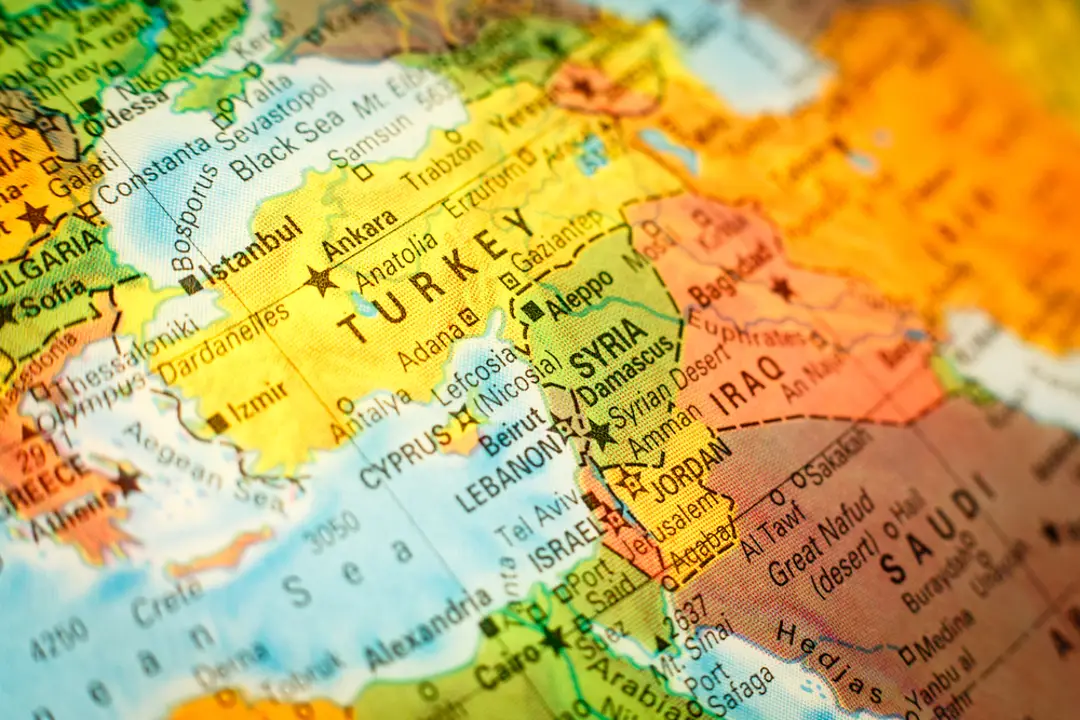
Is Turkey in Europe or Asia?
Turkey occupies both continents. A Turkish government geography overview places approximately 3% of its land in European Thrace and about 97% in Anatolia.
European Turkey includes Edirne, Kırklareli, Tekirdağ, the part of Çanakkale north of the Dardanelles, and the districts of Istanbul west of the Bosphorus. Asian Turkey includes the rest of Istanbul and the much larger Anatolian landmass.
The Bosphorus, Sea of Marmara, and Dardanelles form the familiar geographic boundary. Together they separate European Thrace from Anatolia.
These percentages refer to land area, not cultural identity, political membership, or the share of travelers who visit each region.
How the continental boundary works
The 3%–97% division uses the Bosphorus, Sea of Marmara, and Dardanelles as the conventional boundary between Thrace and Anatolia.
Continental boundaries are geographic conventions, so “European Turkey” and “Asian Turkey” are location labels rather than administrative divisions.
Physical boundaries can work very differently. The Alps form the France-Italy Alpine boundary, creating an international frontier that travelers cross through passes, tunnels, and border routes. The Bosphorus, by contrast, marks a continental division within Turkey, so moving between Istanbul’s two sides remains a domestic city journey rather than an international border crossing.
Istanbul: one city on two continents
Istanbul spans the Bosphorus. Districts such as Fatih, Beyoğlu, and Beşiktaş are on the European side, while Kadıköy and Üsküdar are on the Asian side.
The division is geographic rather than a border: travelers move between the two sides within the same city. Istanbul attractions and tips can help turn that distinction into a practical sightseeing plan.
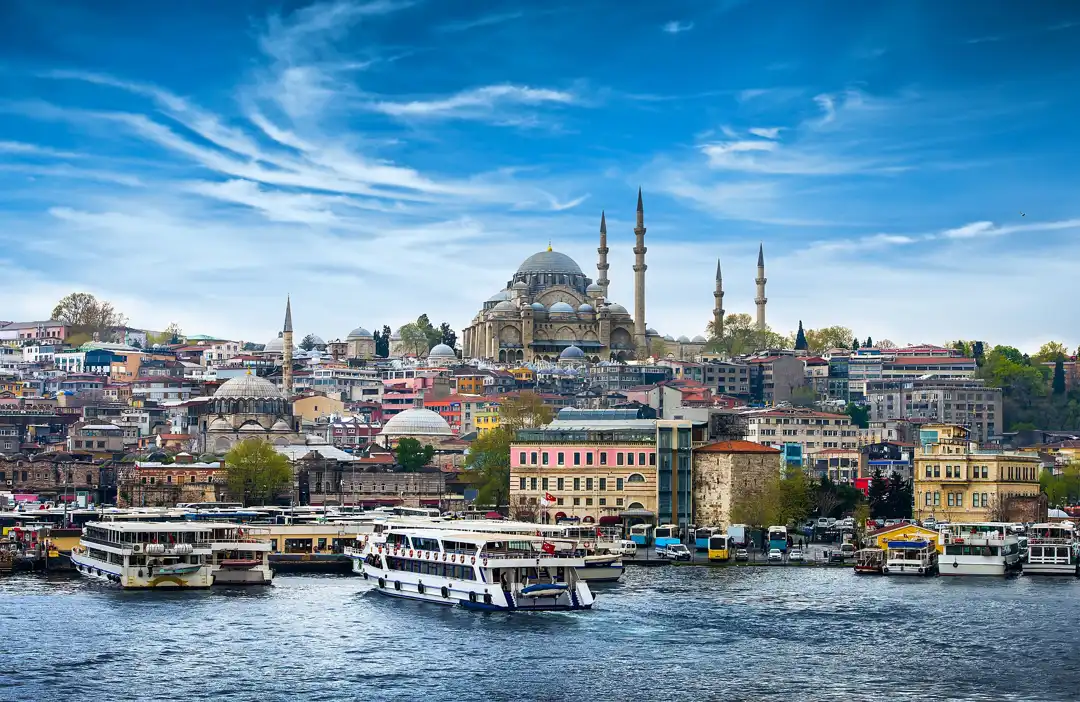
European Turkey and Asian Turkey compared
The continental labels describe location, not two separate countries or cultures. Both sides share the same national institutions, currency, official language, and transport systems.
A broader Turkey geography overview adds the surrounding seas, neighboring countries, and regional context needed to compare the two sides.
European Turkey: Thrace and western Istanbul
European Turkey is compact but historically important. Edirne reflects Ottoman history near the Greek and Bulgarian borders, while Tekirdağ faces the Sea of Marmara and supports routes between Istanbul and the Balkans.
Western Istanbul contains many well-known historic districts and major visitor hubs. Its airports, rail routes, highways, and bridges also connect Turkey with southeastern Europe.
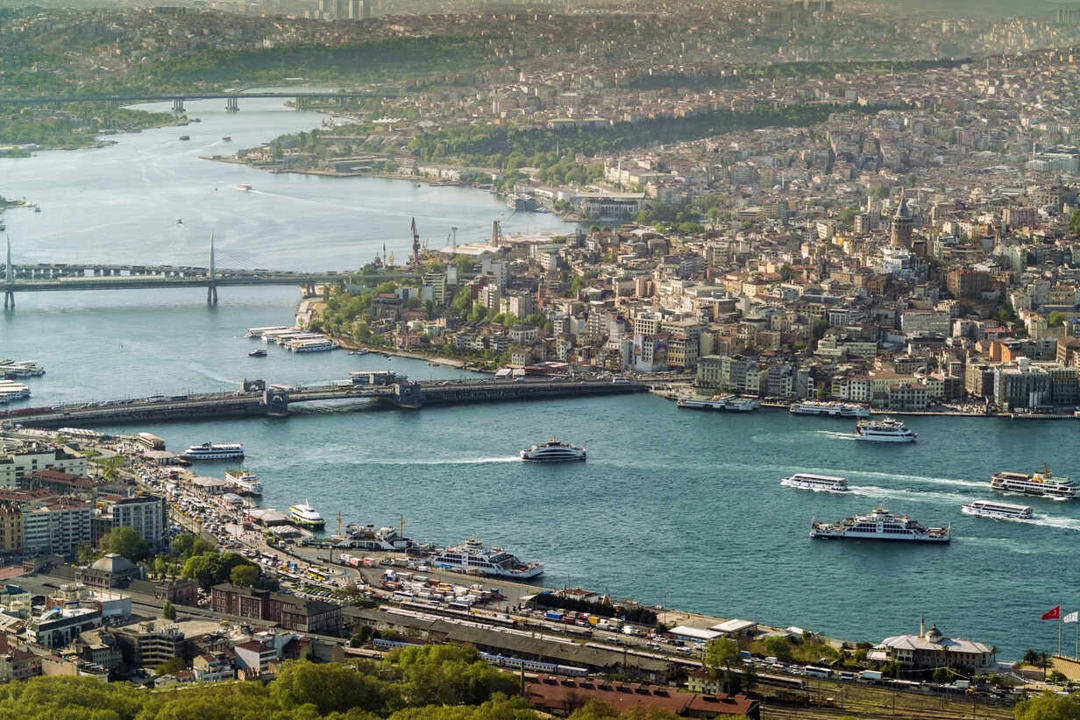
Asian Turkey: Anatolia
Anatolia contains most of Turkey’s territory and extraordinary regional variety. It includes the Aegean and Mediterranean coasts, the central plateau, the Black Sea mountains, Cappadocia, and the higher landscapes of eastern Turkey.
Distances are correspondingly larger. Istanbul to Cappadocia, Ankara, Antalya, or the far east involves intercity planning rather than a simple cross-Bosphorus transfer.

A shared cultural crossroads
The continental boundary does not divide daily life into purely European and Asian traditions. Migration, trade, imperial history, regional cuisines, and modern urban life have produced a layered national culture.
That mix is easier to understand through the country’s historical development, family life, arts, food, and festivals. A detailed account of Turkish cultural identity develops those themes beyond geography.
Is Turkey politically part of Europe?
Geography and political membership answer different questions. Turkey has European territory and participates in several European institutions, but it is not a member of the European Union.
EU candidate status
The European Commission lists Türkiye as an EU candidate country. Candidate status does not provide EU membership or automatic access to rules that apply inside the Union.
For travelers, this distinction matters most for entry rules, roaming, insurance, and payment expectations. Requirements should be checked for Turkey specifically rather than inferred from an itinerary elsewhere in Europe.
Schengen and entry rules
Turkey is not among the countries in the Council of the EU’s 29-country Schengen Area. A Schengen visa or visa-free status elsewhere in Europe therefore does not by itself determine entry to Turkey.
Question |
Short answer |
Why it matters |
|---|---|---|
Is Turkey geographically in Europe? |
Partly; East Thrace is in Europe. |
It explains the transcontinental label. |
Is most of Turkey in Asia? |
Yes; most territory is in Anatolia. |
Domestic distances can be substantial. |
Is Turkey in the EU? |
No; it is a candidate country. |
EU travel assumptions may not apply. |
How Turkey’s location shaped its culture
Anatolia has connected the Black Sea, Mediterranean, Balkans, Caucasus, and Middle East for centuries. Trade routes carried goods, technologies, beliefs, and artistic ideas across the region.
Later Ottoman networks linked cities across southeastern Europe, western Asia, and North Africa. Historic commercial places such as Bursa’s Koza Han show how silk trade and urban exchange became part of local architecture and economic life.
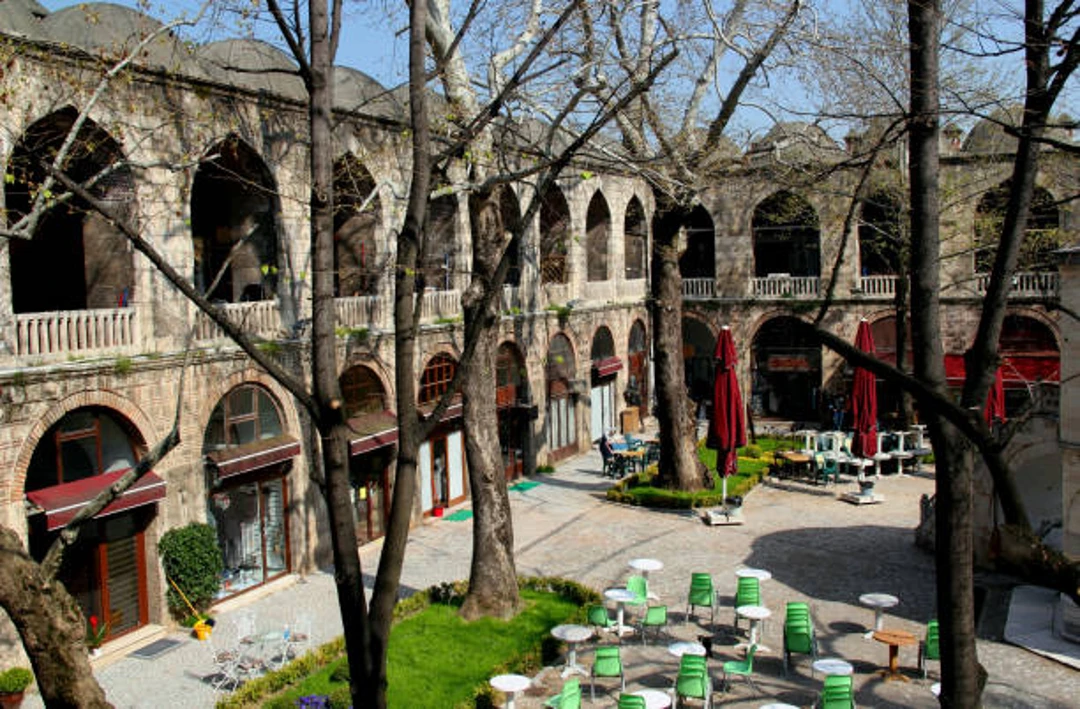
Modern Turkey is equally varied. Istanbul’s neighborhoods, Aegean port cities, central Anatolian towns, Black Sea communities, and southeastern cities each combine national identity with distinct local influences.
Cuisine makes this regional range tangible: olive oil dishes are prominent along the Aegean, grain and meat dishes are common inland, and Black Sea cooking often features corn and seafood.

Travel tips for crossing between Europe and Asia
Crossing continents in Istanbul can be part of an ordinary day rather than a separate trip. Ferries provide open views, while Marmaray rail services and road bridges offer other ways to cross the Bosphorus.
Choose the route that fits your day
Check the route: Istanbul’s official ferry timetables list current city lines and Bosphorus services.
Allow transfer time: Peak traffic can make road journeys slower, so rail or ferry connections may be easier for time-sensitive plans.
Plan regional distances separately: A quick Bosphorus crossing is not comparable to traveling from Istanbul to central or eastern Anatolia.
Use precise place names: “European side” and “Asian side” are useful in Istanbul, but city, district, and station names are better for route searches.
Keep travel tools available
iRoamly travel eSIM plans can support navigation, translation, ticketing, and schedule checks without relying on public Wi-Fi.
FAQ
1. Is Turkey considered a European country?
Turkey is transcontinental: part is geographically European, while most of its land is in Asia.
2. Which part of Turkey is in Europe?
East Thrace, including Edirne, Kırklareli, Tekirdağ, and western parts of Istanbul and Çanakkale, lies in Europe.
3. Is Istanbul in Europe or Asia?
Istanbul is in both; the Bosphorus separates its European and Asian districts.
4. Can travelers easily cross between the two continents?
Yes; ferries, Marmaray trains, and road bridges connect Istanbul’s European and Asian sides.
5. Is Turkey part of the European Union?
No; Türkiye is an EU candidate country but is not an EU member.
6. Is Ankara in Europe or Asia?
Ankara, Turkey’s capital, is in Central Anatolia and therefore geographically in Asia.
Conclusion
Turkey belongs to both Europe and Asia. European Thrace forms a small northwestern part of the country, while Anatolia accounts for most of its land.
Istanbul makes the continental divide visible, but the two sides remain part of one connected city and country. Geography, politics, culture, and travel rules should therefore be considered separately.
For planning, use precise regional information: confirm Turkey-specific entry requirements, compare realistic domestic distances, and choose ferry, rail, road, or air connections according to the route.