
Are you pondering when the best time to visit Vietnam is?
To help you choose the perfect time to travel based on different regions of the country, we’ve provided an overview of the best seasons for visiting Vietnam.
Whether you’re looking for the cool, crisp air of fall up north or resting on a beach during hot, clear days in the south, we’ll help you know when to plan your journey for the type of experience you’re hoping for.
No matter when you travel, having an iRoamly Vietnam travel eSIM ensures you stay connected at all times, so you can instantly share Vietnam’s most beautiful seasonal moments with your family and friends, and capture every unforgettable scene you encounter.
So what makes Vietnam so captivating in each season? Let’s explore them one by one.

When is the best time to visit Vietnam?
Thanks to its shape and a range of climates, there is no one singular best time to visit all of Vietnam, with each region having different optimal visiting times.
The north has four distinct seasons, central Vietnam has a split of two extremes, and the south gets a hot and rain split. Regularly checking weather updates and potential hazards is an essential part of travel planning.
You need to ensure your mobile devices remain connected at all times so you can access the latest weather forecasts and real-time alerts wherever you are.
It is recommended that you obtain the most authoritative disaster prevention information from the Vietnam National Center for Hydro-Meteorological Forecasting or official social media accounts of local government agencies.
Reliable information delivery, however, depends on a stable and trustworthy network connection. iRoamly has long been highly praised for its exceptional network stability and cost-effectiveness, helping you stay connected with the world at all times during your journey, so that safety is always within reach.
Vietnam National Hydrometeorological Forecast Center: https://nchmf.gov.vn/KttvsiteE/en-US/2/index.html
Knowing the overall climate patterns makes sure you can plan around the best overall weather conditions for your visit to the regions you’re focusing on, maximizing your experience.
Best Time to Visit Northern Vietnam
Autumn: September to November
The best time to visit Northern Vietnam, at least in terms of weather and climate. Autumn in northern Vietnam is cool and dry, making it perfect for exploring highlights of Hanoi, such as its bustling streets or hiking through the terraced fields of Sapa.
Temperatures hover around 18-25°C (64-77°F), offer cool conditions for outdoor adventure, without extreme heat or monsoon rains.
Recommended sites to visit in autumn include:
Hanoi’s Old Quarter: soak up history and shop at the street markets.
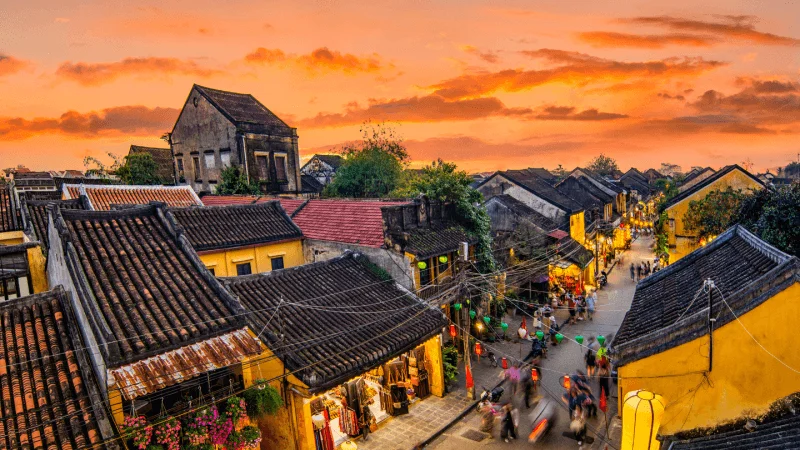
Sapa Rice Terraces: Hike the terraced fields and visit hill shuttle villages.
Other Seasons in Northern Vietnam
Summer (June to August)
It gets hot and sticky, with temperatures over 30°C (86°F) though the landscape is at its lushest. Be prepared for afternoon showers.
Sites to visit in summer include:
Ban Gioc Waterfall: one of the largest natural waterfalls in all of Southeast Asia.
Hanoi Street Food Tours: experience authentic Vietnamese cuisine in the capital.
Spring (March to May)
Temperatures are mild with occasional, light showers – perfect for exploring the natural wonders of Halong Bay or trekking in Ha Giang.
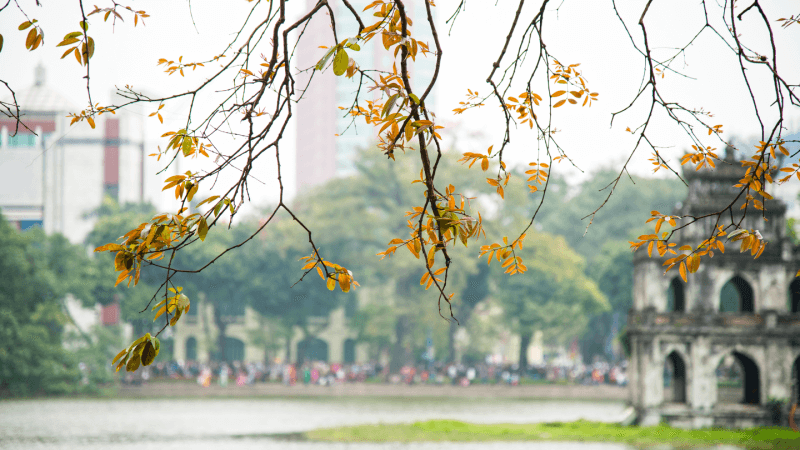
Halong Bay: cruise among the towering limestone karsts.
Ha Giang: discover the staggeringly beautiful loop, and the traditional cultures running along it.
Winter (December to February)
The northern region has a cold climate, especially in mountainous areas such as Sabah, where temperatures can drop below freezing.
Due to its geographical proximity and the influence of the Siberian High in winter, the seasonal weather patterns here are very similar to those in southern and southwestern Chinese climate patterns.
This is also a season characterized by heavy mist, and visitor numbers are relatively low.
Hanoi Coffee Culture: warm up with the city’s coffee scene.
Trang An Scenic Landscape Complex: enjoy a tranquil riverboat ride through the UNESCO World Heritage site.
Best Time to Travel to Central Vietnam
Harvest season: January to April
Central Vietnam is at its cashmere sweater best during the Harvest season. There’s typically little rainfall and temperatures are moderate, making for an excellent opportunity to visit the historic Hue or bustling Da Nang, with temperatures ranging from 20-30°C (68-86°F).
Recommended sites to visit during the Harvest season include:
Hue Imperial City: explore the history of the former capital of Vietnam.
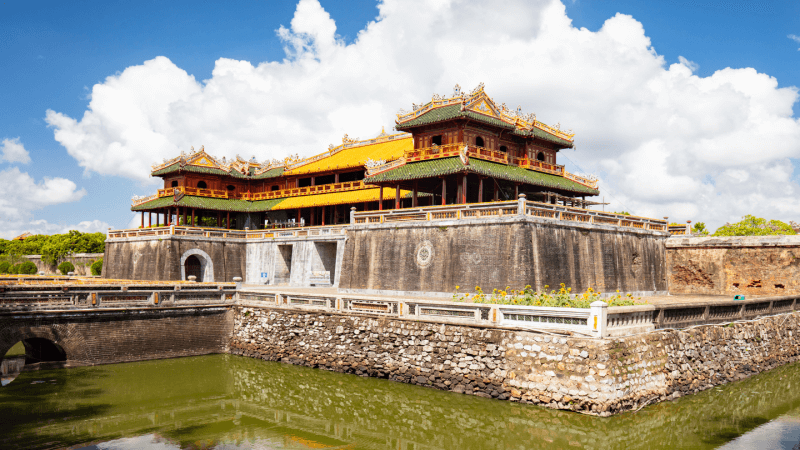
Da Nang Beaches: discover the stunning beaches and beachfront cafes.
Other Seasons in Central Vietnam
Hot Season (May to August)
Temperatures can rise into the 40s°C (100s°F) along the coast, with humidity making it feel worse. It can be a tough season, but the coastal regions are at their most vibrant, and there’s life along the beaches and markets.
Rainy Season (September to January)
Rainclouds gathering, particularly in October/November, can lead to minor flooding. It’s less convenient for travelers, but the landscape can be dramatic – if you’re prepared for it.
Best Time to Travel to Southern Vietnam
Hot Season: February to May
The dry months when you’re most likely to enjoy the sun and sand of places like Nha Trang and Phu Quoc. Plan for temperatures of 28-35°C (82-95°F) for optimum sunbathing and beach-bound fun.
Recommended sites to visit during the Hot Season include:
Nha Trang Beach: dive, snorkel, bask in the sun.
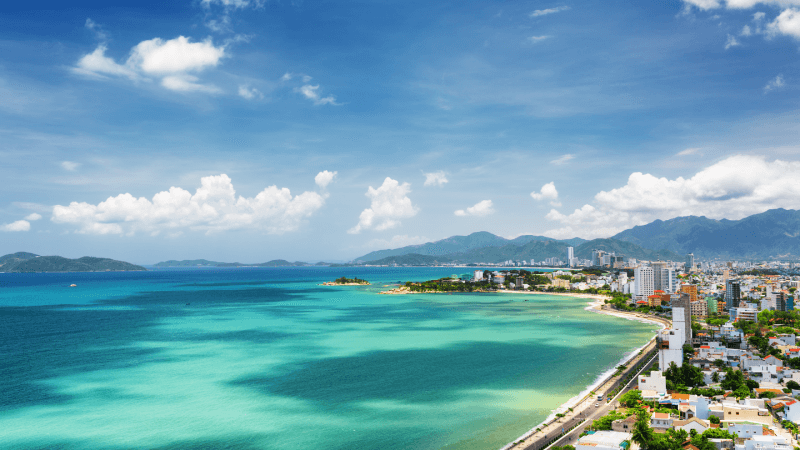
Phu Quoc Island: glut on the fresh seafood.
Other Seasons in Southern Vietnam
Rainy Season (June to November)
Southern Vietnam’s rainfall is a bit of a misnomer – it’s generally a sprinkle compared to the torrents in the North, so it’s still excellent travel time. Enjoy the city life in Ho Chi Minh City while the weather keeps damp tourists away.
Cu Chi Tunnels: Discover the wartime plethora of activities held underground.
Ho Chi Minh City Markets: wander and snack through the traditional markets.
Harvest Season (November to February)
After the monsoons, the region will be verdant and overgrown: a good time to visit, though when the majority of other travelers will be.
Mekong Delta: explore the floating markets
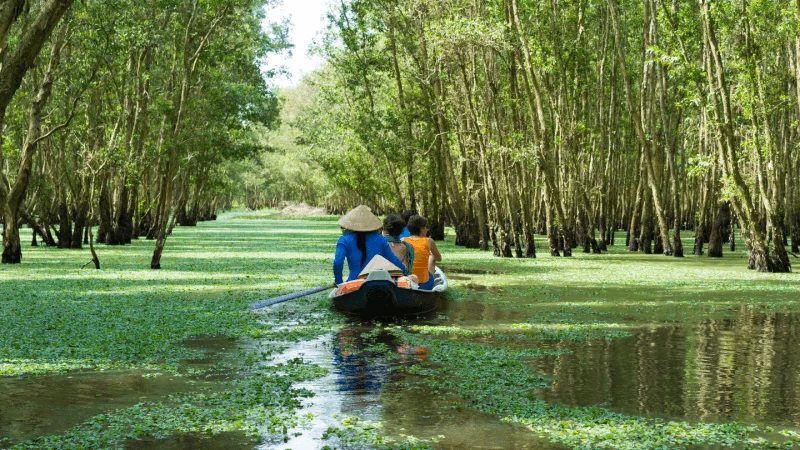
Can Tho: boomtown hosts an annual festival to celebrate the history of the Mekong.
Summary
Choosing when to travel to Vietnam is almost as important as deciding where to go.
Whether you’re seeking the cool mountain air of the north or the sun-soaked beaches of the south, this guide will help you visit your desired Vietnamese destinations at the most suitable time of year.
Careful trip planning allows you to enjoy incredible adventures while minimizing the chances of rain during your journey.
Start exploring Vietnam today!