
Thinking of traveling to Vietnam?
We’ve compiled a list of the top 20 attractions and places to visit nationwide, giving you every reason to not skip over any of them.
Before you set off, make sure to have reliable internet for your Vietnam trip. Whether you’re checking directions or sharing beautiful moments along the way, staying connected ensures you won’t miss any of these 20 must-visit spots.
Let’s begin this adventure!

Natural Wonders
1. An Bang Beach
An Bang Beach is just a short walk from the old town, featuring soft white sand and clear, turquoise waters that feel like a hidden paradise. Peaceful and laid-back, it’s a favorite among both locals and travelers.
Beyond its relaxing atmosphere, An Bang Beach is also known for its charming beachfront cafés and bars. You can order a traditional coffee from Vietnam and enjoy the rich aroma created as condensed milk blends with dark-roasted coffee over crushed ice—an ideal way to begin a magical evening by the sea.
How to get there: Hire a scooter or taxi from Hoi An.
Best time to go: Perfect for a half day of unwinding on the coast.
Tip: Taste the fresh seafood offered at the restaurants that back the beach, and don’t forget your sunblock – the tropical sun can be fierce!
2. Marble Mountains
A group of five marble and limestone peaks, each one named after an element of the human experience, the Marble Mountains house a network of caves, temples, and peaks offering expansive views of the region. A place of both natural beauty and spiritual resonance, it proves a physically demanding and culturally rewarding experience. Shrouded in legend and spiritual folklore, the sacred site possesses a mysterious allure visitors can’t help but feel drawn to.
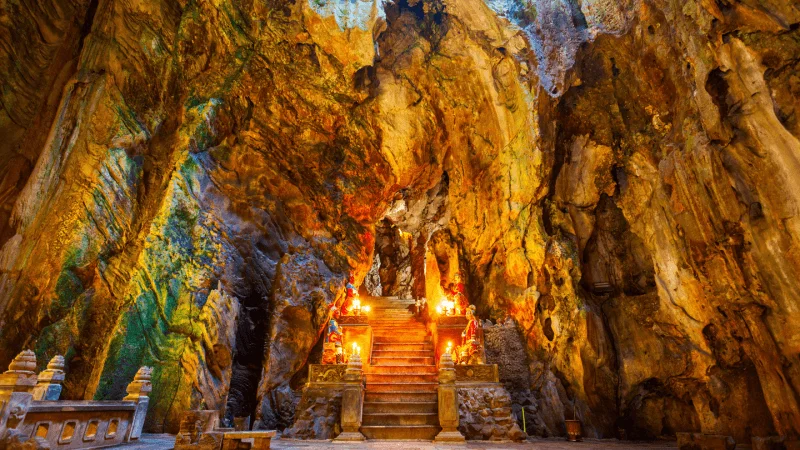
How to get there: Take a short drive from Da Nang, access also by scooter or local bus.
Best time to go: Allocate half a day to explore the caves, scale the peaks, and enjoy the vistas.
Tip: Be sure to wear sturdy shoes and carry water, as the site requires significant walking and climbing.
3. Fansipan Mountain
Nicknamed the "Roof of Indochina", Fansipan Mountain is the highest point in Vietnam, presenting panoramic views of rolling terraced fields and craggy mountains for the climber. The adventurous can trek to the summit, while those in search of a less strenuous experience can ride the cable car, panoramic views affording sights of the stunning landscape below.
How to get there: Take a road transfer or bus to Sapa town, then hike or cable car up to the top.
Best time to go: Plan a full day for hiking or a few hours if taking the cable car.
The weather around here can be unpredictable, so layer up and check the conditions before your trek or ride.
4. Muong Hoa Valley
Resting in Fansipan’s shadow, Muong Hoa Valley is known for its photogenic tiers of rice paddy, flowing down the hillside, offering material for the familiar Vietnamese landscape paintings in a natural setting. Visited by multiple ethnic minorities, exploring Muong Hoa Valley is a sociocultural experience to match the marvel of the countryside, providing a window into Northern Vietnam’s cultural heritage.
How to get there: A short ride from Sapa town, walk or take a local motorcycle to journey on foot.
Best time to go: Spend a day roaming through Muong Hoa to fully appreciate its natural beauty and cultural importance.
Tip: Hire a guide to learn more about the history and local tribes, and possibly to arrange visits to their villages.
5. Sao Beach
Phu Quoc Island’s Sao Beach is considered one of the most beautiful beaches in Vietnam, thanks to its fine white sand and azure tropical waters, which lure visitors with swimming, sunbathing, and watersports. The beach is lined with palm trees, and beachfront restaurants and bars provide the perfect respite to sample fresh seafood and tropical cocktails.
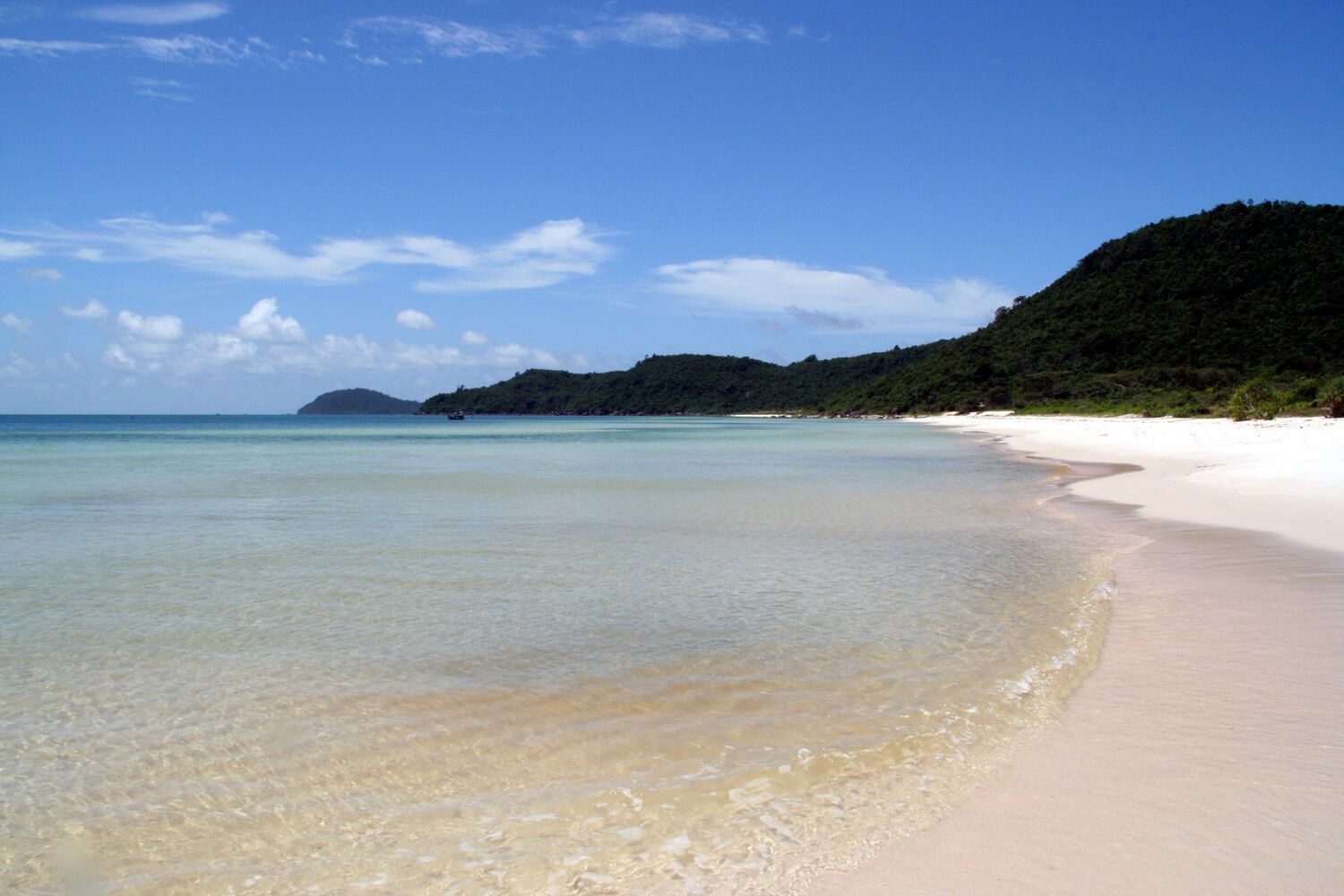
How to get there: Taxi or scooter accessible from anywhere on Phu Quoc Island.
Best time to go: Plan a full day for beachside relaxation and activities.
Tip: Snorkel or paddleboard in the shallow waters for a closer look at the diverse marine life.
6. Phu Quoc National Park
David visited Phu Quoc National Park, with over half of the island being protected by the site. A jungle-clad refuge for outdoor enthusiasts, the park is home to dense, tropical forest, hiking trails, and plenty of indigenous fauna. It's the perfect spot for trekking, birdwatching, and soaking in the untouched wilderness.
How to get there: Rent a motorbike or opt for a guide, who can guide you through the park on hikes and point out interesting wildlife.
Best time to go: Dedicate at least half a day, but naturalists will want to linger longer.
Bring plenty of water, wear hiking-appropriate shoes, and invest in insect repellent before visiting the park.
Cultural Highlights
7. Old Quarter
The bustling and vibrant heart of Vietnam's capital, Hanoi's Old Quarter is a chaotic but colorful glimpse into daily life in the city.
Streets in the quarter are famously dedicated to trades, as they were in times past – expect to see fruit vendors touting their wares, scooters jostling for space, and vietnamese delicious food wafting from street food vendors selling dishes like pho and banh mi.
The Old Quarter also acts as a living, breathing museum of the city, with architectural history visible on every block.
How to get there: Walk, or take a taxi or motorbike from anywhere in Hanoi.
Best time to go: Spend a half-day exploring the Old Quarter; also great for souvenir shopping.
Tip: Visit in the morning to avoid the worst of the tourist crowds and sample the best local breakfast dishes. The streets are also better to navigate before the mid-morning rush.
8. Hoan Kiem Lake
A peaceful refuge from Hanoi's traffic and noise, Hoan Kiem Lake is the perfect spot for a leisurely morning walk or an evening promenade. The site is said to be named for a legendary sword bestowed upon a Vietnamese emperor by a divine turtle, and remains a storied site to this day. Surrounded by verdant parkland, the lake is home to several historical sites like the Turtle Tower and Ngoc Son Temple. It is an undeniably beautiful spot, full of tranquility – especially in the early morning, when locals gather to practice Tai Chi.
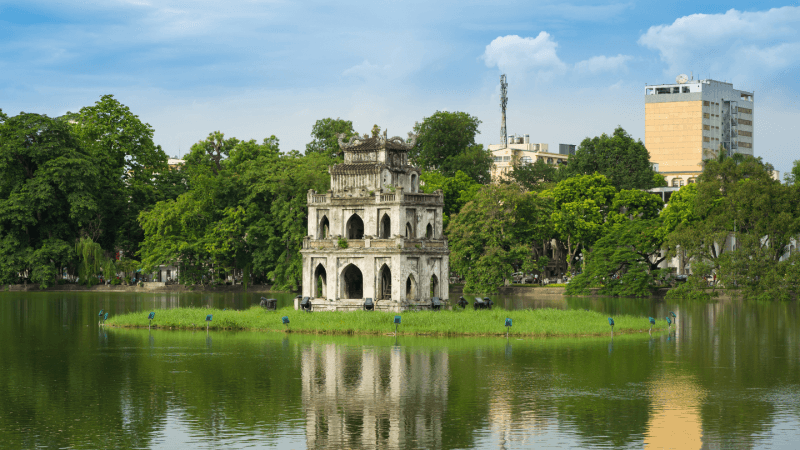
How to get there: Walking distance to and from most hotels in central Hanoi.
Best time to go: Early morning or just before sunset when the lake appears magical.
Tip: Don't overlook the Turtle Tower at the center of the lake, which appears particularly stunning at sunrise or sunset.
9. War Remnants Museum
The sobering War Remnants Museum offers a confronting glimpse into the lasting effects of the Vietnam War. Both educational and deeply emotional, the Museum delves into the conflict with photographs, military hardware, and testimonies. It's a place to reflect on the past and hope for peace and understanding in the future - and also a reminder of the hard-earned resilience and fortitude of the Vietnamese people.
How to get there: It’s a short bus or taxi trip from downtown Saigon.
Best time to go: Allow two to three hours to take in the heavy-hearted exhibits.
Be prepared for an emotional visit; some images and accounts can be distressing.
10. Ben Thanh Market
The bustling hub of Ho Chi Minh City, Ben Thanh Market is filled with energy and locals buying and selling wares. Stock up on souvenirs, local snacks, and even fresh produce before heading to the market's food stalls for a quick meal. Look for stalls selling Vietnamese silks, crafts, and unfamiliar fruits. The market is a lively snapshot of life in the city, where timeless customs meet modern experiences.
How to get there: Easily reached by bus or taxi.
Best time to go: Visit early in the morning, or later in the evening, for a more relaxed shopping experience.
Tip: Be prepared to barter – offering half the asked price when purchasing is a great way to start negotiations.
11. Old Town
Hoi An’s Old Town is a beautifully preserved slice of history, a Southeast Asian trading port dating back to the 15th century.
The town is filled with historic houses, where architecture blends local and foreign influences. At night, lanterns light up the streets, creating a magical, timeless atmosphere.
But Hoi An is more than just buildings—it’s also a perfect place to experience Vietnam’s rich heritage, with local artists showcasing their crafts and artworks at every corner.
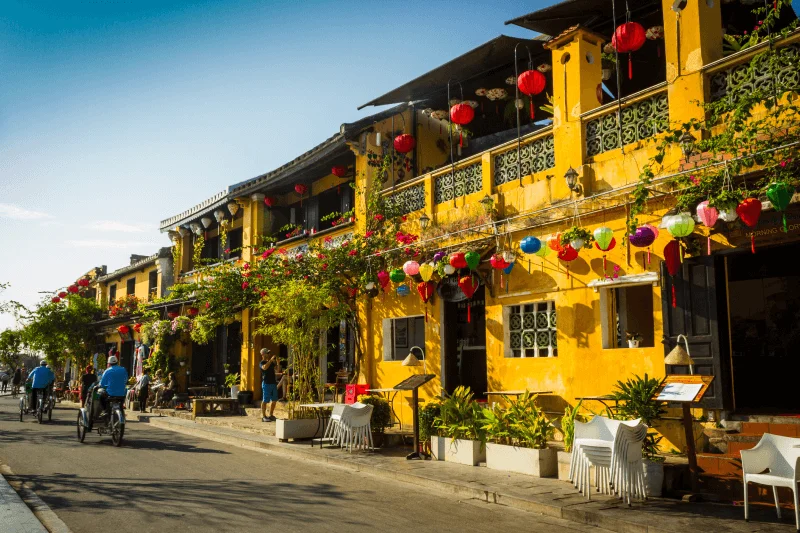
How to get there: Walk or hire a bicycle to explore Old Town from anywhere in Hoi An.
Best time to go: Spend a day taking in the small streets, bizarre architecture, and lively markets.
Tip: You can purchase a ticket that admits you to several historical homes and museums to get the fullest experience.
12. Dragon Bridge
Da Nang’s Dragon Bridge truly lives up to its name, especially on weekends. Every Saturday and Sunday night, the dragon breathes fire and sprays water in a spectacular free show.
If you plan to livestream or upload the moment, an iRoamly data plan ensures a smooth connection even in crowds.
More than an engineering marvel, the bridge also reflects local mythology and symbolizes power and prosperity.
How to get there: In central Da Nang, easily reached by local transport.
Best time to go: Catch the show with the dragon on a Saturday or Sunday night.
Arrive early to get a space to photograph the spectacle, as the bridge is busy on show nights.
13. Po Nagar Cham Towers
A passage back through time to when the Champa Kingdom ruled for an amazing day trip. The towers are a series of stunning structures – some taller than the others, and each dedicated to different deities – built between 7th and 12th centuries. The detail in the carnings and statues that adorn the complex is remarkable, and takes you back to the time of the builders.
How to get there: Take a motorbike or taxi to the site from the center of Nha Trang.
Best time to go: Spend two hours wandering the towers and the gardens around them.
Tip: Cultural respect– dress modestly, and remove your shoes upon temple entry.
14. Vinpearl Amusement Park
Vinpearl Island from Nha Trang Beach is more than just a short hop across the water. In addition to offering views over Nha Trang Bay on its cable car, the island is home to a world-class resort and entertainment hub that goes beyond ‘amusement park’ in description. Here, you’ll find thrill rides, a water park, an aquarium, and dozens of shows to entertain all ages.
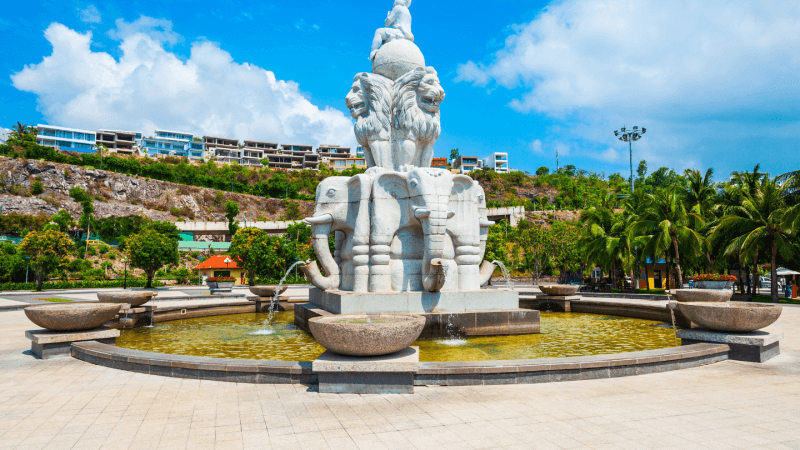
How to get there: Ride a cable car from Nha Trang to reach Vinpearl.
Best time to go: A day is just right to experience the park in full.
Tip: Buy an all-inclusive ticket ahead of time for savings and speedier access.
15. Imperial City
If you want to explore Vietnam’s royal history, the Imperial City of Hue is undoubtedly the place to go, as it was once the capital of the Nguyen Dynasty.
As one of the best-preserved palace complexes in Southeast Asia, it is often compared by travelers to East Asia’s Great Wall or the Forbidden City for its architectural grandeur.
The magnificent Imperial City still stands today, surrounded by palaces, temples, and courtyards. Its current architectural style blends multiple influences, featuring traditional Vietnamese designs alongside French colonial elements.
Strolling through the citadel, tombs, and palaces, you can truly feel the majestic presence of Vietnam’s royal past.
How to get there: Central Hue – easily reached on foot, by bicycle, or motorbike from any part of the city.
Best time to go: Half a day to walk around the many buildings and their grounds.
Morning is your friend here – avoid both the heat and the crowds by going early.
16. Thien Mu Pagoda
In Hue, the Thien Mu Pagoda is Vietnam's most famous pagoda – and arguably the country's most iconic. Built in 1601, this seven-storey pagoda is a sacred site and a place of historic significance. The pagoda complex is well maintained, with gardens, statues, and a massive bell that is said to send sound reverberating through the ancient capital when it's rung.
How to get there: Just a short journey from Hue city center, you can reach the pagoda on a bike, by taxi, or even take a relaxing boat ride along the Perfume River.
Best time to go: Spend an hour or two here in the late afternoon, when the atmosphere is serene and the sunset view over the river is beautiful.
Tip: The sunset is fantastic – you'll get some great photos overlooking the river at this time of day.
17. Linh Phuoc Pagoda
In Lam Dong's Da Lat, the Linh Phuoc Pagoda has come to be known as the 'Pagoda of Broken Glass'. Be warned, it's a very busy tour, largely due to the pagoda being an intricately decorated temple, with broken glass and ceramic tiles being employed as mosaics decorations throughout. The eye-catching pagoda also features a dragon sculpture made of beer bottles, and numerous other mosaics showing scenes from mythology and Buddhist parables.
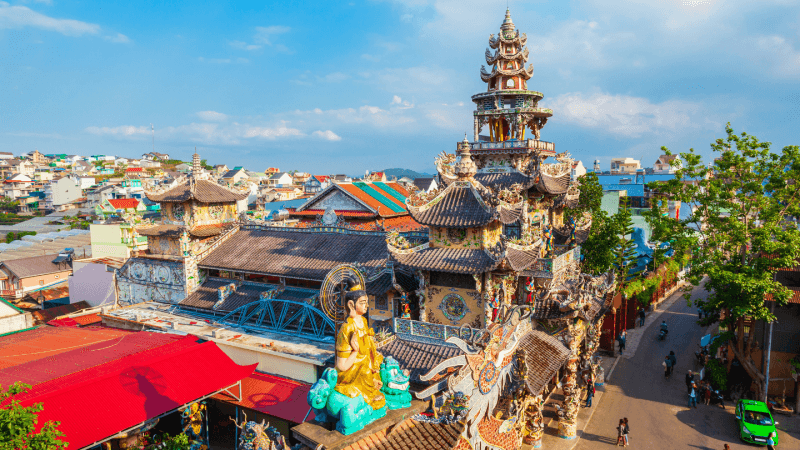
How to get there: Take a taxi or motorbike from the city centre of Da Lat.
Best time to go: You can spend a couple of hours admiring the pagoda and exploring the grounds.
Tip: Go up the tower of the bell for pictures of the landscapes.
18. Da Lat Night Market
There are cramped, excellent street food stalls spread out to satiate crowds, with anything from skewers of meats on the grill to fruit salads providing refueling stops. If you're feeling adventurous, try the local favorite Banh Trang Nuong. Besides, there's also a range of shops in which to buy clothes, souvenirs, and local art.
How to get there: Right in the heart of Da Lat – you can easily walk to the market from accommodation in the area.
Best time to go: Open in the evening, so it makes for a good place to come and eat and shop until late.
Da Lat is cold at night, especially in the winter – take a warmer layer along.
Historical Sites
19. Cai Rang Floating Market
Can Tho’s Cai Rang Floating Market is the biggest of its kind in the Mekong Delta. Boats gather here in the early hours of the morning to sell everything from fresh produce to coffee. It's a fascinating look at how commerce operates on the water, and a window onto local life in the region.
How to get there: Boat tours typically start from Can Tho city centre.
Best time to go: Visit at first light to beat the worst of the heat and see the market in full swing.
Tip: Try Vietnamese iced coffee – preferably from a vendor in a boat!
20. Binh Thuy Ancient House
This well-preserved residence in Can Tho dates back to the 19th century, with the homes of prosperous communities serving as a museum to the way they lived. Filled with antiques and a peaceful garden, it's a brief step back into history, and a beautiful site for photographs.
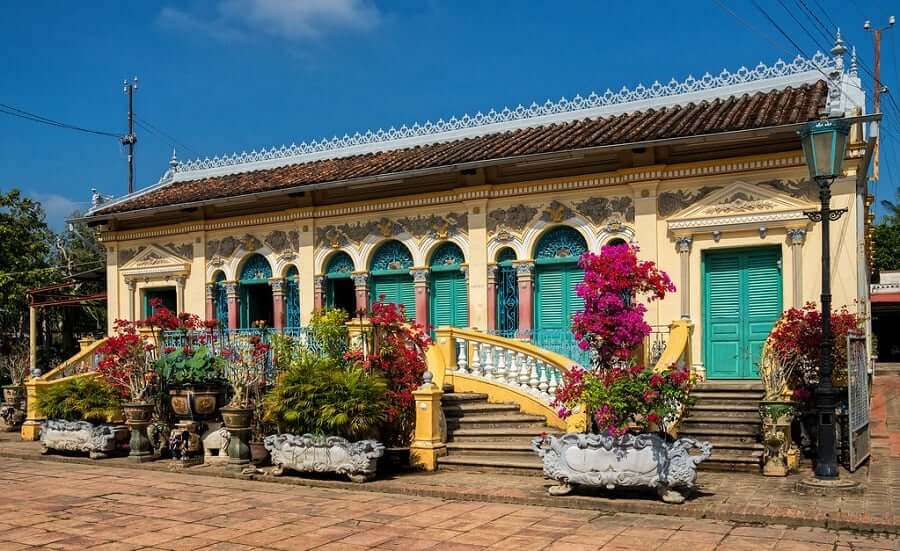
How to get there: A taxi or motorbike will zip over from Can Tho city center.
Best time to go: Plan for an hour or so touring the house and gardens.
Tip: Search for tours of the house, often offering more context on its history and contents.
Summary
We've taken in 20 unmissable spots showcasing Vietnam's surprising diversity, from historic to natural and everything in between.
Each site tells its own story, gifting the traveler with a wealth of experiences.
Whether you visit these destinations for adventure, history, or the sheer natural beauty of the landscape, prepare for wonder.
There is no place quite like Vietnam, so what are you waiting for – a delightful journey awaits in the heart of Southeast Asia.