
Ever wondered why Vietnam gets two Women's Days every year?
In addition to the worldwide celebration on March 8, Vietnam marks a separate day dedicated entirely to the women of the country – a reflection of its deep respect and appreciation for their contributions in all aspects of life.
If you are planning a trip to Vietnam to experience these heartwarming moments firsthand, don’t forget to bring an iRoamly Vietnam travel eSIM to ensure a smooth and reliable connection. This way, you can share the unique festive atmosphere on social media anytime, allowing more people to see the resilience and charm of Vietnamese women.
Now, let’s explore Vietnam’s distinctive Women’s Day culture together!
When is Vietnamese Women's Day?
Alongside the globally-recognized International Women's Day on March 8, Vietnam takes its own unique Women's Day on October 20. The date is material as it was the day that the Vietnam Women's Union was founded, in 1930 – an established importance in securing the rights of Vietnamese women.
The History of Vietnamese Women's Day
Vietnamese Women's Day stands apart from International Women's Day on March 8, with its own historical foundation grounded in Vietnam's diverse culture and history of women's empowerment.
The day was first celebrated in 1930, during a growing women's rights movement in the country. It was designated as a holiday to mark the role of women in the development of the nation, with an endorsement of their legal rights at the time to vote, and take roles in state affairs – freedoms that many women elsewhere in the world could only dream of.
The Status of Women in Vietnam
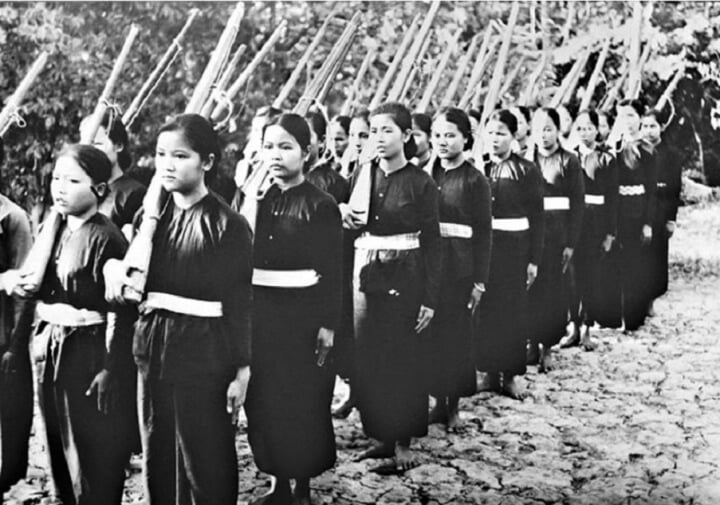
Even during the 20th century, through the years of the Indochina Wars and the Vietnam War, women's roles morphed significantly from at-home drudgery to on-the-ground work, warfare, and public life more widely. The party has since pressed for women's rights, equality, and representation in government, even putting in job quotas for women across sectors in the 1960s.
Today, the fight for women's rights continues in Vietnam, although an astonishing proportion of local women are now in senior leadership roles. The country scores highly on female participation in the labor force, taking second in Asia for women in senior management positions.
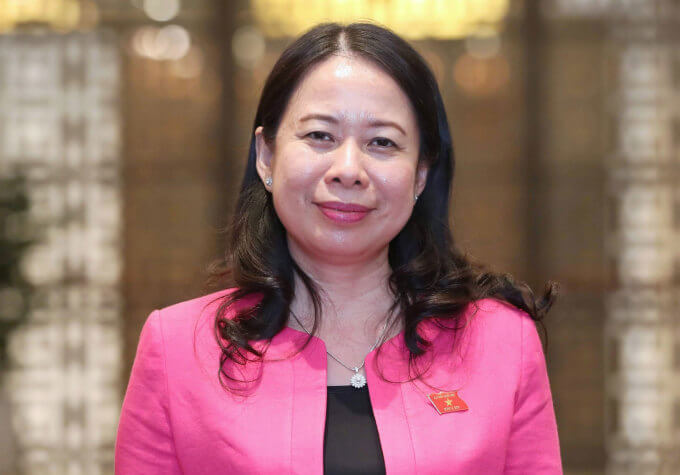
Vietnam has already seen two acting female presidents – Vu Thi Anh Xuan in 2023, with Dang Thi Ngoc Thinh serving in 2018, and Nguyen Thi Kim Ngan was appointed as Chairperson of the National Assembly in 2016. Truong Thi Mai is the nation's first female Communist Party Executive Secretary, appointed in 2023. Business-wise, Nguyen Thi Phuong Thao has also risen to become Vietnam's first female billionaire.
This modern sense of female confidence is also reflected in the evolution of Vietnam’s traditional garment, the Ao Dai: it has gradually shifted from a once restrictive, movement-limiting cut to more contemporary designs that are both elegant and practical. It symbolizes women’s journey from the home into a broader society, as well as their growing freedom.
Still, traditional roles and cultural aspects are still very much alive in Vietnam, determining the status of women in familial and socio-economic settings.
How do Vietnamese Celebrate Women's Day?
Both March 8 and October 20 bring various events and accolades to Vietnamese women, although they are not public holidays themselves, but are widely celebrated across the nation.
During Women’s Day celebrations, with the stable connectivity provided by iRoamly’s network, travelers can effortlessly livestream the heartwarming moments unfolding on the streets of Vietnam.
You’ll see flowers and gifts being passed from hand to hand, carrying respect and gratitude for women’s contributions; you’ll also hear the distinctly ceremonial Vietnamese greeting: “Ngày Phụ nữ Việt Nam.”
The Tradition of Vietnamese Women's Day
The day is an opportunity for men of Vietnam to perform small acts of kindness and demonstrate appreciation for the positive women in their lives. Schools and companies will also have events that celebrate women's achievements and promote gender equality.
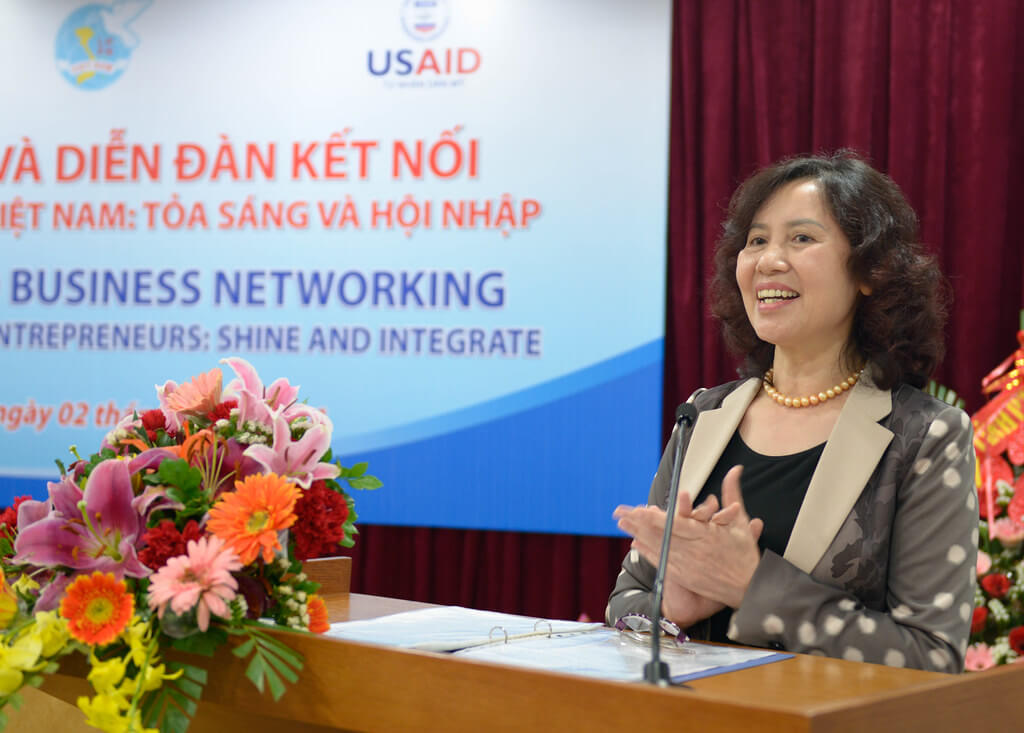
In Southeast Asian countries, much like certain traditional festivals in Indonesia that emphasize family collectivism, Vietnam’s Women’s Day also carries a strong sense of social connection and community.
Society roles of women is celebrated and reviewed in a number of ways during Vietnamese Women's Day, such as:
Public Performances: A number of cultural and artistic shows celebrating the lives of Vietnamese women throughout history.
Conferences: Thematic conferences that explore the progress and remaining work in women's rights.
Seminars: Educational workshops that aim to raise awareness of gender equality and provide direction on how to further improve women's status in society.
FAQ
How are women's rights protected in Vietnam?
Vietnam has legally recognised gender equality and women's rights since 1946, providing protections such as maternity leave pay, equal wage for equal work.
What is Vietnam's biggest holiday?
The Vietnamese Lunar New Year, called Tết, is the largest and most important holiday in Vietnam.
Why is March 29 called Vietnam Day?
March 29 is the day in 1973 when the final United States combat troops left Vietnam and the last American prisoners of war returned home. For many, it's a memorable day.
What is the religion of Vietnam?
Buddhism is the largest religion in Vietnam and heavily influenced the country's cultural and social tenets.
How many women served in Vietnam?
Around 10,000 women served in Vietnam overall, of a total of over 265,000 female military personnel and civilian employees who served worldwide at that time.
Summary:
Vietnamese Women's Day is more than just a token date in a calendar, but a celebration of progress, an examination of continuing challenges, and a living reminder of how rich Vietnam's tapestry continues to be.
For any traveler strolling through the streets of Vietnam at such a time, the pride the Vietnamese people have in their past and excitement for their future is inescapable, and will surely leave a lasting impression on your own experience.