With Tet Vietnam 2026 on the horizon, we’re ready to dive into the rich cultural tapestry that is Vietnam’s biggest festival.
Our guide to Tet covers the time-honoured customs, the customary foods, and the communal spirit that makes Tet an essential part of Vietnamese culture.
If you are planning to travel to Vietnam for this major festival, it is recommended that you prepare your mobile internet in advance, as large crowds during the holiday period can lead to high network demand.
In such situations, getting a SIM on the spot or finding a stable signal may not be very convenient. With the iRoamly Vietnam travel eSIM, you can stay connected at all times and instantly share these unforgettable moments with family and friends back home.
If you want to experience the atmosphere of Vietnam’s Tet festival more deeply, or learn more about local traditions and festive customs, keep reading below!
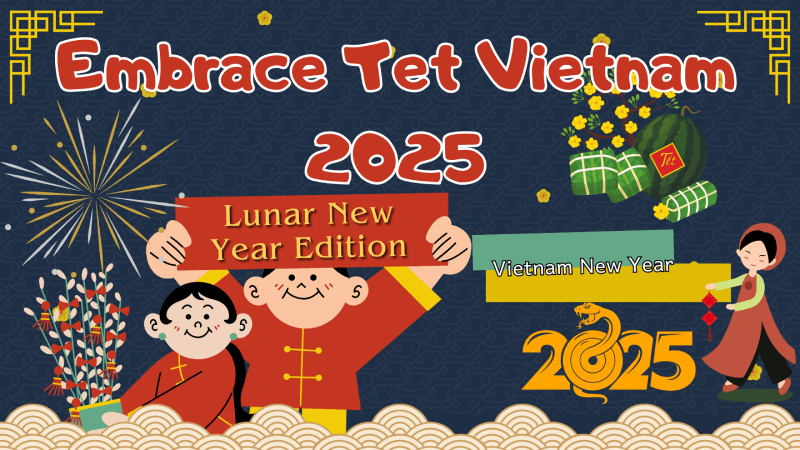
When is the Spring Festival in Vietnam in 2026?
Vietnamese New Year, also known as the Vietnamese Lunar New Year, falls on Tuesday, February 17, 2026. The festival traditionally lasts for seven days, and the number of public holidays around it vary based on how Tet aligns with weekends.
Additional days are often added to seamlessly transition from festive days to the working year, allowing people to chill with family and take part in the range of Tet activities.
Origins and Cultural Significance of Tet in Vietnam
More than just the beginning of a new calendar year, Tết Nguyên Đán – to use its official title – is a significant festival that is deeply ingrained in the Vietnamese national identity.
Resurrected from ancient agricultural rites that wished winter well and greeted spring, Tet is now a time of fresh starts, family unity, and ancestor worship.
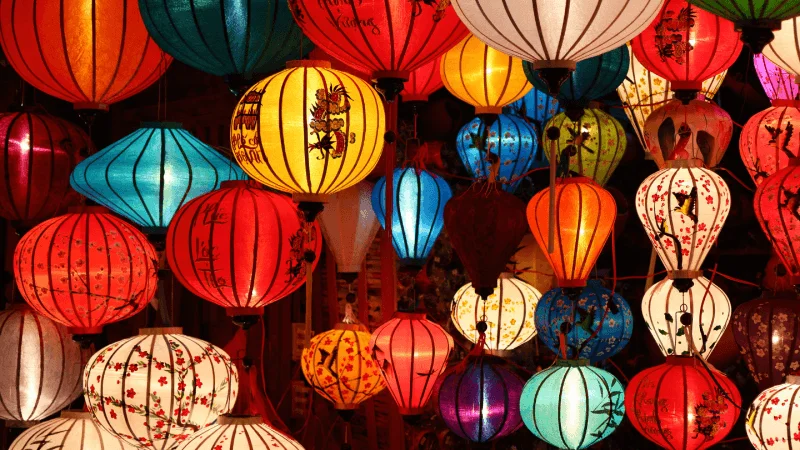
Historically, the Spring Festival has been closely tied to the lunar calendar, marking the arrival of spring with the new moon.
Although Vietnam’s Lunar New Year aligns closely in timing and underlying philosophy with one of China’s most important festivals—the Chinese Spring Festival—the associated customs, such as arranging the five-fruit tray, making Bánh Chưng, and displaying peach blossoms or yellow apricot blossoms, are distinctly Vietnamese.
For locals, Tet is the spiritual equivalent of both a week-long Christmas and the arrival of a new solar year found in the West. A time to sweep away the detritus of the old year, clear all debts, and mend damaged relationships in order to go forward together, anew.
How do Vietnamese celebrate the Spring Festival?
Preparations & Decorations
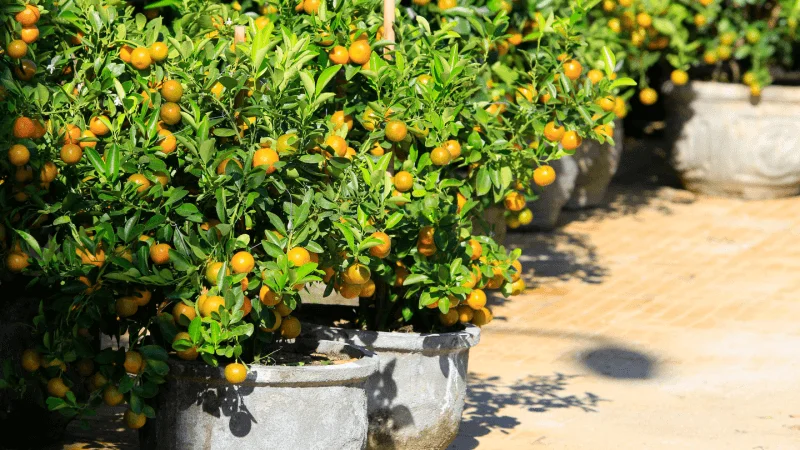
In the weeks leading up to Tet, families clean their homes to sweep away bad luck from the old year and make way for the new. More than a spring clean, it's a purifying ritual. Houses are then decorated in plants such as Hoa Mai (yellow apricot), Hoa Dao (peach blossom), and kumquat, all chosen for their lucky properties of renewal and prosperity.
Ancestral Traditions
Days before the start of Tet, families will visit the grave sites of their ancestors to tidy and decorate them. This pays homage to the past and forms a basis for future blessings by cherishing what has come before us.
Temple Visits
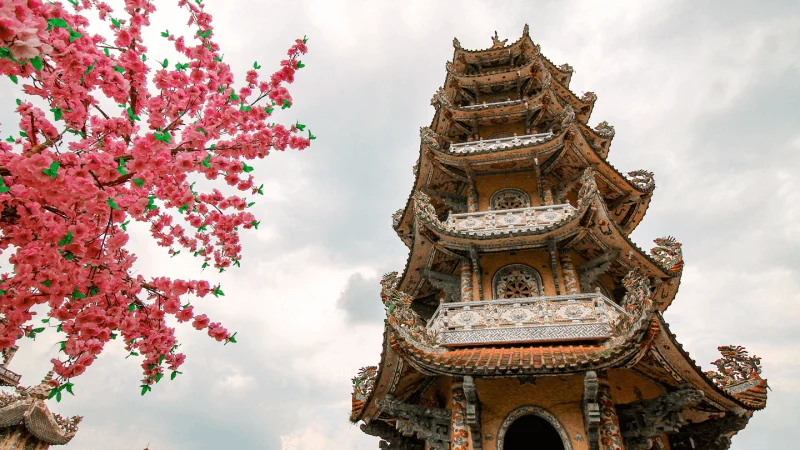
Tet is a time for visiting temples, with people offering prayers and incense and making donations during Tet and just after it, to court luck for the year ahead. The visits are a spiritual high point for many Vietnamese, who are infused with a deep sense of spirituality and the fortunate blessings that a god or gods can bring during this period.
Festive Foods & Finery
As Lunar New Year approaches, every household is filled with an atmosphere of anticipation, preparing a lavish New Year’s feast to welcome this important festival.
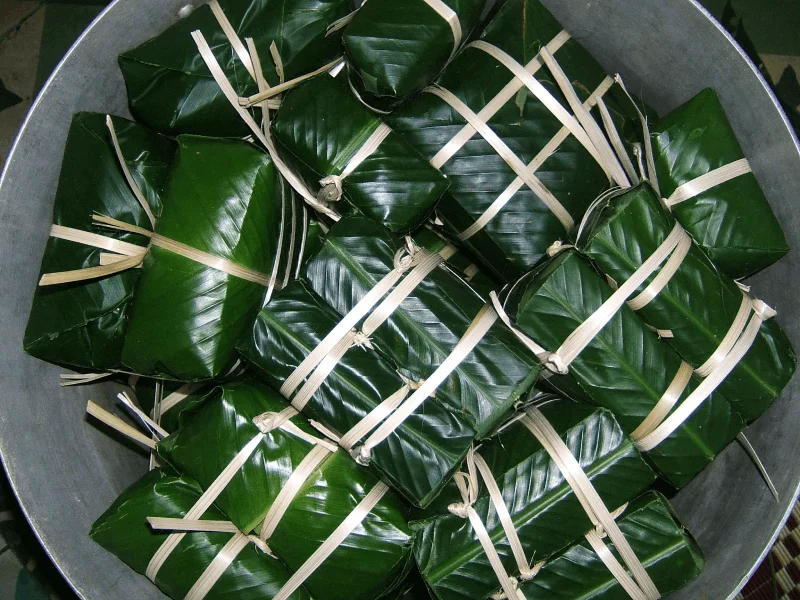
People enjoy delicious dishes while expressing admiration, such as Bánh Chưng, a traditional Vietnamese rice cake made from glutinous rice, mung beans, and pork filling, shaped into a square.
These Vietnamese delicacies, which carry historical memory, are not only a delight for the taste buds but also cultural symbols. Through their specific ingredients and cooking methods, they reflect the Vietnamese people’s gratitude toward the land and respect for their ancestors.
People also wear new clothes and shoes for the new year, especially children, symbolizing the farewell to the old year and the welcoming of the new one.
Celebrations & Socializing
The first day of Tet is all about family and friends, as relatives visit each other with gifts, festivities, and good fortune for the new year. For children, this means receiving "lucky money" in small red envelopes.
The streets are typically alive with lion dances and firecrackers, while the walls of homes are filled with music and laughter, all designed to celebrate the new year and its zesty sense of renewal and community spirit.
Weather during the Spring Festival in Vietnam
Weather is another factor that varies dramatically from region to region over Tet, with the season of festivities feeling very different depending on where you are.
In the north, in Hanoi, it will be cool (14°C to 20°C, 57°F to 68°F), although only a lightweight jacket will be necessary even on cooler nights. In the south, in Ho Chi Minh City, the weather will be warmer (26°C to 32°C, 79°F to 90°F) and compels light, loose clothing.
Central Da Nang will enjoy pleasant weather, around 18°C to 24°C (64°F to 75°F), while the always slightly cooler and damper Hue will see temperatures around 18°C to 22°C (64°F to 72°F) – expect some rain, so an umbrella or raincoat may be useful.
For travelers trying to decide the ideal time to visit Vietnam, Tet offers simultaneous unique cultural experiences and regional weather contrasts, making it a great time of year to explore the country.
As long as you pack with these variances in mind, the weather should not be a barrier to your enjoyment of the festival or the country during your visit.
Traveling in Vietnam during the Spring Festival
Accommodations and Transit:
Book your accommodation and travel early, as Tet is a very busy time for domestic travel.
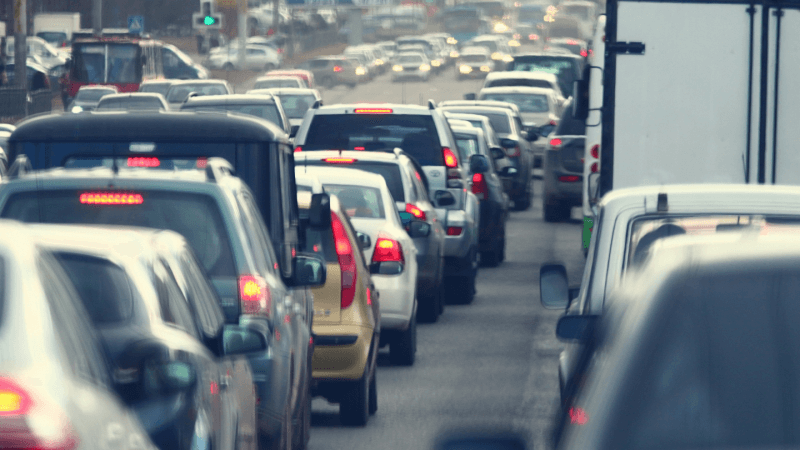
Expect congestion on roads and in public transport (and flights, trains, and buses) to be busier than normal.
Attractions and Hours:
Tourist attractions will mostly remain open, but they're likely to be crowded.
Most museums, mausoleums, and similar indoor attractions close for the first three days of the festival.
Markets – especially in the Mekong Delta region – and many smaller businesses close.
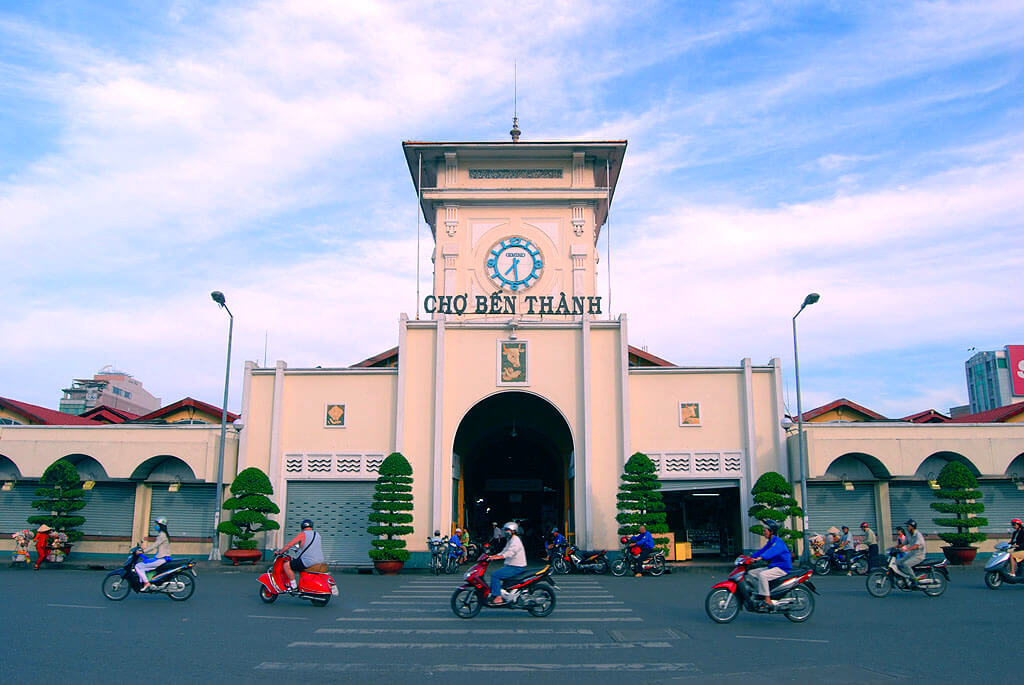
Restaurants and shops open on reduced hours – check in advance when things are open.
Travel Tips for Vietnam during the Spring Festival
Cultural Etiquette and Shopping:
Don't try to haggle during Tet, as it's considered bad luck. If you do need to negotiate, always act with respect to the person, and the context of the festival.
Businesses and markets may be closed, so plan for that if you're hoping to make any necessary purchases.
Financial Preparation:
Exchange some cash into local currency before Tet; many banks and currency exchanges will be closed.
During bank closures, if you urgently need to find an ATM that is still operating or a lesser-known currency exchange point, staying connected is essential. With iRoamly, you can access the latest financial service guides anytime through a mobile app.
Carrying smaller notes will make your transactions easier, especially in places that don't accept credit cards.
In General:
Expect altered hours and availability for shops, restaurants, and services, which may interrupt your travel plans.
Highways and public transport will be busier than normal. Plan extra time for journeys between sights to allow for delays.
Summary:
Tet in Vietnam remains a deeply cultural experience for visitors, from the foods and traditions to the warm welcome of the Vietnamese people.
Embrace these Vietnamese cultural experiences during the 2026 Spring Festival, where you can enjoy a New Year full of fun, contemplation, and some of the most beautiful traditions in Vietnam.